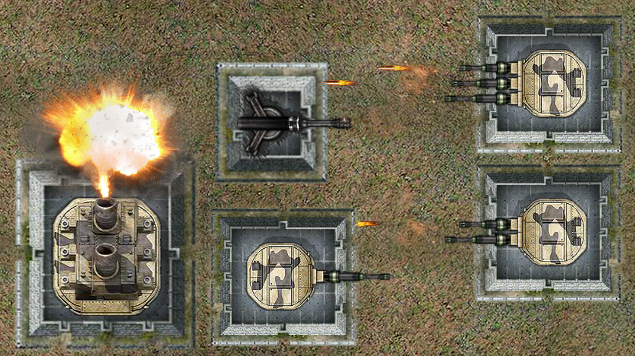
This update mainly focuses on the combat mechanism, let's take a look :
① Legion Honor Emblem Mechanism
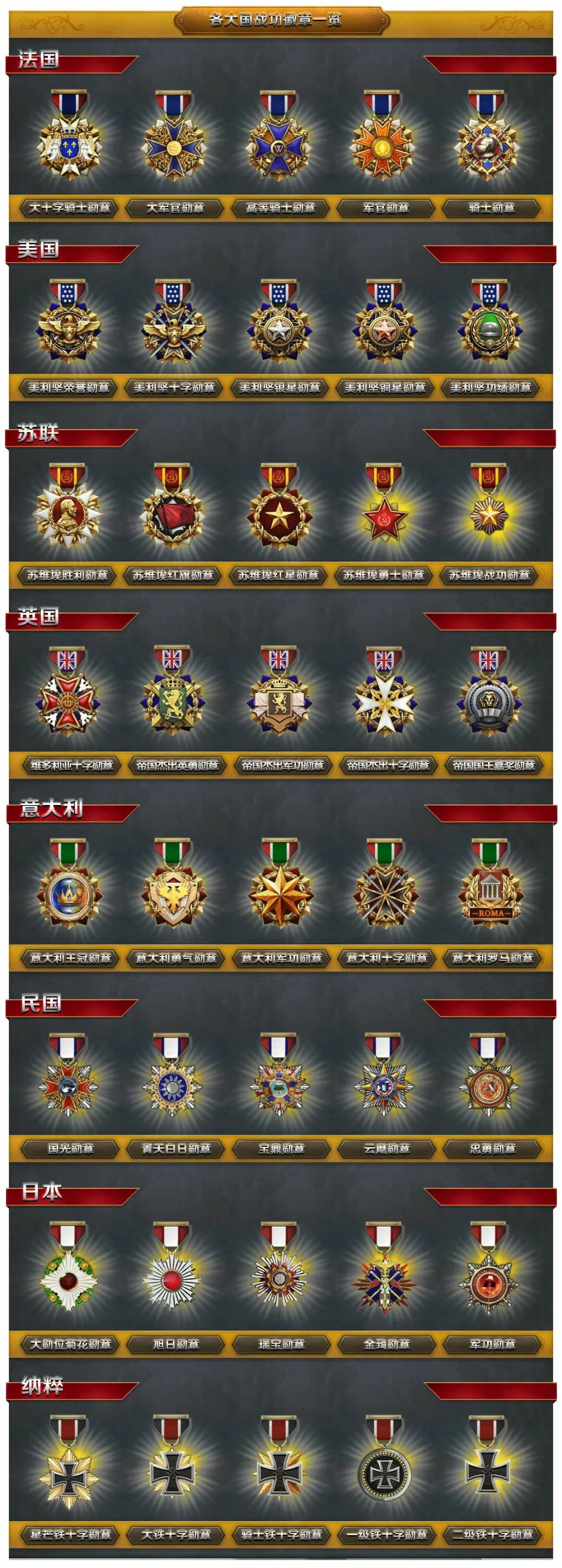
Whenever we win a battle , the system will provide badges at levels 1-5 based on the comparison of enemy and enemy strength, battle damage rate, and individual kill rate. The badges are drawn based on the true history of World War II in various countries.
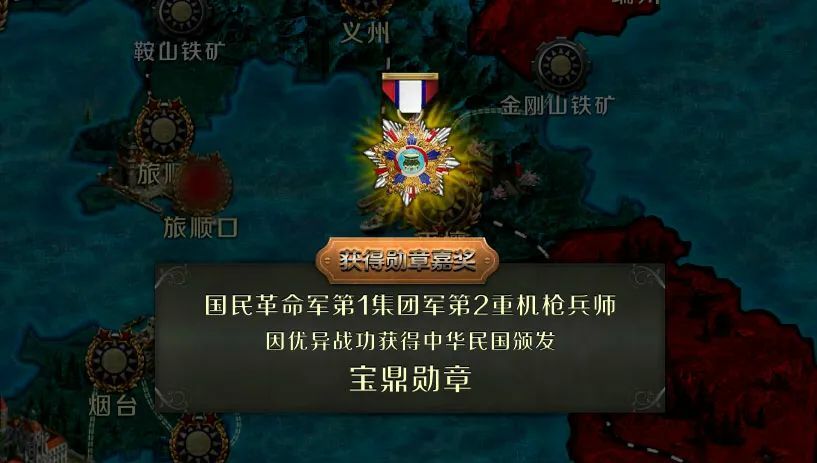
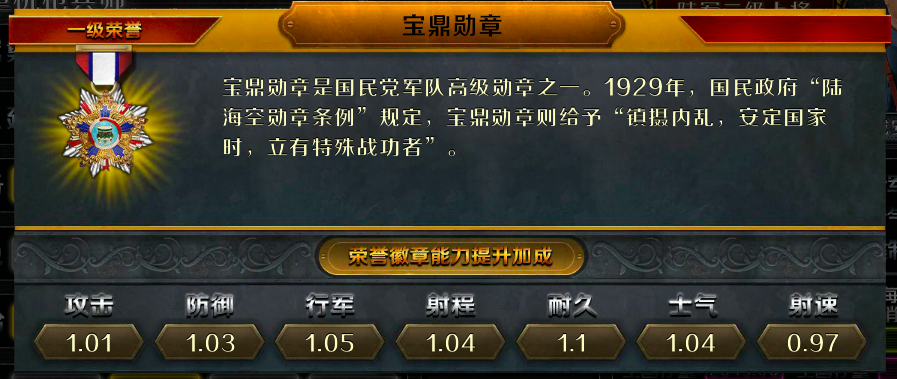
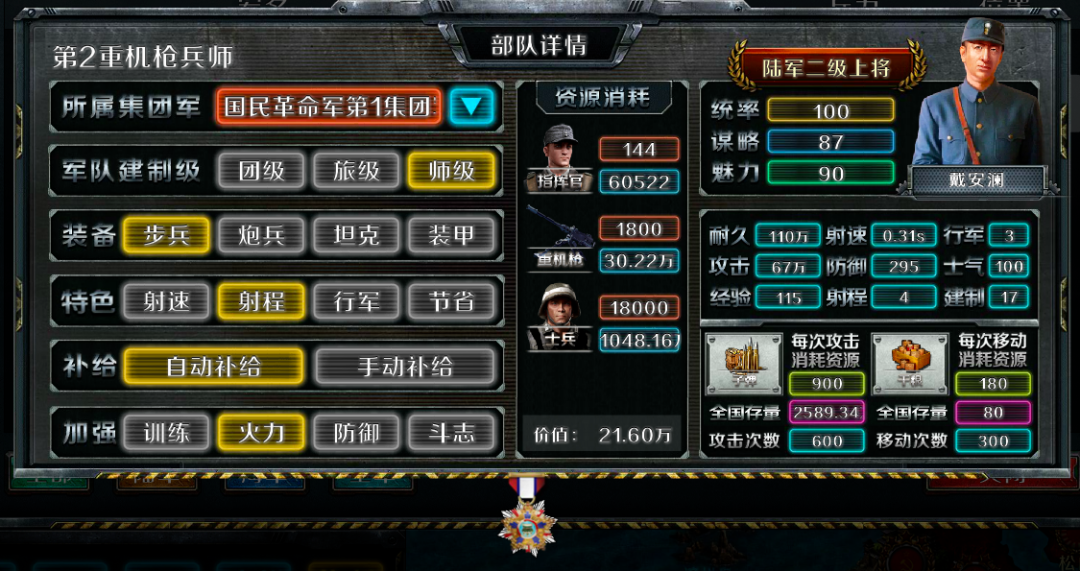
Each badge will add combat effectiveness to the troops, and each unit of a regiment, brigade, or division can continuously accumulate badges. As long as there is combat merit, they will be awarded. Let's look at a list of badges of major countries:
② Accumulated combat experience of generals and troops
Each general will accumulate experience in the combat, including six fields: infantry, artillery, tanks, armor, navy, and air force. In history, such as Guderian's armor strength, Nimitz's navy, Charles de Gaulle's tank division, and so on. Regardless of success or failure in a battle, we still can gain experience from the enemy and our participating troops. For example:
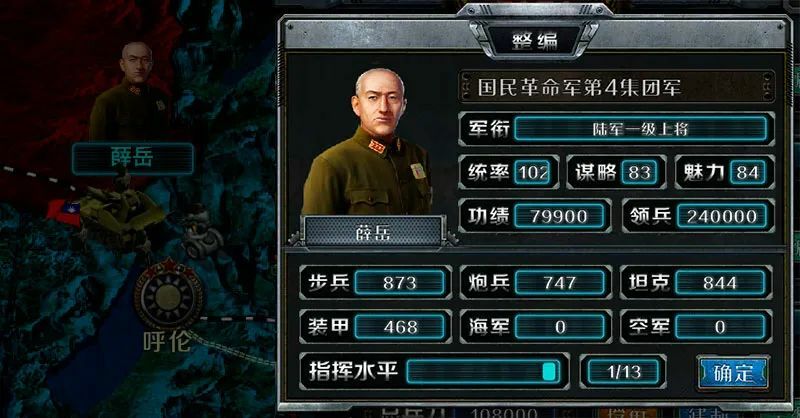
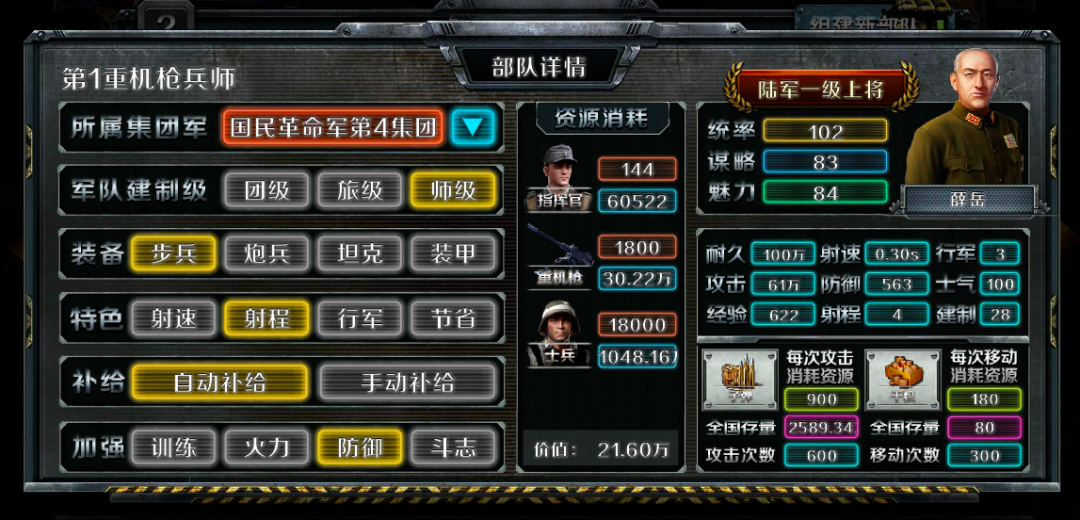
Each unit can also gain combat experience from war, and with the accumulated experience of the group commander, after multiple battles, it can develop an elite unit.
③ General Rank Mechanism
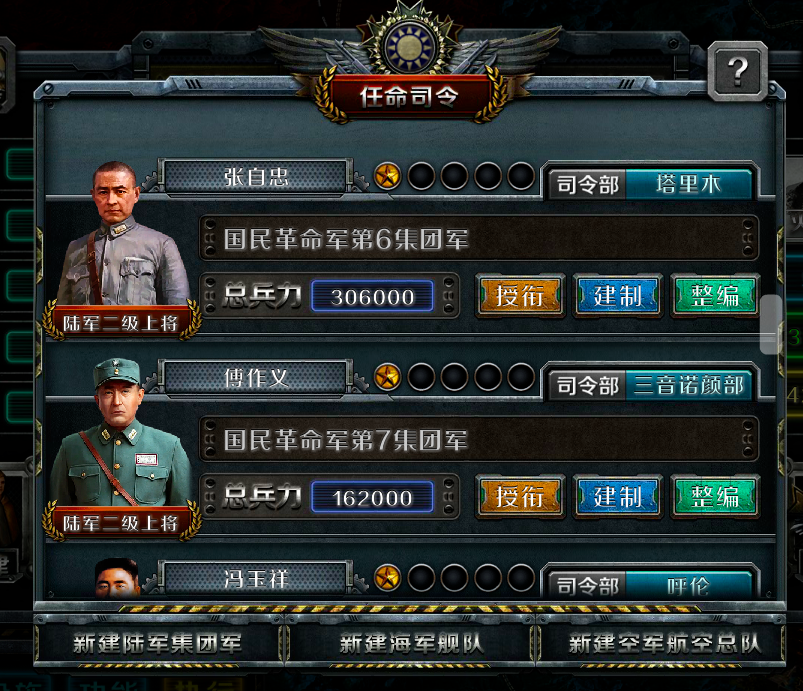
Each country has its own military rank system, such as the five-star general of the United States, the field marshal and air force marshal of Britain, France, and Germany, the Japanese army general, sergeant, and so on. Military ranks need to be awarded based on their military achievements, which can increase the abilities of generals and the number of troops they lead.
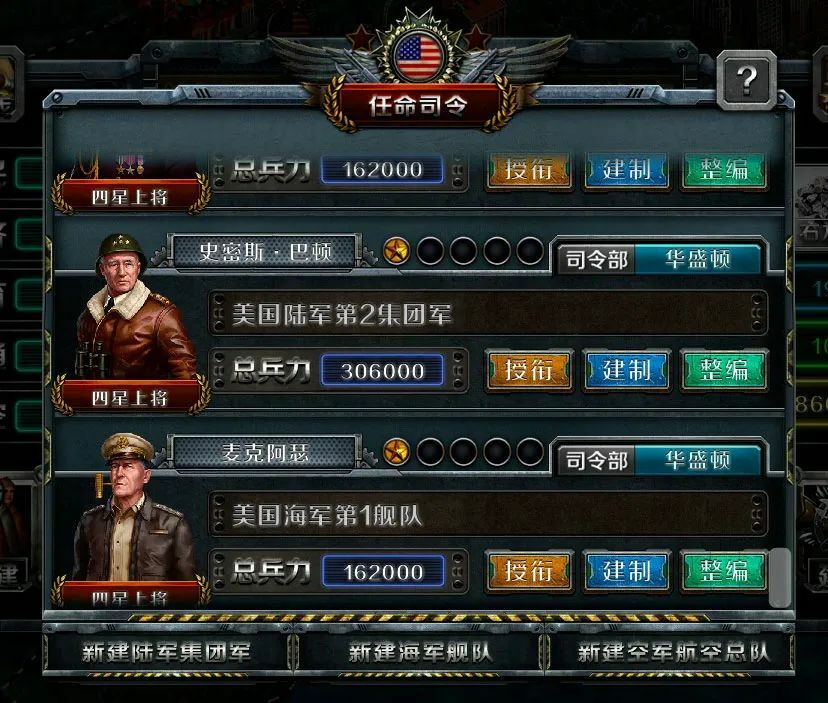
④ The growth of armed strength
Training principle: Solid support, tempered into steel! Based on the above points ①, ②, and ③, after each battle, the troops and generals can gain experience and even badges, which means that the combat power of the troops is becoming stronger and stronger. As long as the combat readiness resources are sufficient, supplies will be automatically obtained after the war, and we can immediately fight again, each time with a higher chance of victory than the previous one. It can be said that it has become a strategy of conquering cities and territories, and gaining experience if defeated.
⑤ Understand enemy strength
Before planning to attack the enemy, first assess their strength from the following points:
Ⓐ A powerful country:The military equipment of the Soviet Union, Germany, and the United States is the most advanced, with the most complete range of branches. If you don't have the most elite troops, without heavy equipment, never touch them. (If the player had the strength of the Soviet Union and the United States in the beginning, it would be dull.) The navies of Britain, the United States, and Japan are very powerful, and they also need the strength to provoke. France and Italy have comparable strength between navy and army, while the Japanese army can only bully Asian countries. As for other countries, it can be used to practice and earn experience.
Ⓑ Economic strength and strategic position:Click on the enemy city, as shown in the picture:
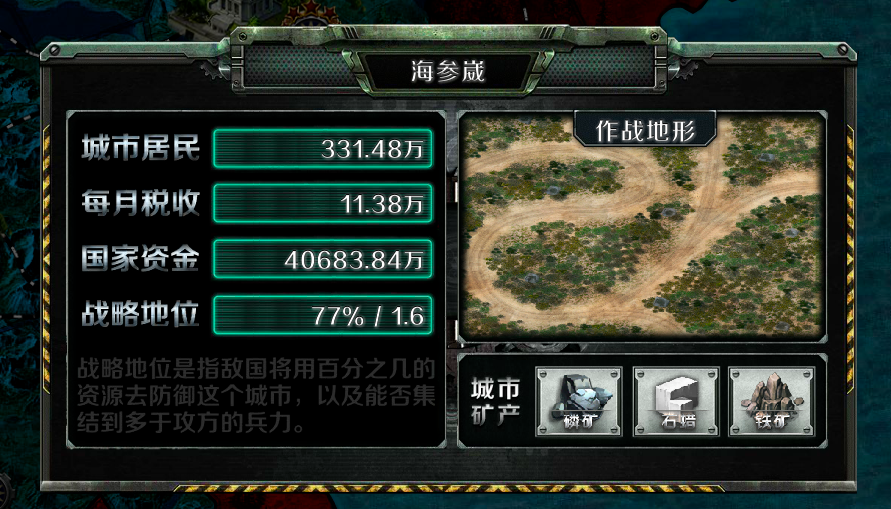
National funds are money that an enemy country can use for war, originating from the taxes of each city within its territory. Without land, money naturally decreases. Every enemy army that goes to the battlefield must be deducted here. Those small countries can be consumed by combat, especially in naval battles.
The percentage of strategic position is the highest proportion of national funds invested in combat in the country. The coefficient of 1.6 is the maximum number of times the opponent will resist the invasion with their troops. This coefficient depends on whether the city originally belongs to its own country, such as the recovery of Lushun. In addition, there are transportation routes between the two sides. The more routes connecting the city, the more advantageous it is for our side. If it is an isolated city, it will be very low.
So unless you want to exhaust your computer, it's not advisable to put too many troops into a battle at once, because if we have more enemies, they will also increase in multiples, and the absolute number will increase. If we attack a city with a coefficient of 1.4, we will have 10 enemy units and 14 enemy units, and only four more units are needed to solve the problem. If we send 30 units, the enemy will receive 42 units, and an additional 12 units will be difficult to solve.
⑥ Techniques for arranging troops and formations
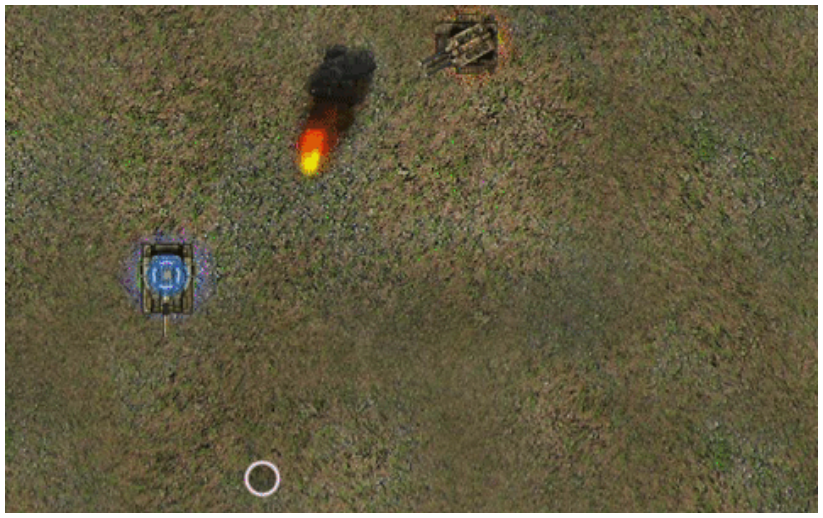
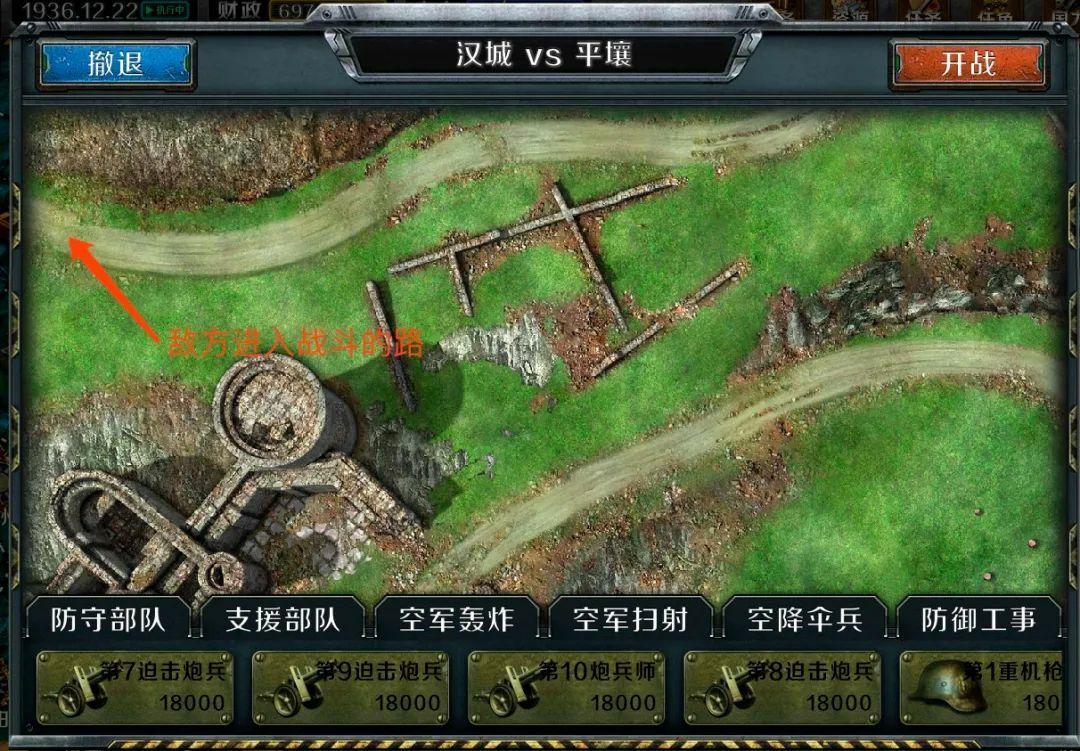
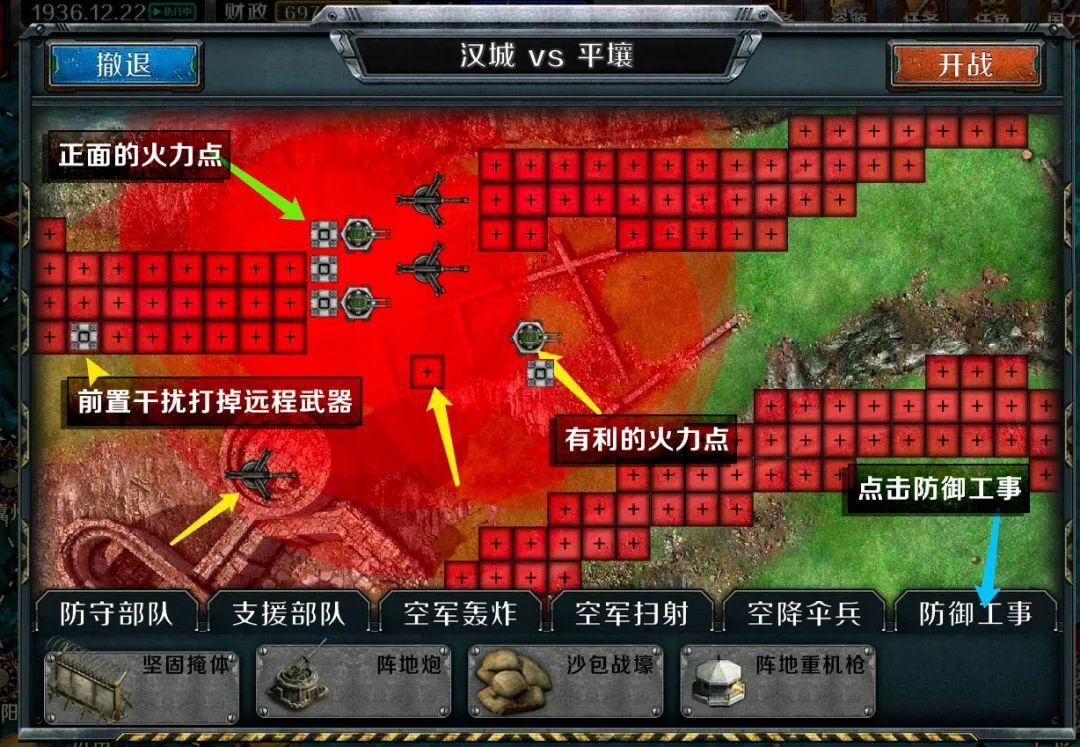
Ⓐ Offensive and defensive direction:First, clarify whether you are the attacking or defending side. For computers, the attacking forces will be distributed on the left side of the map, while the defending forces will be on the right side. And players are unrestricted and can be distributed incidentally. So some weaker long-range weapons can be arranged at a distance from the enemy. Some heavy or surprise troops can be placed directly in enemy positions to quickly defeat enemy long-range firepower points.
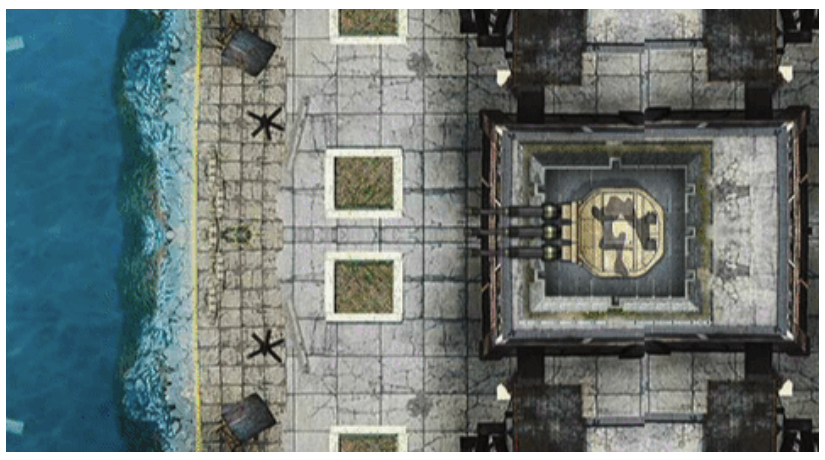
Ⓑ Fortification:If attacked by a computer, according to the above Ⓐ, the computer is the attacking party and its distribution location is on the left side of the map. Then look at how many "entry" paths are on the left side of the map, leave a section of the road for the enemy to be pulled into a "long snake formation", and deploy frontal firepower points in appropriate positions. The front firepower point, also known as the defense line, can have several more layers. Then the combat troops are behind the defense line. It is not ruled out that some computer raid troops will come to the rear, but it is a small number. Note that the more defensive fortifications there are, the better. The more fortifications there are, the more enemy troops there will be, so the key is to have a good location.
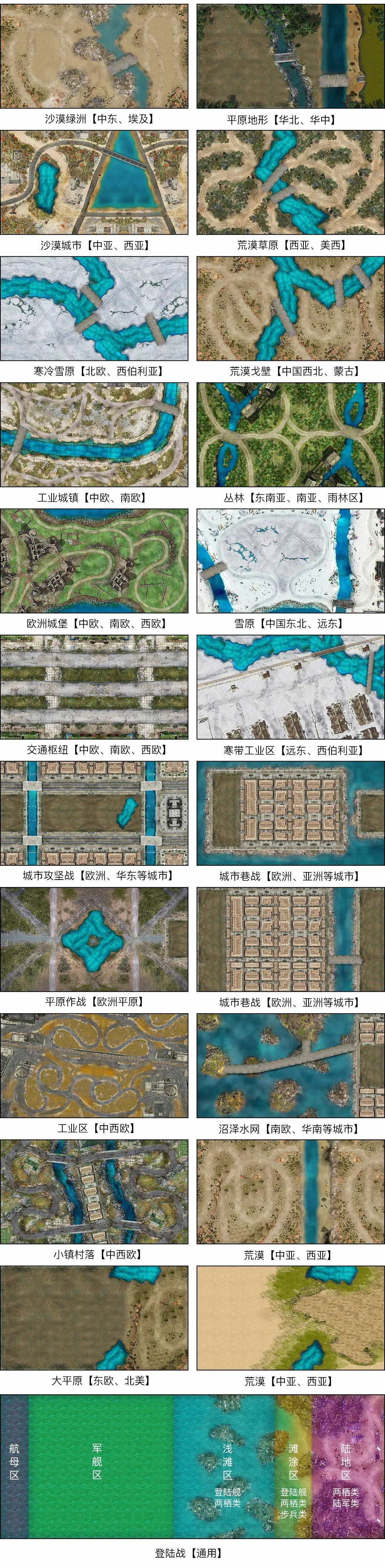
The above is the main content of this update, while the rest is to address the issue of urban port entry and exit, optimize the interface to reduce tedious operations, and so on. The next update direction is as follows: 1. Deepen diplomatic operations; 2. Add distinctive combat maps; 3. Special urban interior design; Real time micro operations in battles, such as targeted bombing, on-site command, etc.
We hope players can provide more support and turn 'Industrial War' into a classic.