Greetings!
Gravethorn has been a part of my life for quite some time now. After releasing the demo, things finally started to fall into place, and I felt like it was time to start sharing the development process. This will be my first proper devlog, if we don’t count patch notes.
I’ve been working on the game for months, but I’m writing this entry today, so I’ll focus more on the overall state and what I’ve been working on recently rather than going step by step.
Right now, I’d say around 70–75% of the game is complete. Progress is going well, and I’ve been feeling productive lately. Since the demo, countless new additions have made their way into Gravethorn, naturally.
What’s New Since the Demo
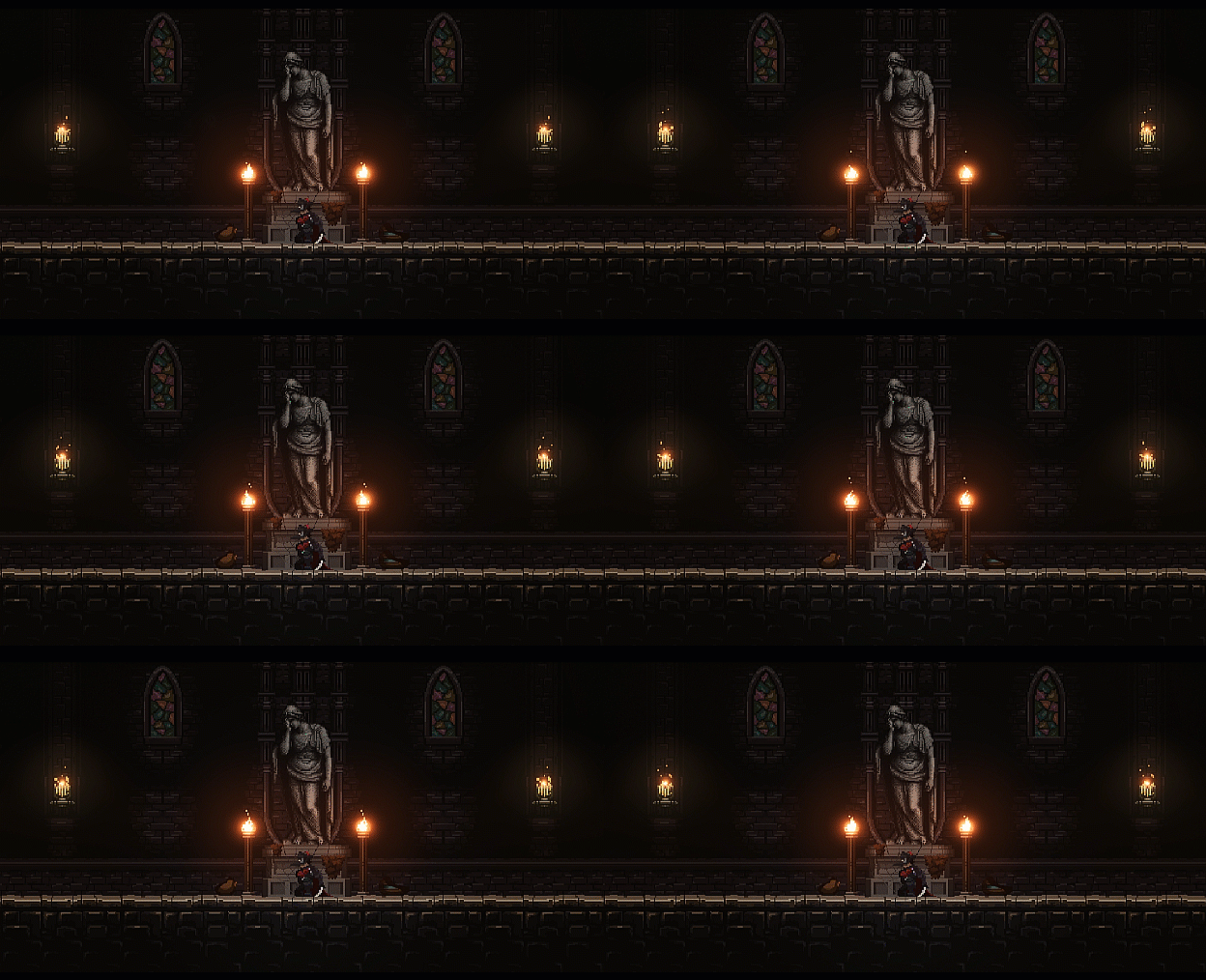
Since the demo release, Gravethorn has grown a lot. There are now 8 new bosses, 6 new regions, 15 new enemies, and over 40 trinkets and sigils, along with some surprise features and more yet to come. The game also includes more than 1000 voice lines and 11 different Forbidden Arts, each with their Ascended versions.
For example, the skill "Infernal Woe" continues to burn enemies for a short duration after ascending. Small touches like this keep the gameplay evolving.
At this point, the core structure of the game is in place, and I’m genuinely happy with how it’s progressing.
On Boss Design and Limitations
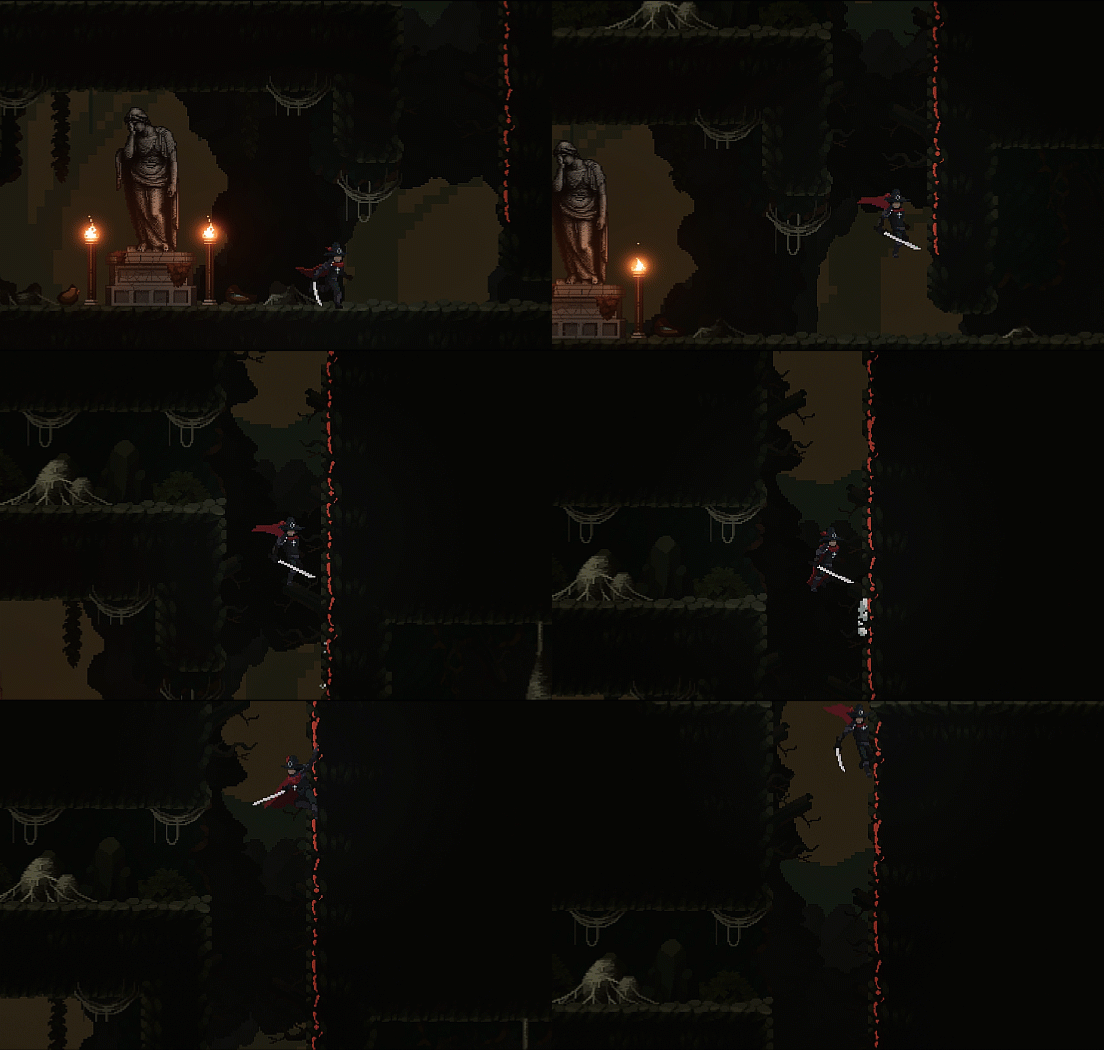
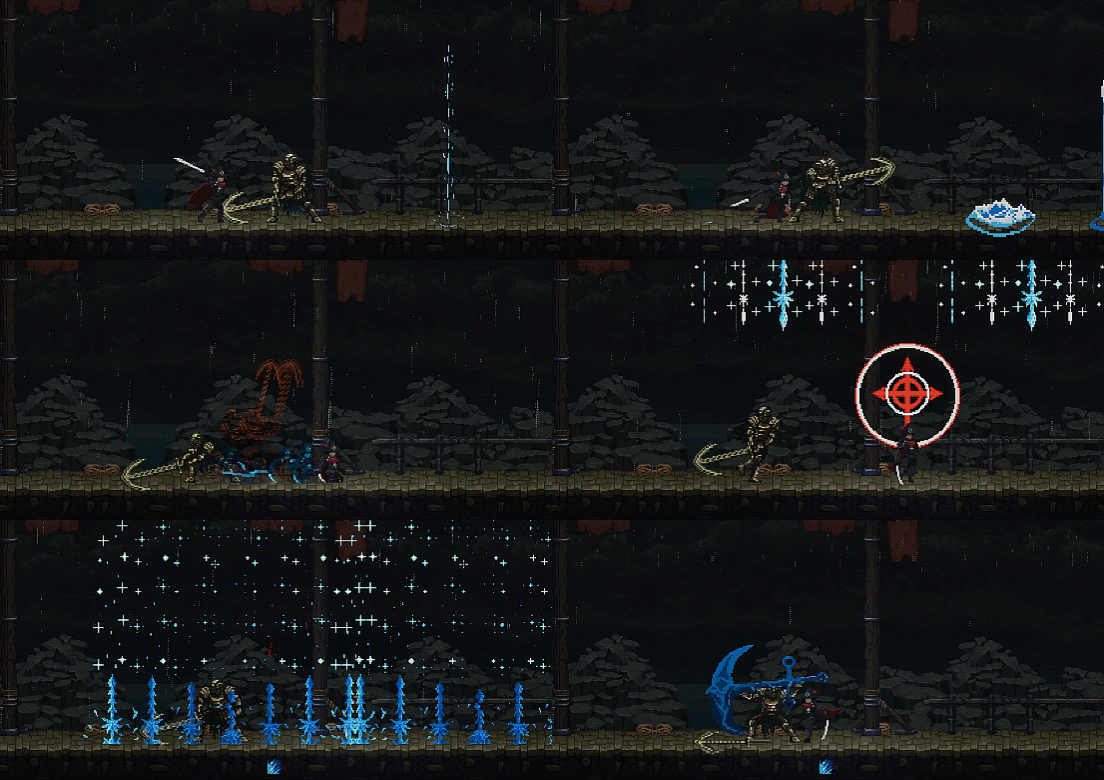
Last month, I focused heavily on boss variety. I didn’t want the fights to devolve into the same “hit, dodge, hit” rhythm like in my previous game, Blood Within. Each battle needed to feel unique, dynamic and memorable, at least as much as my current tools allow.
As I’ve mentioned before, I’m developing Gravethorn completely solo.
Without much of a budget, I don’t have a dedicated pixel artist, so I often rely on purchased assets and adjust them to fit the game.
That limits what I can do with enemy animations, but it also forces creativity.
When you don’t have everything you want, you start finding clever ways to make what you do have work.
Building Around Forbidden Arts
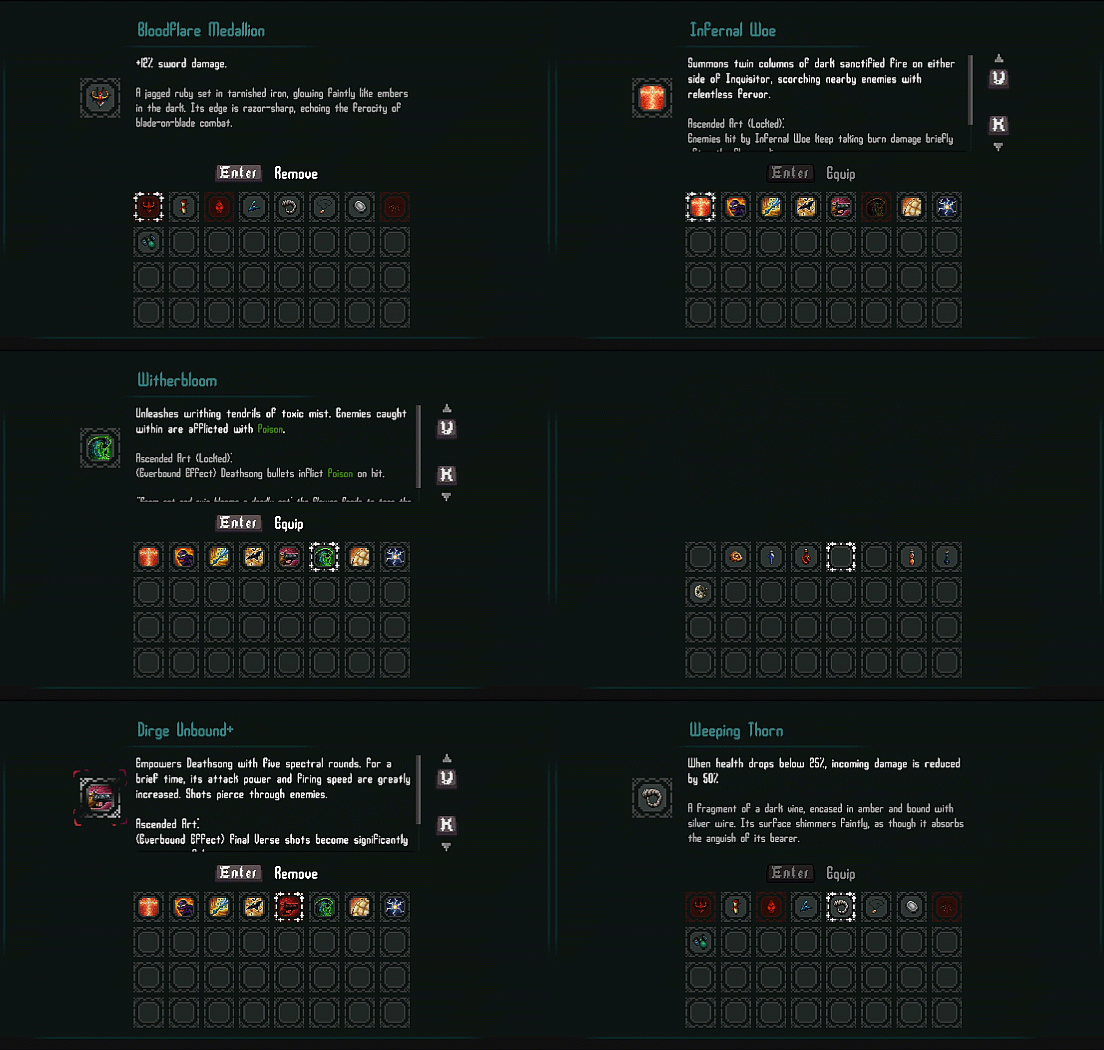
Recently, I’ve been focusing on build diversity, particularly around the Forbidden Arts system. In any RPG game, giving players distinct playstyles is crucial for replayability and variety.
I’ve added layers of passive traits and build options to encourage experimentation. Ideally, every player should be able to approach the same challenge differently, with different items and builds.
Of course, some combinations will always stand out more than others. There’s already one specific build I expect to see a lot, it’s fun, flashy, and strong. Balancing every element equally isn’t easy, but that’s part of the challenge.
Quality of Life & Small Touches
Alongside major systems, I’ve been improving smaller mechanics and the user experience.
One small but meaningful change came from watching a friend play the game.
He would always walk directly into NPCs, stood there and blocking their image when talking to them and it would make me mad.
So I added a small feature that I remember from Hollow Knight, it makes your character automatically move to an appropriate position during interactions. Problem solved.
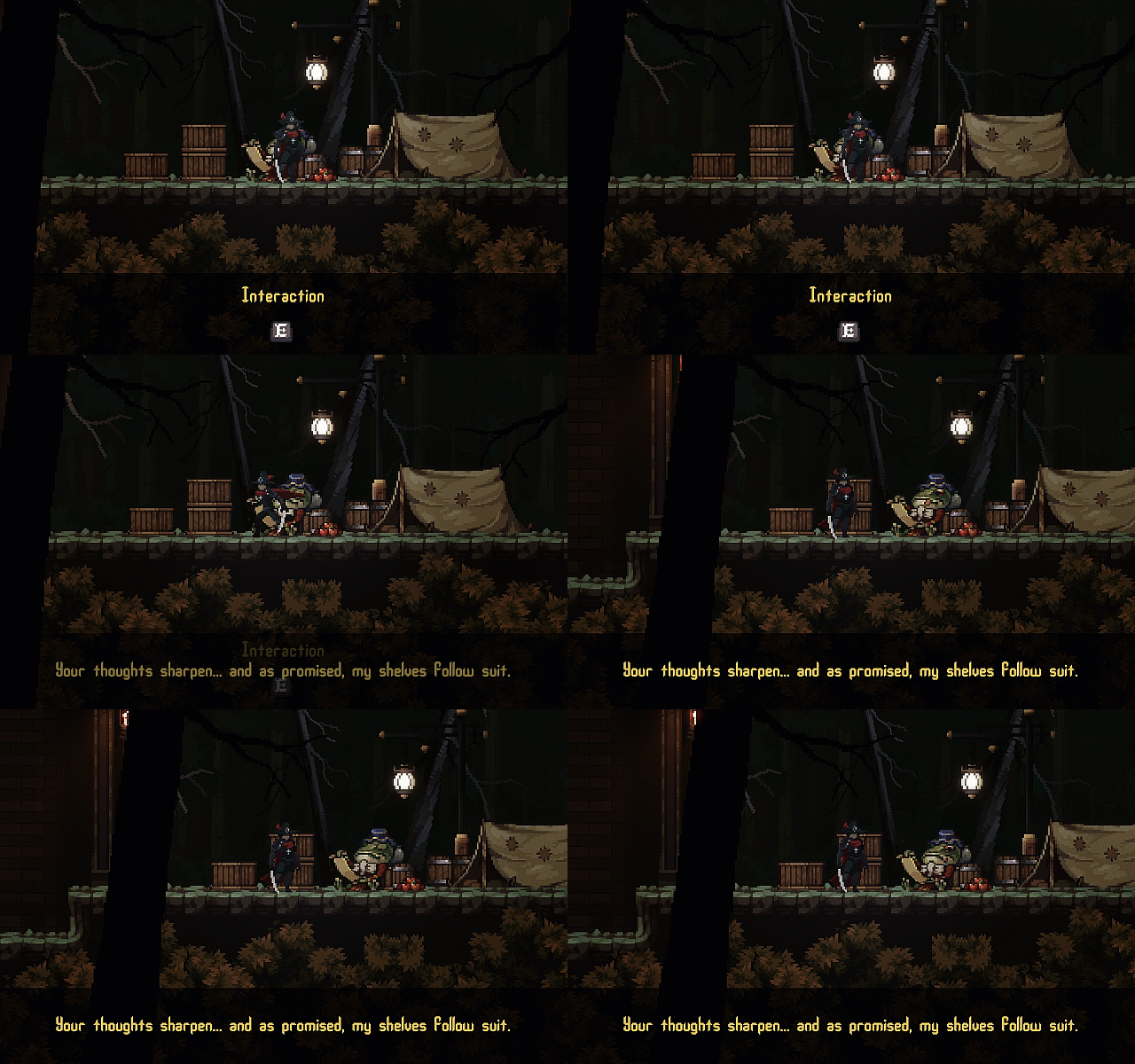
I also added a HUD fade effect during dialogue to clean up the screen visually, reducing clutter and improving atmosphere.
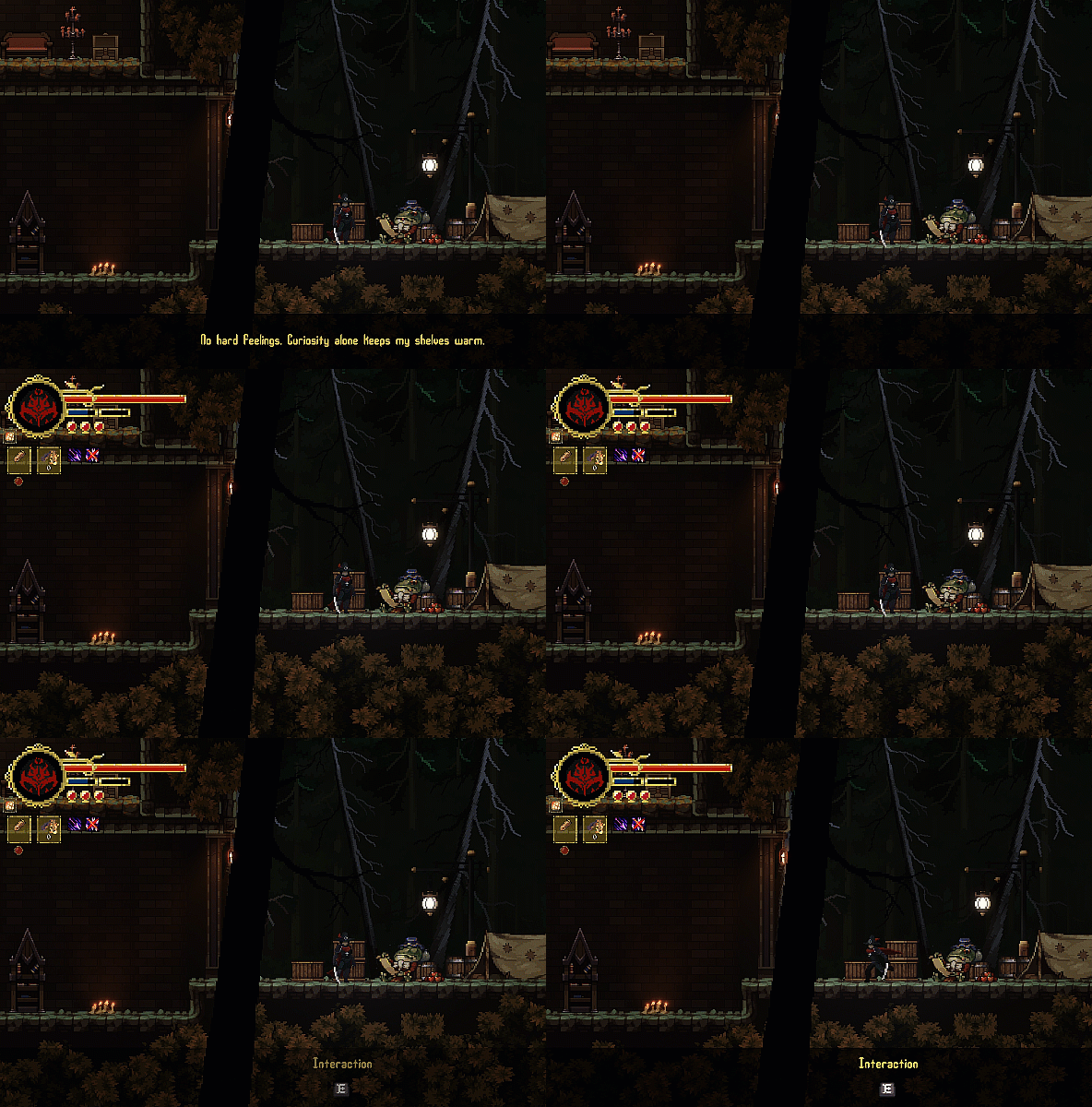
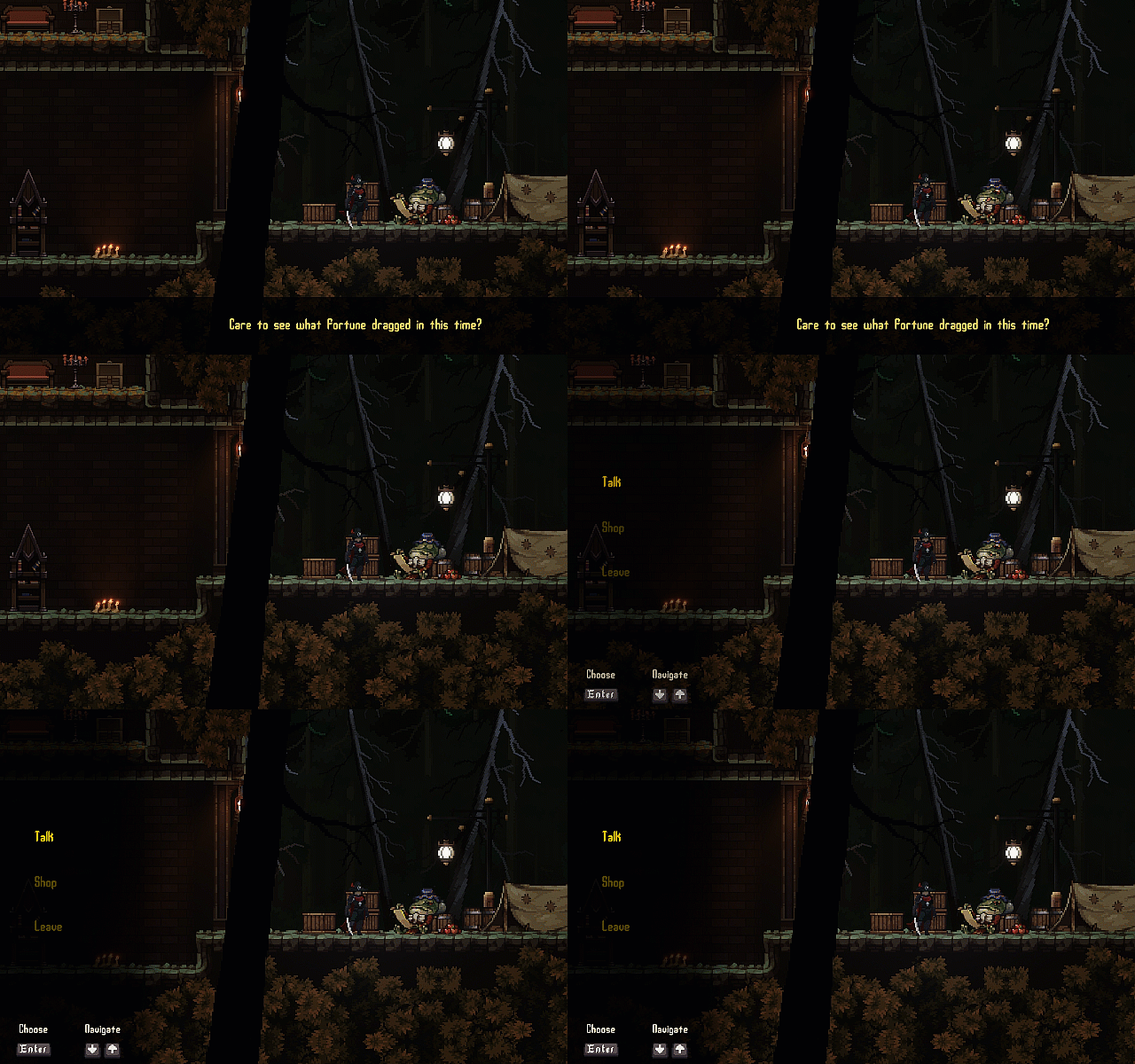
Since dialogue options with more than two choices started stretching upward too much, I’ve moved them to the left side of the screen for better readability.
Little details like these might not affect gameplay, but they help the world feel smoother and more immersive.
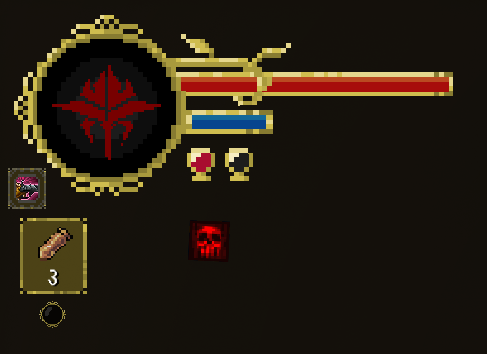
Many people who played the demo probably noticed the large empty socket next to the health bar at the top of the screen. I noticed it too, for a long time actually.
I just couldn’t decide what to put there.
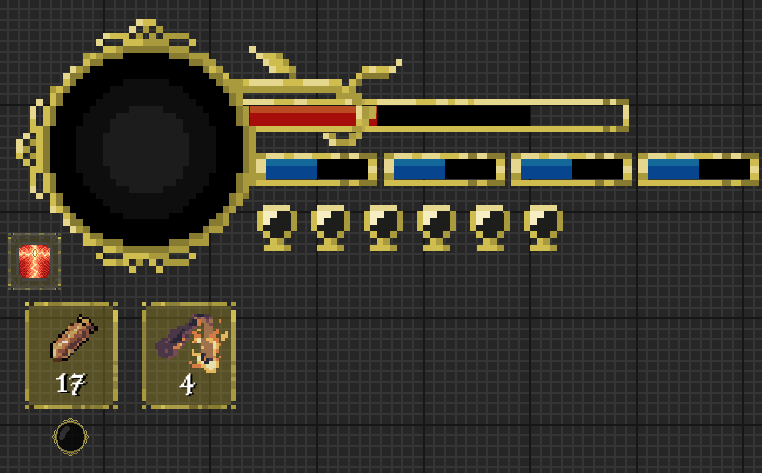
Eventually, I came up with the idea of displaying an emblem that reflects Inquisitor’s current number of Memories. So I designed five different emblems in the game’s pixel style.
At the start, the slot remains empty, but once you defeat the first story boss and gain your first Memory, a small emblem appears, representing Inquisitor (and his hat).
As you collect more Memories, this emblem gradually evolves, becoming more detailed and grand.
As the Merchant often reminds you, every time you gain a new Memory, his stock refreshes with new items. One of those items is a training dummy you can purchase for a small price.
Once bought, it automatically appears in the courtyard to the left of the chapel.
There, you can freely test your damage, combos, or builds against either a light or armored dummy, since while in this area, Sorrowflame (mana), ammo, and throwables don’t deplete.
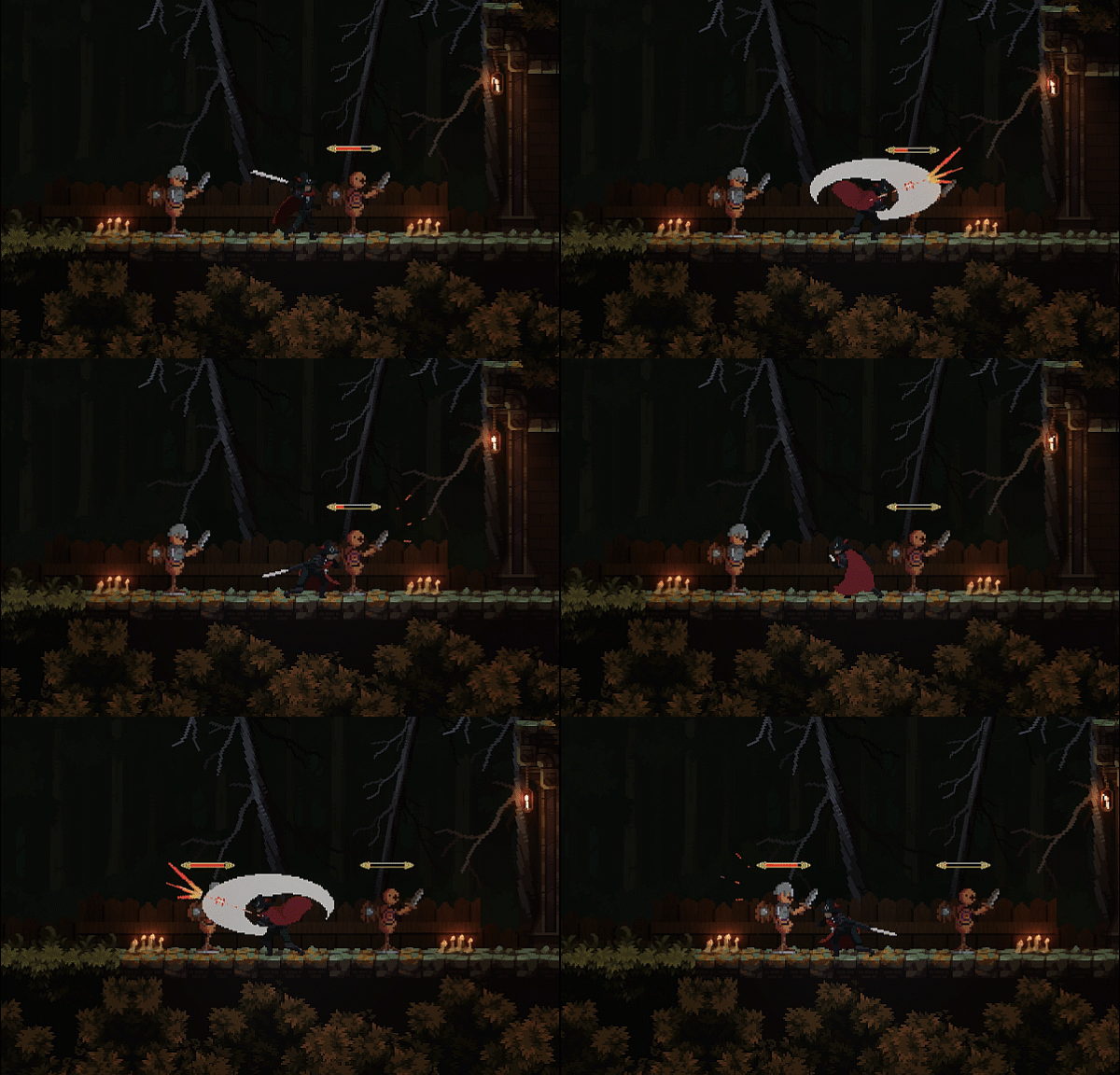
When I saw that feature when playing Nightreign, I thought “Why not?”
Because as I mentioned earlier, my goal is to encourage build variety, and giving players a space to test things without any cost felt like the right step.
Another update is when you swing your sword into a wall, the attack actually stops on impact, with a small visual effect at the point of contact.
Previously, you could hit enemies even through thick walls if your hitbox reached far enough.
This change not only improves the feel of combat but also makes the visuals more grounded.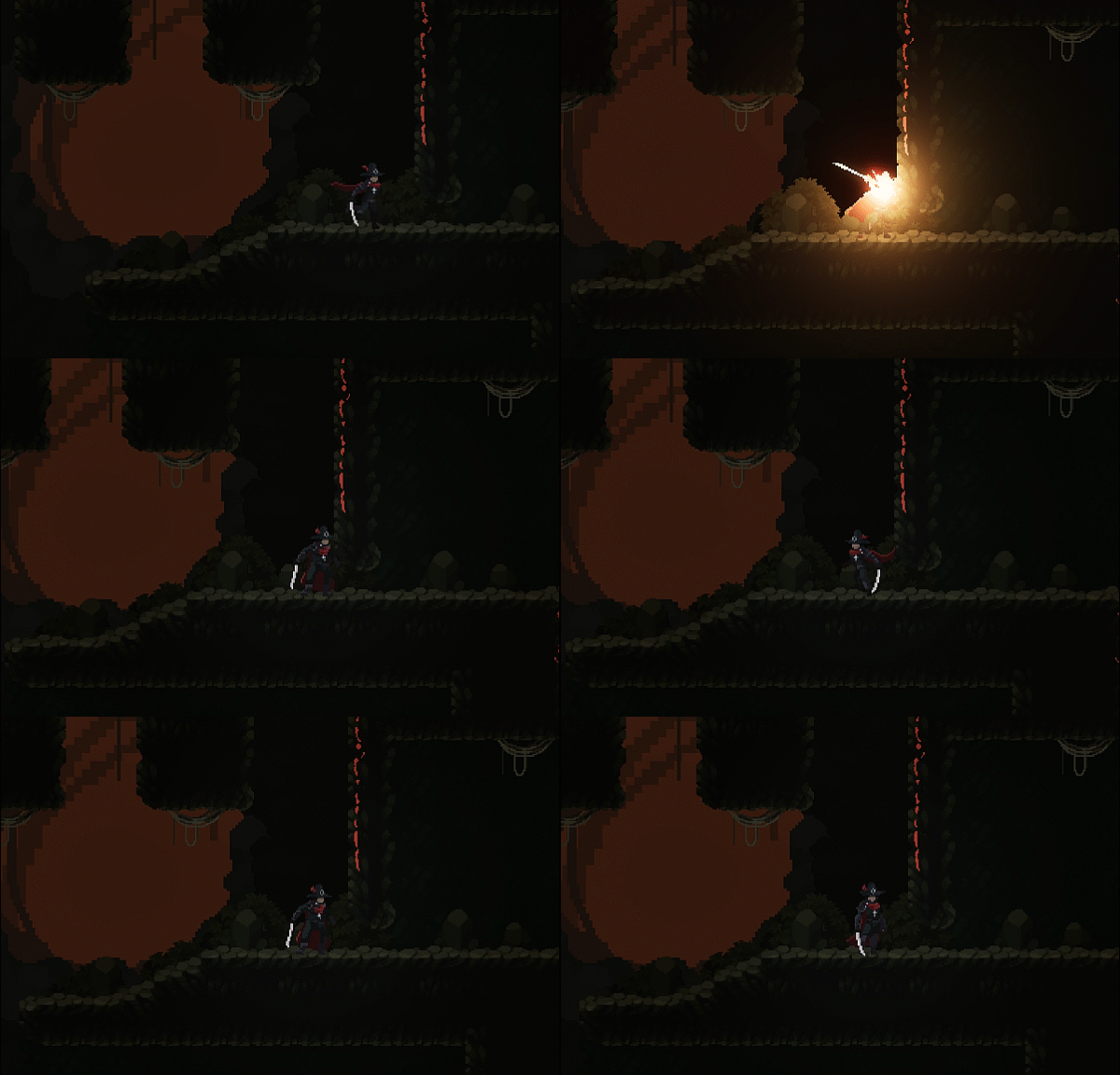
Of course, once I added it, a bunch of new problems appeared, like breakable objects or gold veins being mistakenly treated as solid walls and not reacting properly. Thankfully, fixing that wasn’t too difficult.
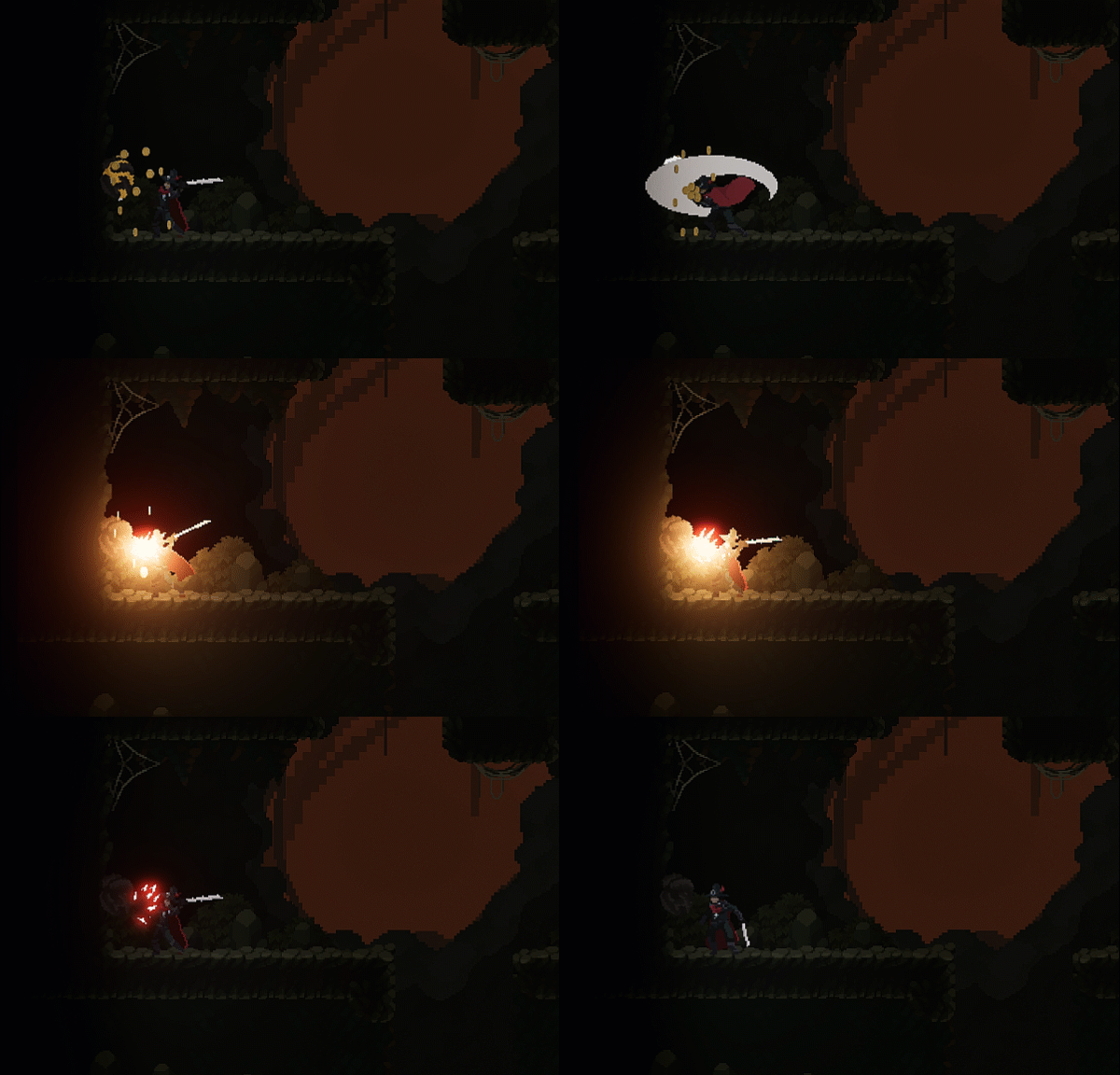
There’s lots of more new content I’d love to talk about, but I’d rather leave some surprises. I genuinely enjoy watching people’s reactions, whether on YouTube or during playtests with friends.
When the full game releases, I’ll probably end up watching every single gameplay video out there, just like I did with the demo.
Playtesting & Pacing
During recent playtests with friends, the total playtime went past four hours and surprisingly, it didn’t feel that long. The pacing felt tight, and that’s something I really want to maintain.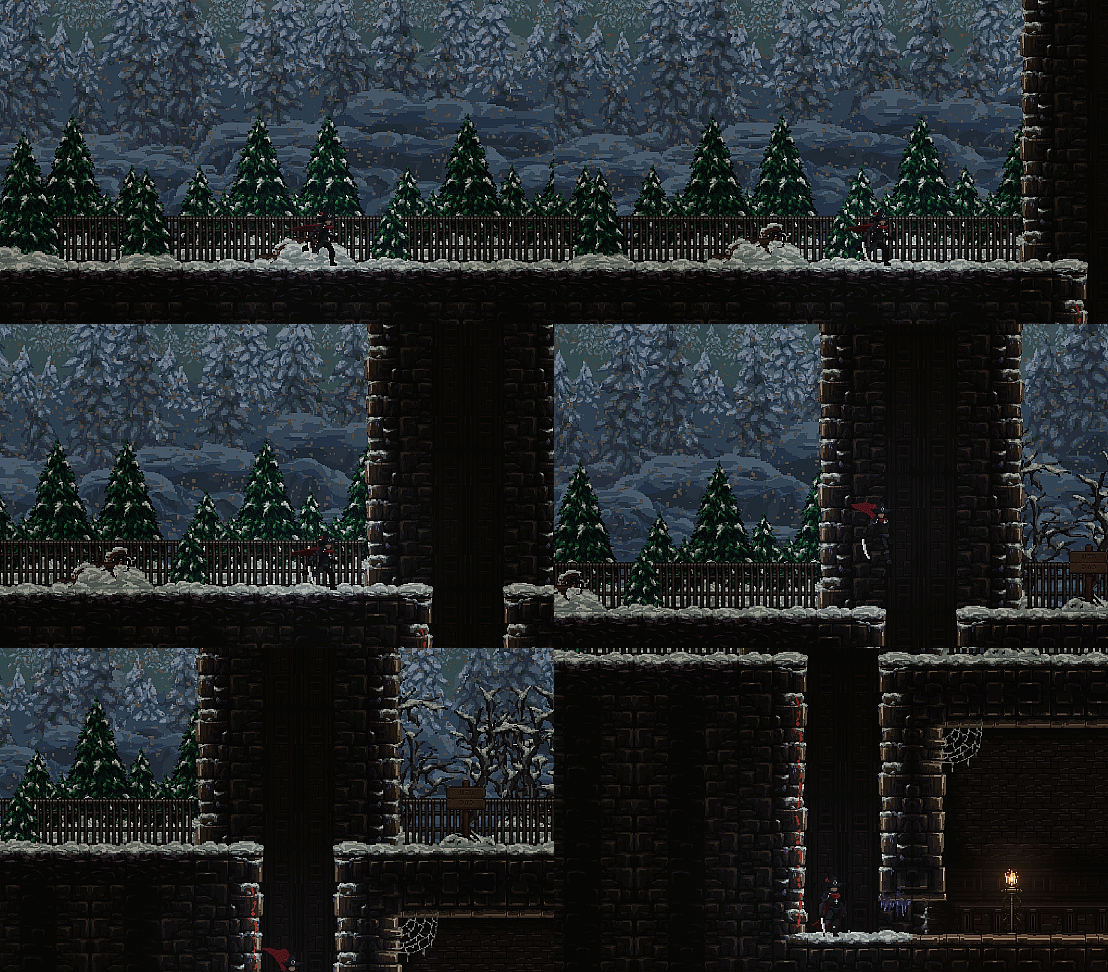
Each region introduces something new, something the player hasn’t seen before.
It’s one of the golden rules of keeping curiosity alive: the next room should always have a reason to keep you going.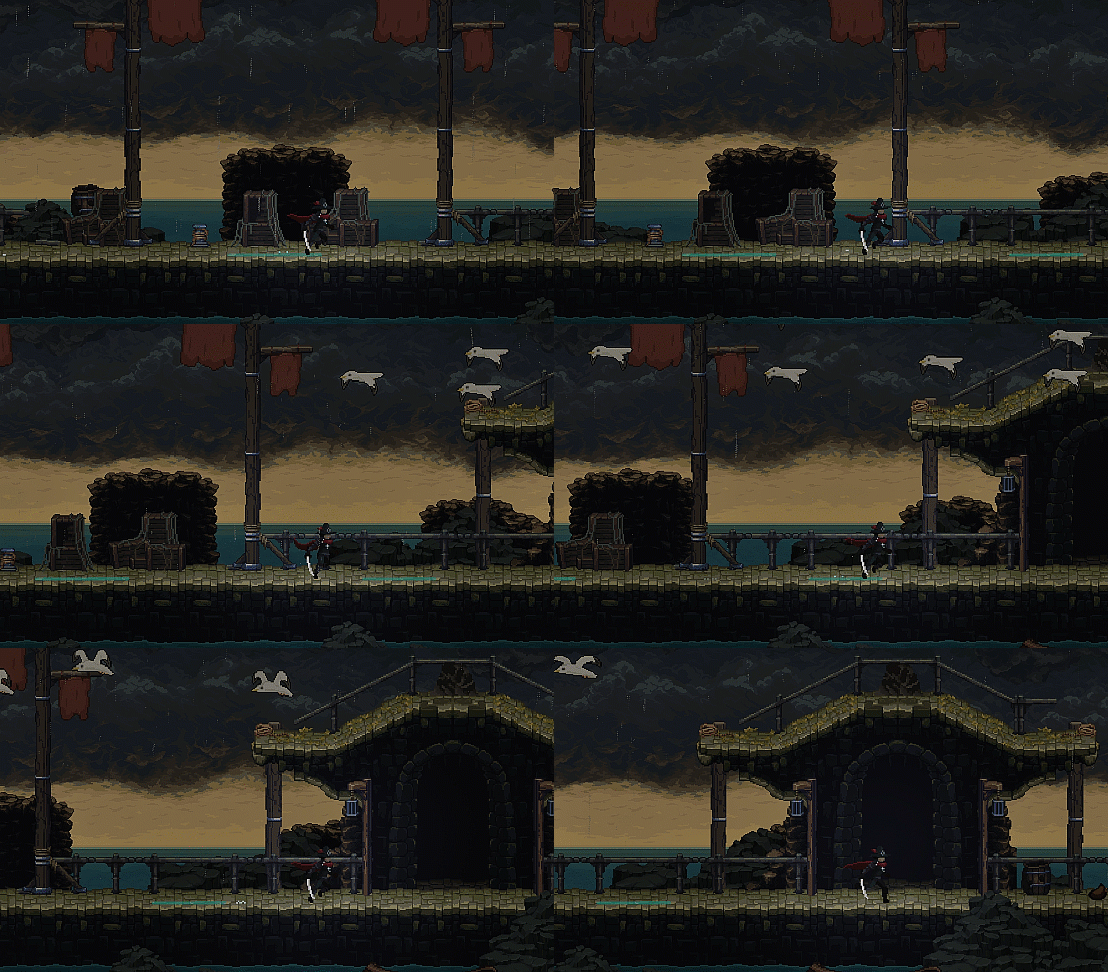
Technical Challenges
Of course, it’s not all smooth sailing. Early on, I didn’t implement hitstop perfectly, so in some cases, consecutive hitstops end too soon.
For instance, if the player lands a hit and dies immediately after, the death hitstop doesn’t trigger properly, it’s subtle but noticeable to sharp eyes.
There’s also the camera issue, where it sometimes stays a bit too low or high, and occasionally too far to the left.
These fine-tuning tasks take hours of trial and error, and sometimes I make zero progress. When that happens, I’ve learned it’s best to step back, rest, and come back later.
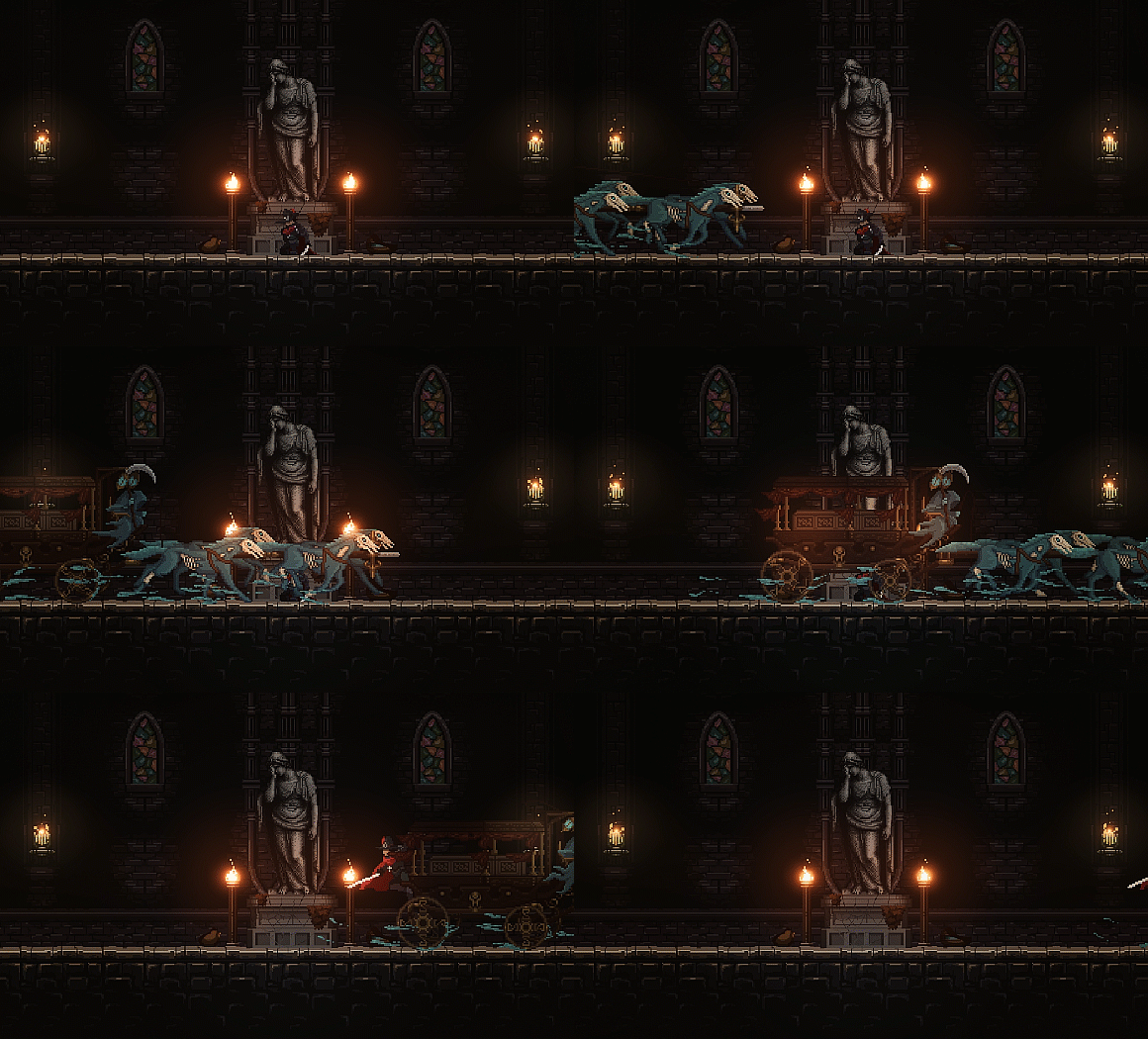
If there’s one thing game development has taught me, it’s this: A fresh mind solves problems that a tired one can’t. Sometimes all it takes is a nap, a short break, or just closing your eyes for a while.
Exactly what I should do right now.
Peace out. ːsteamboredː
-Mirac