
Hey everyone!
I’m back with another dev blog, and this week, I want to talk about something that has a huge impact on the overall feel and atmosphere of Wave Defense: Trappist—the lighting and graphics. Recently, I’ve been working on reworking the lighting in all of the game’s worlds, and I’d love to share some of the challenges, breakthroughs, and inspirations behind that process.
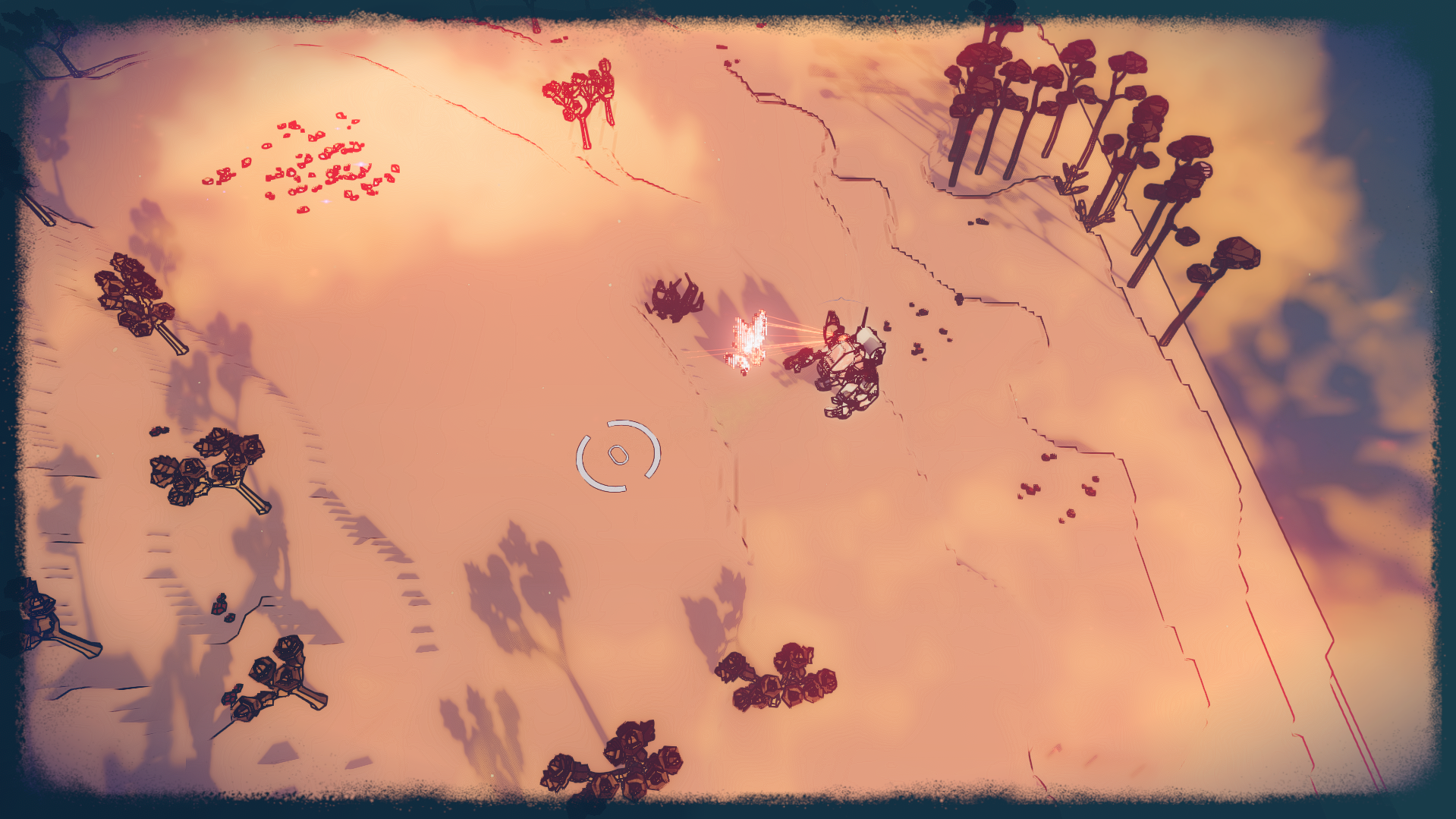
Reworking the Lighting
Lighting plays such a crucial role in how a game looks and feels, and I realized that the lighting in Wave Defense: Trappist needed a bit of a revamp. This has been one of the more challenging tasks I’ve taken on recently, mainly because I had to really dive deep into learning about lighting—not just in games, but also in movies and TV. I spent hours reading up and watching tutorials and talks on how to light a scene effectively, and then had to figure out how to apply those techniques in Unity, the game engine I’m using to build the game.
One of the biggest technical challenges with this process is that lighting in Unity requires baking, which essentially means locking in the light and shadows for each scene. This takes time, as I have to bake the light for every world in the game and then recompile all of the shaders that are used. It’s a time-consuming process, but the end result has been totally worth it.
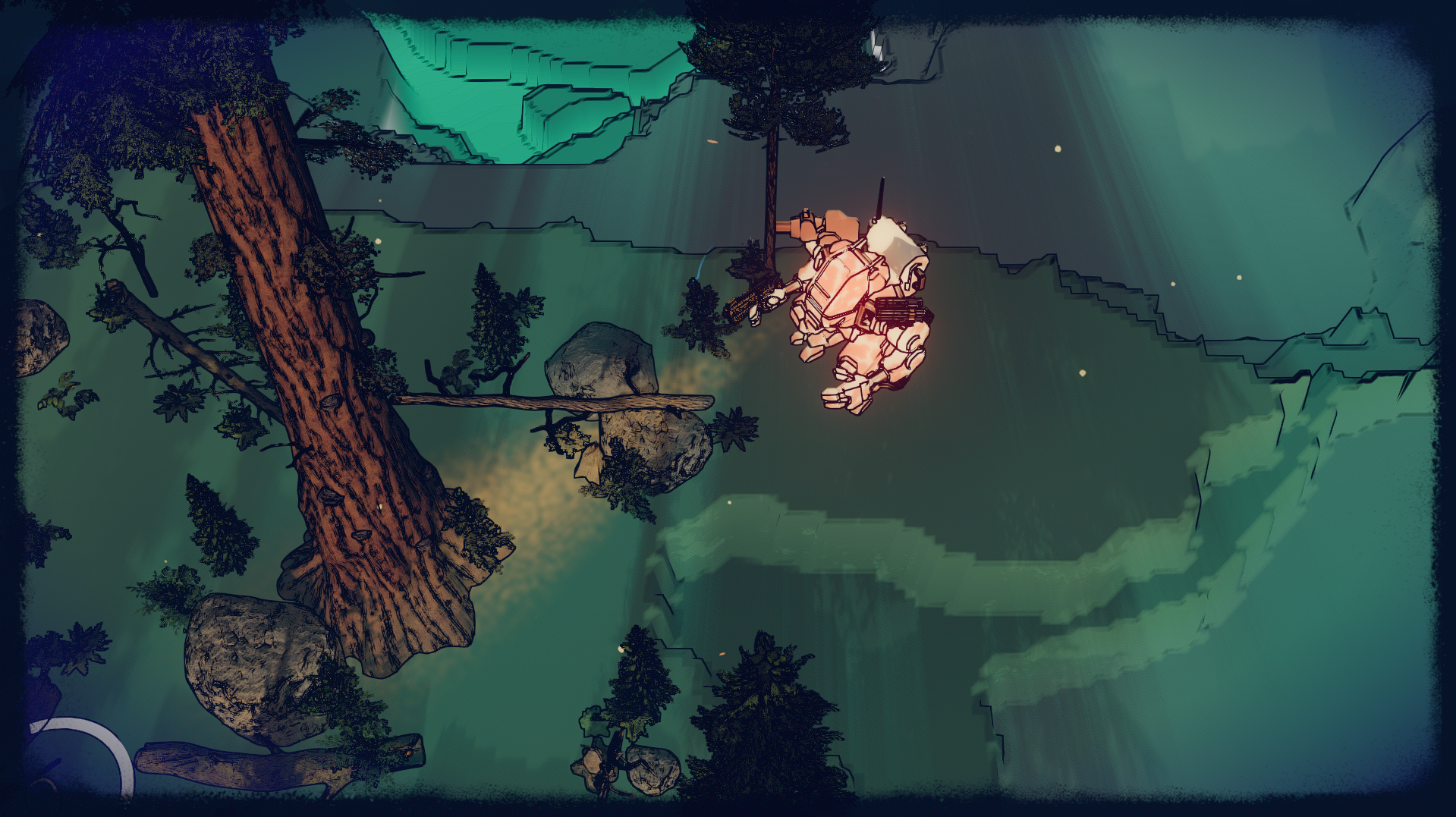
A Chance to Revisit Each World
While reworking the lighting, I took the opportunity to revisit each world and reflect on the original artistic vision I had for the game. One of the biggest visual inspirations for Wave Defense: Trappist is the comic art of Jean Giraud, better known as Moebius. Moebius had such a unique and vibrant style, with clean lines, surreal landscapes, and bright, otherworldly colors that create a sense of wonder and adventure.
As I revisited each world, I realized that some of them had drifted a little too far into “functional” design—where the focus was purely on gameplay without enough attention to the visual harmony of the world. By referencing Moebius' work again, I could see where some of the worlds needed to be adjusted to align more with the coherent, vibrant art style I want the game to have.
For example, some worlds that had harsher, darker tones were reworked to feel more colorful and light, in line with Moebius’ playful use of pastel colors and bright, dreamlike skies. This process allowed me to refine the game’s overall visual style while keeping each world unique and distinct.
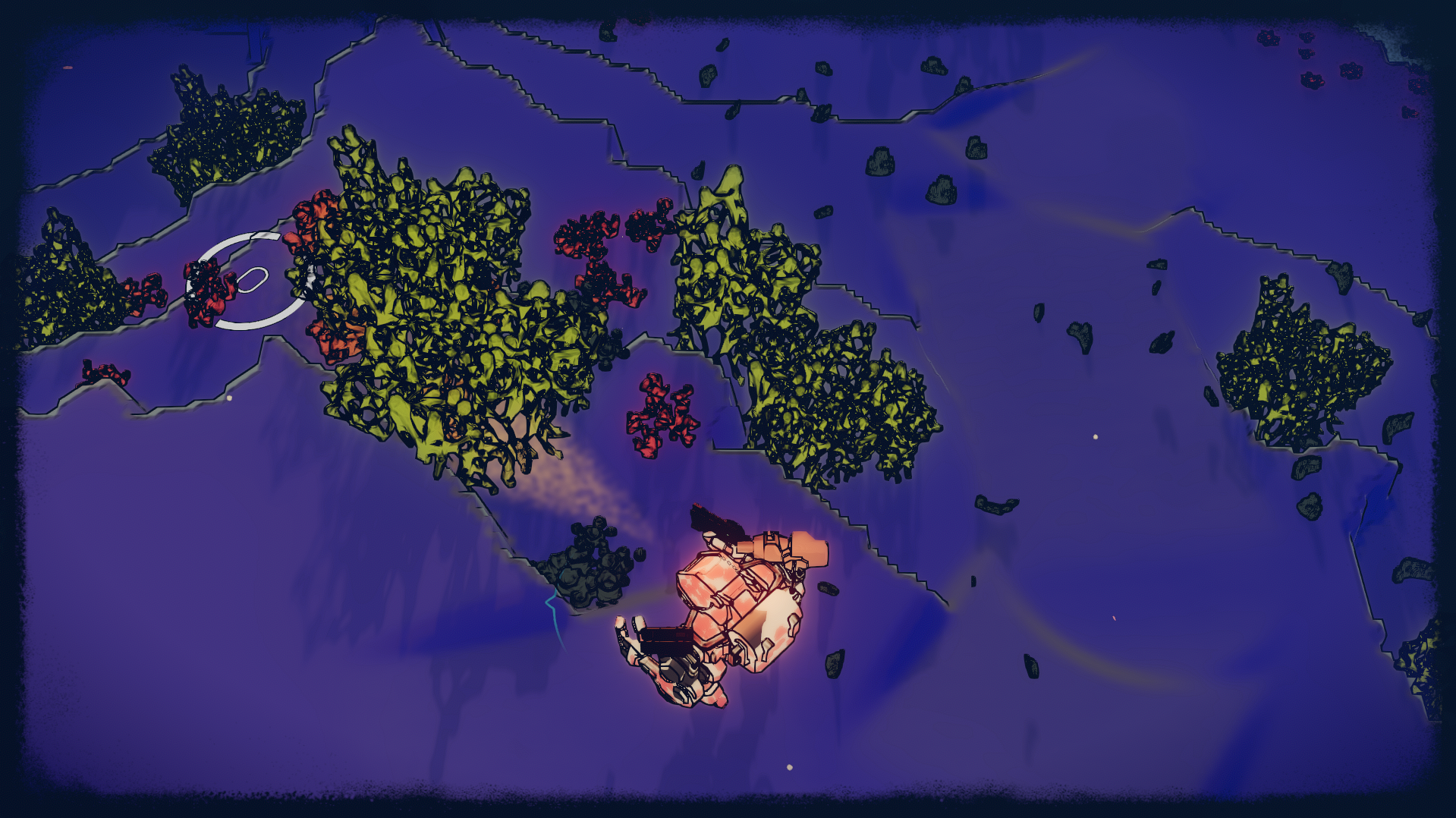
Technical Challenges and Performance Considerations
While I was excited to push the graphics and lighting further, one of the key considerations throughout this process was performance. I wanted to make sure that the game’s visual improvements wouldn’t come at the cost of smooth gameplay. As I made changes to the lighting and shaders, I constantly monitored the game’s performance to ensure that players would still get a seamless experience without any major hits to frame rates.
It’s been a balancing act—finding that sweet spot where the game looks great, feels cohesive with the rest of the world, and still runs efficiently. I’m really happy with the progress so far, but this is definitely something I’ll continue to iterate on, especially as more feedback comes in.
The Influence of Moebius
I want to take a moment to dive deeper into how Moebius’ work has influenced the visual design of Wave Defense: Trappist. Moebius was known for his ability to create these fantastical, alien worlds that felt both familiar and utterly strange at the same time. His use of color, light, and surreal landscapes had a huge impact on how I envisioned the different planets and biomes in the game.
What I admire most about Moebius is how he could evoke such a sense of wonder and exploration through his use of bright, almost pastel-like colors and clean, minimalist lines. His work has this incredible balance of simplicity and depth, and I’ve tried to channel that same feeling into the game. Each world in Wave Defense: Trappist has its own distinct vibe, but they all share that sense of exploration and discovery, much like Moebius’ illustrations.
By revisiting these visual influences while working on the lighting, I feel like the game’s look has been significantly elevated. It’s brighter, more vivid, and more cohesive overall, and I hope it creates the same sense of adventure that Moebius’ work has inspired in me.
There’s still plenty of work to do, and I plan to keep iterating on the lighting and visual design as I go forward. But for now, I’m excited about where the game’s visuals are headed, and I think the recent changes have given the game a visual lift without sacrificing performance.
Thanks for reading, and see you next Week!