
Hello, I’m Nitrid. For the first Dawn of Imperialism developer diary, I wanted to introduce myself and share a little about why I started making this game.
I’ve worked as a full stack developer for many years, and I’ve been playing strategy games for even longer. I’ve spent a lot of happy hours with them, and I still do. Along the way, there were things I wished I could do: explore a favourite mechanic a little further, or see separate systems have more of an effect on one another. Those thoughts accumulated over the years, gradually giving shape to the game I’d dreamed of making since childhood.
There’s quite a distance between imagining a game and actually making it, of course. Even with a background in software development, the thought of building something this ambitious on my own felt daunting for a long time. Now I’m working my way through it, one step at a time.
I’m developing Dawn of Imperialism on my own, with limited resources. GPT-6 Astra is helping me work towards that dream too :) AI tools helped make it possible for me to finally begin this project, and I want to be open about that help as I share the development process.
Seeing ideas I’ve carried around for years begin to take shape in the game means a lot to me. There are also plenty of things that aren’t where I want them yet, and things I’m going back to rethink. What I’m most curious about is how it will all feel when these pieces come together. After all, I want to sit down and enjoy playing it myself.
You can be sure I won’t release a game that I don’t enjoy playing :) That may mean it takes longer to get ready than I expect. I’ll keep working on it until it reaches the point where I’m happy with it.
In these diaries, I’ll share what I’m working on, the decisions I’m making, and sometimes the problems I’m trying to solve. Before getting into individual systems, I thought I’d use this first entry to explain the kind of game I’m trying to make.
A different world with every new game
Dawn of Imperialism is a sandbox strategy game. Each new game begins with a newly generated map and a different geopolitical landscape. Our neighbours, our resources, and how much we need one another for trade will change. A strategy that worked in one game may need rethinking in the next.
I’m working on three world sizes: 12, 24, and 48 countries. Here are some examples of worlds generated by the game.

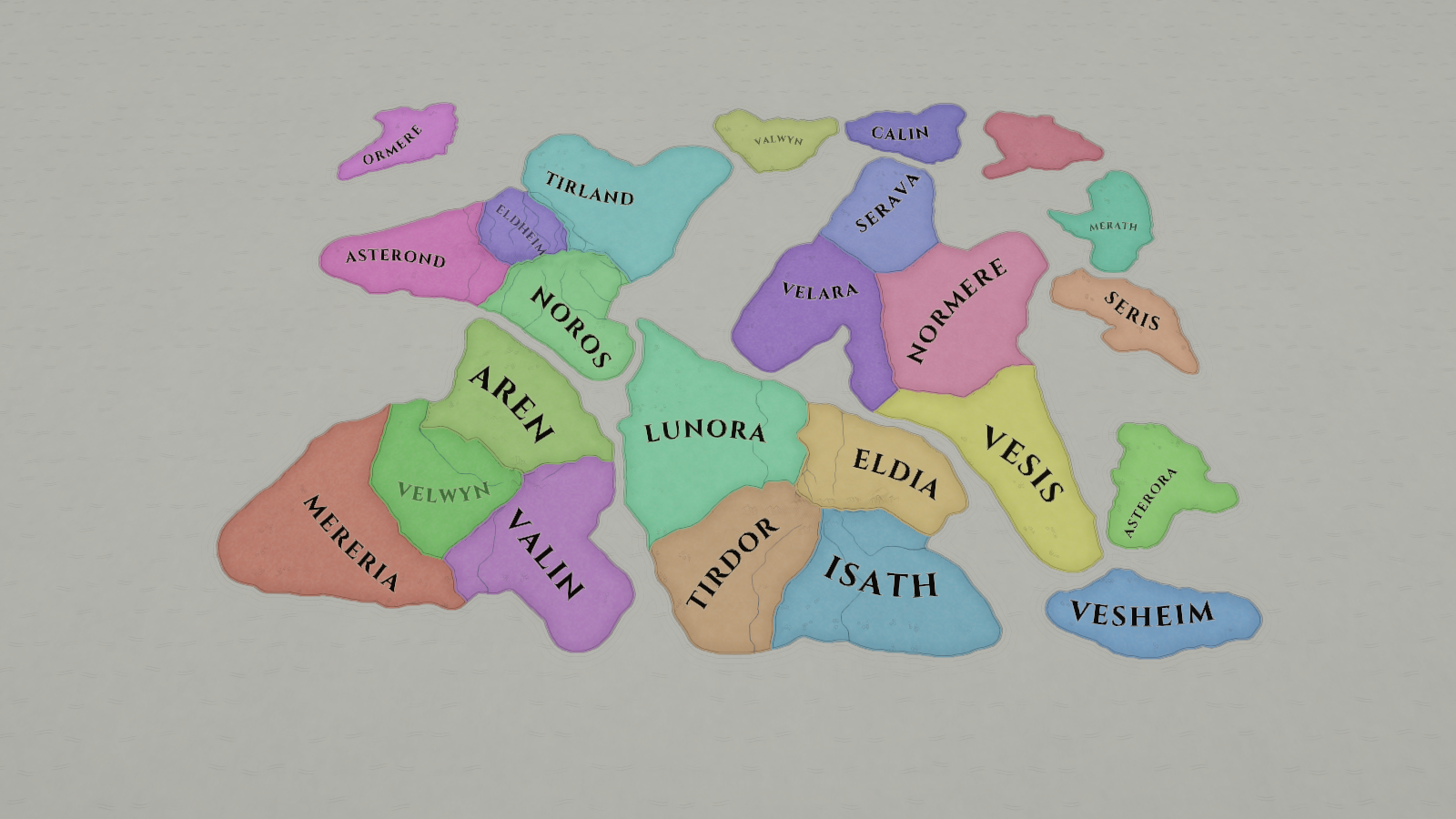
A world with 12 countries.
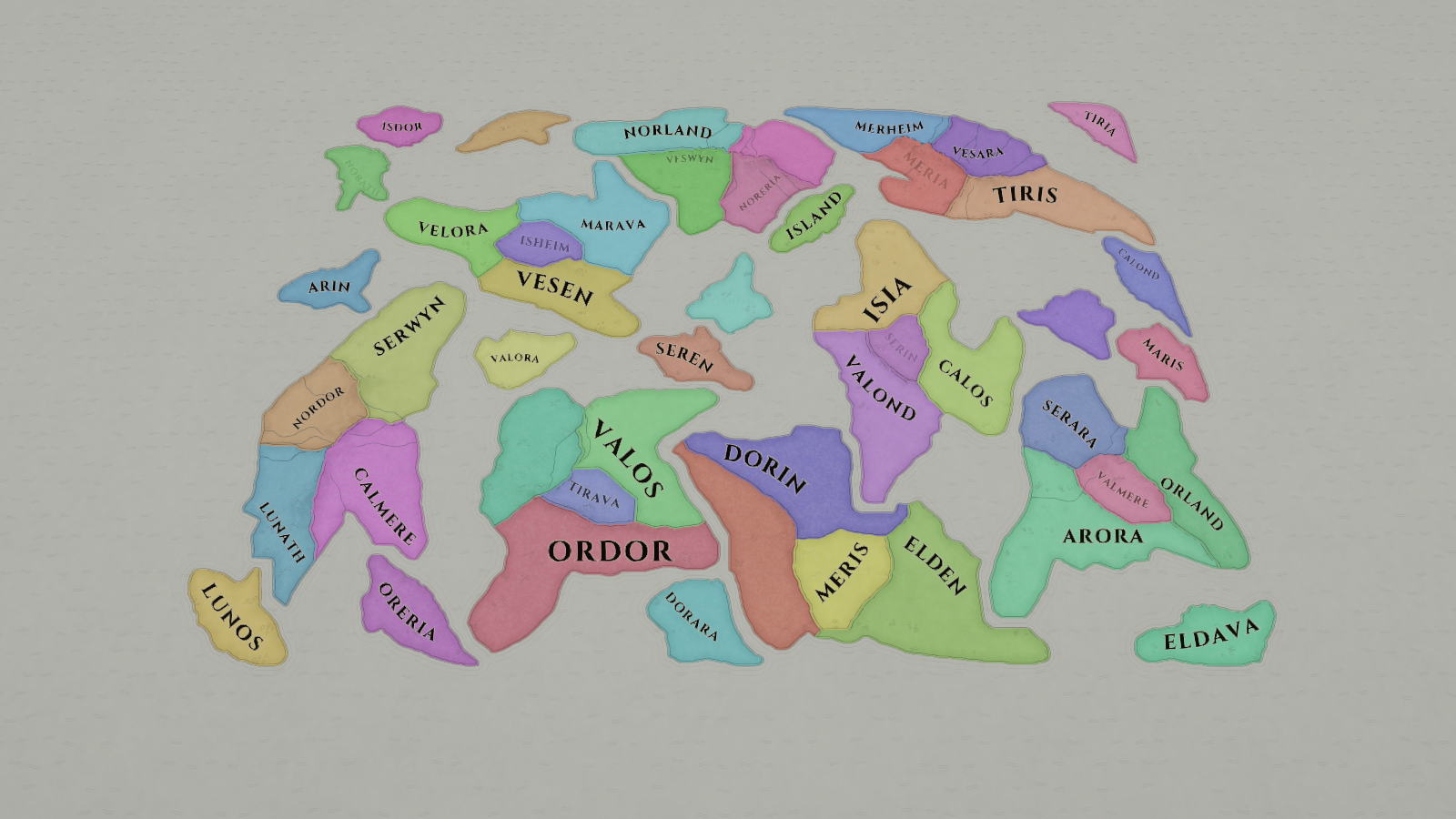
A world with 24 countries.
A world with 48 countries. This screenshot was captured at a reduced map cell resolution, keeping the country count and physical world size unchanged.
Countries in these worlds will have limited resources. One might have cotton and wool, another timber and iron, and a third coal and copper. My aim is for only two or three countries in a world to be largely self-sufficient in raw materials. Most will need relationships beyond their own borders to develop.
I want this distribution to do more than add variety to the map. The resources we have should influence what we can produce, while the ones we lack should shape the relationships we pursue. Having iron in a neighbouring country matters; the terms on which we can get it should matter just as much.
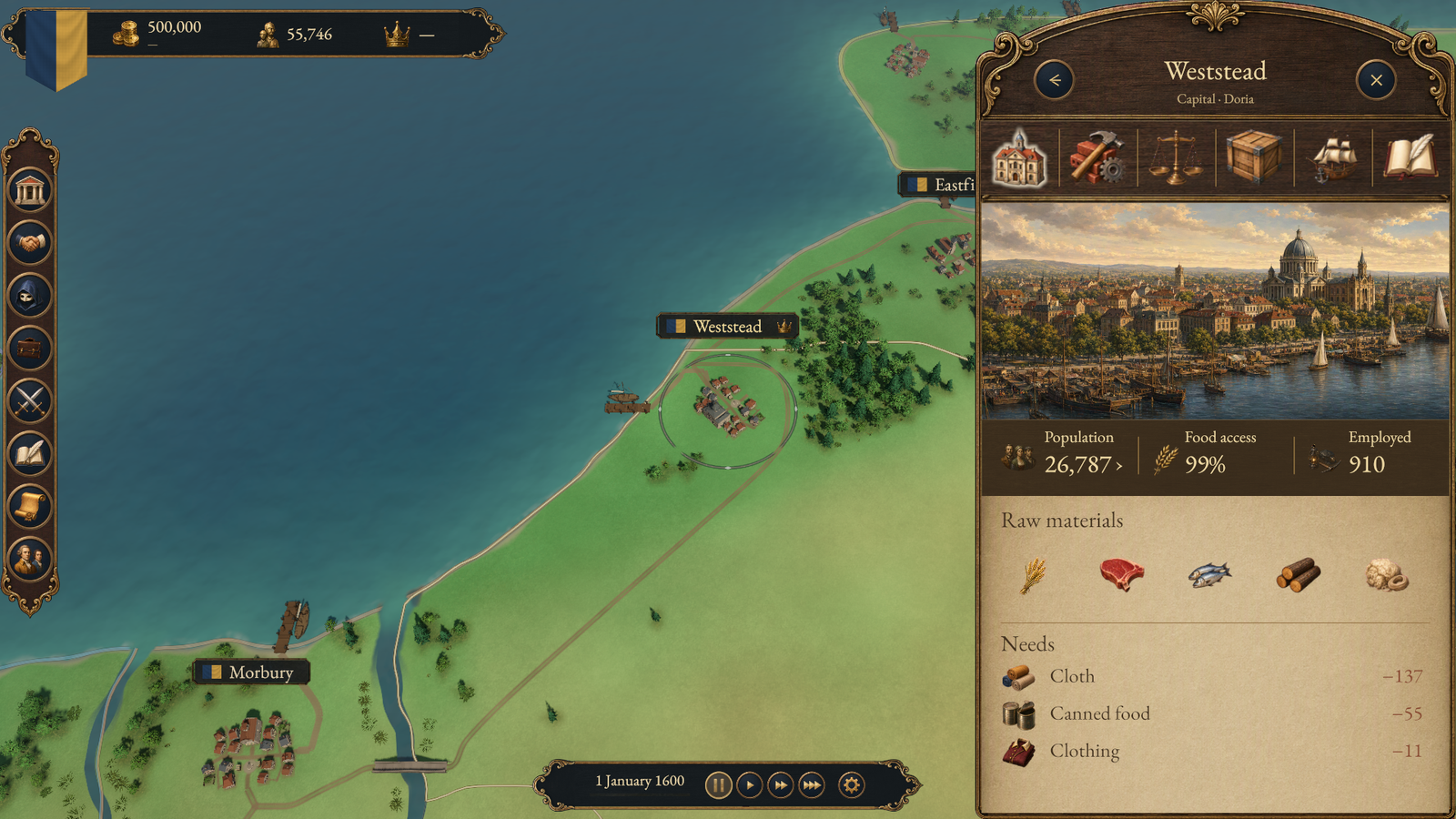
A look at Weststead: local raw materials and the city’s current needs.
The people behind the decisions
This is where characters and politics come in.
Many familiar decisions in strategy games involve opening a menu and clicking a button. I want to make room for the people and the authority behind those decisions as well. A merchant’s interests, a politician’s position, or the balance of power in parliament should affect how we go about doing what we want to do.
For example, suppose we want to ban exports to another country. I don’t want that to be a button we can press regardless of the circumstances. We may need parliamentary approval first. While we want to stop those exports, others may have reasons to keep the trade going.
At the same time, I don’t want to make the player go through the same process for every decision. By passing laws, we should be able to change who holds that authority. If we’ve already secured the necessary powers, something that once required a parliamentary decision could become a single click. Getting access to that button should be a result of our strategy, too.
I’m trying to build one of the main domestic political tensions around this. Politicians will seek to keep decision-making power in parliament, while the player can work towards a system that gives them more direct control. That means thinking about both the decision we want to make and the political path that will allow us to make it.
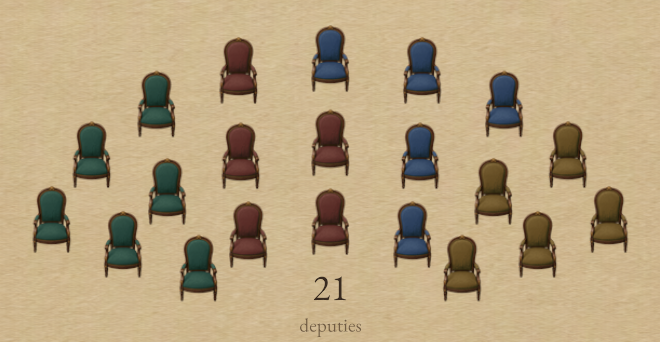
The seats are ready. Who gets the final say is still a work in progress :)
I’m currently working on the law and parliament systems. I want this relationship to offer meaningful choices, with the process of reaching a decision becoming an enjoyable part of the game.
That’s the kind of experience I’m working towards in Dawn of Imperialism: adapting to each new world, with resources, trade, people, and politics all helping to shape our strategy.
I wanted to start these diaries by sharing that overall idea. In future entries, I’ll take a closer look at individual systems with examples from the game. If there’s something you’d like to know more about, let me know; it would help me decide what to cover.
See you in the next diary.
Nitrid