
Symbiosis
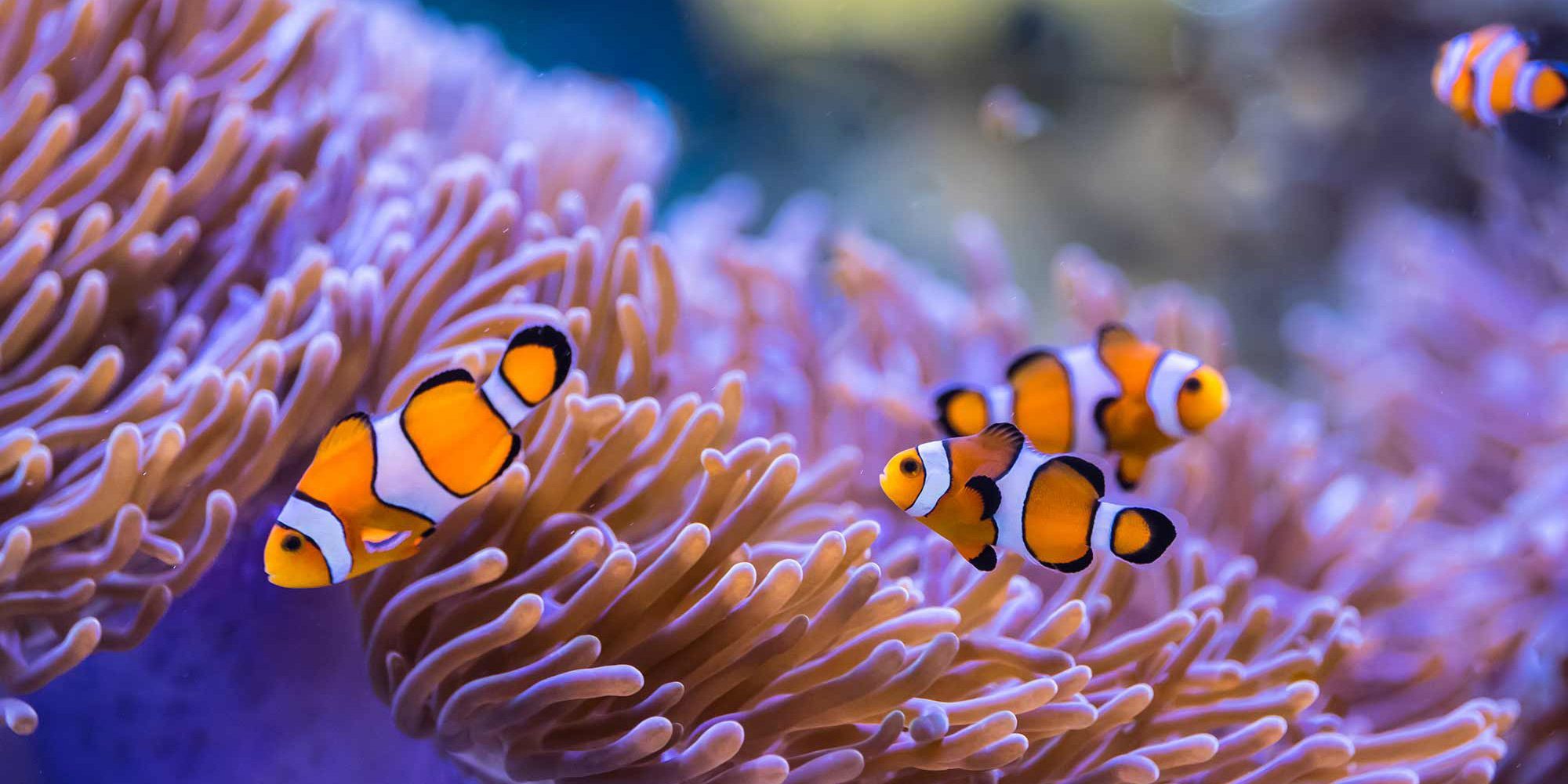
One of the ideas at the core of In Other Waters is symbiosis. It’s a term you’ve probably heard before, one that refers to a mutually beneficial relationship between two or more organisms. We are often given the example of clownfish, who gain protection by making their homes among stinging anemones, and in return the clownfish keep the anemone clean and scare away smaller grazers. But symbiosis is far more widespread and central to life itself than this example suggests. In the 1990’s evolutionary biologist Lynn Margulis proposed the (now accepted) theory that it was symbiotically linked bacteria that allowed the formation of the first multicellular life.
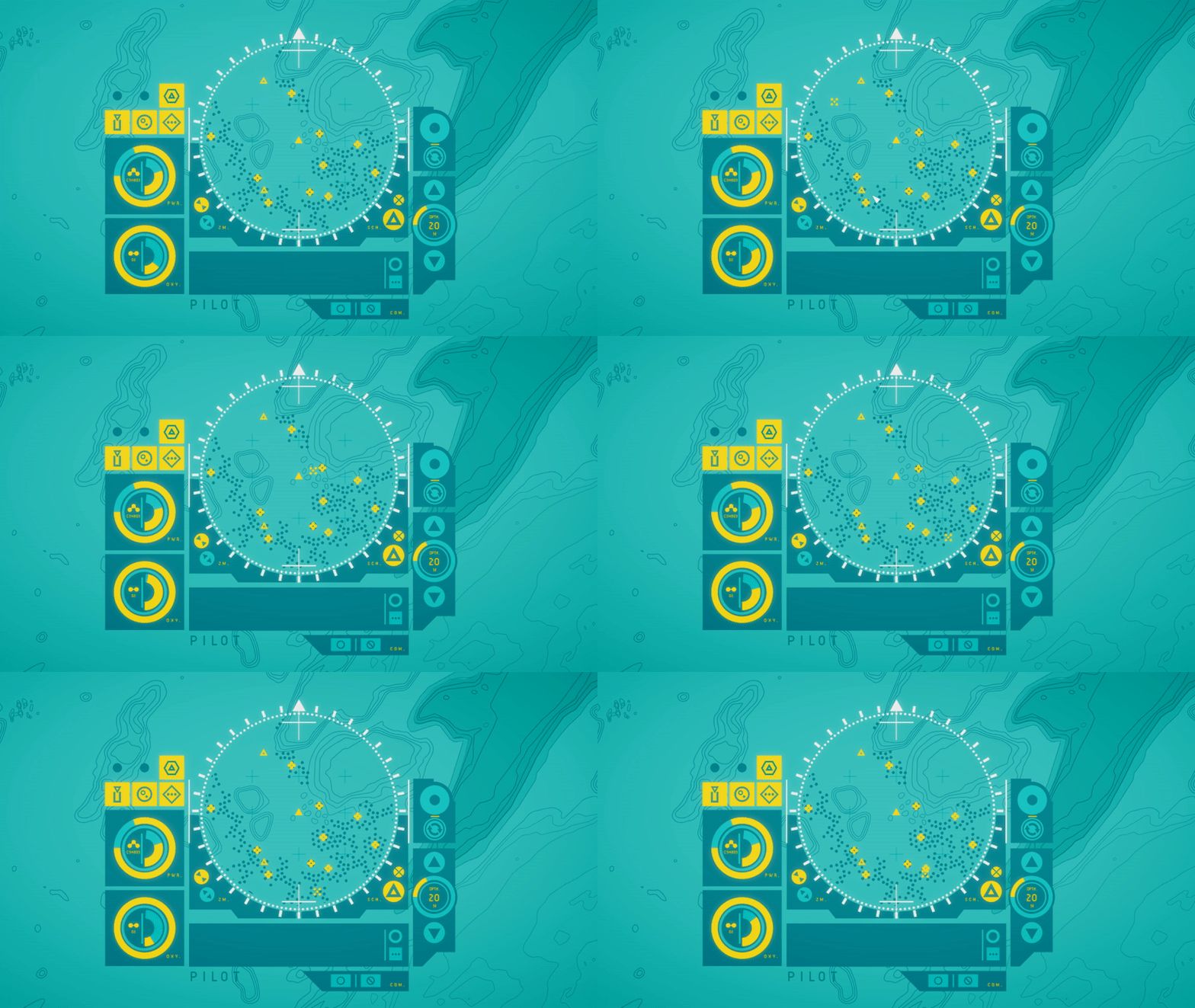
The truth is that our own bodies (and the bodies of all lifeforms) are the result of many interlocking relationships, built on symbiosis. As Margulis put it in her book Symbiotic Planet “life is an incredibly complex interdependence of matter and energy among millions of species beyond (and within) our own skin”. In Other Waters leaps off from this idea, offering an alien world defined by symbiosis, and an experience which is all about taking the role of an AI acting in symbiosis with your human companion. This game explores, through its central human and non-human relationships and through its ecosystem, Margulis’s idea that “our symbiotic, interactive, interdependent past is connected through animated waters.”
Climate Crisis
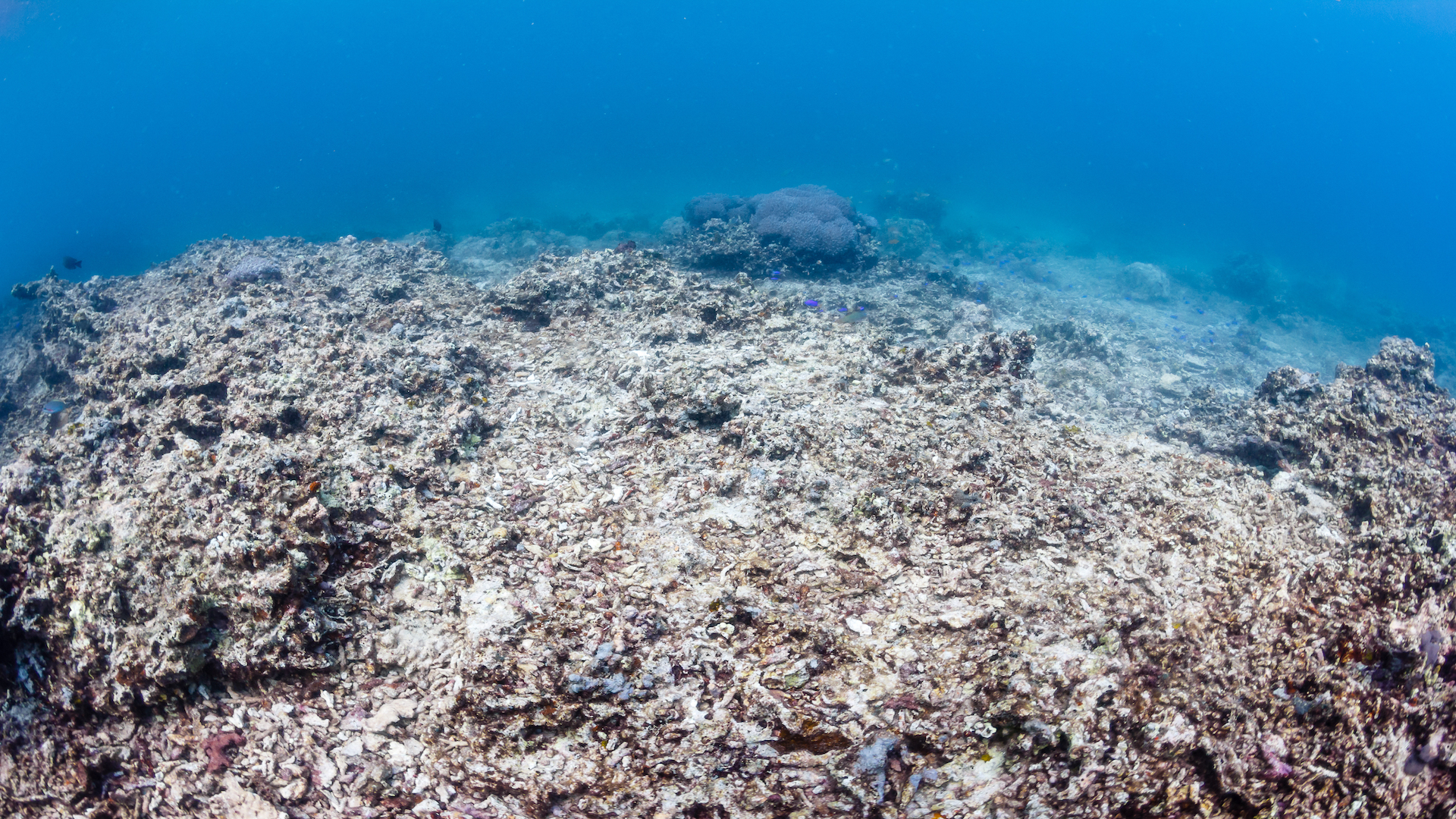
We are currently living in an unprecedented time of climate crisis. Humanity’s own acceleration of climate change through our ceaseless industrial expansion, as well as our pollution and acidification of Earth’s oceans have fundamentally changed life on this planet, and continue to do so at an increasing rate. In Other Waters is set in a future at the end of that extrapolated curve, where Earth’s oceans have succumbed to the pressure and most of their life is isolated to vast reserves where they are artificially preserved for tourists.
As In Other Waters is set on Gliese 667Cc, not Earth, In Other Waters deals with the aftershock of catastrophic ecological collapse through your human companion Dr. Ellery Vas. Her experiences growing up on Earth, and working as biologist have been shaped by being a central witness to the death of the ecology she wanted to study. Just as we currently stand on a precipice in relation to the condition of our oceans, with a fast approaching 2 degree rise in water temperatures threatening the existence of thousands of species, so In Other Waters sits on the other side of that gap, allowing us to look back and critically reflect on where we might be going as a species.
Marine Biology Live!
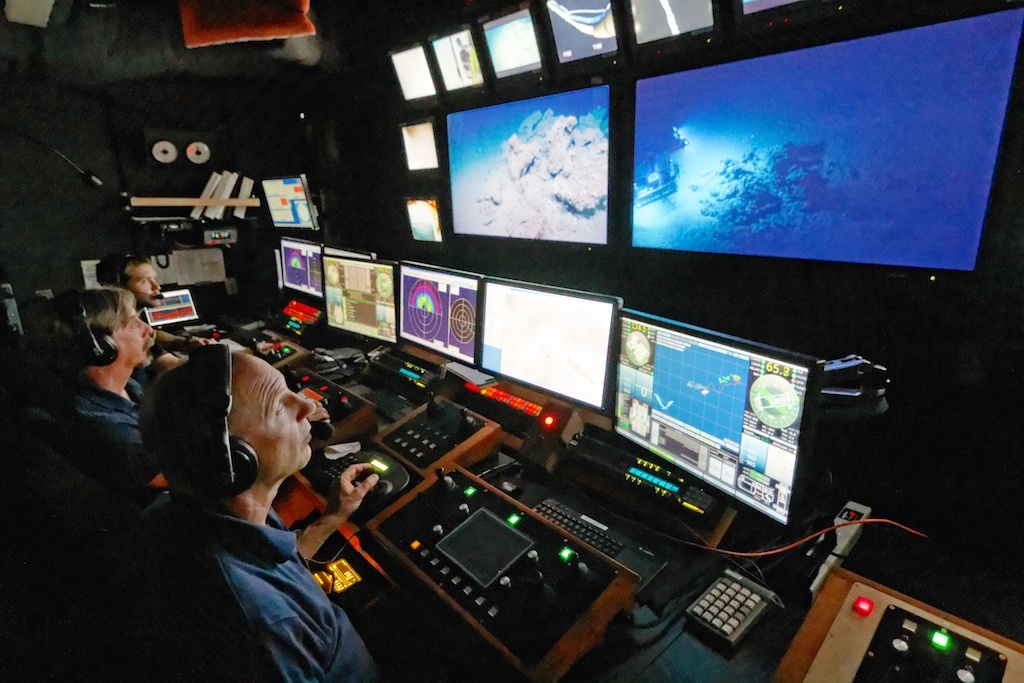
While we may be looking at a crisis across all of Earth’s oceans over the next decade, we are also in an unprecedented era of access to marine biology. If you had told me as a child that projects like Okeanos Explorer or Nautilus Live would be live-streaming deep sea exploration on youtube, for anyone to watch around the world, I would have never have believed you. These multi-hour streams, manned by an ever-changing set of scientists, have been a constant fixture during the development of In Other Waters, keeping me company during late nights of solo development.
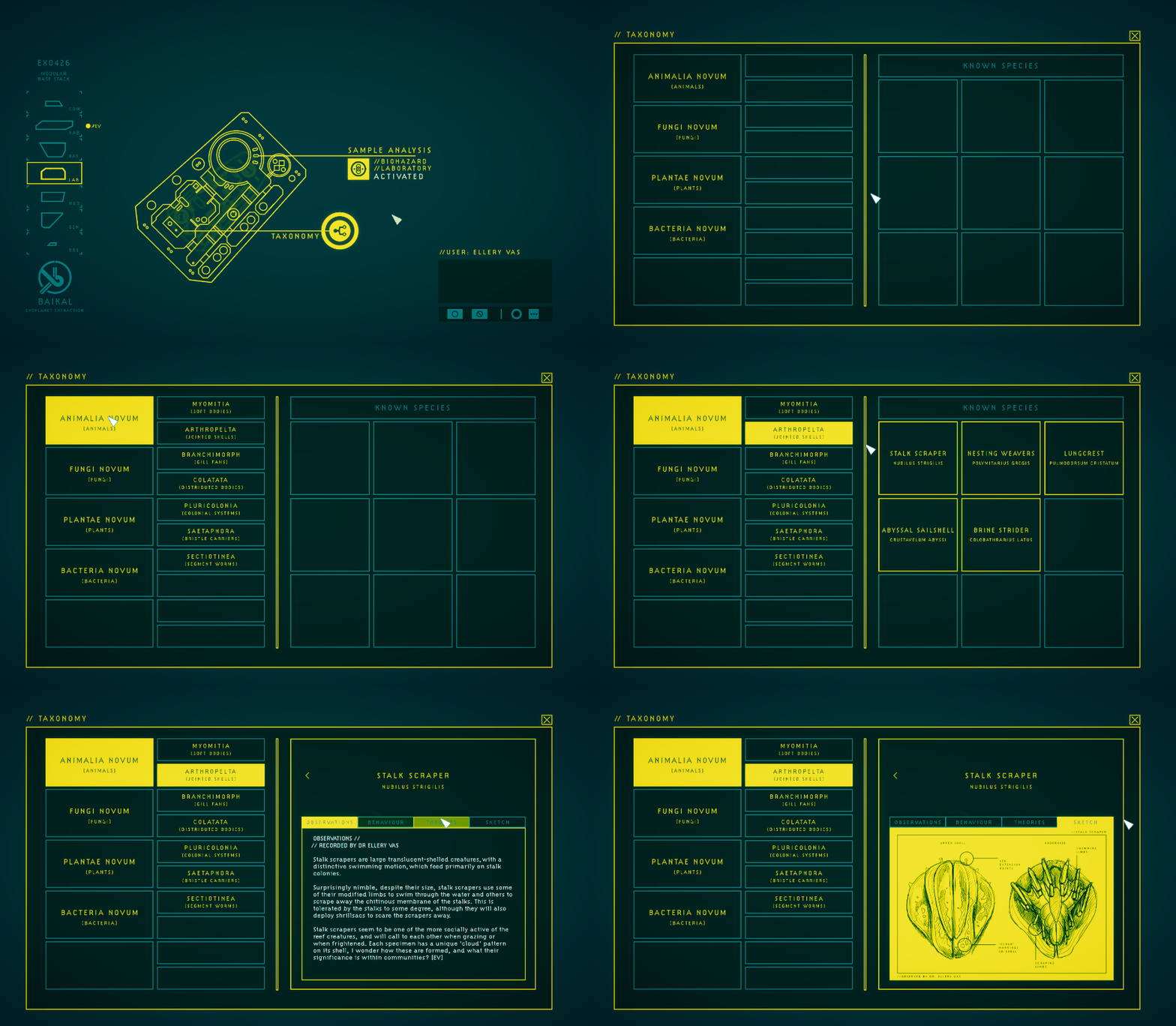
Crafting Dr. Ellery Vas and the world she explores is a response to these incredible streams and the selfless people that run, maintain and appear on them. I wanted to depict scientists as more than the often austere and cliched stereotypes we see in the media, and instead show them for the passionate and intelligent humans they are. Dr. Ellery Vas takes from the mosaic of PhD students, biologists and pilots that have kept me company through development, and provided me with a constant stream of facts and discoveries to fuel the creation of the game’s ecosystem.
Galapagos Hydrothermal Expedition
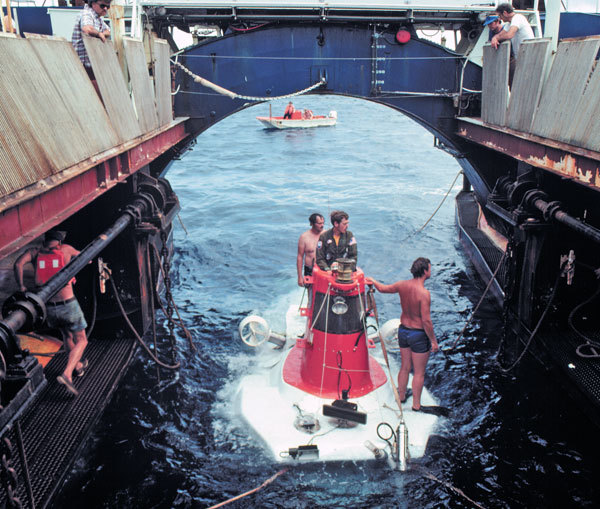
The creation of a planet-worth of life definitely takes some research. And, in my hours of reading there’s one single scientific event that I have kept coming back to. It’s one so significant that it should be up there in people’s imaginations with the moon landing, and yet because deep sea exploration is so under-funded and under-taught it remains unknown to so many. In 1977, the geologists Jack Corliss and Tjeerd van Andel, along with pilot Jack Donnelly, descended 2.5 kilometres down to a site off the coast of the Galapagos in search of hydrothermal vents in the submarine Alvin. They found the vents, a phenomenon theorised but never previously witnessed by a living human, but they also found something even more significant. “Isn’t the deep ocean supposed to be like a desert?” Corliss radioed back up to the support ship R/V Lulu “...there’s all these animals down here”. Despite not having a single biologist on board, they had made one of the most important biological discoveries of the century—an entire ecosystem that lived without a single ray of sunlight, subsisting instead on the toxic chemicals and symbiotic bacteria of the deep sea volcanic vents. This is the closest we have ever come to discovering life on another planet, and listening to the squeaky recordings of Corliss and van Andel describing what they saw has been a huge influence on In Other Waters.
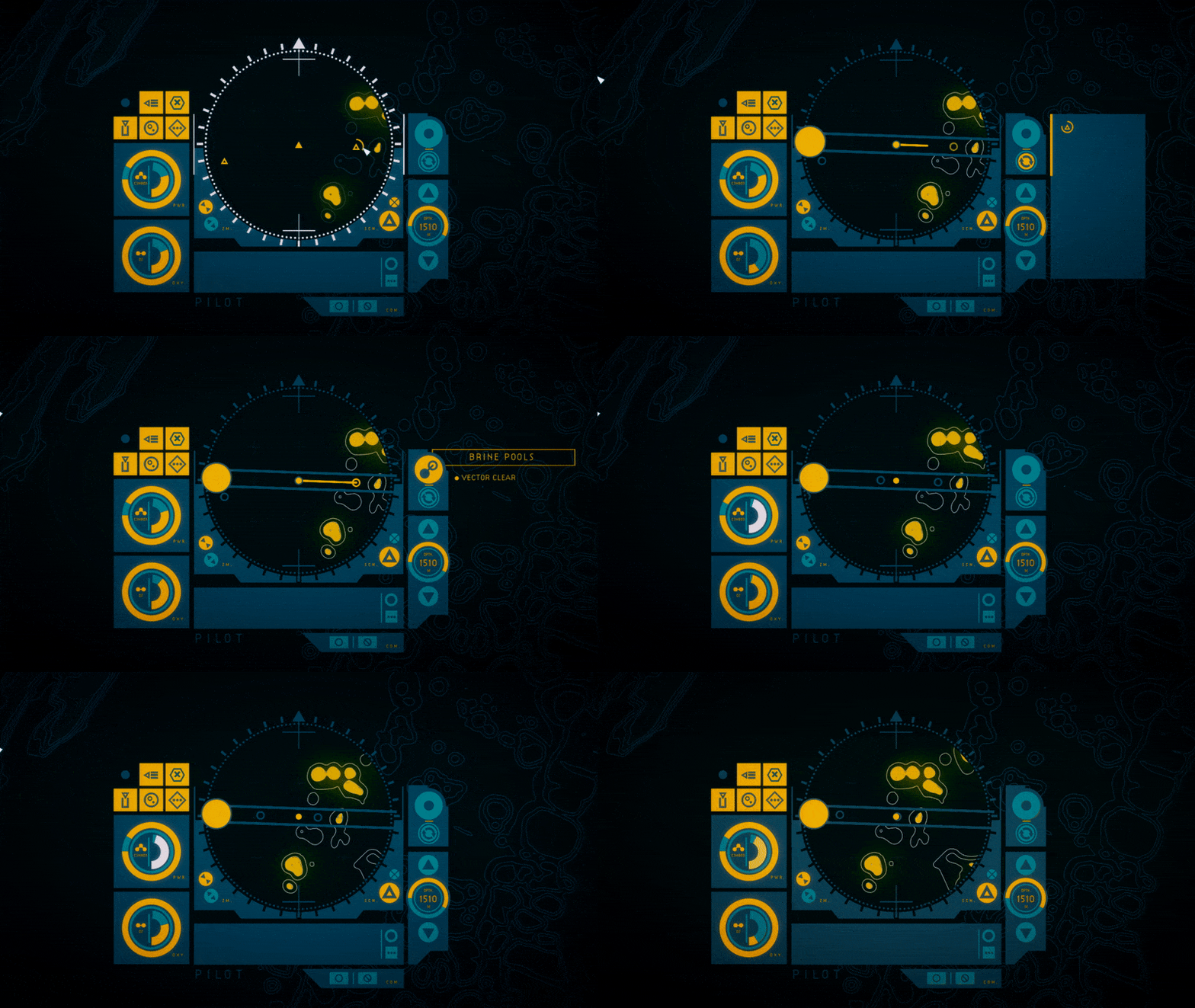
While this may be a game set on another planet, I would like to make sure it reflects back on our own relationship with this planet, and our incredible oceans. I hope those who play the game will return from Gliese 667Cc with a renewed sense of wonder for the diversity and strangeness of life in its many forms, and an appreciation for the scientists who pursue it, just as if they had been aboard Alvin on that day in 1977.