
A familiar story, seen in a new light.
Hello everyone!
A week ago, we brought Cicadas back to you after years in which it could no longer run properly.
Today, this remake takes another step forward: redrawn backgrounds and CGs, new lighting and presentation, and Retro mode. We invite you to return to this familiar summer and discover its new look.
Do you remember stepping into the classroom for the first time, or opening the music-room door? This update invites you back to Cicadas: to the light between the trees, the piano at sunset, and the people waiting in those familiar places.
109 backgrounds and 51 CG images, redrawn for a new summer
Modern mode (2026 · Soda) now features 109 redrawn backgrounds and 51 redrawn CG images: 160 scene images in total. The CG count comprises 49 groups plus two variants for specific story moments; it does not mean 51 new story scenes.
From sunlit paths and classrooms after school to a music room glowing with evening light, the new art brings fresh atmosphere and detail to familiar locations and encounters.
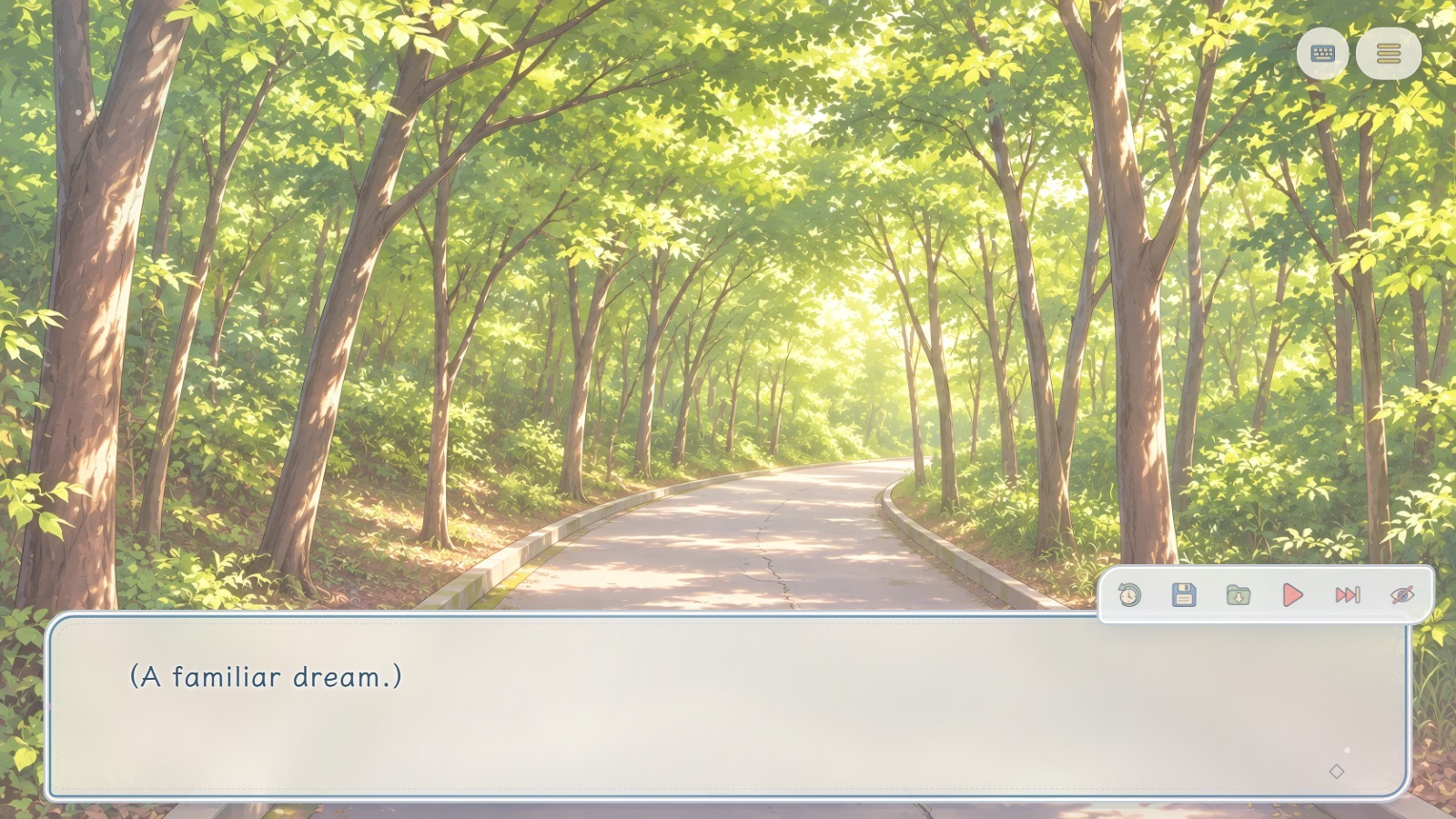
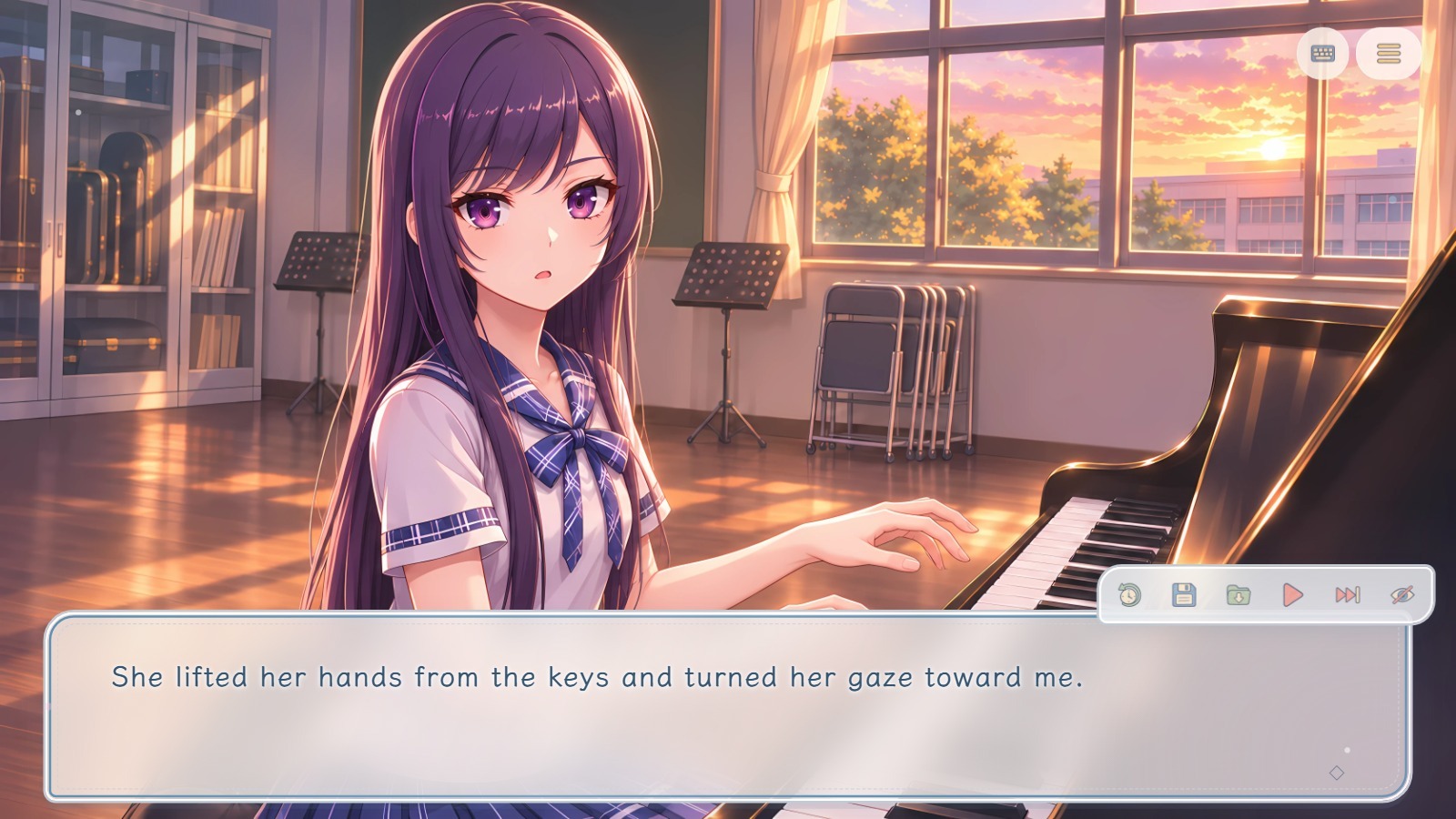
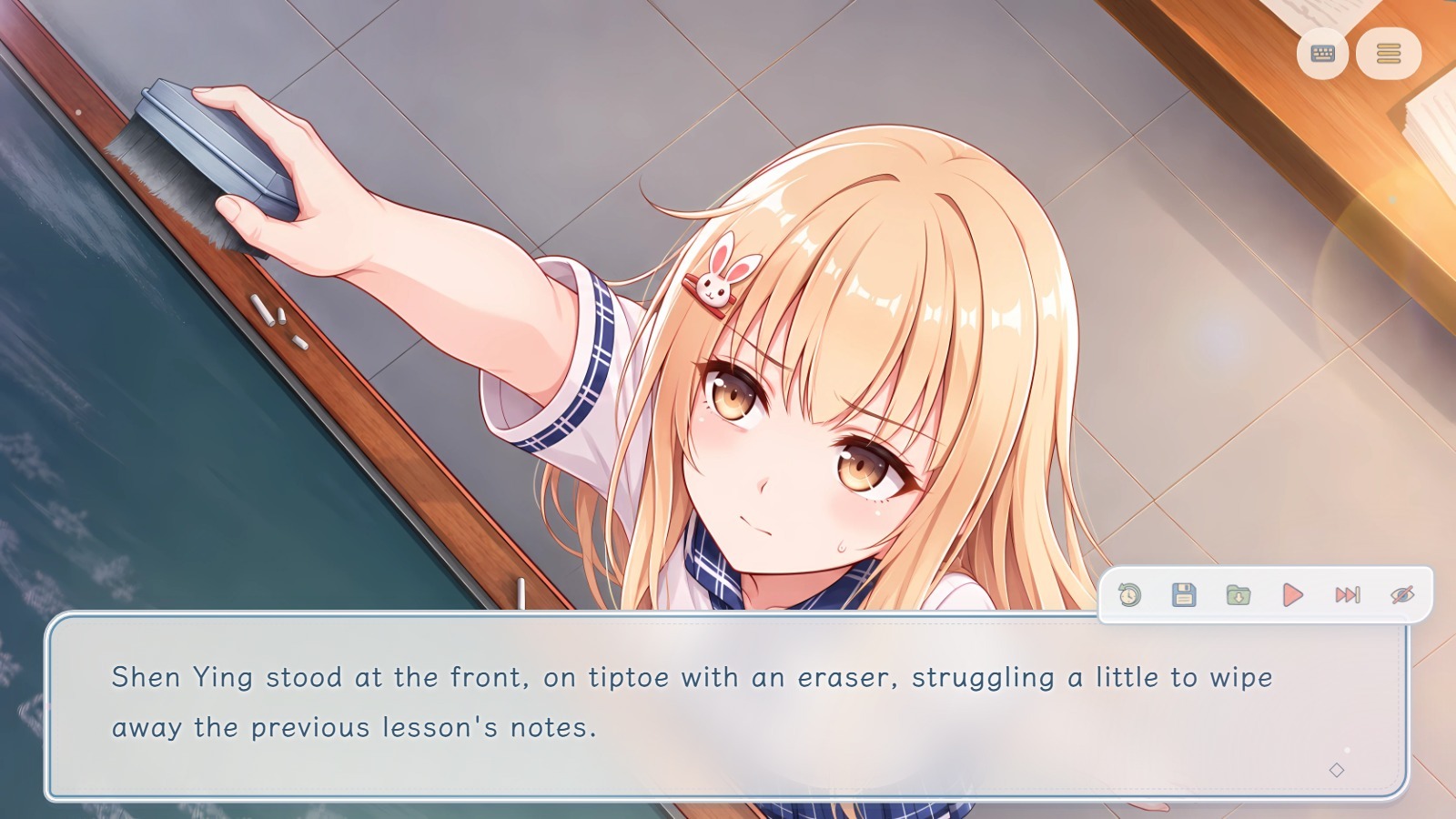
Classic and remake CGs have separate gallery collections. The new phone and diary images also use independent text layers that follow your selected game language.
New lighting: let the setting reach the characters
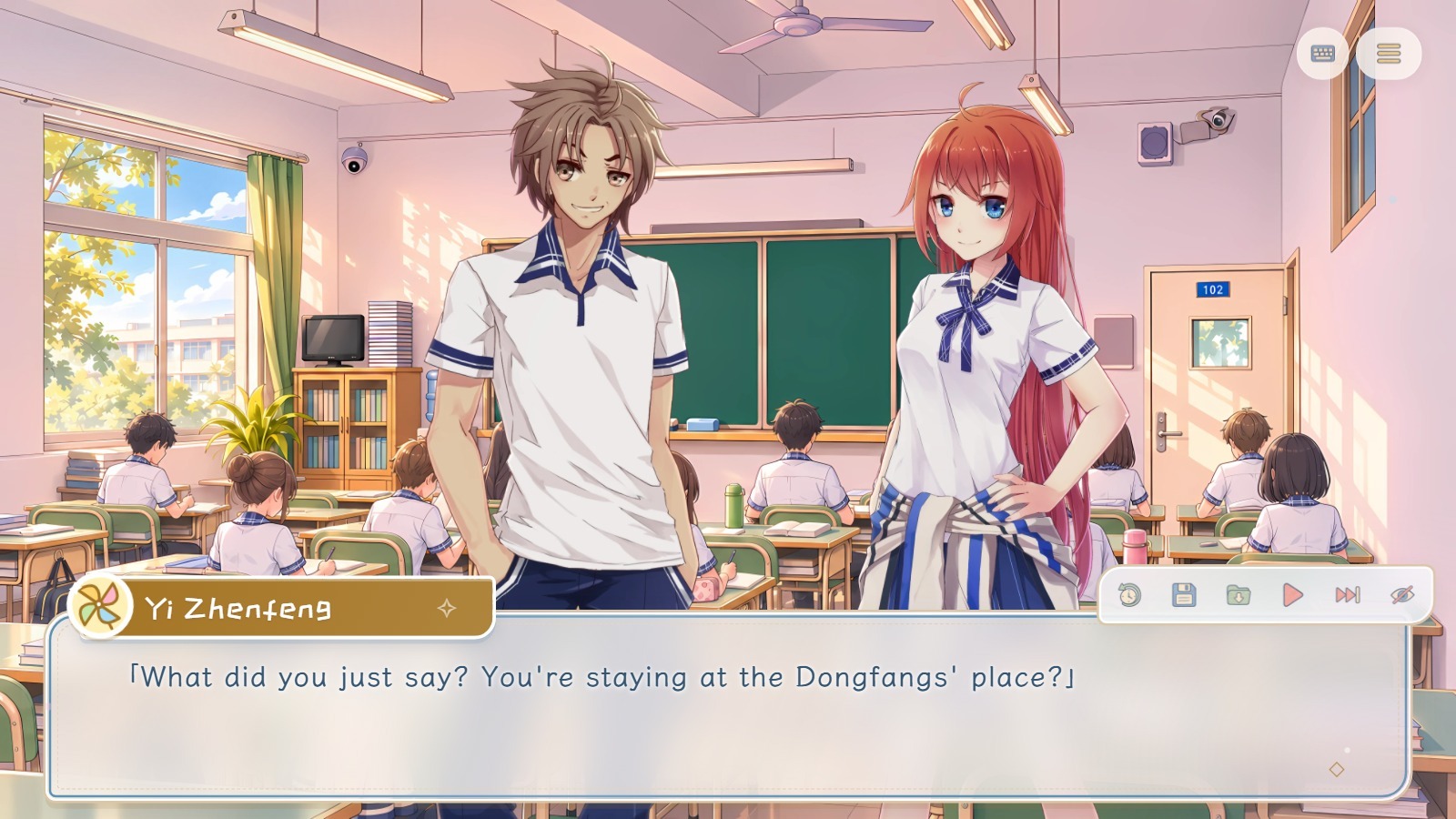
Modern mode's new presentation effects help the cast feel part of the scene:
- Ambient color: character artwork picks up the scene's color and brightness, bringing different moods to daylight and night scenes.
- Rim lighting: a subtle light along character edges adds separation and depth.
- Light adaptation: brightness changes gradually as the scene changes, rather than jumping abruptly.
- Speaker focus: the speaking character moves slightly forward while listening characters retain their normal brightness.
- Scene parallax: gentle shifts add a sense of space to still images.
Ambient light, rim light, speaker focus and scene parallax can each be switched off independently. These effects belong to Modern mode; Classic and Retro keep their own presentation styles.
A new presentation engine, built around the story
The presentation system has been reorganized around the Esora story core, with dedicated directors coordinating scene changes, character actions and audio timing. Dialogue, inner thoughts, narration and written text now have clearer presentation rules.
We have also corrected costume and visual details, original voice bindings and playback across pages, white-screen transitions and ending waits. Changing visual styles preserves your story progress; independent replays and music playback retain their own state.
Three interfaces, three ways to revisit the same story
- Modern / 2026 · Soda — 16:9: redrawn backgrounds and CGs, a soft translucent interface, new lighting and parallax, and selectable artwork resolution.
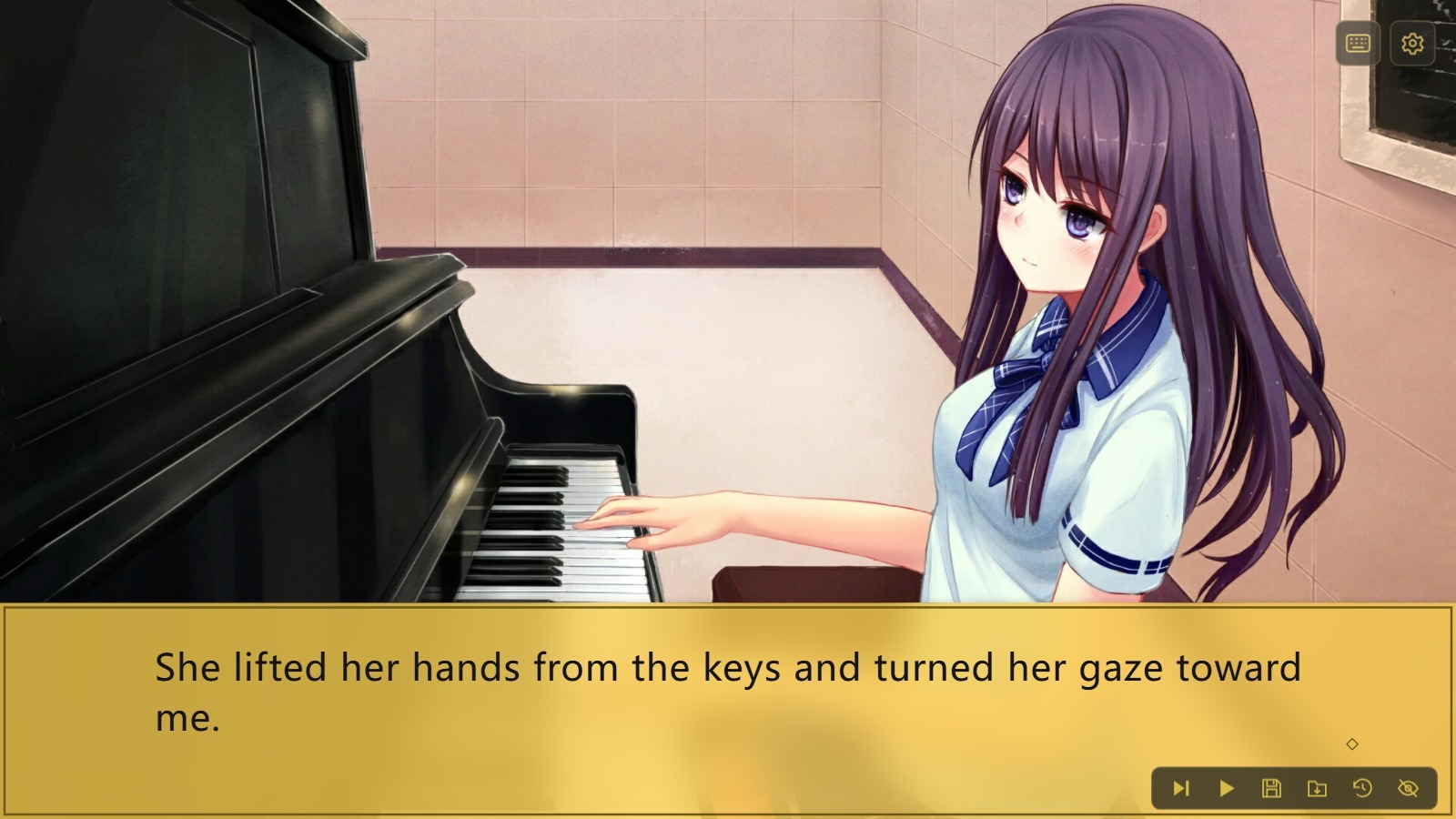
- Classic — 16:9: original backgrounds and CGs with the classic interface. A choice for revisiting the original look.
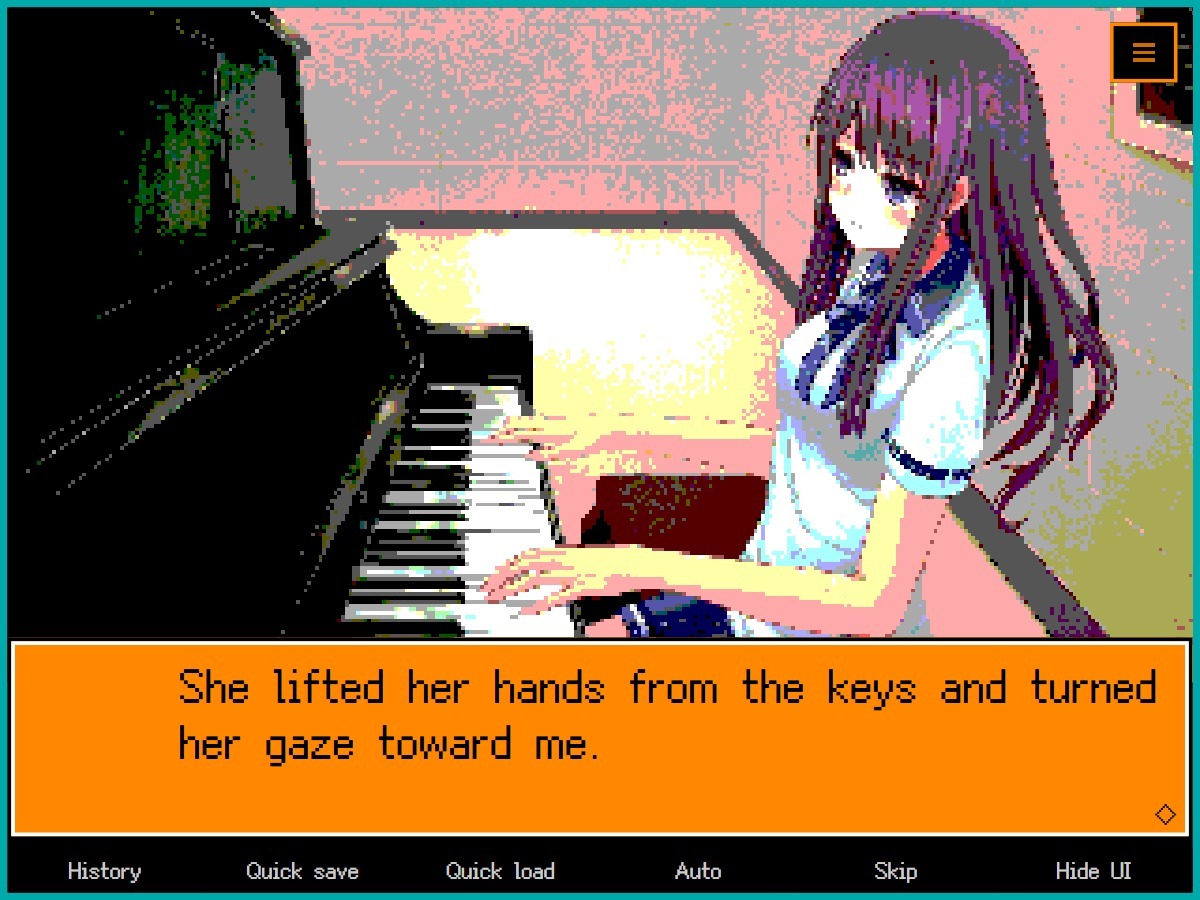
- Retro — 4:3: original artwork presented in 64-color pixel graphics, pixel fonts, an orange-and-black interface, single-character portrait framing and striped transitions. Low-fidelity output also changes the sound of music, voices and movies.
Classic:
Retro:
All three share the same story and saves. Choose your style in Settings → Interface Style; switching styles does not require starting again.
Graphics settings: choose the detail and effects you enjoy
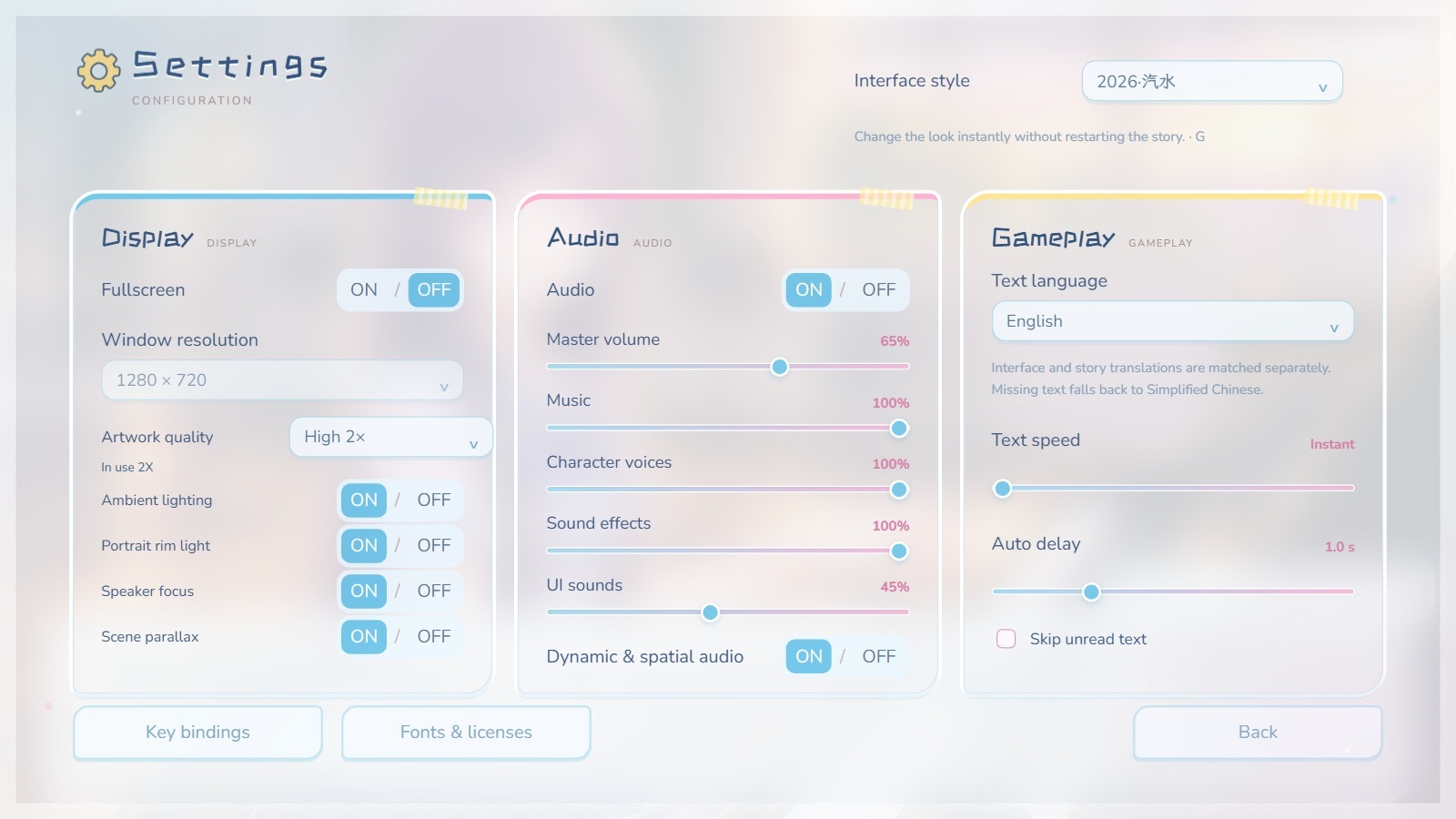
In Modern mode's Settings → Video, choose Auto, 1×, 2× or 4× artwork resolution. These are artwork scale settings, not display-resolution presets. Auto considers the displayed stage size and device support. If a manual setting exceeds your device's capabilities, the game uses an available level and shows the level actually in use.
Ambient light, rim light, speaker focus and parallax have separate controls. Background and CG downsampling has also been adjusted to reduce moiré in fine lines and textures. Changing artwork resolution does not change story progress or CG unlocks.
Six text languages and a note on AIGC art
The game supports Simplified Chinese, Traditional Chinese, English, Japanese, Korean and Russian text. Original Chinese voice recordings are retained.
Modern mode uses AIGC redrawn backgrounds and CGs. Classic and Retro use the original backgrounds and CGs, without this AIGC remake artwork. The three modes still share a small number of AI-generated interface sound effects, so this distinction concerns the background and CG artwork, not a claim that every asset is AI-free.
The screenshots in this language version were captured with the game set to English.
The summer is waiting
Thank you for playing, sharing screenshots and telling us what needs attention. Come back to the redrawn scenery, try Retro, and let us know which version of Cicadas feels most like your summer.
How will it feel to open the music-room door this time?