
Hi folks — we're the team behind Kindled: To the Starlight. As the title says, not one of us grew up in the countryside. The closest any of us has ever come to it is playing Stardew Valley.
It's a strange thing to say, a bunch of city folks trying to build a whole village. The kind where someone buys on credit, someone runs off owing money, someone grumbles about half a ridge of farmland for ten years.
It's 2015. You're standing at the entrance to a Chinese village with one packet of cotton seeds and a few hundred yuan in your pocket. Nobody knows you. But you take one step forward, and you make a life in this village.
Back to where this started. Our first idea was simple: after years of the nine-to-five grind and subway commutes, we just wanted to make a game where you could farm, raise chickens, and have a little courtyard. But the countryside had always been a distant word to us.
So we watched documentaries, read news reports, dug through whatever we could find. Why did we pick 2015?

That year, a nationwide poverty-alleviation campaign got fully underway. One line in the news, once it reached the villages, became everyday life, household by household. And from then on, the countryside began to change, bit by bit.
The more we looked, the more we saw that rural China was far more complicated than we imagined. It's countless people, in tough conditions, putting roads through, piping water in, building up local industry, one small piece at a time.
It wasn't a pastoral idyll. It was survival and change, plain and real.
That realization left us a little ashamed. Because at first, all we wanted was a pretty countryside, easy and free. So we changed direction, and we figured one thing out: a farm revolves around you, but a village doesn't. You watch the village, and the village watches you.
The days after that went by one turn at a time.
But don't worry. If you're no good with numbers, and all you want is to farm quietly, live a peaceful life, and stay out of all the scheming, that's fine too. How you live your days is up to you.
In the game, one turn equals one solar term.
At the start of a turn, you check the sky first: sun or rain these next few days? Frost at night? Then you check the market: is the price of cotton up or down, are the cotton buyers lowballing today? Then you put your head down and do the math: seeds, fertilizer, pesticide. How much is left in your pocket, and will it last until harvest? Put simply: live by the weather, sell by the price, get by on cash. Plan the days ahead, sleep on it, and the turn is over.
When you wake up, the crops have grown another notch and things have happened in the village: a fresh bit of gossip at someone's gate, a fresh line in someone's ledger.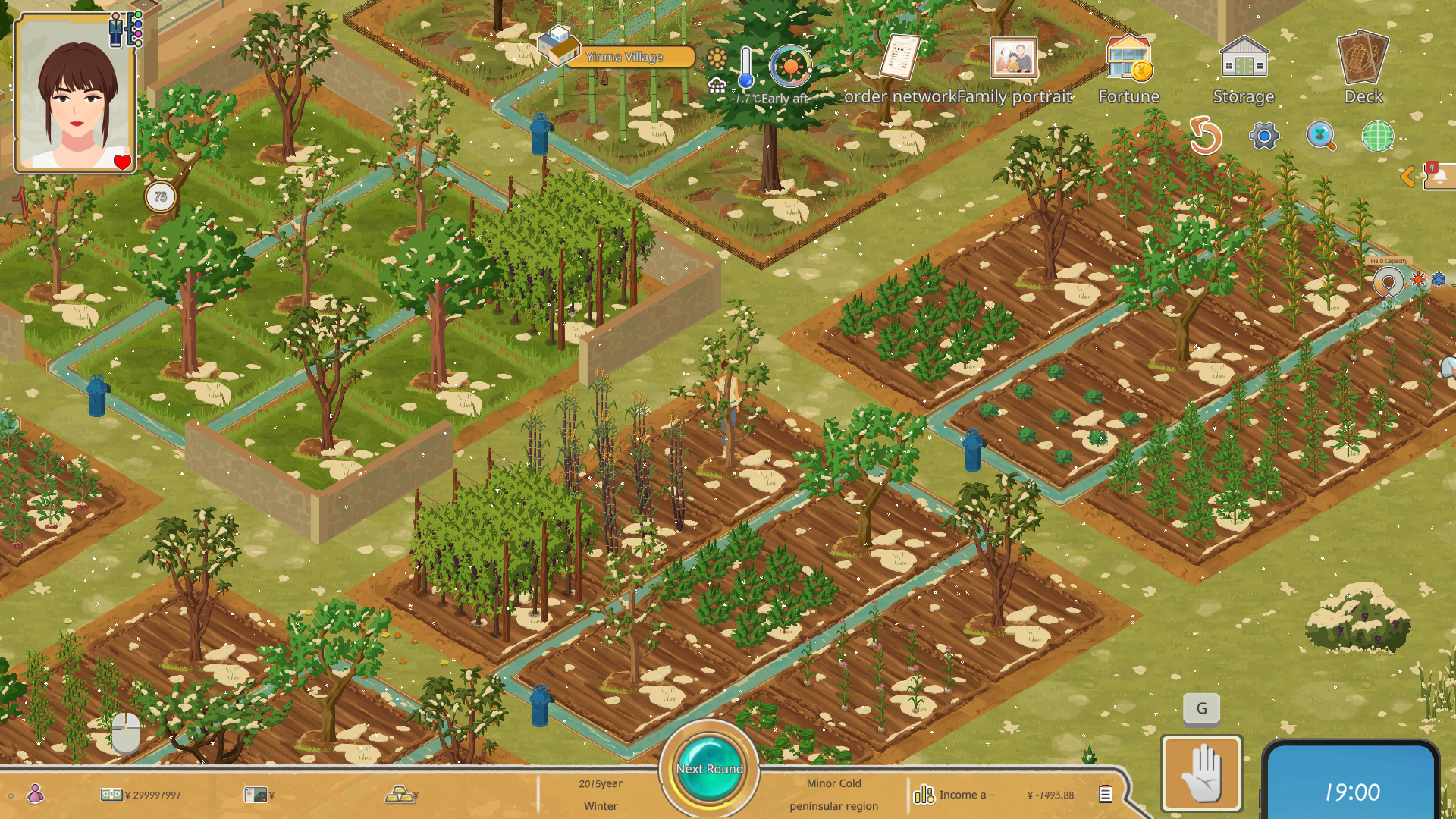
The money you scrape together can go into warehouses, greenhouses, and silkworm beds, or into fixing up your home.
The same goes for the contribution you build up in the village day by day. It doesn't do much on an ordinary day. But when it matters, it might speak for you, open a door, or add one more vote on election day.
Dealing with people takes some care too. Say the wrong thing and a grudge can stick for years. In a village, goodwill is capital: get along well, and buying on credit or lending a hand is one word away. Get along badly, and everything has to be paid for in cash.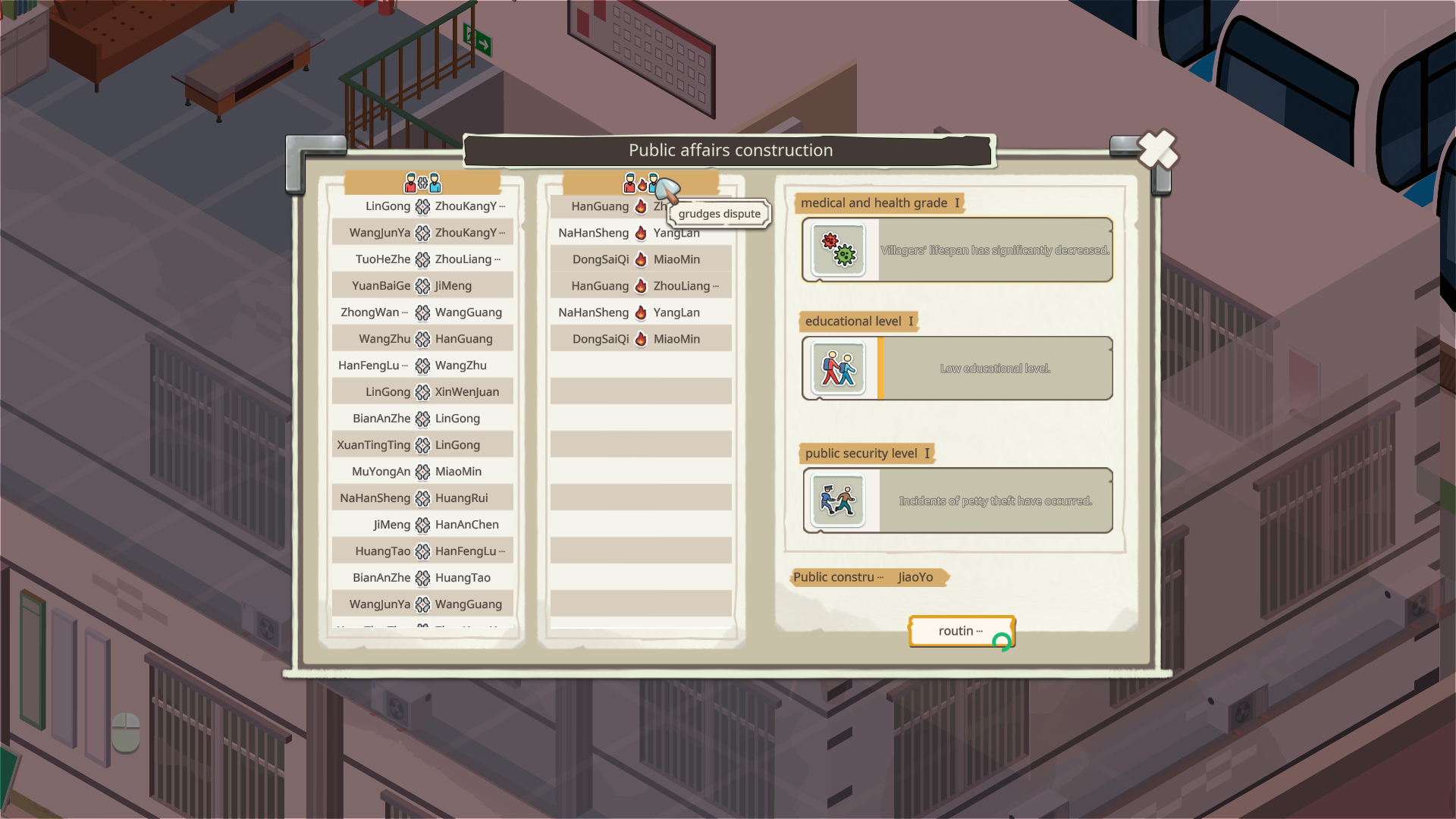 If you'd rather not talk to anyone, if you're dead set on being a lone wolf, that's fine too. Just know that if you've rubbed enough people the wrong way, your name will barely come up when the votes are read out at the Village Committee election.
 Back to the fields. There are more than forty crops you can plant, and each one has its own temper. Some are delicate: too much water or too little, neither will do. Some are hardy: drop them in the ground and up they come. Some go strictly by the solar terms: a day early or a day late, and they won't have it.
Once it's in the ground, selling the harvest is another lesson entirely. Cotton prices rise and fall with supply and demand: few selling, plenty buying, and the price climbs. But the market can turn faster than you can turn a page. On the day cotton drops, the cotton buyers squeeze you until it hurts. Sell, and you lose money. Don't sell, and you lose more. What do you do? You think about it.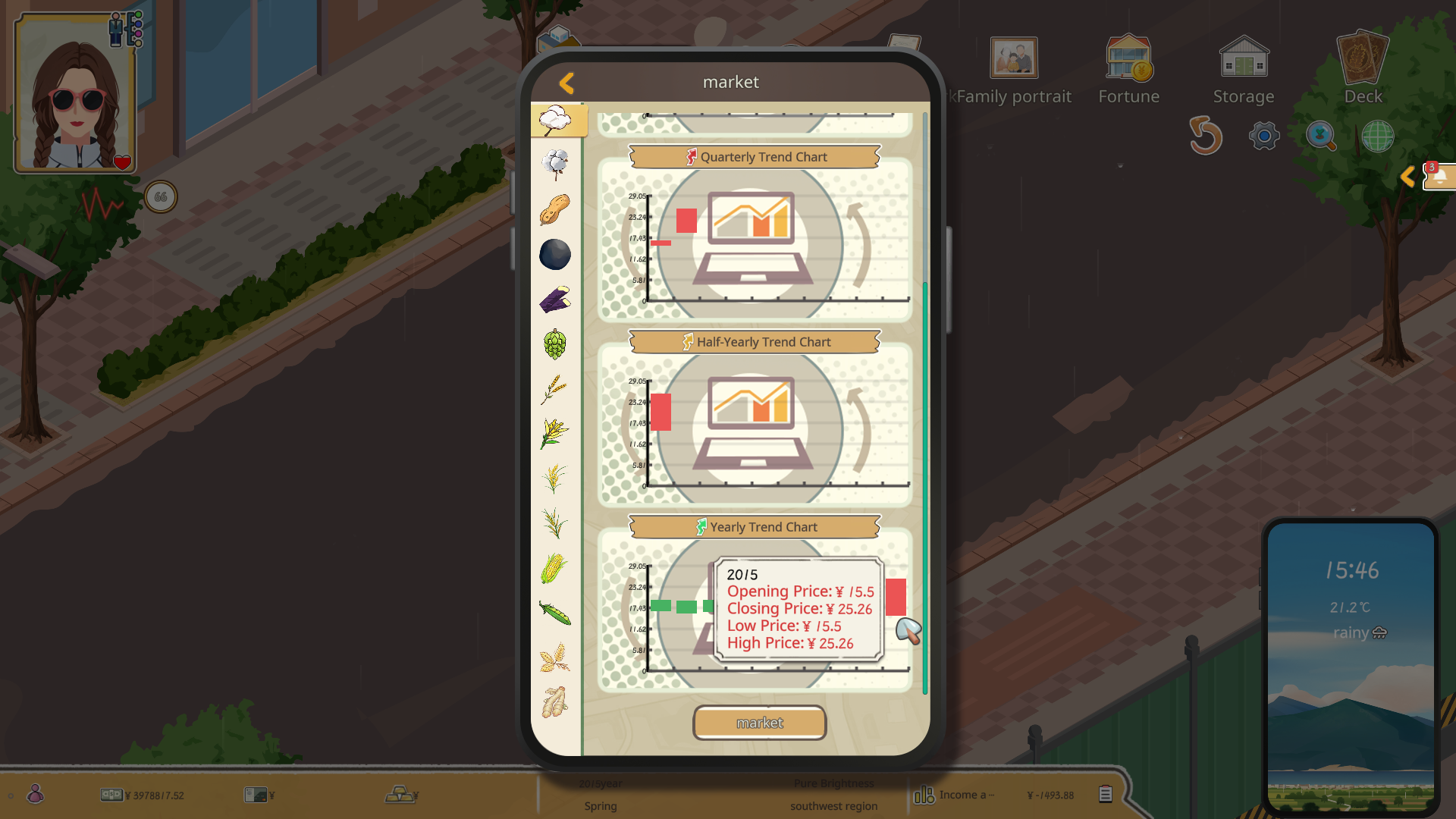 Just between us: someone in the village will ask you for a loan, and promise to pay it back "once the autumn harvest comes." The harvest comes, and you stand at their gate for a long while. The lights are off.
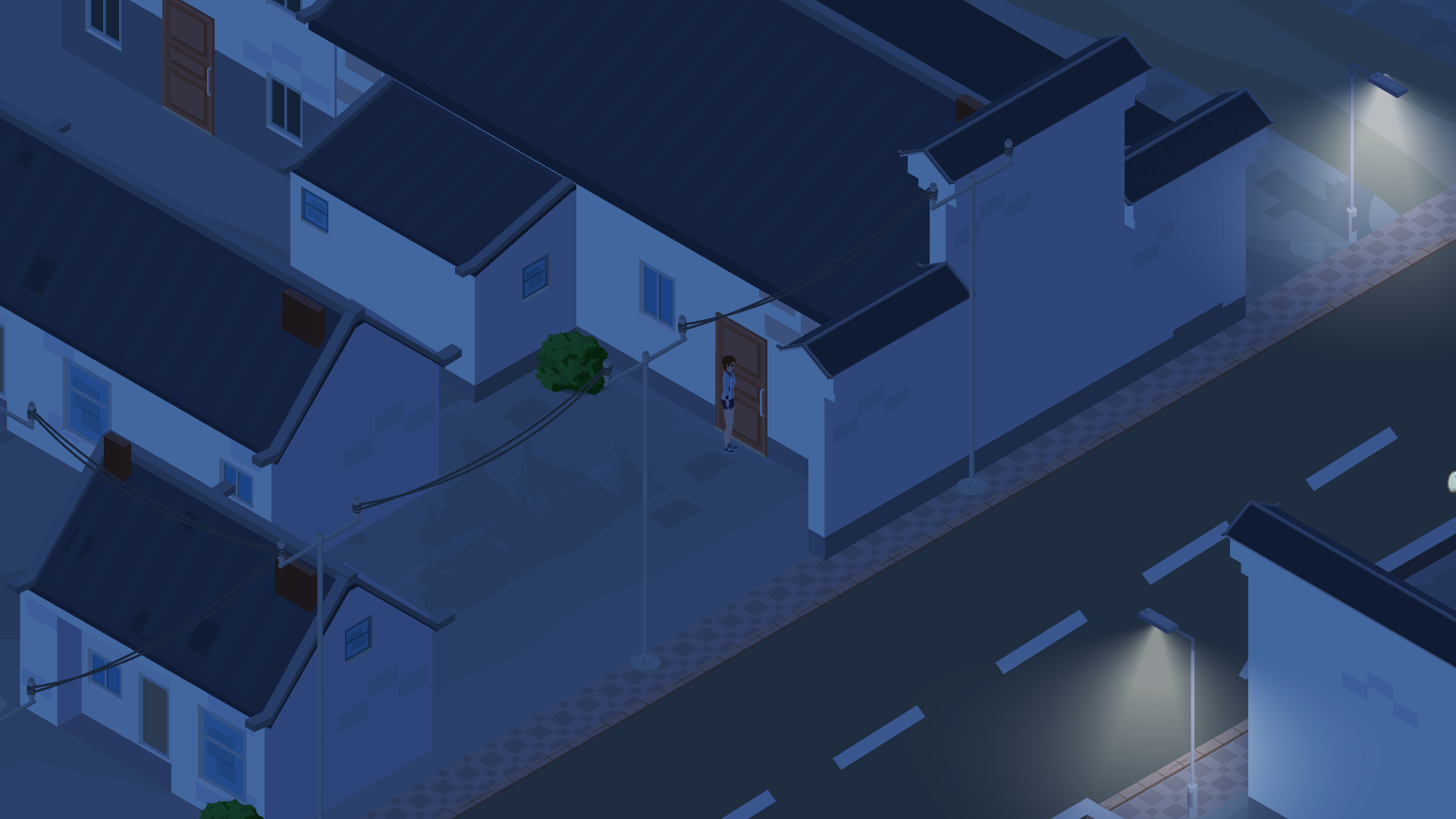 Where they went, and whether they're coming back, you'll only find out once you've been in the village long enough.
This kind of life belongs to the seven hundred or so people in the village. They argue, they make up, they line up to buy fertilizer, they gossip behind your back.
You end your turn. They're living through a turn of their own. By the time you come back, things have already changed.
That's why we went and built this whole thing: to keep some of that realness in a game. You'll run into the bustle of the harvest rush, the tension as the votes are read out, the push and pull of credit and repayment. And if you grew up in the countryside, come help us check our work. If something in it feels familiar to you, then all this wasn't for nothing.
Oh, and we still owe you one more thing: what this game actually looks like. 2D art, a 2.5D perspective — like standing at the village entrance looking in.
In the next devlog, we'll talk about farming: how many hurdles one season of cotton has to clear, from planting to harvest. Which solar term to sow in, when to spray, where the water comes from, who you sell the harvest to. We'll show in-game screenshots, so you can see for yourselves.
Which hurdle do you want to see first, folks? Order it in the comments: planting, spraying, doing the books and selling the harvest. Whatever gets the loudest shout goes first. Got other questions? Bring them on. We read every single one.
Want a peek at the village sooner? Hit the wishlist button. When the demo launches in February 2027, Steam will give you a shout the moment it goes live — so don't miss it.