On August 6th, we announced Historia: Roma Aeterna, and we want to start by saying thank you. The response to the announcement has been incredibly encouraging.
Seeing so many people watch the trailer, wishlist the game, leave comments, and take an interest in what we are building has been both exciting and humbling for our small team. We invite you to read our first developer update, where we wanted to share a little more about the game, the vision behind it, and what we are currently working on.
You can watch our trailer here: Historia: Roma Aeterna - Announcement Trailer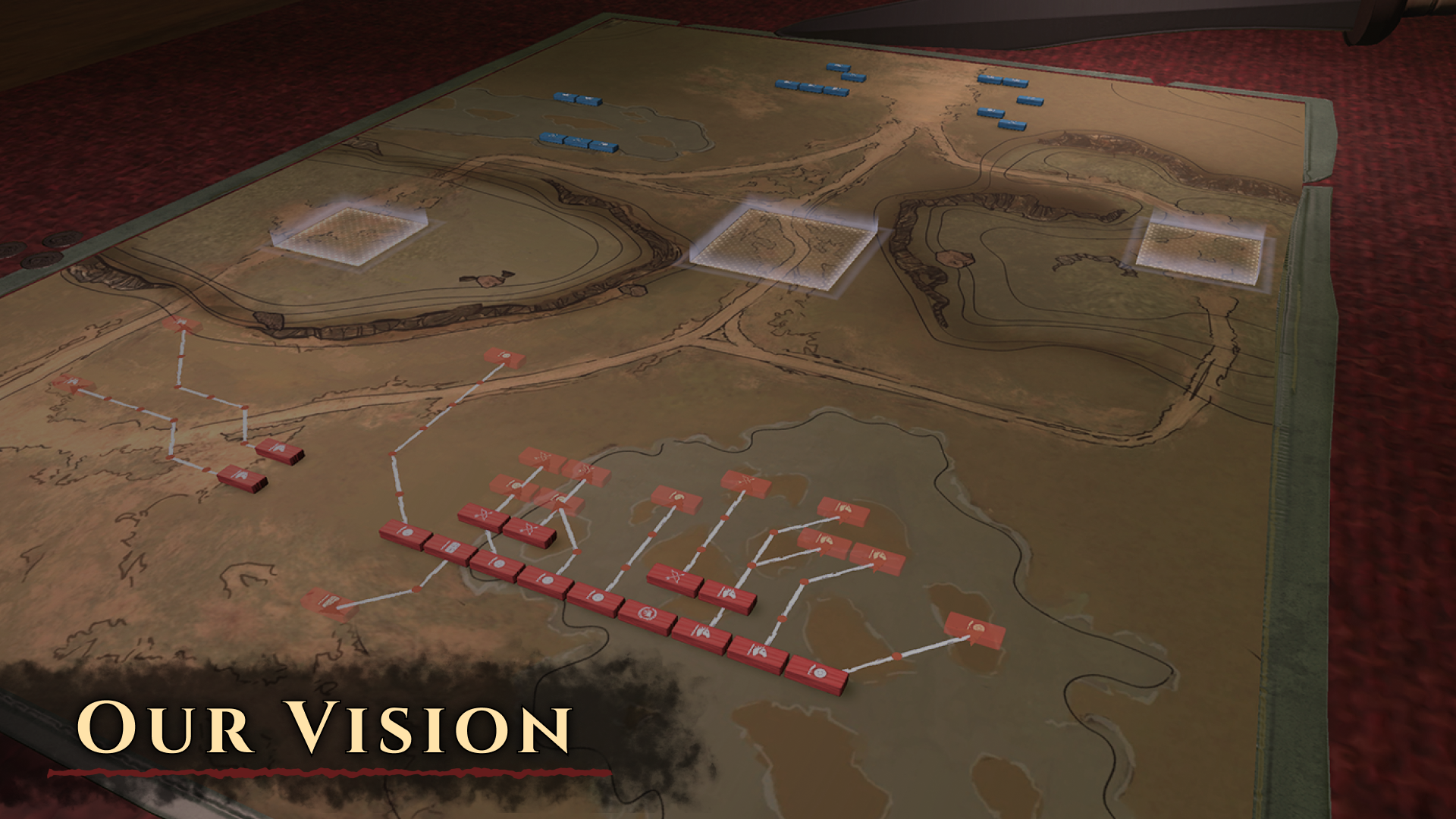
With Historia: Roma Aeterna, our goal is to put you in the position of Julius Caesar during the Roman Civil War and make you feel the weight of command.
The campaign and battles are designed as complementary and equally important parts of that experience. We want the decisions you make away from the battlefield and the decisions you make while commanding your army to come together as part of the same journey through Caesar's Civil War.
We also want the game to be approachable and intuitive without sacrificing depth. Players should be able to understand what is happening and why, but truly mastering the game should require experience and a deeper understanding of its systems.
CAMPAIGN
The campaign will present you with a set of available paths as the Civil War unfolds. You will decide where Caesar goes, who he speaks to, how he responds to political and military situations, and how he treats allies, rivals, and enemies.
The story is rooted in history, and players will not be able to completely rewrite the high-level chronology of the Civil War. For example, you will not be able to abandon the campaign in Spain and simply decide to invade Africa instead. At the same time, we do not want to simply move you from one famous historical event to the next.
Your decisions should be meaningful in their own right. They can shape relationships, opportunities, how characters respond to Caesar, and ultimately the version of Caesar you create over the course of the game.
Most of what survives about Caesar was written either by Caesar himself or by people with their own perspectives and agendas. The historical record leaves plenty of room for interpretation, and we want to use that uncertainty to explore Caesar beyond the major events we know took place.
BATTLES
Our battles are built around the idea that commanding an army is about making decisions with incomplete information, committing to a plan, and dealing with the consequences when things do not go as expected.
We want battles to reward careful planning and tactical decision-making. Decisions should have clear consequences, and mistakes should be felt on the battlefield.
To achieve this, our battles combine turn-based planning with real-time execution through two distinct phases.
During the Tactical Phase, both you and your opponent plan your actions for the upcoming turn. You position your forces, issue orders, and commit to a plan without knowing exactly what the enemy intends to do.
Once both sides have committed their orders, the battle moves into the Execution Phase. Units carry out their orders simultaneously in real time, and the plans of both armies collide on the battlefield.
Your role does not end once the battle starts to unfold. You will still have opportunities to react and influence events during the Execution Phase, but your ability to do so is limited. The decisions you made beforehand still matter, and a bad plan cannot always be fixed once it has been set in motion.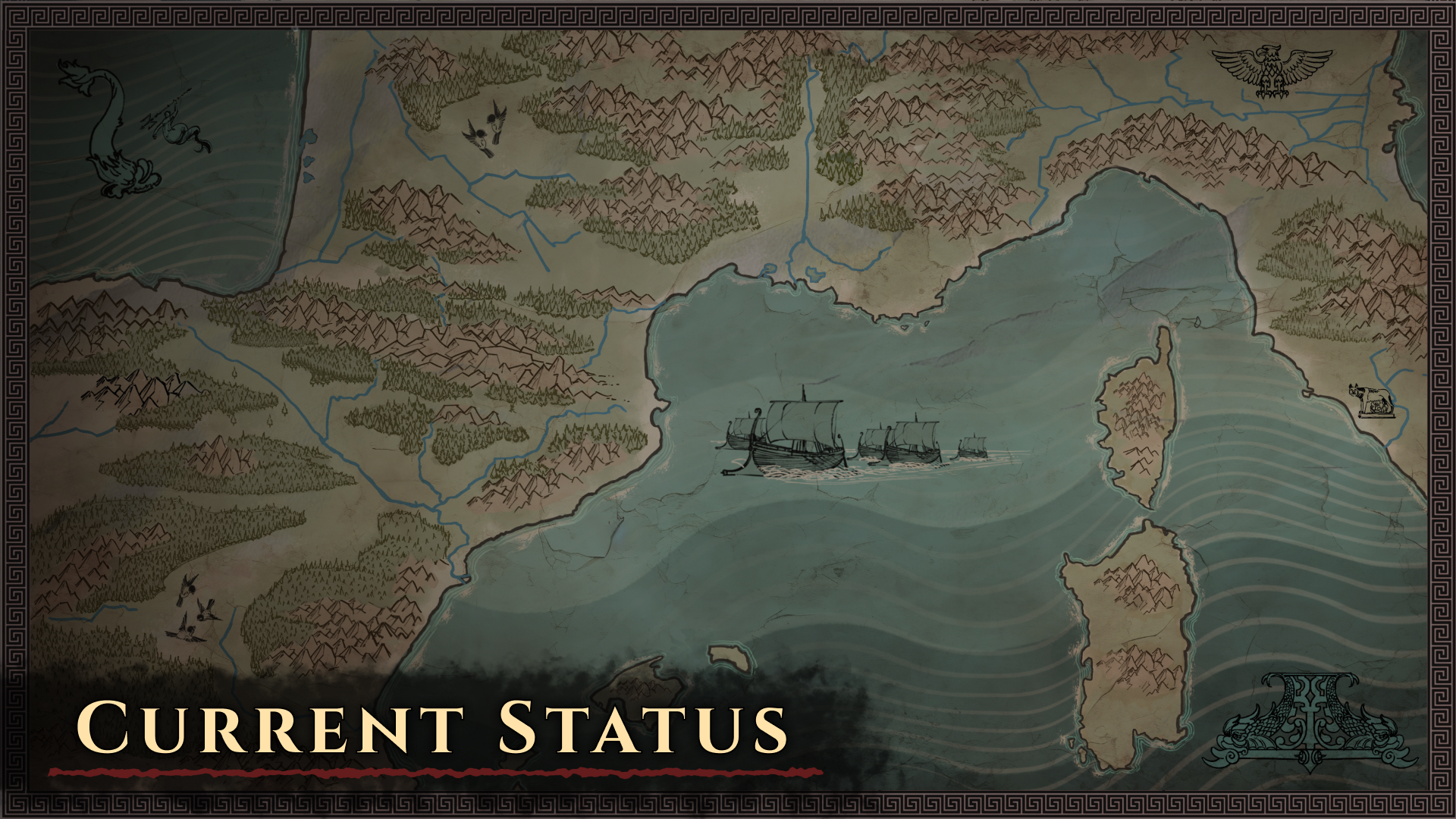
Historia: Roma Aeterna is still early in development, and many parts of the game are continuing to evolve.
A large part of our work so far has focused on establishing the foundations of the battle system and bringing the Tactical and Execution Phases together into a cohesive experience. Playable versions of our battles already exist, and we have had players get hands-on with them and share their feedback with us. That feedback is already helping us refine the battle system and, most importantly, the overall feel of commanding an army.
The campaign is also well underway. Its core structure is already in place, including the campaign map, conversations and character interactions, and player decisions. We are continuing to develop and refine these systems, as well as the ways the campaign and battles connect into a single experience.
Everything shown in our announcement trailer was captured directly in-game and represents the game as it currently exists, but it is still very much a work in progress. Art, animations, effects, sound, UI, environments, and gameplay systems will continue to evolve throughout development.
WHAT'S NEXT?
We are excited that we can finally share our progress with the community, and we plan to be transparent about the development of Historia: Roma Aeterna.
We know that our first trailer has raised plenty of questions about the game, its systems, and where we want to take them. Over the coming months, we plan to share much more about each of these areas and the thinking behind them.
We hope this will give you a clearer picture of the experience we are building and what will make Historia: Roma Aeterna its own game.
Expect more development updates, deeper looks at individual systems, and plenty more from the game as development continues.
If you have any questions or would like to participate more actively in the development of Historia: Roma Aeterna, join us on Discord.