
At the start of my research, I knew very little about "disaster volunteering." My own ecological experience was limited to city cleanup days, planting trees in a library park, and once, collecting cigarette butts and beer caps from a St. Petersburg beach for an art installation. During that project, my friend accidentally stepped on a piece of broken glass and pierced her foot, so that installation was literally built on blood, sweat, and tears. To top it off, a passerby walking his dog yelled at us, saying we were wasting our time with !@#$ [absolute nonsense].
By design, the protagonist of Sinemorsk was meant to have a similar background. Lena is an eco-blogger and an urban activist who stands "for everything good and against everything bad." She sincerely wants to help nature but has never been deeply involved in the actual process. Reposting from eco-channels, recording indignant videos, calling on people to sign petitions—before the events of the game, Lena believes this is more than enough.
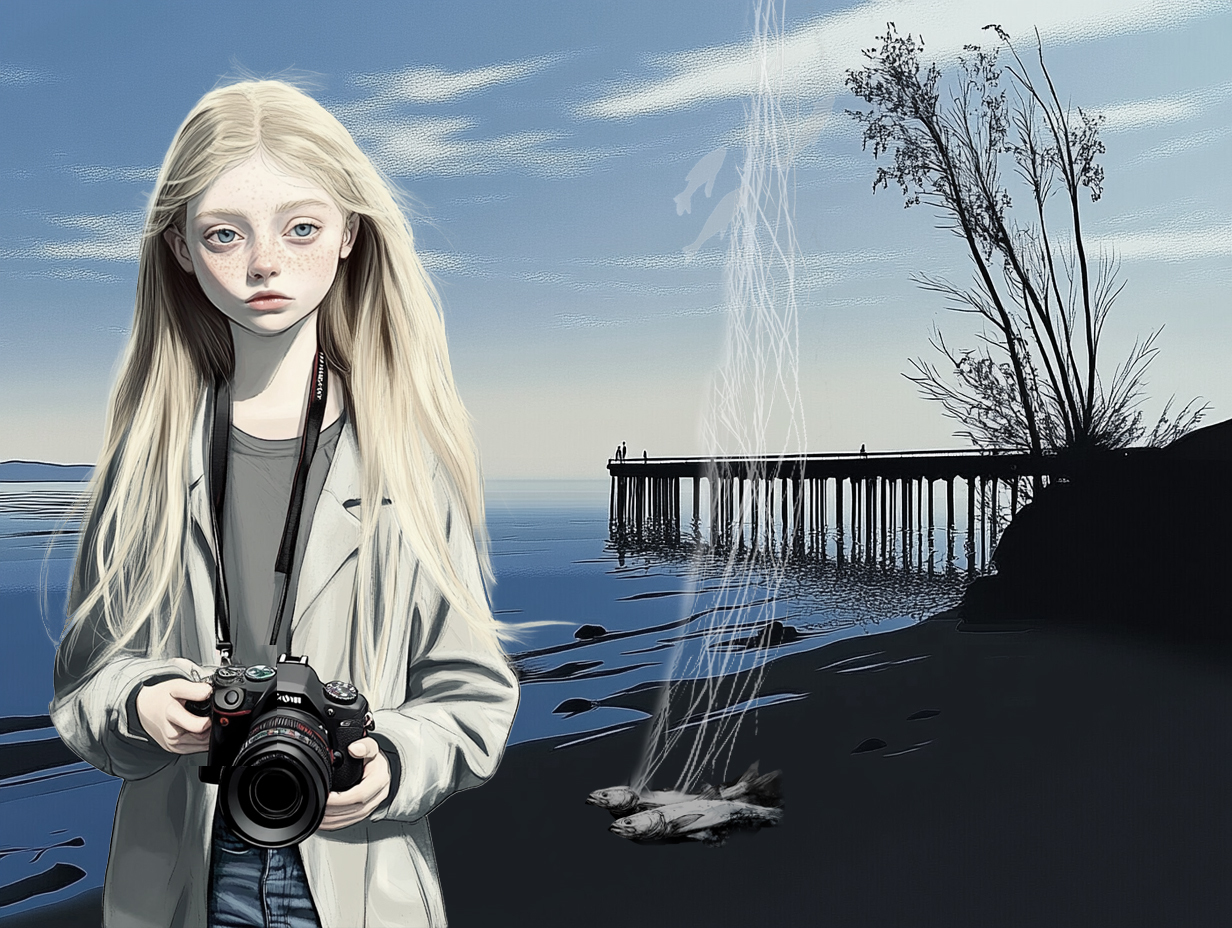
She learns about the fuel oil spill in distant Sinemorsk from a friend and initially decides to go there for the content—to take photos, record interviews, and post videos. While that is important work, in the first days of a disaster, hands with shovels are much more urgently needed than hands holding cameras.
The game will quickly force Lena to choose what is more effective: going out to the shore herself to clean oil off birds, managing a team from the headquarters, or using her growing media presence to recruit and train new volunteers.
These branching paths are pulled straight from reality. Some volunteers who arrived at the Anapa spill already had experience organizing cleanups and managing teams. Others brought media resources. A third group had nothing but a desire to help. Some envisioned the volunteer infrastructure as completely horizontal—where everyone is responsible for their own cleanup zone, and all resources and workloads are distributed equally. Others felt more comfortable with vertical management and a strict division of labor: the cleanup crew, the foremen, the headquarters coordinator, the accountant, the PR manager... Real-world volunteers had the time to test different structures and exchange experiences. Lena will have those opportunities too.
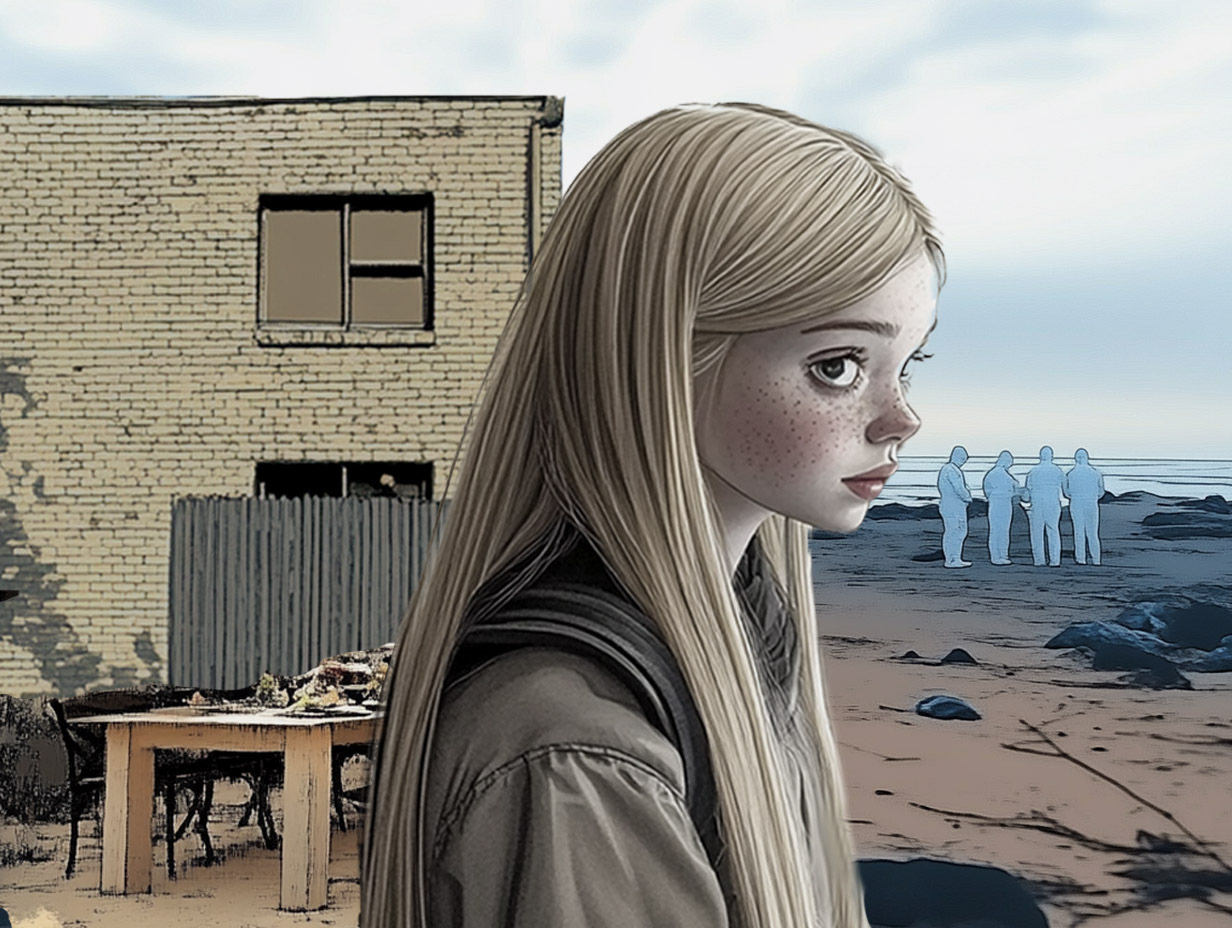
I did my best not to favor any single structure, showing the merits and flaws of each. It is up to the player to decide whether they want to turn Lena into a lone-wolf hero, a representative of a horizontal volunteer network, or the leader of a vertically managed headquarters.
Players will also get to see how other characters run their headquarters. Starting out on her own, Lena will soon meet Dima, who is building a headquarters on horizontal principles and trying to seize every opportunity to promote it. He tries to do everything at once, getting involved in every single initiative to help volunteers and secure resources, which often leaves him anxious and completely exhausted.
Later, Lena crosses paths with Artem—a PR specialist from a pro-government headquarters with a rigid vertical hierarchy. Artem is convinced that people shouldn't try to bite off more than they can chew: everyone should mind their own business and listen to the coordinator, and then everything will run like clockwork. Whether Lena listens to their advice, befriends them, and learns from them, or remains a lone wolf, is entirely up to the player.
And, of course, the game's other characters are not just background decorations designed to deliver a single authorial message; they are living, breathing people. Their personalities were shaped directly by the chat logs and emotional experiences of real volunteers. Therefore, Dima, Artem, and the other characters Lena meets along her journey will have their own distinct interests, motives, weaknesses, and hopes.