
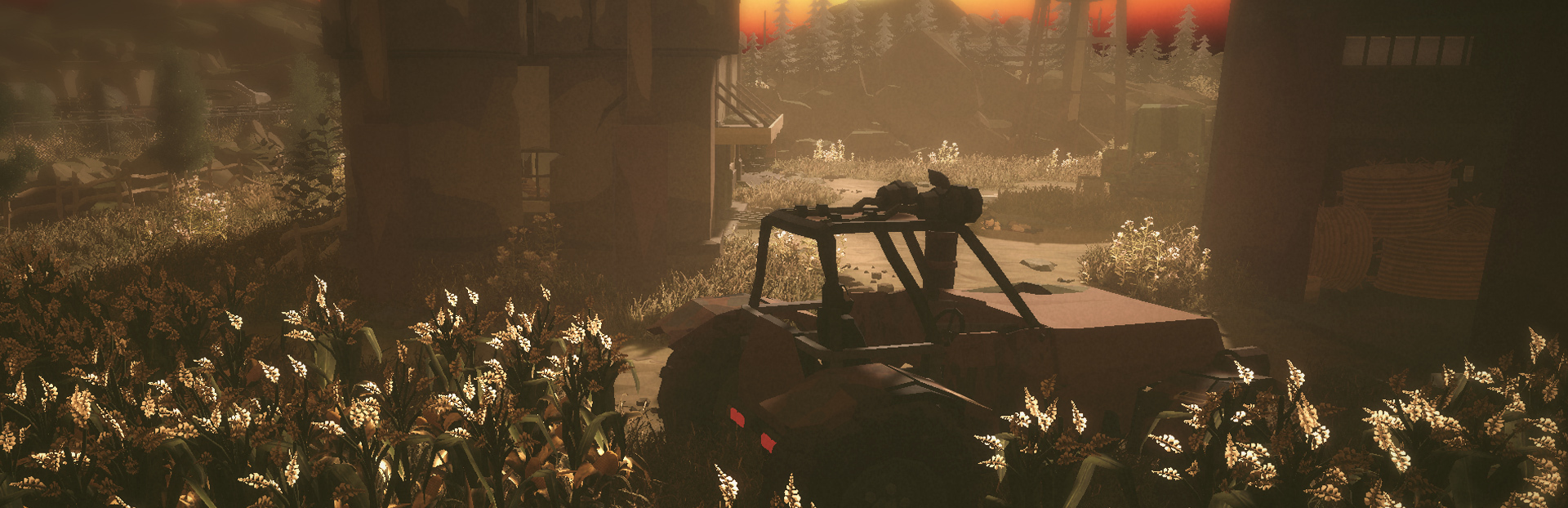
Pale Tide’s first map is taking shape, and we’re excited to share how far it’s come! The GIF below gives you a glimpse of the progress we’ve made building the world you’ll explore after leaving the bunker. In today’s devlog, we’re taking you inside that process, sharing some of the thinking behind the map’s design and a few sneak peeks at the places waiting for you. From your first steps outside to the moments when you’ll wonder whether you’ve ventured a little too far, there’s plenty to discover. Let’s take a look!
In Pale Tide, you start in Arden Pines, where you begin learning how the game really works, by making choices that quickly start to matter.
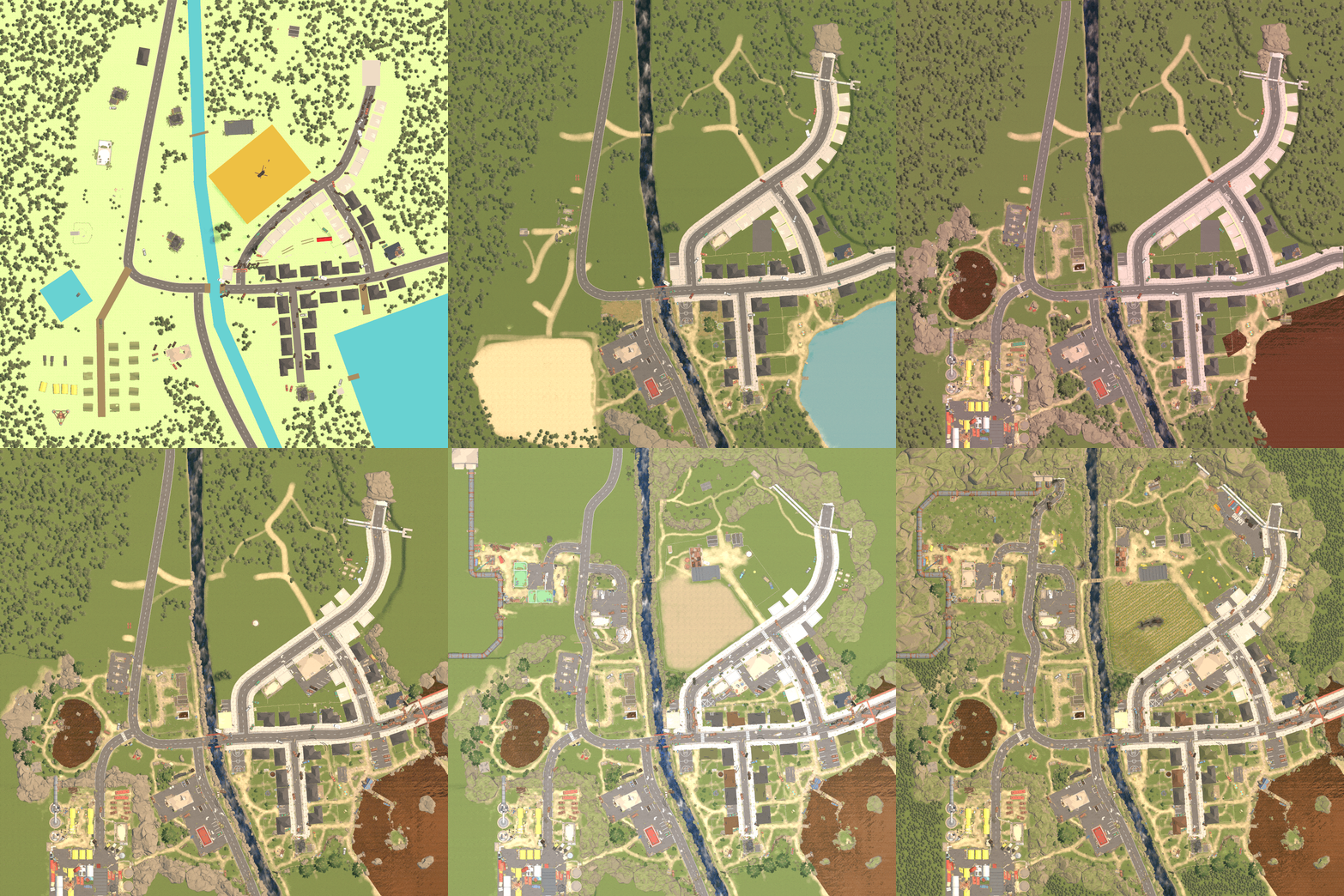
You leave the bunker with an objective, but the route rarely stays fixed. A street might be blocked, a building may turn out to be worth the detour, or you may realize that the safest way home is no longer the one you planned to take. That’s the kind of tension we want this first area to establish.
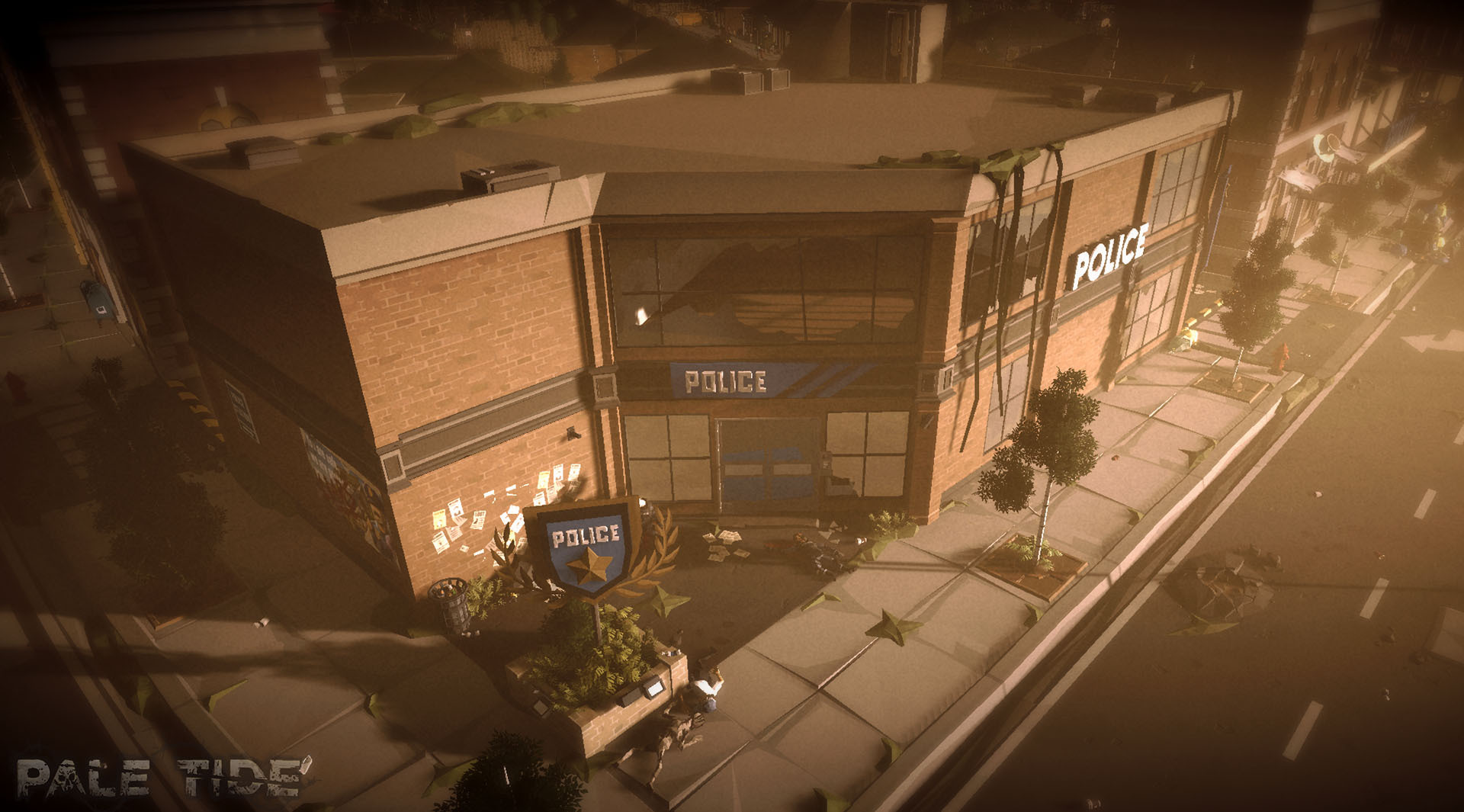
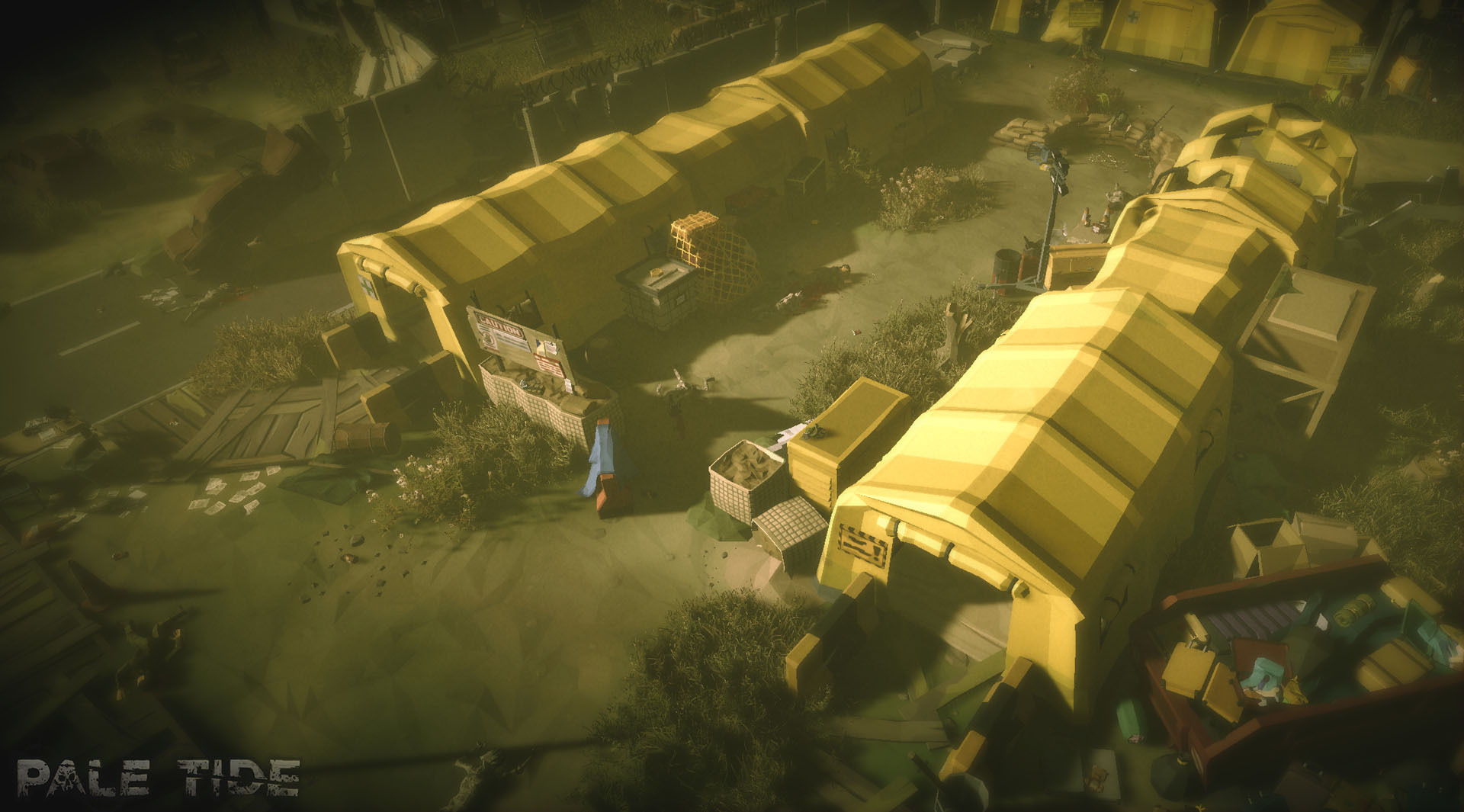
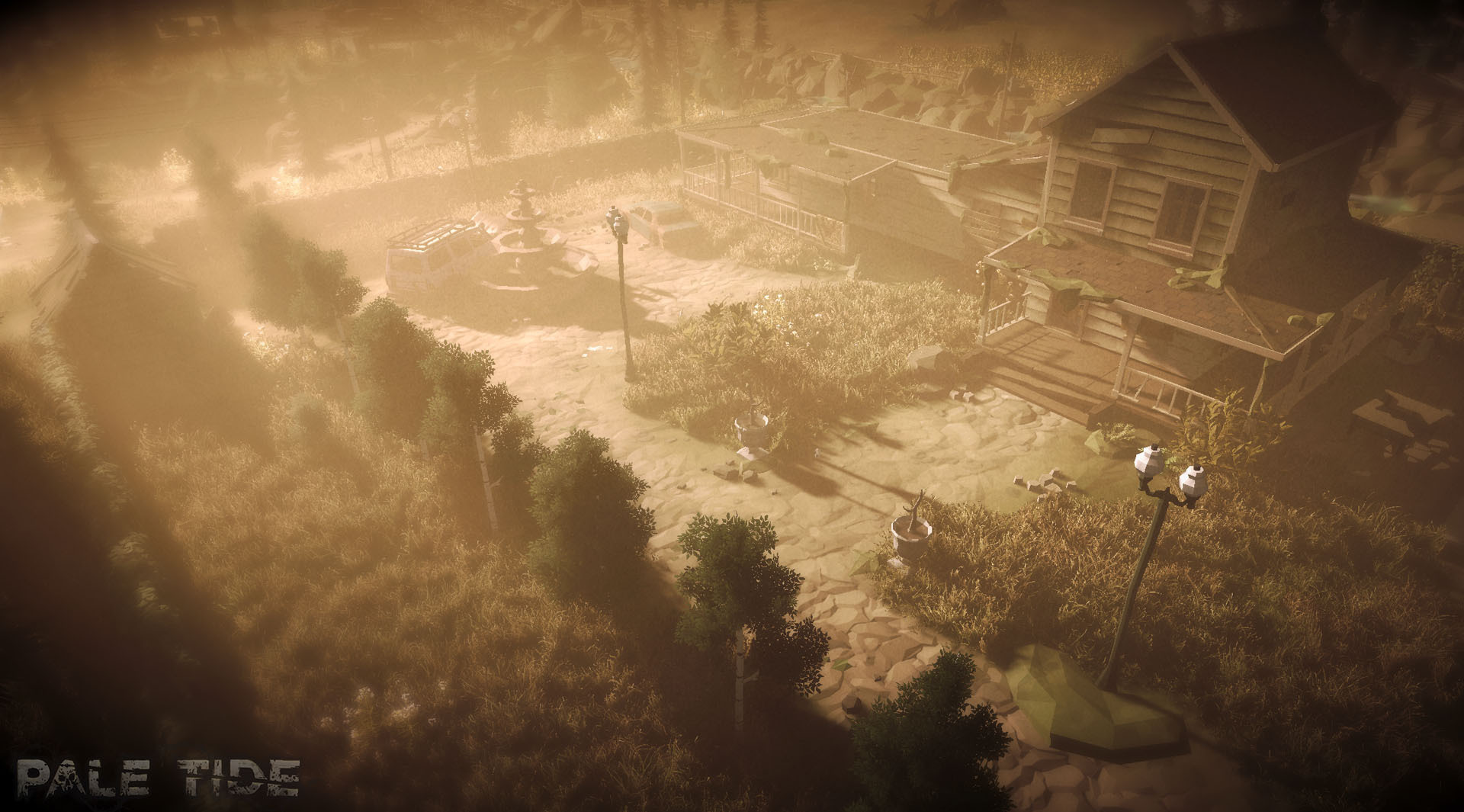
The setting itself is a small rural town, with residential streets, shops, industrial areas, fields, and more isolated locations. It should feel recognizable at first. You know what a grocery store, repair shop, police station, or farm used to be for. But surviving there means learning a different kind of logic: where you’re exposed, where you can retreat, which routes are worth the time, and which places become dangerous once the situation changes.
Getting to know the map
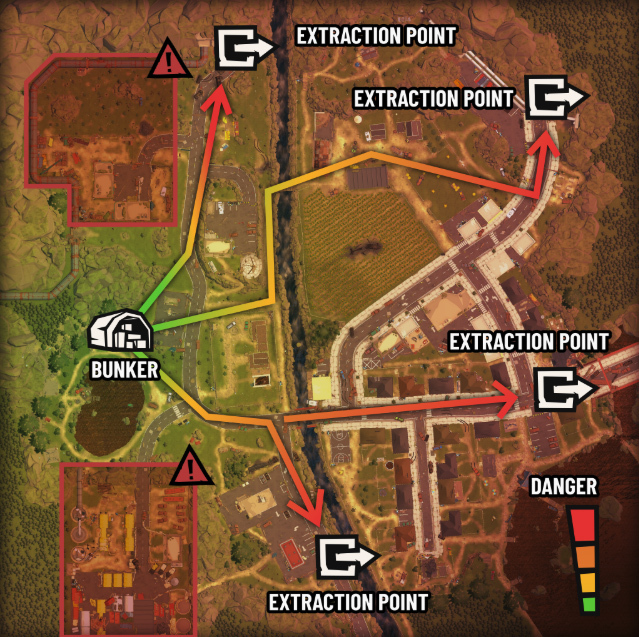
A big part of progression comes from simply understanding the map better. The main roads and larger landmarks give you an easy way to orient yourself early on. From there, smaller routes, hidden passages, and less obvious shortcuts start to matter more. Over time, we want players to rely less on the map screen and more on what they remember.
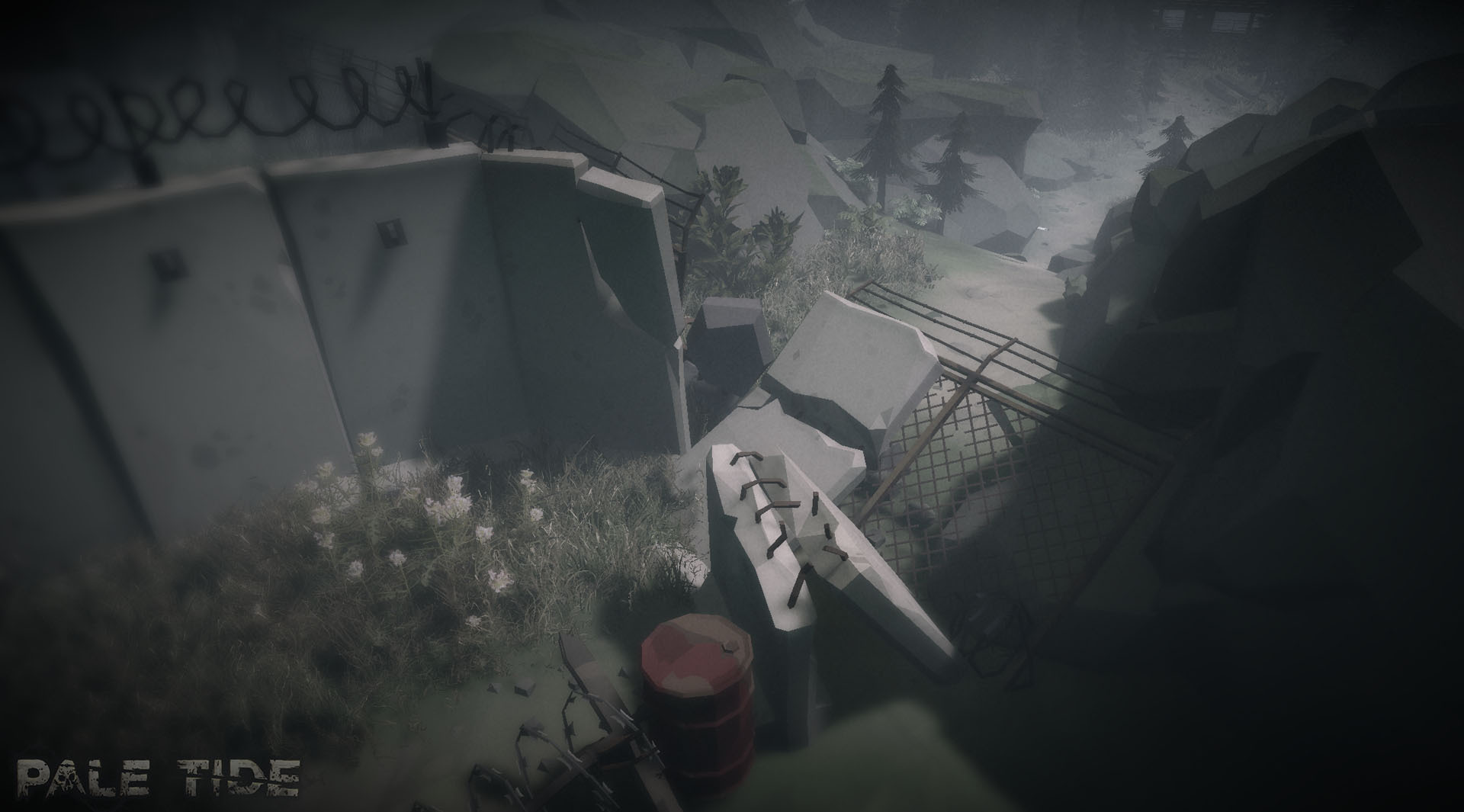
That might mean knowing you can cut behind a building to avoid a busy road, or recognizing that a route which felt safe earlier is a bad option now because you’re hurt, carrying valuable supplies, or losing daylight.
The “best” path changes with the situation. That also means difficulty isn’t tied purely to distance. Some dangerous places can be relatively close to the bunker, while an experienced player may find a much safer way into an area that initially felt out of reach. Better gear helps, but knowing the terrain can be just as important.
Knowing when to keep exploring
We want exploration to constantly put small decisions in front of you. Maybe you already have enough food to call the run successful. Then you spot a repair shop nearby, and it looks like exactly the kind of place that could contain the last material you need for a bunker upgrade. Do you go in?
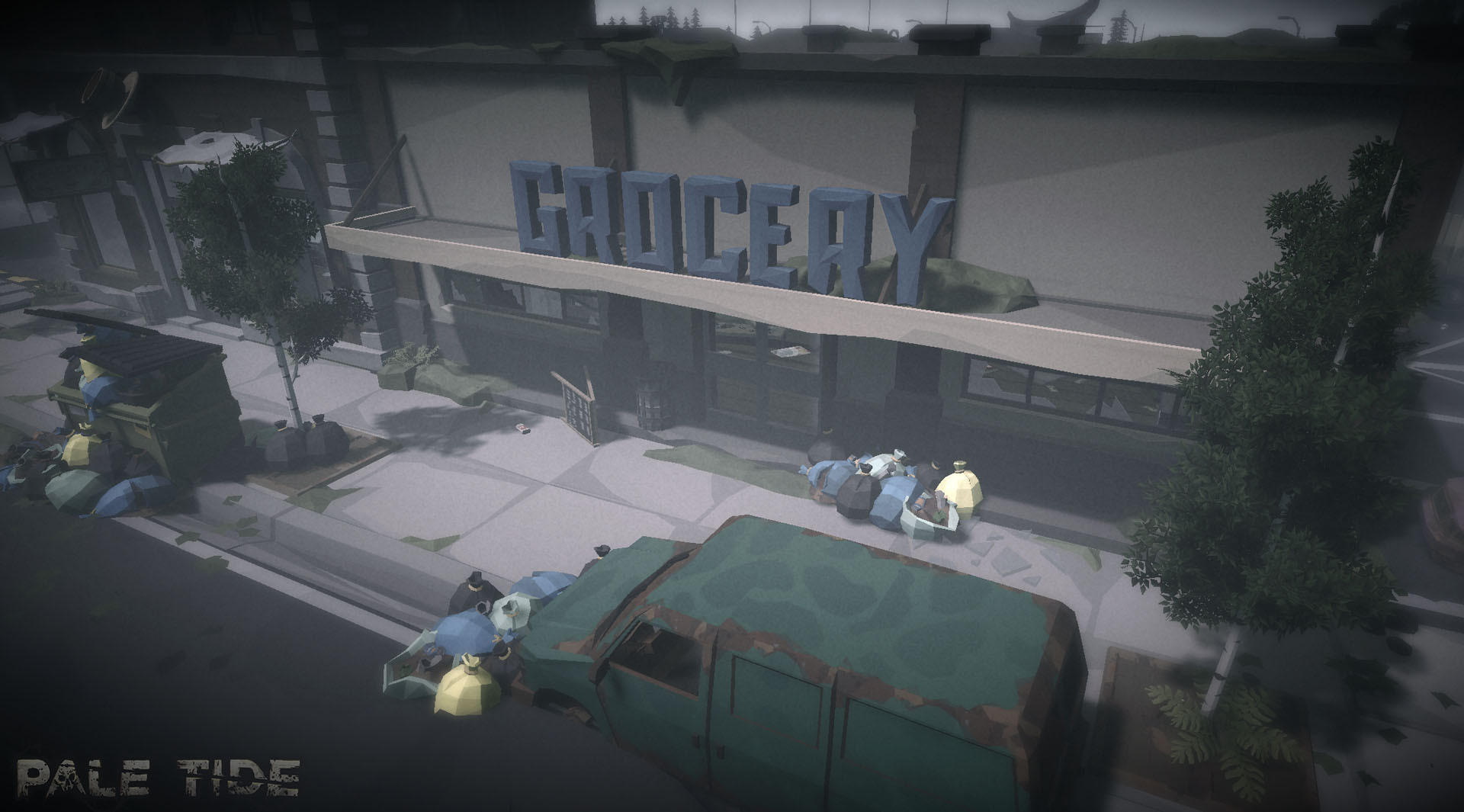
Maybe you have to cross an exposed road to reach it. Maybe the building has only one obvious exit. Maybe the search itself will take longer than you’d like. The more useful your current haul becomes, the more those details matter.
Locations are also designed to give you some idea of what they might contain. A grocery store creates different expectations from a repair shop, a house, or a gun store. That helps players plan expeditions around actual needs instead of treating every building as another generic loot container.
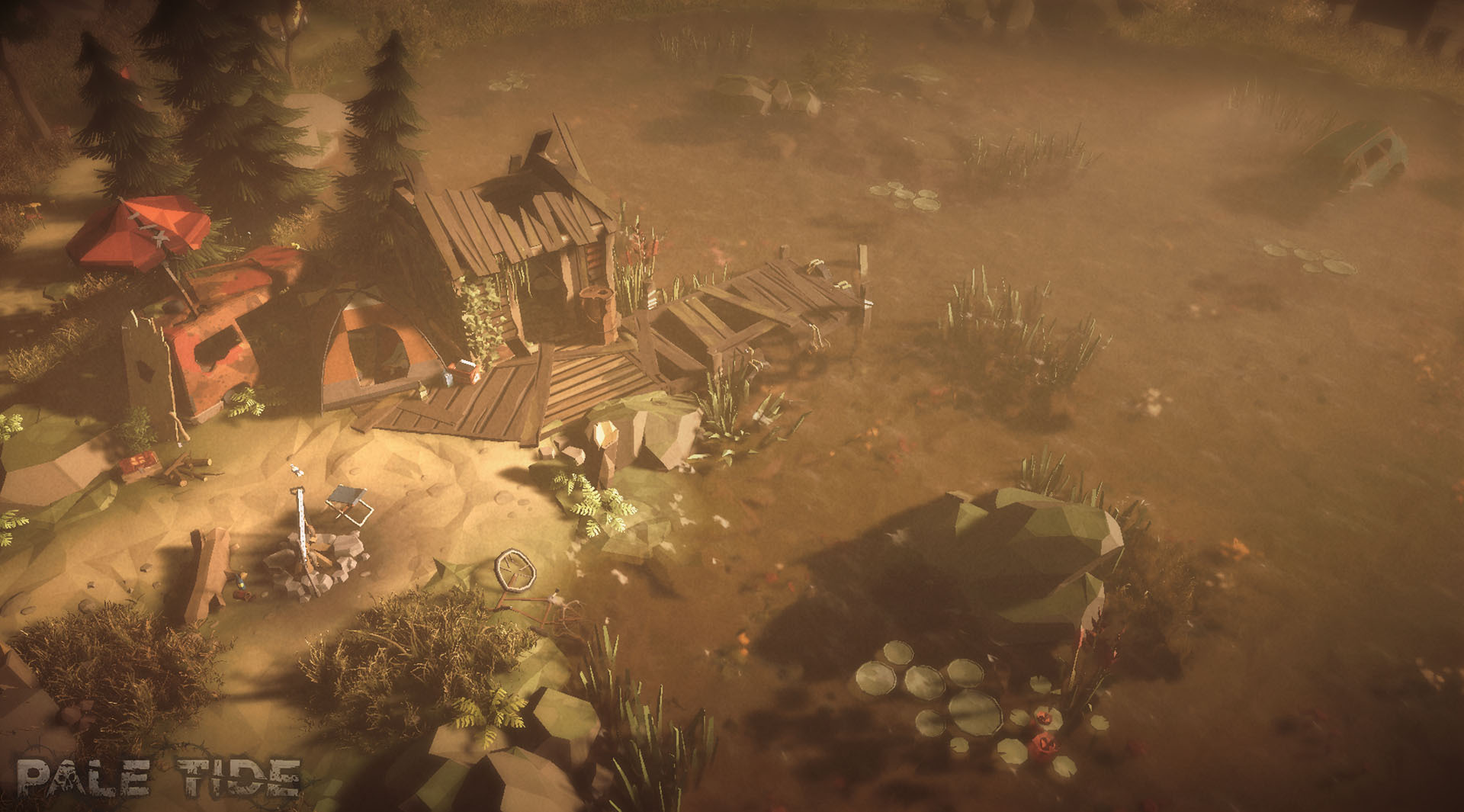
Arden Pines features a mix of everyday locations, more specialized sites, and a few places that stand out from the rest of the town. You might come across shops, industrial areas, farms, or more isolated spots, each one belongs to the same town, but should give you a different reason to visit.
How the environment shapes encounters
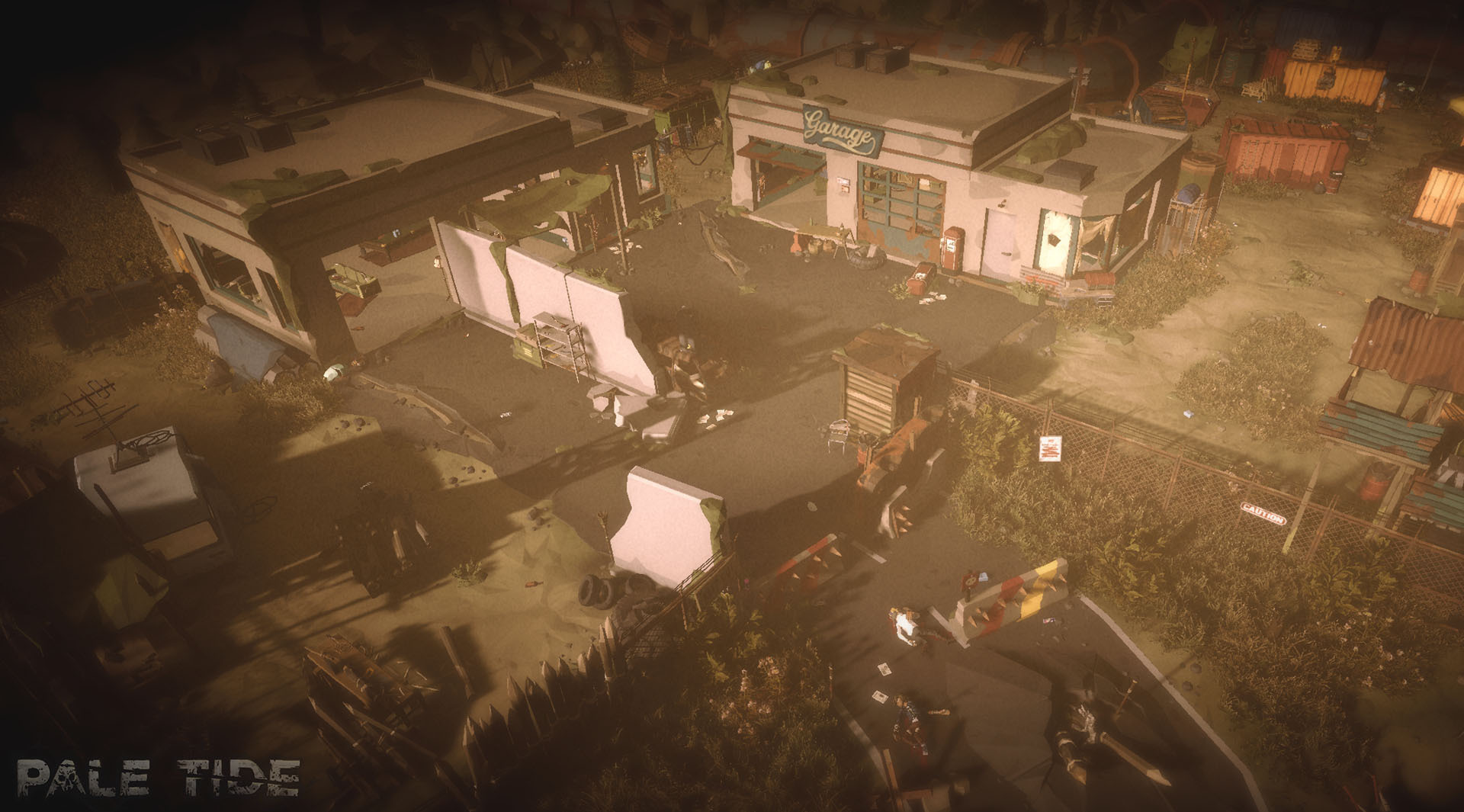
Level design and enemy design are closely connected in Pale Tide. A Walker in an open street gives you room to react. The same Walker blocking a narrow passage or standing between you and the exit is a different problem.
Special infected make that relationship even more important. A Spitter changes how you think about sightlines and cover. A Screamer makes you pay attention to everything nearby because one alert can escalate the situation. A Toxic can make a narrow path much harder to use, while a Runner gives you much less time to reposition. The combinations are where things get interesting.
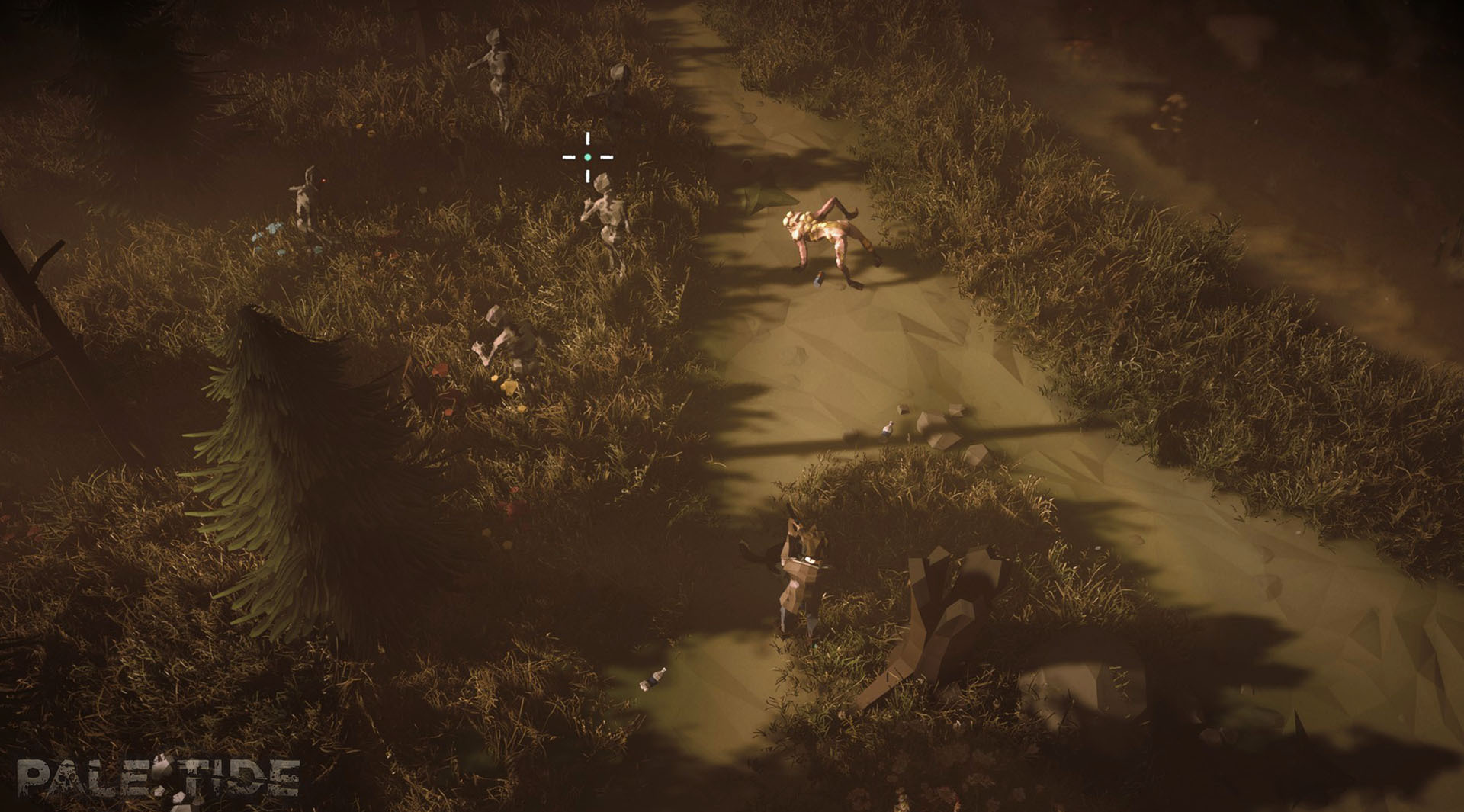
A courtyard may look completely manageable when it contains only a few Walkers. Then a Screamer alerts infected from the next street, and suddenly your exit becomes harder to reach. Add a Spitter controlling part of the area and the space you can safely use gets much smaller. The courtyard hasn’t changed, but the way you need to use it has.
That’s one of the main things we want from our maps: familiar spaces that can create different problems depending on what is happening inside them. Of course, the environment can help you too. Side routes, obstacles, entrances, and noise can all be used to avoid unnecessary fights. Your dog can also draw attention away from a route by barking from another position.
Reading the map as conditions change
Time of day adds another layer to navigation. At night, visibility drops and the infected become more aggressive. A road you crossed comfortably earlier might become a much worse option on the way back. So knowing the map is only part of the equation. You still need to judge the situation you’re in right now.
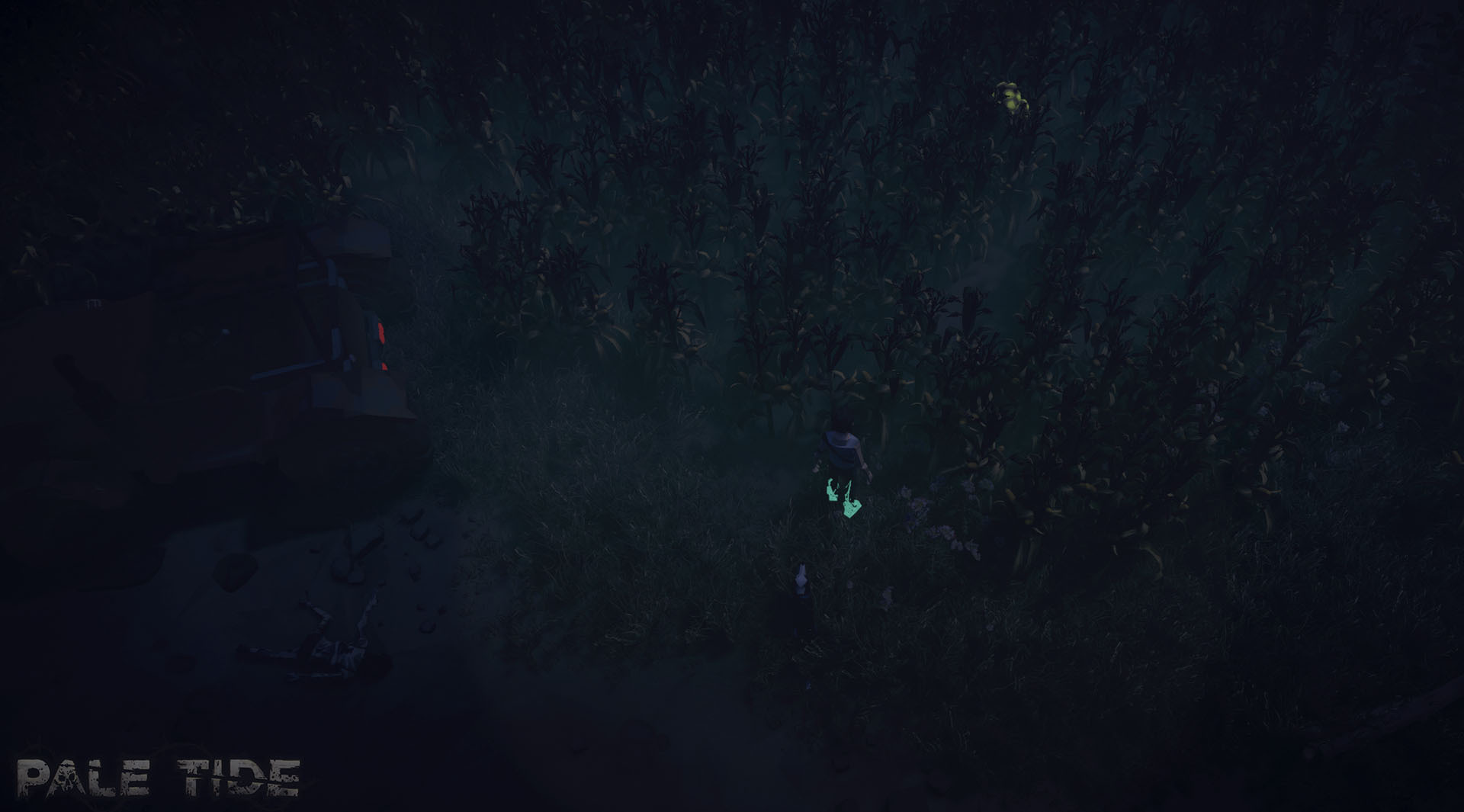
We ran into this pretty clearly during testing. One of us pushed all the way to the extraction point before being properly prepared, arrived after dark, and died far from the bunker. Naturally, the next move was to go back for the lost gear in underwear, on a route that had already been difficult while fully equipped. After a few more deaths, the lesson was obvious: being able to reach a place doesn’t mean you’re ready to survive there yet.
Keeping the map meaningful over time
Arden Pines is designed to stay relevant throughout your progression, with familiar locations gaining new value as your needs and capabilities evolve. As the bunker’s needs change, so does the value of different locations. A building that seemed unimportant early on might later become exactly where you need to go for a specific resource. Better preparation can make previously avoided areas worth revisiting, while better knowledge of the map lets you fit more into a single expedition. That’s the progression we’re aiming for.
You should gradually feel more confident because you understand the town better: where to go, what to avoid, which routes give you options, and how much you can realistically accomplish before heading back. Your equipment improves over time, but so does the way you read the world. And in Pale Tide, that knowledge can be just as valuable as anything you carry in your backpack.
If you have questions about the map, exploration, or our level design choices, drop them in the comments!