
Hello, summoners! One of the questions we get asked the most is how we create the creatures of Eldrem, so we took some time to describe the process from start to finish: from idea, to an actual playable creature in the game.
This process is sometimes a bit more convoluted than described, but the steps that we are about to present fit the timeline from start to finish.
Idea Stage
First, there’s an idea. These can come at any time: either while walking down the street, while watching a movie, or by brainstorming with the team. Once a creature idea starts taking root, we discuss it with the team. Sometimes, the idea is obvious enough. But other times, the idea needs a bit of refinement.
One of the most important people in shaping a creature is our creature concept artist Joshua White, which is very experienced in exactly this field: drawing monsters and strange creatures. Some creatures you have seen in concepts were actually his idea.

Once a creature is sketched, the concept goes through a set of refinement steps (if needed) and then we think about some creature variants.
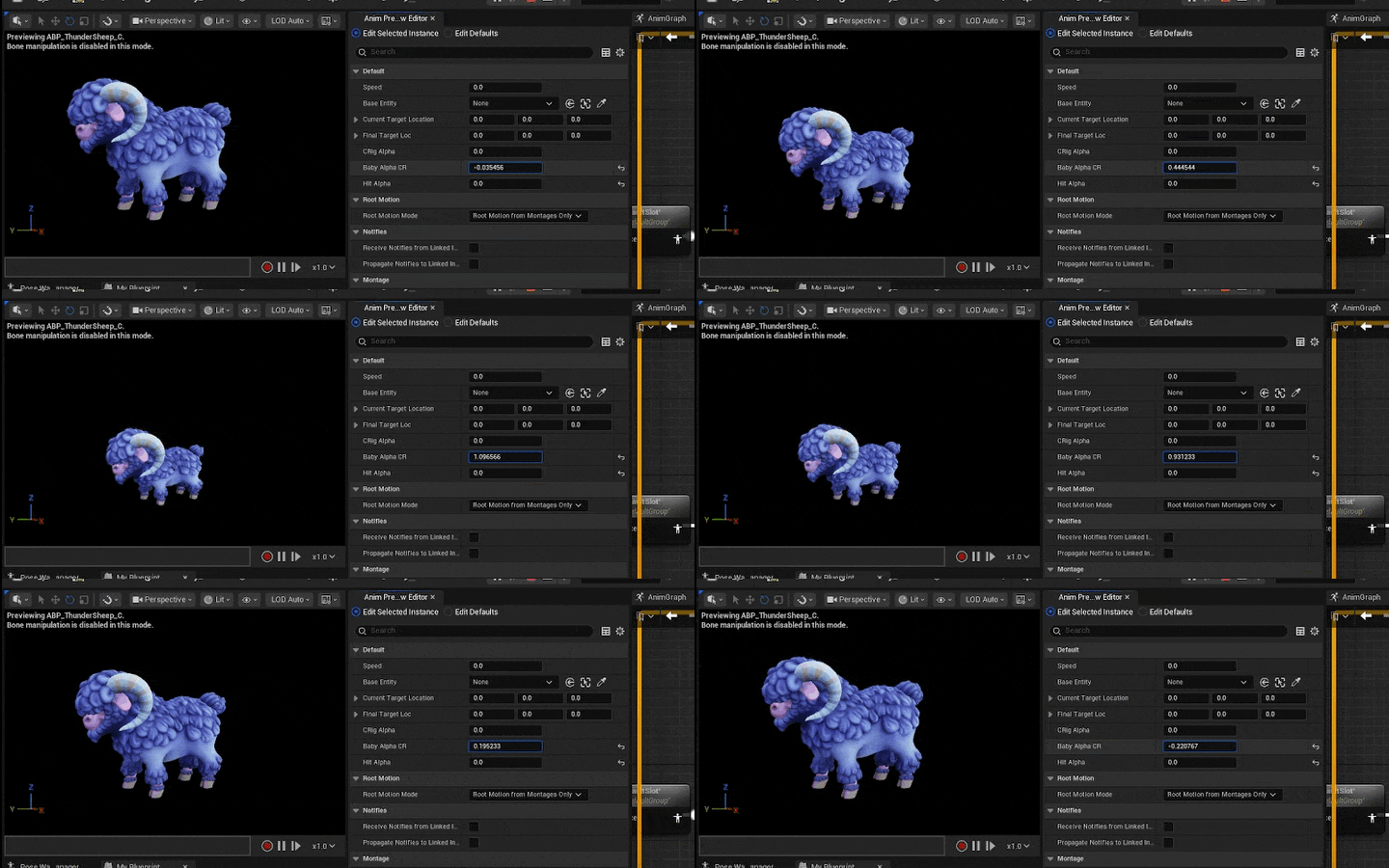
Let’s take the Ursaleo for example: once we had the sketch for the Fire Ursaleo , the next rational step, was figuring out how would this creature would work with other elements, so we have developed several variants such as the Earth and Ice ursaleos.
One step of this stage is also figuring what the creature actually does: namely, the abilities. For some creatures, the ability generates the creature concept. For others, the creature dictates the abilities.
Creation stage
Once the idea and concept stage is complete, the work moves into the actual asset creation. Here, we do 3d modelling, texturing, rigging and animation.
First step is to take the concept, and model it in 3d using various modelling software such as Z-Brush or Blender. Our artists create the 3D model, and we adjust it’s proportions or other details, before moving into material and texture development.
We do this, because the wrong 3d model would force animators and texture artists to work twice on the same thing.
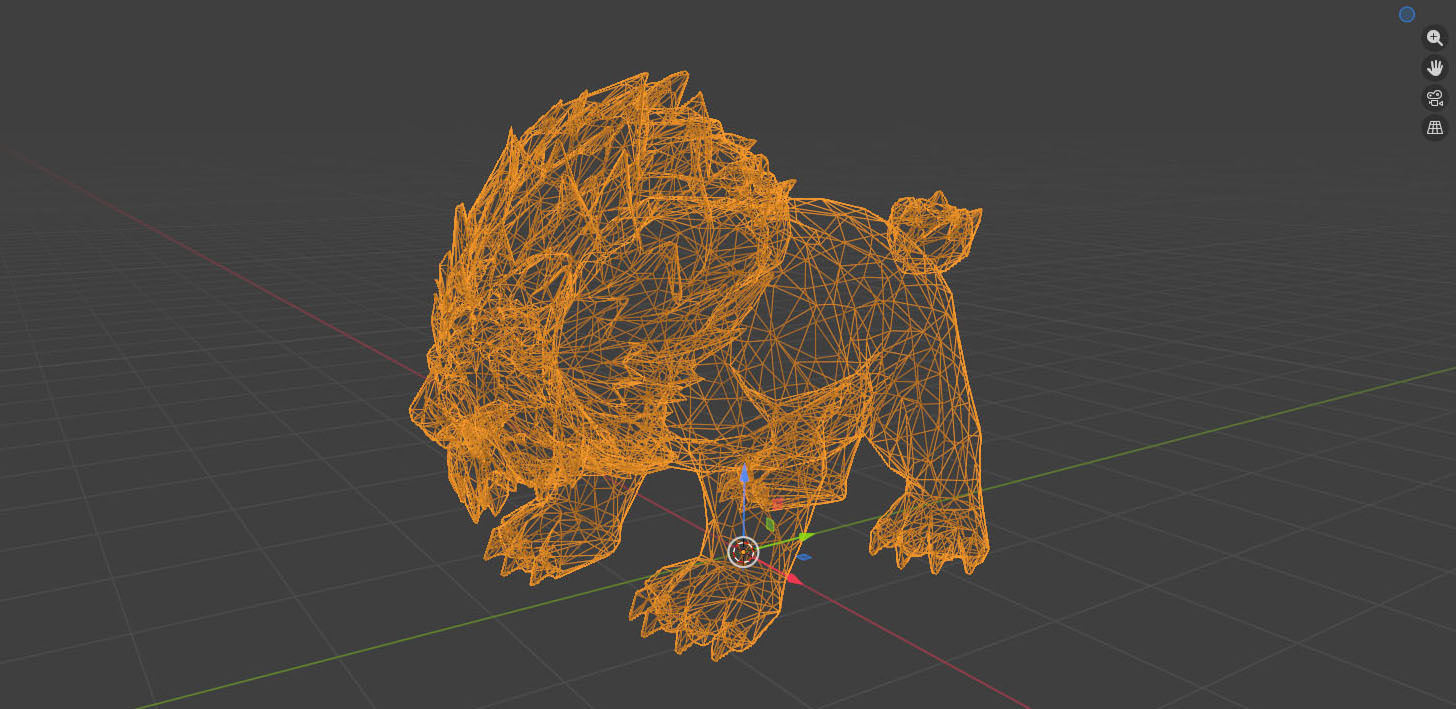
Another very important step that comes after the model is done is rigging it and testing it for animations. Rigging means attaching a 3d skeleton on the object and giving the 3d software the ability to actually move the creature.
Once the model is rigged, we see if it is ready for the next steps. What happens, sometimes, in video games is that some joints such as knees, paws, shoulders, don’t “bend” right because of how the model is made, so we need the animation artist’s OK to proceed further.
Everything described until now can take a few weeks of working, depending on the creature’s complexity. Some creatures ,such as sheep take less time, whereas dragons take the most.
If everything is ok, both animators and material artists and start working in parallel.
Material artists work on the textures and material for the creature. Once we have the first variant, we take the creature into Unreal Engine, test the material, the textures, and make adjustments as needed.
Then , the material artist continues with creating “skins”, or creature variants for different elements, based on the template they have created until now for for the beast.
The animators have their work cut out for them, because they need to create animations for a lot of creature events. The most common are basic locomotion: walk, run, sprint animations, jump, etc. Then, they have a list of specific animations that we need for that creature: eating animations, petting animations, combat animations, etc.
Flying creatures such as the ArgentEagle or Wyverns also have flying animations, take-off,landing, air attacks and many more.
Every animation is then exported into unreal engine, checked for speeds, and adjusted. Every animation is then edited into Unreal’s animation editor with specific events such as sounds and other game-specific features.
Sound design comes into play once animations are done, because most of the times, the sound is created to fit the animation.
Engine Implementation
Once the basic asset creation is complete , we can move into game implementation while the animators continue creating new animations.
The creature model, textures and animations are imported into Unreal engine and we create several data and behavior assets for the creature.
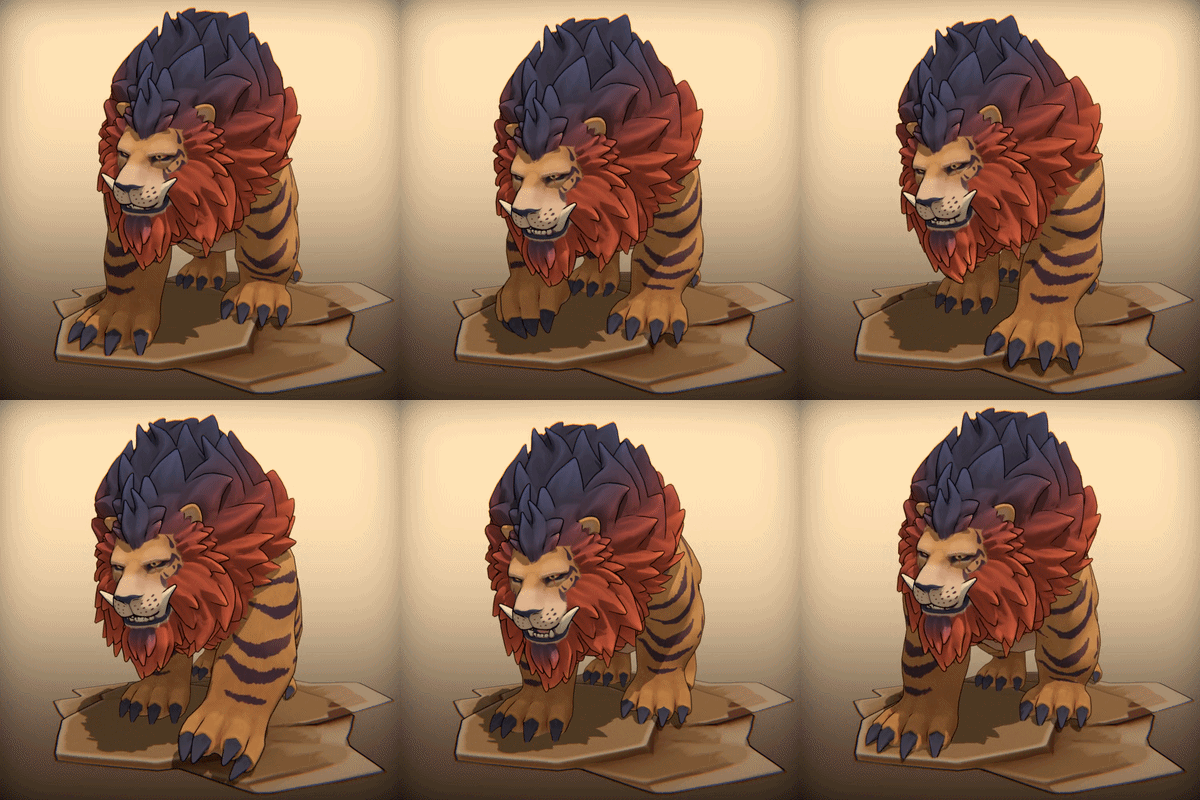
One of the most important are the animation blueprint and the creature rigs.
The animation blueprint is a specialized script that dictates how the creature animations work together, and how they react to commands and environment cues. Here we combine all the animations and tell the engine when to play each one.
The control rig is a more complex feature that allows us to control specific body parts in certain events. For example, if you want the character to grab a cup from the table, we can pull the hand of the character to the cup and make sure it sticks to it.
Another cool thing that the control rig lets us do, is to change the skeleton of the creature . This is what we use to morph a baby creature, with baby creature proportions into it’s adult version , with adult proportions, and see it grow in real time.
Last, but not least comes the data and ability creation: for balancing purposes, every creature has an attribute budget. Attributes are what you know as “stats” in other games, such as Strength, Vitality, Agility, etc. These attributes dictate a lot of the creature’s behavior and properties.
We create a mix of attributes based on the creature type and it’s element. For example, all Ursaleos have high strength, however the frost one has higher vitality than the others.
The abilities are also implemented in this phase: we think of the basic abilities that the creature has, the ultimate ability, what player abilities does the creature give and what ability variants exist. We have designed a system which allows you to get , depending on chance and creature rarity, certain ability variations.
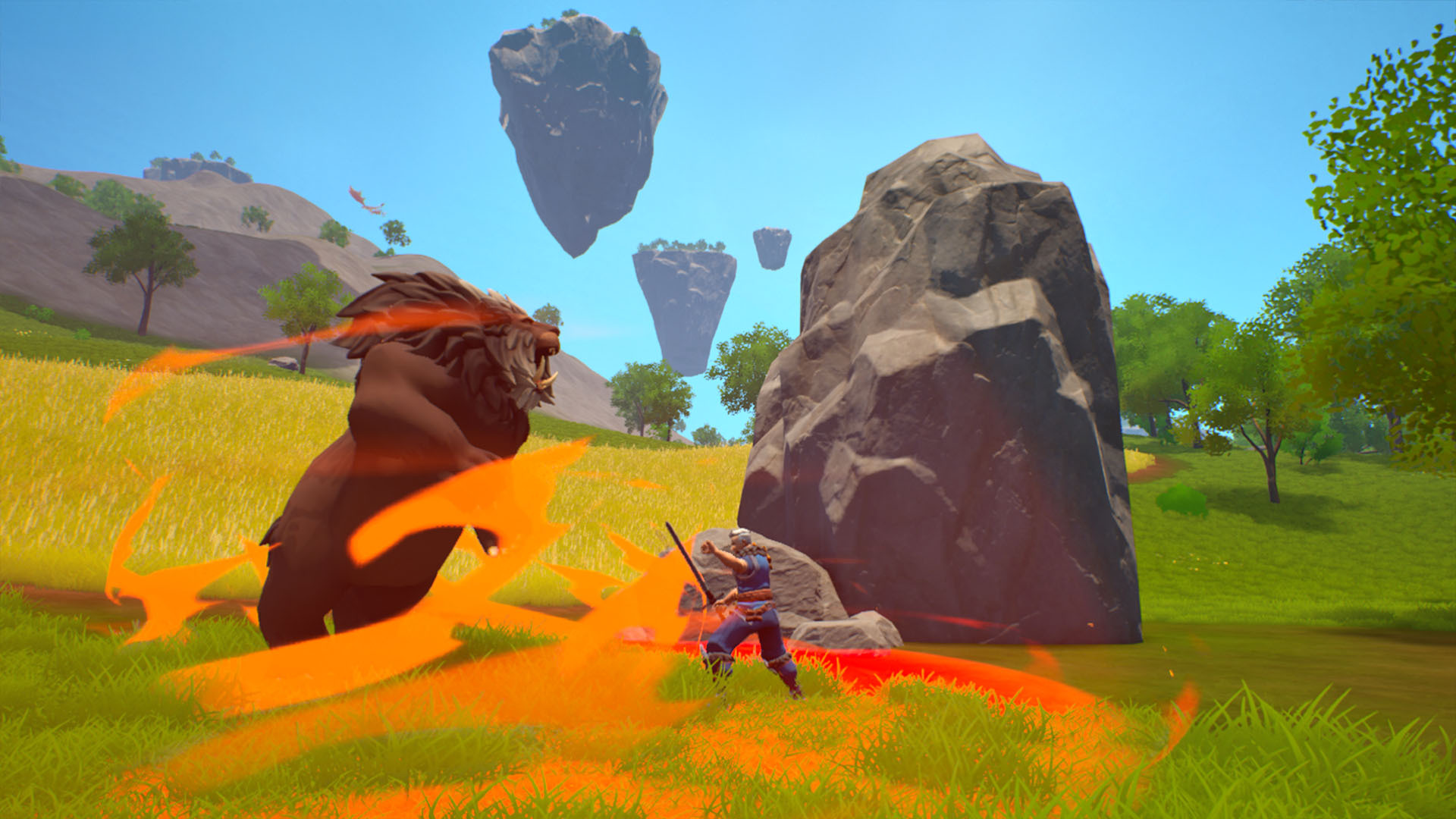
Normally, let’s say you get a Fire Ursaleo that grants you a flame blast AOE skill, however you might get lucky and find an Ursaleo that gives you a Fire-breath ability instead of the AOE attack.
Each ability might need a custom animation or special effect that we need to create at this stage.
And finally, we can test the creature. This process is long and it never really ends. Here, we make sure that the basics thing work: summoning the creature, having it fight correctly, whether the abilities work and are assigned as designed, and so on and so forth.
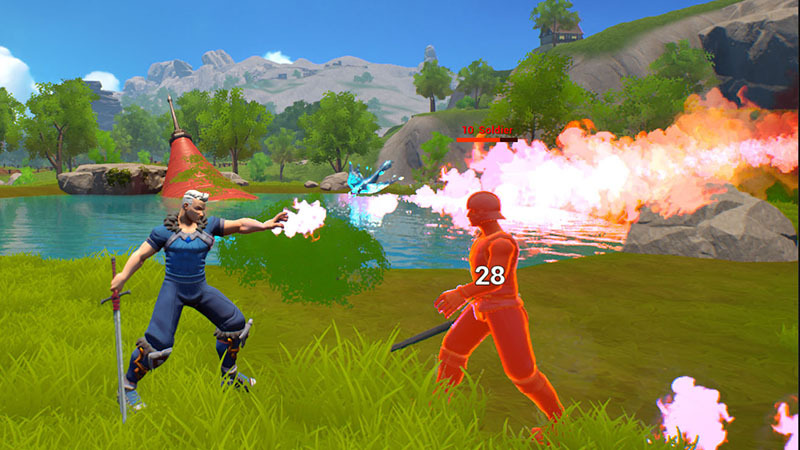
Some testing relies on longer and more careful observation, such as balancing. Is the creature itself too powerful or too weak? Are the abilities good enough to use in combat ? How powerful is the creature at various levels ? How hard is to beat at the highest levels ? Many questions find their answers in time.
And this is, largely, how we make a creature from start to finish. Each creature takes several months to complete, and while some steps are easier, some are either difficult or must take a lot of time.
We hope you enjoyed this and join us in the world of Eldrem