
What We're Building: Combat, Personal Quests, and a Living Base

Welcome to the first Guardians of L.U.S.T. development update on Steam. We will periodically use this space to share production progress, feature breakdowns, and behind-the-scenes work from the game.
Guardians of L.U.S.T. is a satirical, hand-drawn space-western RPG about an Agent sent to trace a dangerous drug, expose a mole, and manage a crew with its own priorities. The project combines dialogue choices, tactical Match-3 combat, interactive comics, minigames, and fully animated mature scenes.
Built by Hand
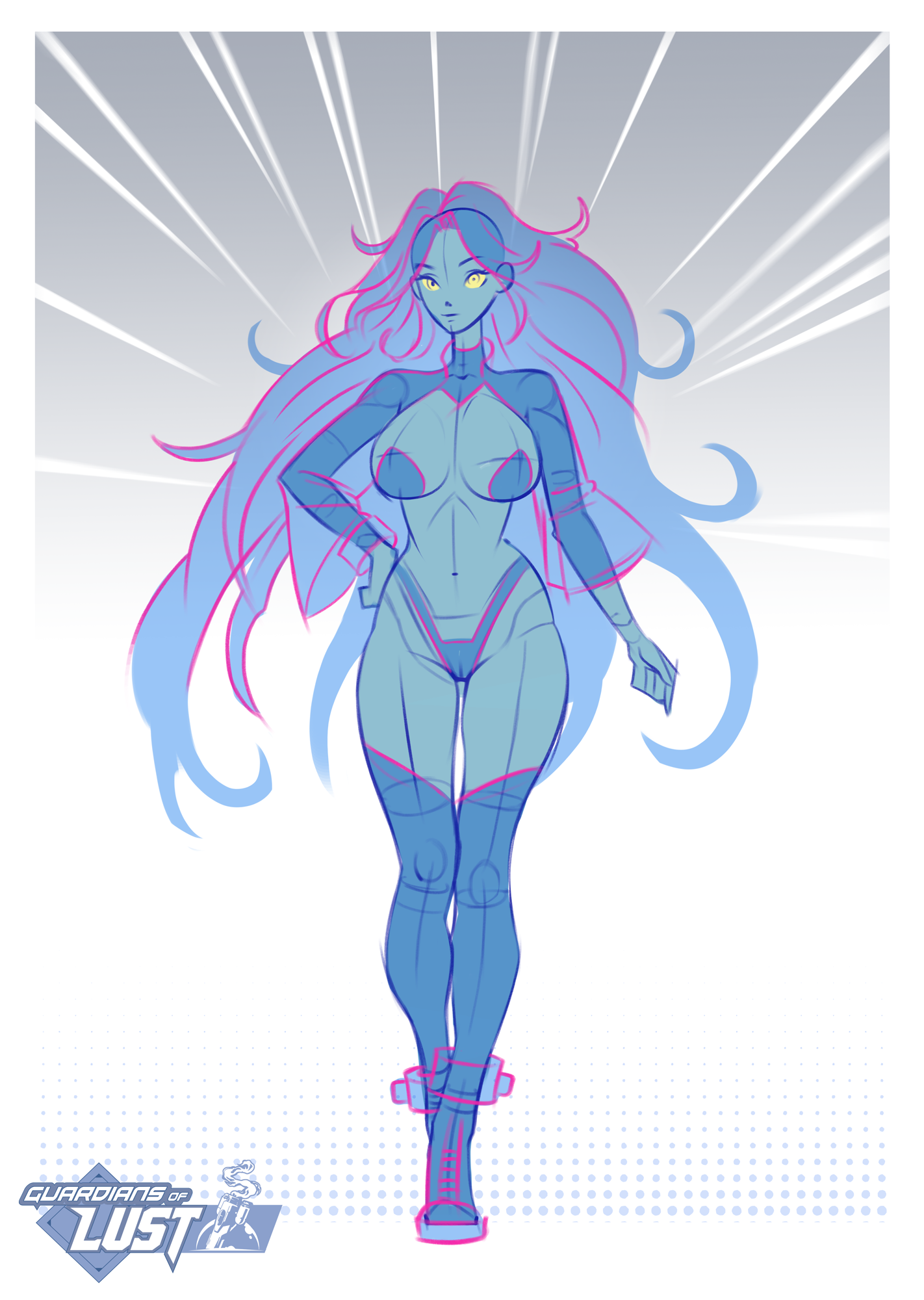
Every character, background, comic panel, and mature scene begins as hand-drawn 2D art. A character illustration moves through perspective blocking, clean line art, base color, rough shading, and final rendering before it is prepared for implementation and animation.
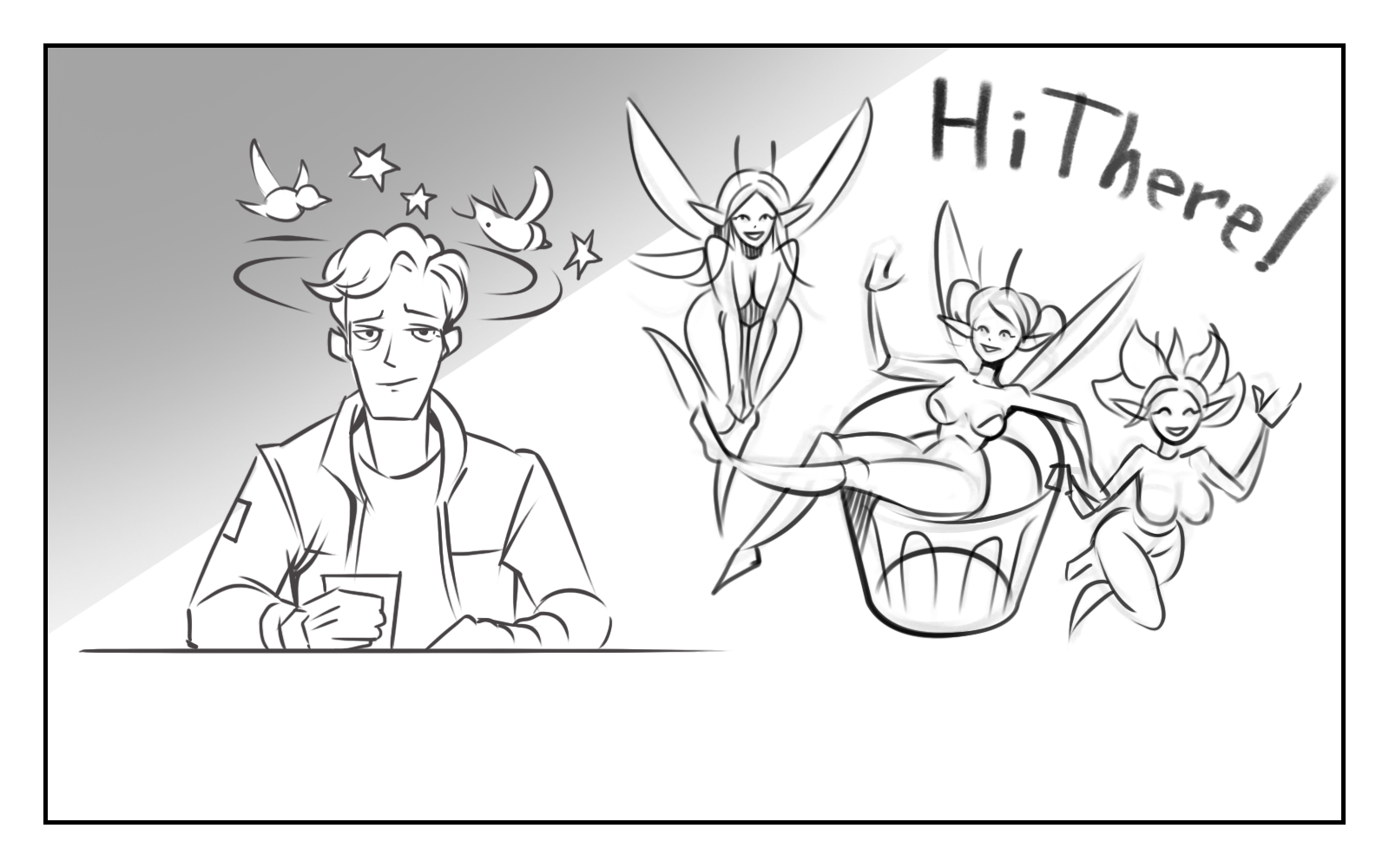
This process takes time, but it gives every location and character a consistent identity. A frozen settlement inhabited by towering barbarian women should not feel like the same place as a toxic swamp, a prison station, or a circus drifting through deep space.

From Comics to Interactive Mega-Comics
The game originally established many characters through illustrated comic sequences. As production continued, these sequences expanded into mega-comics that combine story, minigames, animation, and mature payoffs.

The Circus Mega-Comic became an important production milestone. It brought several characters, interactive sequences, and two animated adult scenes into one continuous feature. It has now received a full audio pass with new music, character vocalizations, intimate reactions, and scene effects. The goal is a complete sound layer rather than dialogue voice acting.
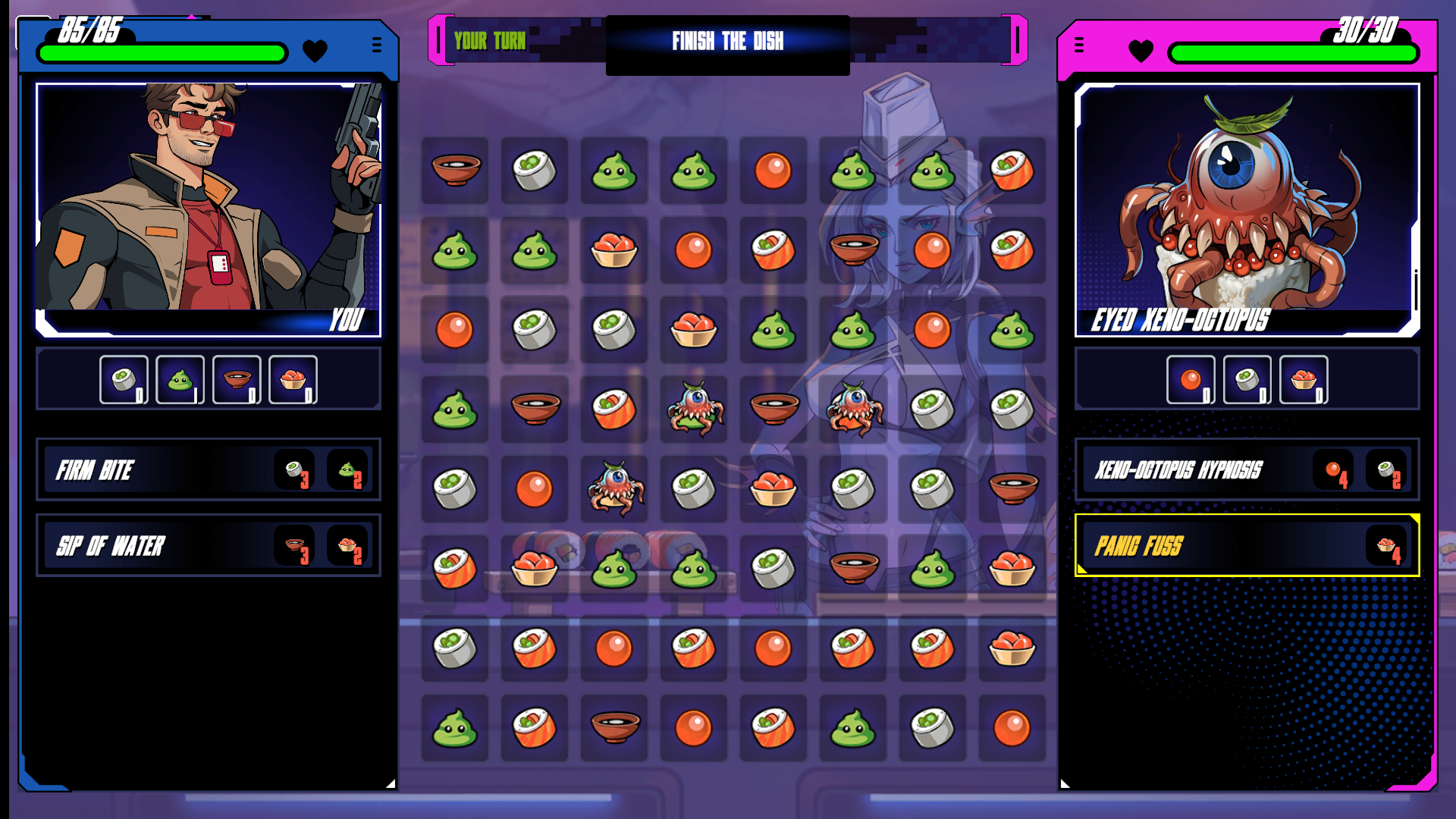
Siren's personal quest develops the same format further. Her storyline includes an ingredient hunt, new conversations, cooking trials, three restaurant-themed Match-3 challenges, and a fully animated conclusion. Instead of placing combat between story scenes, the challenges are built around her personality and profession.
Why Match-3 Became the Combat Core
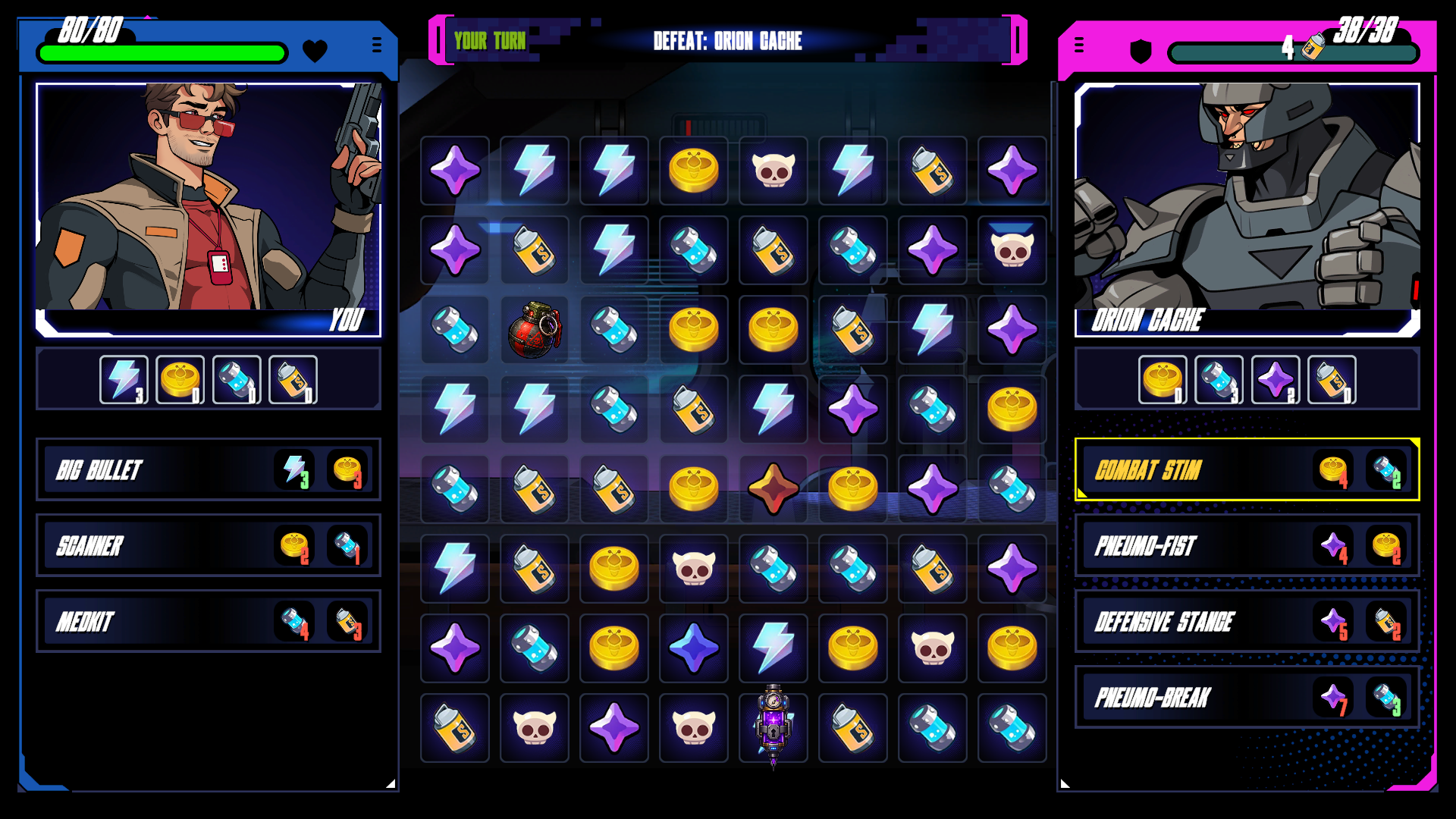
Combat went through several iterations before we rebuilt it around a shared Match-3 board. Both sides use the same field, compete for the same resources, and convert matched tiles into abilities.
Enemies do not simply wait for their turn. They hunt the mana they need, contest valuable tiles, telegraph dangerous abilities, and react to field conditions. More than 60 hand-built encounters use hazards such as fire, acid, spores, rubble, traps, and ambushes. A six-slot equipment system supports different approaches, from board control to expensive abilities or repeated low-cost casts.
This structure lets us build restaurant trials, prison escapes, arena fights, and bosses around the same readable rules while changing objectives, hazards, and enemy behavior.
Eos Should Remember Your Journey
Eos station is more than a menu between expeditions. Every major character you recruit takes a place on the station and becomes part of its daily life.
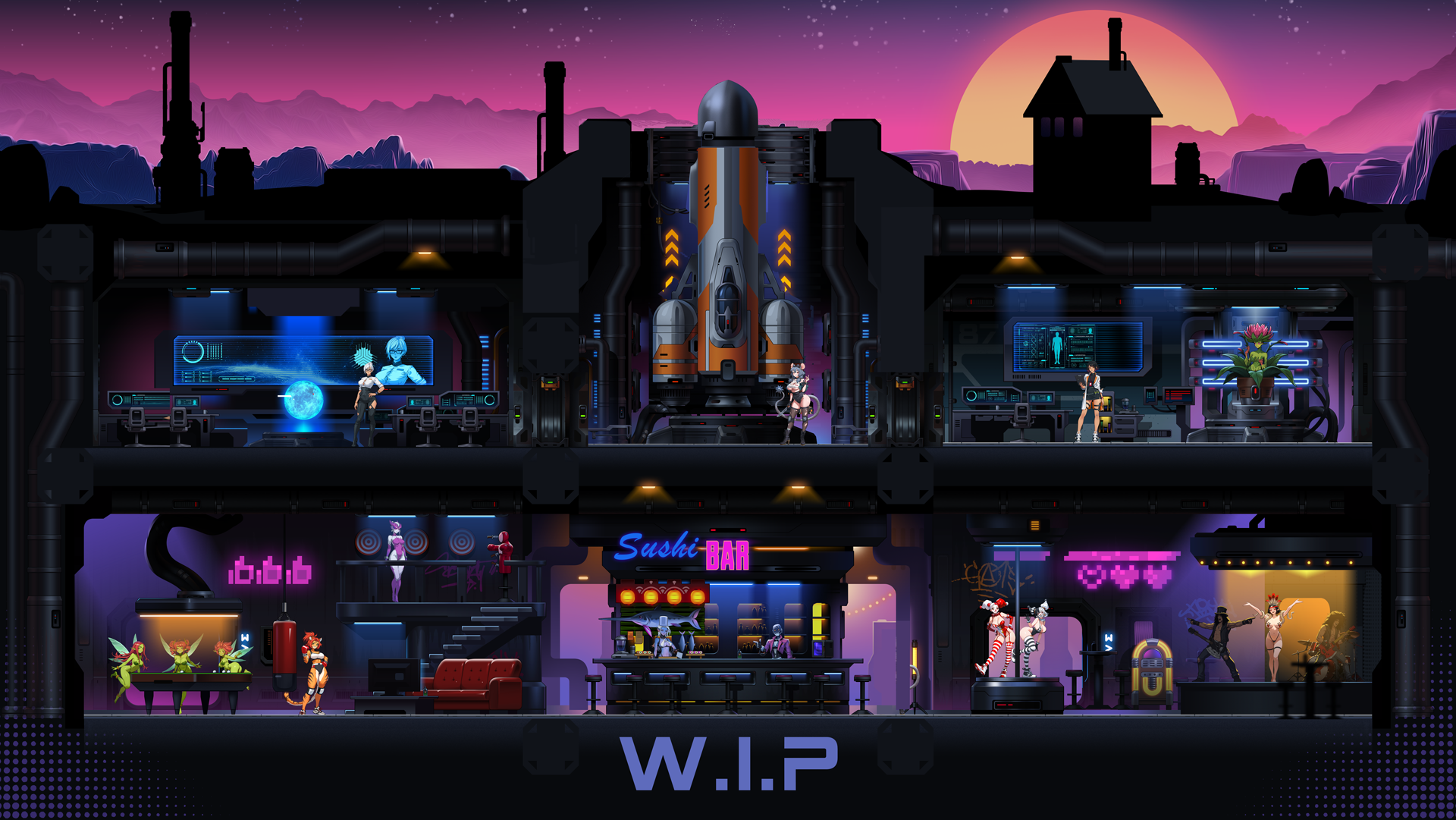
The base begins quiet and incomplete. As the crew grows, new characters occupy specific locations, interact with the environment, and make the station feel inhabited. The long-term goal is for Eos to function as a visual record of the player's journey, including the people recruited and the opportunities missed.
Characters Need More Than an Introduction
Dialogue choices are built around three consistent approaches: pragmatic, empathetic, and flirtatious. There is no universal good or bad response. The intention is to let players define how the Agent handles pressure, earns trust, and develops relationships with the crew.
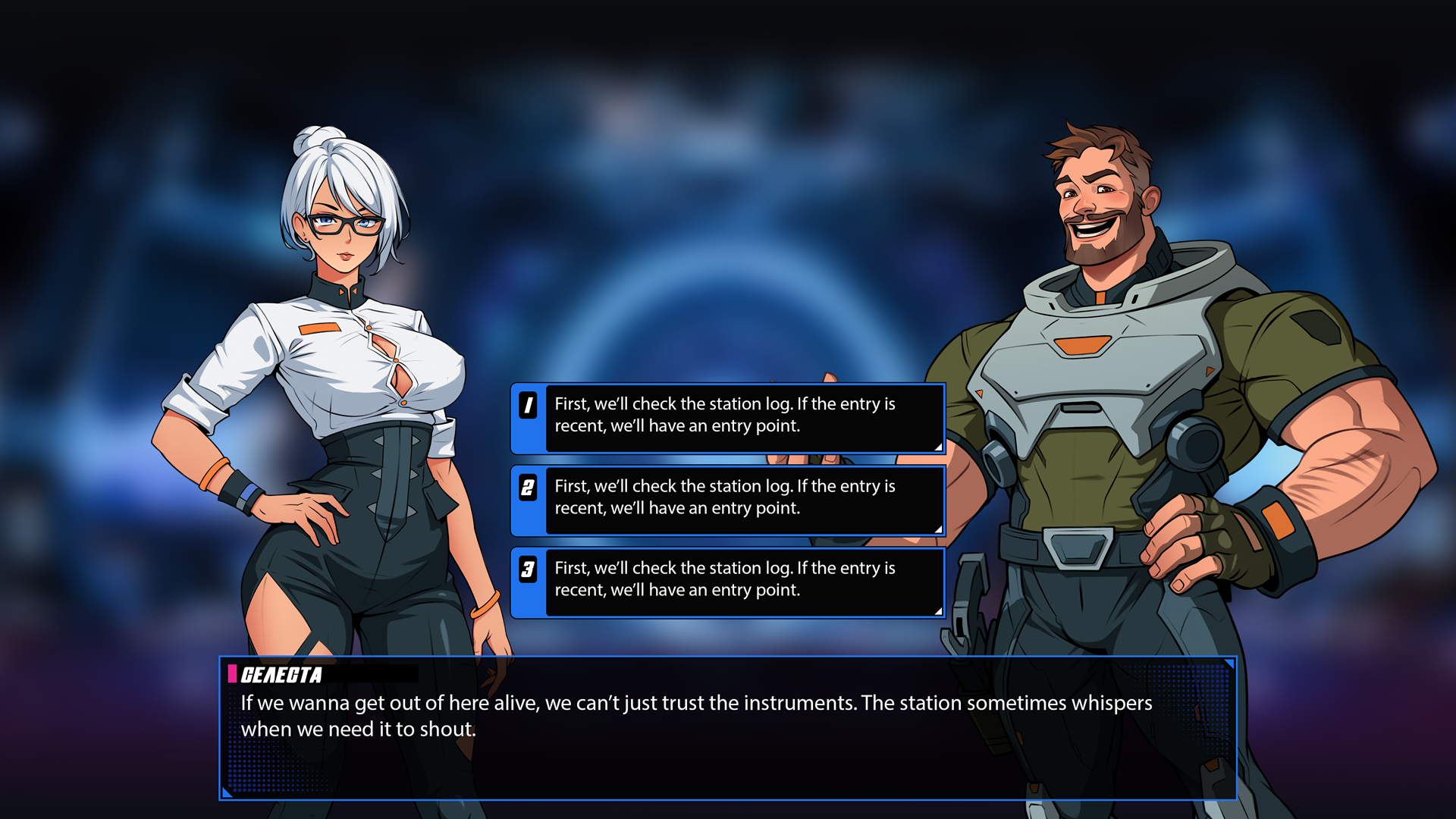
Personal quests extend those relationships beyond a character's recruitment scene. Ignis established the first complete quest chain, while Siren's expanded route combines narrative, challenges, and a mature conclusion. Assaria's personal quest is now in production. After recovering the Cube, she tests the Agent's marksmanship in a new minigame before moving on to a more personal test of endurance.
Players have also influenced production directly. Several character names and visual variants were selected through community votes, with Vespa and Laila among the characters who received their final names this way.
Rebuilding the Complete Route
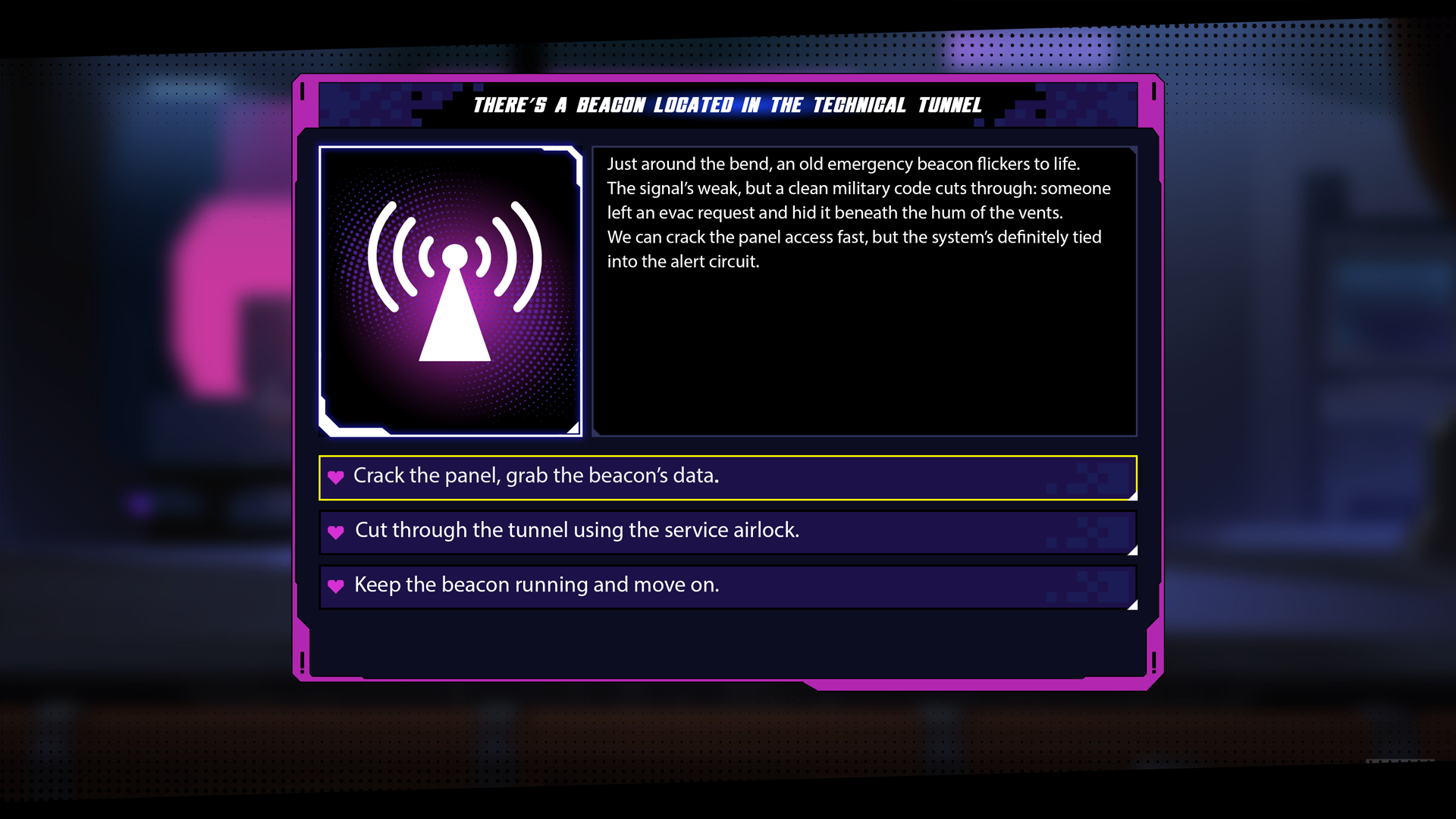
Recent production has not focused only on adding more scenes. The interface, mission selection, early story, tutorials, equipment flow, combat readability, and quest routing have all been rebuilt or revised.
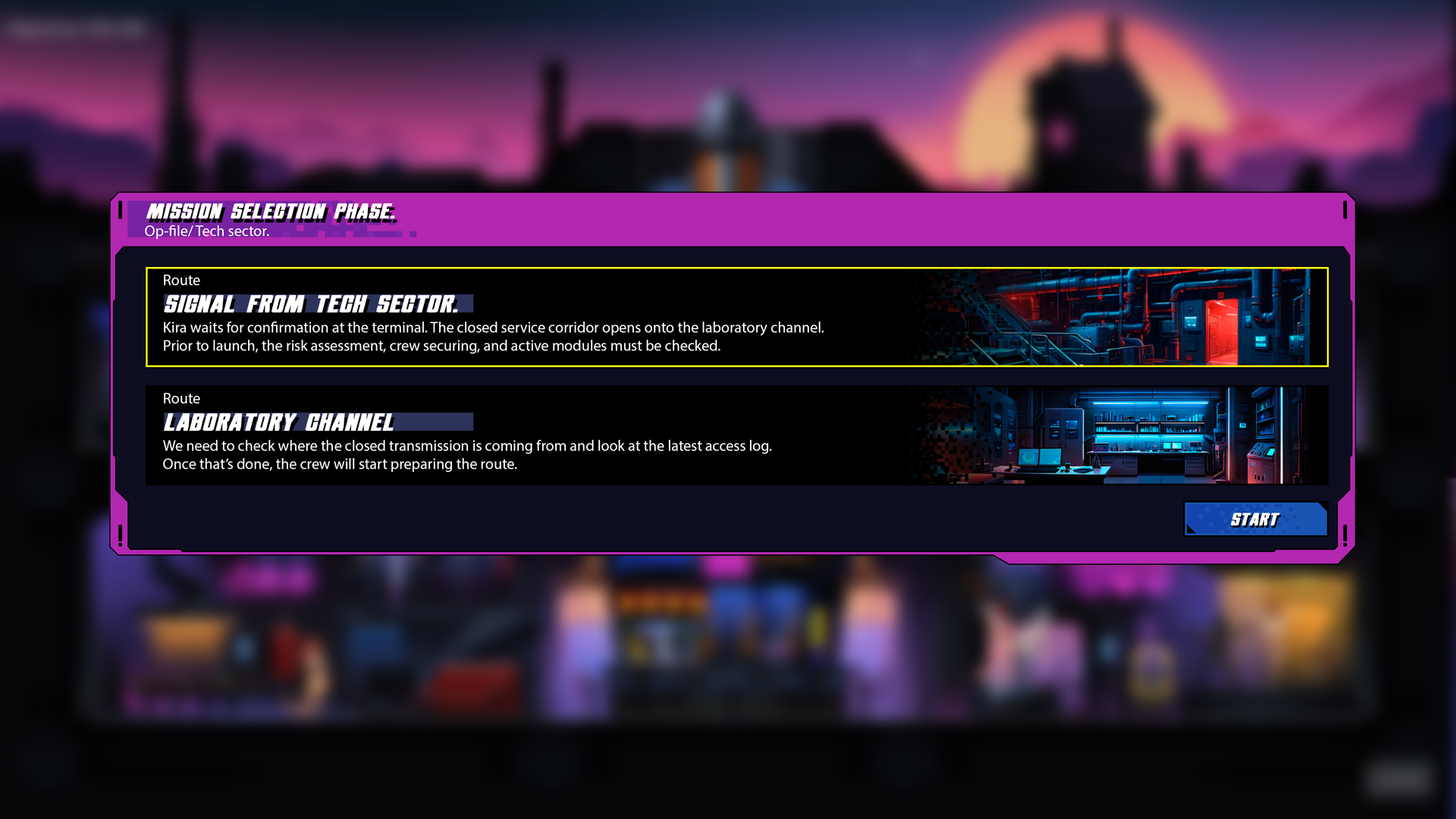
Thousands of dialogue lines have been reviewed to improve pacing, character roles, continuity, and localization. The opening missions now provide clearer objectives, while visual examples explain abilities, equipment, hazards, and special Match-3 rules. Current QA work covers the full playable route, connected quests, older saves, rewards, and every system affected by new content.
What's Next
Current production is focused on Assaria's personal quest, further audio passes, full-route stability, and the next main story expansion. We will share more focused Steam devlogs as these features move from implementation into a presentable state.

Follow Guardians of L.U.S.T. on Steam and add it to your wishlist to receive future updates.