
You may have noticed various vehicles in some of our screenshots and concept art, but we haven’t really gone into detail about their actual role in the game. In this post, we’ll take a closer look at our approach to transport in Broken Frontier and what kind of gameplay vehicles are meant to support.
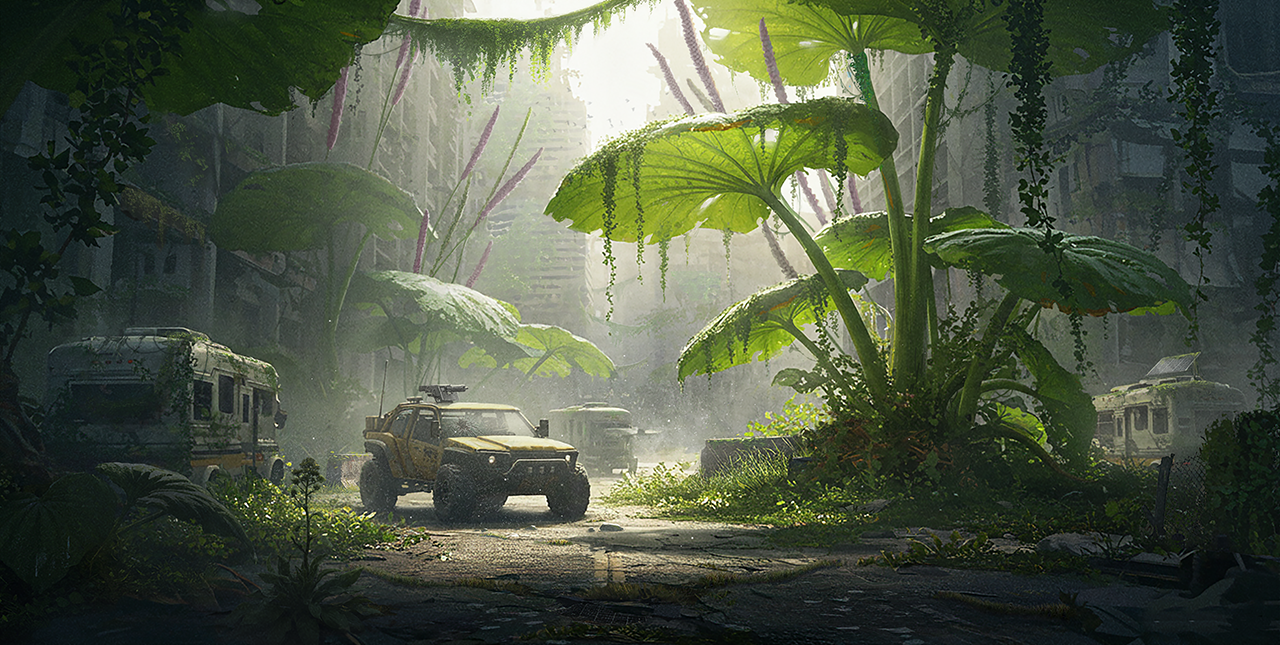
What’s the point of vehicles?
To put it simply, cars are the prized mounts of Broken Frontier. The world is large, dangerous, and full of opportunities, and we wanted traversal to feel meaningful, sometimes even like a puzzle to solve.
Vehicles play a big role in how players interact with the world and each other, and a well-equipped car can turn a risky expedition into a calculated operation. You'll travel deeper into hostile territories, bring back more resources, and support your faction’s efforts more effectively. At the same time, owning a vehicle makes you a more visible and potentially more valuable target for other players in PvP.
There are, of course, limitations to what you can and cannot do while in a vehicle, and those are guided by both balance and realism. For example, a solo player driving and actively using most firearms at the same time is a no-go. Positioning and teamwork matter, so if you want firepower on the move, you’ll need another player riding with you.
That’s where cooperative gameplay really comes into play. You can bring a friend along and split responsibilities however you like: one player drives, another provides cover, and a third might simply navigate or keep an eye on the surroundings. Or, of course, someone can just sit back and enjoy the ride while things go sideways. Vehicles are meant to encourage these small, emergent team dynamics.
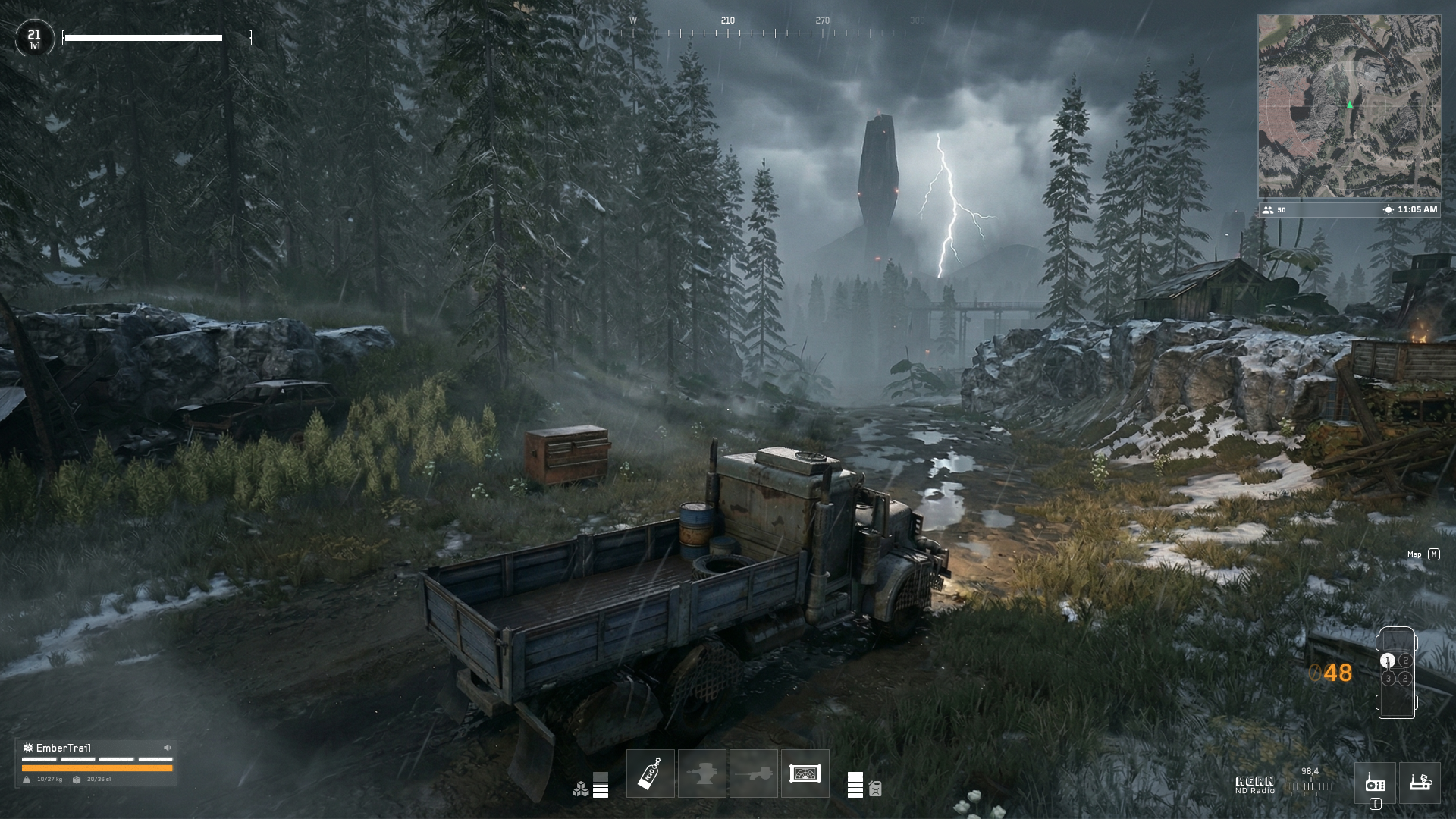
How do we build the car?
We want vehicles to be physically weighty and highly customizable, not just cosmetically. Every car should feel like a machine you’ve put together and tuned for a specific purpose.
Each vehicle comes with an engine, suspension, and a range of essential and optional components that players can tweak. These parts directly affect how the vehicle handles, how durable it is, and how well it performs in different environments.
If you need a heavy truck with solid control for off-roading and hauling, you can build exactly that. You can reinforce it, tune it for stability, and even equip it with tools like a winch to help navigate difficult terrain or recover from bad situations. That kind of setup is perfect for long, risky trips across swamps or rough wilderness.
On the other hand, if your priority is speed and mobility, you can go for a lighter, faster vehicle better suited for smoother terrain. This kind of build is great for scouting, quick supply runs, or just getting around efficiently without drawing too much attention.
We like the idea that over time, players will develop a sort of attachment to their vehicles. Not just because of how they look, but because of the role they play in your personal story and your faction’s efforts.
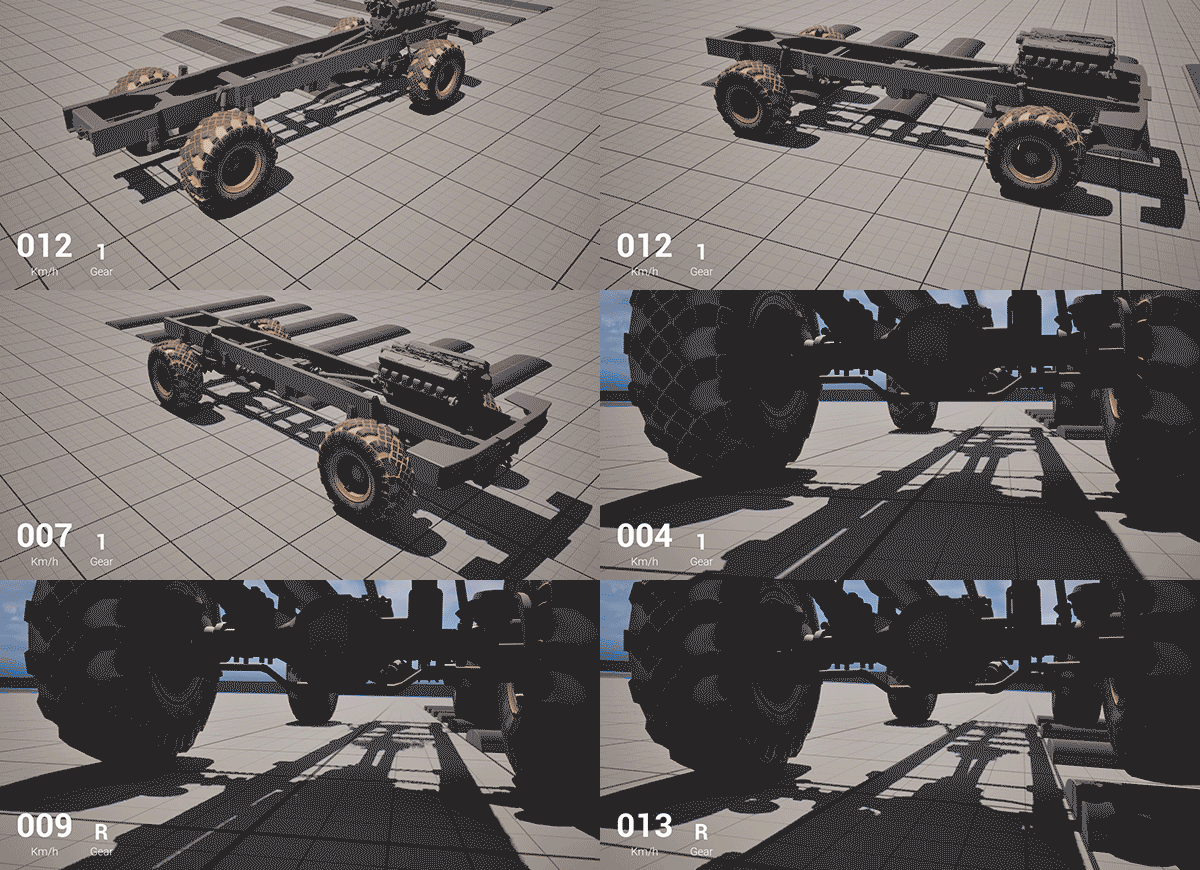
We’re also still exploring how deep we want to go with vehicle mechanics. Features like manual transmission or fuel management are things we’re considering. The challenge is finding the right balance between depth and accessibility, and we want driving to feel grounded, but never tedious.
— Frontier Division Team