
Hello everyone, this is the Pierrot dev team. The curtain rises on our first devlog, and we’ll do our best to return to the stage regularly.
Today, first and foremost, we want to thank you for your interest in the game and the trust you’ve shown us. We’d also like to share a bit more about what Pierrot truly is.
There are just two of us working on the project, and as players ourselves, we know a certain feeling all too well. You probably do too — that moment when you look at a game and your first thought is: “what did I just experience?”
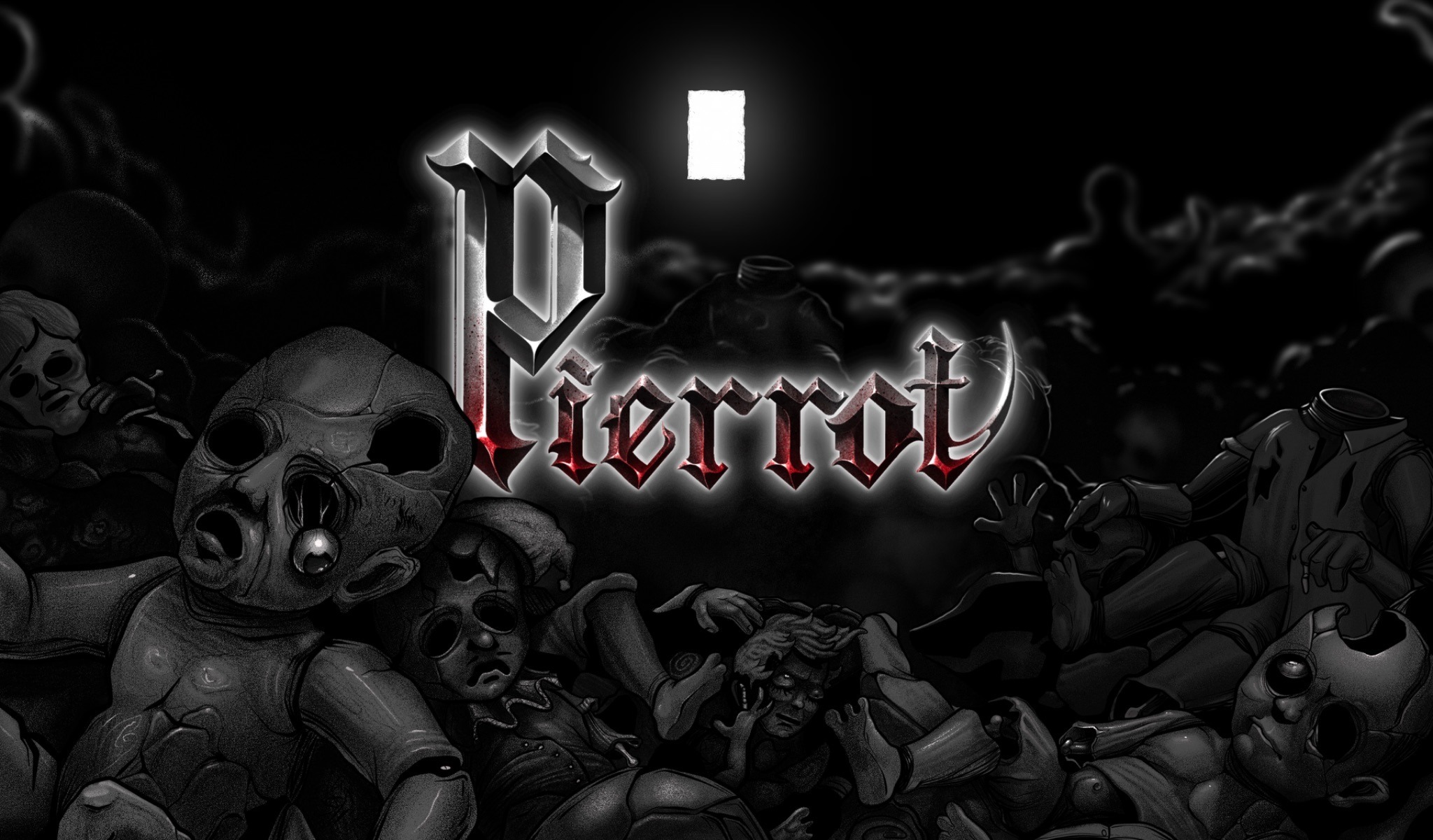
Not in terms of quality or anything like that. It’s about that sense of inner conflict that sets in almost immediately, as soon as you step onto the stage and begin to live through the experience. When horror, excitement, mystery, atmosphere, and even a quiet discomfort with the role you’re made to play all blend together. And then, somehow, it all comes together into a single performance — and it becomes hard to step away.
We’re used to this feeling in other developers’ projects, and we were genuinely surprised when it emerged in our own work, as soon as we brought our ideas together into something whole, actually even before creating any art. And that same impulse returned, but much stronger, when we created the first Pierrot build. That’s when it became clear: this is a performance we have to see through to the end.
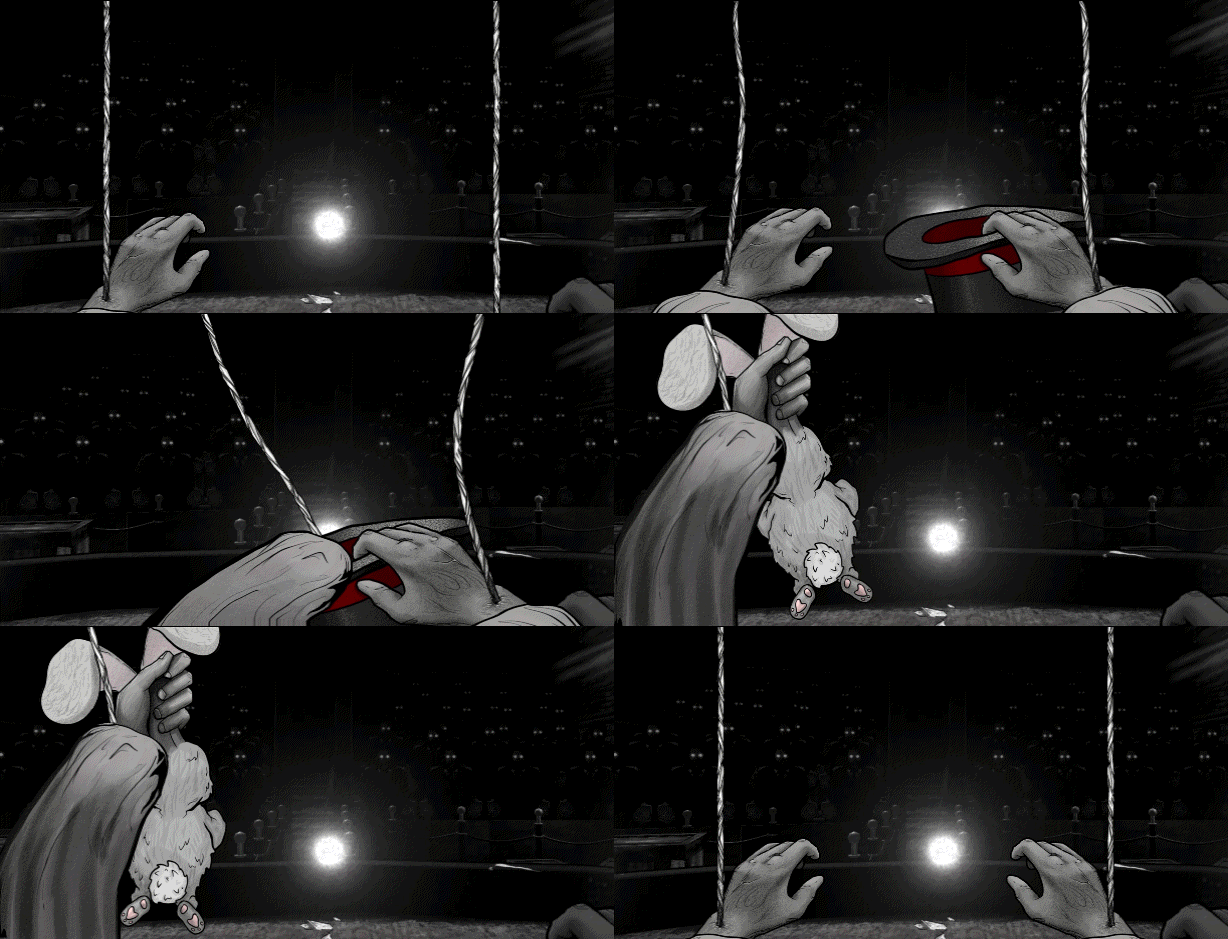
The most important thing for us is shaping a strong and unique identity for the game, and we feel like we’ve already taken a few steps in the right direction. It’s hard to place Pierrot into a single genre. It’s more of a concentrated experience — a narrative psychological drama about the clash of primal emotions. About the desire for freedom, the urge to help others, and the raw, instinctive fear of the actions you sometimes have to take along the way. Sometimes to save yourself. Sometimes simply because there’s no other choice.
Moral ambiguity runs through the entire story, and at times it hits hard.
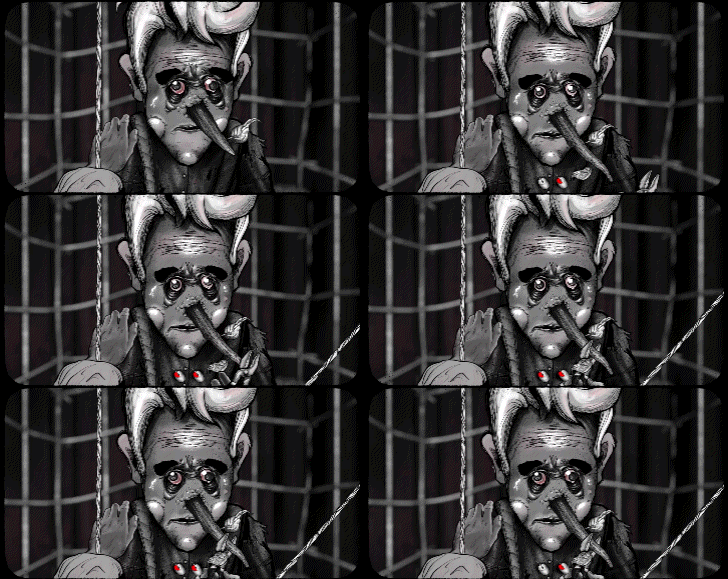
The main character, Pierrot, is a puppet in the twisted theater of the Puppeteer. One of the defining elements of the game is that there are scenes where he is forced to torture other puppets as part of the performance — to play a role he never chose. It’s not about being “brutal for the sake of it.” Pierrot himself rejects it. These actions disgust him, and we’ve tried to make that come through — not as spectacle, but as something he’s forced to enact on stage.
He’s not an executioner, just someone forced to play one. Because of this, the discomfort isn’t just his, but the player’s as well. You’re not just watching, you’re part of the performance. Indirectly, but still involved. We give the player exactly the level of involvement needed — no more, no less. And this is where that inner conflict takes shape: between the urge to stop and the need to keep going.
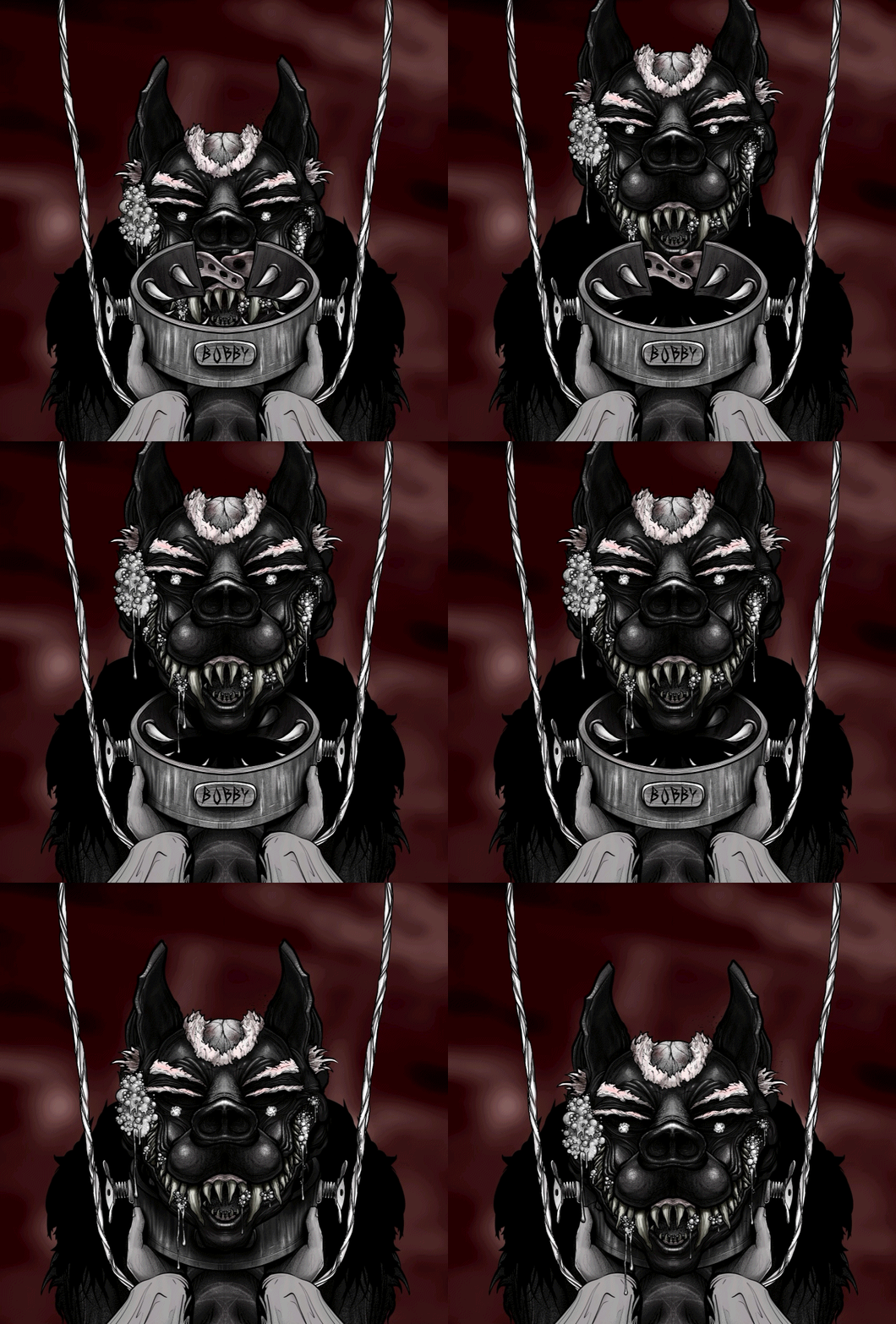
But this isn’t the main idea, more like the stage it all unfolds on. At the center is the confrontation between the victim and the tormentor. A thin line you have to walk, careful not to become the very thing you hate.
This is a cohesive experience that brings together distinctive art, escape mechanics, torture sequences, creative parkour, stealth, and moments where we try to break the fourth wall — something we especially love.
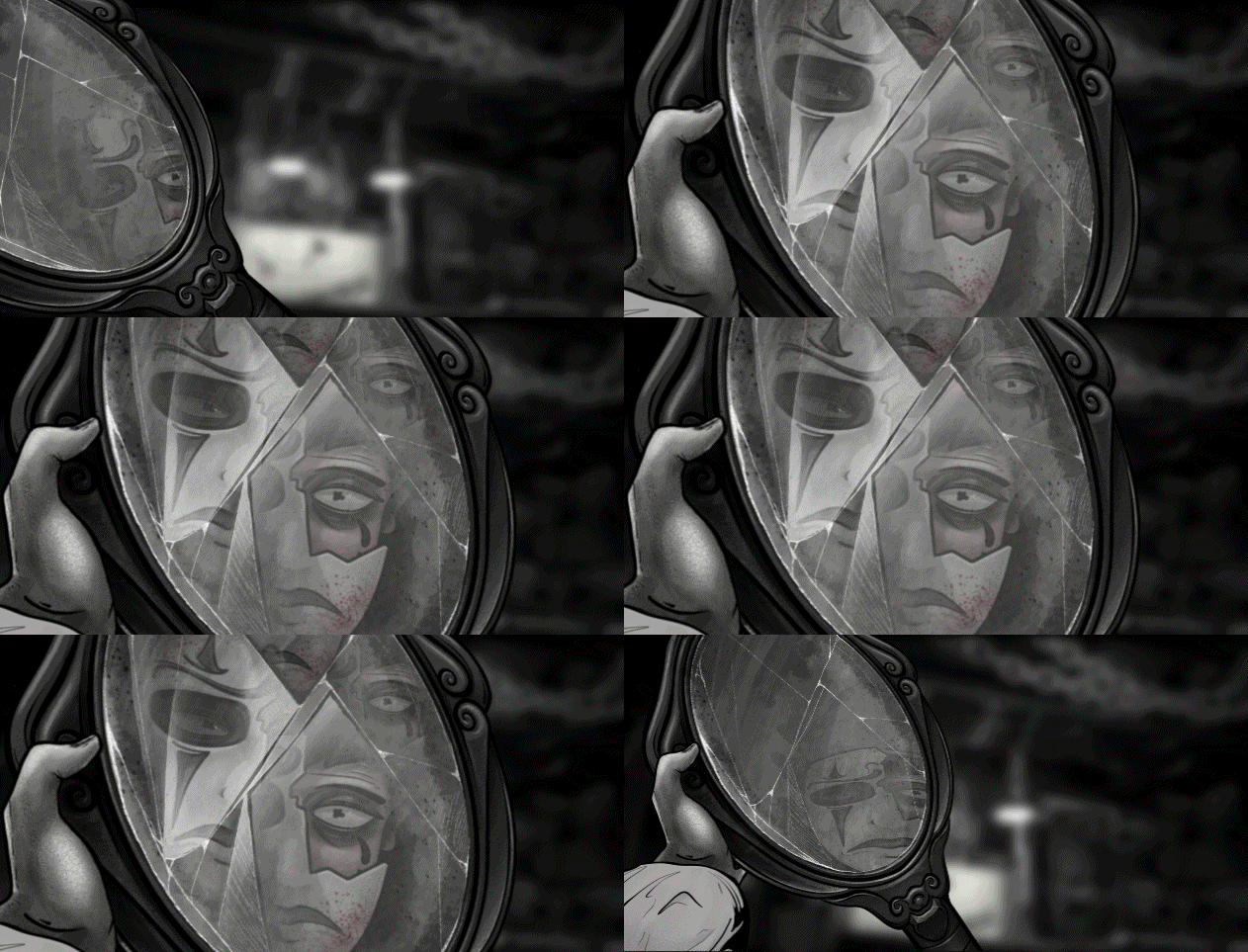
Pierrot’s misadventures are, in a way, a path of transformation — best expressed in verse:
“They’ll try to stop you. Act as you must.
One day the strings will place their trust
In hands like yours. For good or ill,
You will succumb to darker will. "
That’s all for now. See you soon!
Knot Games