
These days, the whole world is looking up at the sky again: the Artemis program is bringing humans back to the Moon. It’s a historic and truly significant event for everyone interested in space - and we’re sure there are plenty of such people among public transport enthusiasts as well!
So today we’d like to talk a little about the Moon. More precisely - about how the day and night cycle works in The TRAM.
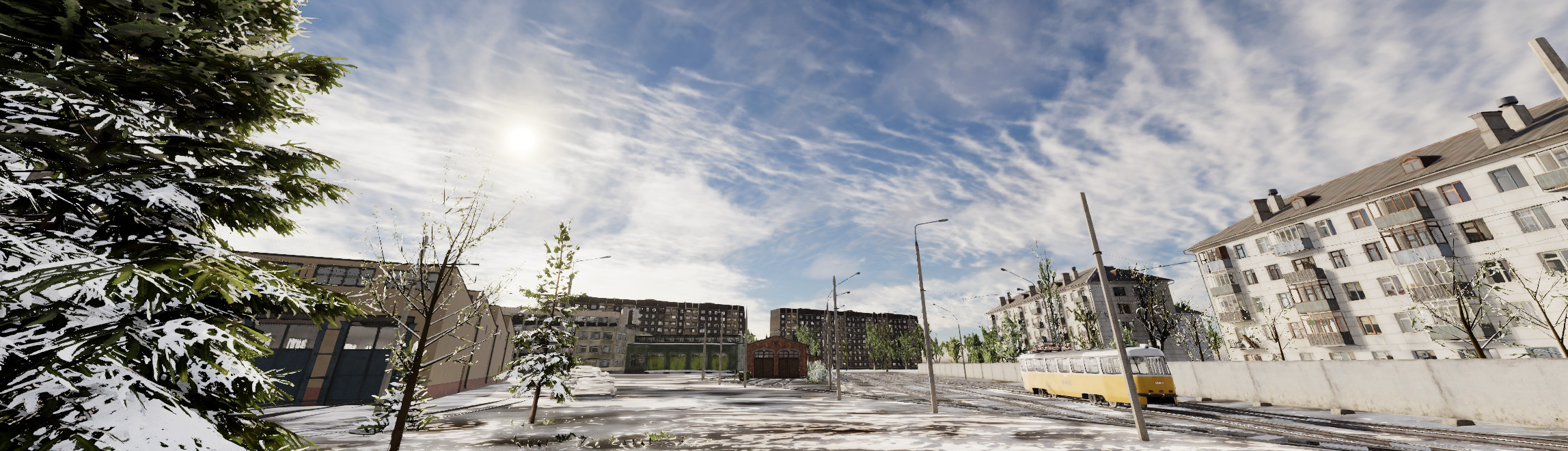
Our goal is to create an атмосферic experience that can take you back to the early 2000s. And to achieve that, it’s important to pay attention even to details that might not seem essential for a tram simulator at first glance.
In The TRAM, the Sun, the Moon, and the starry sky follow astronomical rules as close to reality as possible:
- the paths of the Sun and the Moon match real-world observations and change throughout the year
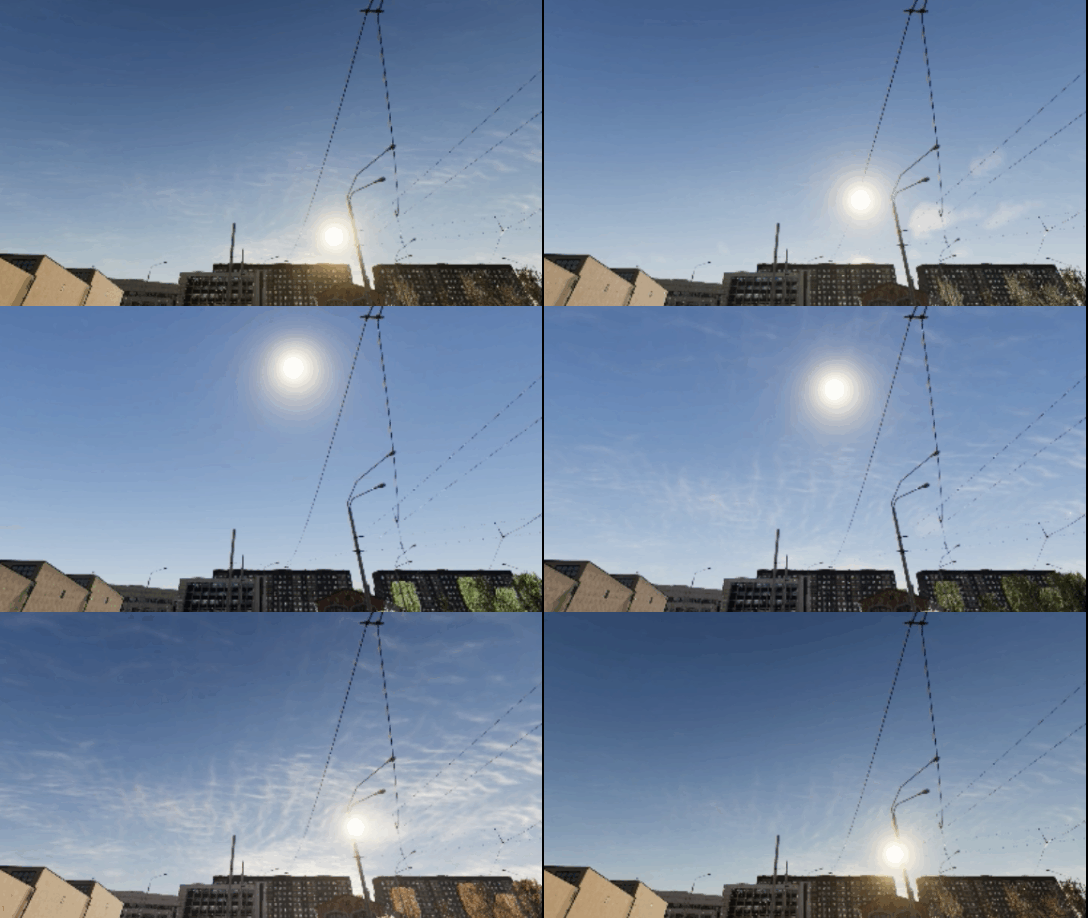
- seasons affect their height in the sky: in winter, the Sun stays low above the southern horizon, while in summer it rises high overhead; the Moon, on the contrary, is higher in winter
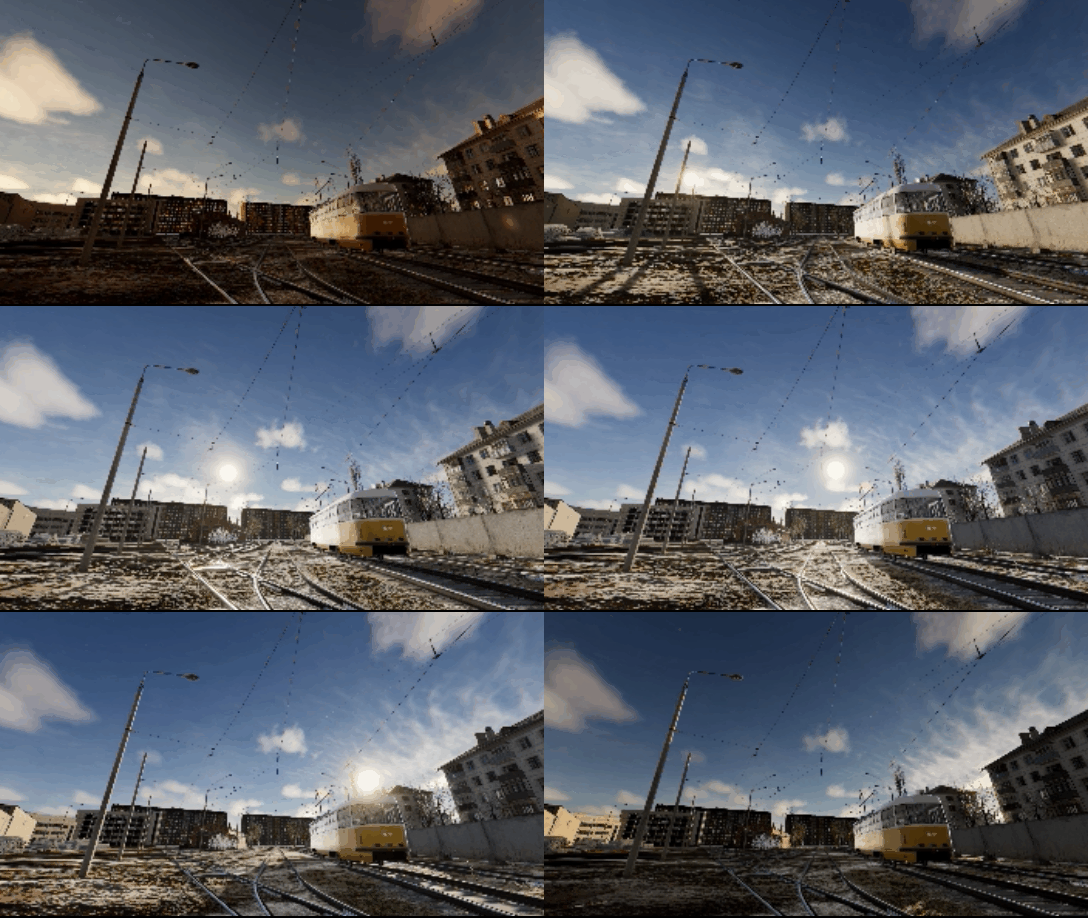
- the length of day and night changes over the year: in summer, early runs begin in the soft morning sunlight, while in winter they take place in deep, cold darkness
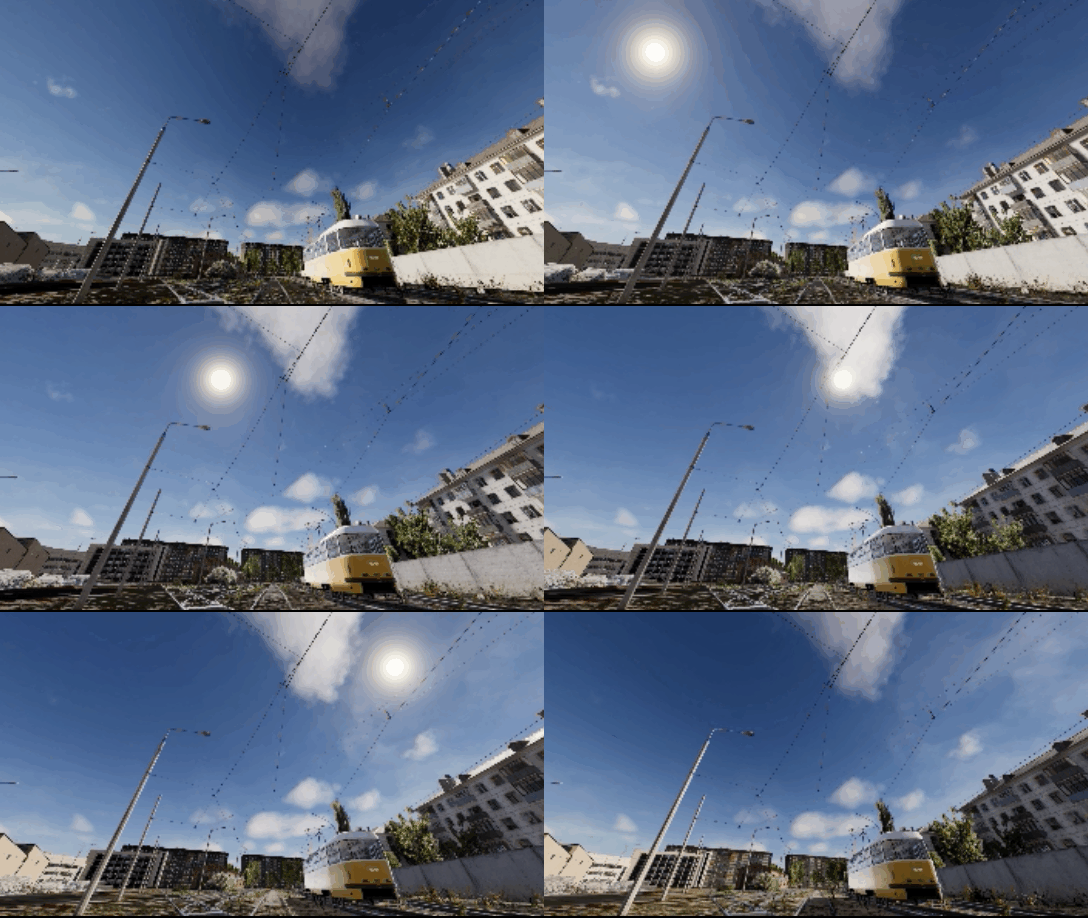
- the phases of the Moon also match reality and directly affect how bright the world is at night
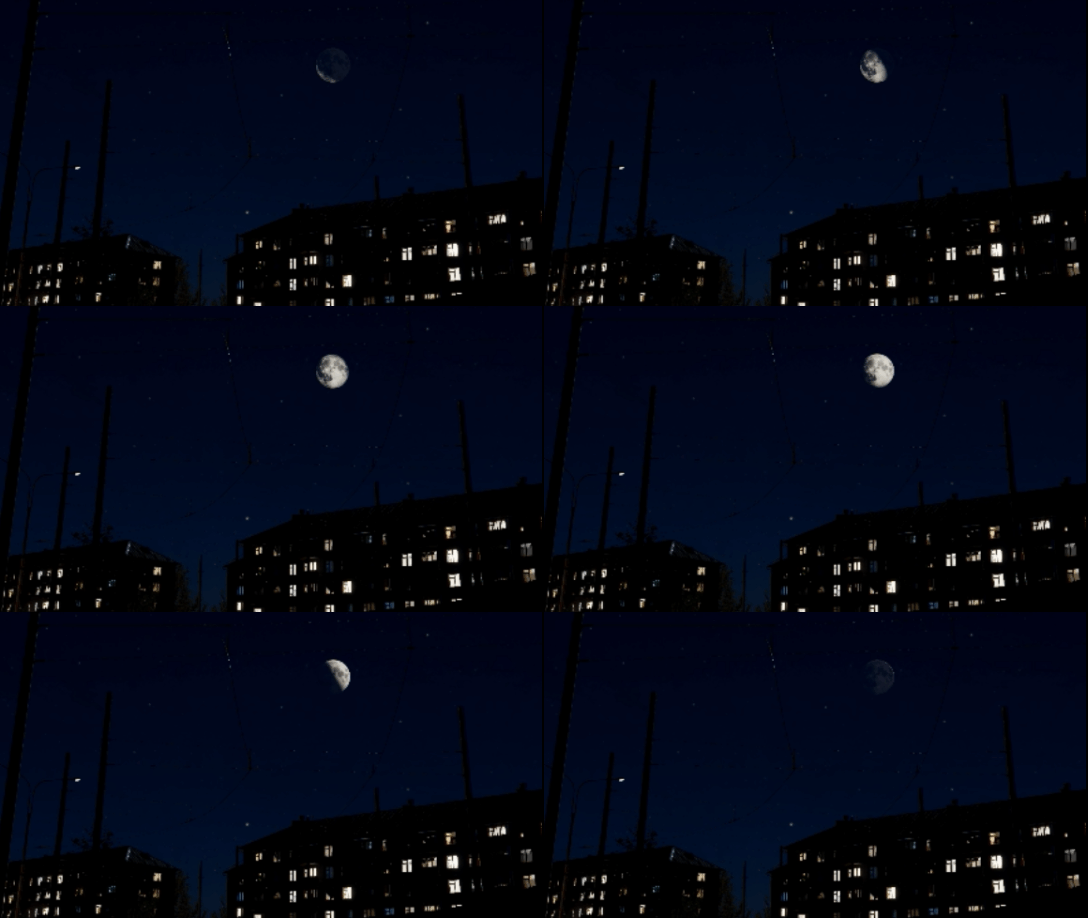
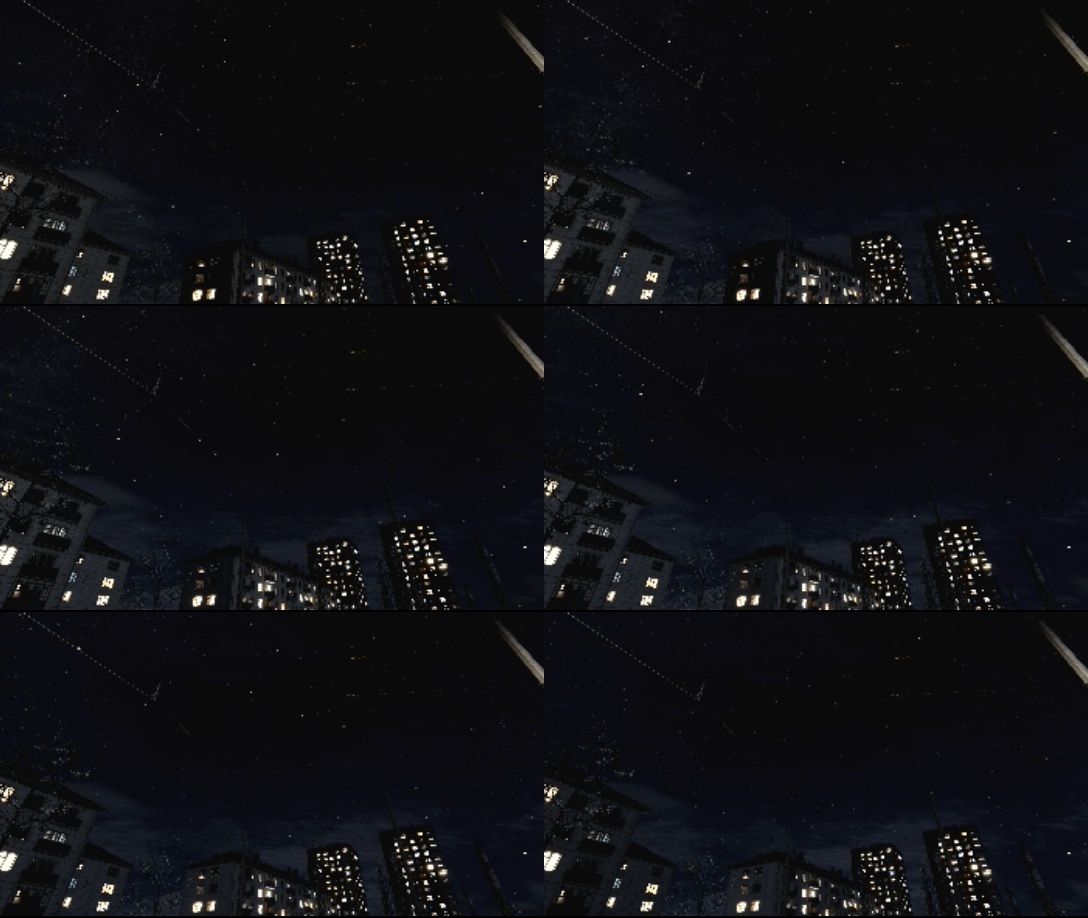
- and although it’s not always immediately noticeable, the position of the stars depends on both time of day and season. In The TRAM, the North Star always points north - so if you ever get lost on the map at night, you can navigate by the stars
But this is not just about visuals. Time of day also affects city life: in the morning, passenger flows move from residential areas to workplaces, and in the evening - the other way around. We’ll talk more about this in one of our future posts!
Even an ordinary tram ride can become something special when you can step out and admire the starry sky above.
Do you pay attention to details like this in games?