Pathfinding.
It's exactly what it sounds like.
When you play a game, something has to decide how things get where they're going. How does an enemy work out where you went? How does a creature cross a room without walking into a wall? How does anything navigate a space nobody placed it in by hand? Pathfinding is what makes that happen, and even though a lot of work goes into it, when it's working properly, you never think about it once.
In our case, “Pathfinding” is a great way to describe what we’ve been doing the past two weeks, because we’ve been pathfinding in more ways than one.
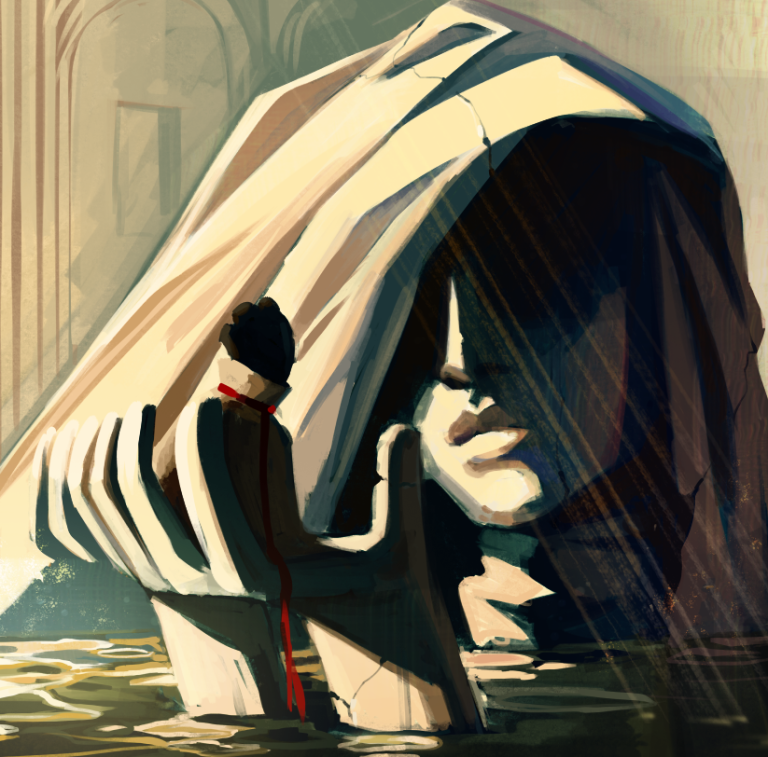
Image courtesy: DragonRollZ, Discord
Rinthine's creatures don't use Unity's built-in navigation. Underneath every room in Rinthine there's a second map you never see: a grid that marks which parts of the floor can actually be walked on. Everything that moves shares that one map, and when a creature needs to get somewhere, it searches the grid for a route. Ordinary enough.
What is not ordinary is how much that map now changes while things are standing on it - and that applies to the bigger question of Rinthine’s design itself, too.
Throughout the process of building this world, each change, improvement, refinement, redirection brought new questions with respect to how each element should interact with the next, and as you read in last week’s blogpost, the impacts of those changes have come to a head, and we’ve really had to step back and ask ourselves what kind of game we want Rinhtine to be. I’m happy to say, we’ve found our path forward, and we’ll talk about that more, soon.
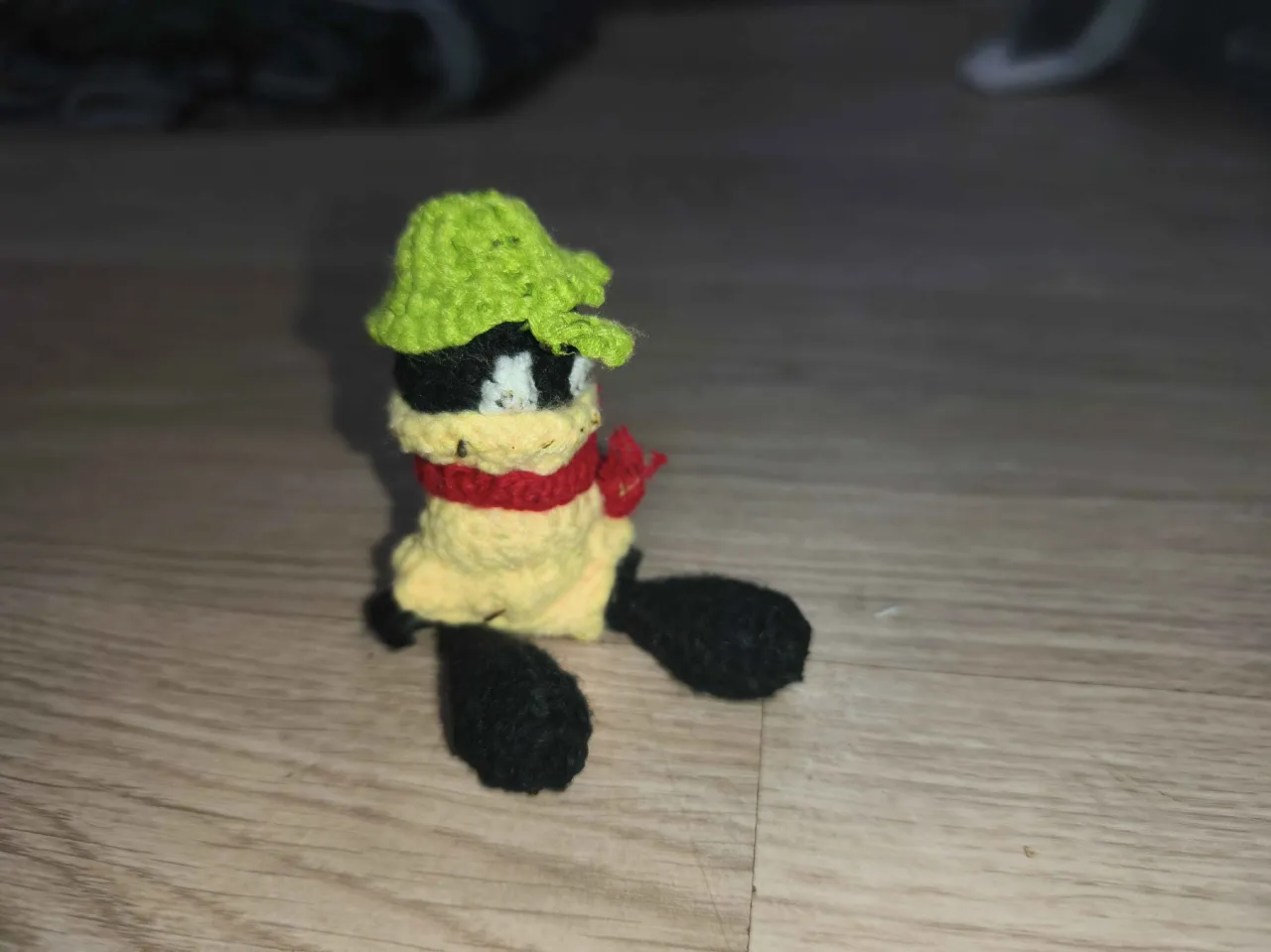 Photo courtesy: Spider Archivist, Discord
In the game itself, we built procedural fault lines: terrain that fractures mid-run and splits rooms and walls apart. A lot of what we built this fortnight changes the world while you're standing in it. Procedural fault lines crack the terrain open mid-run and split rooms apart. Bridges extend across gaps, traps close off routes when they trigger.
All of that is a problem for pathfinding. A creature works out its route from the map as it was a moment ago. If a fault line opens across that route, the plan is now wrong, and the creature will happily walk into a chasm unless something tells it the world moved.
So whenever one of those things changes the world, it reports the change but only the small patch it actually touched. A collapsing wall tells the map about its own few feet of floor and nothing else. Anything whose route didn't cross that patch carries on without recalculating. That's far cheaper than rebuilding the entire map every time something shifts, which matters a great deal when a boss is laying down walls every few seconds.
Choosing that direction was the easy part. The rest of it is the same job our creatures are doing:
walk the route, notice when it stops matching the ground, update the part that's "off".
What Changed
Procedural fault lines. Terrain that fractures mid-run, splitting rooms and walls apart. Route around the chasm, bridge it, or find a cleverer way over.
Dynamic sub-biomes. Regional sectors now grow their own character - olive groves, tin veins, structures that belong to one stretch of the labyrinth and nowhere else.
Architecture. Finished bathhouse wall sets, short crumbled variants, 3D bridge assets, and room-by-room animated reveals on the Cartographer's Table.
Herding AI. Alphas that manage troop size, coordinate migrations between biomes, and send scouts to investigate the noise you made in the next room.
A two-part boss. Multi-phase, with enraged transformations, shrapnel prediction lines, synchronised attacks and its own effects work. That's all you're getting.
Skittish wildlife. Burrowing creatures, fully animated, with reactive startle behaviour, inverse kinematics keeping their feet on uneven ground, and something worth harvesting if you're quick enough.
Pathfinding and VFX. Threats now handle narrow doorways and bridges properly, backed by new elemental damage pipelines and clearer target indicators.
UI standardisation. Cooking Station, Weapon Inspection and the Crafting Book restructured so every panel behaves the same way.
Dialogue and HUD. A configurable dialogue system for narrative encounters, dynamic boss health bars, and visual sanity indicators on the HUD.
Crafting and localisation. Crude tool tiers, campfires and weapon tables, plus updated multi-language translation tooling.
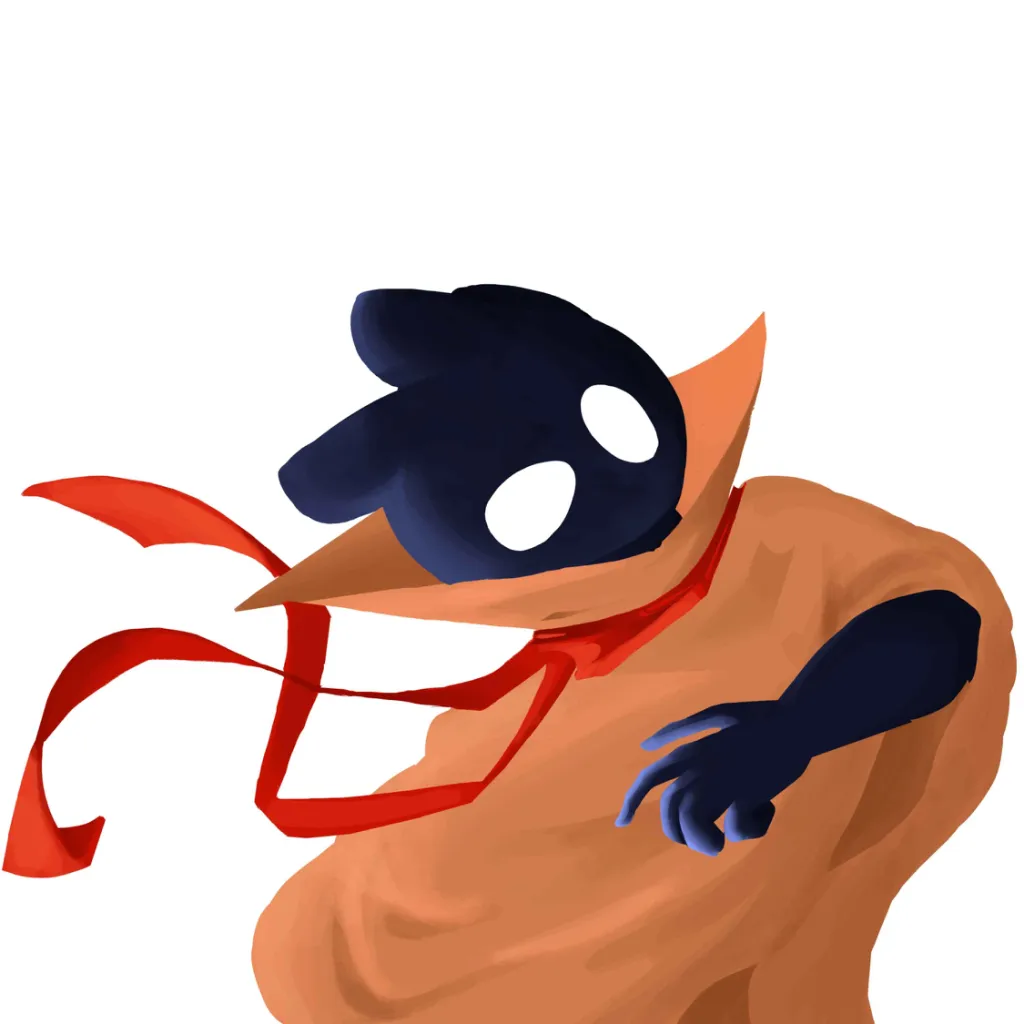 Image courtesy: Green Floor Butter, Discord