
Greetings, agents!
If it's seemed to you that Neo-Kyoto has fallen quiet over the past few months and you weren't imagining it.
But there was a solid reason behind it!
While things were silent on social media, something players don't usually see was happening inside the project. We weren't making new trailers, dropping big announcements, or showing off dozens of fresh screenshots.
Instead, we were doing far more important work: rebuilding the game.
When we were preparing the demo for Steam Next Fest, our main goal was to get the project in front of players in time. To do that, we relied on several major Unreal Engine systems and off-the-shelf solutions from Epic Games. This let us put together a working build quickly and bring Chrysalis: Chrome Butterfly to the public for the first time. But solutions like these come at a cost.
As the project grew, the various systems started conflicting with one another more and more often. Animations broke after engine updates. The UI demanded constant workarounds. Character and weapon behavior became harder and harder to maintain and build upon.
The bigger the project got, the clearer one simple thought became: you can't keep adding new floors on top of an old foundation. So a few months ago we made a difficult decision to stop and start rebuilding the project's core systems.
In that time, the team reworked the game's architecture, overhauled the weapon and AI logic, began migrating the UI to a new base, and carried out a large amount of technical optimization. This isn't the flashiest kind of work. You can't show it off in one beautiful trailer. But it's exactly this kind of work that determines whether a game can keep growing.
Right now we're continuing to improve the project's performance, stability, and load times. Recently we put together a test build on DirectX 11 and successfully ran it even on configurations that would be hard to call modern.
Every step like this brings us closer to the project we set out to create. Patch 1 is coming very soon — the largest technical update to Chrysalis: Chrome Butterfly since the demo launched.
To a player, it might look like an ordinary patch. To us, it's the culmination of several months of work on the game's foundation. And it's on that foundation that future modes, new content, and the next stages of the project will be built.
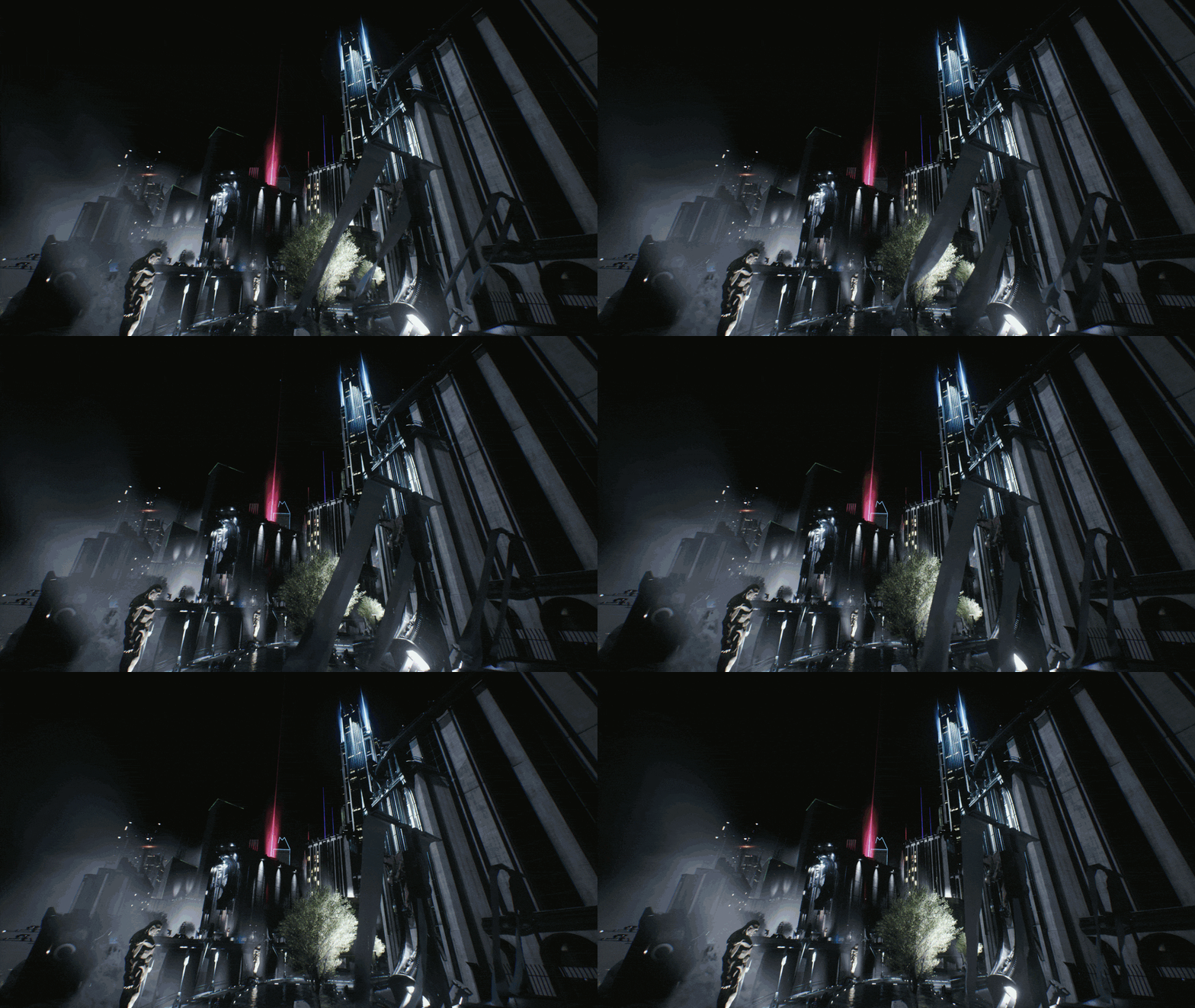
But life in Neo-Kyoto isn't all code.
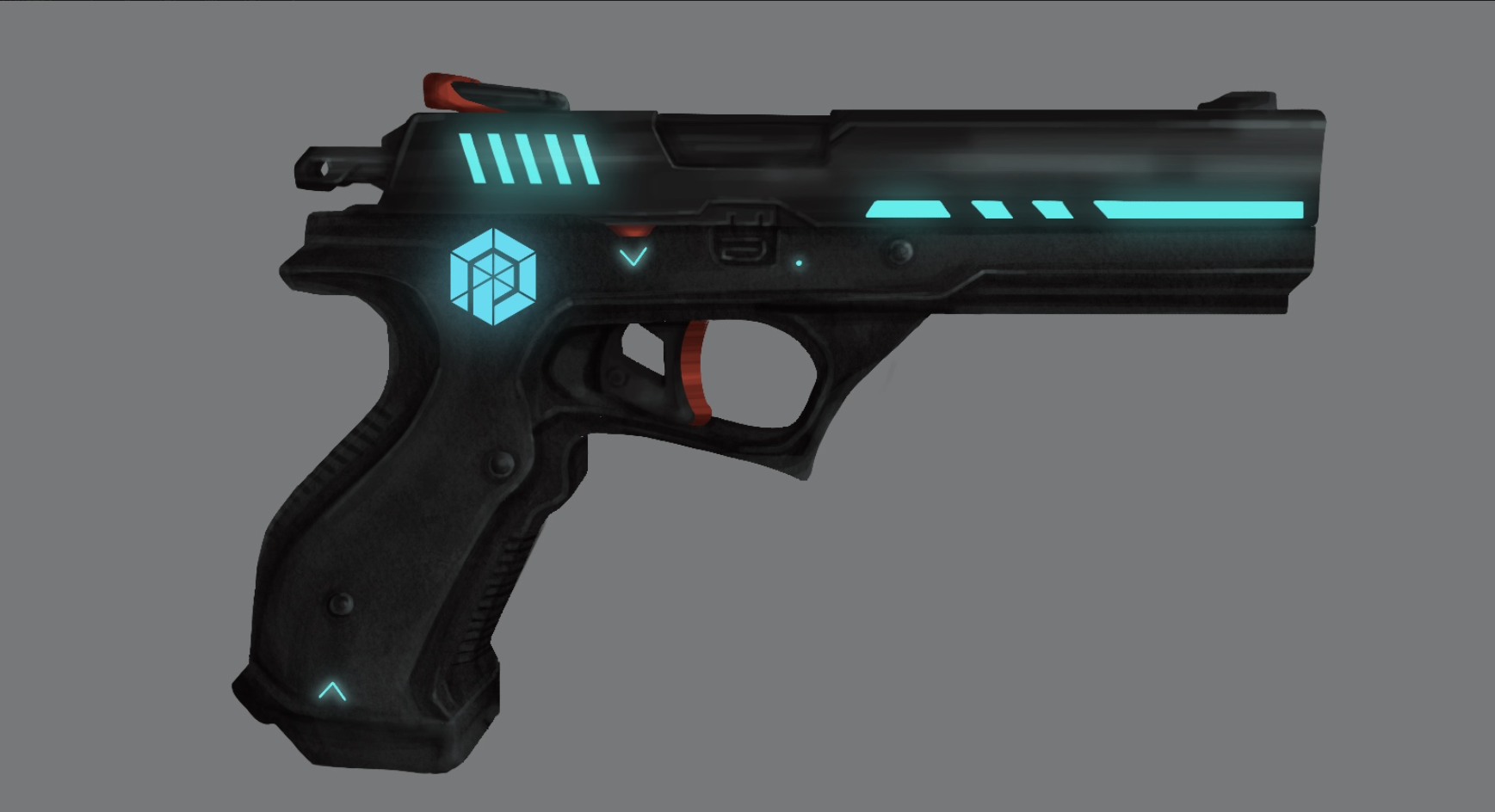
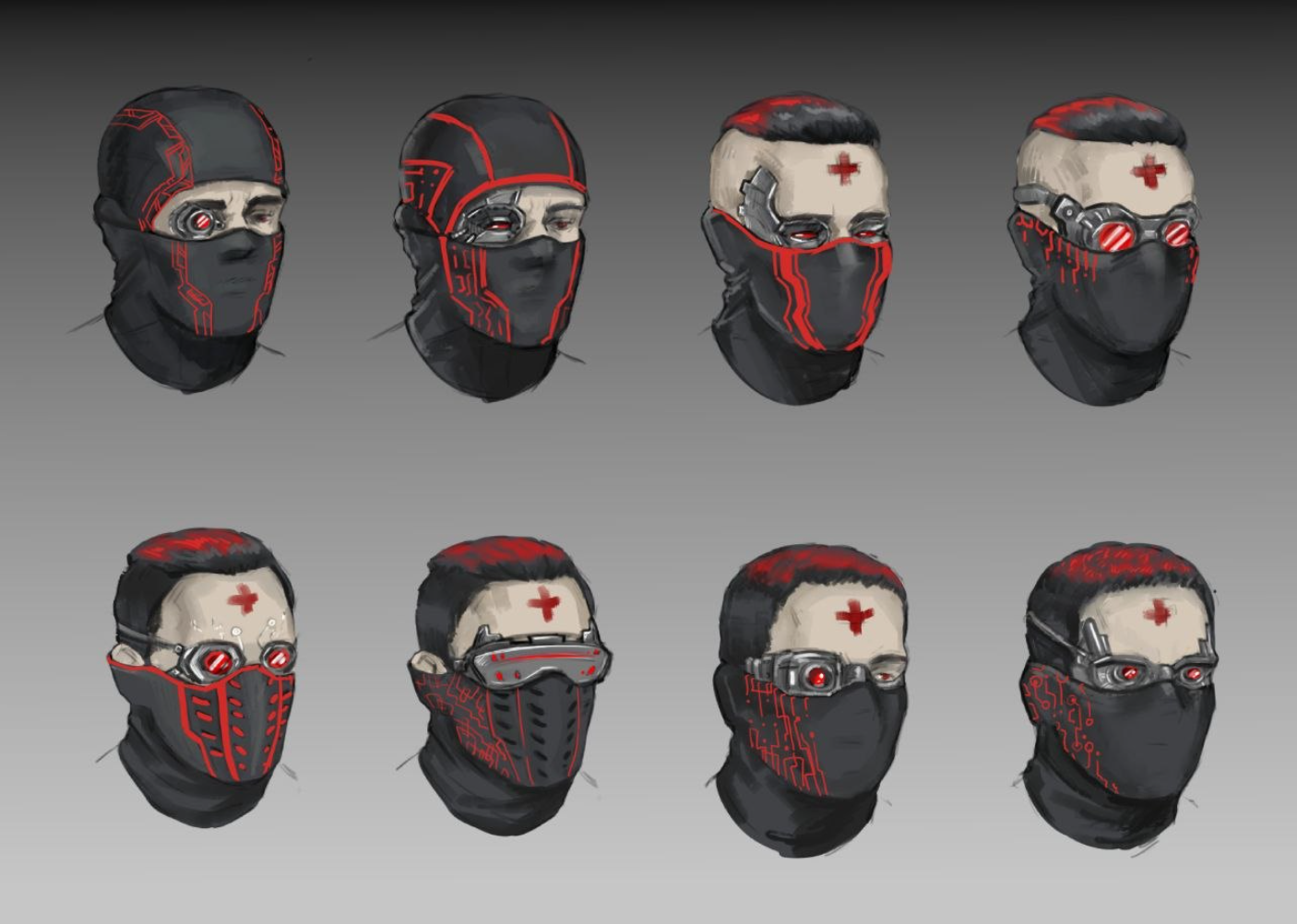
In parallel, the art team continues to develop the visual side of the project. In the coming weeks we'll be showing new concept art of characters, weapons, environments, and other elements of the Chrysalis world.
A concept art for the P9 Protocol
The Dark Dawn's terrorist's concept art
On top of that, work is actively underway on new game modes. We're experimenting with different gameplay scenarios and looking for ideas that will make future updates even more exciting.
Thank you to everyone who keeps following the project, testing the demo, and sharing feedback. Sometimes the most important progress happens precisely when it looks from the outside like nothing is happening.
And on that note, we're pausing the Neo-Kyoto broadcast — but not for long.
Good night, agents!