
Just two weeks after the Steam page launched, Smoke and Steel passed 1,000 wishlists!
That milestone went by so quickly that I never got around to posting about it. Now we've already passed 1,500. Thank you to everyone who has wishlisted the game, shared it, or followed its development!
German-speaking fans might be interested in YouTuber Strategos Xenophon's video featuring Smoke and Steel!
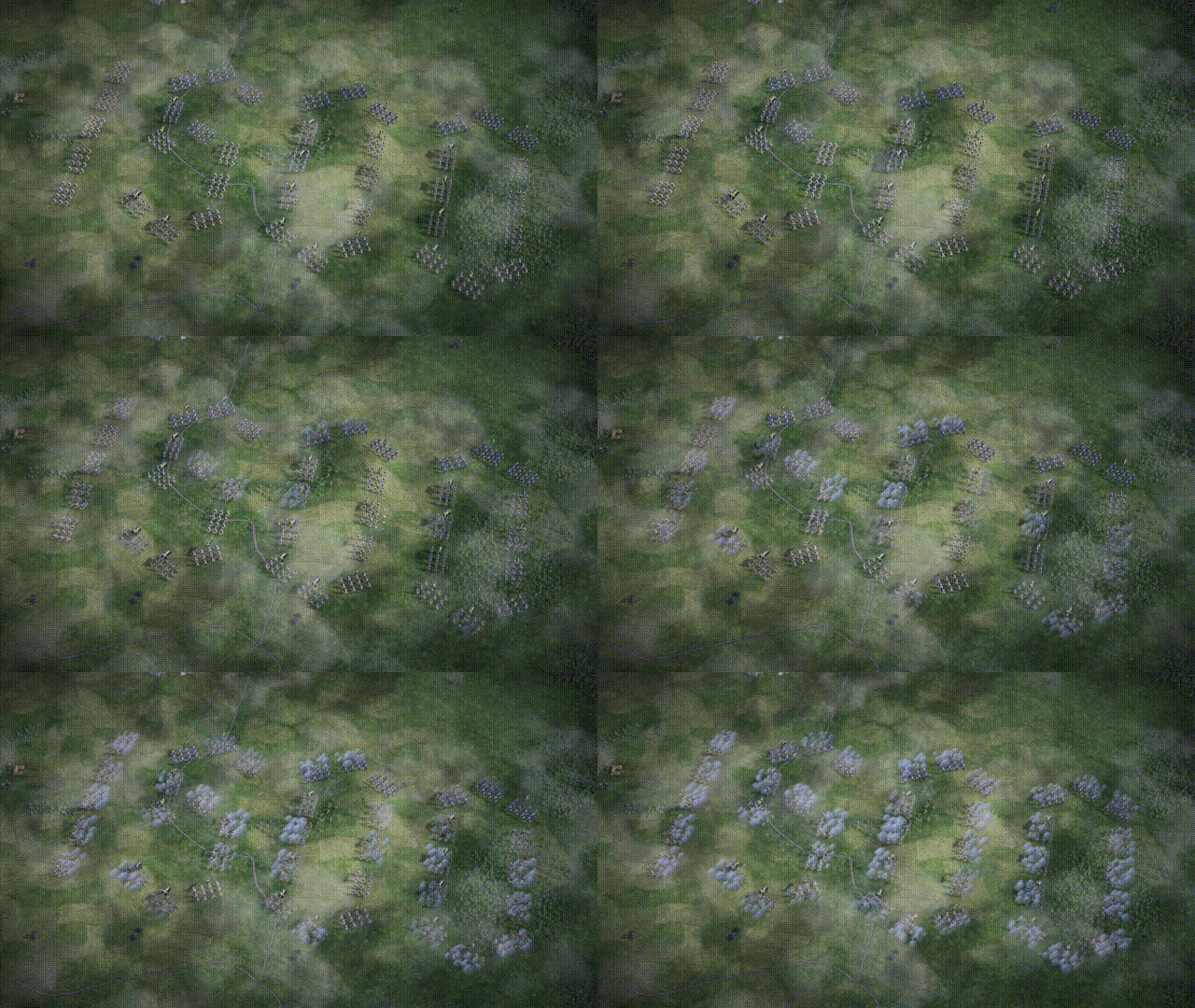
To mark the occasion, I'd like to share more about something many of you have been asking about: the grand campaign, where you'll lead a nation, manage its economy and diplomacy, and supply its armies. Just like the battles, it's entirely turn-based.
Making the campaign map
While development on Smoke and Steel began in late 2023, the campaign map's roots go back to 2021. Even then, I was starting to imagine what my dream game might look like. Naturally, this involved spending far too much time researching the borders of Sweden's historical counties, or län, in the year 1700.
I quickly discovered just how much those boundaries had changed over the years. Reconstructing them was harder than expected, but also rather enjoyable for a map nerd like myself!
Using digitized maps from Riksarkivet, the Swedish National Archives, alongside historical articles and other research, I pieced together what I believe is a reasonable approximation.
In some cases, the borders or names historically changed in the same year that the grand campaign starts. As is the case with “Göteborgs och Bohus län” which was instituted in 1700. Before that, it was only called “Bohus län”. Some ten years earlier, Göteborg was actually a part of Älvsborgs län.
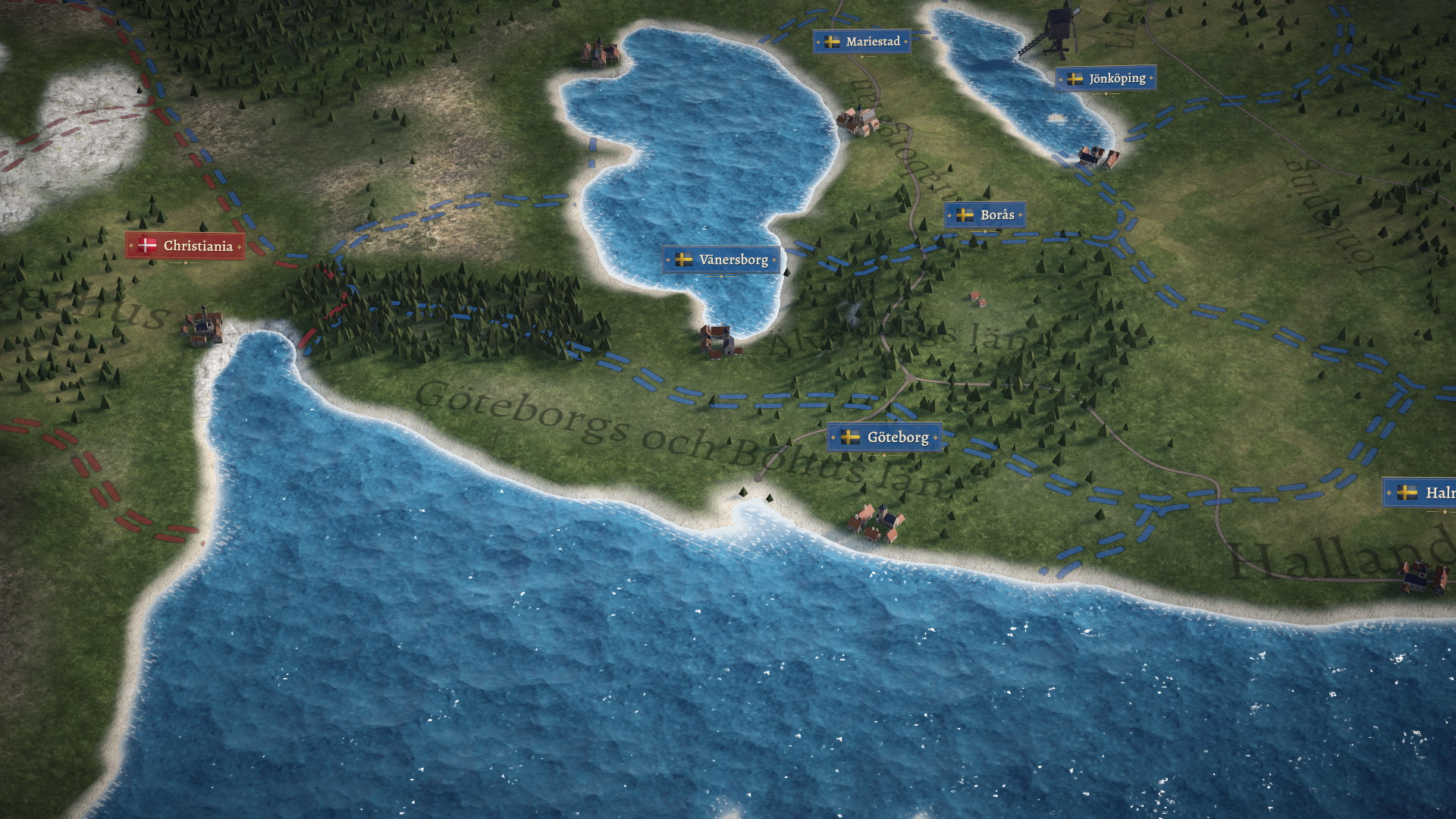
After spending more time than I'd like to admit investigating minor border changes deep in the Swedish wilderness, I realized that applying this level of detail across Europe wouldn't be practical nor meaningful:
Historical regions varied enormously in size. Taking control of one region shouldn't give you an enormous stretch of northern Sweden or Finland simply because it was once administered that way.
Reliable sources take time to find, and sometimes contradict each other. For Sweden, I had the advantage of being able to read primary sources in my native language. Researching the rest of Europe adds language barriers to an already time-consuming task.
The map needs to remain manageable. More regions mean more decisions and more information to keep track of. I'm currently aiming for roughly 20-50 regions for many nations, though this will vary considerably with their size.
I'll follow historical administrative boundaries wherever practical, but enjoyable gameplay and meaningful strategic choices come first. National borders will follow history more closely than the internal divisions.
So what exactly are regions?
Regions are the administrative divisions of your state. Each has a regional capital. In Sweden, this is called a residensstad, the seat of the county governor.
Taxes from the region's settlements and countryside are gathered at the regional capital before being transported to the nearest treasury belonging to your nation, often in your national capital.
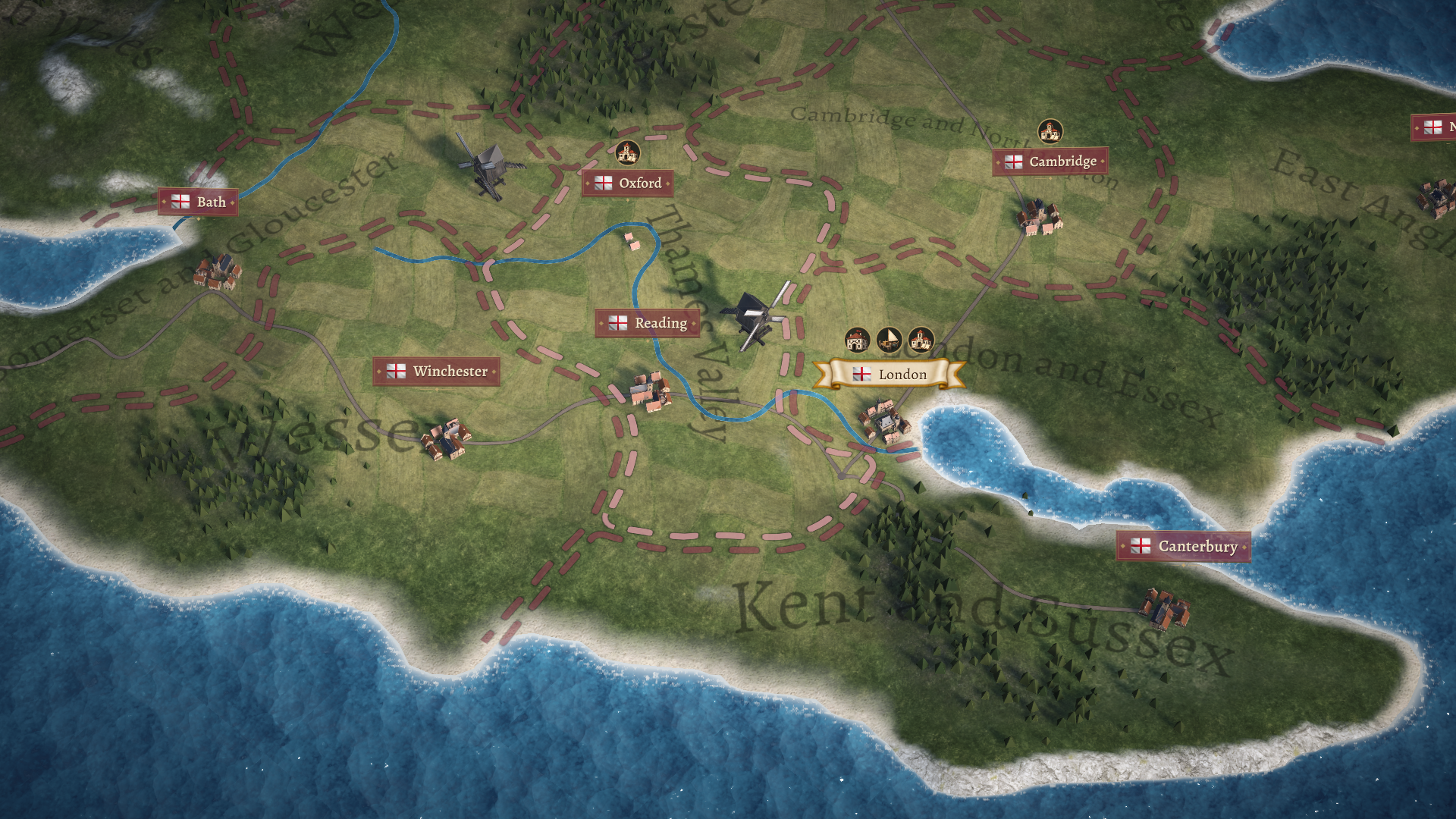
Each region has a population spread between its settlements and countryside. People belong to different social classes, with different economic roles and tax contributions. Peasants, for example, produce most of your food but contribute relatively little tax per person. Collecting taxes efficiently is also harder in the countryside than in settlements.
Regions are the main units of territory that change hands when national borders shift. Occupation and ownership are separate, however: taking a region by force doesn't formally make it yours. Changes in ownership must be agreed upon in peace agreements.
People in both the countryside and settlements need to eat. If a region can't produce enough food to feed its population, the shortfall has to come from elsewhere. Which brings us neatly to the next topic: logistics!
Logistics
Now for the part I've been particularly looking forward to discussing: logistics!
I want the campaign to feel like a living world, where the location of your resources matters as much as the amount you possess. One of the core ideas I settled on early was that goods should physically exist somewhere, rather than sit in a national stockpile accessible from anywhere.
The timber for a construction project needs to reach the building site. Ammunition needs to reach your troops. Goods traded between cities need transport.
If Russian ships intercept the gunpowder bound for your Swedish garrison in Riga, that shipment won't arrive. If Denmark closes the Sound, trade passing through it is suddenly in trouble. I imagine a few nations might have opinions about that!
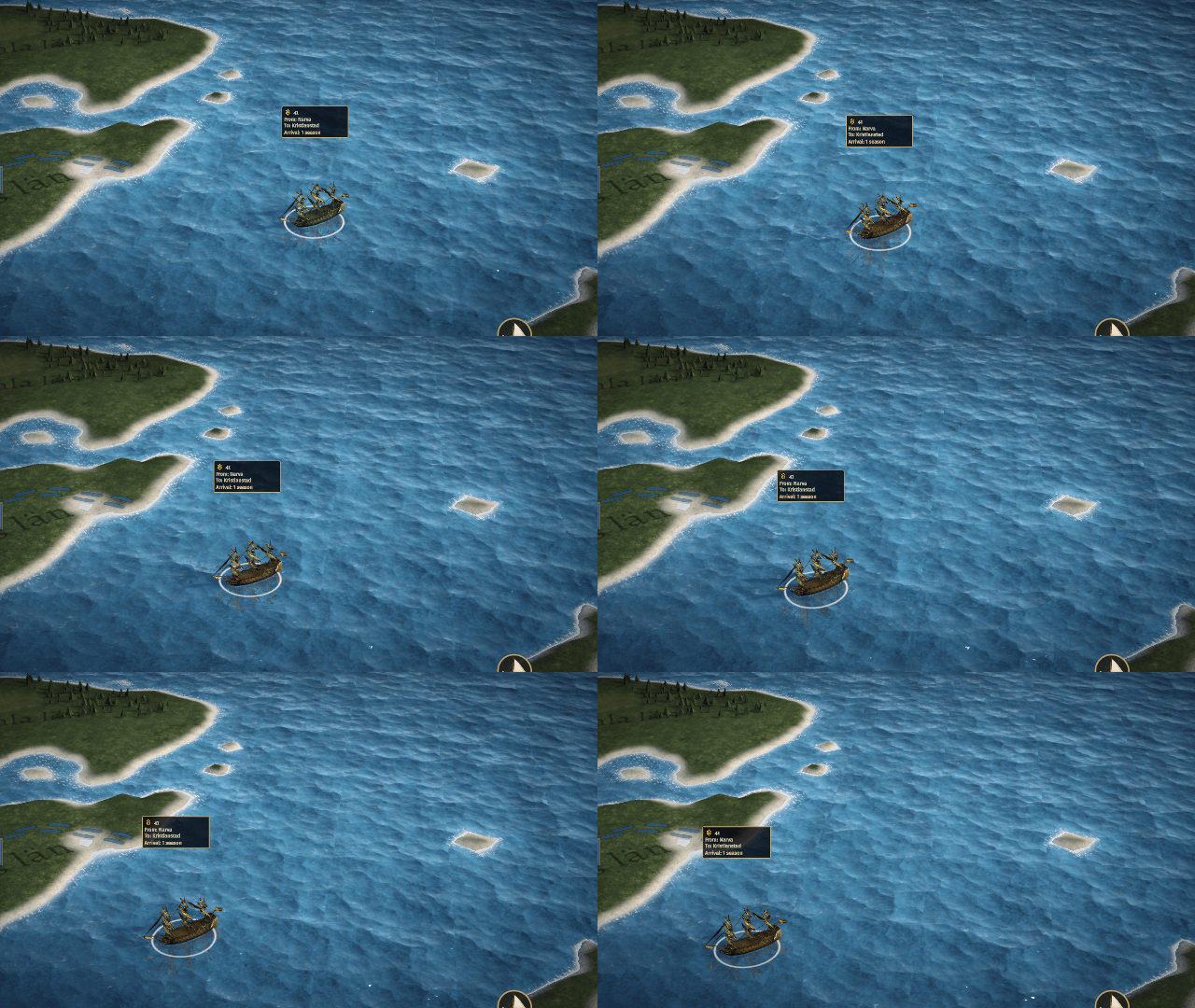
Money is a partial exception. Once your thalers reach a treasury, they become available to spend throughout your nation. The unspent money remains stored there, however, and enemy forces can seize it.
This is a simplification to represent banking and payments through contracts: you don't need to deliver coins to every construction site, but the timber still has to get there!
Does that mean lots of micromanagement?
It's not your job to be harbour master! Most routine transport will be handled automatically, leaving you to make the larger decisions: improving infrastructure, protecting your supplies, and deciding what to do about your enemies' logistics.
And yes, you'll be able to build roads. Eighteenth-century traffic simulator confirmed.
Transports can be intercepted and their cargo seized by armies on land or navies at sea. That makes a shipment of grain more than a background detail: it could be feeding your troops, or falling into the hands of the army you were preparing to fight.
That's what excites me about this system. Roads, ports and supply routes give you reasons to care about the territory between your cities, and opportunities to hurt an enemy beyond defeating their armies in battle.
In future devlogs, I'll explore settlements and populations in more detail, along with another feature I'm particularly enthusiastic about: drafting diplomatic agreements!