
Inky’s Sleep started out as a small Flash game back in 2017. At the time, I was making little browser games on Newgrounds and wanted to try making something with a cat as the main character. That idea eventually came together with my impressions of Jan Svankmajer’s film "Alice", and I ended up making a small demo. After experimenting with the idea for a while, I put the project aside for several years.
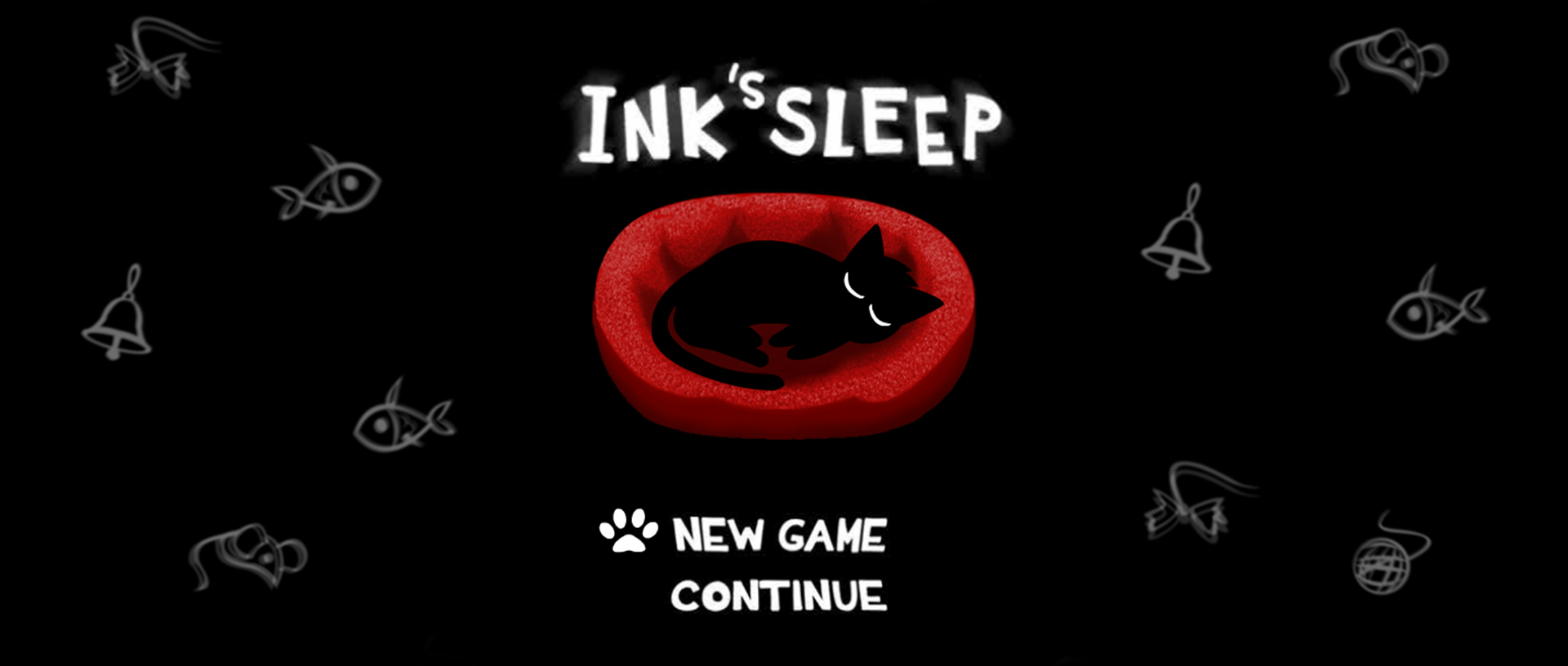
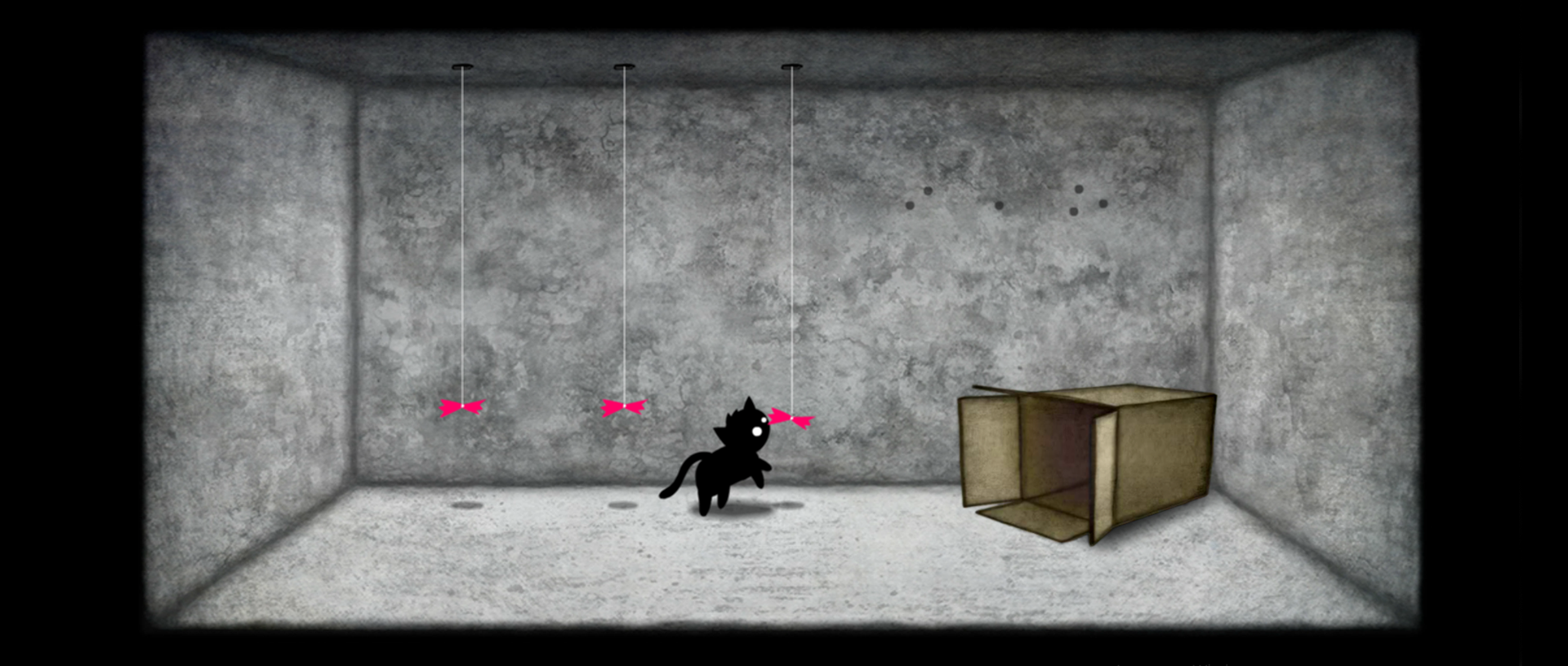
Six years later, the idea came back to haunt me. The new Inky’s Sleep is still the same dark and quirky game, but my beloved old Flash has now been replaced with Unity. The visuals, concept, and storytelling have all changed too. For example, I’ve almost completely done away with dialogue and text.
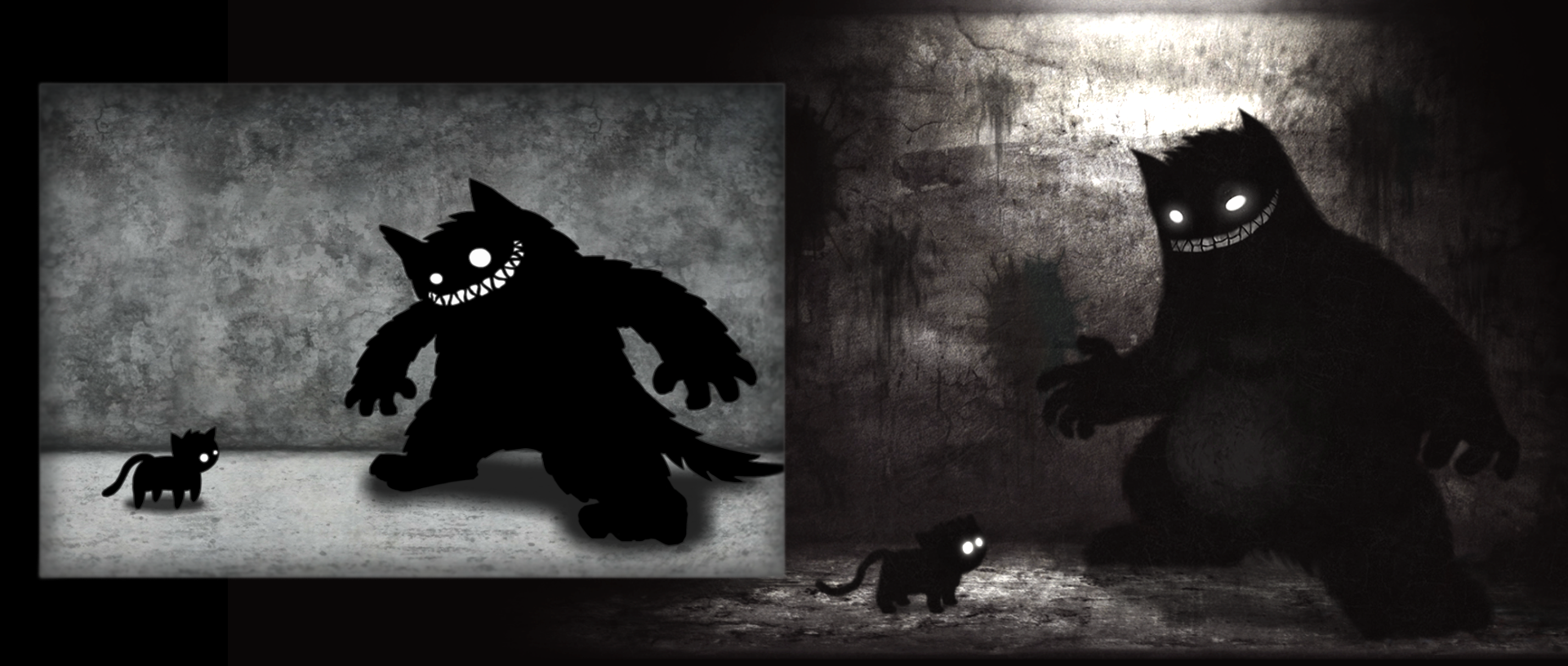
After a lot of thought, I decided that this kind of game would work really well with almost no words at all. Sometimes, the player will hear only indistinct voices, left for them to interpret in their own way. I wanted to capture that feeling of being a kid, starting up a game in a language you don’t understand at all, yet somehow finding yourself drawn into it, piecing the story together through its visuals.
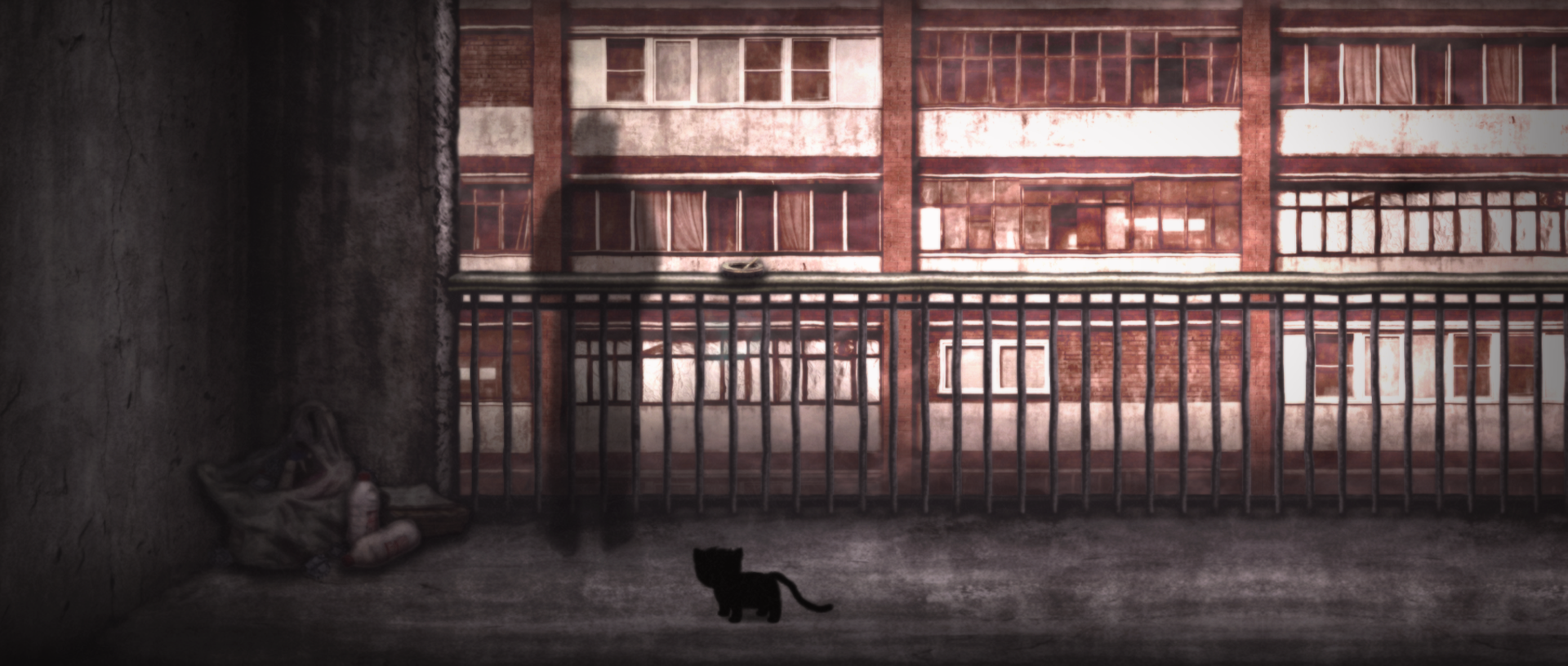
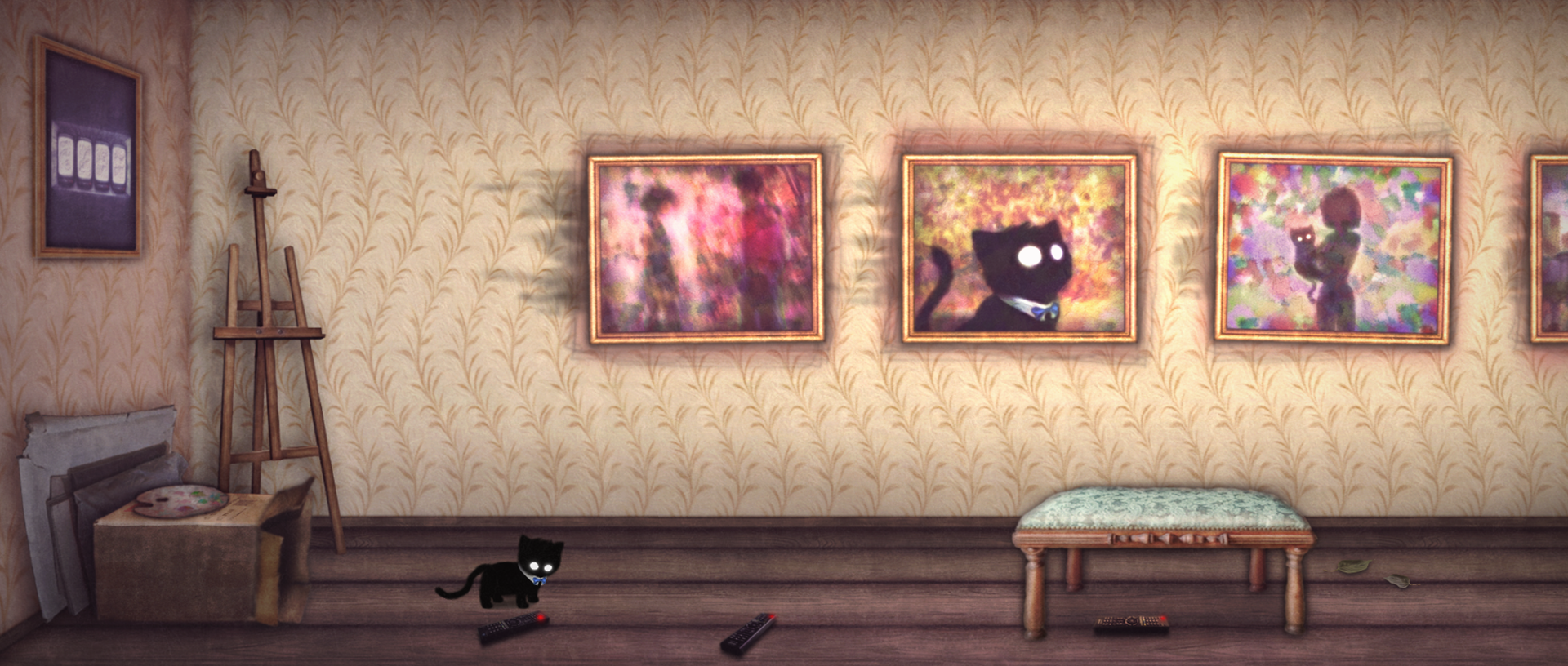
In the game, we descend into the strange, surreal dream world of Inky, a house cat. As you play, you will slowly peel back the layers of Inky’s past and his complicated relationship with humans.
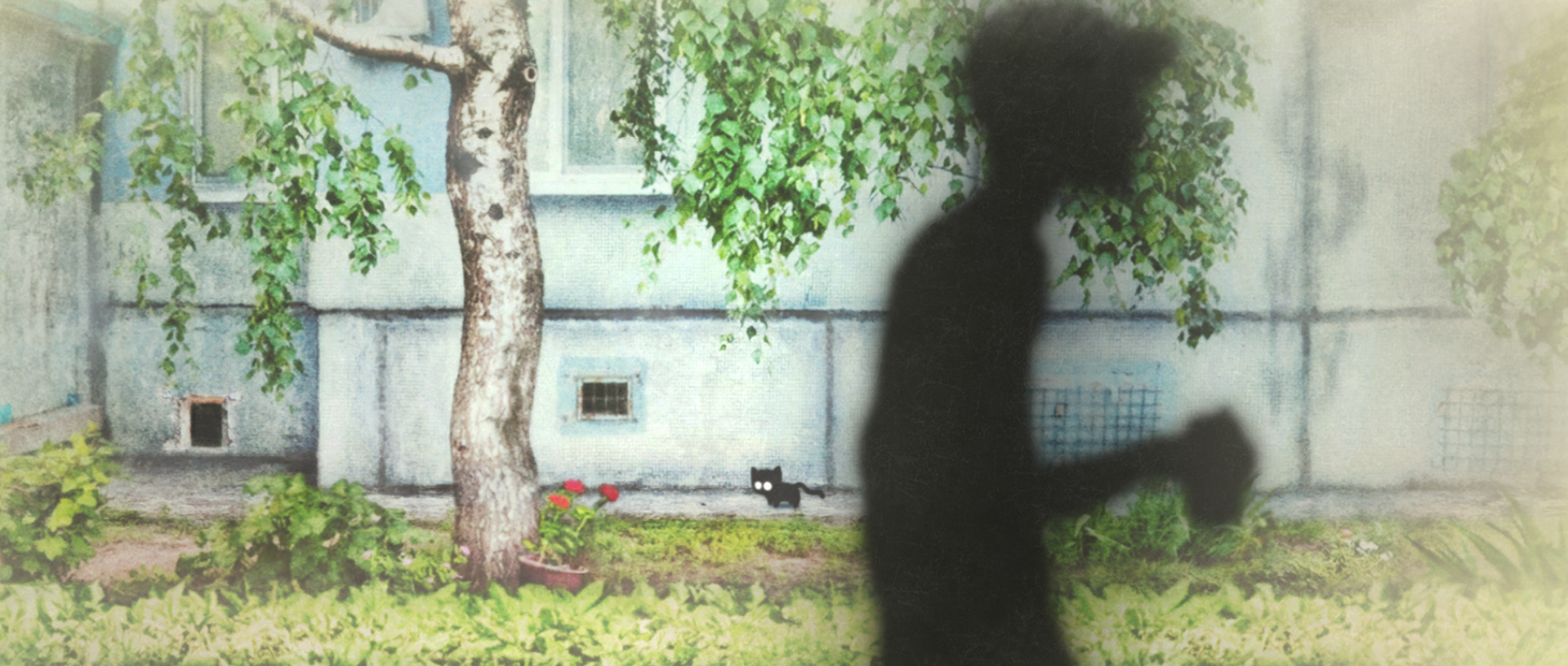
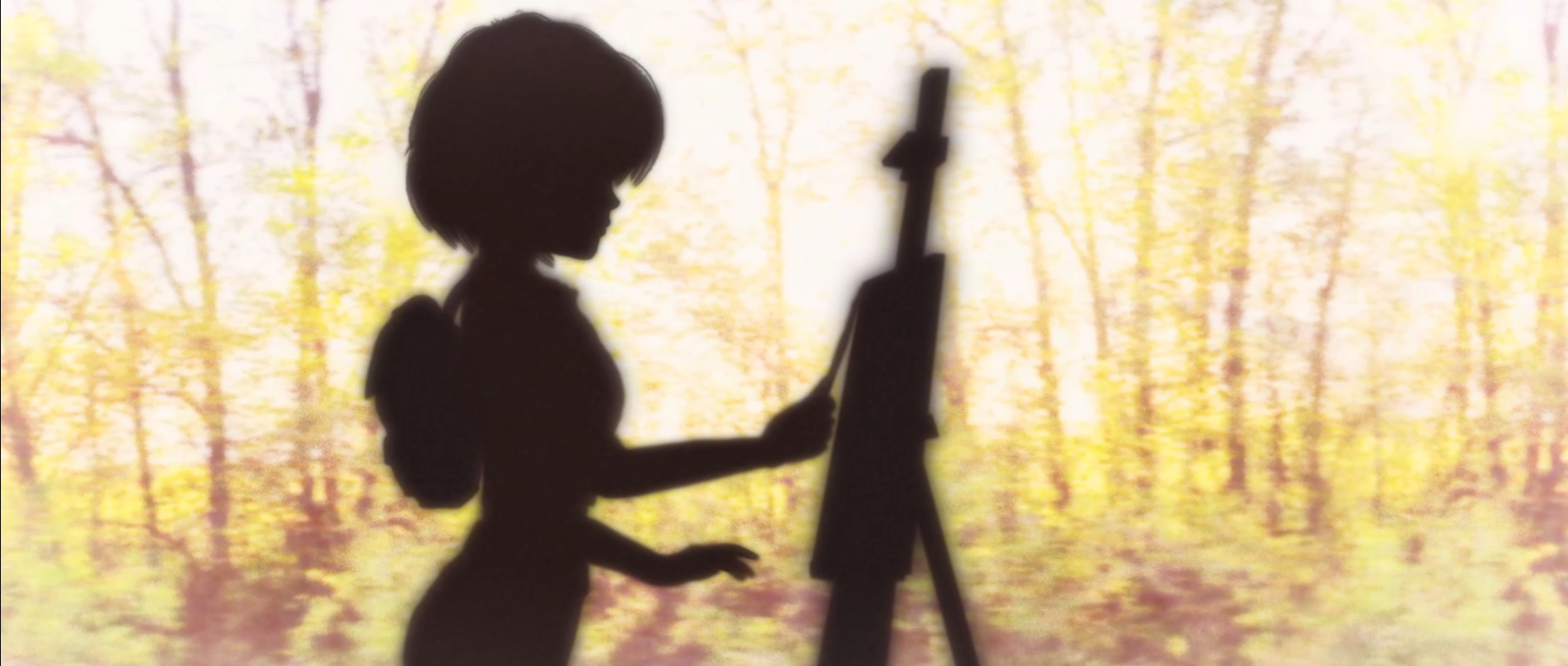
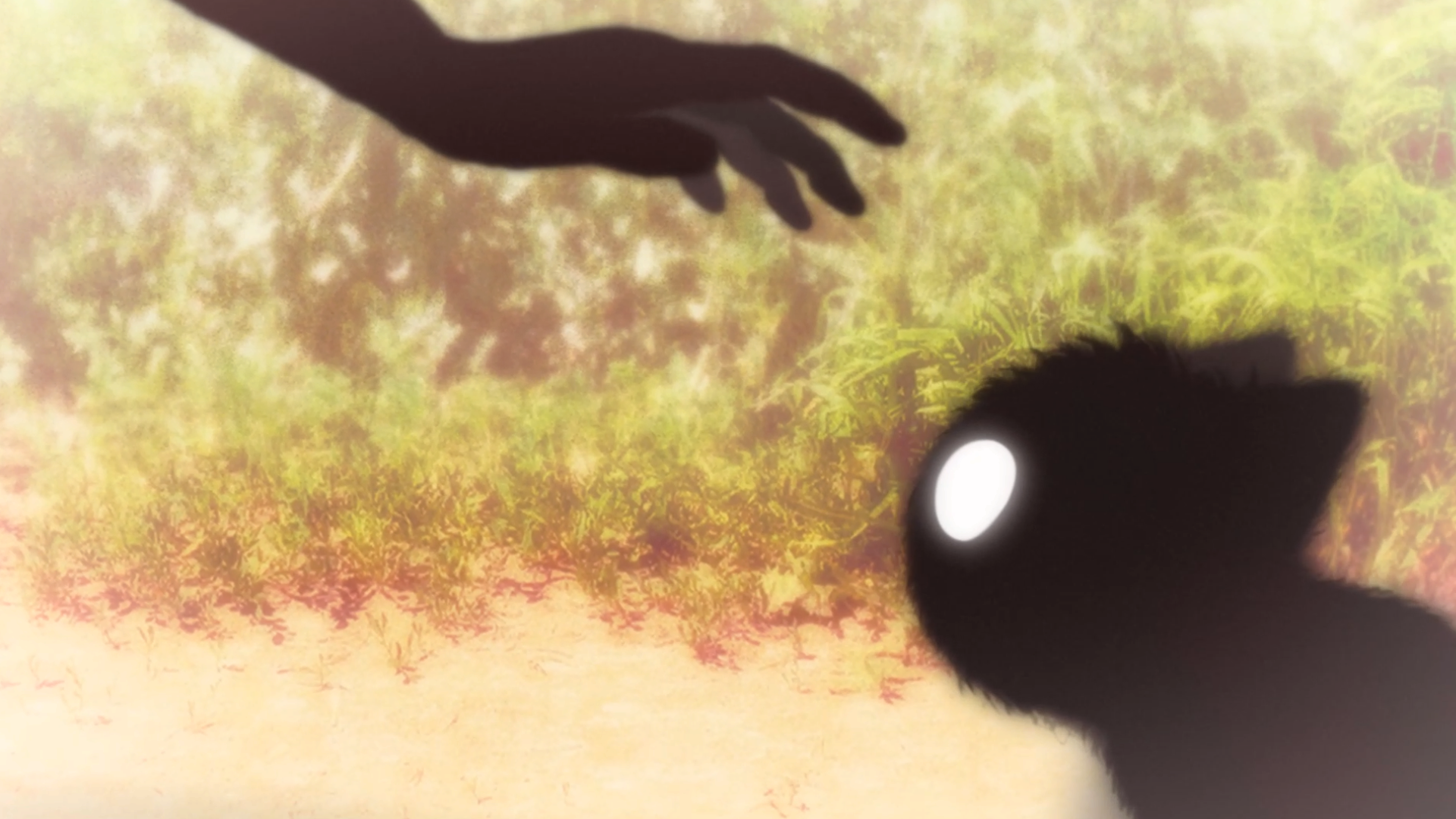
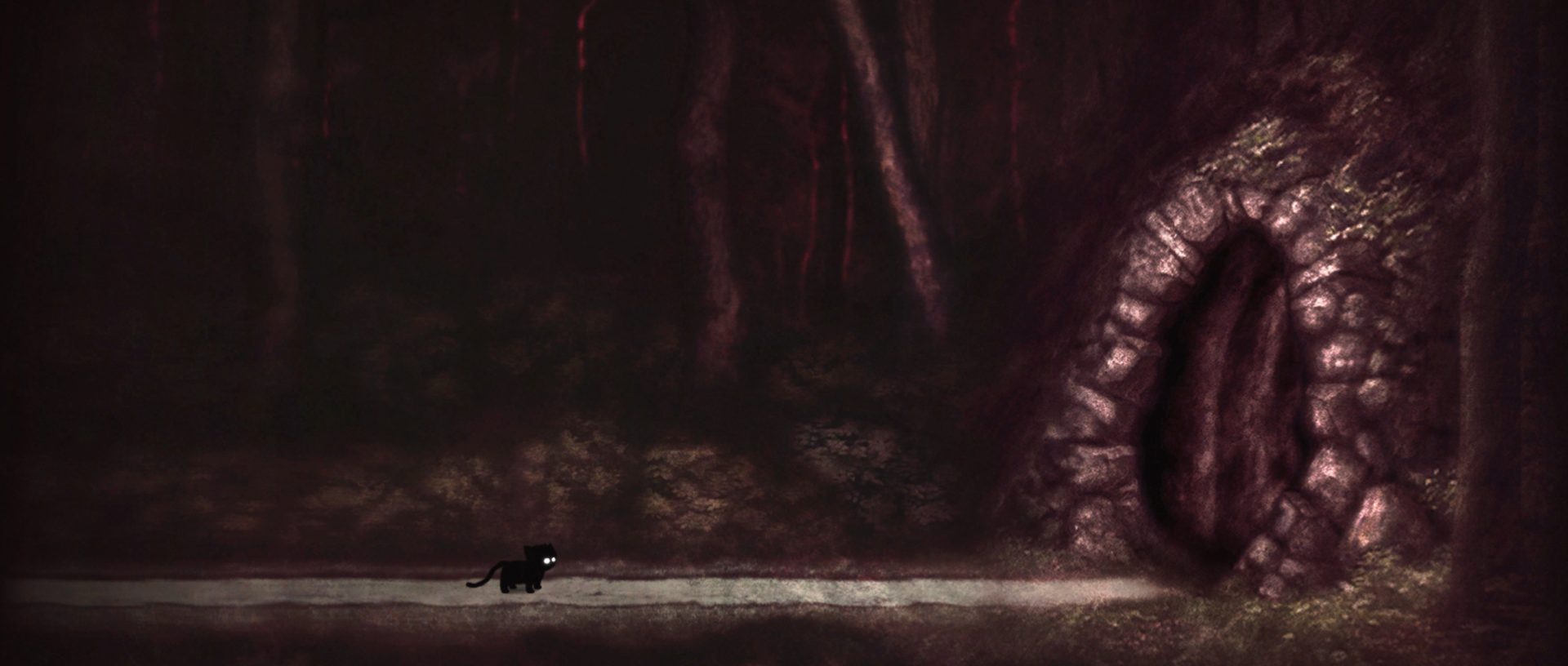
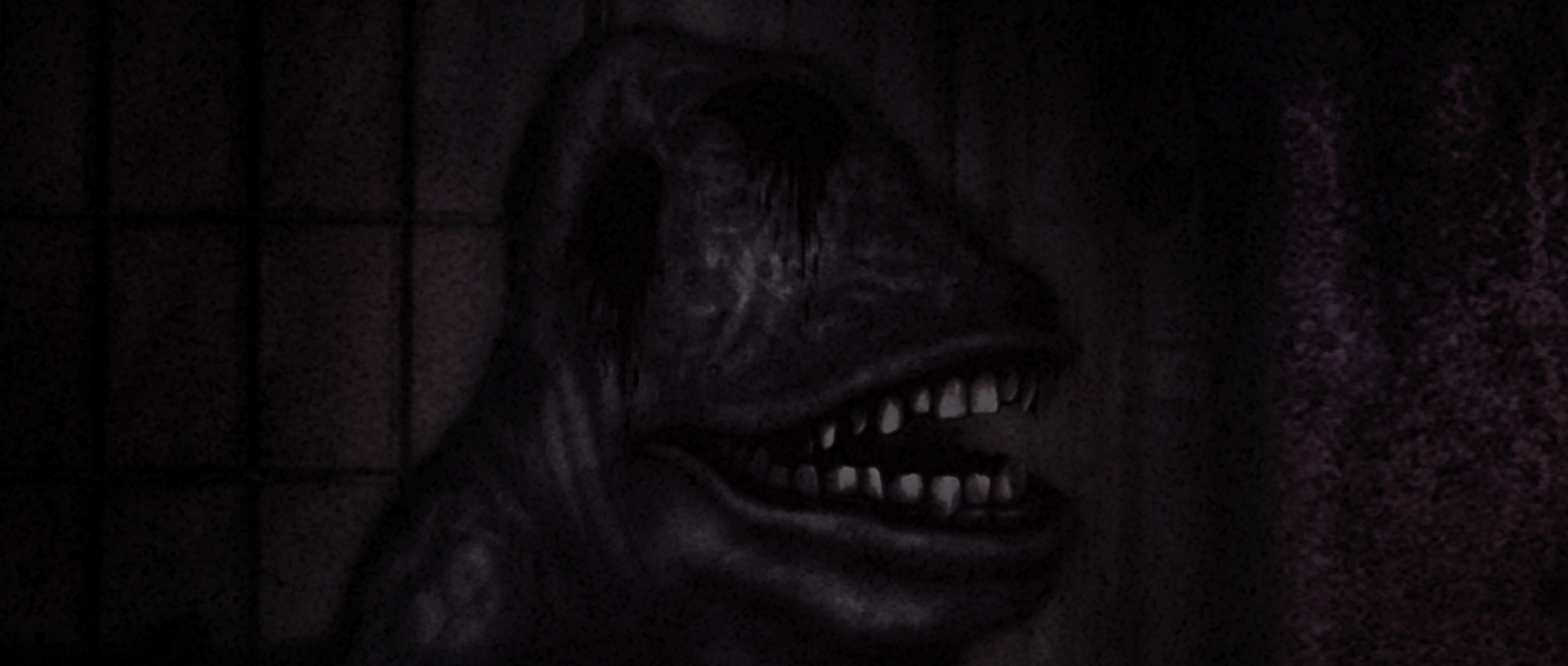
Inky must make his way deeper into a dream teeming with terrifying monsters and find three missing artifacts for Balamut, a gorilla-like creature with a cat’s head who promises to rid the dream of a darkness that has crept in from the outside. To complete this task, the player must guide Inky through psychedelic environments, solve puzzles, and occasionally run from or hide from monsters.
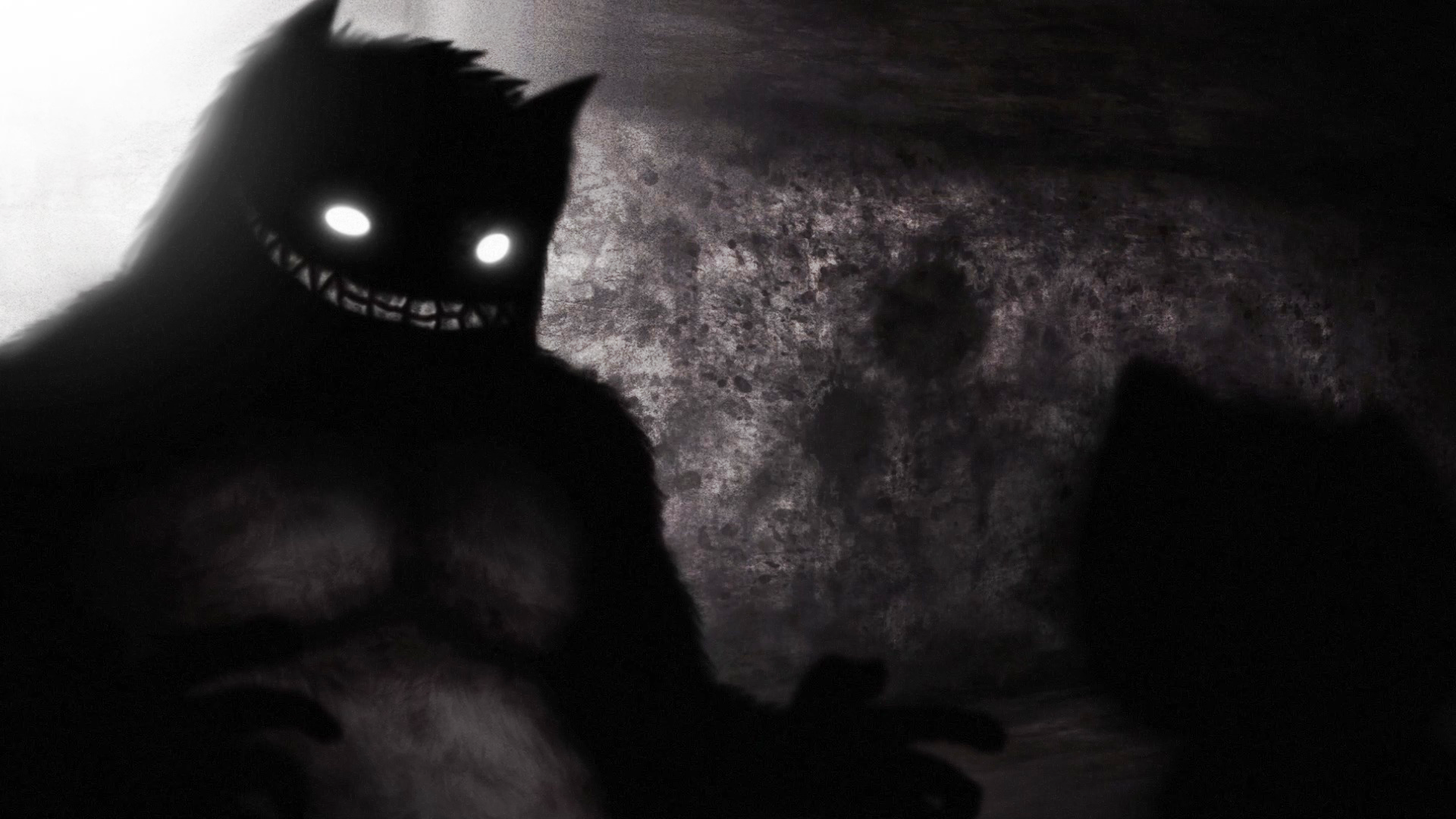
When it came to gameplay, I wasn’t trying to reinvent the wheel (this is my first game made in Unity, after all). Instead, as with my previous projects, I tried to find an unusual and engaging mix of simple, somewhat old-school mechanics, all built around straightforward controls. I did a lot of experimenting with pacing. For example, the game isn’t always neatly divided into quiet puzzle sections and action sequences. These elements often unexpectedly overlap, keeping the experience unpredictable.
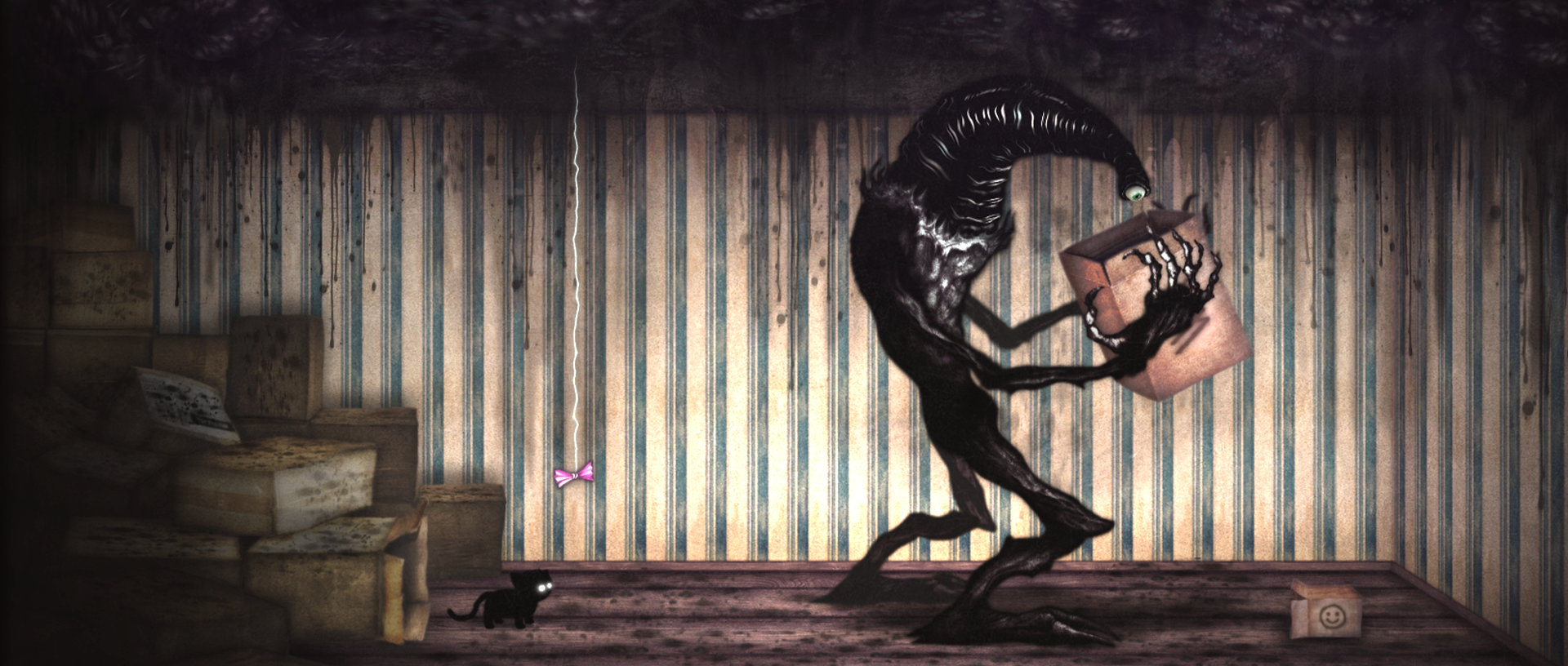
Working in audio production allowed me to pay special attention to one of horror’s most important elements: sound. My main inspiration was the early work of Eric Brosius on the Thief series. My game certainly isn’t a large-scale immersive stealth game, but I’ve always been fascinated by the ambient soundscapes and exaggerated sound effects in those games. I felt that this kind of dark, dense sound would suit my game’s atmosphere, but it needed something to soften it a little.
That’s where Stewart Keller came in. His musical themes not only bring out the personalities of the characters, but also have a hypnotically light, floating quality that creates a lovely contrast with the game’s heavy sound design.

I’ve drawn inspiration from quite a few different sources while making this game. I’ve already talked about some of them, but I think it’ll be more interesting to explore the rest in more detail after release.
For now, all I’ll say is that my guiding principle throughout development was to make a game I’d want to play myself. Something unusual and strange, something I might stumble across by chance while browsing Steam late at night, all alone.
Inky will be going to sleep in just a few weeks. Thanks for following along, and see you soon!
Tim