
Hello everyone 👋,
We've said it in nearly every devlog so far: nothing in Thveit simply appears on a shelf. A loaf of bread starts as a field of rye. A mug of mead starts as a row of barley. A warm coat starts as a sheep in a pasture. This time we finally sat down and walked the whole economy from field to table - and it turned into one of our biggest devlogs yet.
Today we'd like to share a look at how Thveit's production chains actually work, from the crops your farmers grow, to the buildings that turn them into something a settler can eat or wear, all the way out to a choice waiting for you at sea.
The Land Provides
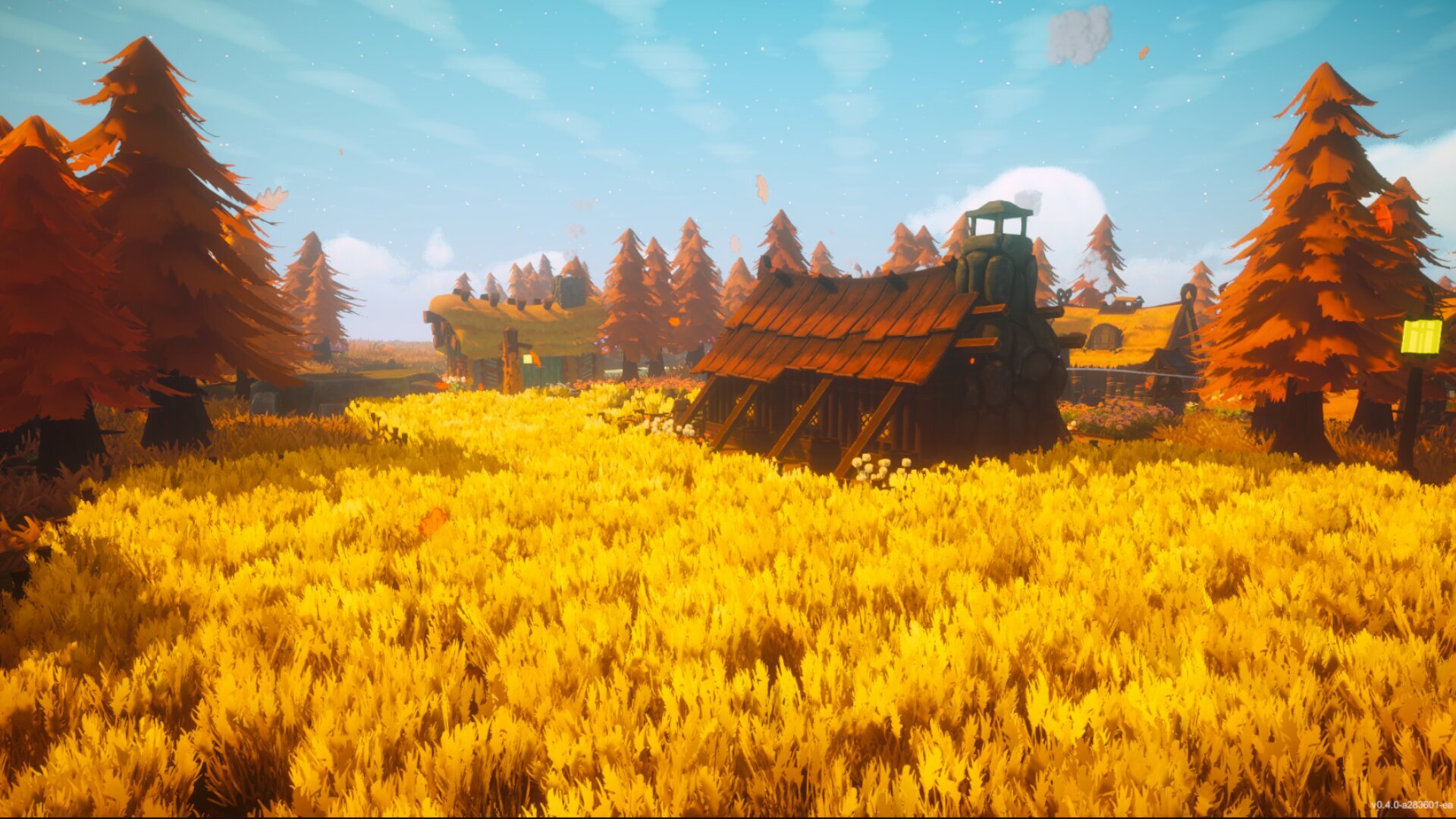
Farming itself follows a full cycle, not a single click. Fields need to be plowed and sown before anything grows, tended throughout the season as crops develop, and finally harvested by hand once they're ready. Miss the harvest window, and a field can spoil before it's ever brought in - which is part of why a settlement's first few farmers tend to become some of its most valuable settlers early on.
Right now, Thveit's crops include:
Rye - the backbone of bread and one of the most reliable grains to grow.
Barley - flexible enough to become drink or feed, depending on what your settlement needs most.
Oats - a hardy crop that keeps both animals and settlers fed.
Carrots - a simple root vegetable that turns any dish into something more filling.
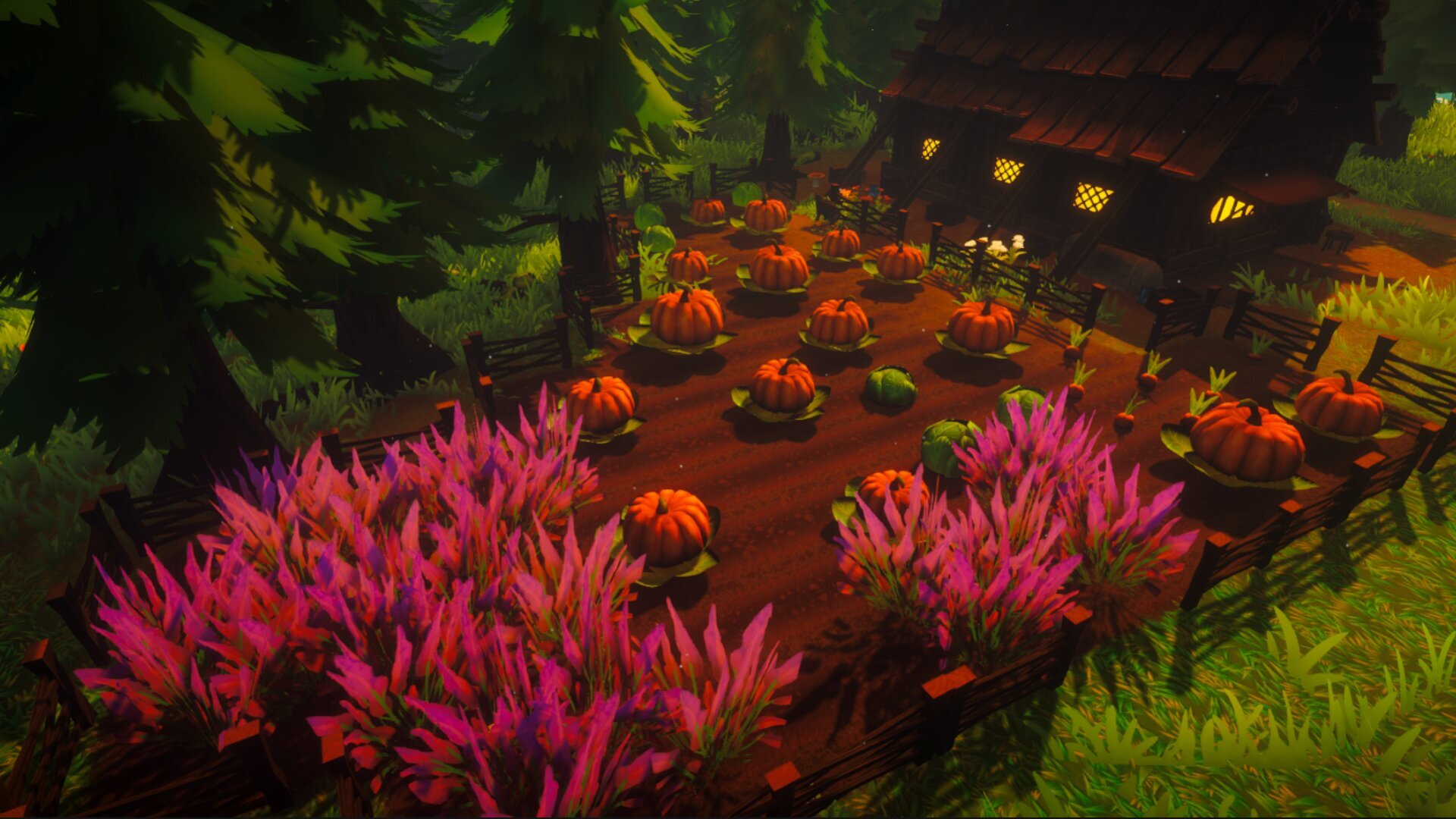
Pumpkins - slow to grow and take up more space than most, but a single successful harvest yields enough to be worth the wait.
Cabbages - a dependable staple crop that stores well through the colder months.
Lavender - the odd one out. It isn't food at all, but a cash crop grown for its value on the trade table rather than anything it puts on a plate.
Part of the early game is simply finding enough open, flat ground to farm on, and deciding how to divide that space between the crops your settlement needs most.
From Rye to Bread
Bread is the clearest example of how a production chain comes together. A farmer sows and harvests a field of rye, a miller grinds it into flour, and a baker turns that flour into loaves ready to feed your settlement. Three buildings, three professions, and a fair bit of walking, all for a single loaf. Rye becomes flour. Flour becomes bread. It's a small chain, but it's the pattern behind almost everything you'll produce in Thveit.
Barley's Two Futures
Barley is where the real choices start. Send it to the brewery and it becomes beer for a well-earned evening at the Meadholm. Send it to your pastures instead, and it becomes feed that keeps your livestock healthy through the year. Barley isn't infinite, so every sack you brew is a sack your animals won't see. Which path you lean into says a lot about the kind of settlement you're building.
Introducing the Eldhus
Oats, carrots, pumpkins, and cabbages all flow into the Eldhus - our name for the settlement's cook-house. Unlike other chains, you choose the recipe yourself, and every dish that comes out of the Eldhus gives your settlers a comfort boost. We're also planning for finished dishes to travel onward to festivals and larger settlement gatherings.
Wool, Cloth, and a New Building: Woolholm
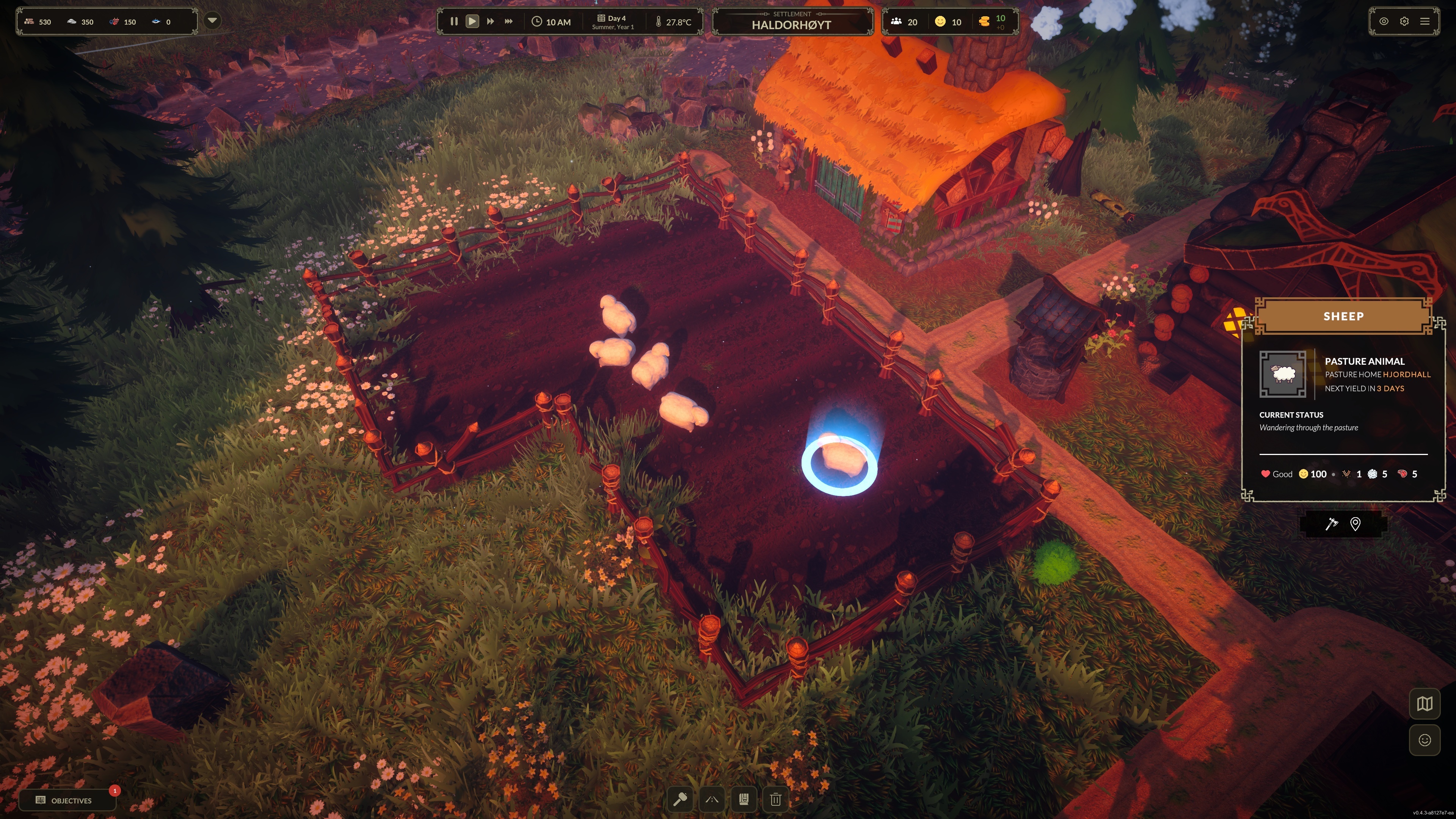
We touched on sheep briefly when introducing Thveit's settlers, but we hadn't shown where their wool actually goes. Once sheared, it's spun into cloth and carried to Woolholm, a building we haven't revealed before, where tailors turn it into seasonal clothing - lighter wear for summer, heavier layers for winter. A settler without proper clothing risks freezing once the snow arrives, so a busy Woolholm matters just as much as a full granary.
The Whale's Choice
Further out past the fishing docks swim whales, and how your settlement treats them is one of the more consequential decisions we're building into the game.
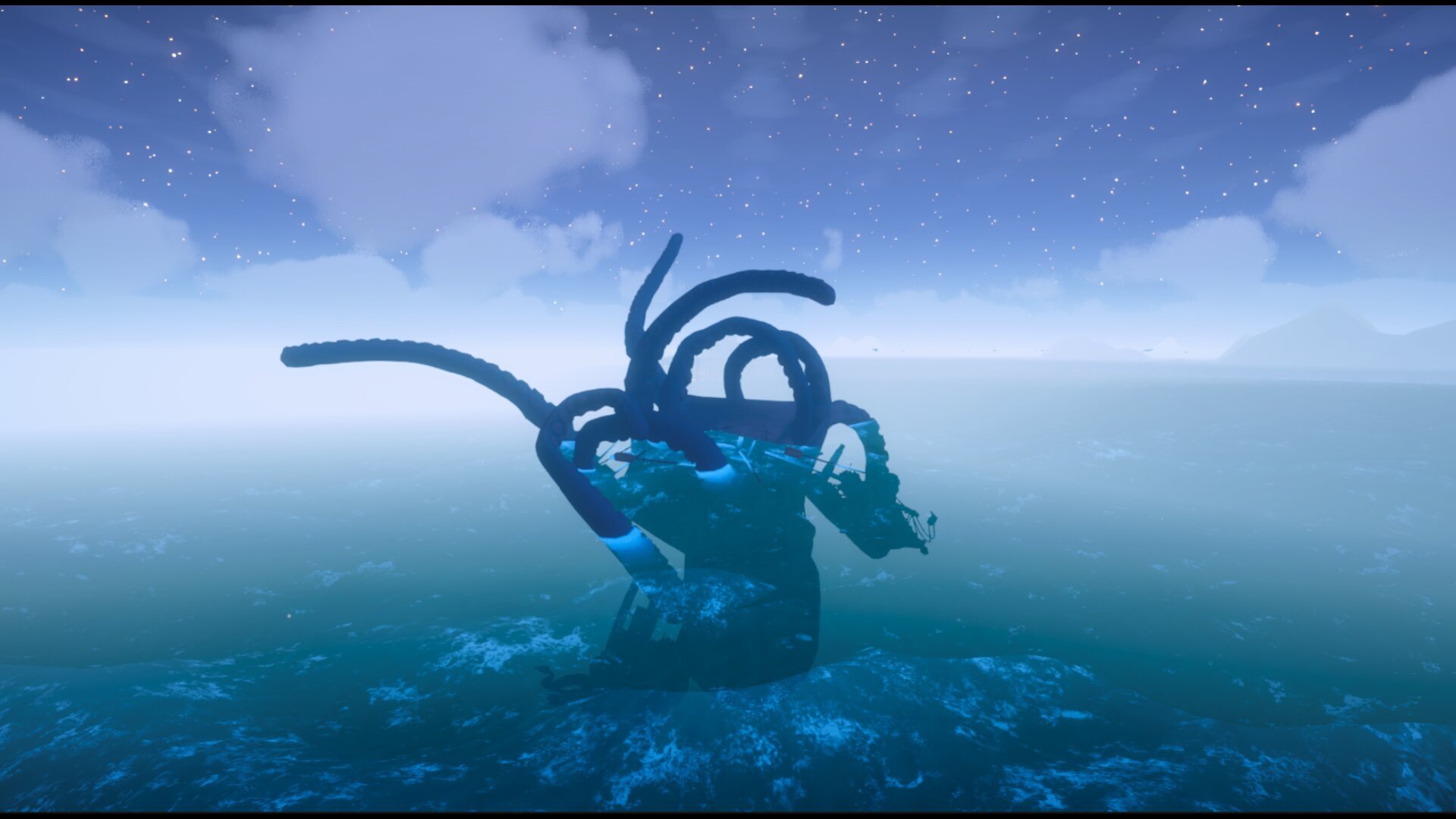
Hunt them, and for now that mostly means profit - meat for your settlement, and a good price at the trade table. But whales, like everything in the sea, belong to Njord. Hunting them angers him, whether or not you've ever worshipped him at all, and the Kraken may make you pay for it on your next voyage. Leave them be instead, and over time they'll grow bolder - surfacing closer to shore, and on quiet nights, you might even hear them sing. Settlements that keep the peace long enough will earn a permanent badge of Njord's favor, granting passive benefits like safer seas, happier coastal settlers, and better fishing yields.
A single, repeatable choice, and one that can shape your settlement's relationship with the sea for the rest of the game.
Looking Ahead
There's plenty we didn't have room to cover here - timber and stone construction, tools, foraging at Herbsholm, fishing and livestock, and trade routes for goods like lavender. We'll keep expanding on all of it in future devlogs.
Which part of this economy are you most looking forward to building? And when whales finally arrive off your coastline - will you hunt them, or protect them?
📖 Read the full devlog:
https://www.thewintercats.com/blog/farming-and-production-chains
Thank you so much for reading and supporting our journey. We hope you enjoyed this look into how Thveit's economy comes together, and we can't wait to share more in the next devlog. If you haven't already, wishlisting Thveit is the best way to follow along
— Winter Cats Studios