Hello everyone!
It's been a very busy week at Wired Productions HQ with the launch of DON'T LIE. It's been a treat to read your reviews, discuss your feedback, see your streams and screenshots - it's what makes our jobs so fun and rewarding. I want to take this moment to thank all of you who have played so far, your support means so much to us.
Incoming Hot Fixes
Here's a list of fixes dropping today!
The Dodomeki's inability to climb the stairs in the Japanese house within the retro zone has now been fixed.
The player can now open the settings tab with LB and it will close as intended.
Miki-chan's VO is no longer missing in the final big TV.
Keys will not reset to 0 if you skip chests.
Also, to celebrate this day, I'd love to share with you some more concept art from one of the scenes in the game. This concept art was created to plot out the positioning. both physically and narratively. This scene focuses on our titular character Junko and an interaction with Hideo.
Take 1, and...ACTION!
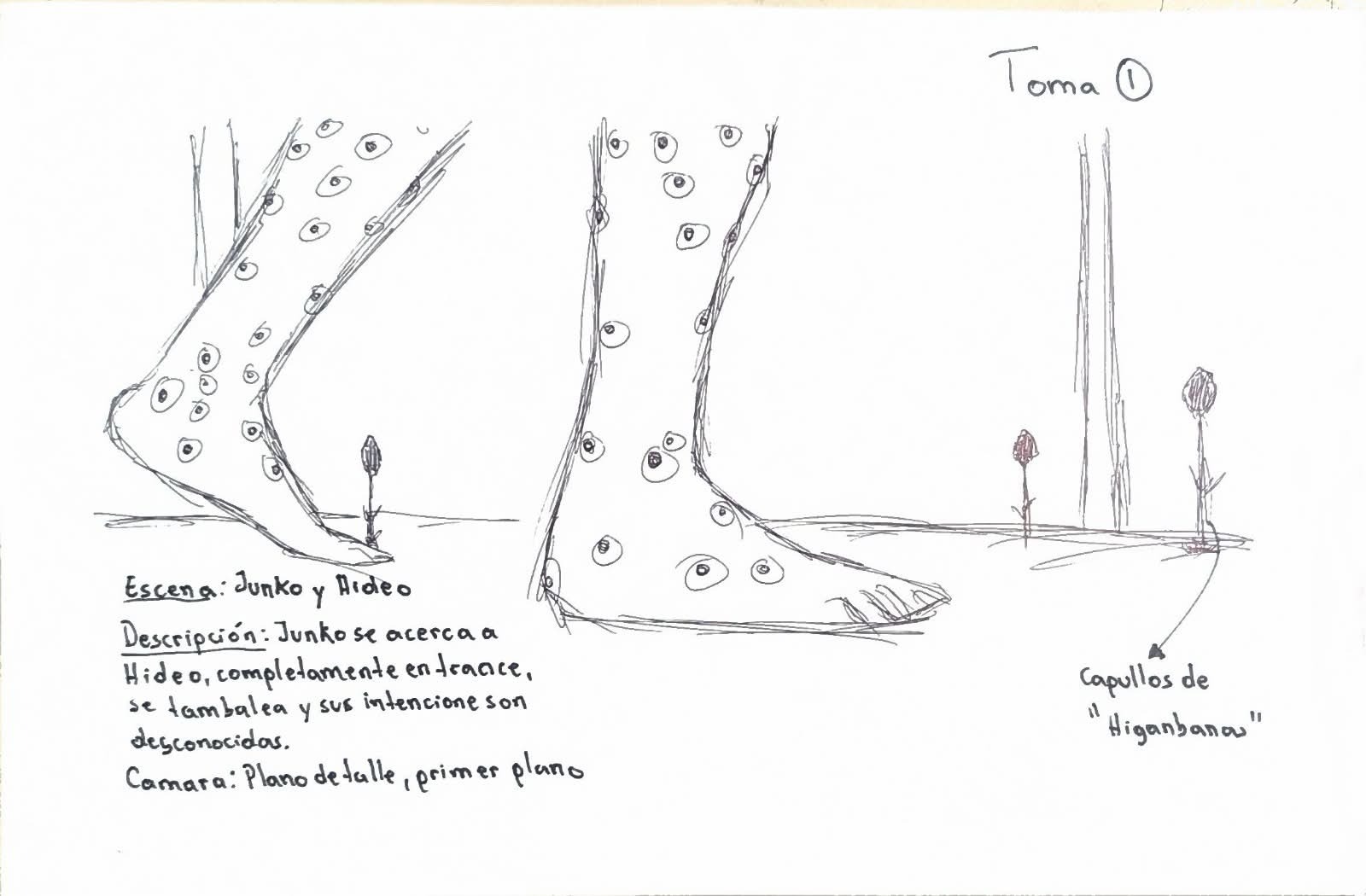
Here you can see the team opted to focus on the Junko's footsteps here. This better showcases her stumbling around and feeling out if control. There's also no facial expressions to give any indications to her intentions - so the audience doesn't know what to expect. This builds tension and keeps mystery front and centre.
The Significance of the Red Spider Lily - "Higanbana"
in this scene, the characters are accompanied by lots of blooming Higanbana. As well as being a beautiful colour that's a striking red - there's a deeper meaning to these flowers.
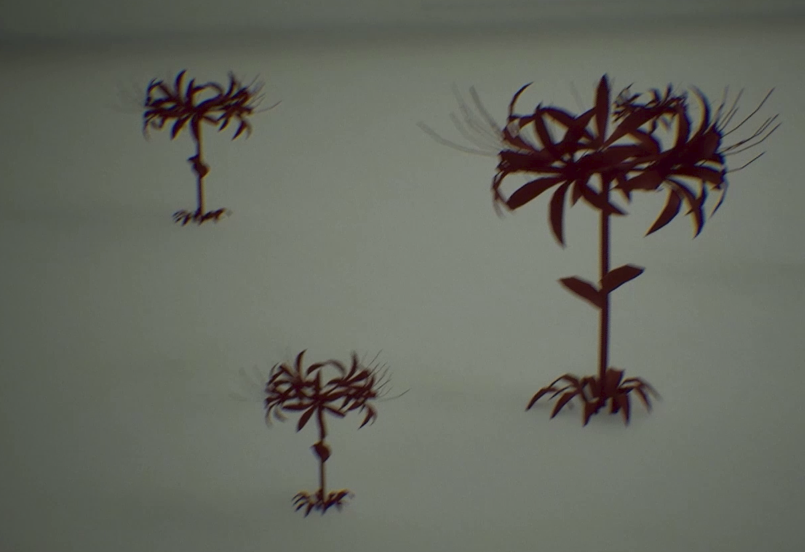
In Japanese culture - the Higanbana is tied to themes of death and mourning. The name is derived from the Japanese Buddhist Festival "Higan" - which takes place on the spring and autumn equinox. The red spider lily often features near graves or memorial sites, and is widely considered to be a memorial flower in Japan. The name also means "the other shore", which represents the path between the living and the dead. Knowing the symbolism of this flower in this scene makes it even more poignant and interesting.
TAKE 2
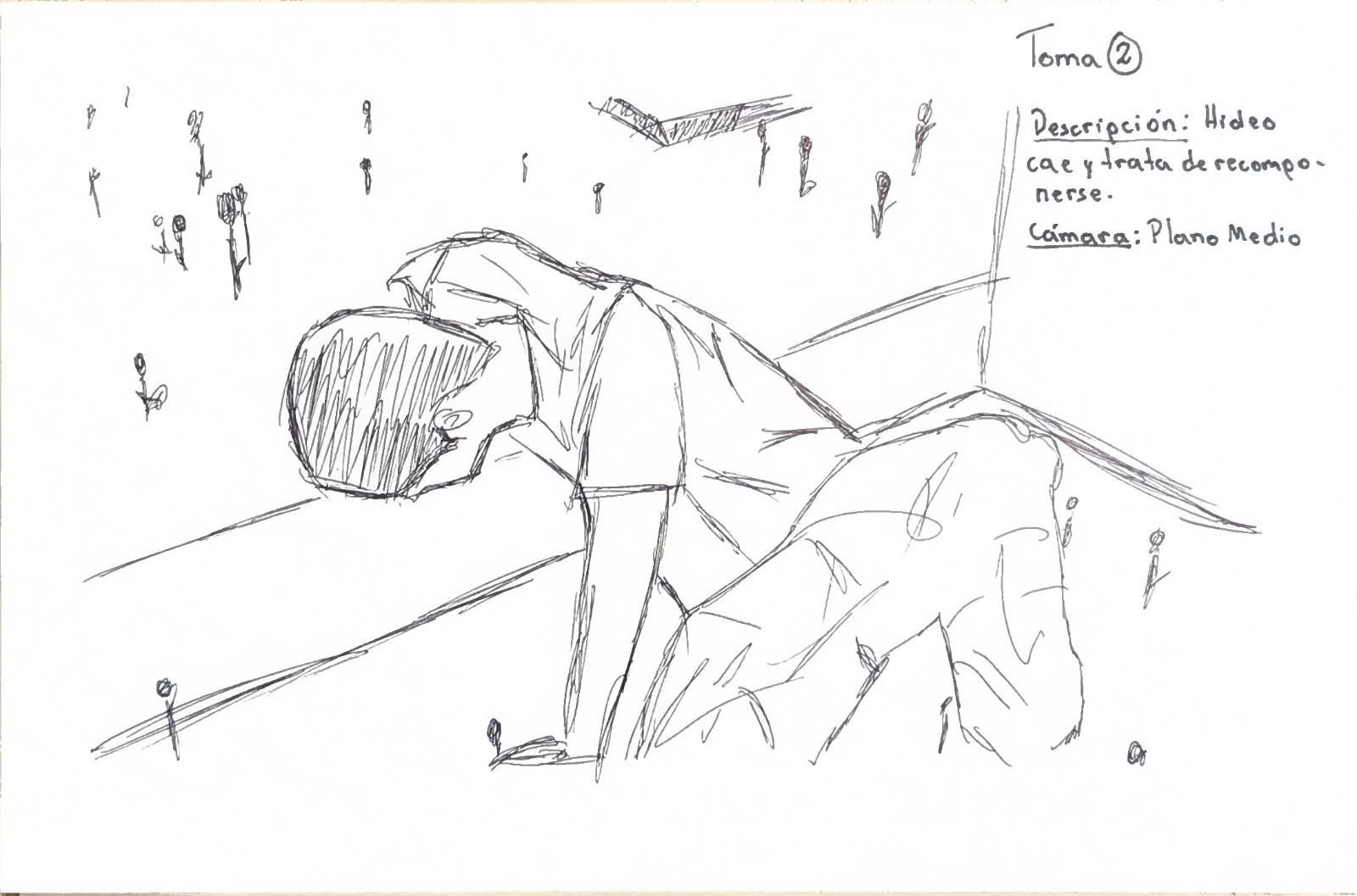 From Junko stumbling on the scene, we cut to Hideo, crouched on the floor trying to compose himself via a medium shot. The camera being above Hideo here symbolises his lack of control, as the audience are imposing on his space from above. It feels threatening and creates a lack of safety for Hideo.
TAKE 3
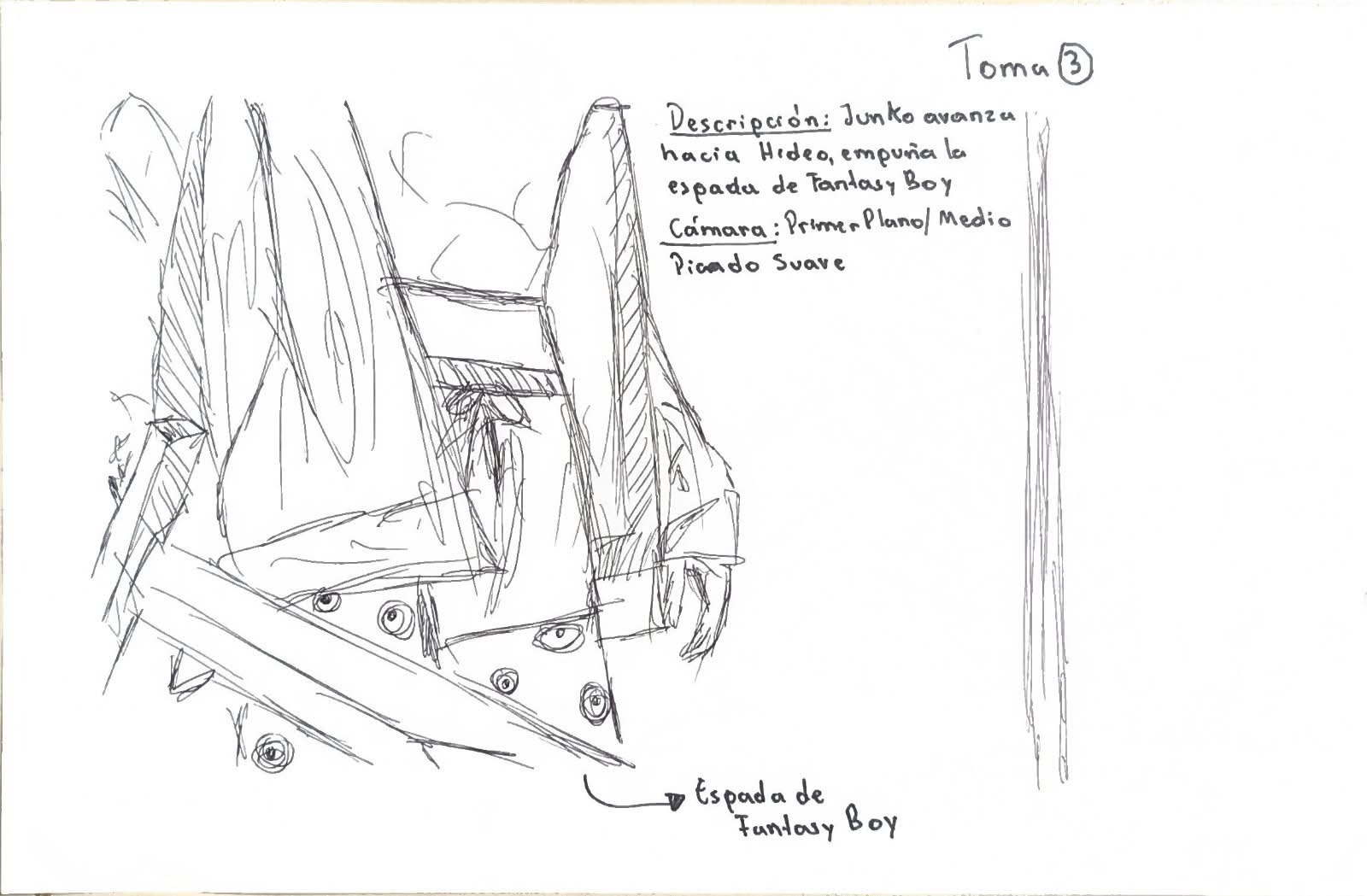 Here, we see Junko is towering over Hideo, clutching Fantasy Boy's sword. From this angle, we feel as if we are in Hideo's position. On the floor, with no where to run. It creates the sense of danger Hideo must be feeling for what might happen next...
As much as I'd love to share the full story all in one go, I figured I'd drop it in parts, just for fun.
To those who are yet to play, what're you waiting for? Don't you want to see the final scene for yourselves?
Check it out here: