Version: A.25.12.3
One of the core pillars of PAEB is procedural world generation.
Every match takes place in a new, non-repeating world.
At the moment, the game supports five different world generation types, and what you’re seeing in the videos is exactly how these worlds are built.
World generation in PAEB consists of several layers.
First, the game generates islands — their position, orientation, and overall layout in space.
This is the foundation of every match.
Each island then gets points of interest. I usually call them structures, but in practice they can be anything that provides loot, cover, or tactical positions.
On top of that, the world is covered with biomes.
Biomes never overlap and there are currently seven of them. Each biome comes with its own visual style, unique mechanics, additional risk, and better loot. I’ve already talked about biomes in previous posts, so here I’ll keep it short.
To move between islands, the game generates ziplines based on a set of rules.
A zipline can only be used from one side or the other — you can’t latch onto it from the middle. This makes positioning and route planning important during fights and rotations.
Loot itself is not scattered randomly.
All loot appears only in chests, and those chests depend on the island and the structure placed on it. Loot quality is directly influenced by the biome.
World Generation Types
The five generation types shown here focus specifically on how islands are placed in space.
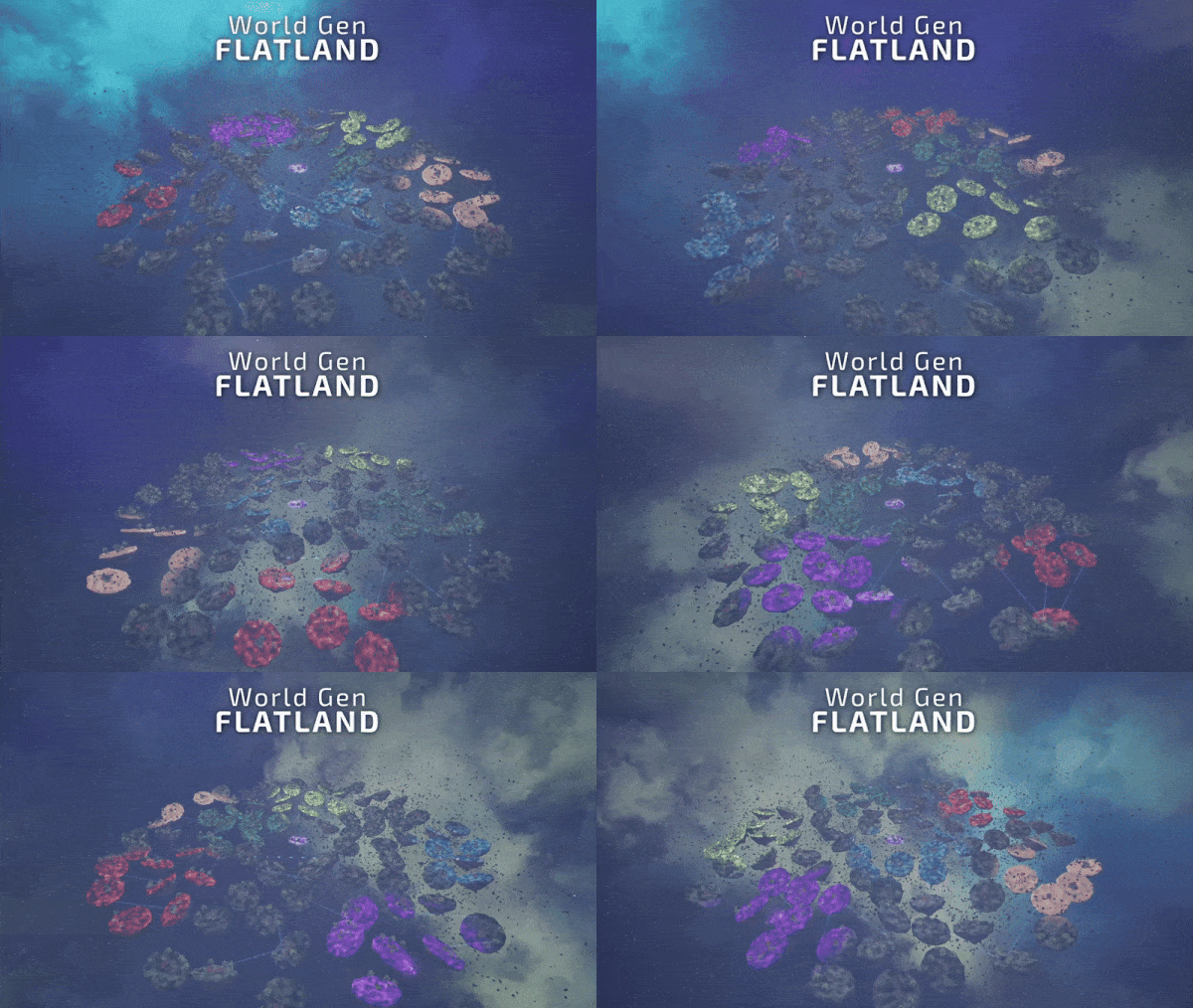
FLATLAND
This is the most familiar setup for players.
All islands are arranged roughly within a plane, though each island itself is slightly tilted.
Despite the name, nothing prevents you from flying under islands, approaching from unexpected angles, or hiding below them. Sound plays a huge role here — knowing where shots and movement come from is critical.
RING
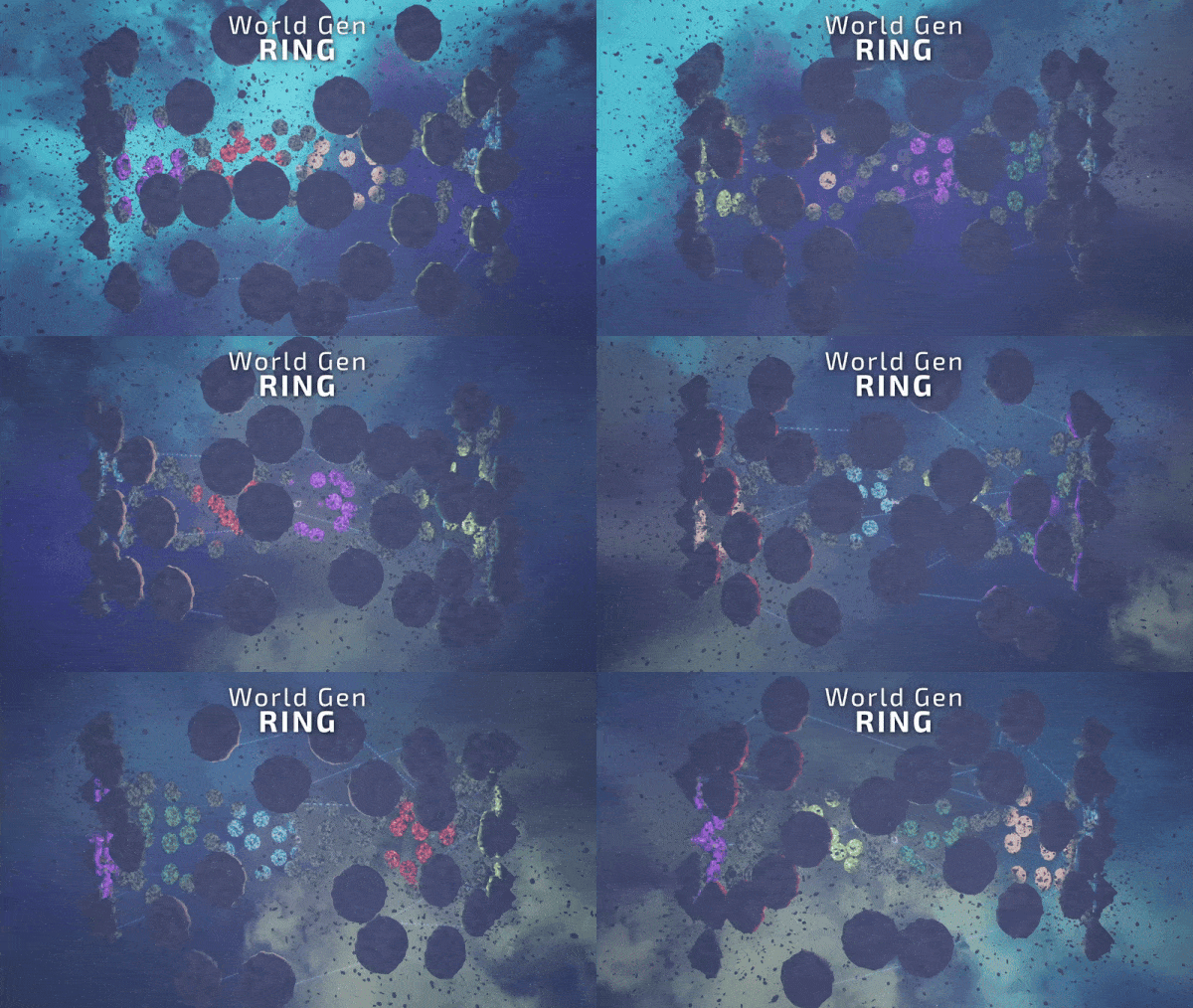
Probably the most controversial generation.
Islands form a large ring around a black hole. Landing safely often comes down to luck — if you choose the wrong spot, the zone may immediately force you to move.
In this setup, you almost always see other players, and they see you as well. You can fly straight into the black hole at the center, but you’ll sacrifice early loot. If players land on opposite sides of the ring, they may not meet until the final zone.
Yes, it’s risky. And yes, it’s intentionally unfair in some ways.
SCATTER
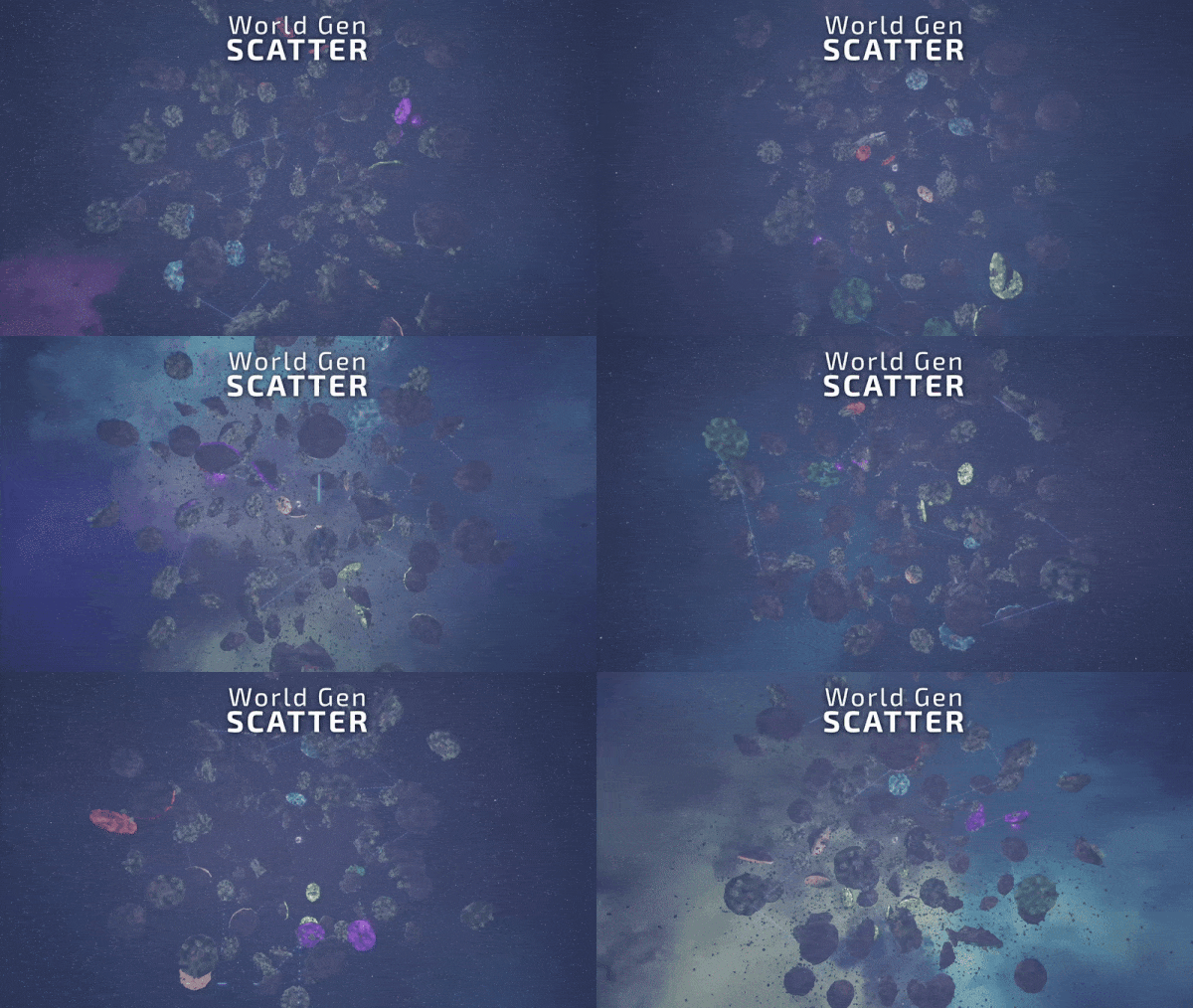
The first generation type I ever designed.
Pure chaos!
Island placement is almost entirely random, with only one rule — islands must not intersect.
Attacks can come from any direction, but you also have plenty of space to hide, reposition, or strike first. In the very first version, each island spawned three smaller ones nearby, which made the chaos even worse. I might bring that version back for a future playtest.
SPHERE
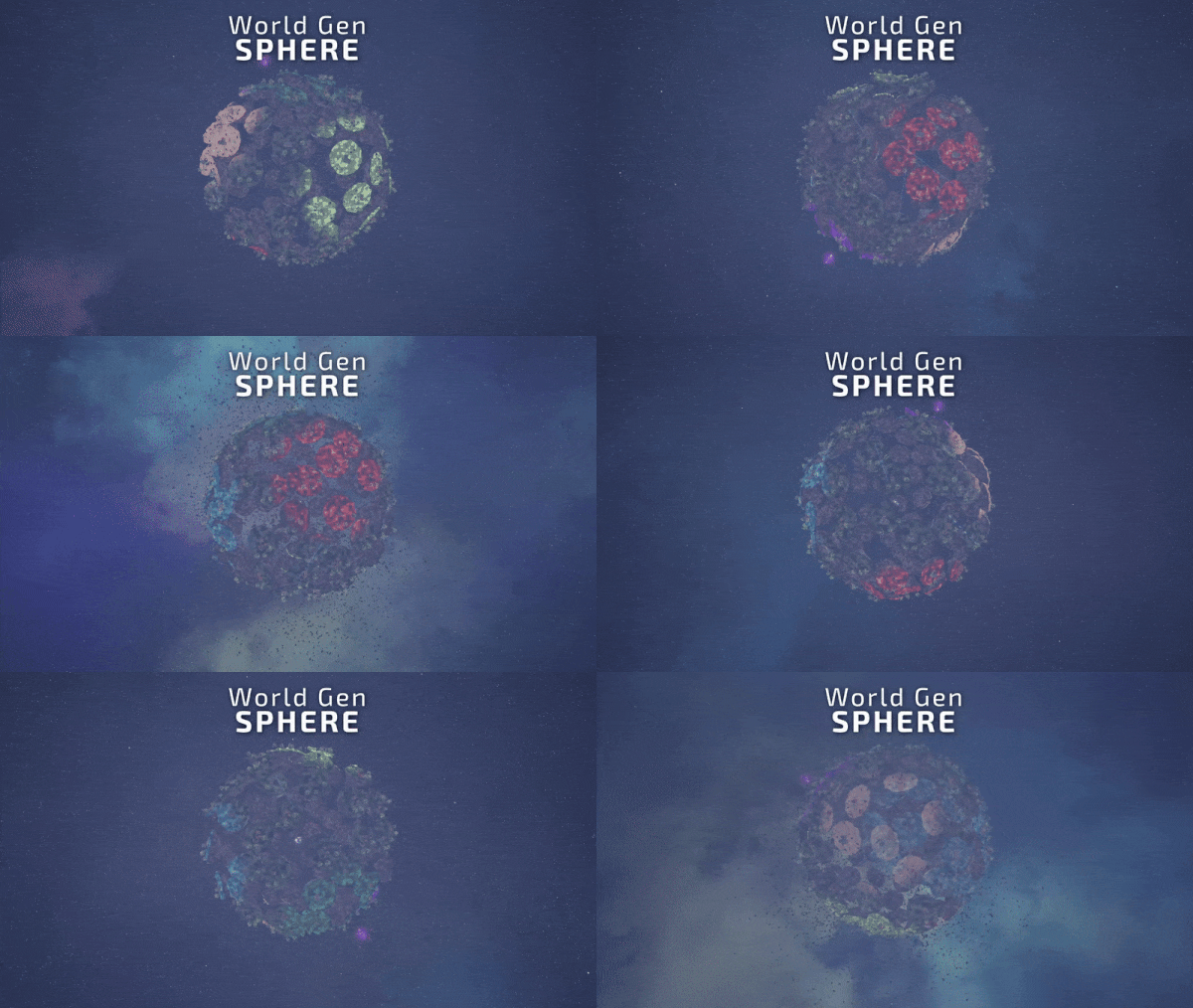
The densest generation type.
Islands form a sphere around a black hole, with very few ziplines. All islands are slightly tilted, and distances between them are short.
I expect this generation to produce the most intense fights right from the start.
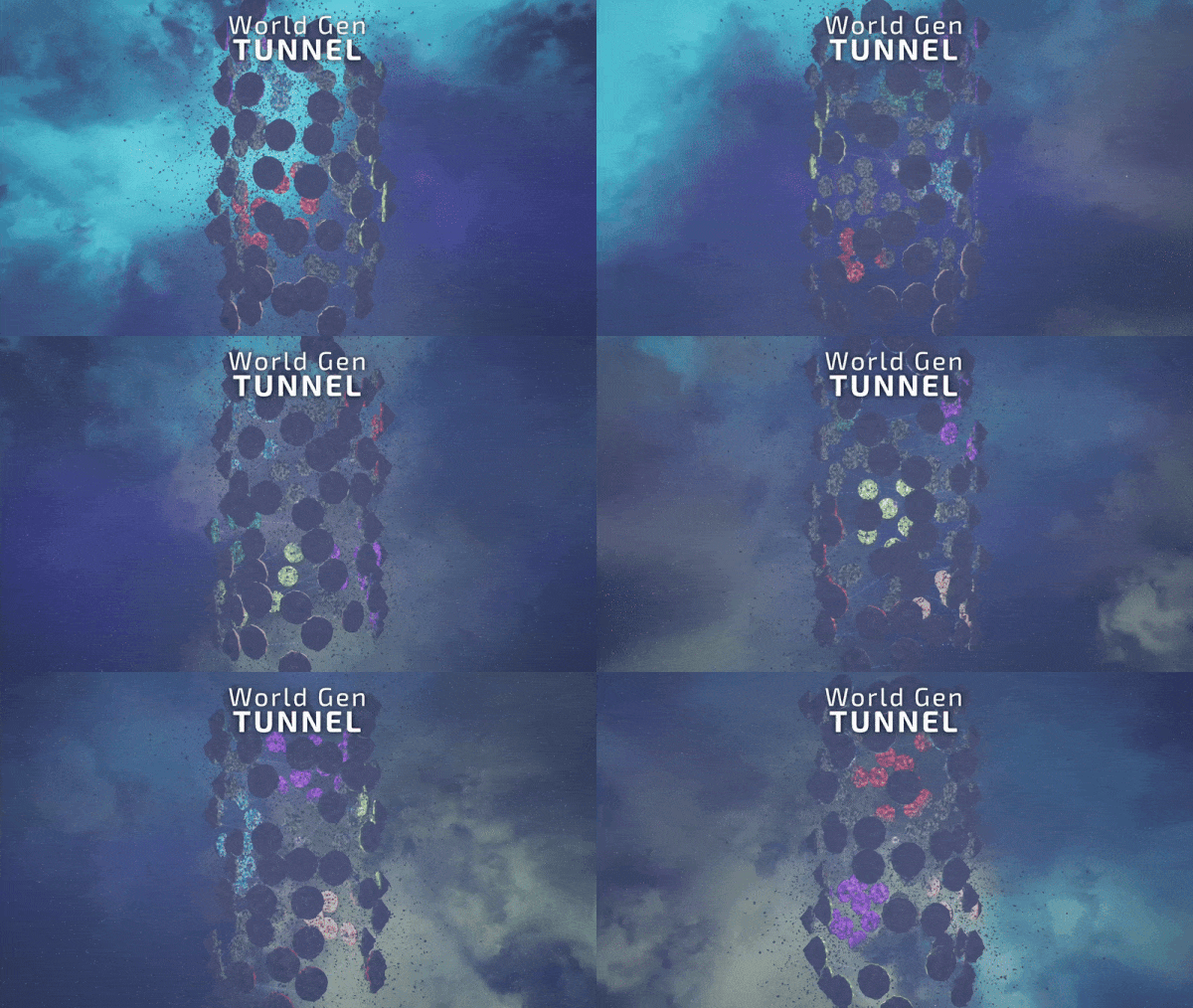
TUNNEL
At first glance, this one might look similar to RING, but it plays very differently.
From one island, you can look up and shoot at islands above you — not with every weapon, but distances are much shorter than in RING, which completely changes how combat feels.
In RING, landing on opposite sides usually means meeting only in the final zone. In TUNNEL, encounters are far less predictable. Like RING, it’s a debatable generation type, but it really needs to be played to understand its strengths, weaknesses, and strategies.
It’s also important to remember that PAEB features full 6DOF movement.
You’re not locked to the ground. Islands have local gravity and can be walked on, but movement gadgets and free-flight are a big part of gameplay.
For now, that’s everything about island generation.
I’ll continue breaking down other systems in future STATE OF PAEB posts.