
Update 3 is the biggest one this playtest has had, and almost all of it came out of your reports. Keep them coming — bugs, dull stretches, rules that read wrong. Thank you.
Also worth knowing: Ministry of Order is part of Tiny Teams 2026, running 6-13 August. The full story is on the main game's page.
Your build should now read Playtest 2.3 in the corner.
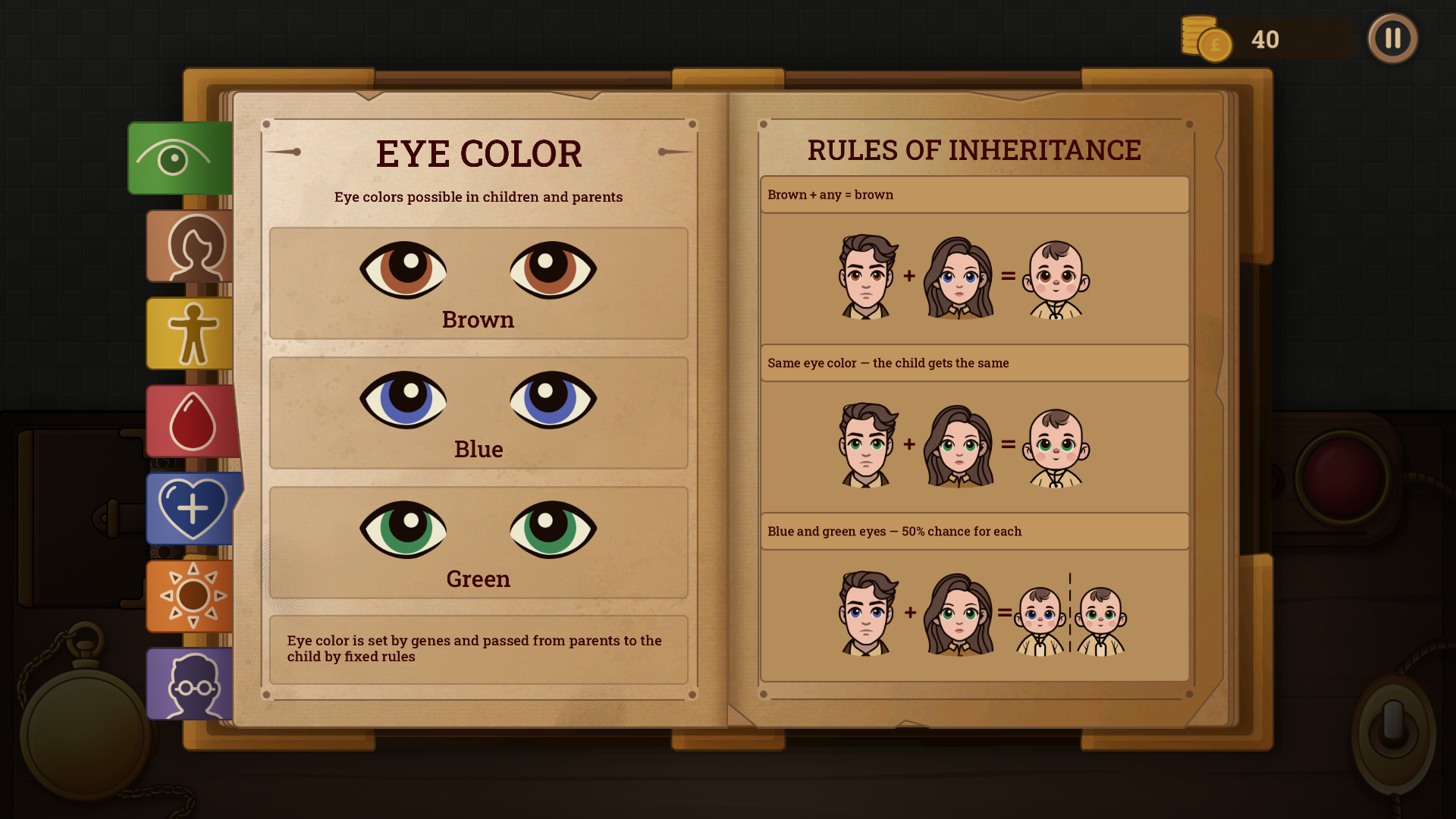
A new rulebook
All six spreads redrawn, and the printed rules rewritten from scratch.
The cases that override the rules — a colour hidden behind glasses, a bald or grey parent — now have a spread of their own, "Hidden signs".
A page you have never opened sticks its bookmark out of the closed book, and pressing the book opens it there.
The game speaks German
The whole game — interface, letters, newspapers, radio and every character. Pick it in settings. A native speaker has not proofread it yet, so if you find problems in it, do write to us.
An act now has an ending
The last day of an act no longer drops you straight onto the end screen. A summary opens first: one page for each character whose story you closed, and a closing page naming the kind of official you turned out to be.
Day one has no clock
The first shift is now 10 fixed rounds instead of a 90-second limit, so you can learn the table, the book and the tag without a timer running. Edmund warns you on the morning of day 2 that the watch starts counting minutes. Hints work differently too: the cursor now shows what you can use and what you can read, and a prop you need lights up by itself the first time.
The puzzle plays fair now
Freckles. The rule the game graded you on was not the rule printed in the book. In a rare case that left you with two identical-looking babies and a coin flip. Freckles are now a plain count of the parents, exactly as the page states.
Two book rules contradicted the puzzle — the "different values" lines for eyes and skin, and the glasses letter telling you to read family eye colour off the other parent.
Names no longer repeat inside a single game day, and the pool has doubled.
Evenings
The radio survives the door. Answering a knock used to kill the music for the rest of the evening; now it ducks and comes back — and six of your evening visitors have something to say about what you left playing.
Agatha now tells you what agreeing is worth before you decide. And testifying against a neighbour buys you someone who remembers it.
You asked for shorter state radio broadcasts, so they are about a quarter shorter.
Also in this build
The letters explaining glasses, grey hair and bald heads now arrive on the same day as the traits they explain.
A character's name is revealed at the line where they actually say it, and stays revealed.
One-time expense rows were redesigned — the deadline was being read as a daily charge.
Day music is now a single looping track instead of the adaptive one. Tell us whether the day reads better or flatter without it.
The pocket watch closes its lid when an overlay pauses the timer.
Audio mutes while the game window is out of focus.
New splash logos, a proper back view for Marcus as he walks off in the morning, and a typography and English pass over the whole game.
Fixes
The day timer kept running behind an open rulebook or mistake sheet. Three paths did this; all fixed.
An old mistake sheet could stay stranded on screen.
Space re-pressed the last object you clicked — in the evening room it flipped the light switch and the radio.
Rulebook bookmarks were not drawn as selected, and page clicks could dead-end.
A day without eye colour could take the day screen down on load.
Day 4 hitched mid-round on a missing texture pre-warm.
The hidden Morse messages decode again.
An empty knock no longer interrupts a broadcast you are still listening to.
On the day-4 crash
One of you reported a crash on day 4. We could not reproduce it — a fuzzer ran through hundreds of thousands of generated days and came back clean — so instead we hardened five silent failure paths around it and added logging. If it happens to you again, tell us what you were doing; it is now far more likely to leave a trace.
Performance
Less VRAM on always-loaded textures, no per-frame work from the street lamp once it goes dark, duplicate assets removed.