
Hi everyone,
“An army marches on its stomach”. Waging a successful military campaign is more than just your soldiers – you need to think about your logistics too.
In today's devlog we're breaking down those logistics and the economy: how armies stay supplied in the field, how the faction economy is managed behind the scenes, how resources physically move across the world, and how it all comes together.
You can also check a video version of this devlog here:
Army Storage System
So, how are your supplies delivered to your troops? They aren’t instantly teleported from one place to another, they’re delivered via the army storage system.
Every army draws from a supply hub. In the example we’re using in today’s dev log, it’s the city of Carthage. Through that connection, the army receives food, equipment, and other goods, staying supplied as it moves and fights.
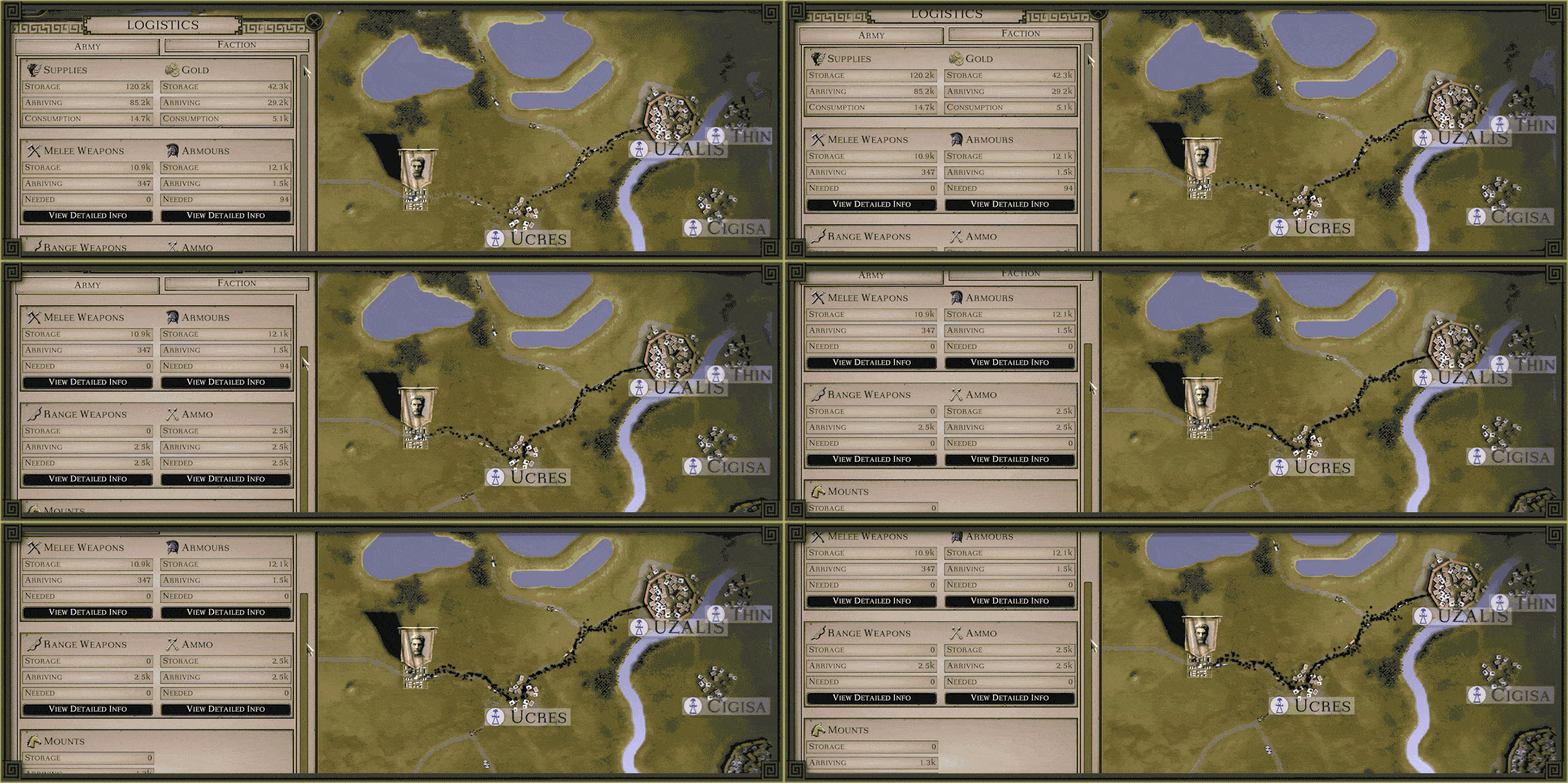
The hub isn’t a permanent one though. Clicking on a city and selecting ‘Set Hub’ will switch it to that location, and the army will immediately draw from the new city instead. Your supply lines are flexible, and logistics can be redirected quickly depending on both your strategy and the settlements you control. This means that expansion and conquering new places can bring more to your supply lines – and conversely that losing your key hubs can strangle your economy and campaigns.
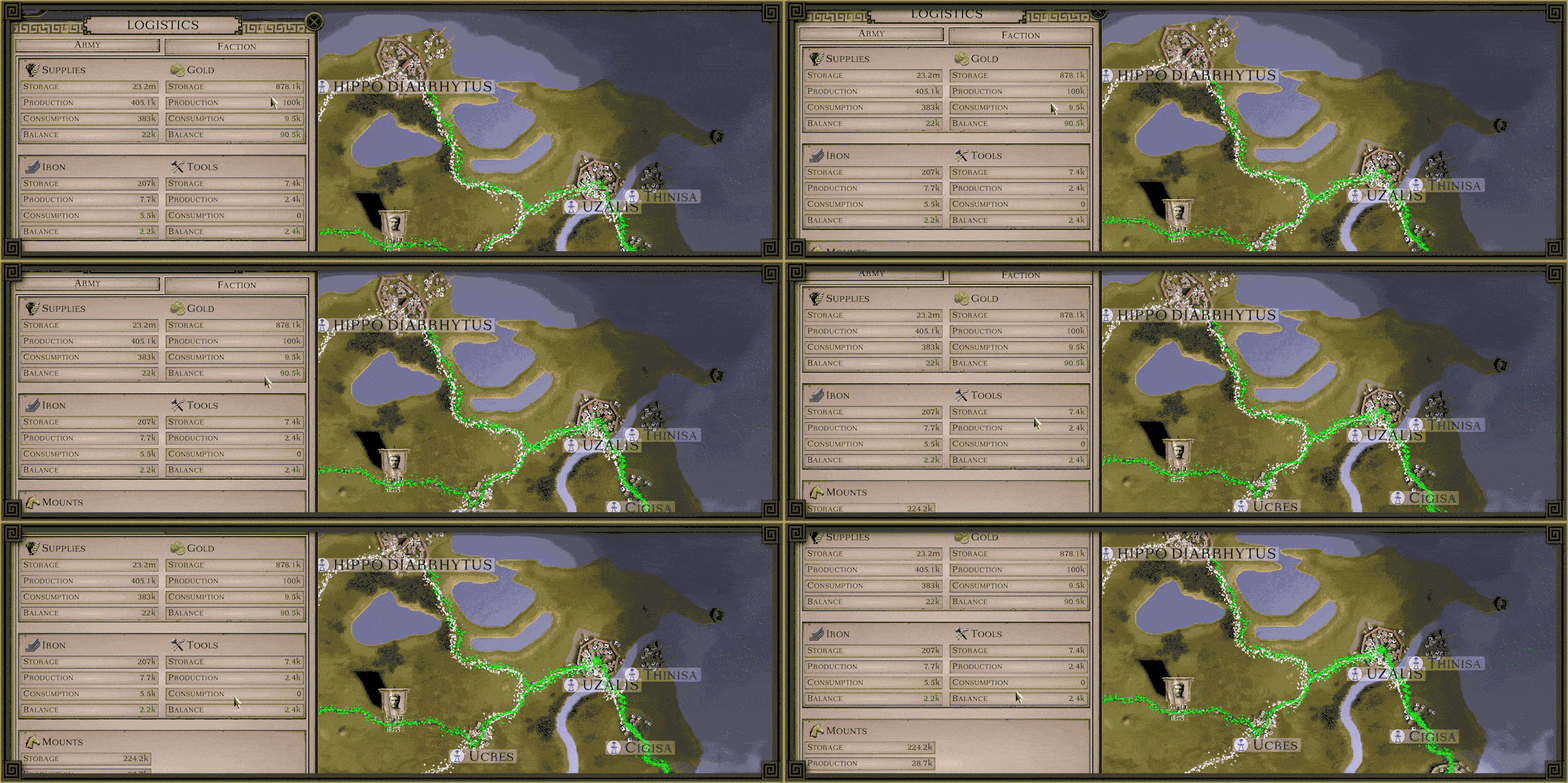
Faction Logistics
The full faction economy overview shows daily production, consumption, total balance, and current storage for every resource. Here you get the management layer behind army logistics, where everything comes from, and how it links back to your current supply hub.
Resources Transportation
As we mentioned earlier, resources aren’t instantly teleported from one place to another; they’re physically transported across the world by caravans and ships, moving goods from production sites to where they're needed. Each caravan and ship carries a set amount of resources, so your logistics stay visible and trackable on the map. Don’t get too complacent though, as these transports can be intercepted, raided, or destroyed by bandits and enemy armies. This means that logistics are an active part of gameplay, rather than just a simple background simulation.
Economic View Mode
This mode shows the full economic structure of the world at a strategic level. Here you can see how different settlement types such as urban centers, farms, blacksmiths, stables, ports, and other production and support locations interact with each other. Each settlement plays a specific role, and together they form a connected supply network that keeps the entire faction running.
That’s not all the map highlights, though. You can also see the logistics routes linking these settlements and the flow of goods across the whole realm, from raw production to final consumption.
Here’s what each of the lines represent:
White lines represent smaller local supply routes and connect individual settlements to their regional capitals, handling the distribution of goods within a province. These are usually shorter and more frequent.
Green lines represent major trade and supply routes. These connect regional capitals to the faction capital and move resources on a large scale across long distances. These are your backbone, showing how wealth and resources concentrate toward the center of power.
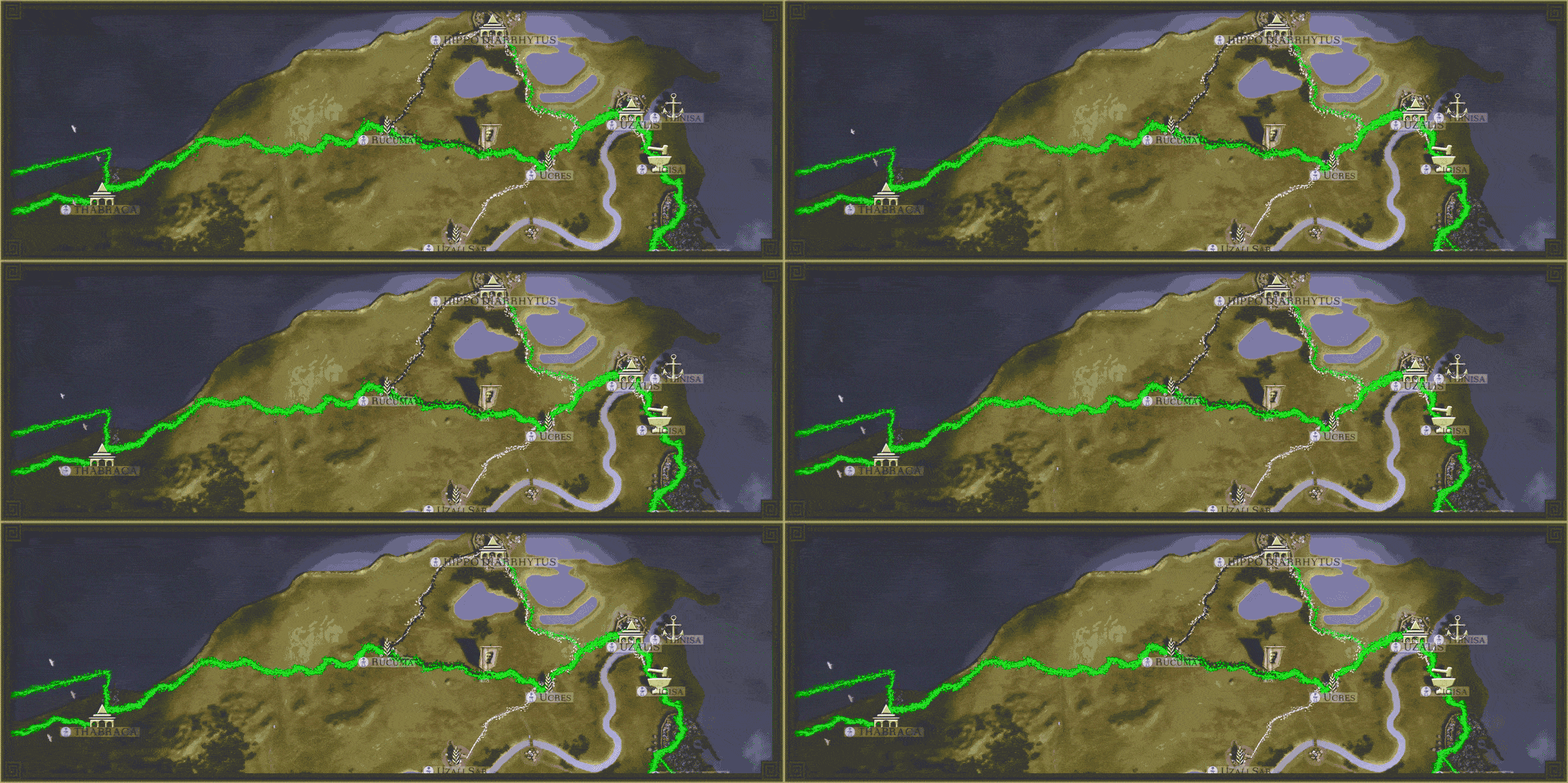
All together, these make the entire economy easily readable. Here you’re able to see not just where things are produced, but how they travel, how they depend on each other, and how they sustain the faction as a whole.
Supply lines in Carthage: Bellum Punicum are strategic: you have to plan around, defend and fight for them. Getting it right means the difference between your armies’ success – and complete failure.
Thank you all for your support!
If you haven't added Carthage: Bellum Punicum to your Steam wishlist yet, now's a great time. Every wishlist helps get the game in front of more players!