
Hi everyone, Mendog here!
In this devlog, we will chat about visibility, scouting, and delayed information in Carthage: Bellum Punicum, all key mechanics that allow you to control intelligence when waging war.
You can also check a video version of this devlog here:

Visibility Systems
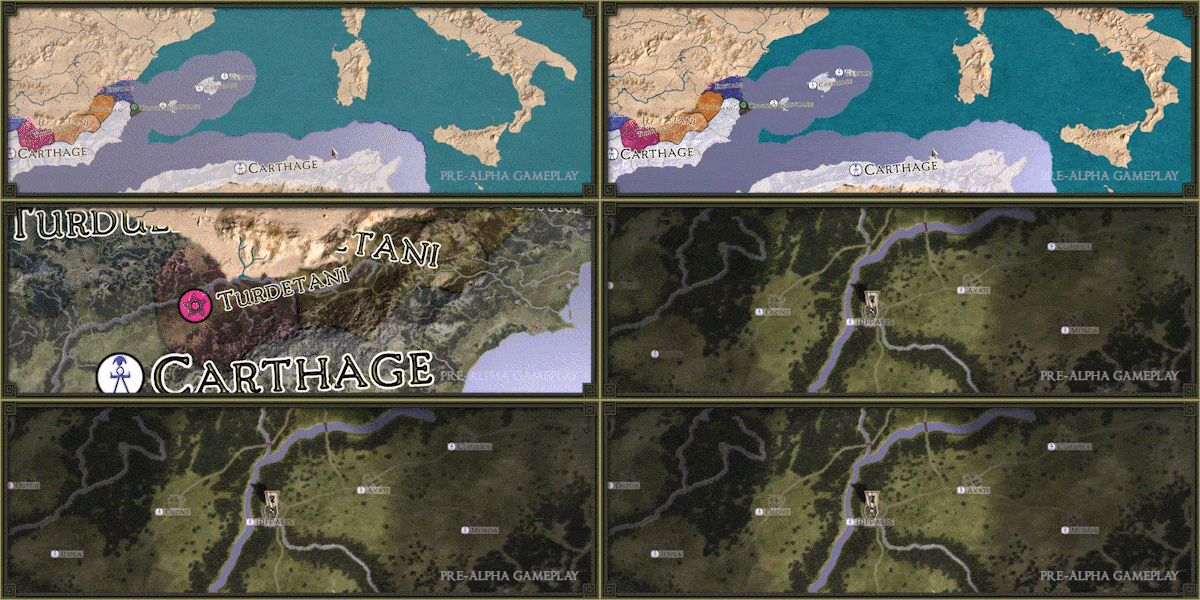
The campaign map uses two different visibility systems.
The first one represents unexplored territory. These areas appear in the style of an ancient map, displaying only land and water. Once one of your armies or scouts explores a region, this layer disappears permanently, and the detailed terrain becomes visible.
The second layer is your standard Fog of War. It appears as a darker shade over the terrain and shows the areas where your armies and scouts are providing intelligence. The information you receive depends on the distance from your forces. Nearby areas provide real-time information, while distant areas show past events. The farther the distance, the greater the delay.
Scouting
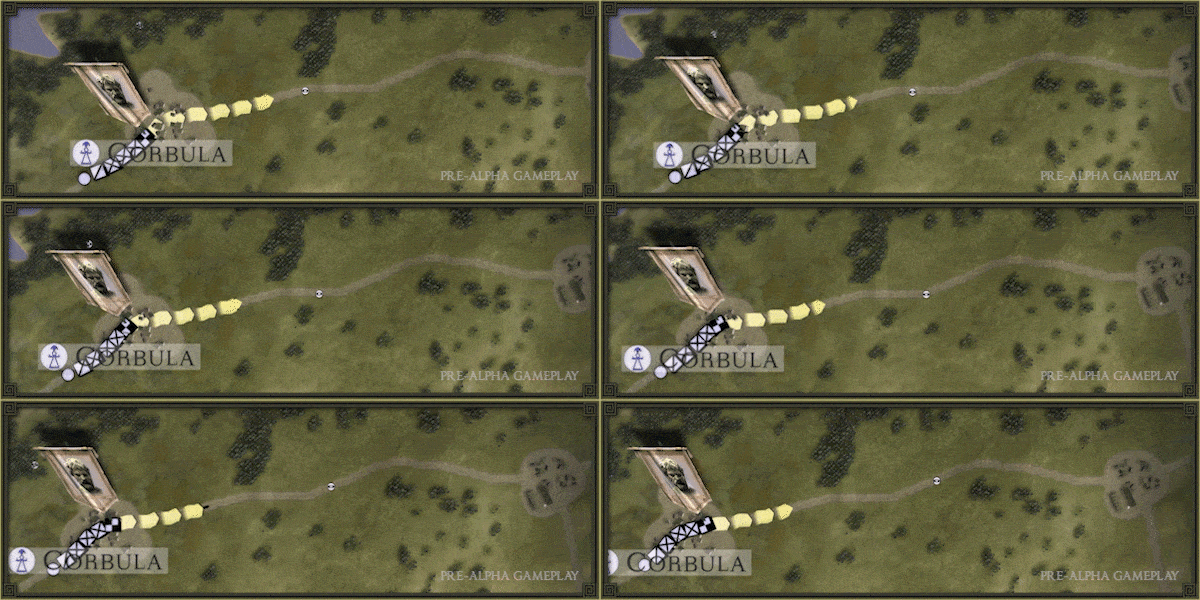
Scouts are essential for gathering intelligence about enemy cities and armies. In the game, there are two types of scouting: automatic scouting and manual scouting. Both can be active at the same time.
With automatic scouting, several scout units operate around your army. They do not move far away and usually provide information in real time.
Manual scouting allows you to assign specific targets to your scouts. These targets can be locations on the map, such as cities or armies.
When targeting a city, scouts can attempt to infiltrate it. A successful infiltration allows them to gather detailed information about the city. The longer they remain inside, the more information they collect. After some time, new missions may become available, such as sabotage operations.
When targeting an army, scouts can either follow it from a safe distance or attempt to infiltrate it. Following an army is safer but provides less information, whereas infiltration is riskier, but unlocks additional missions, such as sabotaging supplies, spreading discontent among the troops, or even attempting to assassinate the commander.
Scouting also includes many dynamic events that make each situation different. Scouts may be captured by city guards, encounter enemy scouts, or face other unexpected outcomes.
Delayed Information
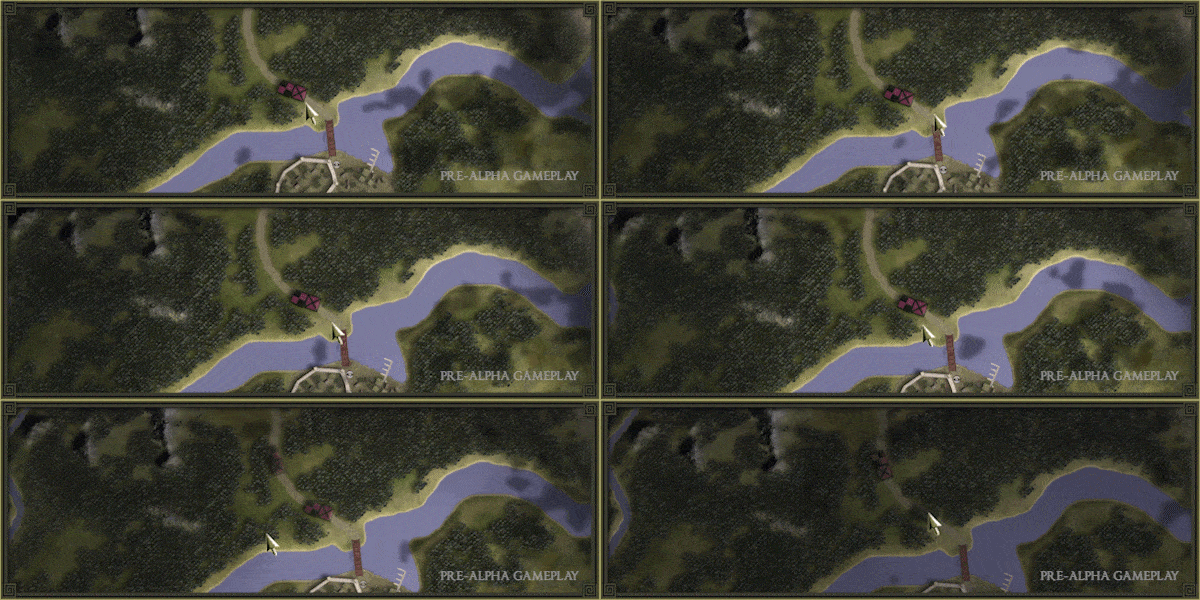
Scouts can operate anywhere on the map and still send you information. However, when they are far away from your army, that information takes time to reach you.
This means you may receive reports about events that already happened some time ago. For example, a scout might spot an enemy army and send a message, but by the time you receive it, that army could already be much closer (or farther) to your position.
These delays also apply to AI armies. They might receive outdated information about your position, creating opportunities for ambushes or strategic deception.
In Carthage: Bellum Punicum, information is power, and skilled scouts can make a huge difference in the outcome of a campaign.
I hope you enjoyed this devlog on Scouting. See you next time!