
News from the Research Lab
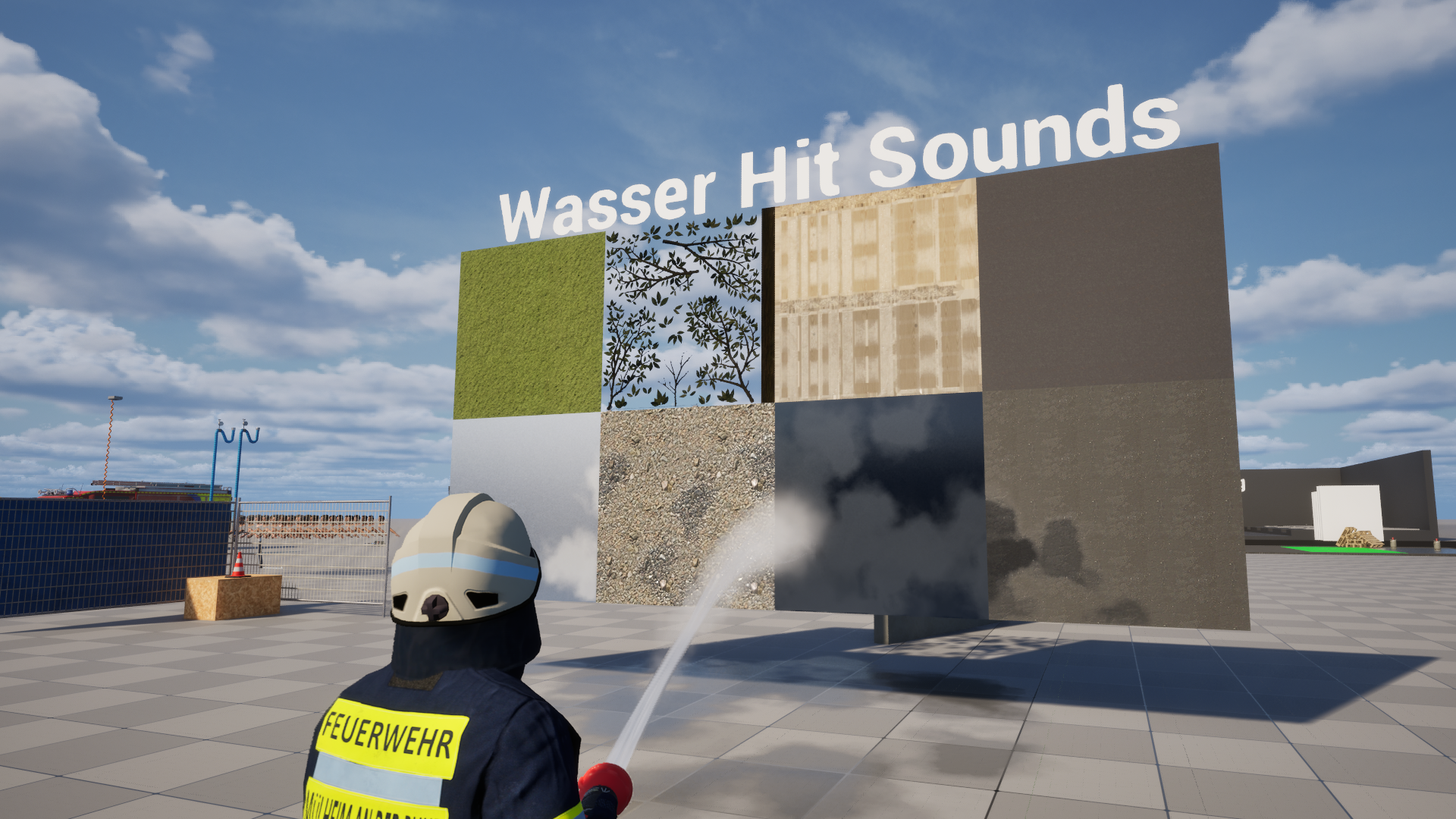
Before we start planning features in detail and implementing them in Notruf 3, we like to experiment with different ideas and build prototypes in a dedicated test environment that we affectionately call our “scratchpad.” Today, we’d like to give you a little insight into what we try out before a feature is polished enough to make it into the game – or gets scrapped altogether. Sometimes, it’s back to square one, taking the door on the left this time. So don’t be surprised if some of the examples shown here never make it into the game, or end up looking quite different.
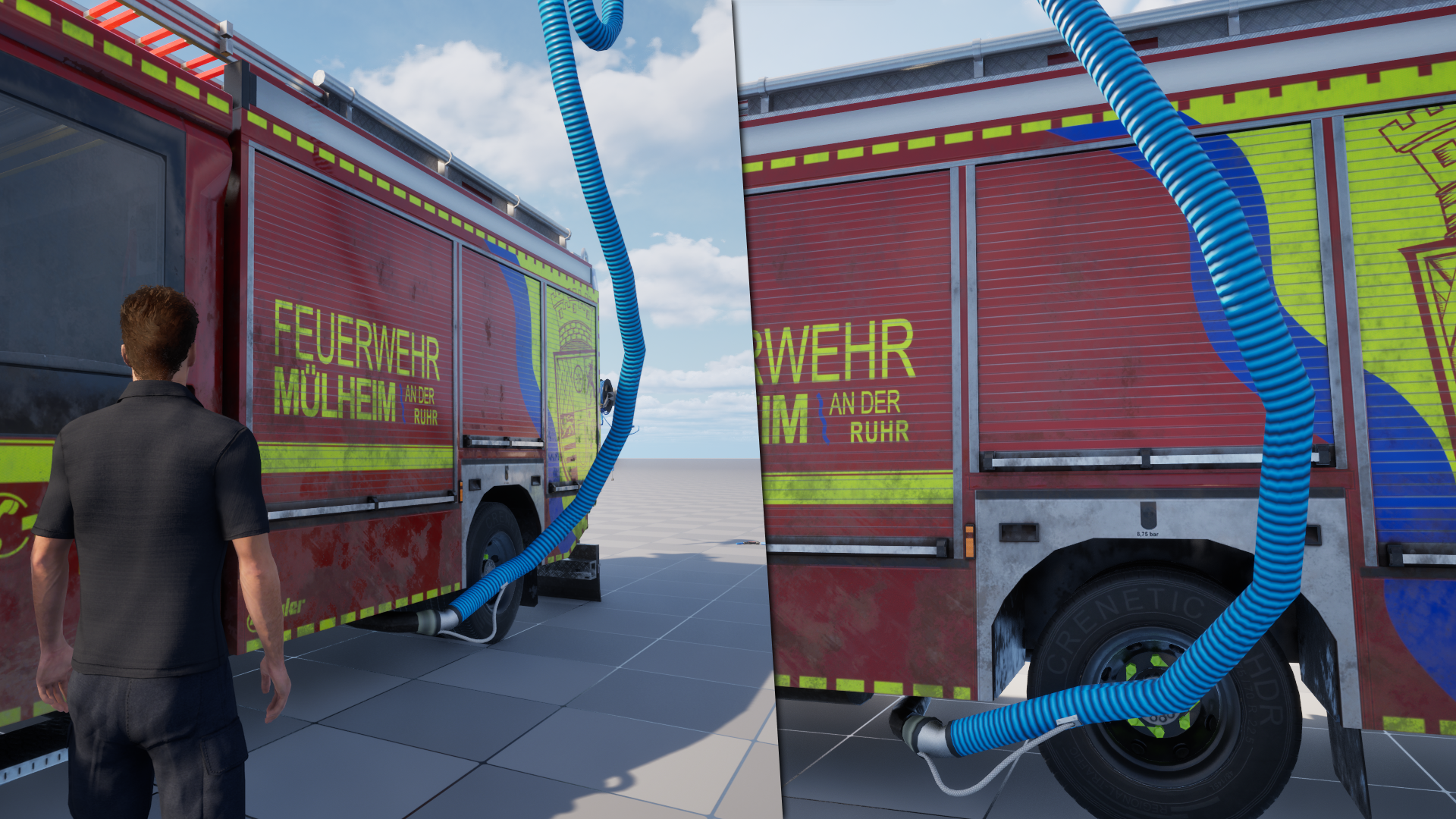
The exhaust hoses have been dangling limply around the fire station garage since the very first game in the series. Now that we’ve added physics to them in Notruf 3, we’re itching to make them functional, too. When a vehicle pulls out, the hoses should disconnect automatically, and players should be able to reconnect them after returning from a call. That means the exhaust hoses now have physics, with a fixed starting point and a flexible endpoint, and their height can be adjusted as well. At the other end, there’s an emergency vehicle that’s packed with physics of its own. Players can interact with and manipulate both. What could possibly go wrong?
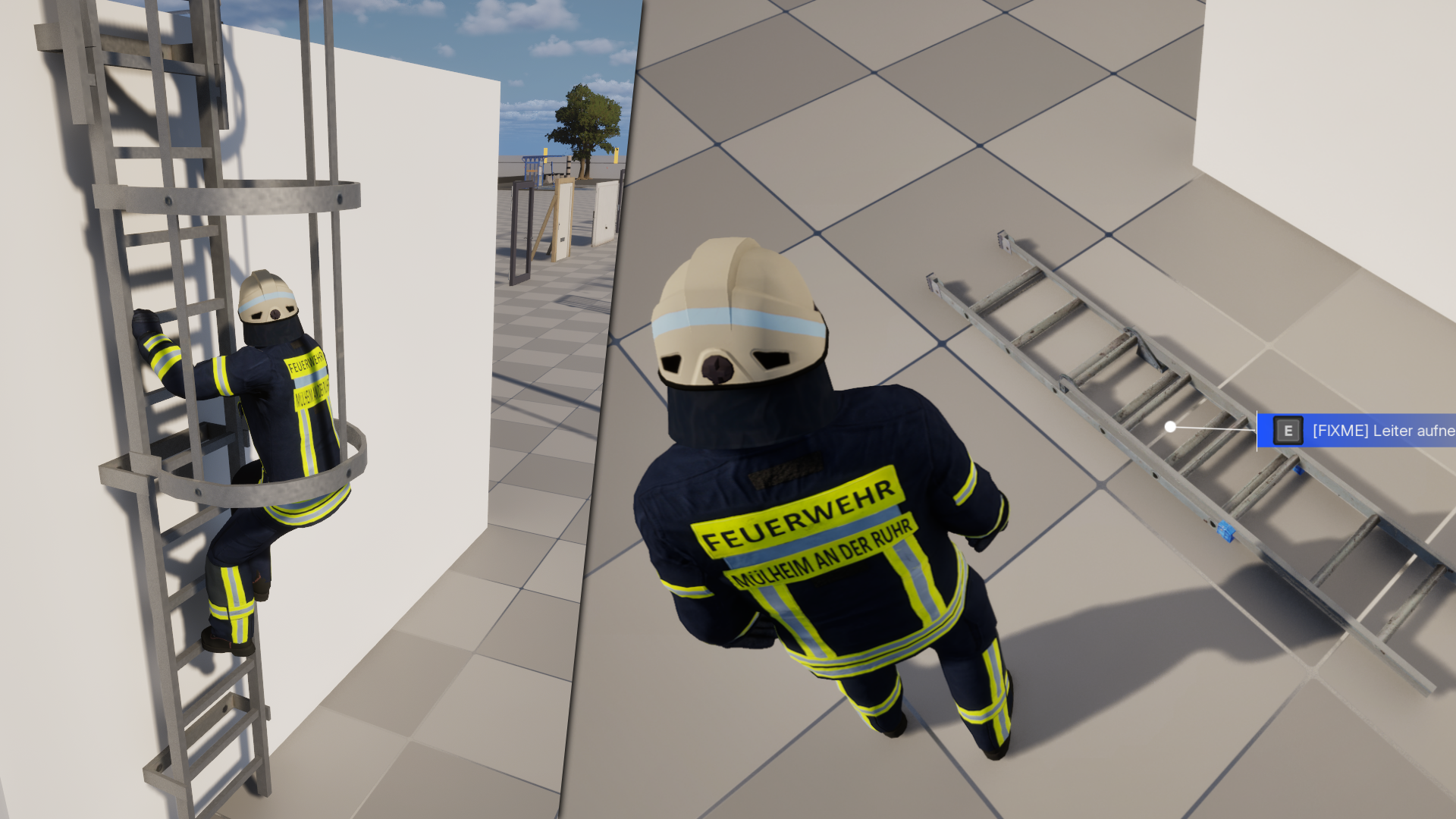
Of course, emergency responders don’t just move horizontally – they move vertically, too. In plain English: climbing up and down ladders. This presents developers with a few challenges. Fixed ladders that never change position are relatively straightforward. Portable ladders, on the other hand, are a whole different story. One possible compromise would be to designate specific spots where ladders can be set up. However, these spots would need to be clearly recognizable to the player. Then there’s the actual climbing. Switching between levels shouldn’t be slowed down by requiring extra button presses from the player. We’ve already had some good experiences with this approach in our spin-off, “Der Angriffstrupp.” And once the whole thing feels right for the player, we still need to teach the AI NPCs how to use ladders, too. Oh, and what happens to the items the player is carrying while climbing?
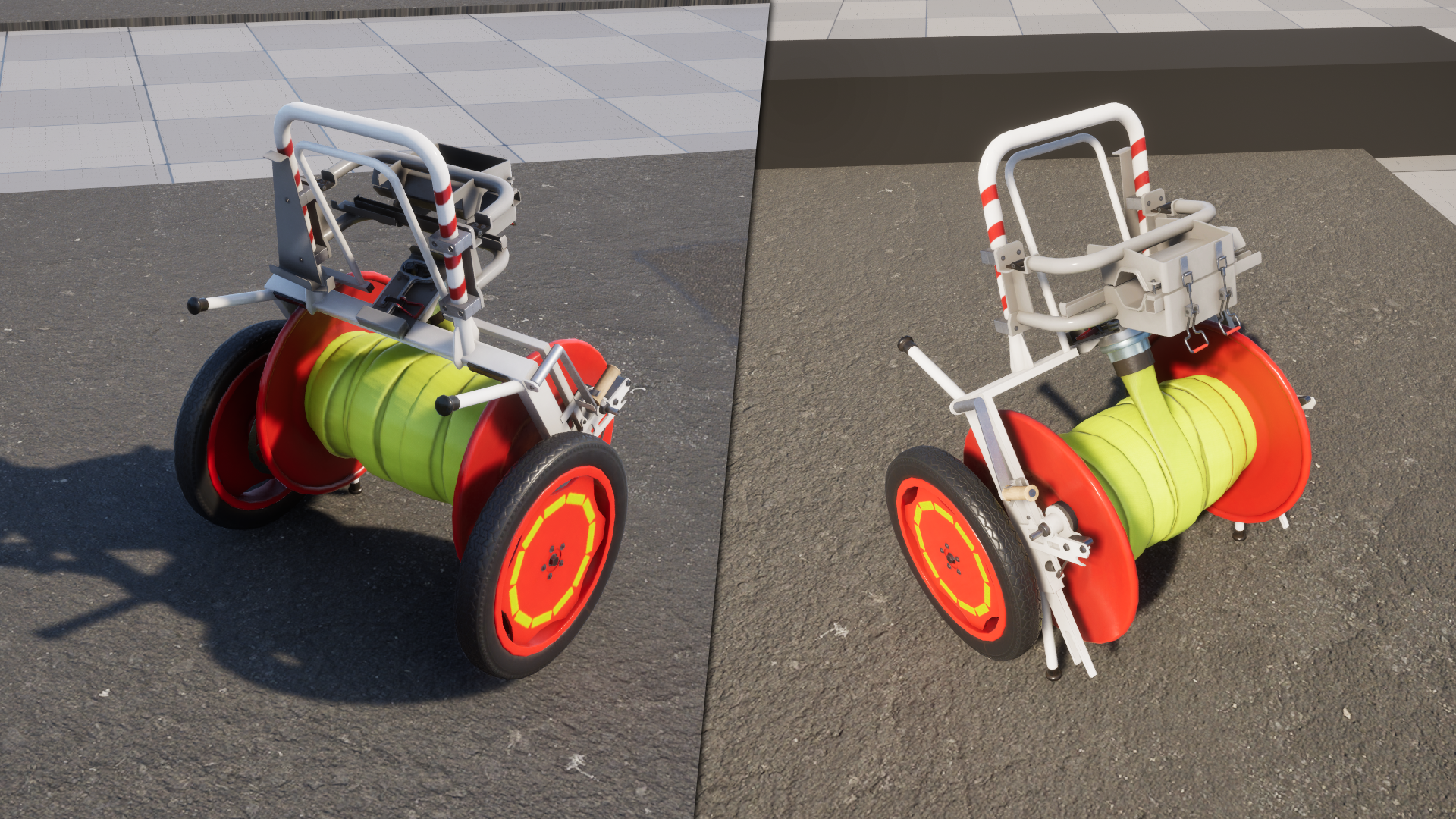 An inconspicuous piece of equipment that never fails to make our programmers break into a sweat: hose reels. Technically speaking, they’re vehicles that can be moved around and contain detachable items, such as the standpipe. On top of that, they can be attached to the HLF, making them an item mounted on a vehicle that can move, too. Even though the models are finished, we’re putting this one off for a little while longer and letting the problem simmer. Maybe we’ll discover some engine features during development that will make our lives easier.
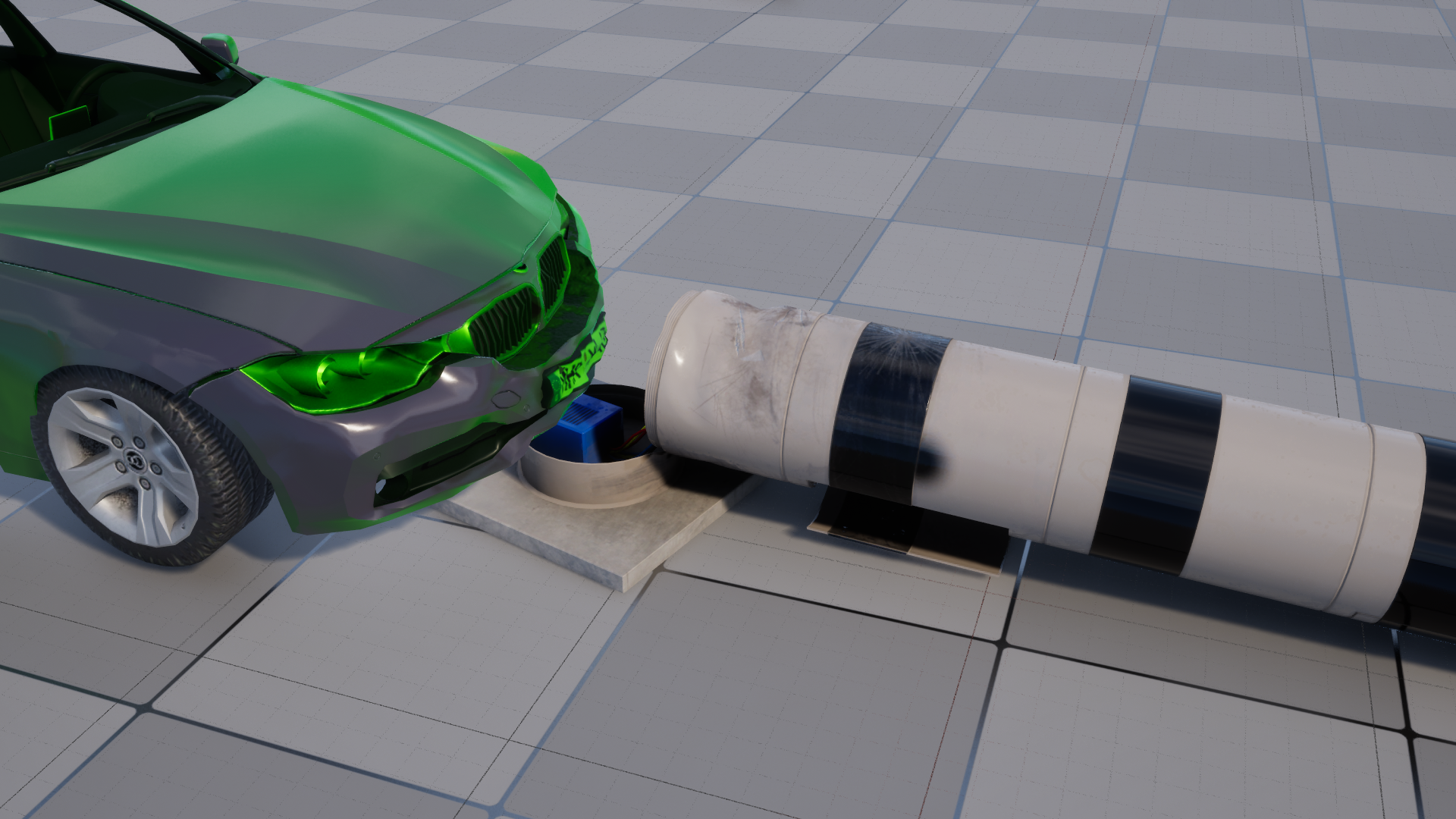 Modeling crashed cars is a pretty time-consuming process. We’re currently testing an approach that could save us a lot of time. The idea is to make one or more cars collide at high speed over a short distance while the game is running. We then let the physics system deform the models at the points of impact and “freeze” the resulting shapes in place. Since we know which points have been deformed, we could also adjust the textures to simulate scratches and paint damage. After that, though, the car still needs functional moving parts, so players can, for example, pry open the hood with a Halligan tool.
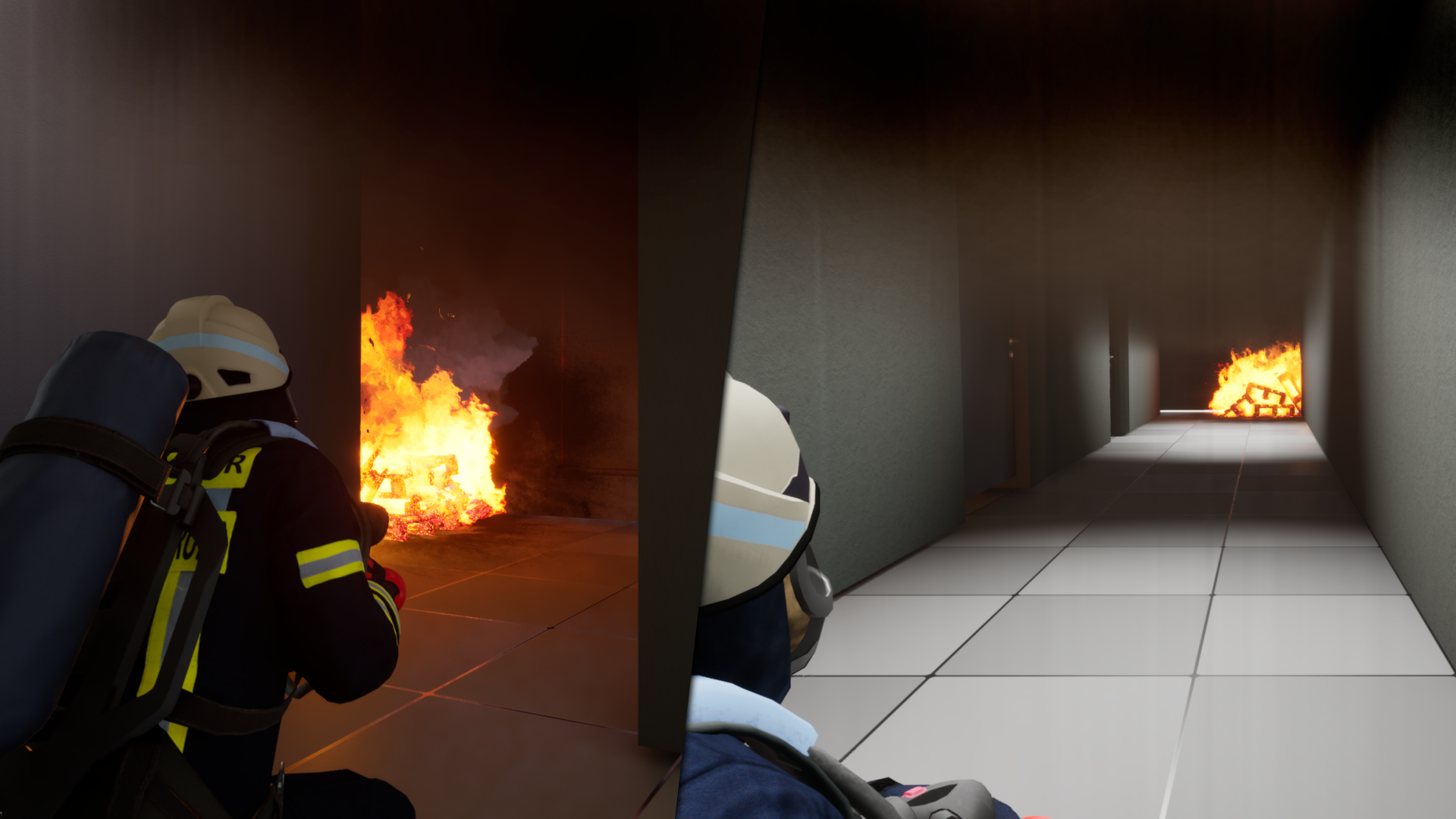 We’ve already tested a technical approach for implementing the rather complex mechanics of an interior fire. Heat and smoke should spread from the seat of the fire along the ceiling and into other rooms. Extinguishing a burning object or cooling the hot gases near the ceiling should slow the spread. Opening a window or door should gradually clear the smoke, while a positive-pressure fan or hydraulic ventilation should speed up the process. During testing, we hit a snag: making all of this look convincing without causing the game to stutter. Working in zero visibility with a helmet light and a thermal imaging camera would be pretty awesome, though.
And then there are features we haven’t even started working on yet. Take firefighting foam, for example. If you can leave puddles of water all over the game world using a combination nozzle, you’ll want to be able to do the same with foam. Even if you’re not really supposed to – it’s still fun. And that’s one of the reasons so many people enjoy simulation games: your actions don’t have the same consequences they would in the real world. So far, though, we only have some technical theories about how to handle foam. We’ll have to see what we can come up with.
Until next time… Your Crenetic Team