
🌱 New Farming System
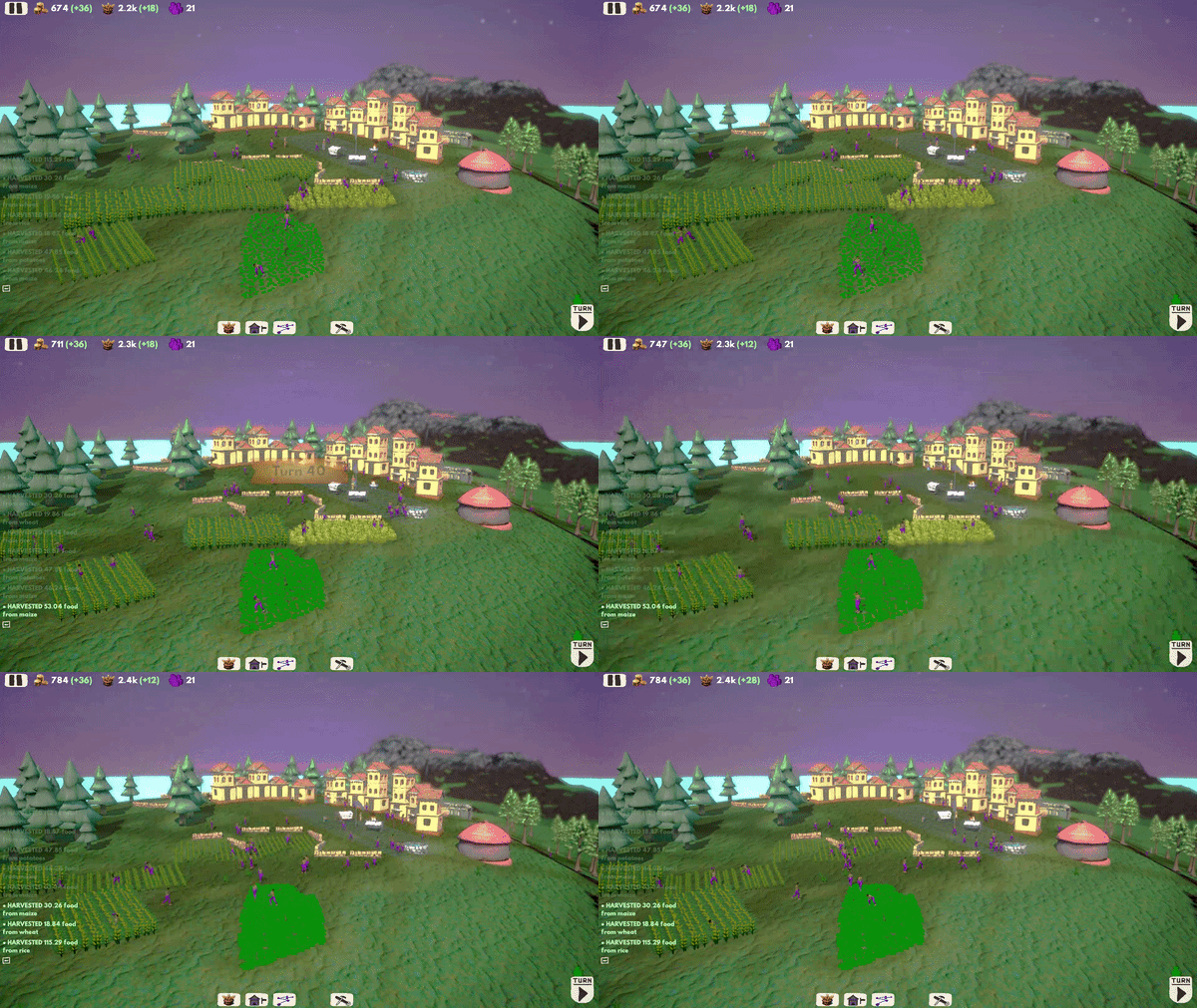
Farms are no longer just simple production buildings.
Fields now generate organized crop rows and planting points across the terrain. Farmers physically walk these rows and tend crops throughout a changing climate.
This lets farmland naturally adapt to hills, rivers, and nearby roads — creating settlements that look and behave like real agricultural communities.
👣 Occupations and Worker Paths
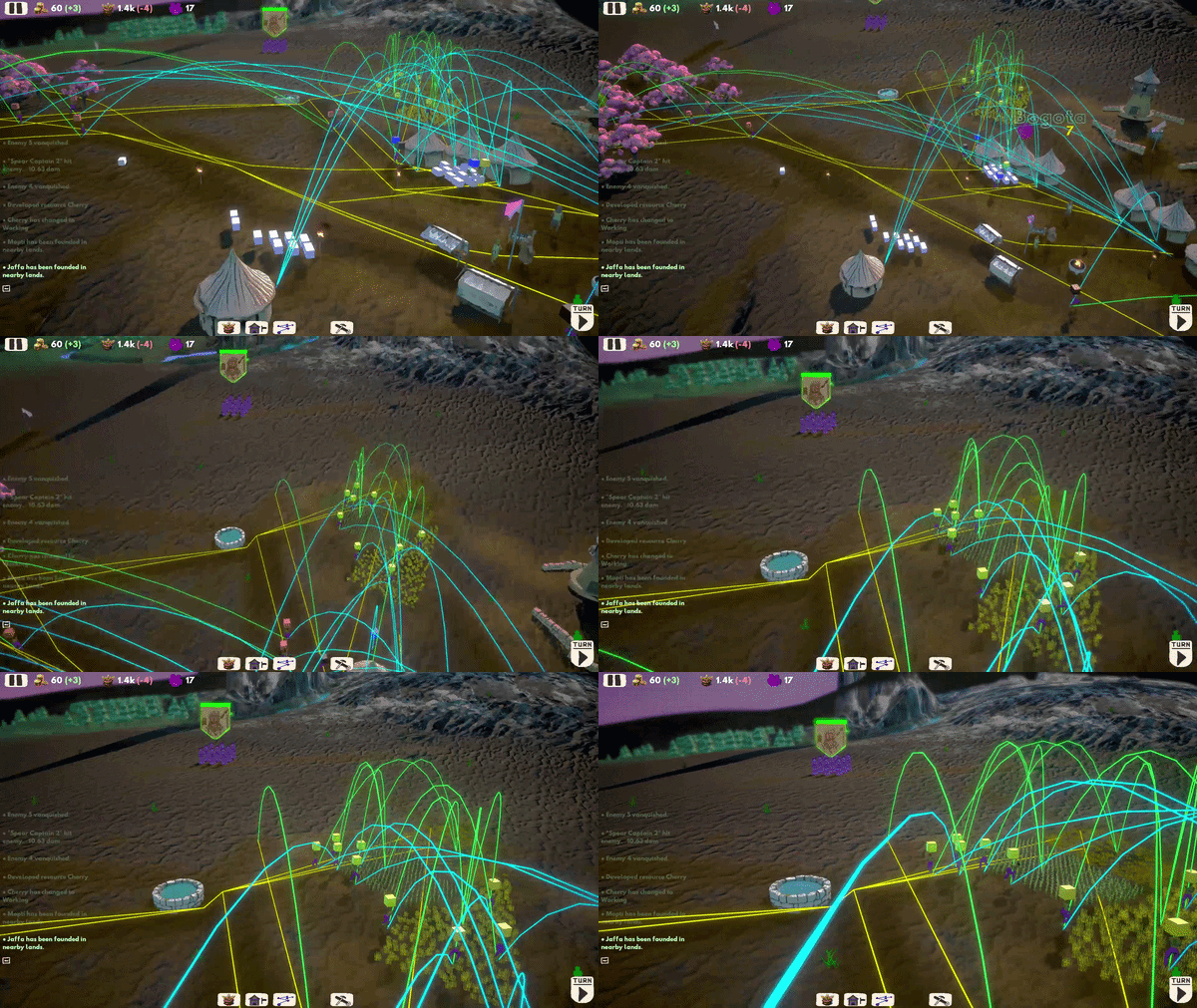
Villagers now follow occupation-based routines.
Farmers, shepherds, and other workers move across the town to perform their tasks, traveling along paths between fields, buildings, wells, and storage areas.
A big part of recent development has been building tools to simulate large populations moving efficiently across the world.
Watching hundreds of villagers carrying out their daily work is starting to bring towns to life.
🪙 Resources and Economic Perks
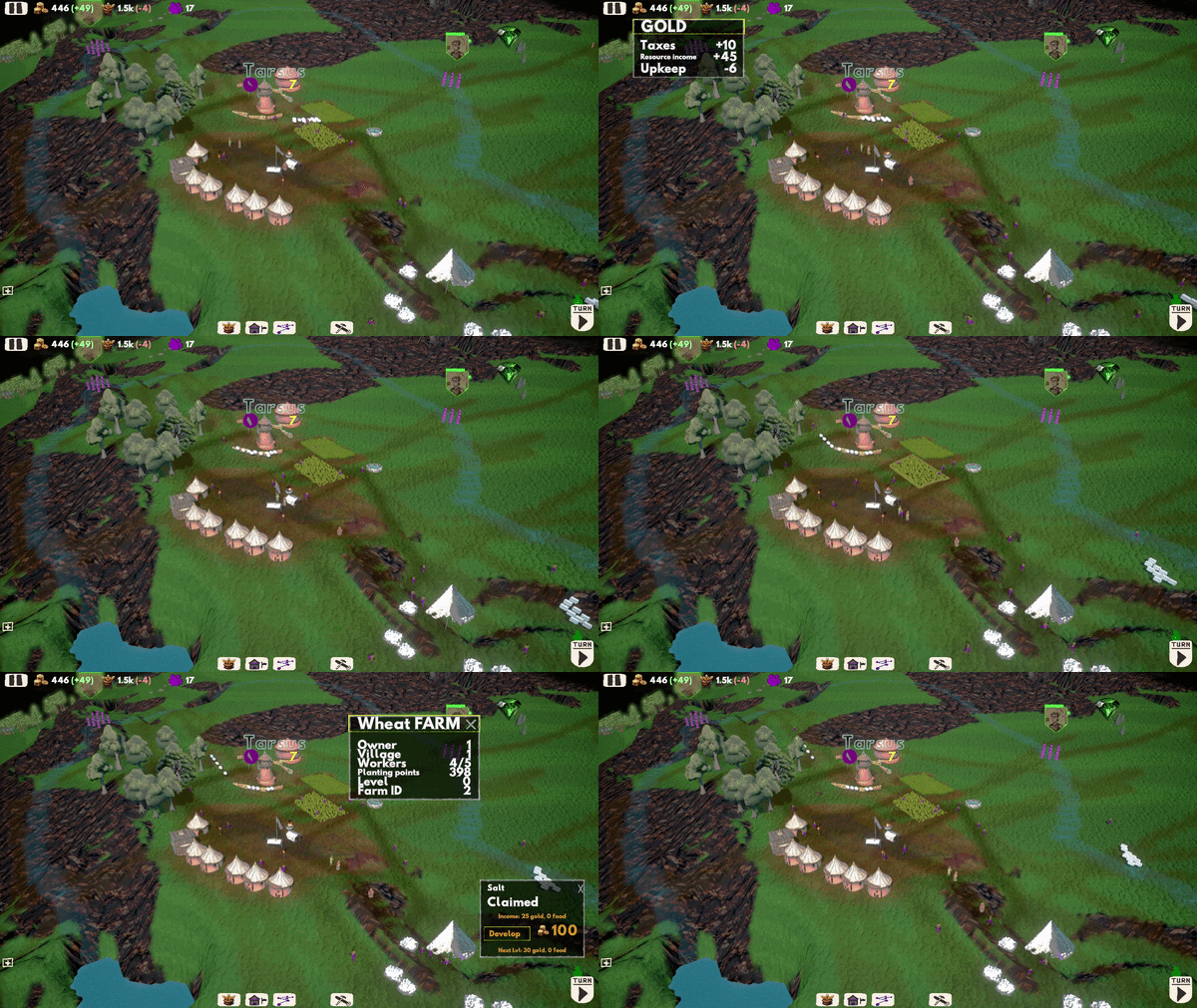
Different regions now provide unique economic advantages.
Fertile soil, trade access, and natural resources can unlock perks that influence how a settlement develops.
The goal is that where you build matters — each town grows differently depending on the land around it.
⚔️ Combat Improvements
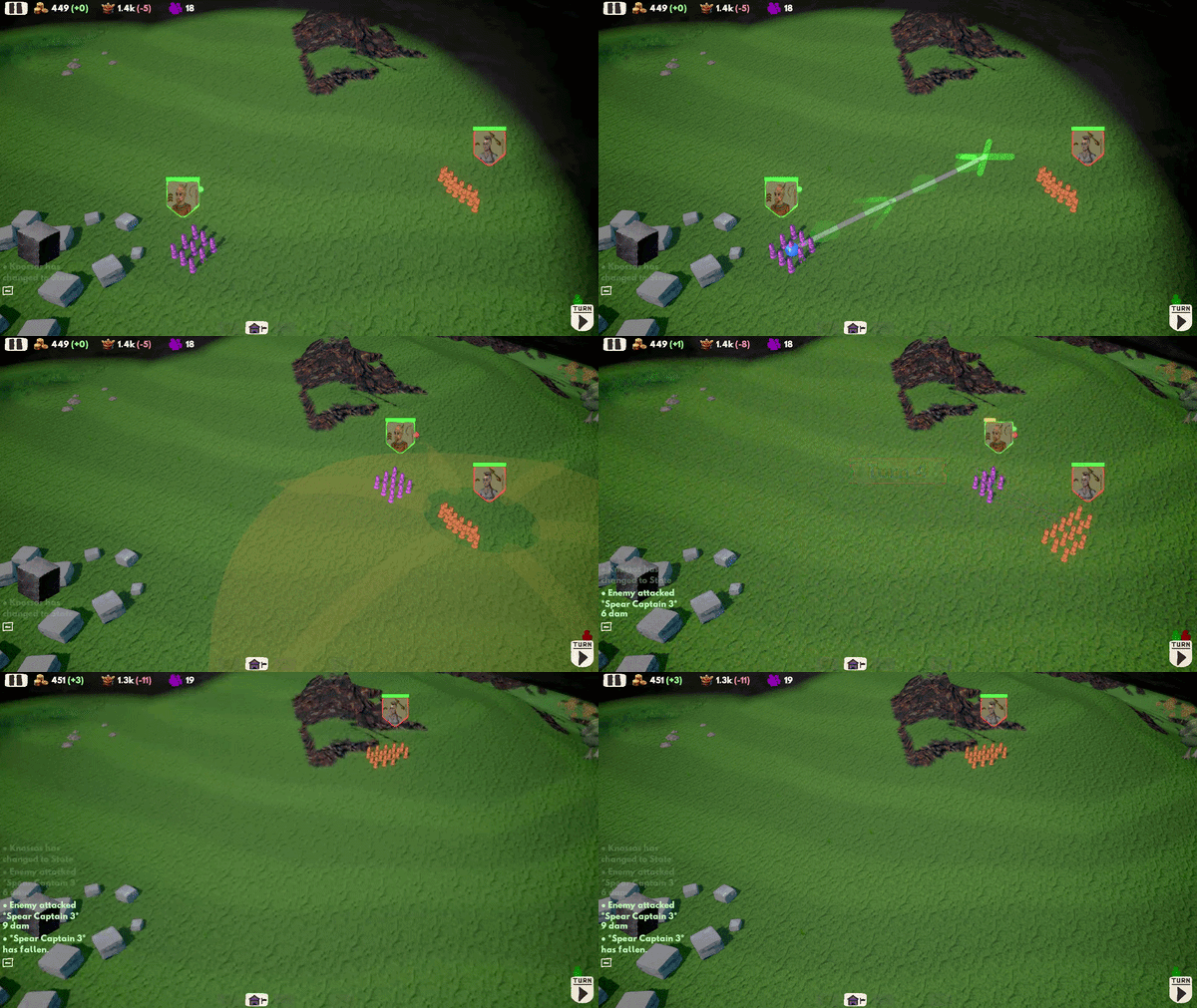
Military units are getting smarter.
Units can maneuver around terrain more intelligently and respond dynamically to nearby enemies. Combat is being designed to fit naturally into the larger city simulation rather than feeling like a separate system. Enemy units can pillage your crops and buildings.
🌍 Growing From Village to Civilization
The core vision of Tenants of the Shade remains simple:
Start with a small village and guide it as it grows into a thriving civilization -- person by person.