
Hello! I’m Chaos, the system and balance designer for ChaosBringer. Today, I’m thrilled to share an in-depth look at one of our game’s core features: the Real-Time with Pause (RTwP) combat system. From RTwP’s history and recent developments to diverse player perspectives, I’ll explain why we chose this system and how we’re innovating it.
The Journey of RTwP: From Glory Days to Challenging Times
The origins of RTwP date back to 1998 with none other than Baldur's Gate. BioWare wanted to capture the complexity of D&D rules in a computer RPG while retaining the dynamism of real-time strategy. The result was RTwP, which revolutionized the RPG genre! Since then, classics like Planescape: Torment, the Icewind Dale series, and the legendary Baldur's Gate 2 have adopted this system.
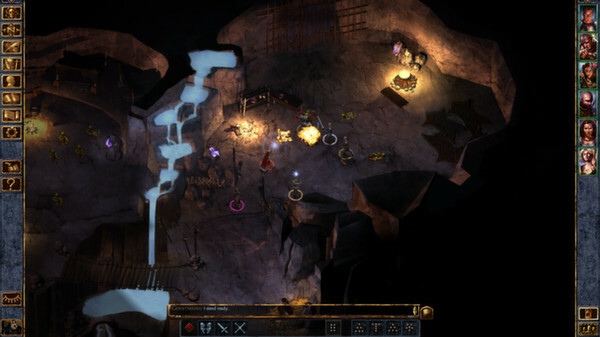
The original Baldur's Gate, which popularized RTwP in CRPGs
In the early 2000s, RTwP and turn-based combat were the two main pillars of CRPGs. Games like Knights of the Old Republic, Neverwinter Nights, and Dragon Age: Origins offered both deep strategy and the thrill of real-time combat, gaining widespread acclaim.
But nothing’s perfect. Some players found late-game combat tedious, reduced to “auto-attacking.” Others struggled to effectively manage every character in complex combat scenarios.
Changes in the CRPG Market and the Challenge for RTwP
By the mid-2010s, the success of Divinity: Original Sin brought renewed attention to turn-based combat. Attracted by turn-based systems’ clarity and simplicity, developers began to shift toward this approach in RPGs.
However, RTwP wasn’t completely forgotten. The Pillars of Eternity series from Obsidian Entertainment continued the RTwP legacy, adding modern touches that resonated with fans. But with the addition of a turn-based mode in Pillars of Eternity 2, change was on the horizon.
The Bold Shift in Baldur’s Gate 3
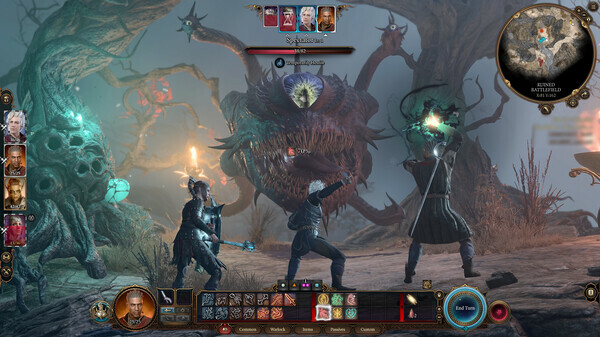
Baldur’s Gate series fully transformed into turn-based combat
In 2023, the launch of Baldur’s Gate 3 shocked fans by adopting a fully turn-based system, despite RTwP being synonymous with the series. While many wondered, “Is this really Baldur’s Gate?” the game’s massive success showed a shift in the market.
Gradual Change in the Pathfinder Series
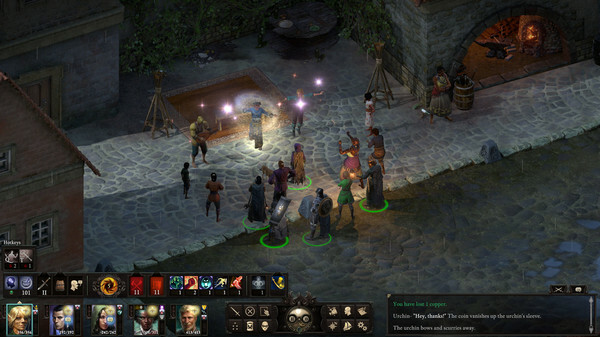
The turn-based mode introduced in Pillars of Eternity 2
The Pathfinder series by Owlcat Games illustrates this transition well. Kingmaker (2018) employed RTwP, while Wrath of the Righteous (2021) adopted a hybrid system. And the upcoming The Dragon’s Demand has announced it will exclusively use turn-based combat. Josh Sawyer, director of the Pillars of Eternity series, recently commented on RTwP’s limitations, mentioning he would consider turn-based if there were to be a Pillars 3, a statement that stirred RTwP supporters.
Such changes have left RTwP fans feeling a sense of loss, with some lamenting the decline of the classic CRPG essence.
But does this mean the end of RTwP, or is it preparing for a new evolution? The debate among players continues.
The Community’s Voice on RTwP
2020 Poll by Andy Kelly
In 2020, shortly before the release of Baldur’s Gate 3, PC Gamer’s Andy Kelly conducted a poll asking readers, “Which do you prefer: RTwP or turn-based?” The results were close, with 46.4% preferring RTwP and 53.6% preferring turn-based. Although turn-based was slightly more popular, RTwP still had strong support.
Player Feedback on RTwP
I also gathered various opinions from online forums and gaming communities, gaining valuable insights into RTwP’s pros and cons. This feedback has greatly helped us improve our system.
💡 Advantages of RTwP
Perfect blend of strategy and speed: RTwP offers the strategic depth of turn-based combat with the excitement of real-time action. Complex battles can be planned carefully, while simpler fights can be completed quickly.
Flexible difficulty adjustment: Players can control the pace of combat based on their skill level and preferences. Skilled players can dominate battles with minimal pausing, while cautious players can pause frequently to execute detailed strategies.
Enhanced immersion: Real-time combat feels more dynamic and realistic, especially in large-scale battles.
⚠️ Disadvantages of RTwP
Complexity and confusion: Managing multiple characters simultaneously can be overwhelming.
UI challenges: Some RTwP games suffer from complex UIs that disrupt the gameplay, making players spend more time navigating the UI than fighting.
Limited strategic depth: The real-time nature can make it difficult to control every detail, potentially reducing strategic depth.
Why RTwP Now?
The RPG market is now filled with turn-based systems. Since the success of the Divinity: Original Sin series, many games have chosen turn-based combat, even Baldur’s Gate 3. Watching a legendary RTwP series transition to turn-based disappointed many fans, myself included.
Honestly, we also considered our options. But RTwP has a unique appeal that we couldn’t ignore. We are now confident: RTwP is the best system to achieve the gameplay experience we’re aiming for. And in 2024, with turn-based RPGs dominating the market, we are proud to raise the RTwP flag high again in ChaosBringer.
RTwP’s Appeal
Unbroken combat flow
RTwP provides strategic depth without interrupting the flow of combat. In turn-based games, each turn pauses the action, but in RTwP, battles continue seamlessly, creating a sense of urgency like a real battlefield.
Perfect balance of reflex and strategy
RTwP tests both the player’s reflexes and strategic thinking. You need to assess situations quickly and make decisions, leading to a dynamic and challenging gameplay experience.
Supports diverse playstyles
RTwP supports different playstyles. Experienced players can control battles with minimal pausing, while cautious players can pause frequently to control every detail.
ChaosBringer’s Innovative RTwP System
Our RTwP system is different from the past. We’ve worked hard to maximize RTwP’s strengths and minimize its weaknesses.
Skill Reservations with a Timeline System
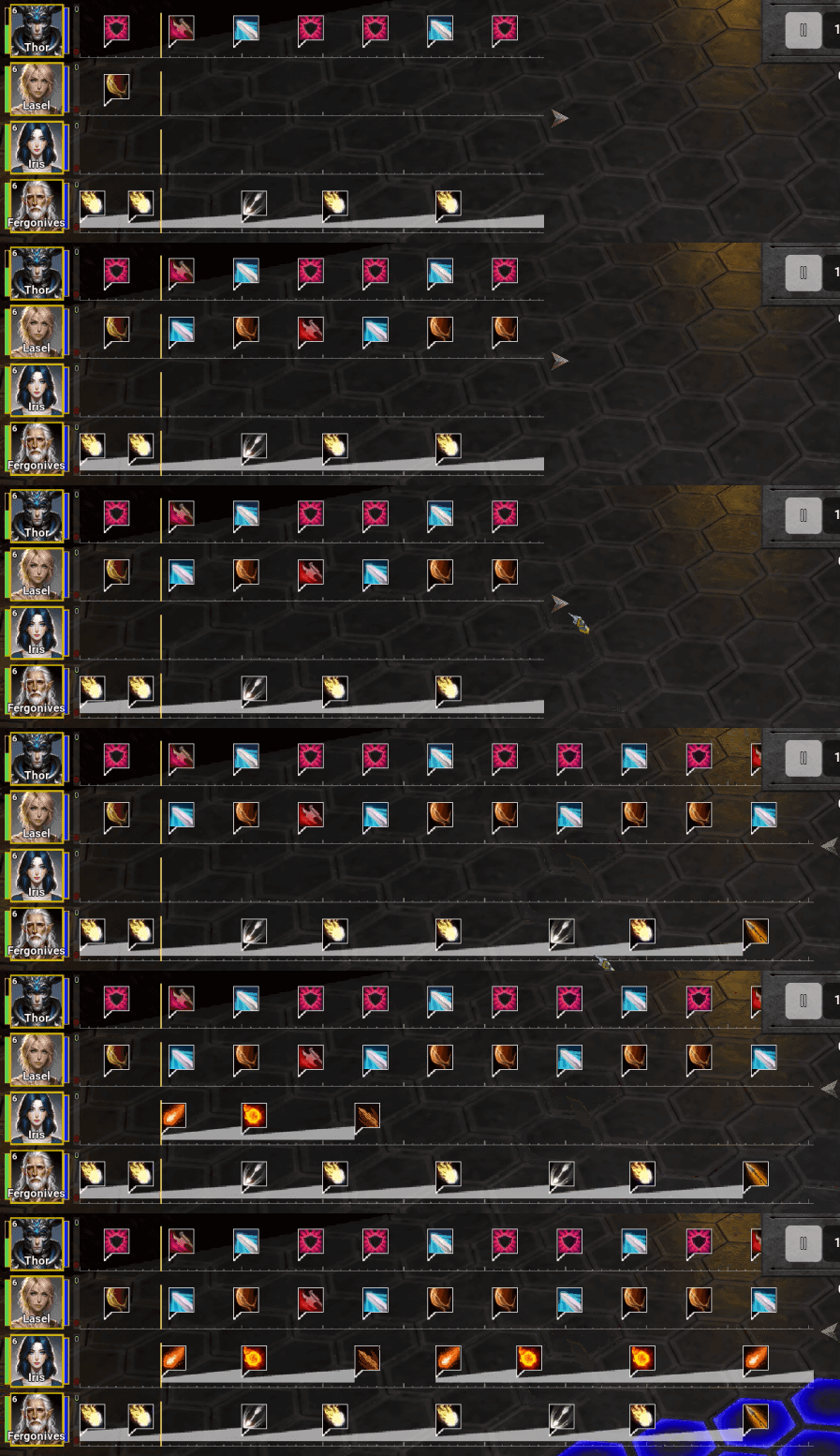
We’ve completely removed the tedium of “auto-attacks.” In ChaosBringer, players must assign each skill manually. But it’s not inconvenient! Our innovative skill reservation system allows complex strategies with just a few clicks, inspired by the macro system in World of Warcraft.
We’ve introduced a character-specific timeline that visually displays the next actions of each character and enemy, making it easier to grasp and predict the flow of battle. It’s like being a commander in control of the entire battlefield!
We’ve also added a dynamic queue system. For example, if you move a character to avoid a boss’s strong attack, the previously reserved skills aren’t canceled. Instead, the movement command is naturally inserted into the queue. You don’t have to choose between strategy execution and immediate response.
Hex Tiles and Discrete Time
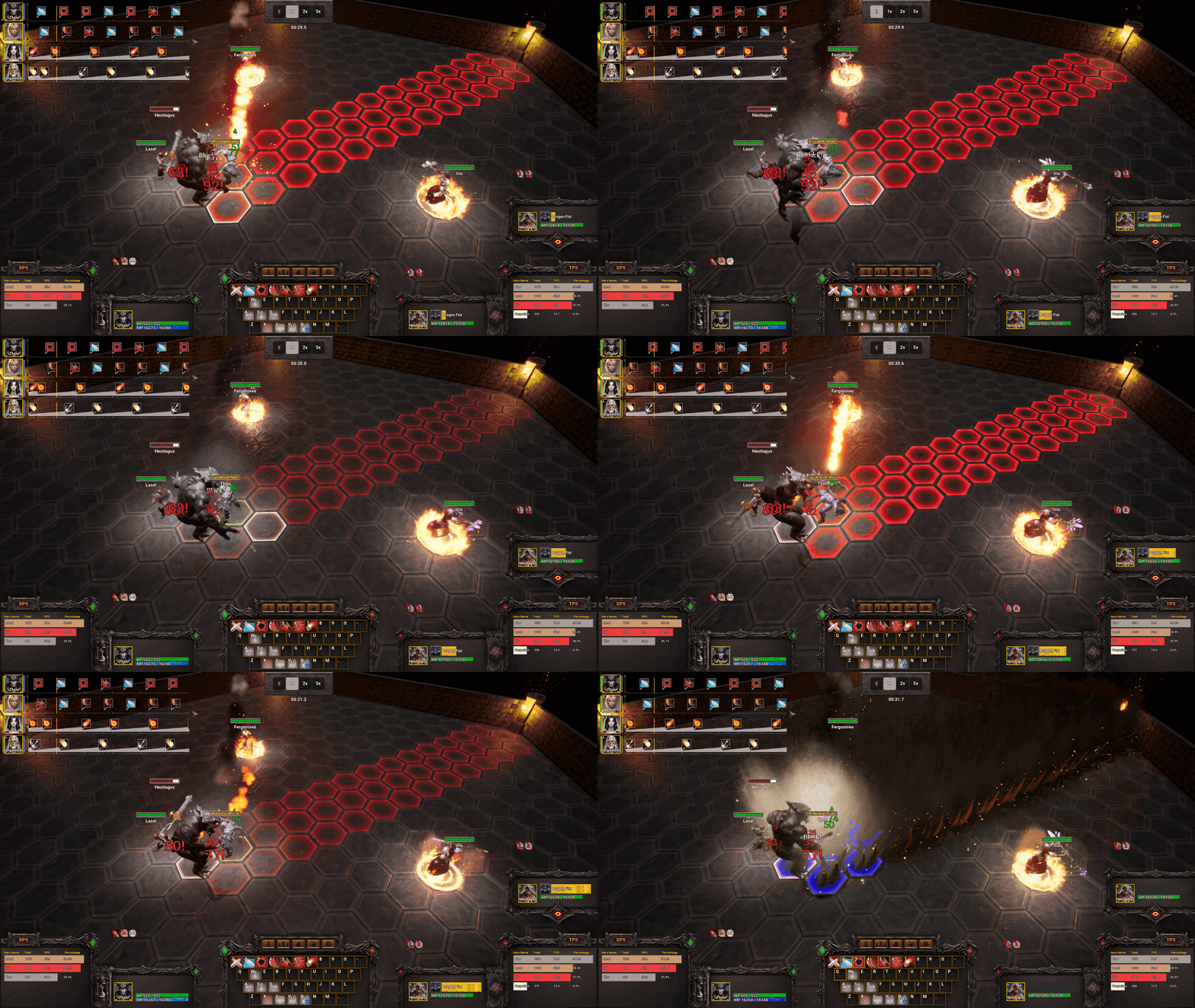
Even with skill reservations, small changes in position or timing shouldn’t render strategies ineffective.
Hex Tiles
To maximize the effectiveness of the skill reservation system, we’ve introduced hex tiles to spatially discretize the battlefield! This prevents skills from failing due to meaningless movement, and players don’t have to cancel reserved skills unnecessarily.
0.1-Second Time Slots
For the same reason, we’ve discretized time into 0.1-second intervals. This retains the feel of real-time combat while adding strategic depth similar to turn-based games. Players can pause less often while maintaining greater control and still enjoy the tension of real-time combat.
Threat Meter System
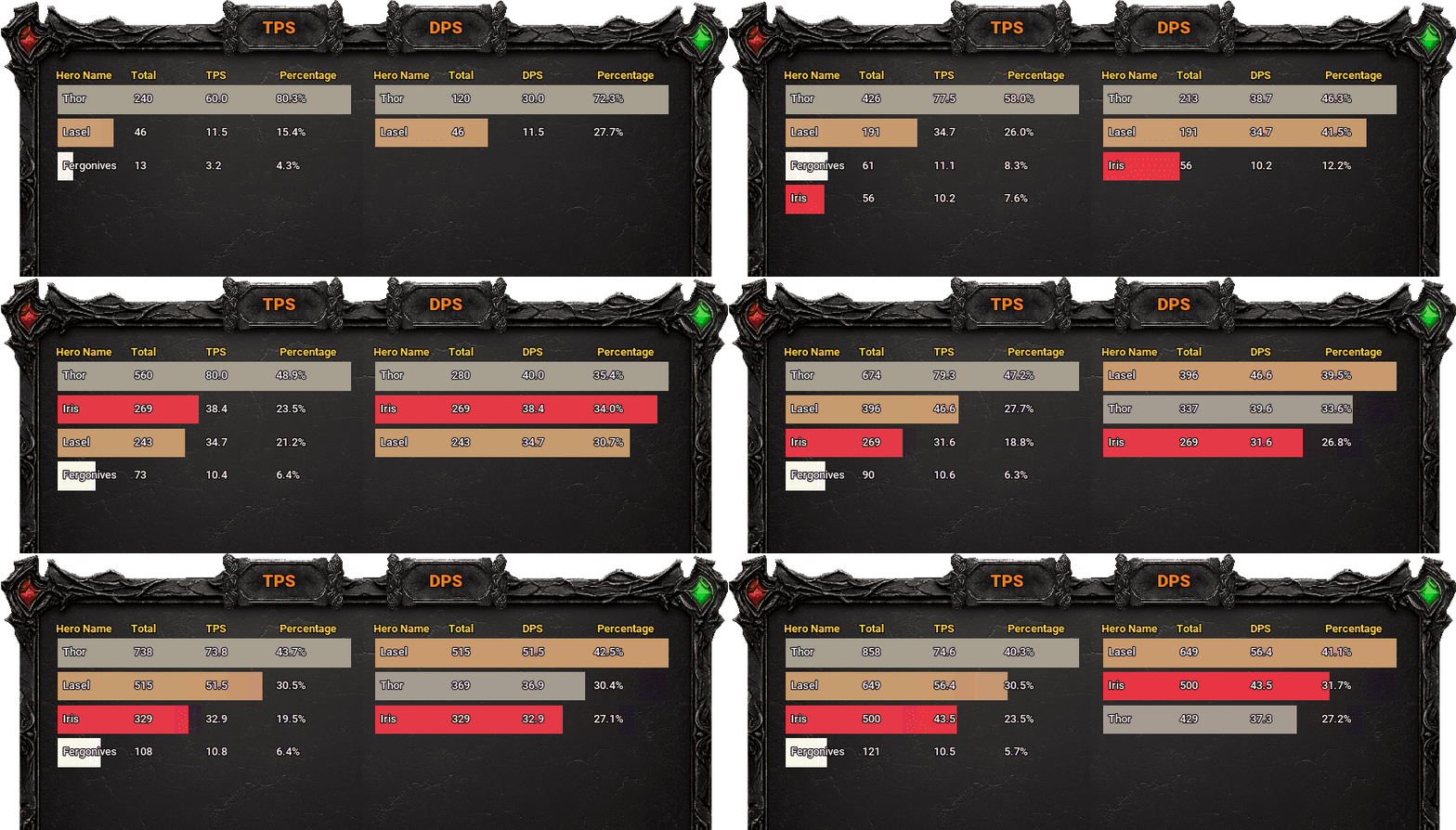
As we introduced in the last dev note, we’ve implemented a core element of MMORPGs: the threat meter system. With threat and damage meters visible, tanks can hold threat, while DPS and healers can devise strategies to maximize their roles without attracting unwanted attention. Even in a single-player environment, you can enjoy the depth of party play. Remember, it’s a solo game, so there’s no pressure from raid members. Just enjoy the party play experience!
The Future of RTwP: Our Vision
One of the reasons we chose RTwP is the inspiration we drew from talented developers like Josh Sawyer, whose games have showcased RTwP’s strategic depth.
We secretly hope he plays ChaosBringer someday, and perhaps our innovative RTwP system might inspire him to create another RTwP game. If he applies his experience and creativity to RTwP again, we believe a new revolution in the genre could unfold.
With ChaosBringer, we dream of a renaissance for RTwP! We hope this game reintroduces the appeal of RTwP and brings this system’s joy to a new generation of gamers.
Our Philosophy on RTwP
Breaking the Tradeoff Between Real-Time Dynamics and Strategy
This is the core of the ChaosBringer experience. We aim to deliver both the depth of strategy and the thrill of real-time action. It’s not just a system choice; it reflects our philosophy on the experience games should offer.
In the RTwP vs. turn-based debate, we noticed that both sides value strategic depth. Turn-based fans argue that it allows for deeper strategy, while RTwP supporters highlight that strategy is still possible within the real-time tension.
Our goal is to satisfy both. Combat in ChaosBringer demands strategic thinking as profound as turn-based games, while also providing the dynamism and tension of real-time action. We’re here to prove it can be done.
In Conclusion
Look forward to ChaosBringer’s new combat system, which combines strategic depth, real-time thrill, and intuitive control! We hope this system will offer nostalgia and innovation to RTwP fans and bring turn-based combat fans a new type of strategic gameplay.