
Let us turn our gaze from the distant west to the expansive eastern lands. Caucaid - another great realm beyond the Outer Circle - now reveals its splendor and majesty.
The Stirl royal domain and seven Archduke states form this burgeoning empire, where youthful passion grows within ancient frameworks. As a civilization contemporaneous with the Ancient Empire, its history proves equally remarkable.
Eastward Journey
The story begins, as it always does, in the Year of Collapse. While the Divinelander fled west in haste and the people of the Ancient Empire migrated southward, the Caucaidian from the eastern territories of the Ancient Empire, under the protection of the last four legions, crossed the east mountain passes into the vast wilderness.
After entering the eastern plains, Orc clans chose to continue northward over the Titan Mountains following brief conflicts, while Velvet Goblin craftsmen secured autonomy in reserved lands by trading their exquisite metalworks.

Having established footholds in the east, Caucaidian received imperial decrees from the royal court. Driven by reverence for the King of Kings and bitter hatred for their enemies, the last four legions resembled and marched west along the escape route to join royal armies at the Circle of Calamity.
Three years later, the decimated forces returned eastward bearing royal spoils and an edict symbolizing independence.
Using surviving legion forces as their backbone, Caucaidian established their realm in the east, naming the land after their people: Caucaid, meaning "Predators" in the Ancient Empire tongue.
Age of Rule
Unlike the fragmented clans of Divinelander that later unified, the original Caucaid existed as a nominally united nation-state. Basing their territorial claims on legion divisions, the Caucaidians dispersed to conquer their promised lands.
Four legions formed the initial four Provinces: the northern Province adjacent to the Circle of Calamity, the southern plains Province along the Titan Mountains, the western highland Province conquering mountain ranges, and the central Province occupying fertile lowlands.
With the addition of the Ancient Empire nobles who served as mediators and chroniclers, five factions erected a stone-stepped platform at their initial meeting grounds. Here, they resolved disputes and deliberated on matters of state through the council, marking the origin of the Parliament of Stone Step.
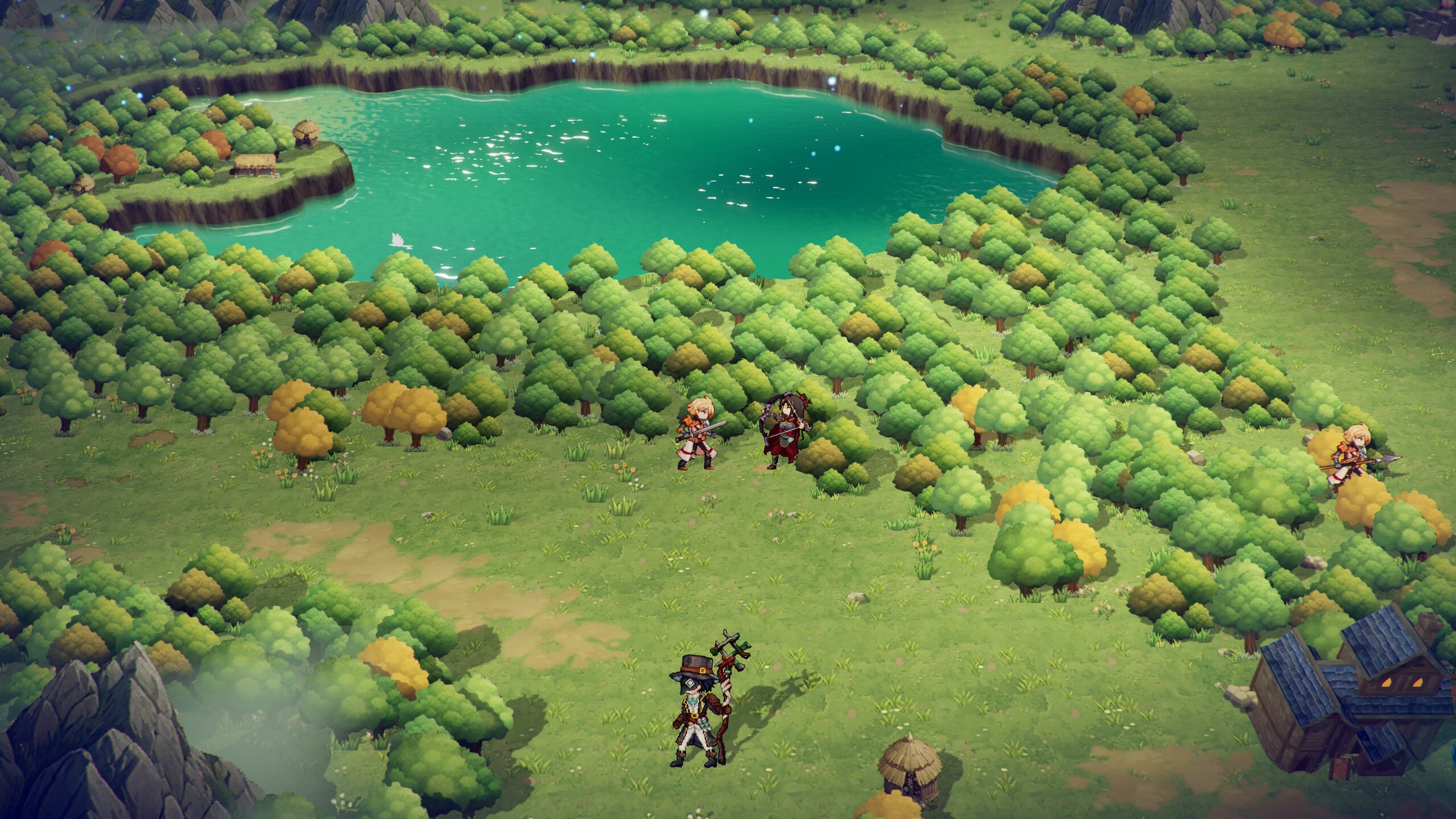
Over two centuries of territorial expansion and fertile land conquests, the Caucaid people flourished. Distinct cultural customs and ethnic identities began taking shape across various Provinces. Gradually, the unified kinship among Caucaidian fractured into "us and them" divisions between different Provinces. As easily habitable lands were exhausted and resource allocation grievances accumulated, once-solid alliances between provinces developed cracks.
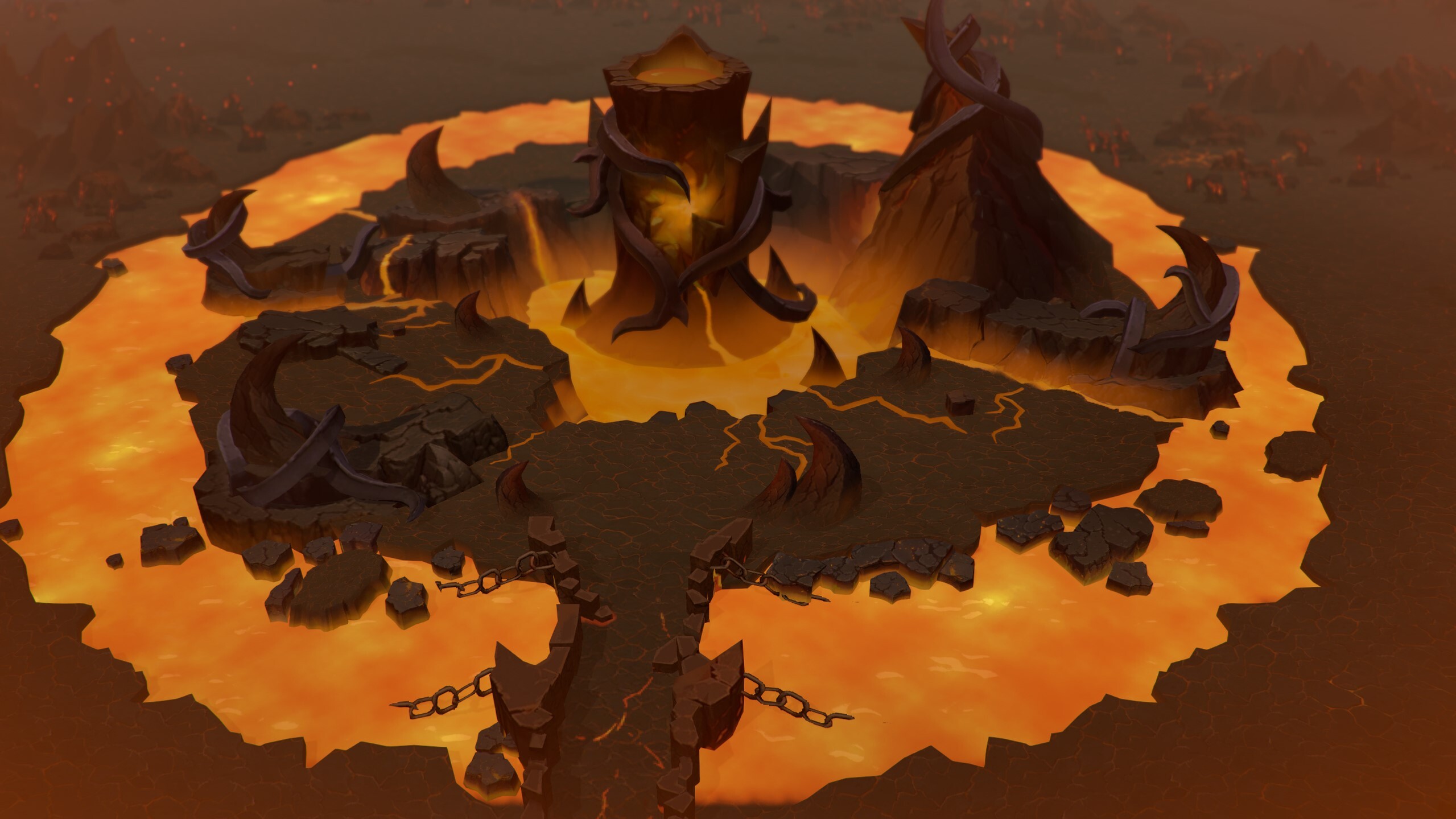
Following the first Melting Disaster, the threat of Demonspawn invasions threw the complacent Caucaidian into panic. Northern Provinces bordering the Circle of Calamity demanded greater resources, their aggressive stance alienating other provinces. Compounded by ongoing resource disputes, the Parliament of Stone Step gradually lost its ability to mediate conflicts between provinces.
The Lettuce and the Crest
The growing power of northern Orc clans threatened the Plains Province along Titan Mountains' southern foothills. This Province rapidly aligned with Northern Province, creating a dangerous standoff between four northeastern and southwestern provinces that rendered the Parliament of Stone Step completely dysfunctional.
In Year 85, a dispute over ownership of a lettuce cart escalated into armed conflict between Northern Province and Central Province forces. The clash rapidly spread, erupting into an unprecedented civil war.
Four Provinces' legions waged protracted battles across central fertile lands, trading victories while thousands of Caucaidian fell to kinsmen's blades. The co-governance era's accumulated wealth dwindled rapidly as war weariness and opposed sentiments grew among the populace.
In Year 108, Central Province crumbled first under rebellion-induced economic collapse, withdrawing from hegemony struggles. Subsequently, the isolated Highland Province underwent a series of rebellions and dissolutions.
Before Northern Province and Plains Province could contend for their rivals' legacy, they disintegrated amidst successive uprisings and rebellions. The Lettuce Wars concluded, leaving Caucaid in ruins awaiting reconstruction.
Following the collapse of the Ancient Empire's co-governance model of Provinces, numerous city-states emerged across Caucaidian lands, locked in perpetual warfare.

As time progressed, city-states merged through blood ties, forming over a dozen kingdoms. The mergers, alliances, and marriages between Families eventually gave birth to four powerful realms: Mountainspire in the southwest, Illich in the north, Helton in the south, and Brightflame at the heartland.
The Caucaid has returned to an era of quadrilateral confrontation, while kings' aspirations to dominate the realm and reunify the lands deepen with each passing year.
Age of Trembling
The Kingdom of Helton initiated the first attempt at conquering the realms. In the Year 280, following the demise of Ampar IV, the King Brightflame, Helton intervened in the royal succession dispute, ultimately leading to armed conflict. Both sides rallied allies and plunged headlong into the quagmire of war.
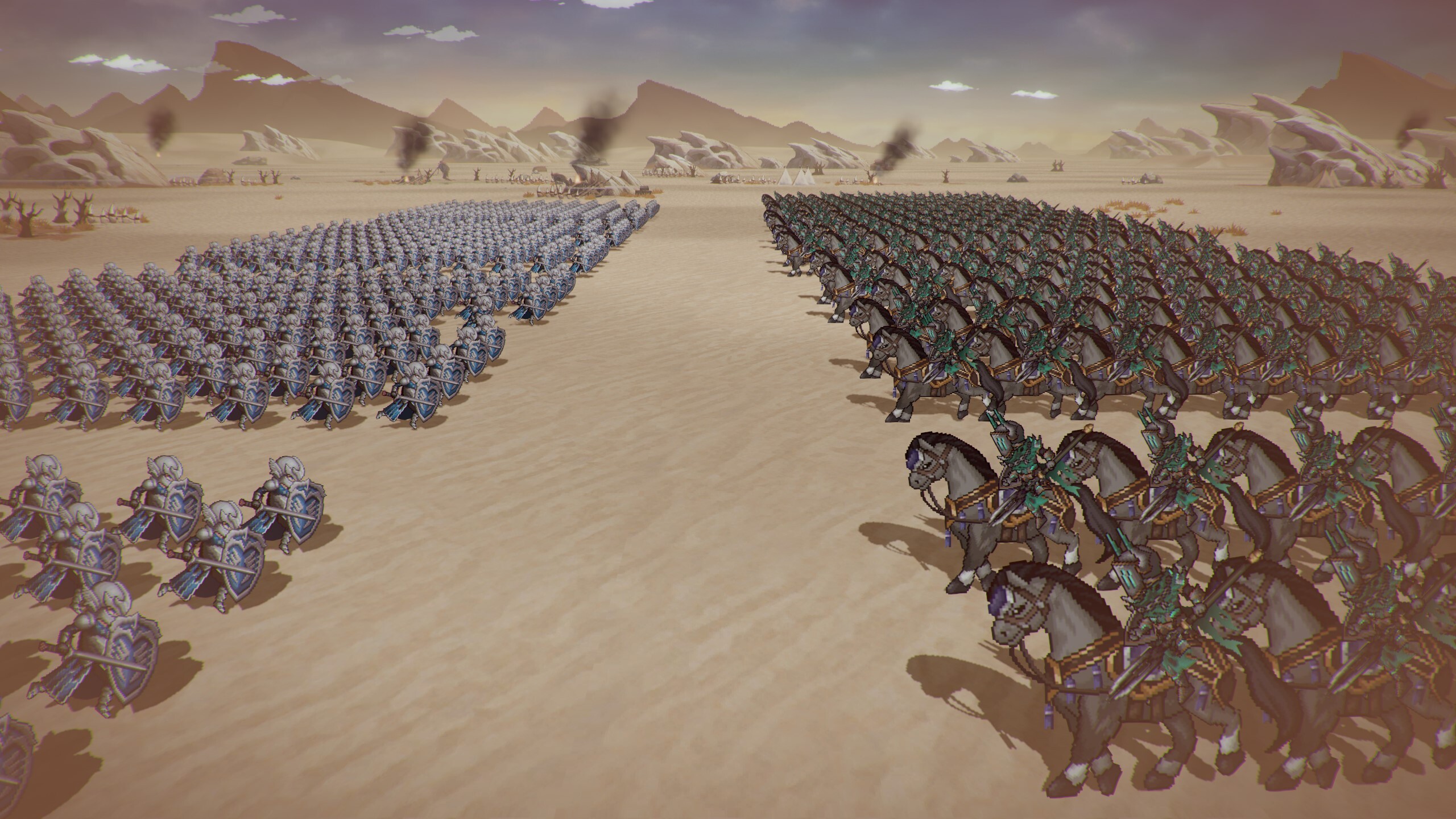
In the Year 289, a decisive battle erupted south of the White River, recorded in history as the War of the Four Kings. The Helton-Mountainspire alliance suffered defeat, with King Tennant of Helton captured and surrendering. The first conquest attempt ended in failure... yet this marked not the era's conclusion, but the first clarion call announcing its arrival.
The humiliated Tennant returned to his capital only to be swiftly overthrown, succeeded by his ambitious third son, Mordred. In the Year 302, capitalizing on Brightflame's royal demise and Illich's frost calamity, the long-dormant Kingdom of Helton struck northward, crushing Brightflame's main forces at White River to avenge past shame.
The following year saw Helton forces shatter Illich's reinforcements at Brightflame's capital, Edgard, extinguishing the Brightflame realm. Queen Sophia of Illich surrendered alone in the royal tent. In 305, Mordred launched western campaigns, citing Mountainspire's breached covenant, seizing two-thirds of its territory as the royal family fled into the mountains.
Thus, save the autonomous Dawnspring Duchy, "Thorn King" Mordred nearly unified the entire Caucaid.
Though Thorn King embodied war, his cruelty and warmongering destabilized the expanding realm. As discontent brewed and revolts erupted, Year 312 witnessed his undefeated streak broken at the Springland campaign. The executioner's noose lost its terror over restless rebels.

Within three years, Illych, Highland, and even Brightflame restored sovereignty. Even Helton Kingdom saw noble-led revolts. The Scourge of Nations ultimately perished with its capital in Mana Storm's crucible.
Following Tyrant Helton's death, Caucaid entered peaceful years. Former Helton territories fell under House Bianchi from the Springland duchy, which became independent as Dawnspring Kingdom.
The five newborn kingdoms signed the Edgard Pact, ushering in thirty years of peace. This phase witnessed religions' widespread propagation.
The major religions established during wartime were amplified during this period, with Believer numbers growing daily while doctrines and scriptures were refined. Representative examples included The Rising faith from the central plains, The Rebuke faith from mountainous kingdoms, and The Grow faith from eastern wilderness.
Lion's Ascension
After the Edgard Agreement expired, power struggles resumed among kingdoms. Yet this conquest proved brief yet decisive - Stirl Kingdom secured alliance through marriage with Springland, while prolonged military support won over warlords from Illych Kingdom.
Year 362, when Springland's King Aquos passed, Stirl King Jepard, being Aquos' son-in-law, claimed the Springland crown.
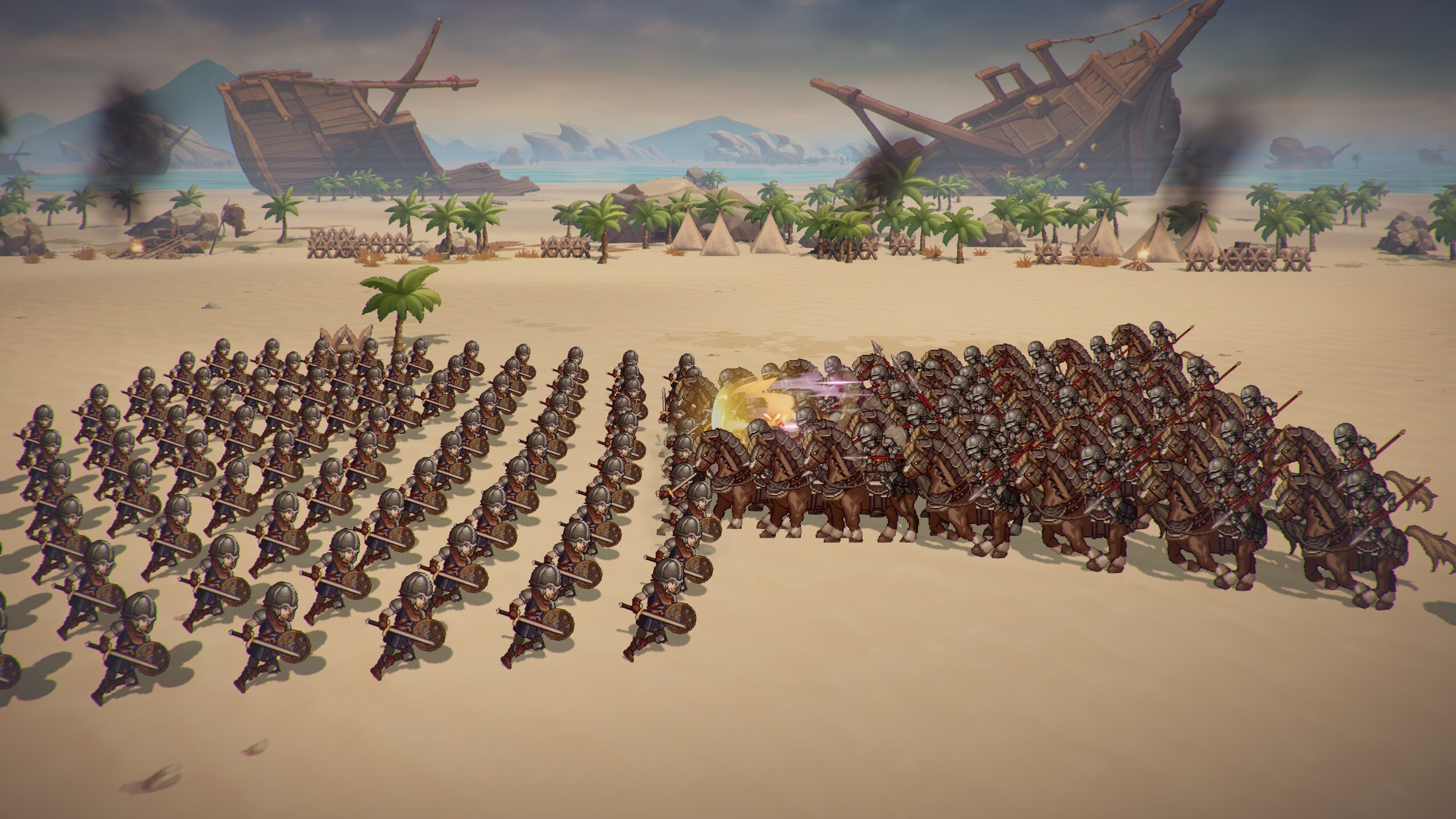
The merger of two powers triggered panic among Nations. Highland, Bianchi, and Illych formed a coalition against the Stirl Kingdom.
Year 363 summer, King Boris I of Ilyich's death triggered succession conflicts between heirs and military nobles. Stirl Kingdom's intervention escalated into full mobilization among allied states, sparking the War of Conquest.
That winter, Spring Archduke Arsenault outflanked Redpineland via Titan Mountains, capturing all Ilyich territories except the capital Gwana. Next summer at West Valley, his cavalry struck allied forces' rear as Jopad's Cavalry shattered their main army. Jopad·Stirl showed remarkable clemency, dissolving resistance through strategic alliances, treaties, and marital bonds.
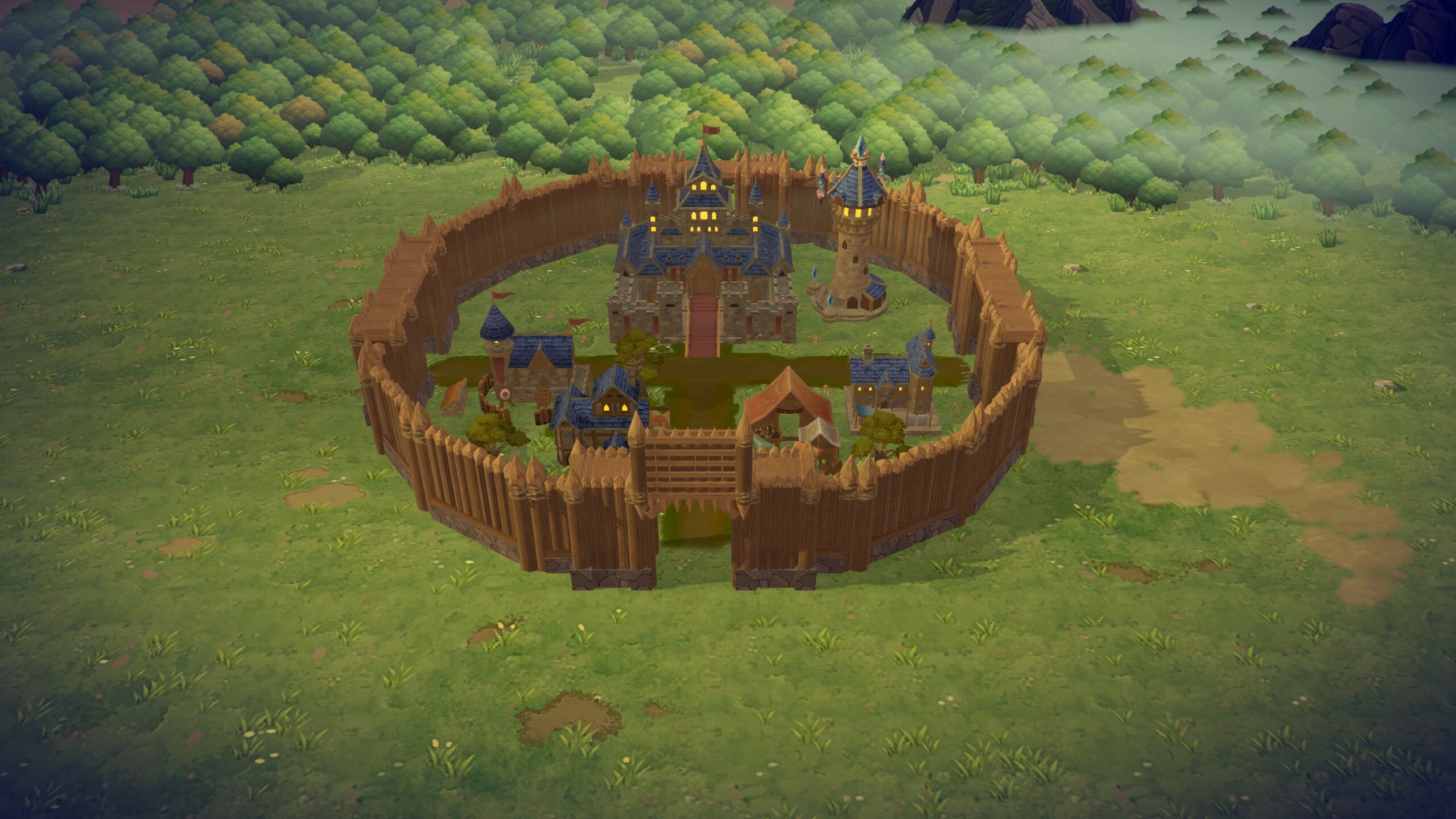
After crushing House Belning's costly rebellion in Year 365, Jopad Stirl was crowned Emperor at Edgard, renamed Lionfang Fortress, now the capital of the Caucaid Empire.
The five kingdoms were reorganized into seven Archduke territories. Houses Ilyich, Ridge, Spring royalty, and Stirl war heroes received Archduke titles. Jopad established the Imperial Household Council to manage noble affairs, appointing House Spring, instrumental in the conquest, as its leadership. Under legal frameworks from Fort of Justice, the empire achieved unprecedented political stability.
Beyond the Crown
Though the Stirl Family secured the imperial diadem, numerous political marriages, negotiations, and compromises during unification prevented the Caucaid Empire from establishing Chen-Yuan-style centralized governance.
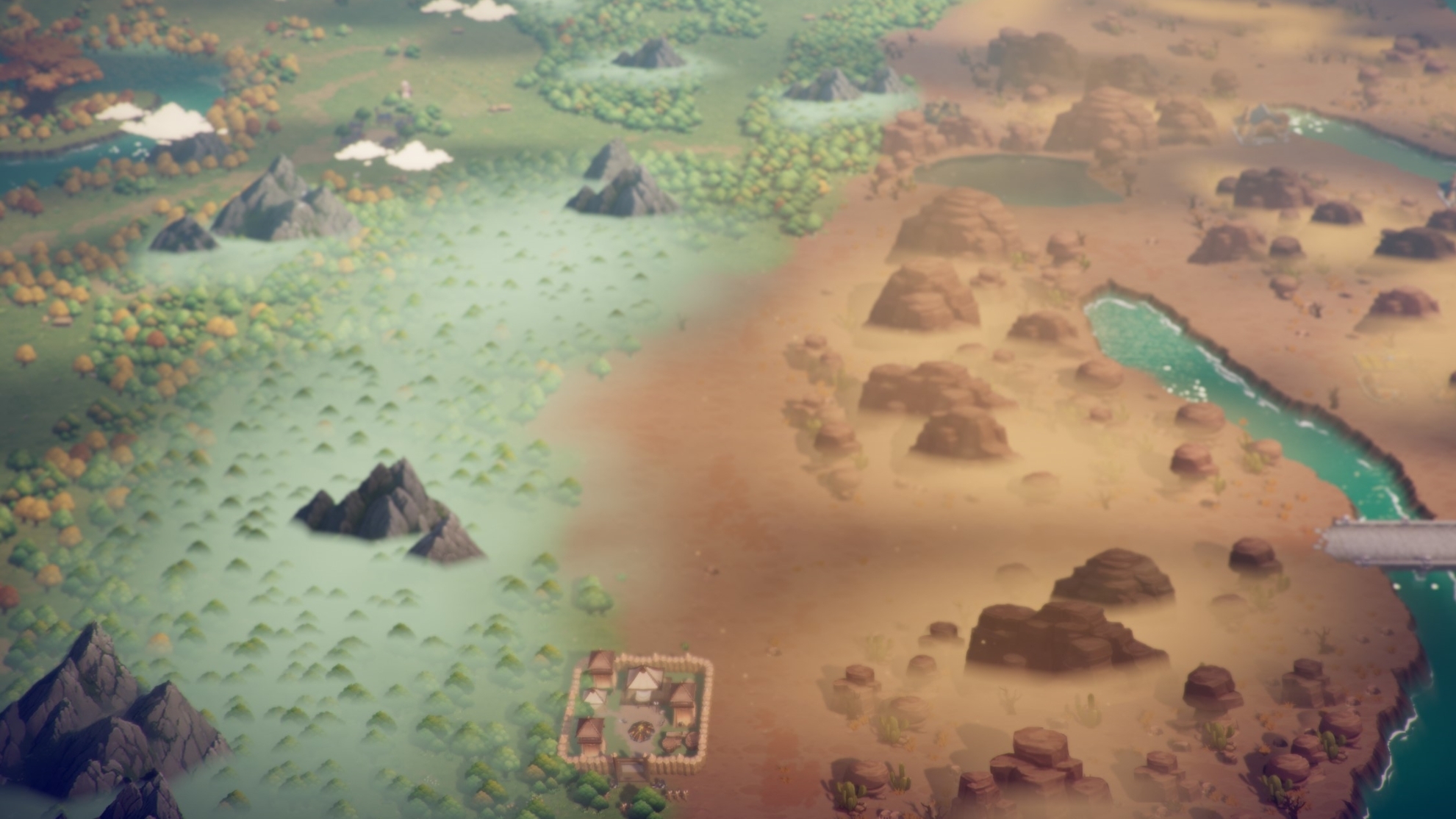
Beyond the royal domain housing Lionfang Fortress, most imperial territories remain under Archduke rule, maintaining administrative frameworks largely unchanged from the kingdom era. Each duchy retains its Parliament of Stone Step, though Archdukes still wield substantial executive authority.
The imperial family exercises no direct control over duchies, requiring all edicts to be channeled through the Imperial Household Council to dukes for implementation, effectively making the Council's leader the empire's de facto prime minister.
Caucaid's decentralized governance effectively leveraged each duchy's strengths: Burningland's commerce and religious culture, Libraland's legal codes, Steelland's technological innovations, Springland's manorial economy and knightly traditions, Lunaland's Mana research, Redpineland's military heritage, Sharkland's maritime trade and fleets... all became pillars of imperial pride.
Ever pioneering, Caucaidians maintained their expansionist spirit post-unification. Religious disputes soon ignited the "Quagmire War" against the northern Sagar Kingdom. The imperial army and The Rising church forces have been fighting the Sagar people who worship "The Silence" in northern swamps for ten years, leaving both sides exhausted. During the recent Third Flooding Catastrophe, imperial troops endured a hundred-day siege at Orost in Redpineland, ultimately driving Demonspawn back to Circle of Calamity through a miraculous event. Beneath our feet, trade disputes between Burningland and Chen-Yuan continue escalating.

Throughout Caucaidian history, warfare has filled nearly every parchment page. War represents society's most extreme collision, forging deepest calamities and most radical ideologies. Whether internal or external, Caucaid remains far from "stable", yet this land overflows with opportunities from every crevice. "Chaos is the cradle of progress" - if you truly believe this, seek audience with the local lord. But remember: those who live by the sword die by it. Chaos can forge a glorious future, yet snatch it away just as swiftly.