
Hello everyone, the first major update for SIGNAL LOST is officially on it's way. Before we get into the stuff we've been working on, you should know that the demo has been updated to be in-sync with the current state of the game. This includes all new languages, fixes & tweaks.
The upcoming major update, (as stated in our previous teaser post) will focus mainly on improving the game's lack of difficulty scaling with the inclusion of 6 new difficulties. The following image includes all difficulties alongside a small description.
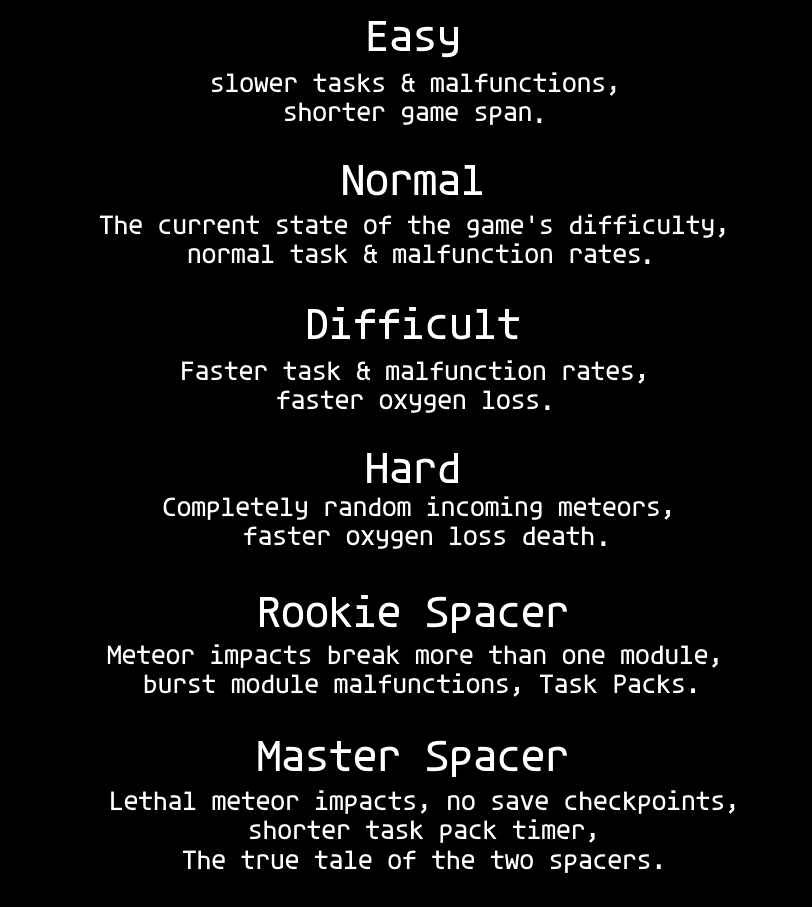
Each Difficulty setting builds off of the previous one by appending new mechanics on-top of the previous ones. What does this mean? Features present in say, Normal, are present in Hard + the features of Hard and so onwards. This creating a "cascade" of difficulty mechanics that complement each other and compound in higher orders of difficulty. Before you select the difficulty you wish to play at, you'll be able to read up on the mechanics present in it.
Here are three of the aforementioned difficulty mechanics :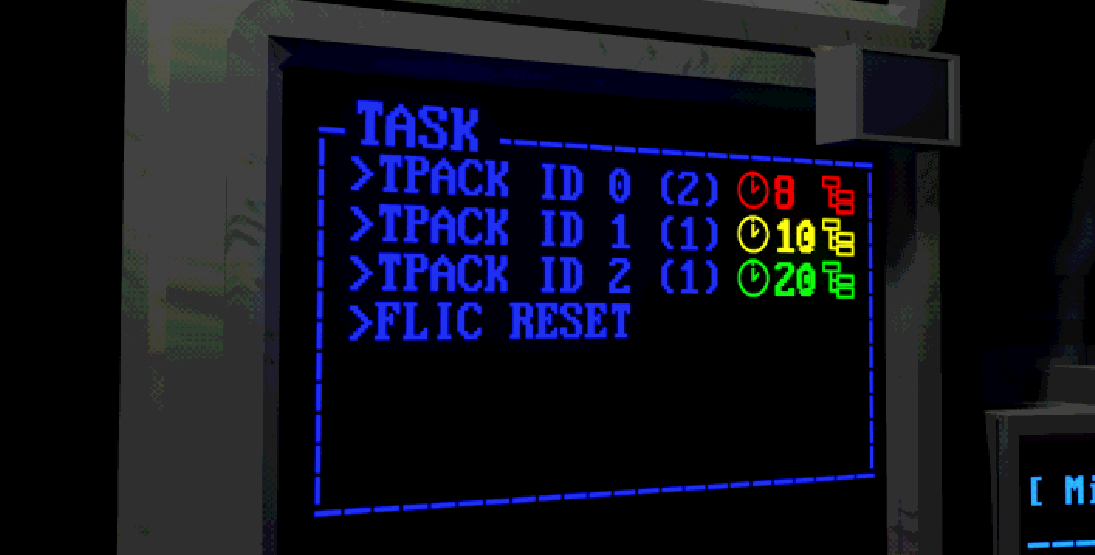
Task Packages (TPacks) are a new form of task which is introduced in higher difficulties. Task Packs contain various tasks inside which when executed are "unzipped". Failure to execute the Task Package within time will cause it to expire and auto-execute, unzipping themselves and creating a difficult task managment situation. Task Package expiration times and total contained tasks are depended on the difficulty scale (Those properties also change during gameplay depending on the game section).
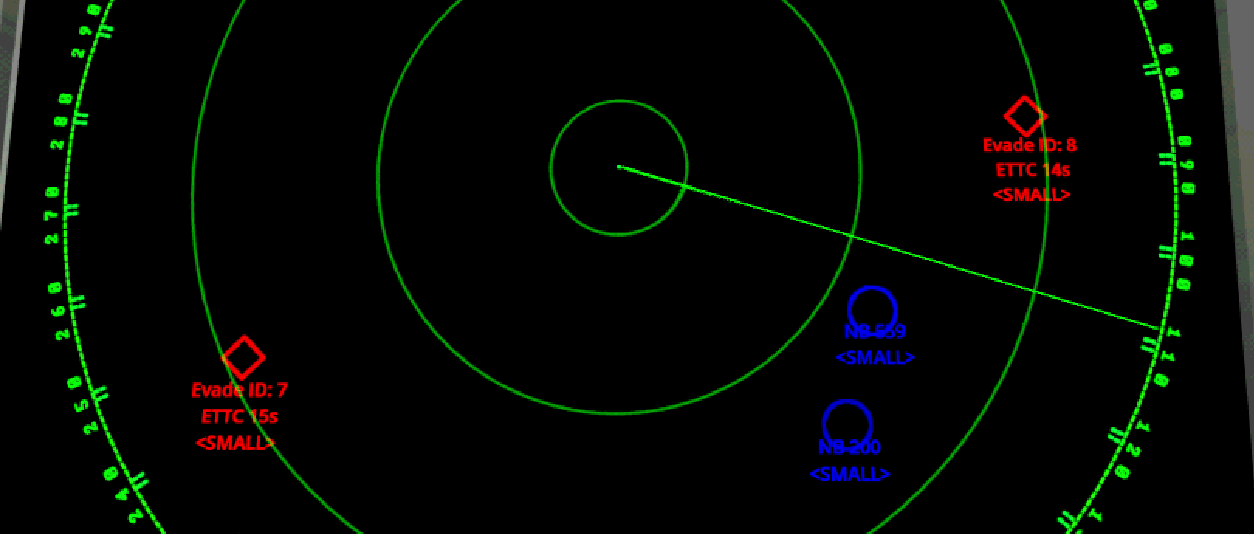
Previously, all incoming meteors were locked behind specific game sections and scripted events. However, now rogue meteors can spawn in random intervals. In some difficulty scales meteor impacts are harshly punished and can cause multiple malfunctions, while the hardest difficulty scale makes all meteor impacts lethal, immediately ending the run.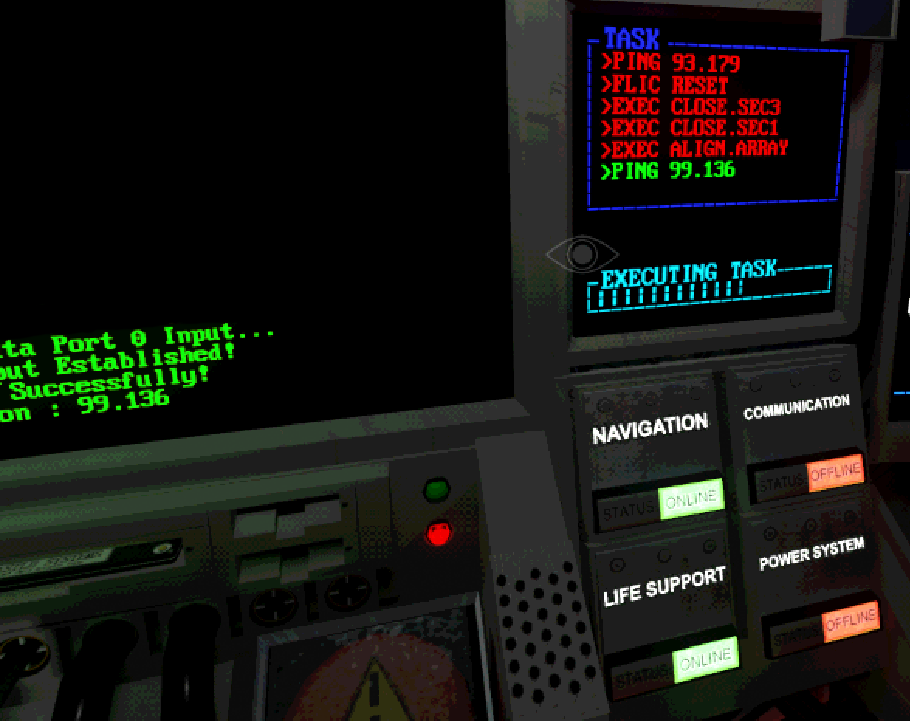
Difficulty scales also introduce burst malfunctions and even faster task arrivals. Depending on the difficulty scale you will notice that tasks and malfunction rates are faster. This leaves you with less down time, making decisions crucial.
And much more.