
Hello Pyron Warriors, this is Studio Doodal.
We greet you with our second development log.
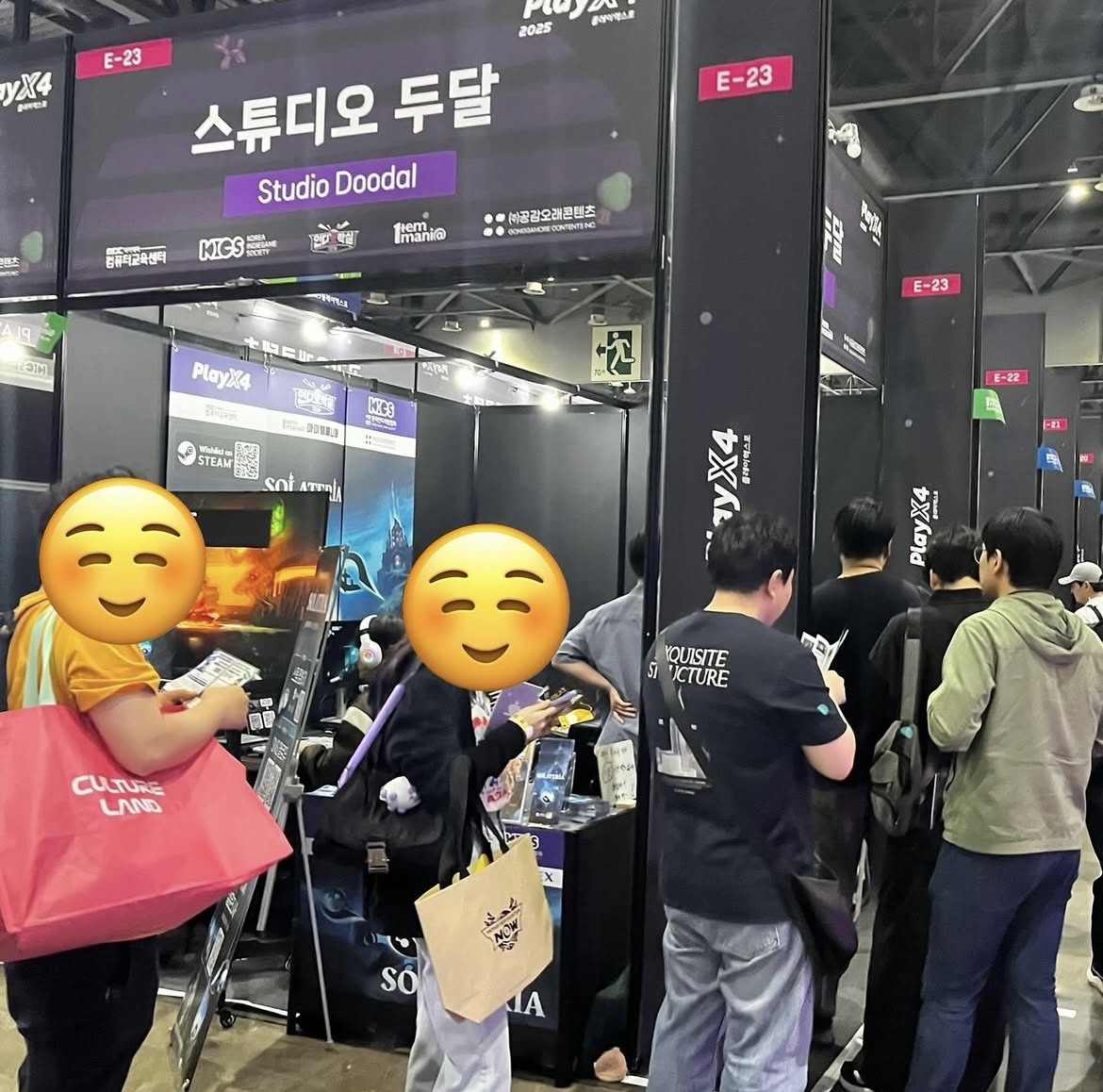
From May 21st to 25th, we showcased a new demo build of Solateria at the “PlayX4” exhibition!
We sincerely thank all the players who came to try Solateria.
We carefully reviewed each piece of feedback shared at the site, along with about 100 survey responses,
and we are striving to create a better game based on that feedback.
The first public reveal of Solateria was last July, around six months into development,
at the “Bitsummit” exhibition held in Japan.
The build showcased at this PlayX4 had many significant differences from the one a year ago.
Fortunately, compared to the feedback we received last year,
we got far more positive responses this time—
confirming that the direction Studio Doodal has been pursuing is the right one.
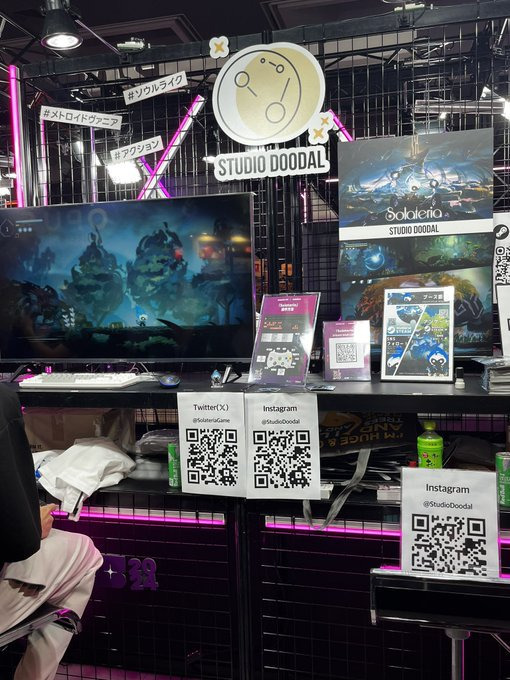
Since we first revealed Solateria at Bitsummit in July,
there have been about three major system changes.
The process has been long and difficult.
In this development log, we’ll talk about the changes Solateria has undergone so far,
and the biggest differences between the latest PlayX4 build and previous builds.
1. The Process of Creating Parry-Focused Action
“With so many metroidvania and action games out there,
how can Solateria have its own distinct action mechanics?”
This was the question we asked ourselves from the very beginning of development.
And each time we showcased the game offline, we closely observed how players engaged with it and continued to refine our answer.
Our conclusion was this: Solateria focuses on ‘parry-based combat’,
and since the protagonist is the flame-attribute warrior Blue Flame,
we built the game around ‘skills related to fire and heat’ as its defining features.
Problems Identified at Various Exhibitions
The build shown at last year’s Bitsummit, Tokyo Game Show, BIC, G-Star, and G-Eight was centered on parrying mechanics.
However, many players gave up on parrying after just a few attempts and shifted to dodge-heavy play styles.
At G-Star, we collected 844 surveys and analyzed the results thoroughly.
As a result, our development team concluded: “There is a lack of reward for parrying.”

Additional Rewards for Parrying
It’s good to allow players to freely choose their methods—be it parry, guard, or dodge—when fighting bosses.
However, Solateria was fundamentally built upon parry-centric gameplay, and we wanted the joy of parrying to be felt most during boss battles.
In the previous build, rewards were only granted when a specific enemy pattern was parried.
This meant very few players experienced the intended parry rewards.
So, the system we had designed remained mostly unseen.
We redesigned the system so that the skill “Pyron Action,” previously usable only after parrying specific patterns, could be activated more frequently.
We added “Stun Points” to all creatures—parrying would reduce these points, and once they hit zero, Pyron Action would be triggered.
This made the parry–counter loop occur more often during combat.
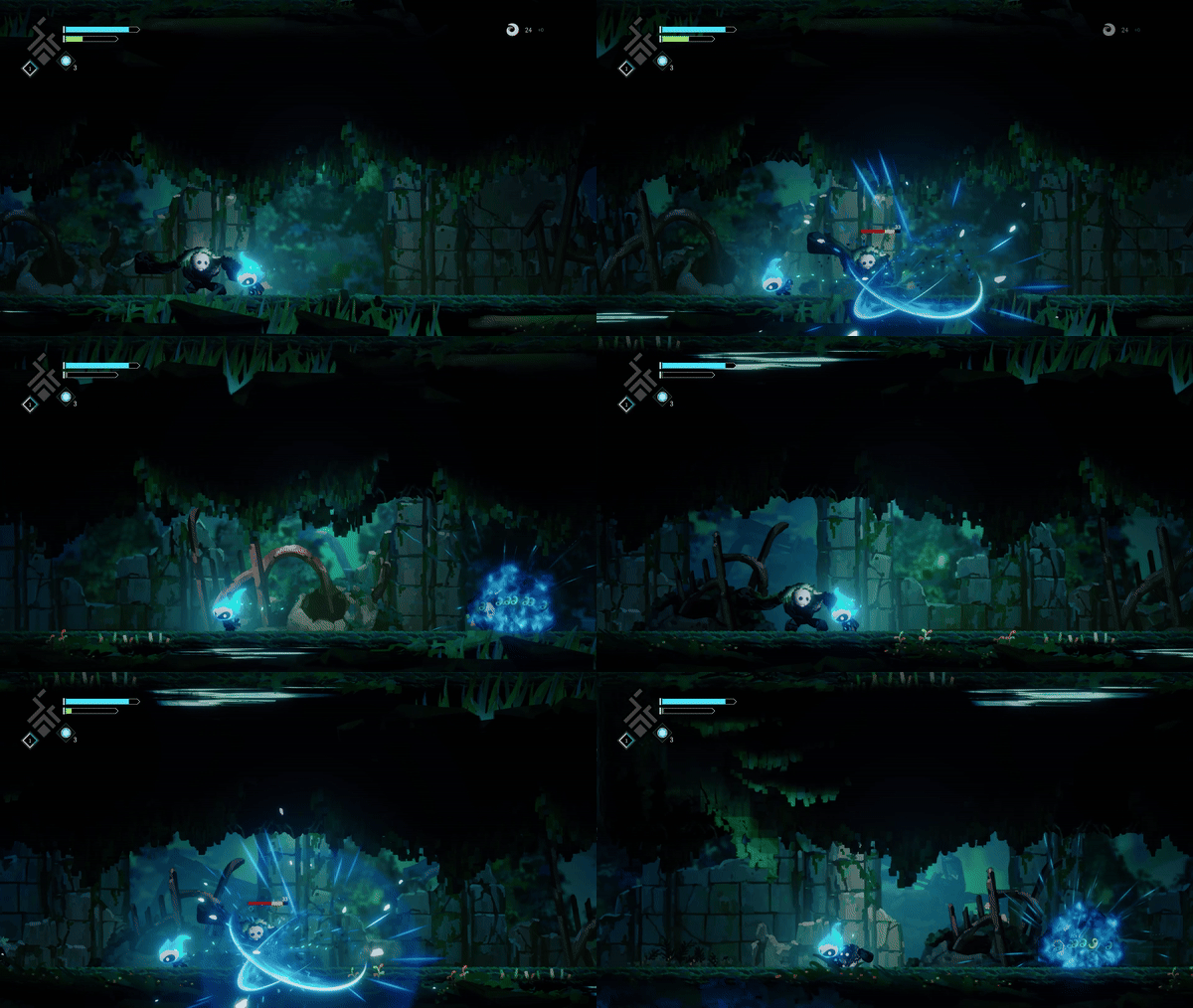
In the original tutorial, you had to parry a specific 3-hit combo to access Pyron Action guidance.
Now, all tutorial enemies have 1 Stun Point.
So if you parry just once, you immediately get to use Pyron Action.
This change lets players easily experience the core mechanic early on.
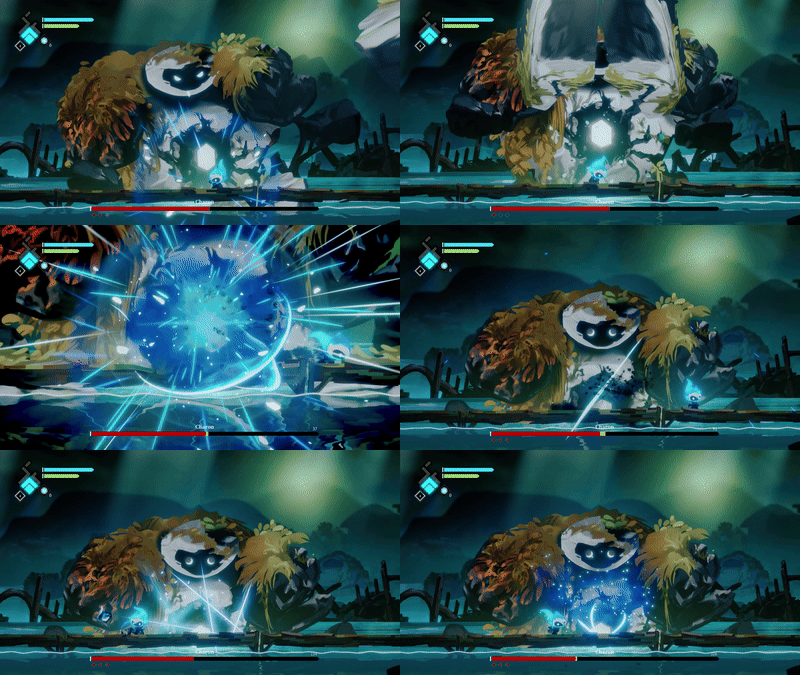
In boss fights, the intended flow is: parry to reduce Stun Points → trigger Pyron Action → build up parries and attacks → make the boss groggy → unleash the powerful skill, “Burst.”
Heat Core – Highlighting the Flame Warrior’s Identity
To match the flame warrior concept, we added a new system called “Heat Core.”
There are many factors that increase or decrease Heat Core,
but the most basic is a successful parry.
You can unlock up to five stages of Heat Core, each providing powerful skills that support gameplay.
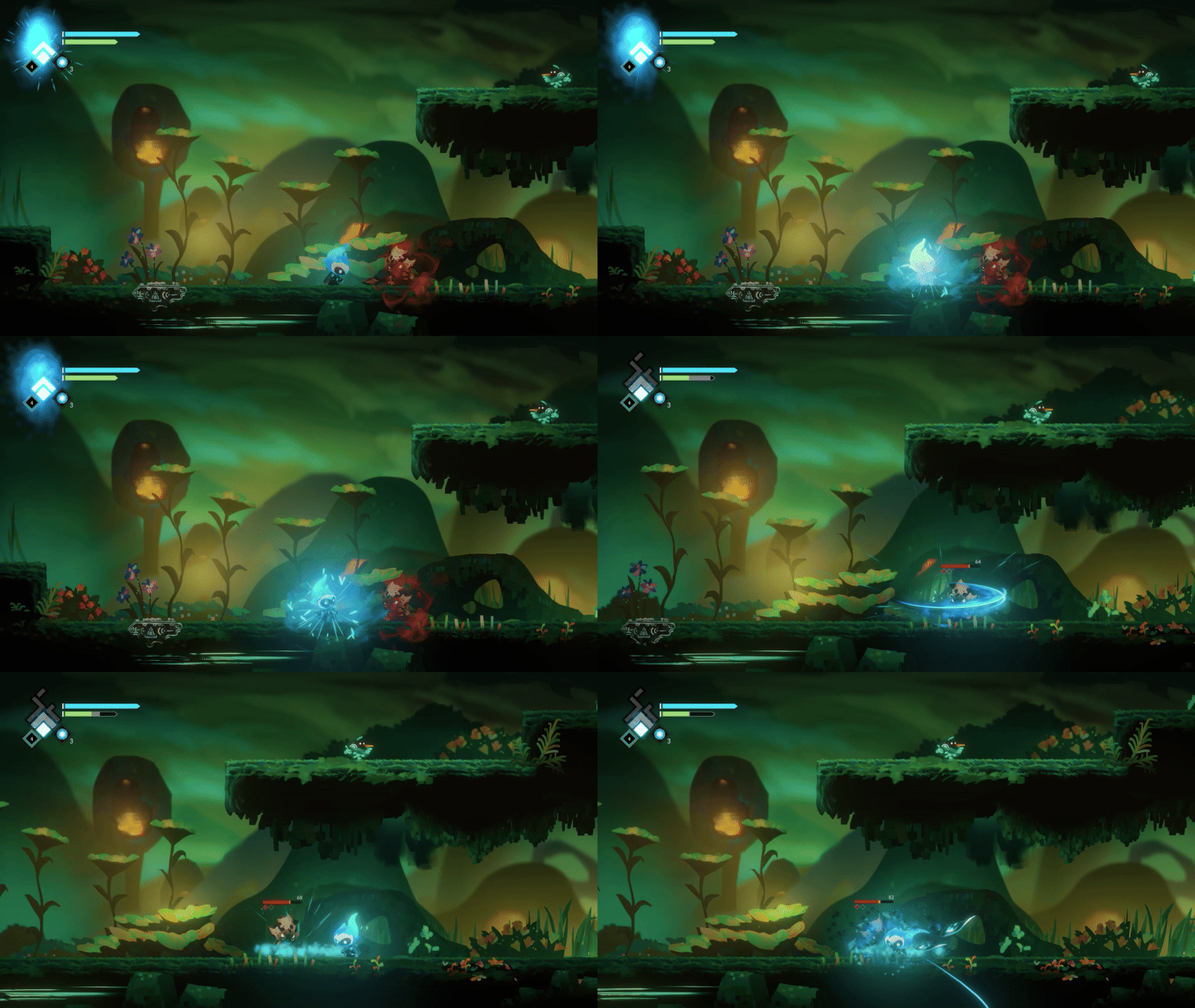
Originally, the second-stage Heat Core placed a fire field that dealt damage over time and added bonus hits to attacks.
But many players said it didn’t feel effective.
So we redesigned the skills at each stage to be more intuitive and impactful.
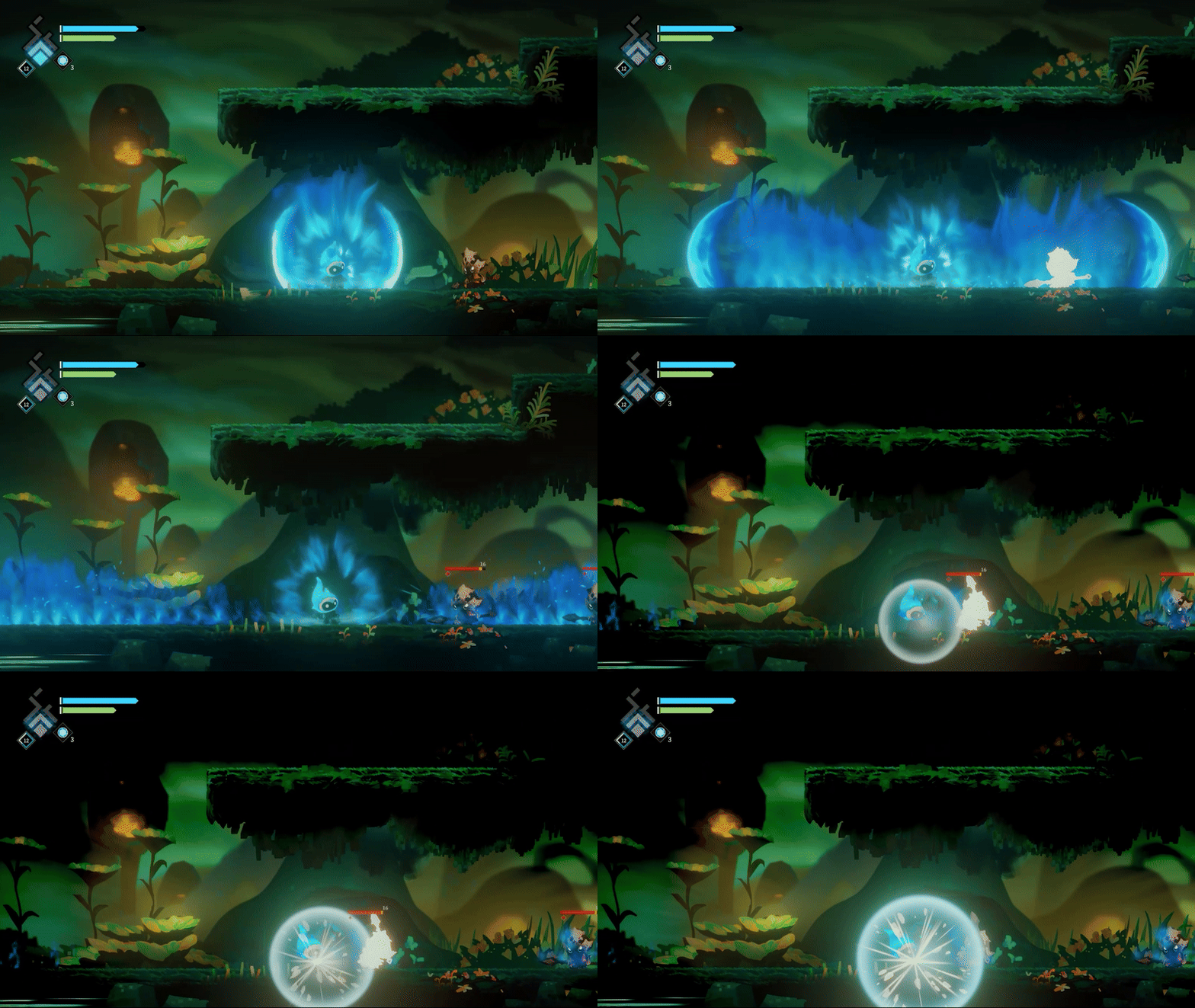
For example, the second-stage Heat Core now fires strong flame attacks forward and backward.
This scorches all visible enemies on the screen and inflicts burn status.
The skill also grants temporary invincibility, giving players a moment to use potions if needed.
-Heat Core Stage 2 (Before):
-Heat Core Stage 2 (After):
As the stages increase, parrying contributes more significantly to Heat Core, increasing the value of parry in gameplay.
We revealed this updated build at last month’s PlayX4.
Many players who experienced Pyron Action shifted from dodge-focused to parry-centric play.
After a long journey, it was fulfilling to see that the gameplay direction we aimed for matched the fun players experienced.
2. Efforts to Improve Hit and Damage Feedback
To address the often-mentioned issue of lackluster hit/damage feedback at last year’s events,
we significantly amplified the black bleeding effect, made enemies flash white briefly on hit, and added screen shake.
We also improved the SFX.
Knockback was considered, but in Solateria’s combat system—where characters can overlap with creatures—
adding knockback proved structurally difficult.
Instead, we polished the game to deliver satisfying hit feedback without knockback.
We also enlarged the visual effects triggered by successful parries,
clearly differentiating them from guard effects.
These changes led to significantly more positive feedback regarding hit and damage feel at PlayX4.

– (Left) Previous Parry Effect, (Right) Current Parry Effect
3. Extensive Art Polish to Match the Game's Atmosphere
Are you familiar with Studio Doodal’s previous title?
Our first game was LAPIN, a charming — yet challenging — precision platformer.
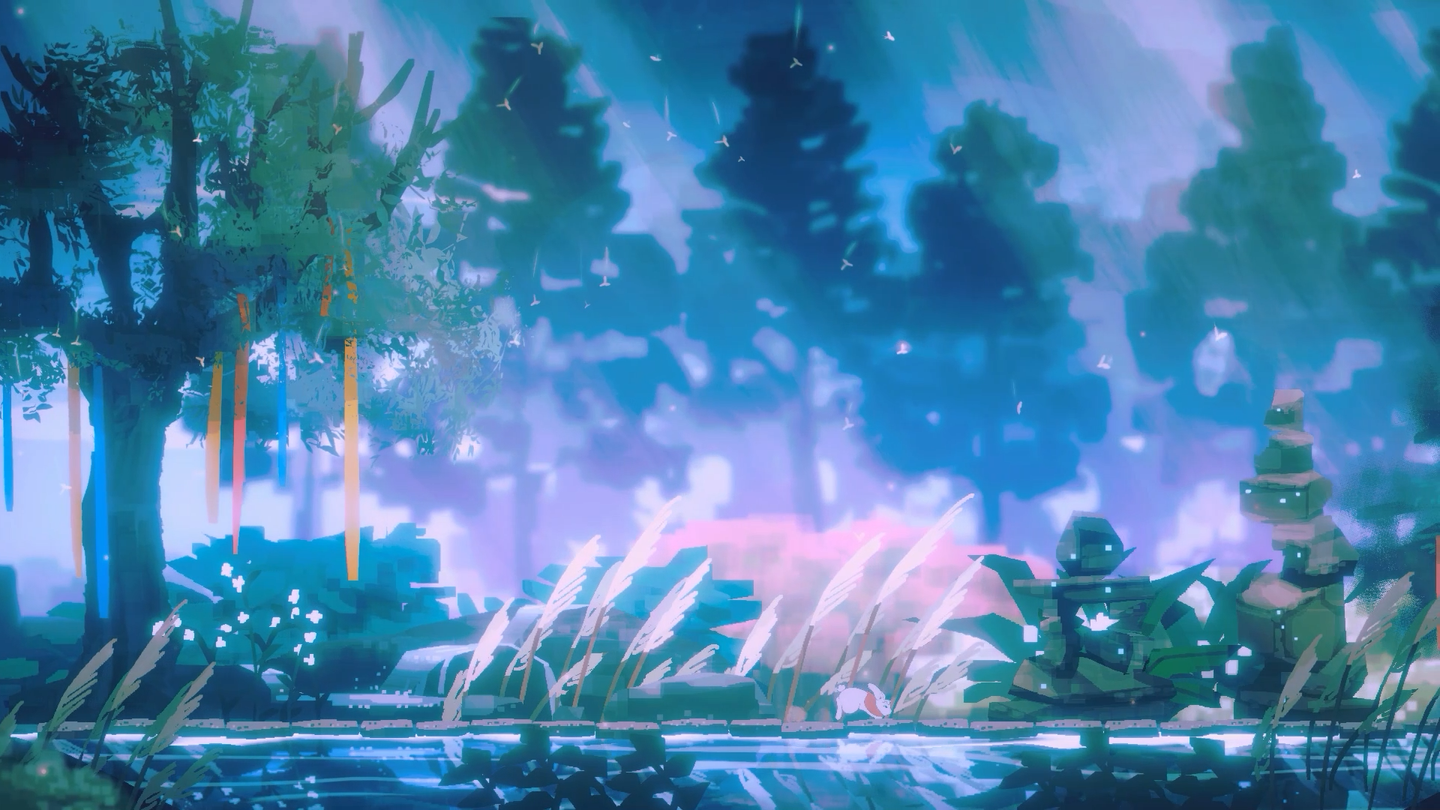
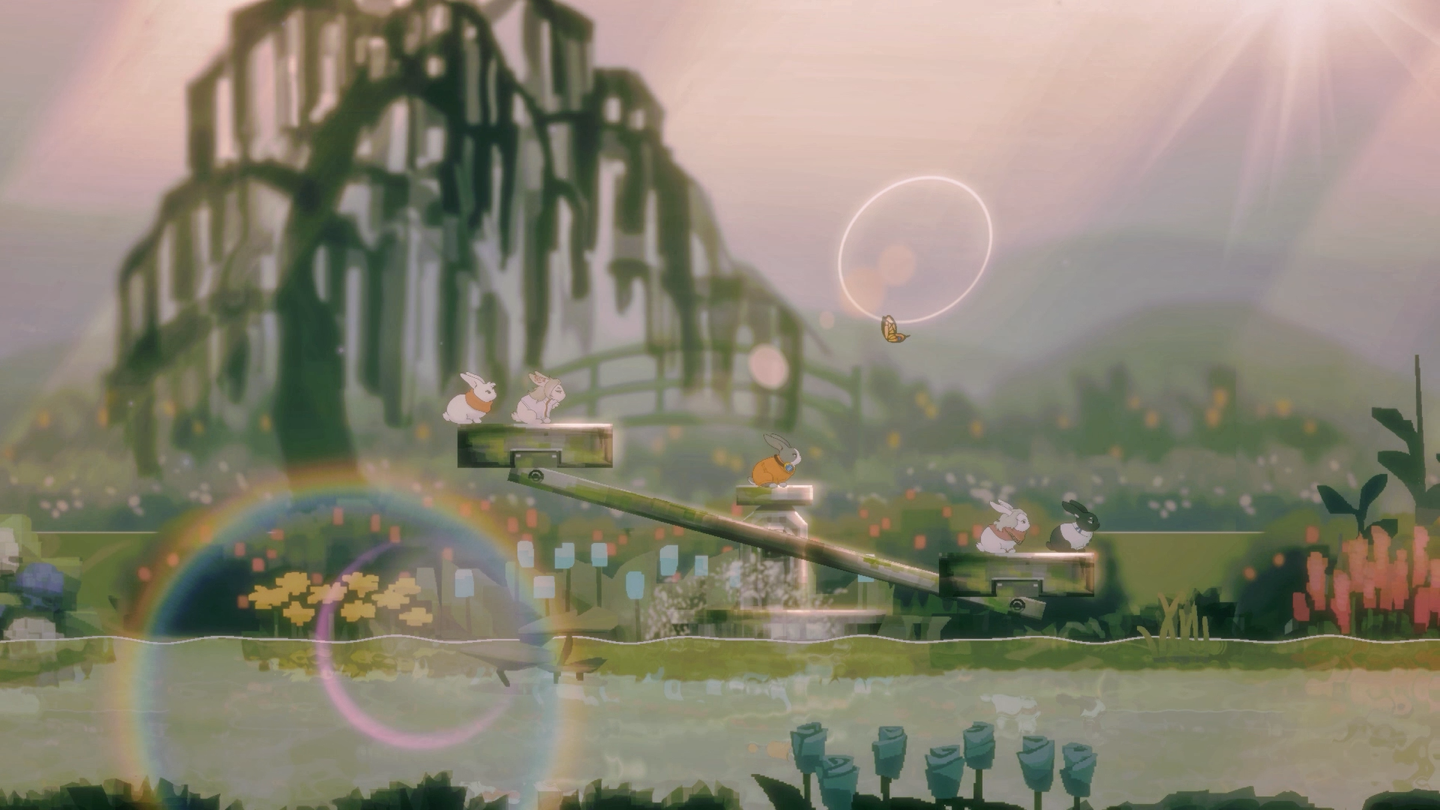
Because we were used to designing cute visuals, the early creature concepts for Solateria also had a somewhat cute look.
– Early Creature Design:
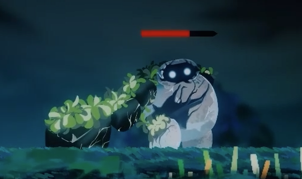
We initially aimed to maintain the beautiful hand-drawn art style of LAPIN,
which made the overall tone of the game quite bright.
However, through various exhibitions, we realized that this bright, cute art style didn’t match the dark story of Solateria.
So, we worked hard to shift toward a darker aesthetic and redesigned many previously created creatures.
– Redesigned Creature Design:
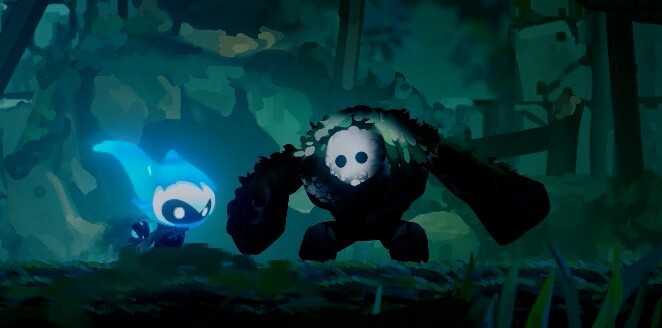
As a result, we were able to create artwork that much more closely matches the atmosphere of the Solateria universe.
— Studio Doodal