
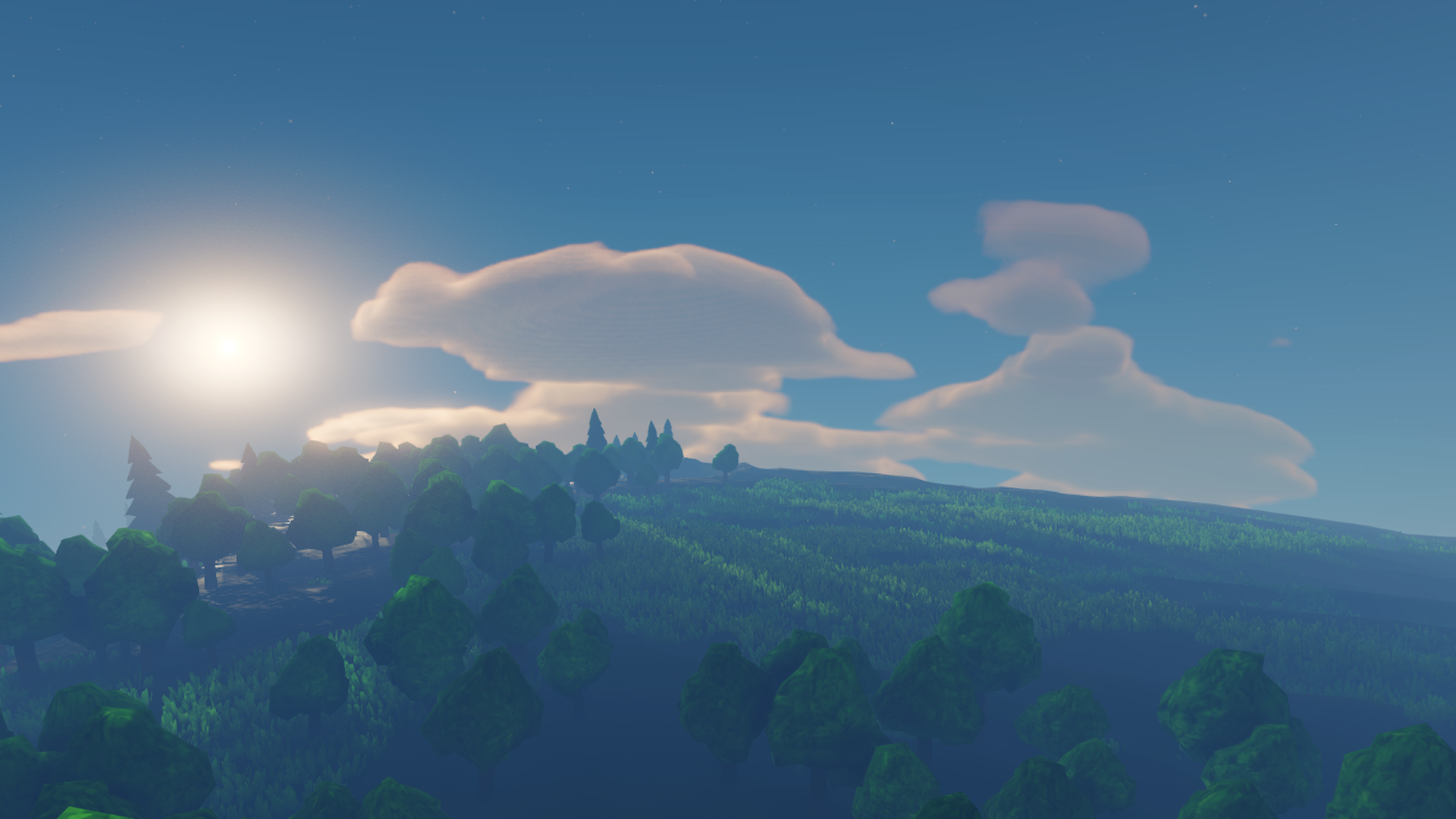
Over the last few weeks we set the towns and factories aside and worked on the planet itself. We've been implementing a broader variety of terrestrial and aquatic systems. This post covers the three biggest pieces of that work. Continents now come from a simulation of drifting plates. Volcanoes rise where those plates say they should. And the water, from the open sea to the shoreline, has far more biological diversity.
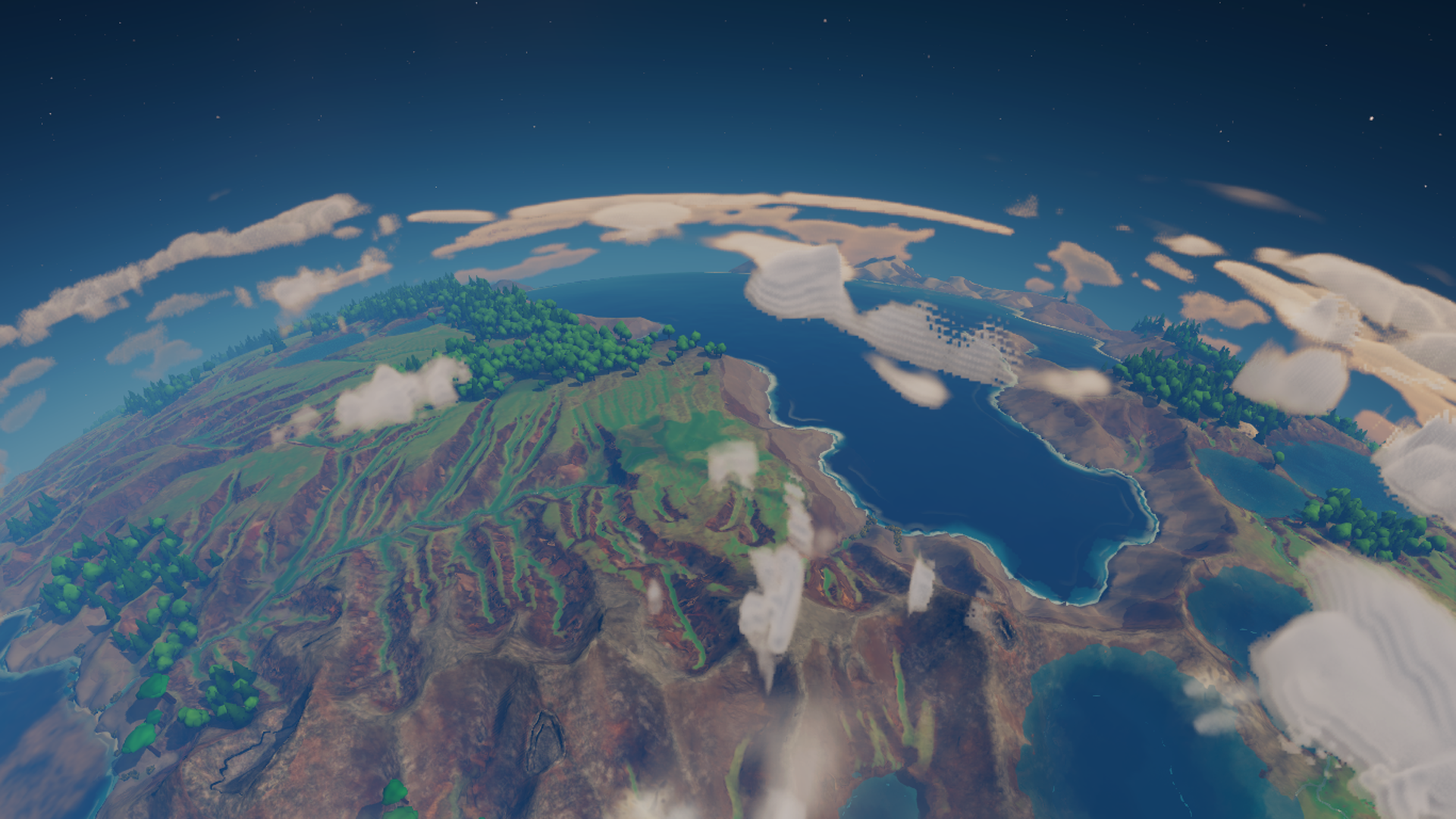
Until now a planet's plates were drawn once and never moved. Land and sea came from a pattern that had nothing to do with those plates. Mountains were an even band along each plate edge, with no direction and no age. It worked, but every range had the same look. The Planet Lab now features a tectonics simulation tool which will allow the player to simulate up to a billion years of geological history.
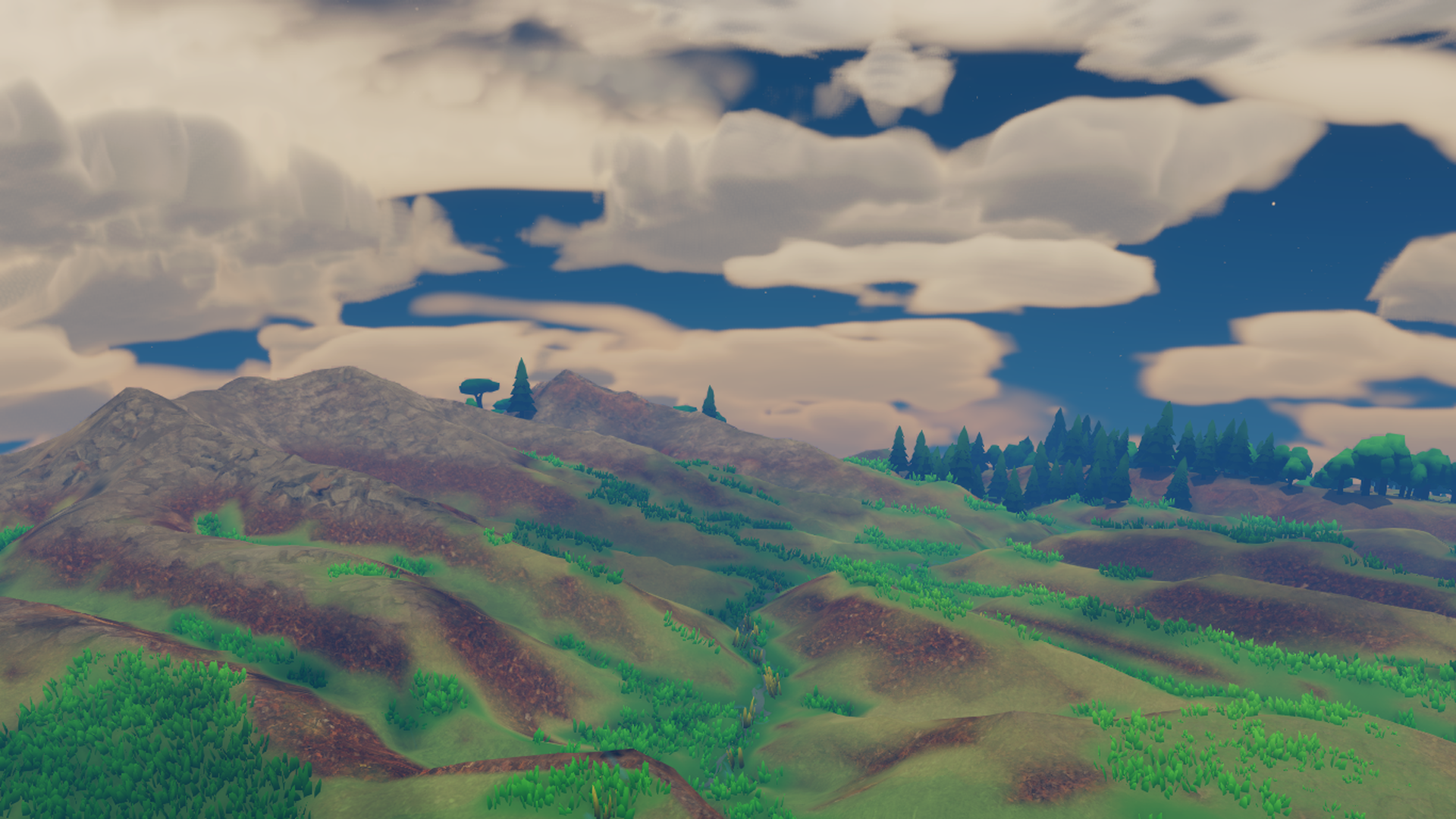
Gaps between plates fill with new ocean floor, forming spreading ridges.
Old ocean floor sinks under the plate it meets. That leaves a trench, and a line of volcanoes on the plate above.
Continents collide. The crust thickens and rises, the plates slow down, and a long collision welds them into one.
Large continents split along a weak line, opening a rift valley and later a new sea.
Hotspots stay put while plates slide over them, leaving a chain of volcanoes that gets older along the plate's path.
Everything ages. A range wears down to low hills about 250 million years after its collision stops. Ocean floor sinks deeper as it gets older.
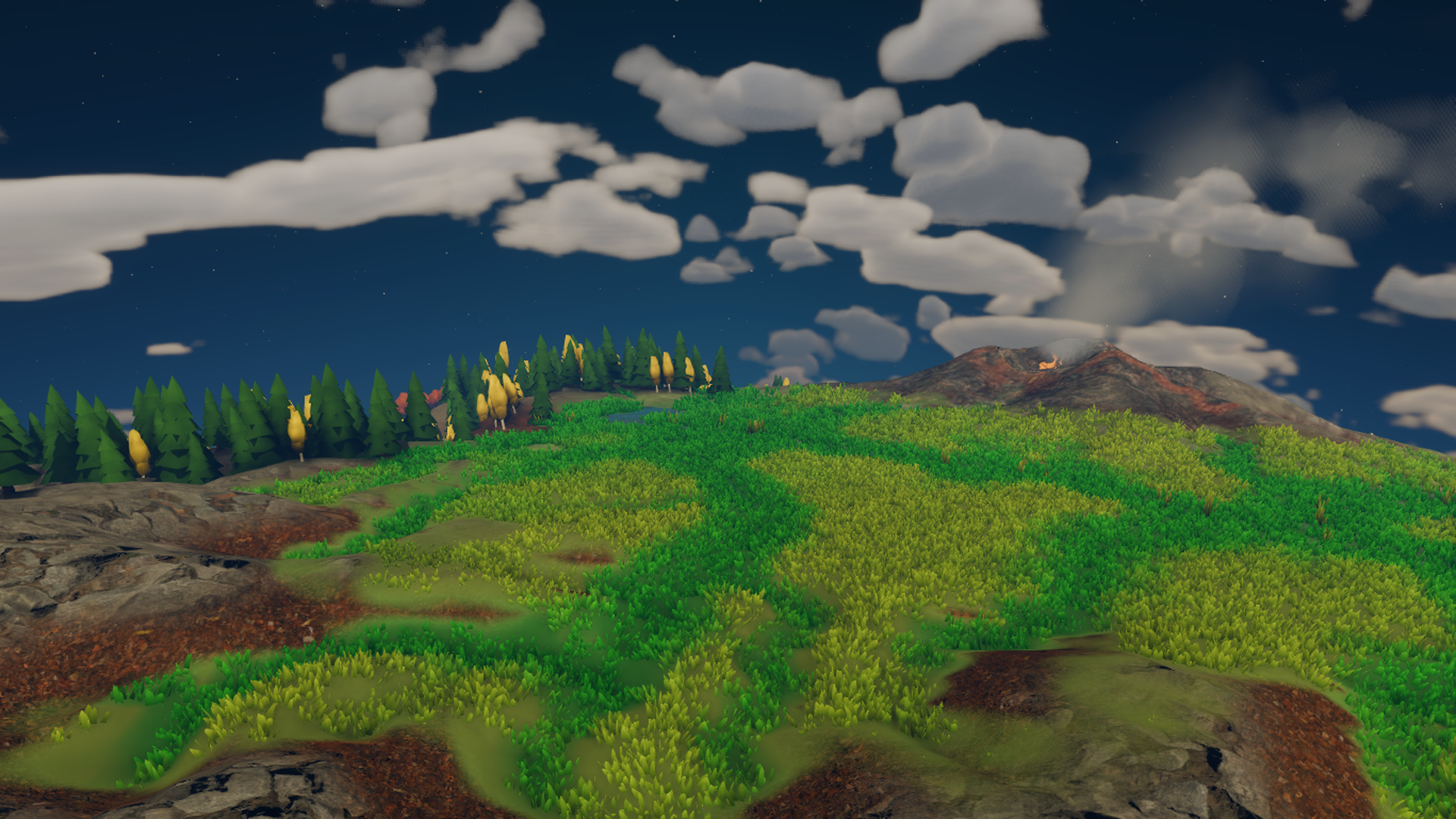
Volcanic ground has its own materials: fresh lava rock, old flows, dark ash and red cinders, with a faint glow in the cracks of an active crater. Active volcanoes give off thin smoke, and vent fields give off steam over stained ground. There are no lava flows and no eruptions. This first pass is about landscape, and a new Volcanism map layer shows every site in Planet Lab and in a campaign.
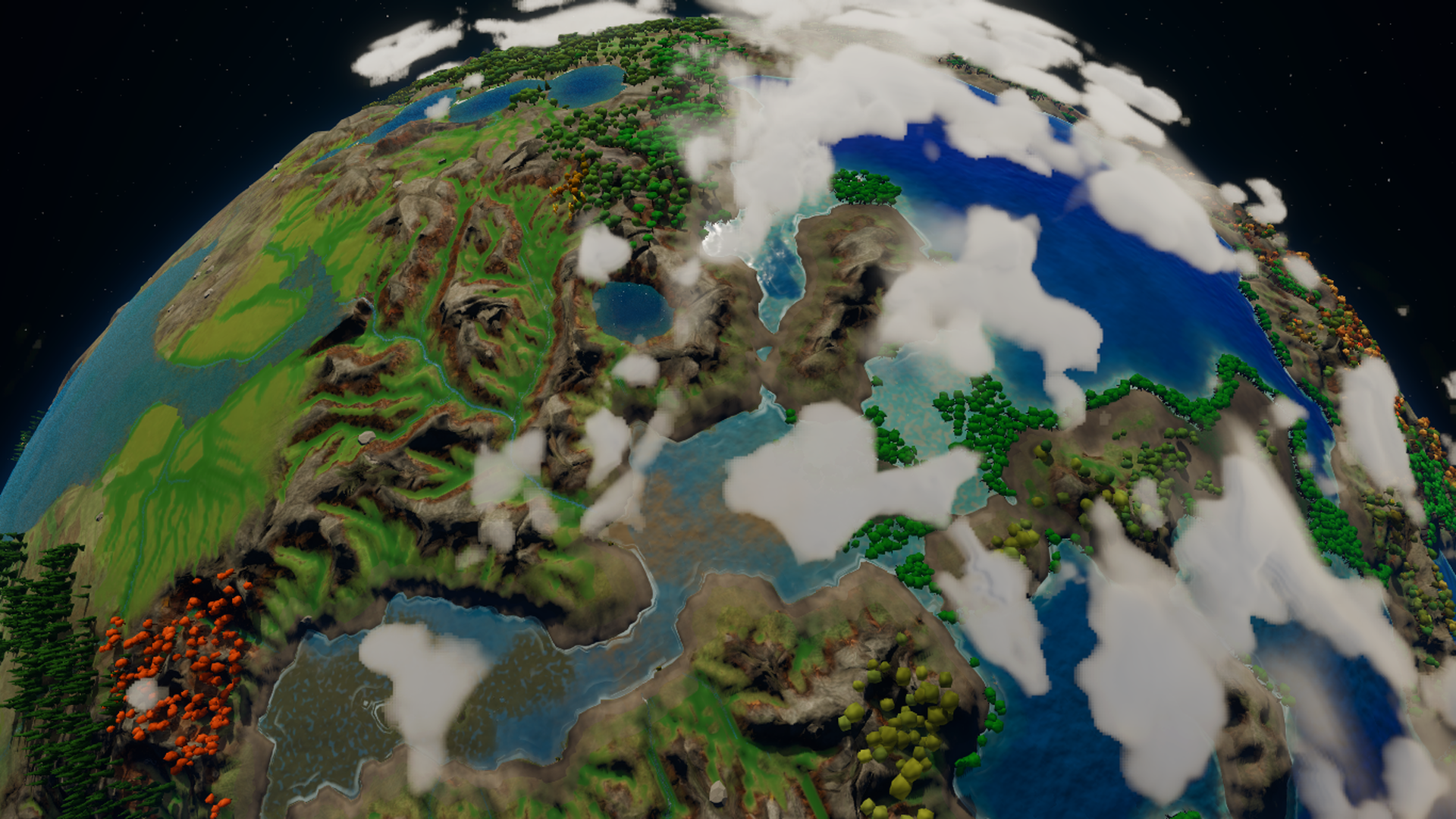
Coral reefs, kelp forests, mangroves, salt marshes and dunes grow where the climate and coast suit them. Healthy ones hold more fish, while warming, pollution and trawling wear them down. Mangroves wade into the shallows, reefs show turquoise under the water and reeds line marsh shores. Up close, fish schools swim the rich waters. These new ecological systems will open up new styles of play where ignoring long-term exploitation has significant consequences. Eventually, we would like for players to be able to use some of these geological features in more innovative ways as the game progresses.
Additionally, we've made some progress optimizing the terrain systems and gameplay simulation. I am more confident in our release timeline and we can't wait for people to get their hands on these tools. Some of which you'll be able to try out yourself in February in the upcoming Planet Lab Demo!
More details on the features available in this demo will be available in the coming weeks. Feel free to ask us questions here or tell us what you think about the recent changes! Thanks again for following along, and stay tuned for the next development blog where we'll review the in-game guidebook and onboarding features.
Best Regards,
Kaleb Wassa