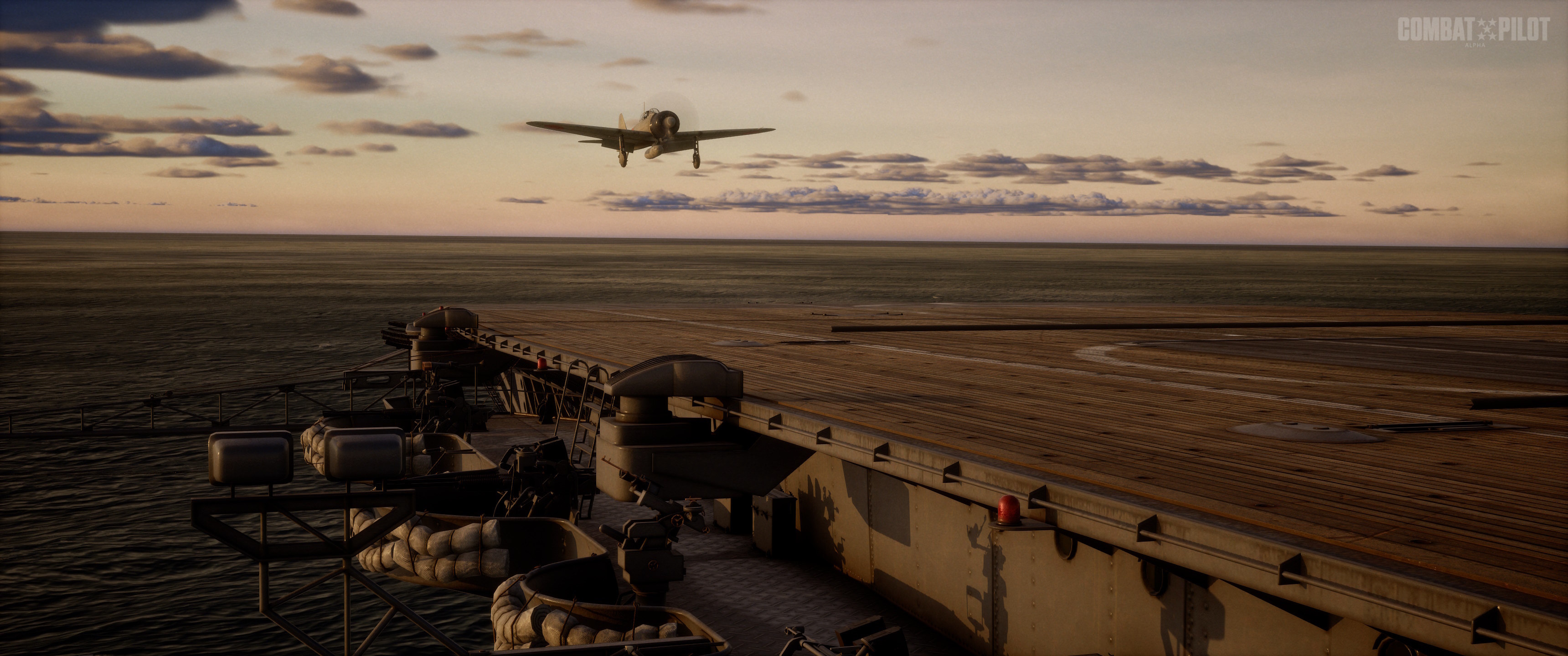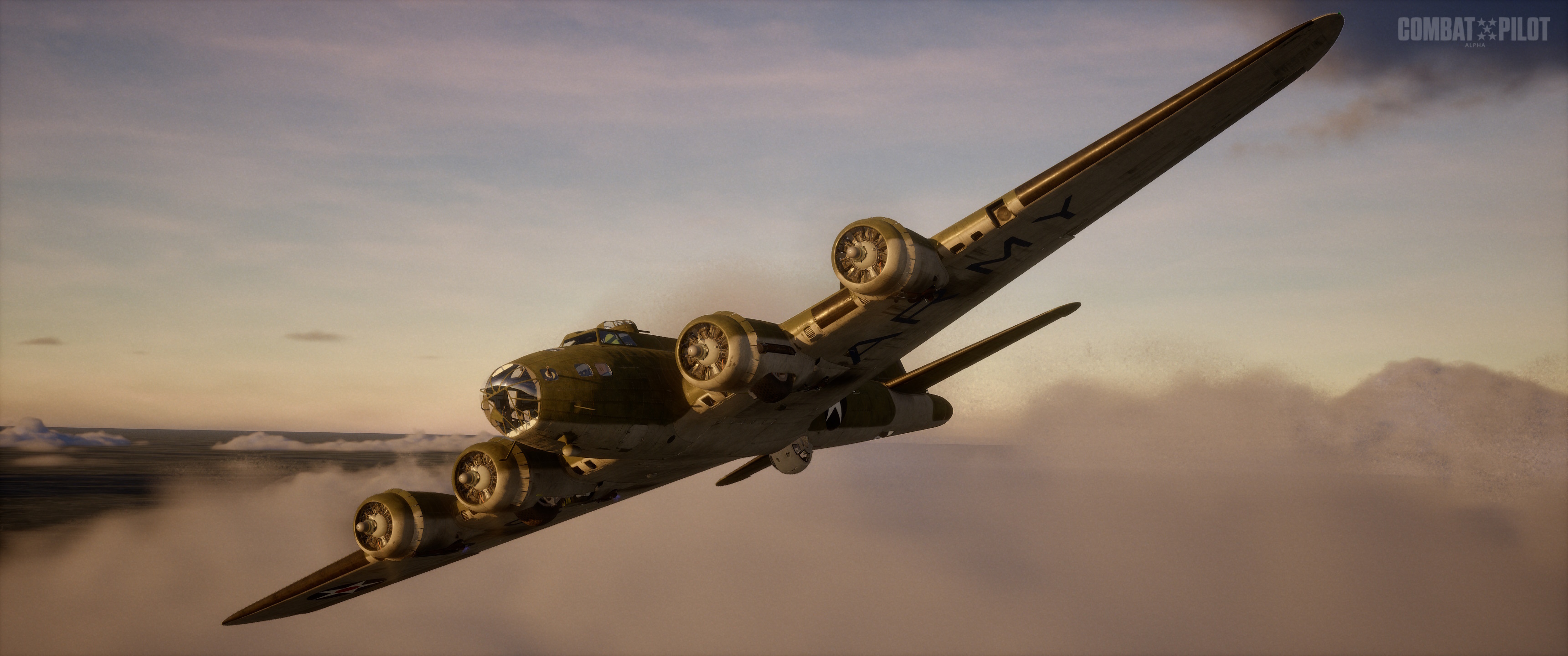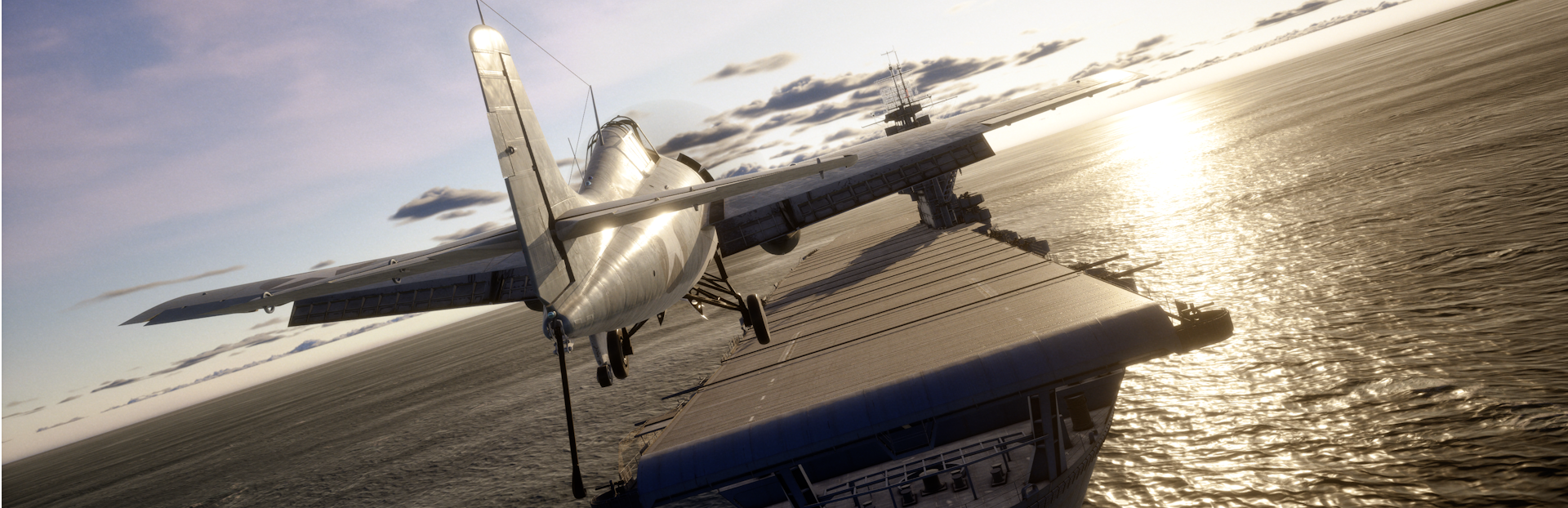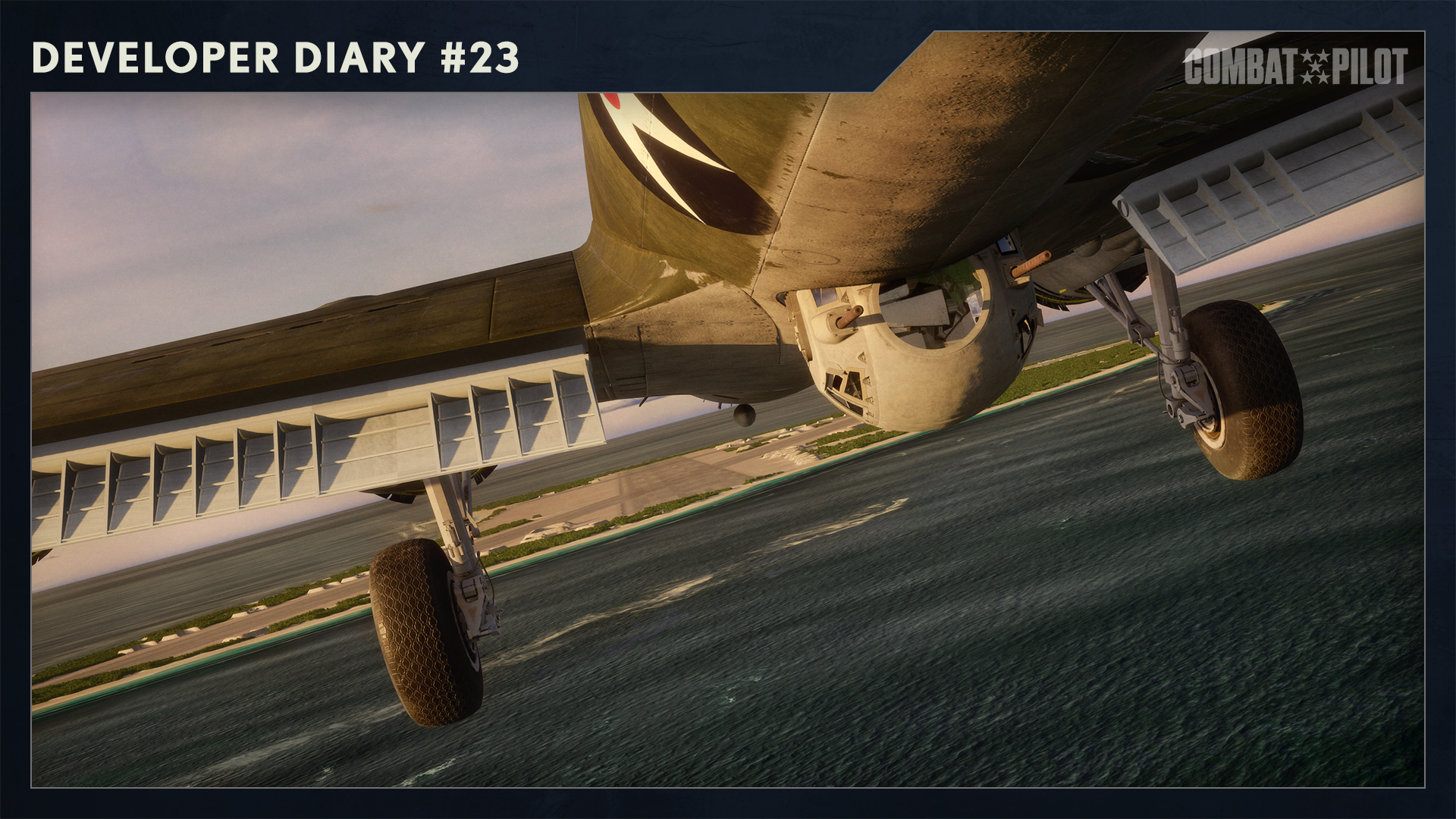
The FS Expo was a great success for Combat Pilot! Judging by the reactions during - and after - the event, we are on the right track.
Of course we went right back to work after the show. In this blog we'll tell you what we've been up to in the weeks that followed. Progress is very good and we're eager to show you the results!
Control Systems
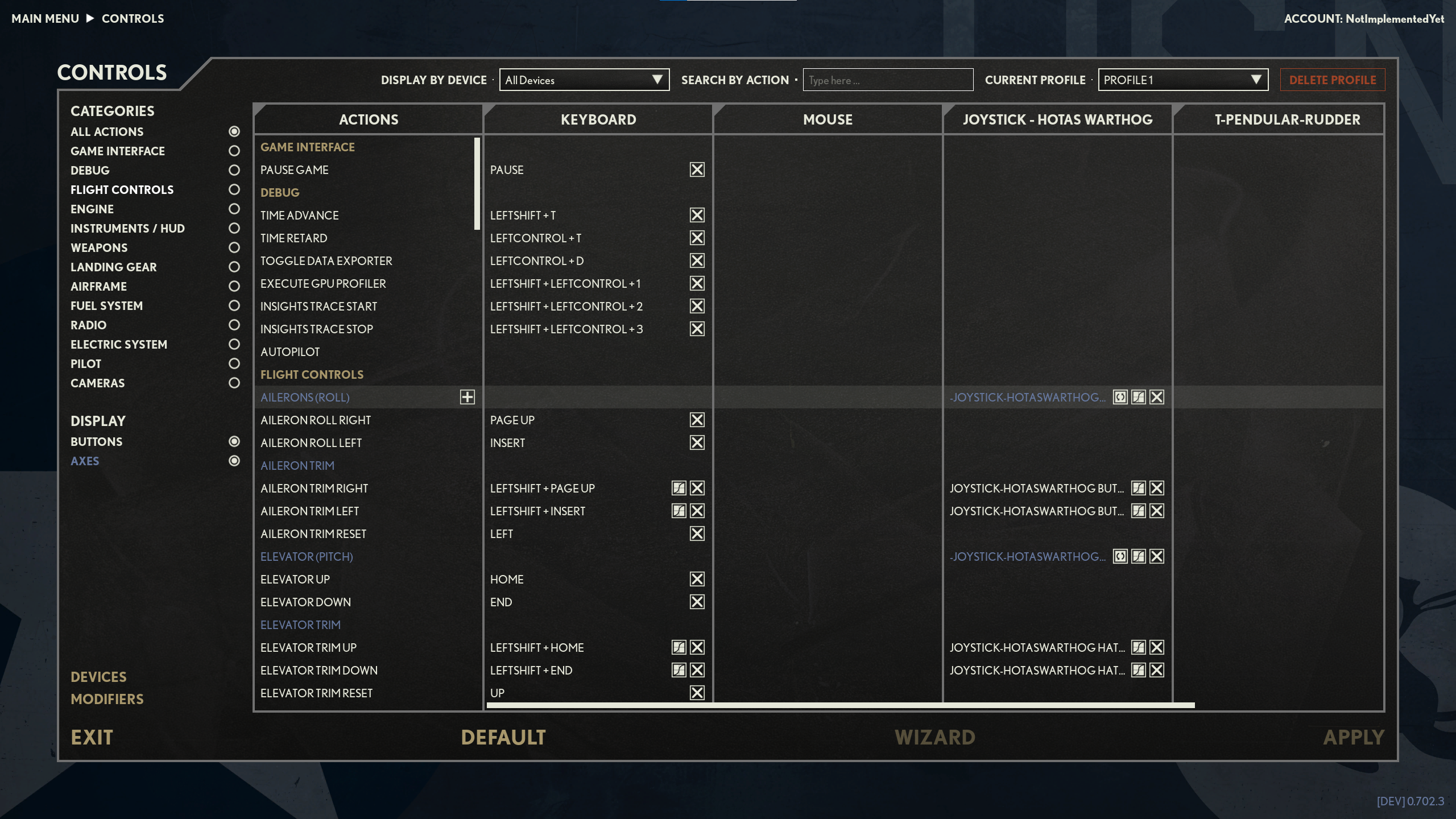
We've been working on modeling aerodynamic control systems more realistically. These systems are all mechanically coupled (vs. fly by wire), which makes the pilot the recipient of all the forces acting on the controls.
There is no real way to perceive these forces in a simulator, although force feedback joysticks are a leap forward in this regard, and we have begun work designing the telemetry for them.
Besides the forces felt by the pilot, the controls themselves have characteristic stiffness, control surface elasticity (especially canvas covered control surfaces) and mechanical damping. Work on this has started recently, and we will be fine tuning the control forces over the next couple of alpha updates.
The end result will be a smoother and more natural flight experience along with a reduction of pitch sensitivity and induced pilot oscillations. It will also greatly increase the feeling of inertia for larger airplanes, as we take into account the size, construction and complexity of the controls for each aircraft.
We are also designing different input control curves that work best with long travel joysticks with extensions vs shorter sticks.
Set- Up
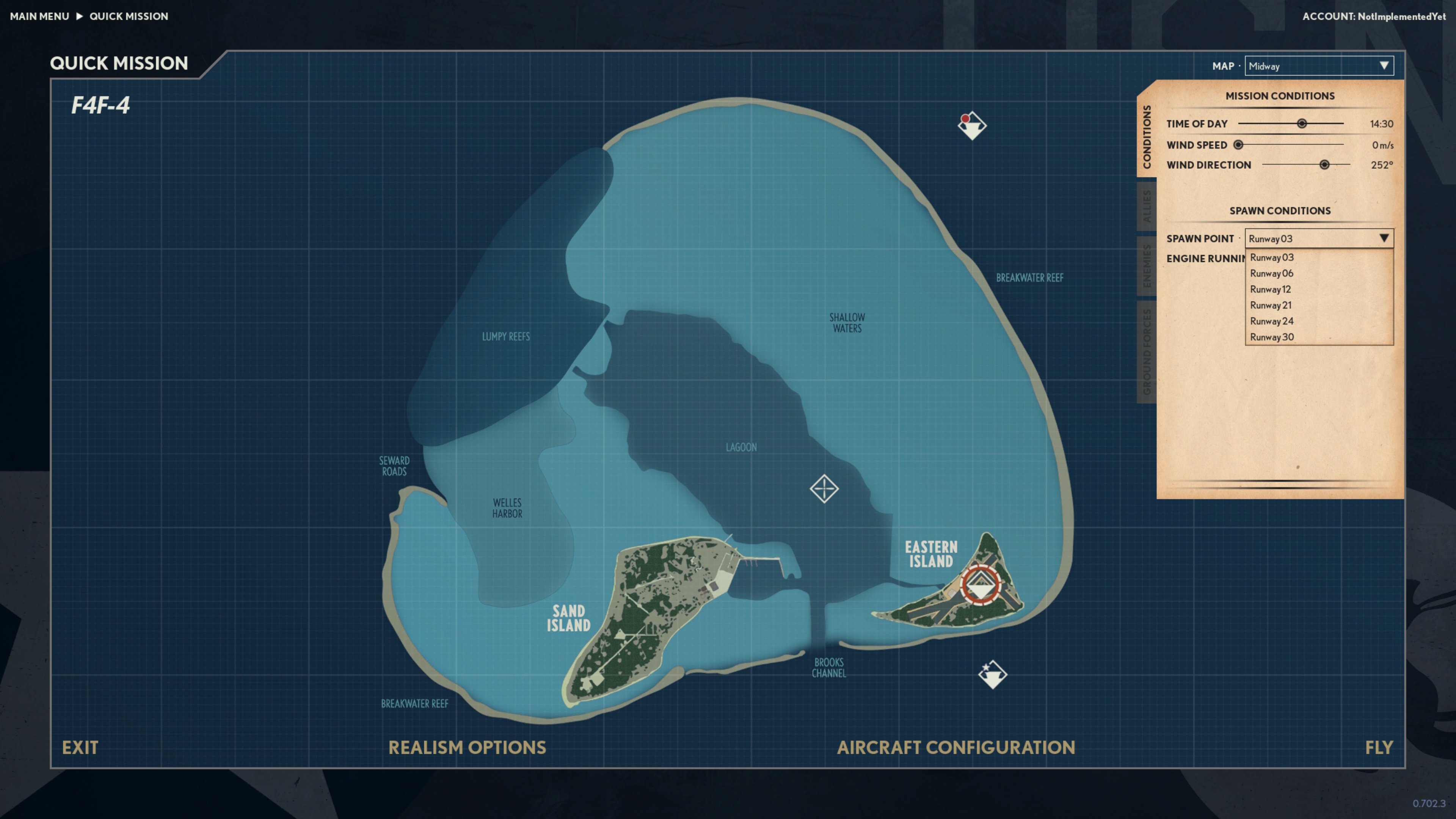
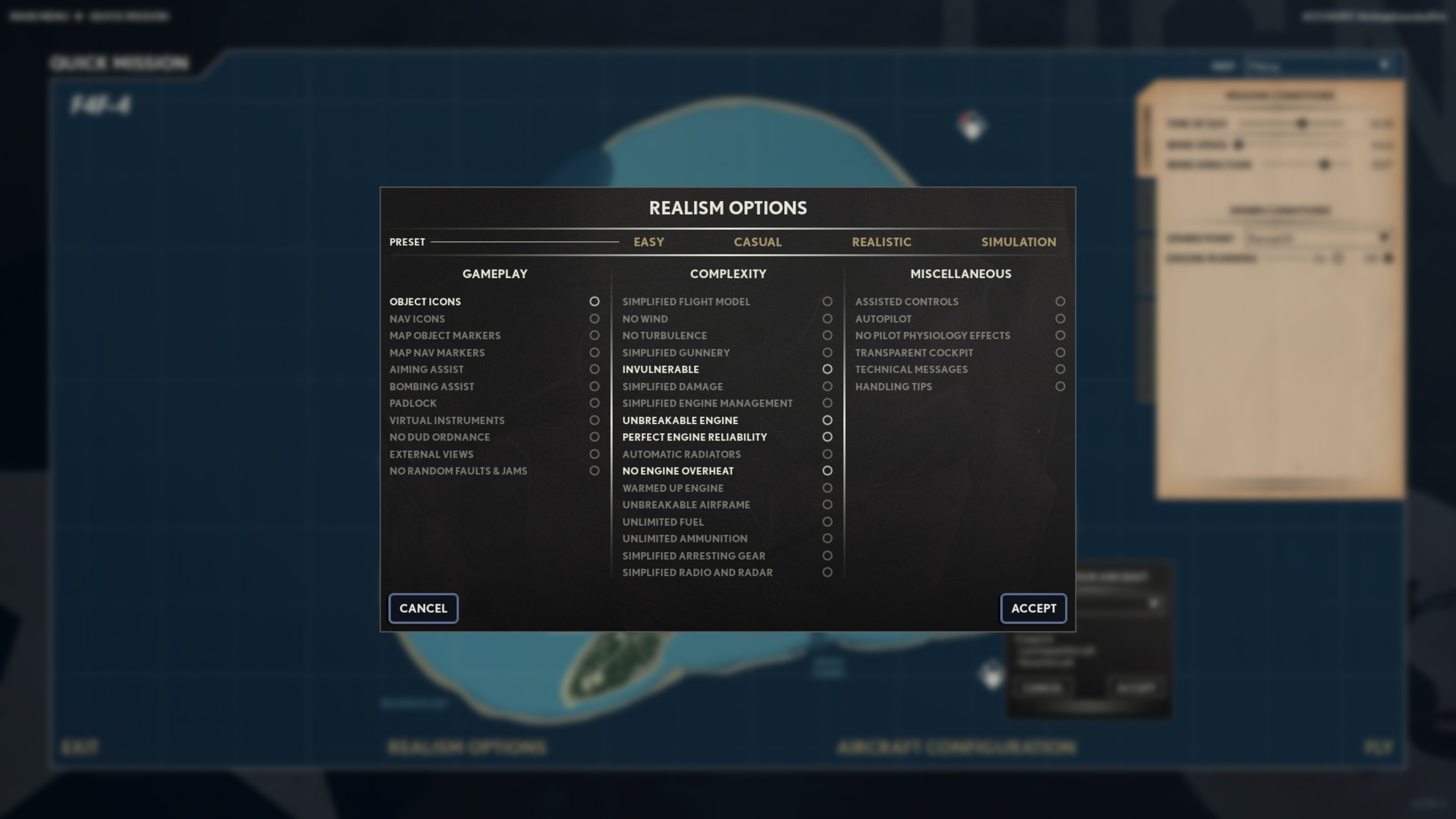
With the next Alpha Version we're introducing a major overhaul to the way the aircraft are set up on the backend, which allows us to customise the loadouts and configurations.
You will be able to change the aircraft's payload, design your own ammunition belts, horizontal and vertical convergences, and much more.
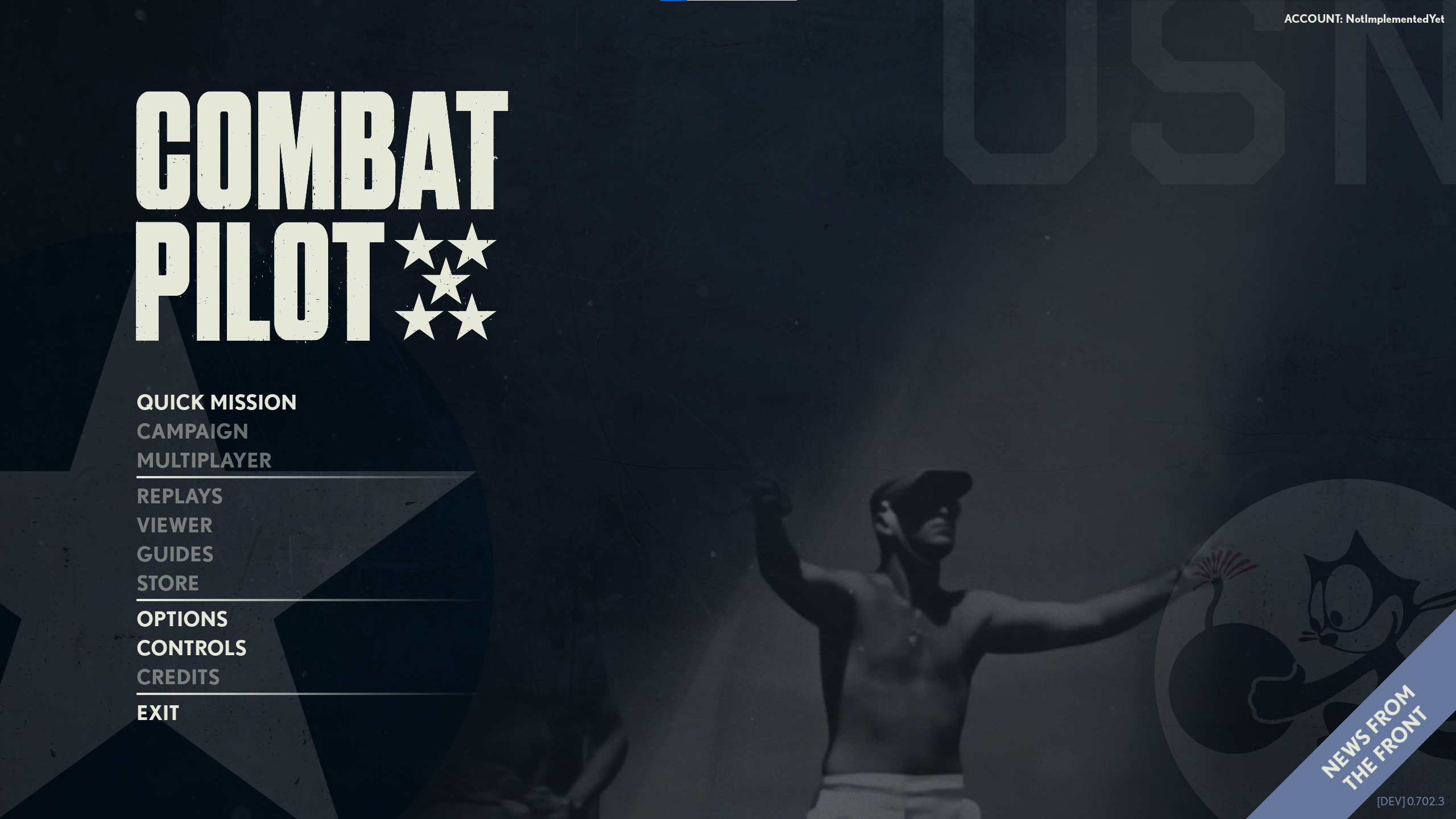
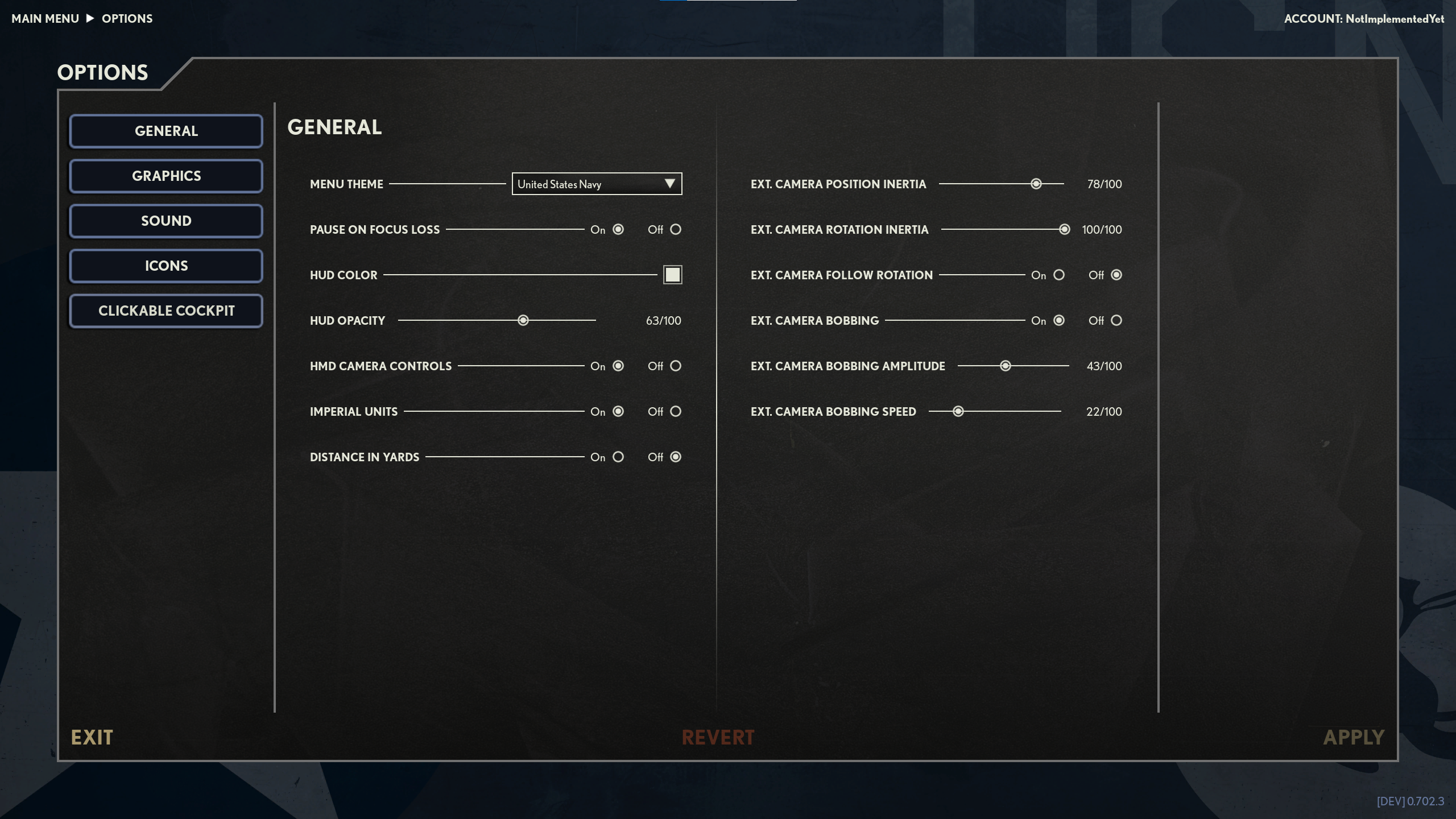
This is all coupled with the new UI, which brings you a clean looking but vintage appearance, which you can also customize with themes belonging to different nations and their military branches. Your choice of theme changes the music, the colors and the backgrounds that are used in the game.Here’s a few:
VR
On the VR front, we're working to add IDP settings (to change the world scale), we added the zooming function natively (which is not allowed in unreal engine 5 by default), and we've begun adding Quad-views (Foveated rendering) due to popular demand.
It's worth noting that the existing OpenXR layers for Quad views is widely used and often indispensable for DirectX 11 applications, but it cannot be used natively for DirectX 12. This means we have to develop our own custom solution, which is quite a task to do properly.
We set out a roll call for VR testers and we got a massive influx of interested pilots, thank you very much! At the time of publication of this Developer Diary, the first test is close to starting.
We will take this opportunity to also design our own native implementation for a VR Neck-Saver solution, because once again the existing solution is not compatible with DirectX 12, but many of us are active flight simmers and would love to see this work out-the-box in Combat Pilot.
Pilots
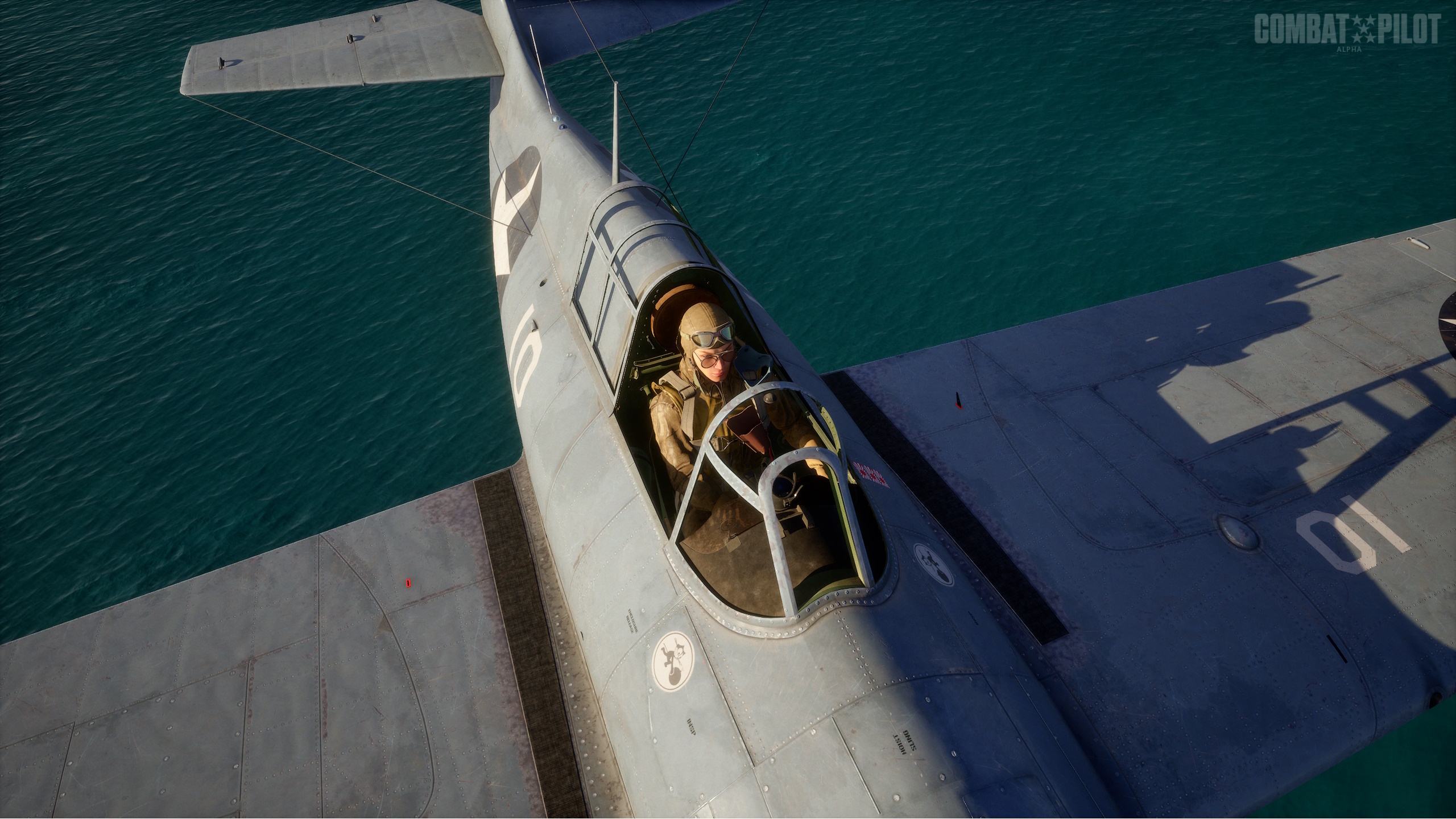
Our Ace Tier Patreons will confirm that Combat Pilot now actually has a pilot. We've integrated the pilot to be visible in external views and wow, does that make a difference! Of course we will also make the pilot visible in- cockpit later, we will let you know when it's ready. Combat Pilot now has its Pilot!
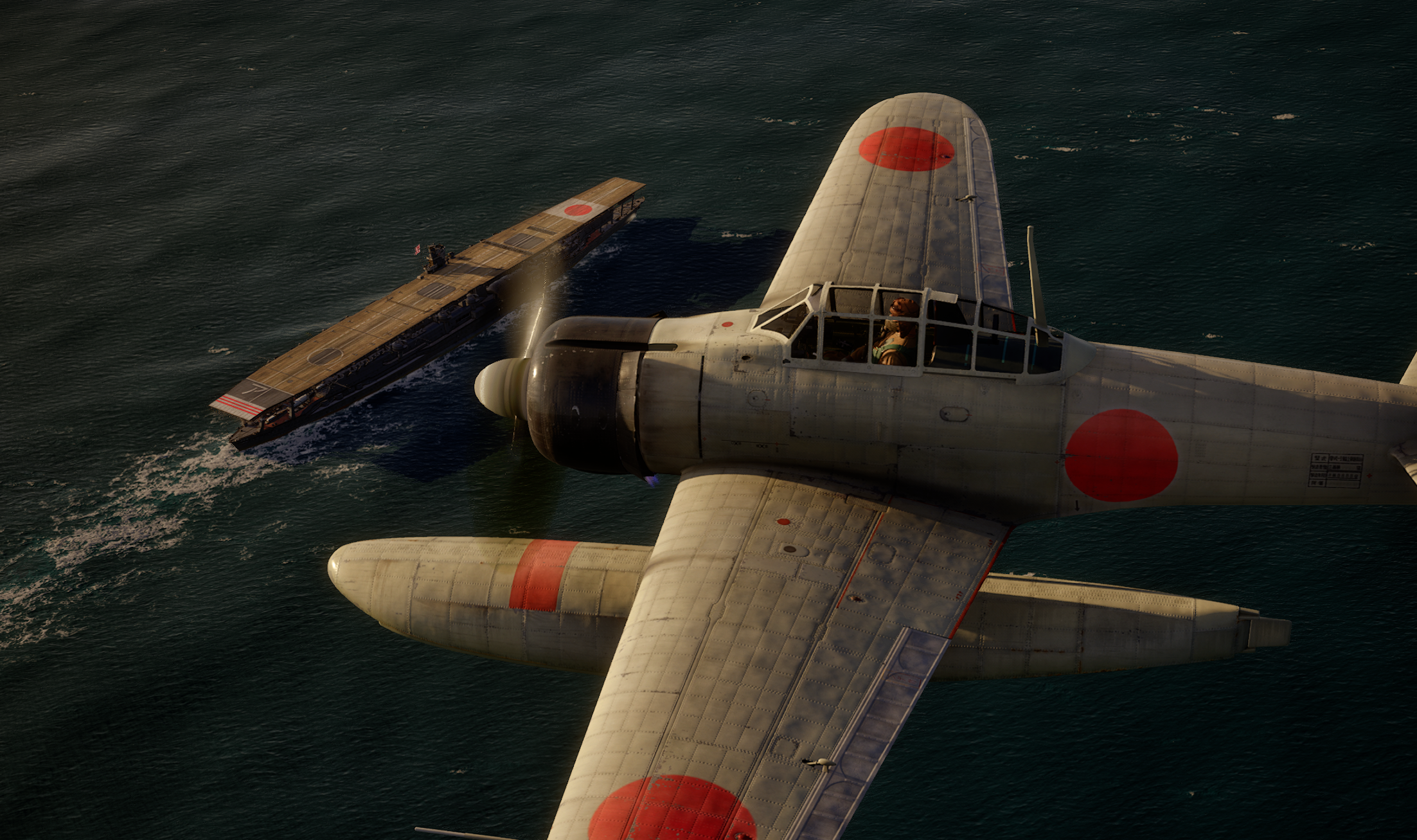
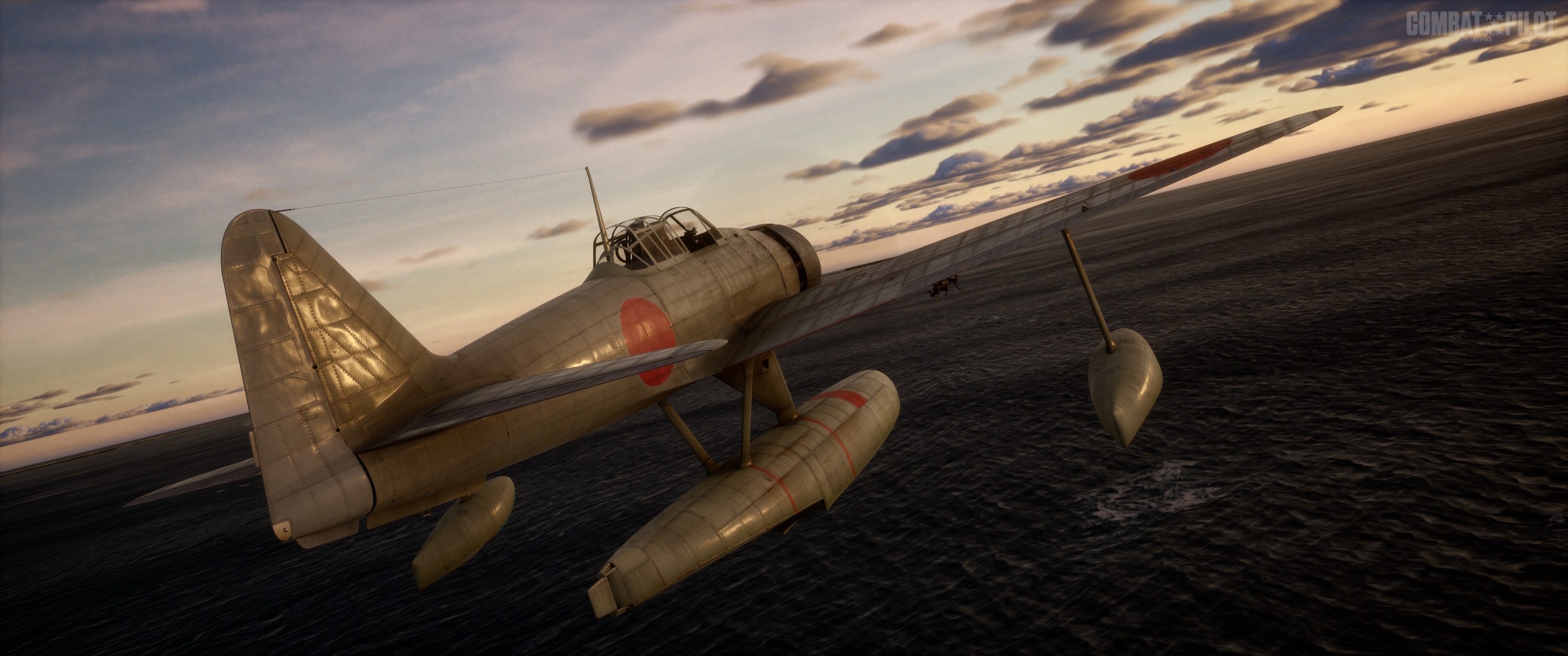
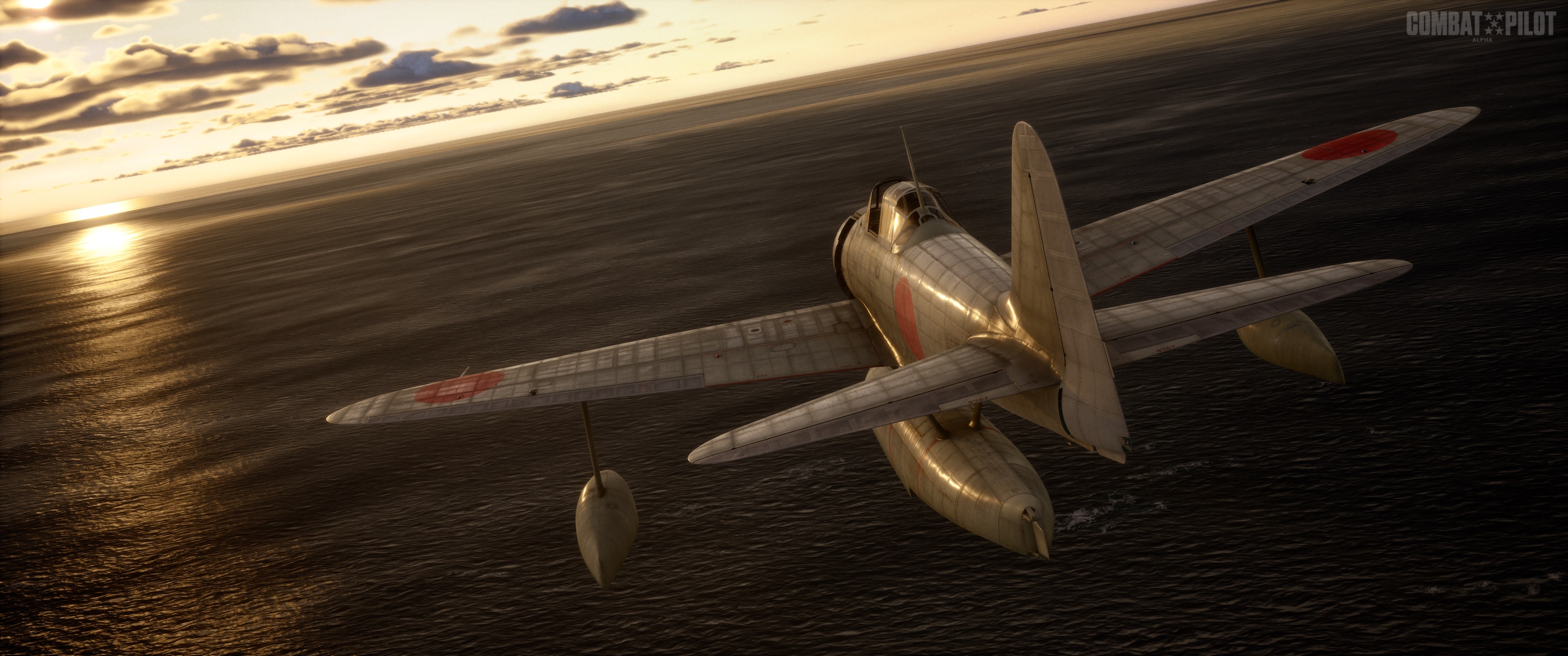
The A6M2-N "Rufe"
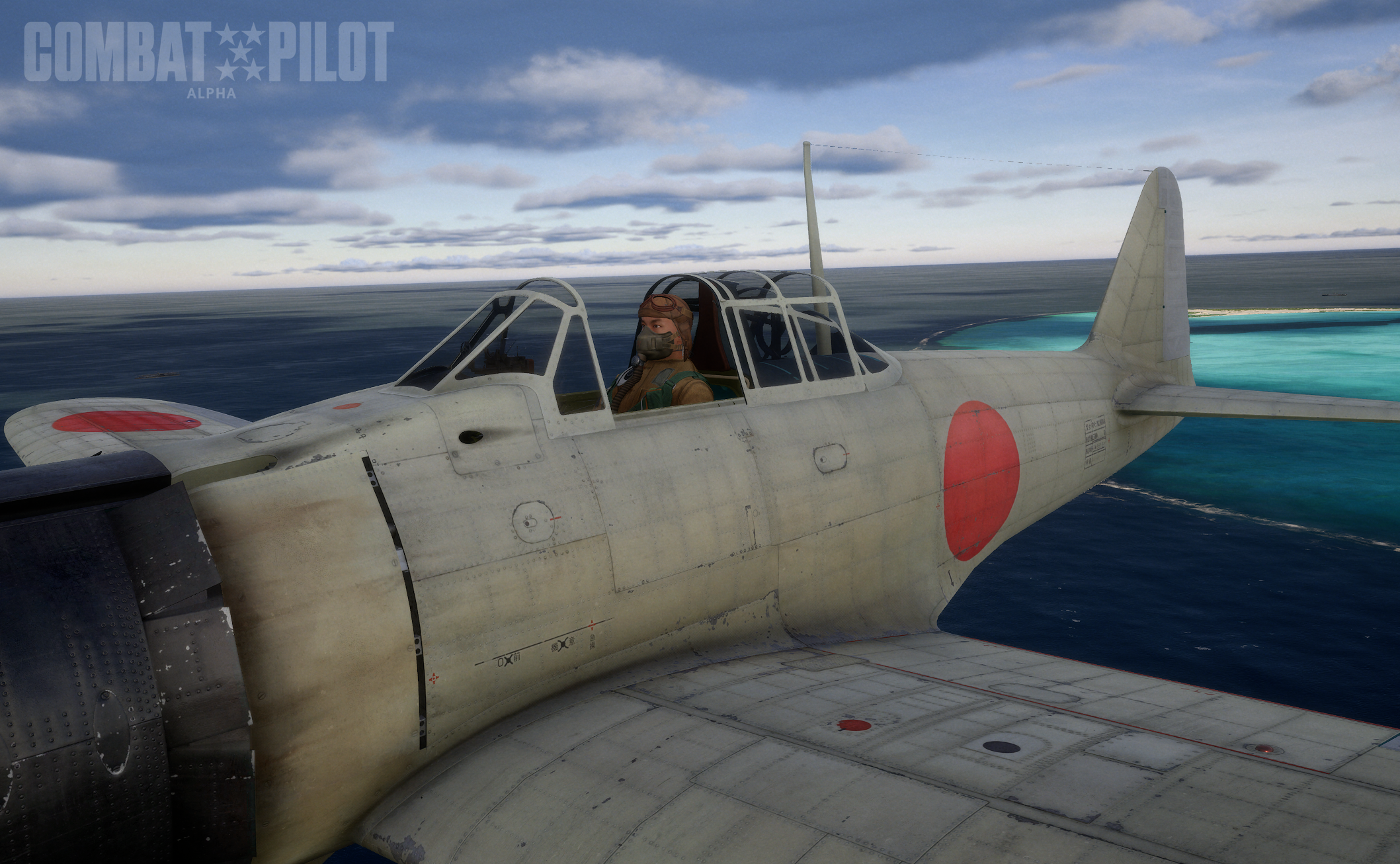
As we have announced during the FSExpo, we will launch the "Rufe" as a collector plane. The plane itself is now available in the Alpha build as well!
Having implemented water landings, as reported in DD #22, we now have the plane that actually needs them.
We still have work to do modeling the lifting effects of the pontoons at speed, but if the Rufe is a successful collector plane we are confident we can bring other famous flying boats into the sim.
Ships
We have been working on a number of ships, to which we will add several that act as a generic example of their class. Progress on these is good, and here's an example of one.
We'll probably dedicate an entire Developer Diary to these once we've completed the task. Having generic ships will add flexibility in content creation for sure. Tell us what you think of this little beauty:
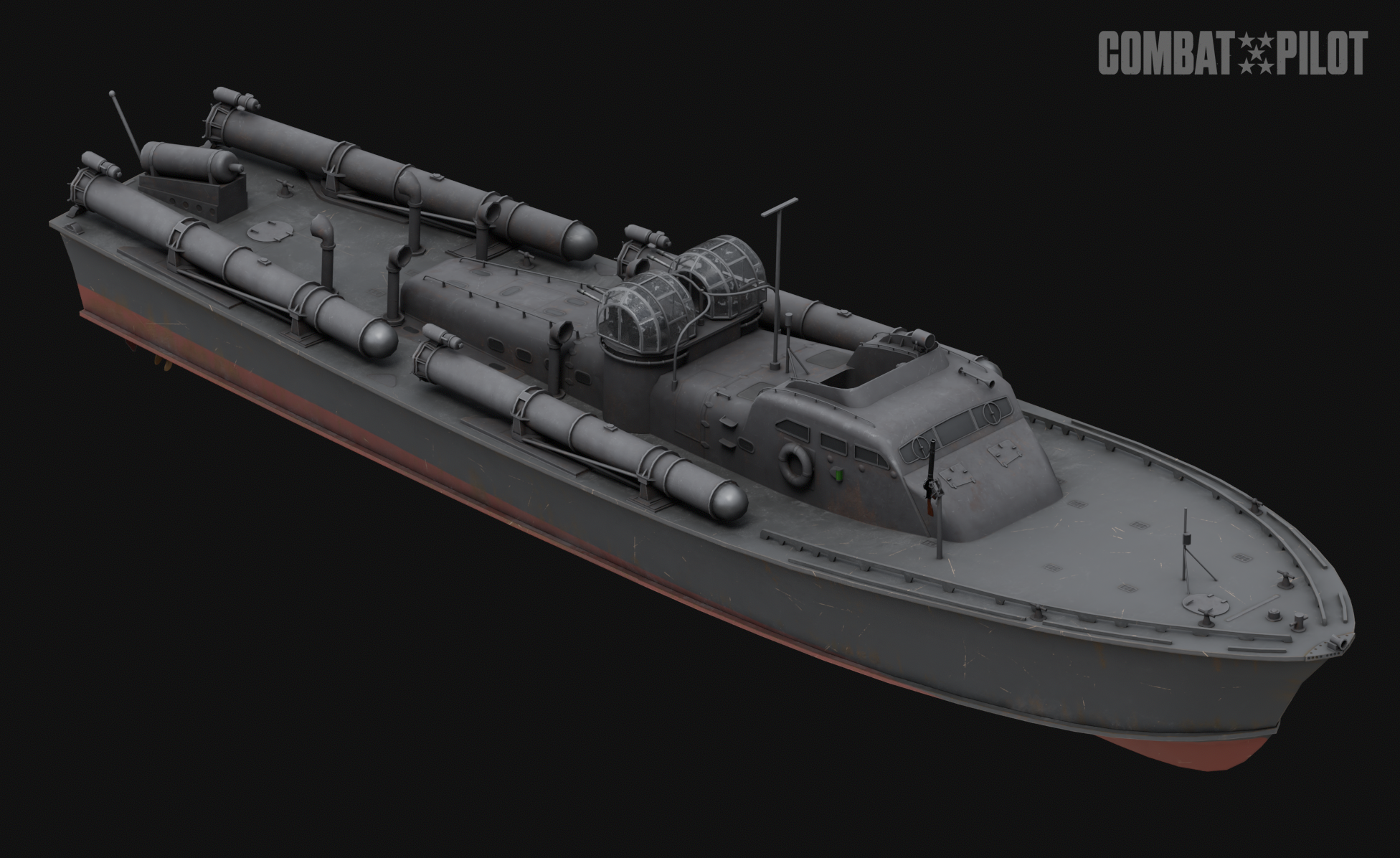
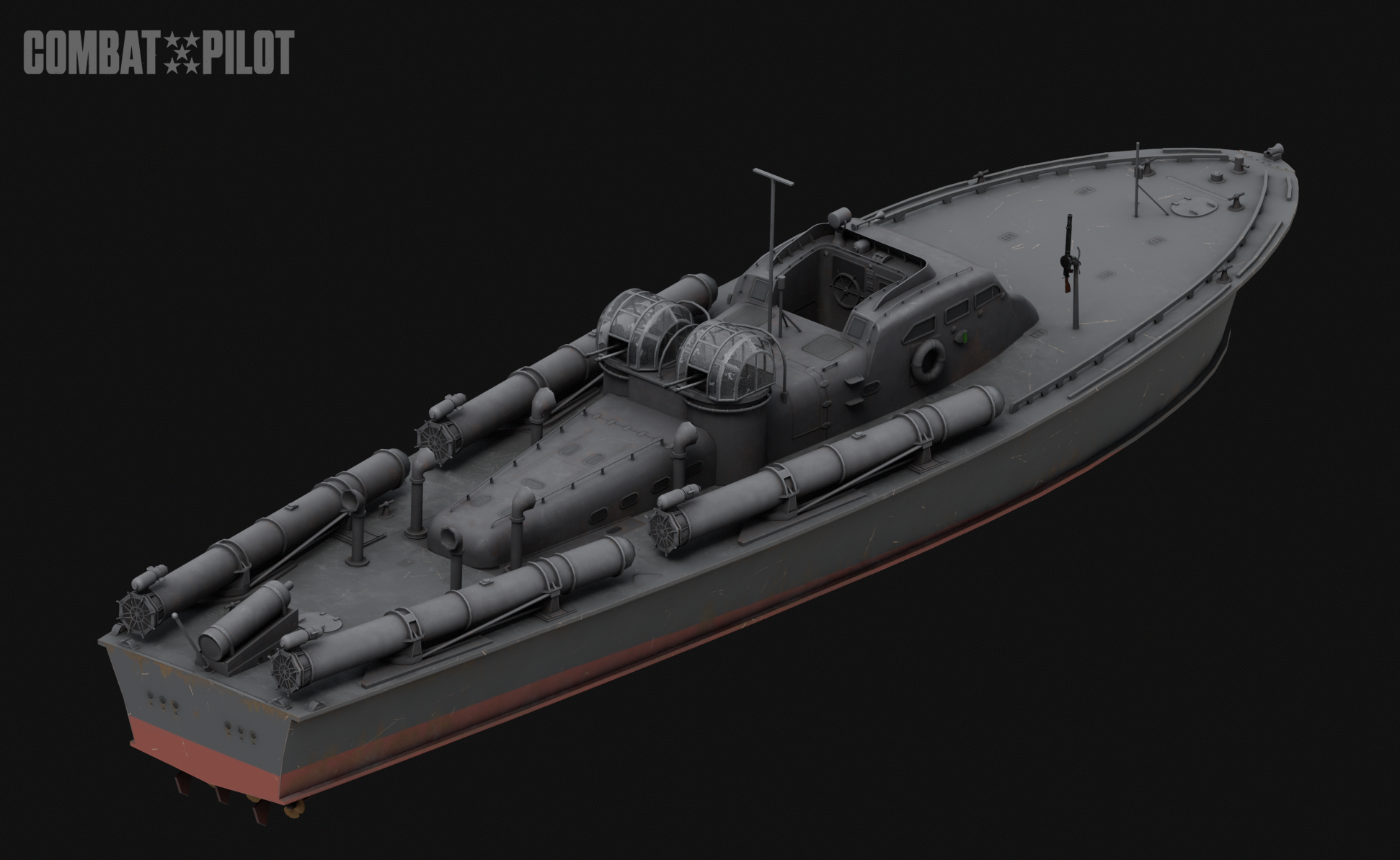
This is the Elco 77-footer, one of the early types of PT boats deployed in the Pacific.
The American Electric Launch Company (Elco) submitted a 70' design for a US Navy design competition. The US Navy tested it as USS PT-9. Impressed with its performance, the US Navy ordered 10 of these. After initial use, changes were made to the superstructure and it was decided to enlarge the original hull design from 70' to 77'.
Powered by three 12 cylinder Packard 3A-2500 V-12 engines, this PT boat was armed with four Mark 8 torpedoes. These were to be used in Mark 18 21-inch (530 mm) launch tubes. The turrets carried twin M2 .50 cal (12,7 mm) machine guns. Lewis machine guns could be mounted on the deck as well.
Turbulence
We've begun work on yet another pending feature for Combat Pilot: Turbulence. Our turbulence model is based on the Tustin model. It can be conceived as a realistic random-gust generator rather than a repeating bump pattern.
It produces turbulence that has the right "shape" in time (some gusts slow and rolling, others quick and sharp) matching how real air actually moves, instead of just static or a metronome-like shake.
"Tustin" itself is just the specific bit of math used to make that random-gust generator run smoothly at the simulator's frame rate without glitching.
Our reference for building our turbulence model is based around the military document MIL-F-8785C: it's the U.S. military's actual specification for how bumpy real air statistically is, given your altitude and the wind.
Using this model we're able to build realistically-feeling turbulence that changes with altitude. At low altitude, below around 1,000 ft AGL, the turbulence feels choppier, more direction-dependent.
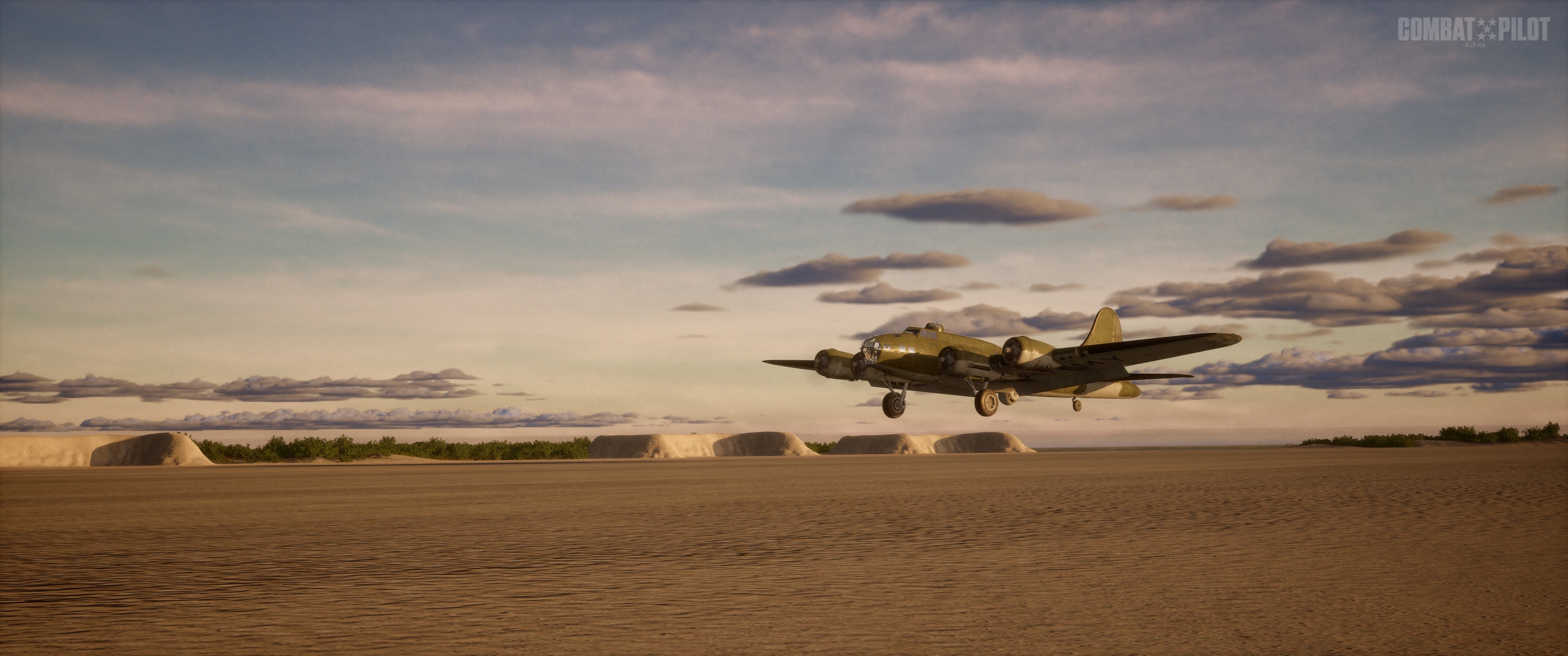
The shape and type of terrain should be able to affect turbulence, as well as other phenomena like thermals, but this feature hasn't been realized yet, because Midway island would not really make a significant difference. Higher up turbulence evens out more and feels less directional.
Of course, we will need weather systems in the future that change the whole wind and turbulence systems on different parts of the map.
For now, turbulence will have the same strength at a given altitude all over the map, like wind does. Moreover, turbulence intensity scales with wind speed: windier days are bumpier days, exactly as you'd expect.
The players will be able to set up the turbulence intensity, which will affect the turbulence strength, turbulence motions and the frequency of the strongest bursts.
Sharp and cosine gusts have also been modelled, which in the future will be used among other mathematical models to represent additional turbulence phenomena
such as microbursts.
Besides these steps in development, we also did a wonderful Q&A with some of our Patreons, followed by the 6th flight mechanics lecture.
These are still available to the several Patreon tiers. Thank you for your continued support, it's highly appreciated!
That's almost it for this diary, let us know what you think in the comments please. We conclude with a few screenshots for you to enjoy - until the next one!