
Salvete amici mei
Welcome back to the second part of the interview with our historical consultant, Lukas Grüning. As last time, Lukas discusses some personal experiences and gives deeper insights into his work at Tarock and on Lost Legions. Enjoy:
How did you get involved in the development of "Lost Legions"? What fascinated you about this project?
I was a participant in a very interesting seminar at Humboldt University during my first semester, with the topic: “Cooperation between Research and Industry using Entertainment Software (Games) as an Example.” That was my first contact with Jens, who gave a lecture on the subject. In the following semester, I had the opportunity to take over the seminar leadership. I then spent two semesters managing the collaboration between the Winckelmann Institute on the research side and Jens on the business side. That was a very formative and enlightening time.
Outside of this academic level, I stayed in contact with Jens and kept up-to-date with business and project development. As a gamer, this naturally intrigued me in connection with my field of expertise. I wanted to satisfy my curiosity about how a game studio operates and how a game is created. On the other hand, I hoped to contribute, especially because one of the company's goals is to create historically grounded content, which implies a need for historical expertise.
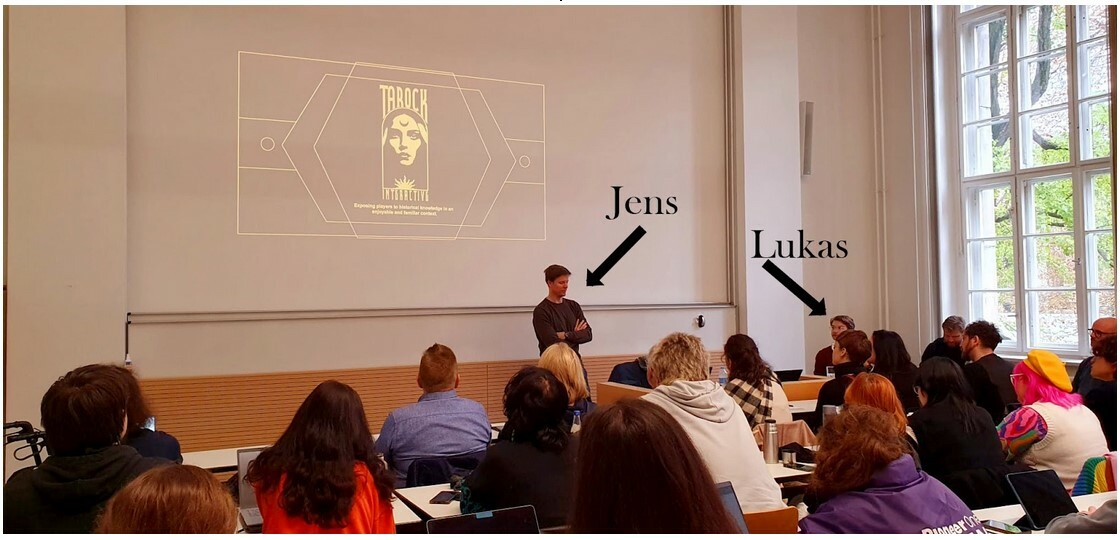
Jens presents Tarock Interactive's vision to students of Classical Archaeology at the Winckelmann Institute (Humboldt University, Berlin)
How do you ensure historical accuracy in the game? Can you explain how you review and advise on game content?
There are two ways of communication. On one hand, I review the already developed material, walk through the studio, and watch the 3D artist while they create the Lorica Hamata armor. I ask my colleagues how the design of the NPCs is going and simultaneously think about how I could contribute meaningfully. I don’t limit myself to just the basics, like “Yes, I see, the building part doesn’t fit,” but go into detail to preempt any future questions. For example, when researching clothing or weapons, I create a complete documentation, which also serves as a reference for my future work.
On the other hand, there are also questions directed at me. These can be quite detailed and arise from problems related to graphics or quest design. I can answer many questions quickly, while others require more time. I find the new perspectives that these questions open up from the developers’ viewpoint particularly fascinating.
It’s also interesting to see how laypeople, who often ask seemingly simple but archaeologically complex and controversial questions, such as “What color was this or that?” which, based on research, often doesn’t have a solid answer, and various interpretations must be used to maintain credibility. I communicate this complexity as well.
This brings me to another important point of my work: finding compromises. To stick with the armor example, I ask, “Why is the Lorica Hamata so short?” If the answer is that they didn’t know better, that’s an easy fix and should be adjusted. However, if there’s a technical reason, I question whether there might still be a way to maintain historical accuracy. Some deviations in detail must also be acceptable if they are marginal, barely noticeable, or not absolutely certain. After all, it’s about developing an entertainment product, so understanding the team’s working methods is also required.
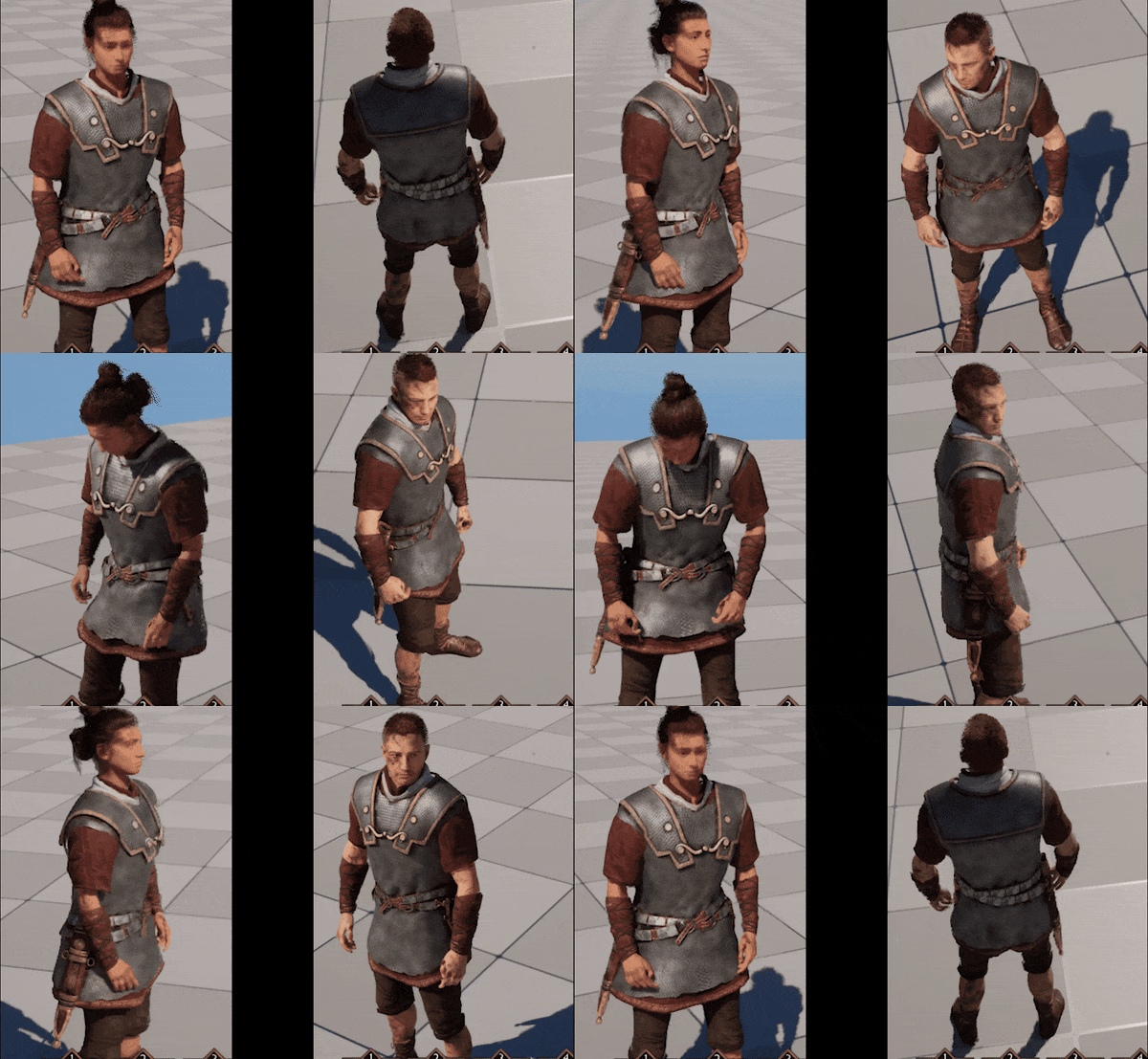
The chainmail Lorica Hamata in female and male variants. The armor is adapted to the anatomy in each case
What are some of the biggest challenges you face when balancing historical accuracy with gameplay and narrative elements?
I had expected to encounter more resistance. I thought there would be more criticism when I presented pedantic details. I’m happy that so far I haven’t had problems communicating content and changes. This is because everyone here is so open and appreciative. I feel that the team is really enthusiastic about this historically accurate approach.
One anecdote, however. Romans dug trenches. Period. That was the most important thing for a camp before any palisade was set up. I was told that the game’s technology doesn’t allow for terrain deformation. This feature is not planned. My heart bled a little there. I am still pushing to find a solution with the team.
Another situation arises when I am told that women should appear as soldiers in the game. I clearly communicated that this is historically inaccurate, but it can be interpreted in the context of today. Also, as mentioned, it is a computer game, and due to the unique survival situation of the characters, we have ways to convey it somewhat credibly. So, I can still sleep well at night.
In my role, I am more concerned with certain nuances that might be overlooked in other productions where I think: “Here we could show some courage.”
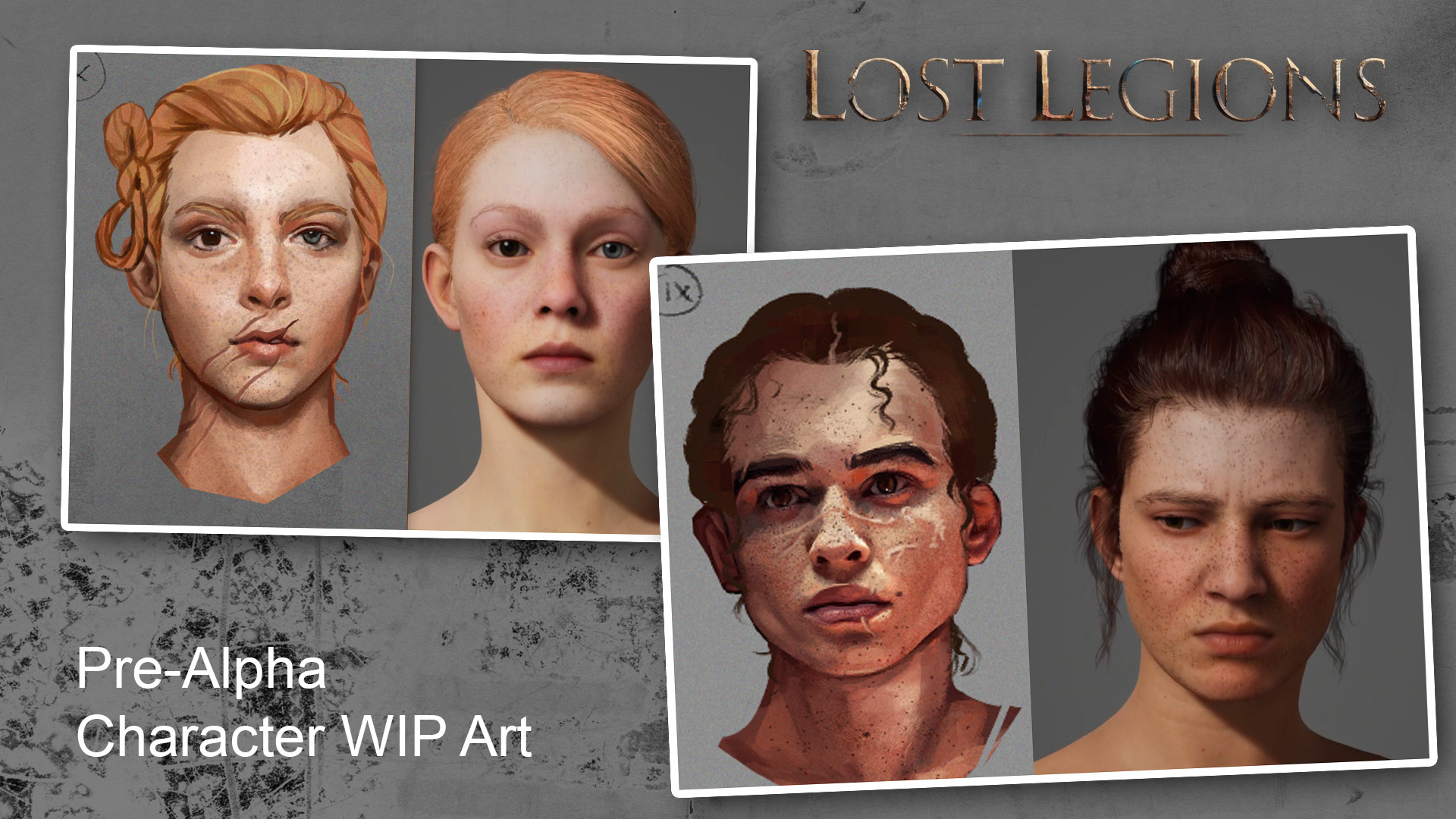
Two concepts of our playable female characters (Dorcas and Alecto) with rough implementation as Metahuman. Next step: skin and hairstyle details. All characters have a unique backstory with their own quests
How do you integrate folklore and mythology into a historically grounded game world?
I have concluded that it is not anachronistic to connect mythology with actual life. This is a very ancient concept. Although we know that reality was different, many people at that time believed in it.
From the perspective of an ancient observer, one lived in a world where a mythological world existed parallel or simultaneously. This does not mean that all Romans, especially the educated ones, believed Minerva might appear to them. However, there were deeply religious people, similar to today, for whom the supernatural was part of daily life. In general, religion was an integral aspect of the state and public life. You sacrificed before a wedding or before a journey—it was just part of it. It was less abstract than the modern distinction between historical reality and mythological components. How these supernatural components are actually embedded in the narrative is another question. Essentially, I find it fits well and offers exciting added value for gameplay.
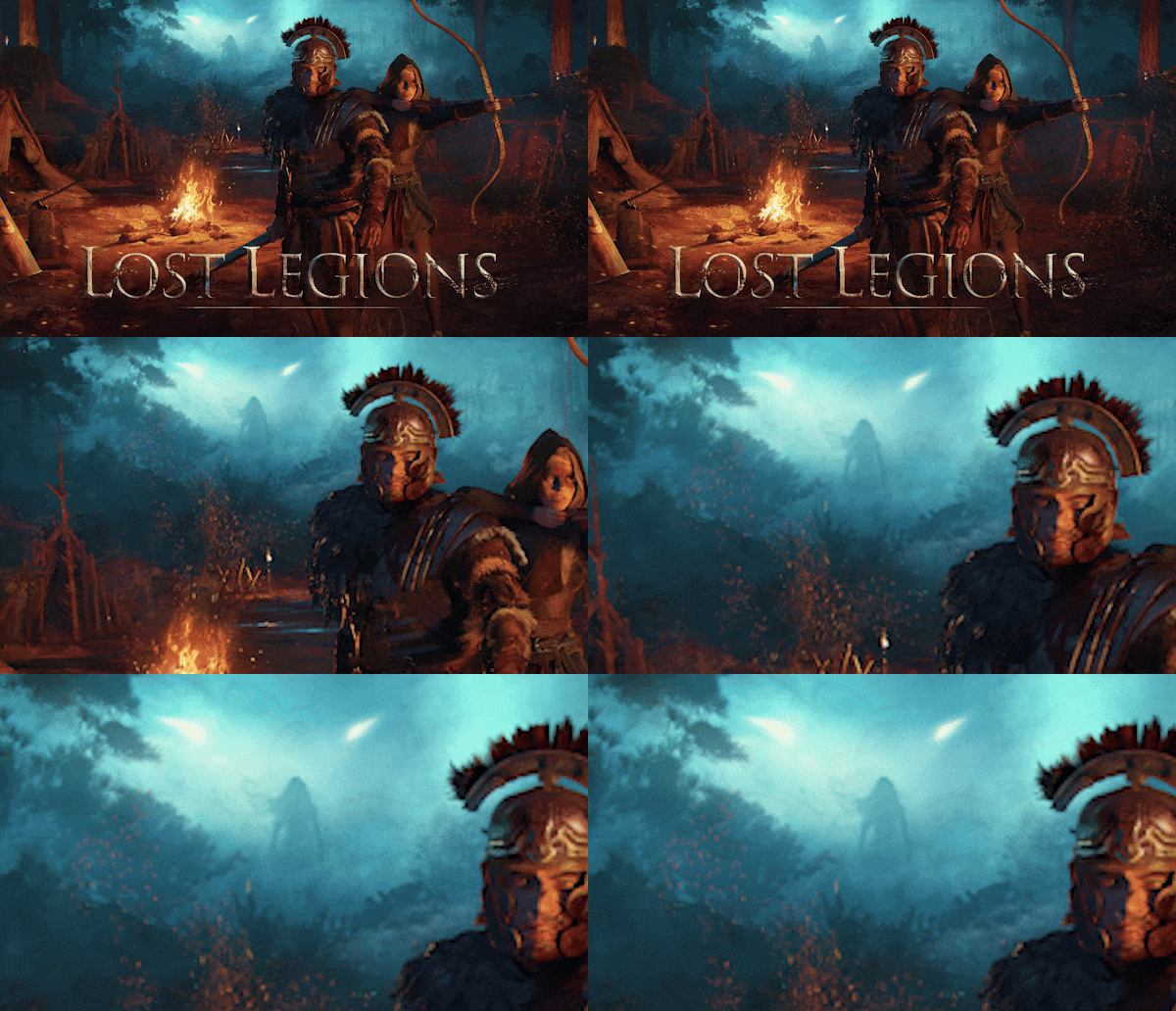
In our title image, we have already hinted at the integration of Roman and Germanic mythology
What aspects of game development are you most excited about, and what do you hope players will take away from their experience with "Lost Legions"?
I love immersing myself in the ancient world and viewing it through the eyes of one of its inhabitants. If I can also help shape this world, I’m happy. Lost Legions promises to offer me exactly that, and what I particularly enjoy are the details. The game world is filled with authentic elements that I can examine up close and that interact with each other. It’s especially exciting that there will be artifacts brought to life from the world of the Germans and Romans.
I am also looking forward to following the further development process. I don’t yet know everything about the game myself and am excited to be part of the creation process and to contribute to it.
As a player, I am definitely driven by story and find the concept behind the world of Lost Legions very exciting. I imagine the game will give an impression of Roman culture on the edge of the empire. That alone is a fascinating field of research. I’m most excited about this situation embedded in the historical and mythological narrative.
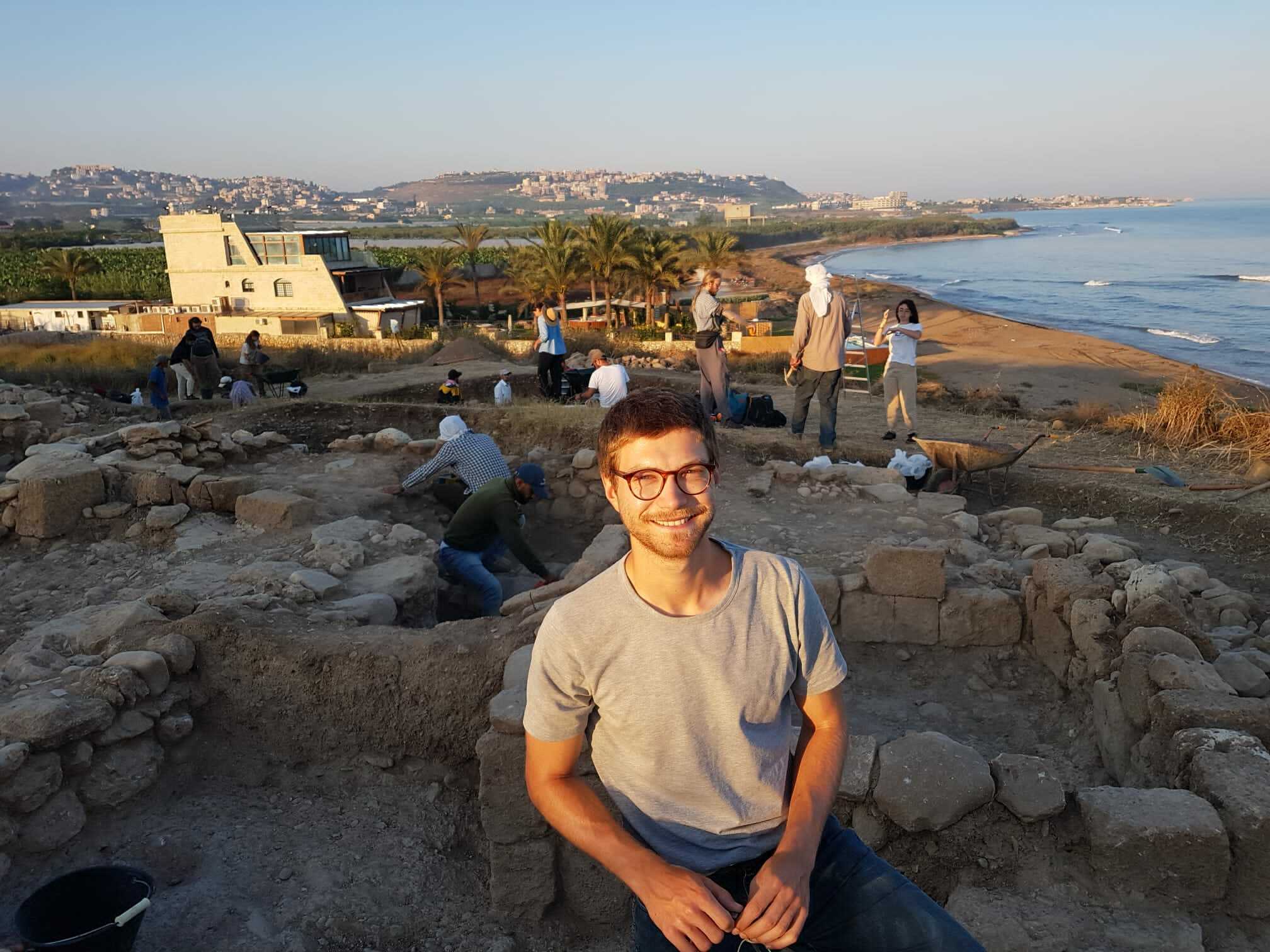
Lukas at an excavation in Tell Burak, Lebanon, July 2022
Thank you for the interview, Lukas. You have already gathered a true treasure trove of historical and archaeological content for us. Lost Legions will be a better game because we can work with these results! I look forward to our continued collaboration and the further development of our game! Best regards, Jens