
Wirewalker development proceeded regularly in the last months, so it is time to share some updates on the game development progress. At this stage the focus is to complete all the features that will be part of the core game and campaign experience.
Visuals and in-game features
Some work has been done to improve the rendering. Wires are now slightly crispier and fade with distance through the transparent tiles in order to keep the look of the polygonal structures tidier. Lighting effects have been added to objects (e.g.: doors and fragments) and some bugs have been corrected in the global illumination rendering. Other than the new screenshot in the Steam store page, some comparisons against the old renderings can be found here.
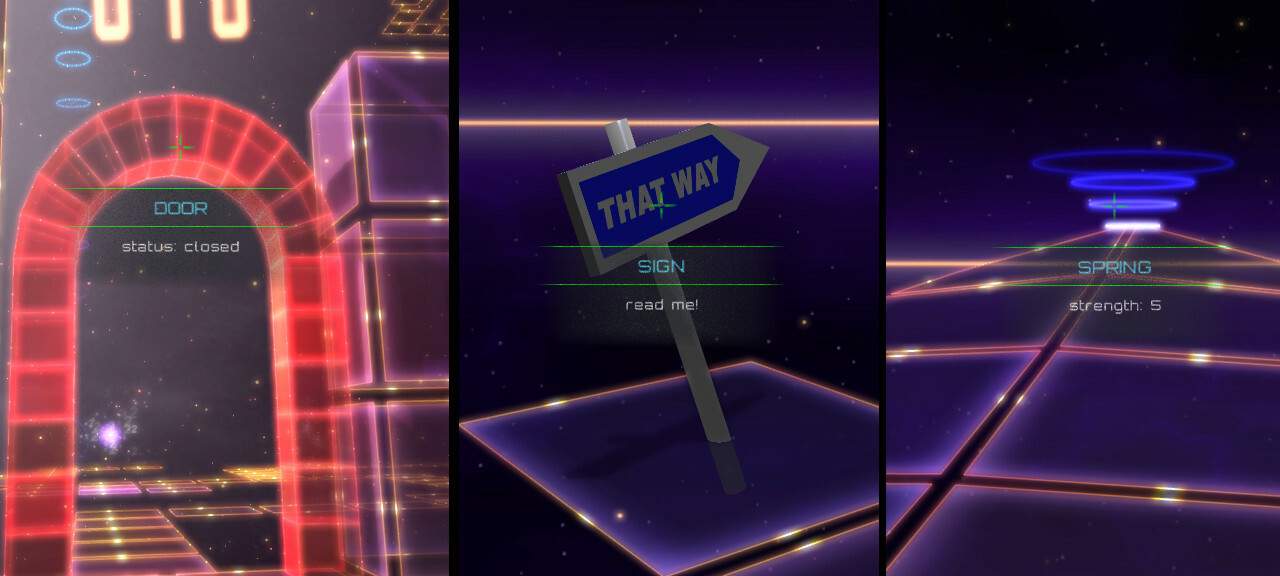
The HUD has had a few cosmetic improvements and furthermore it now allows to point objects to access contextual information:
Fragments and gravity spheres feature now an additional visual effect that shows what their multiplier value is:
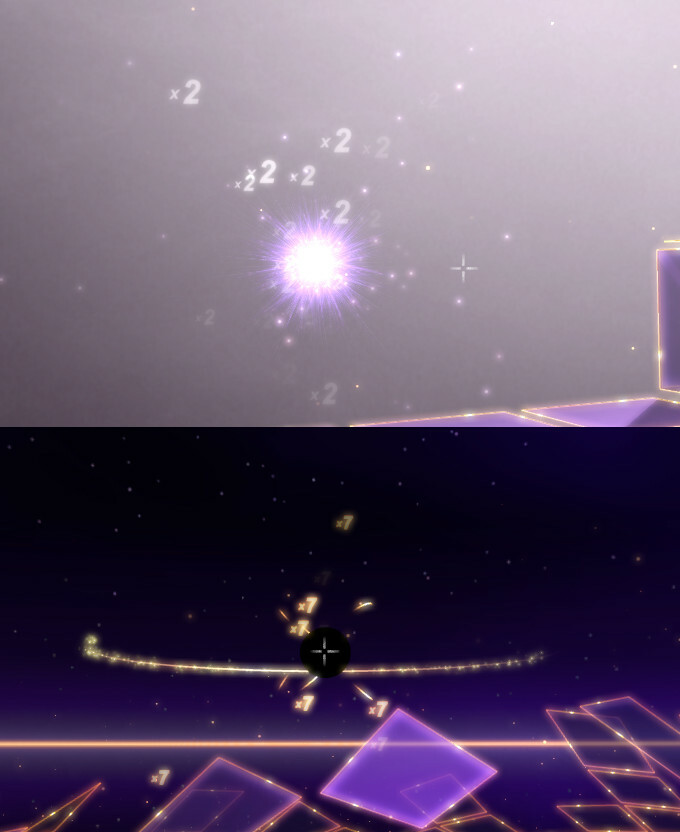
This will help the player to better plan where to go or what to do because now these properties can be seen form distance.
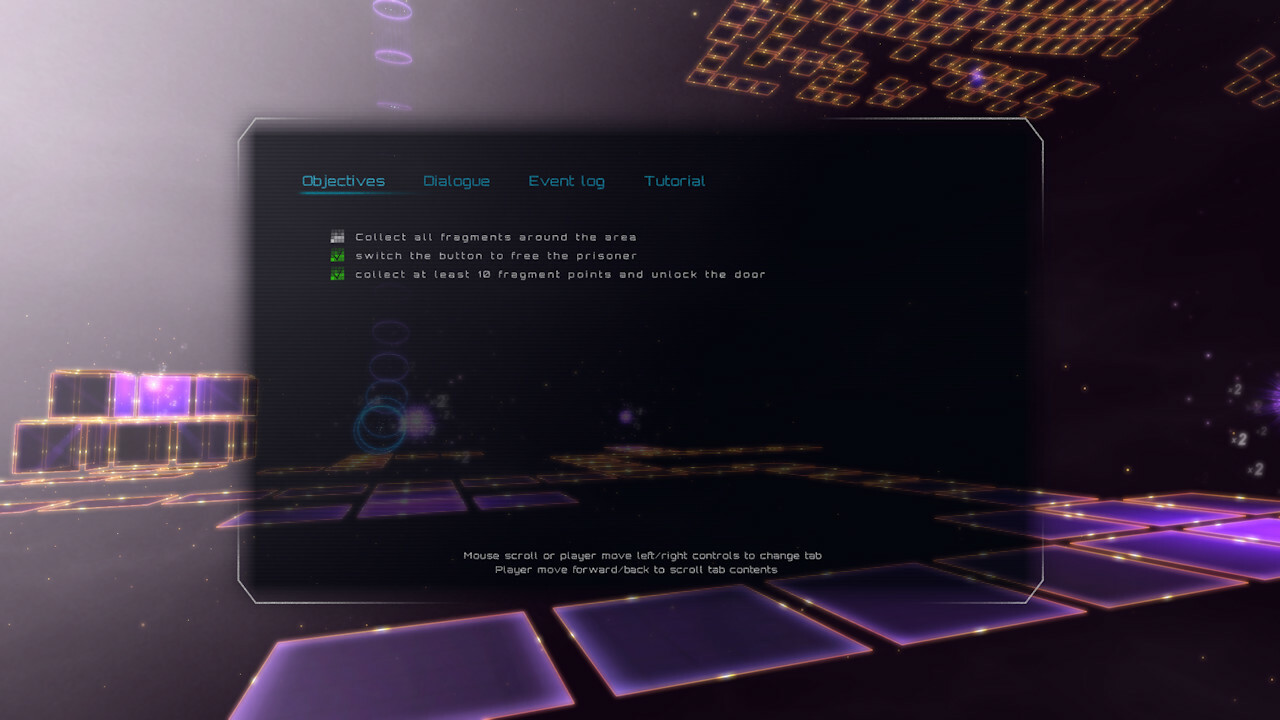
The in-game info panel has changed layout. While in the early builds it showed all items on a single page, now the items all have their own separate tab:
In addition, the panel has now a new page for the tutorials which will pop-up in the screen during the game and can be later accessed again from this new tab:
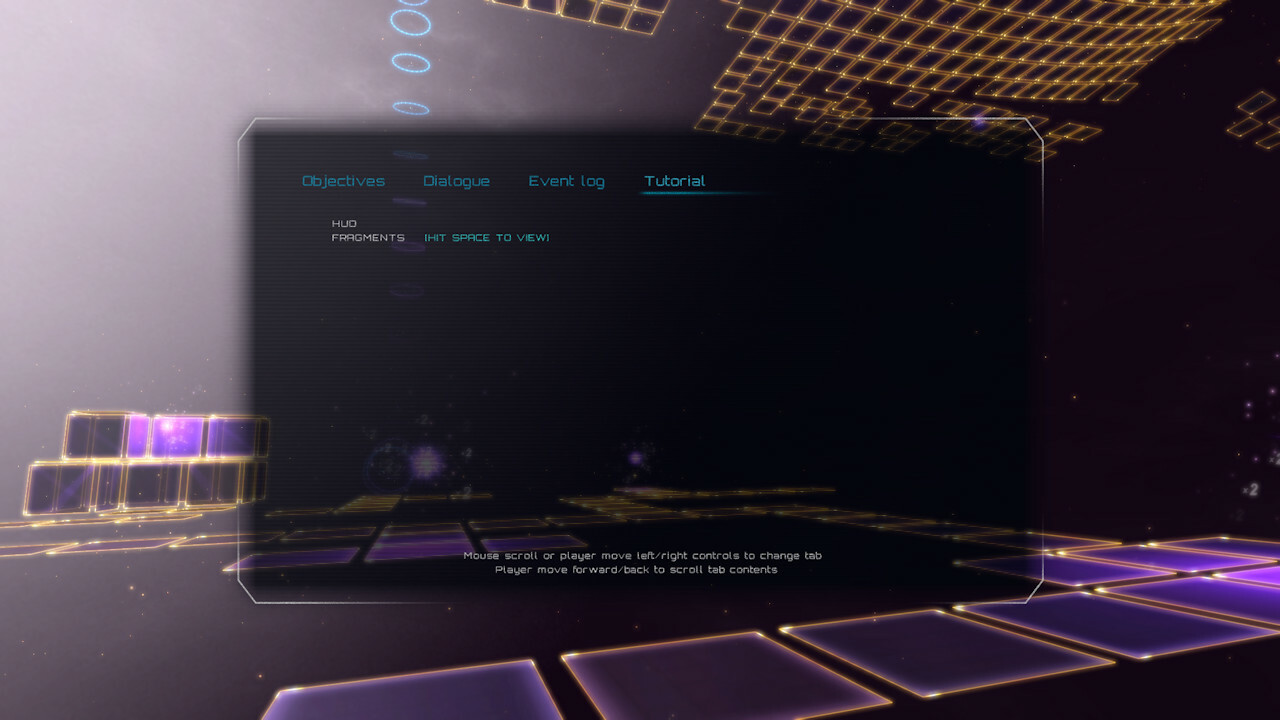
The tutorial screens can be disabled from the options by turning off the game hints. This will stop them showing during the game but will still be accessible from the info panel tab.
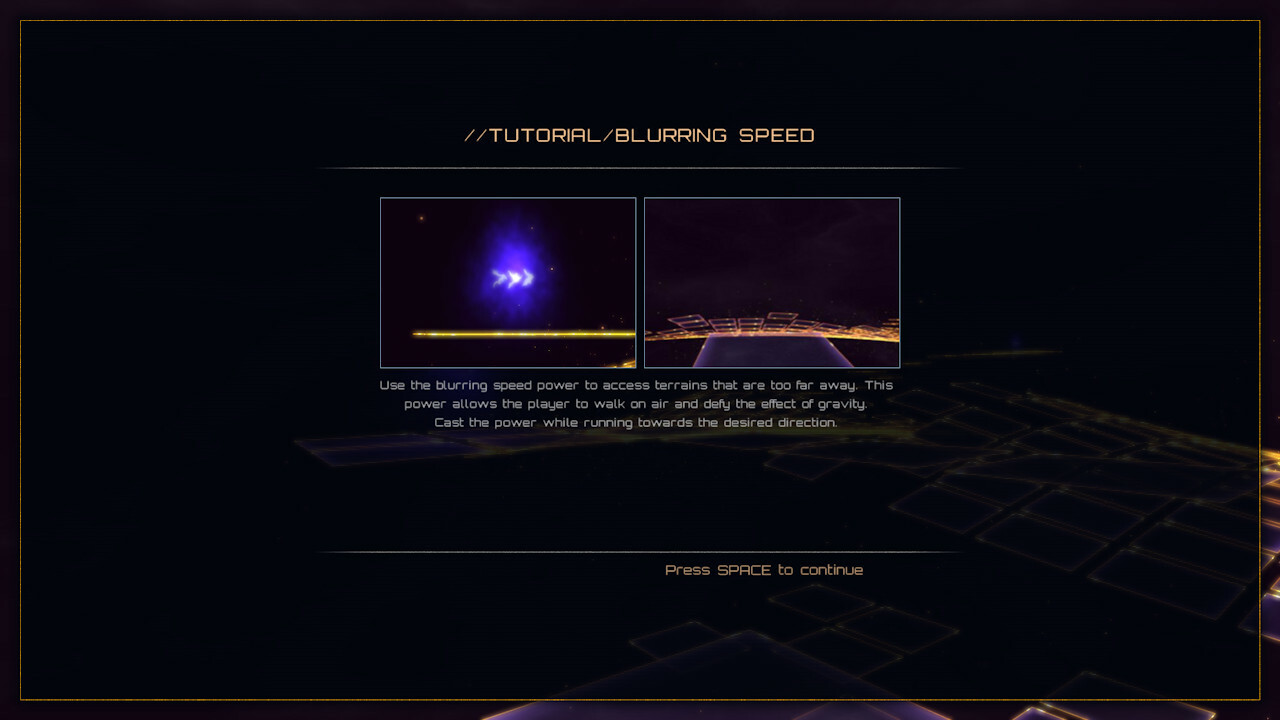
Some other progress has been done in adding visual and audio effects that enrich the atmosphere of the maps that will be part of the campaign.
Campaign
The main campaign will feature 3 different difficulty levels and a number of primary and secondary maps accessible through the campaign atlas screen:
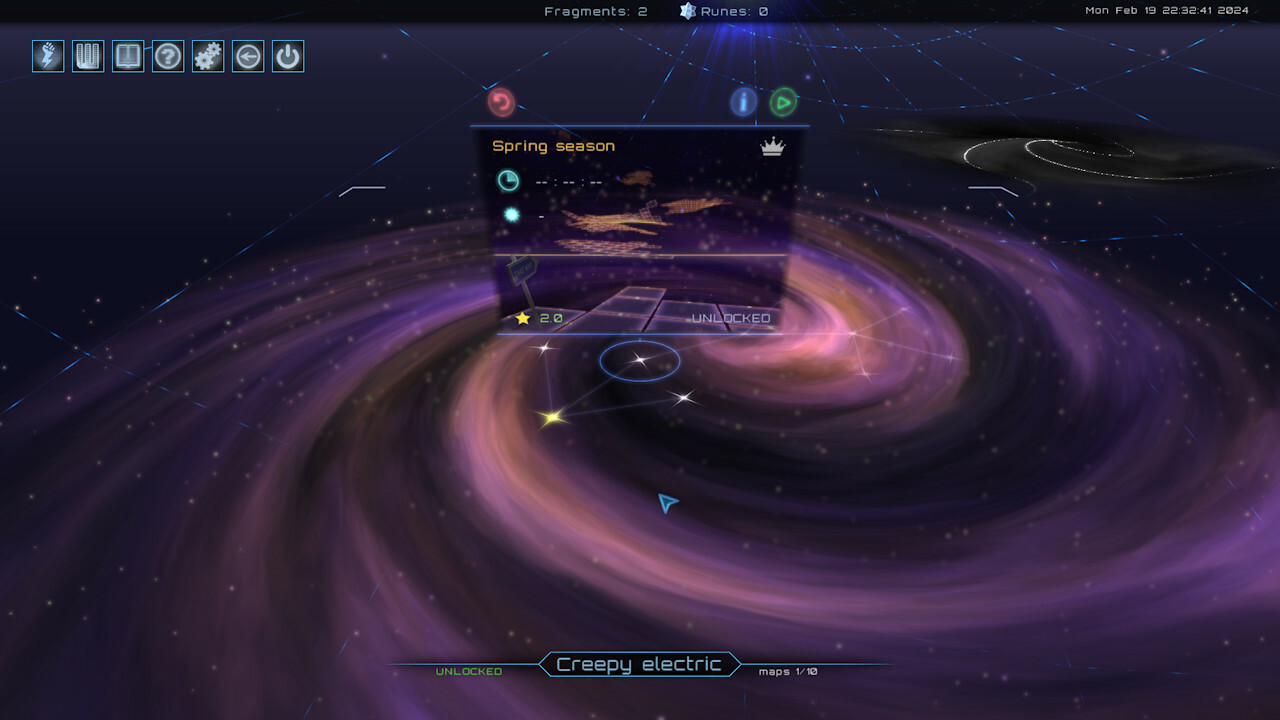
As it can be seen in the provisional screenshot, the maps are accessible by clicking the stars in the atlas. Each map has an informative panel in the atlas. The primary maps show a crown icon in their panel. They are part of the main quest and must be solved to unlock further game progress, while the secondary are optional and can unlock nice rewards or fragment points that can be used to upgrade the main character powers. Maps that have been passed cannot be replayed in the current implementation (a chance to replay the map is given anyway as soon as a map is cleared successfully, before going back to the atlas screen). It is up to the player to select how to progress through the available maps and the game can be finished also without any upgrade, though it will be more challenging. The upgrades are perks that can be unlocked for each of the powers that are granted to the main character. Each of them costs a certain amount of fragment points. Other upgrades can be obtained depending on the skill shown in winning some of the challenges that the maps offer or through the progression of the main campaign story.
At the moment the campaign is expected to have 3 difficulty levels: easy, normal, hard. There are still some design choices that must be made on what each level offers but so far each one of them will grant a different number of default vitality points and more or less relaxed timeouts when the challenges come around. In some instances a lower difficulty might also offer alternative platform paths choices in the maps to simplify the gameplay.
So far, most of the maps for the first 3 wire realms and a few of them for the other realms have been designed. The next development phase will be focused more on gamepad support for the campaign and map design. The story continues...