
It's time to talk about Endurance Motorsport Series! For this 'Meet the Team' series, we have decided to talk to our level designer and environmental artist who worked on the creation of Galeao! Let's take a deep dive behind the scenes on this creation!
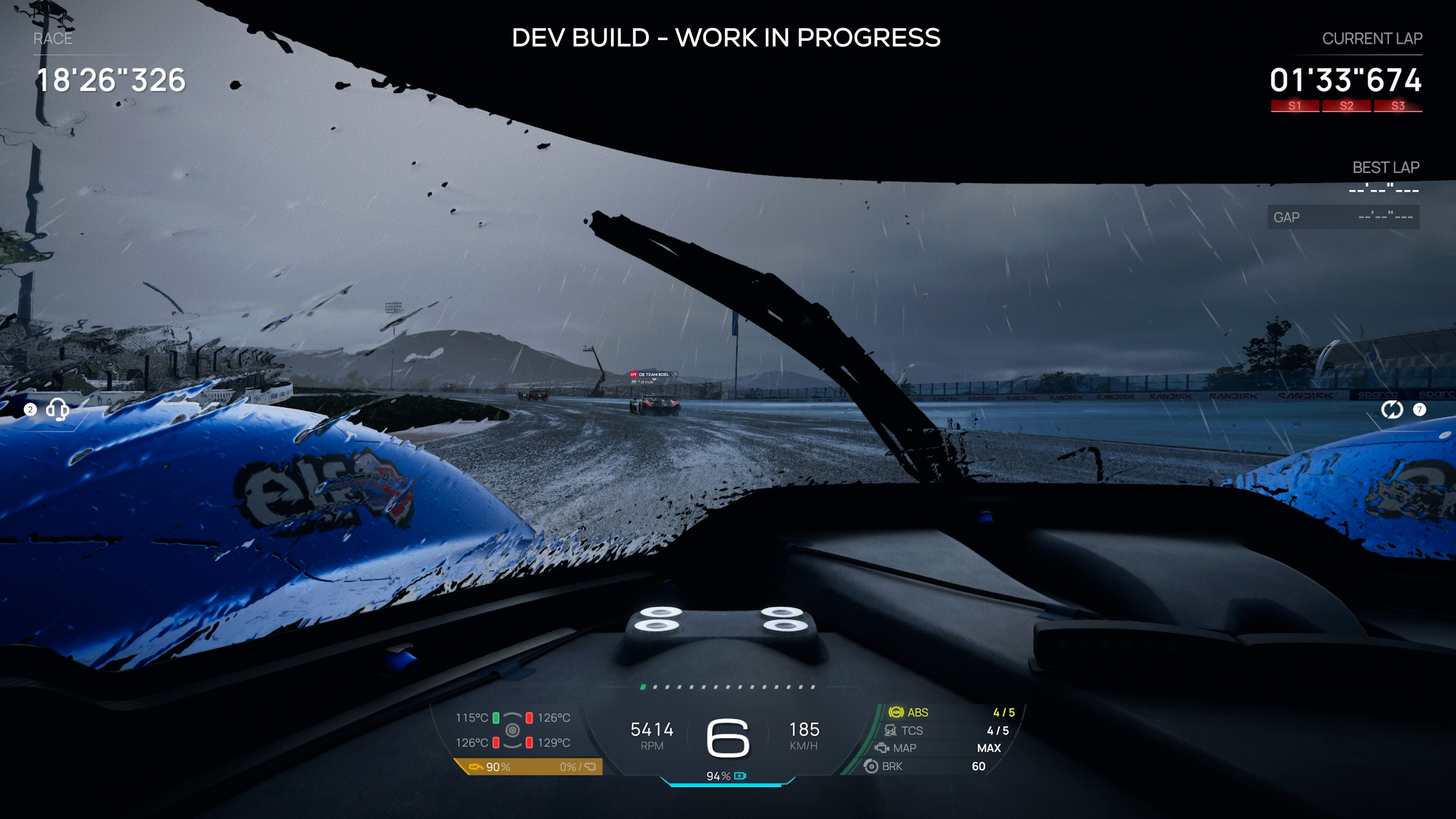
In case you missed it, you can also find gameplay and the trailer of the upcoming racetrack below!
Can you introduce yourself to the Endurance Motorsport Series community?
M: I'm Mathieu Desmarchelier, working as a Level Designer on Endurance Motorsport Series since its beginning. Being a Level Designer on EMS mainly includes creating the new fictional tracks, but also implementing real-life circuits. We set up all the gameplay coded by the programmers to make sure the tracks are playable in-game.
F: My name is Florian Charpentier, and I joined the Art team on EMS three years ago. I started as an Environment Artist, then specialized in Level Art. My work mainly consists of terrain sculpting, integrating vegetation and biomes, and doing a lot of testing to see what looks best.
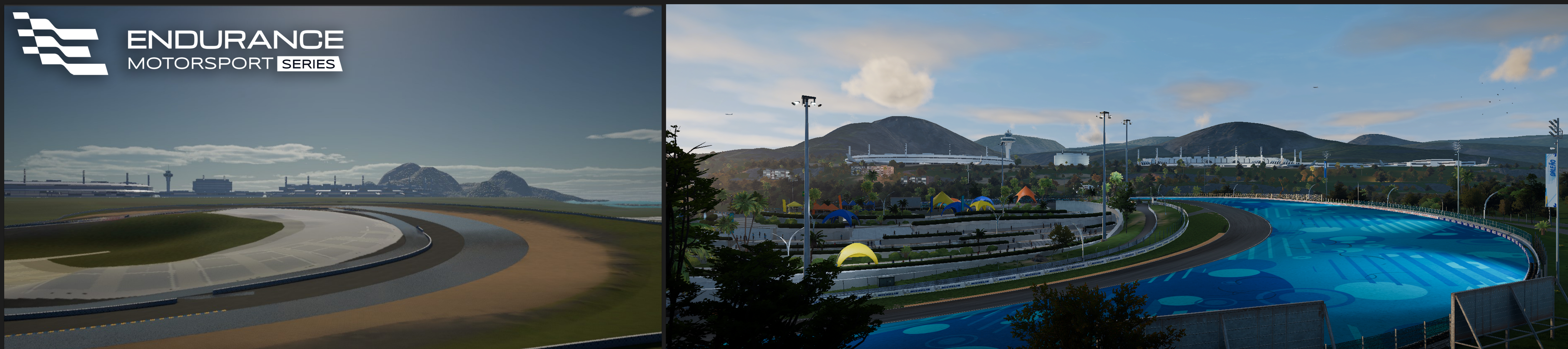
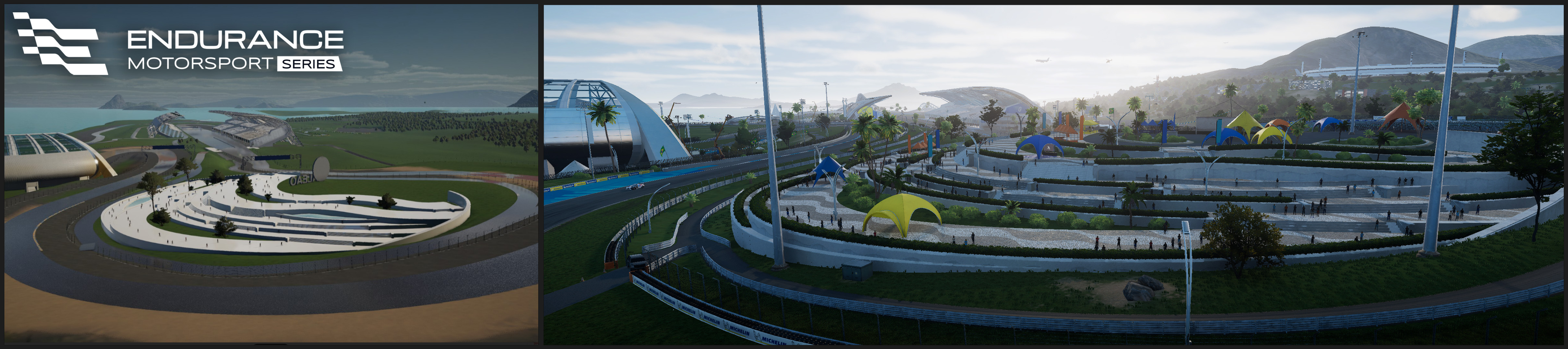
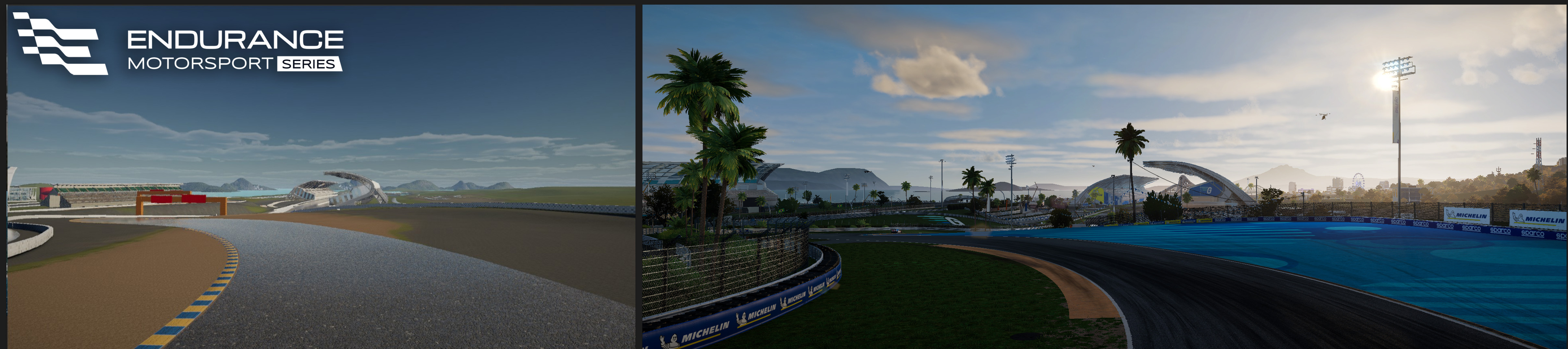
What are the different steps to create a fictional race track from scratch?
M: The first task was to find a real location for the track, by doing a lot of research. For EMS, we wanted to use countries that have an affinity for motor racing, and Brazil was an obvious choice. It's a country with strong ties to motorsport, and they have a well known F1 track.
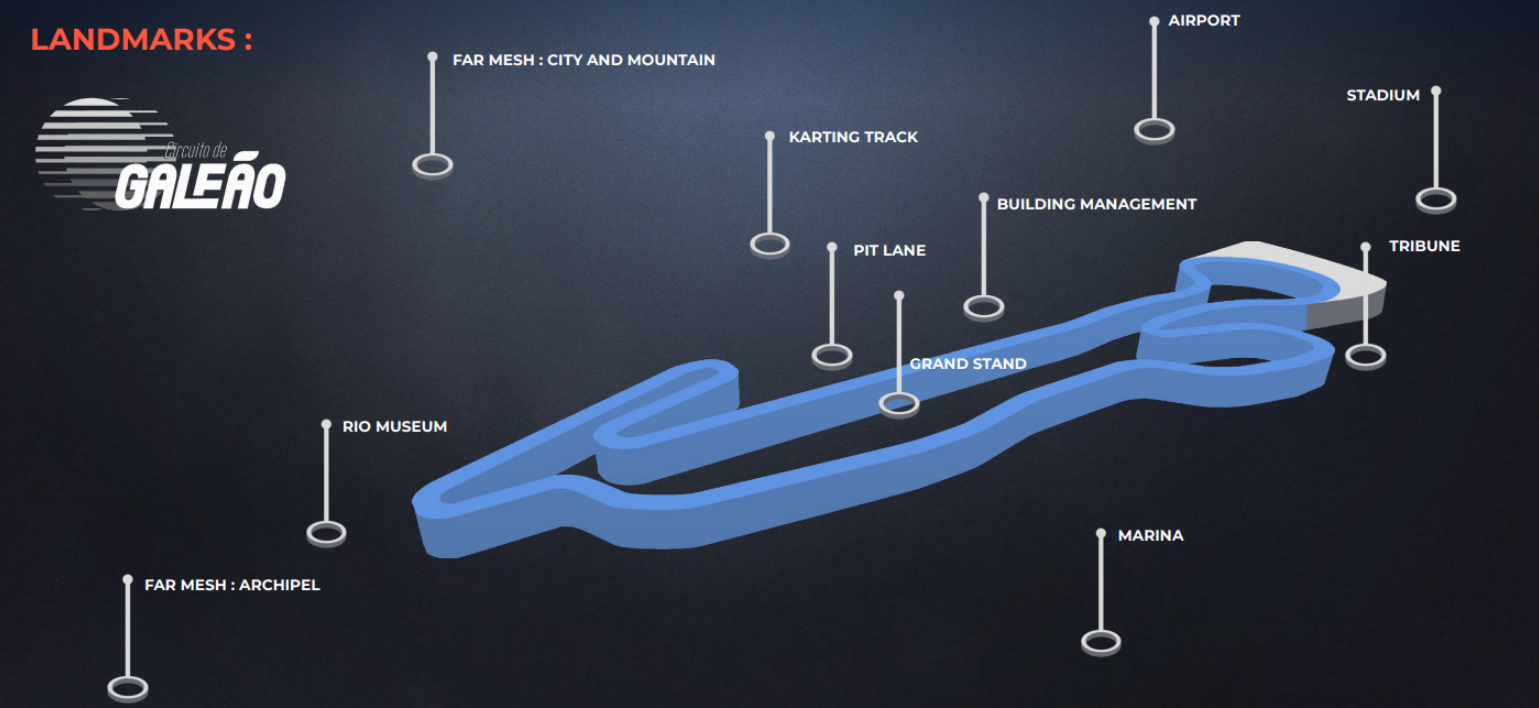
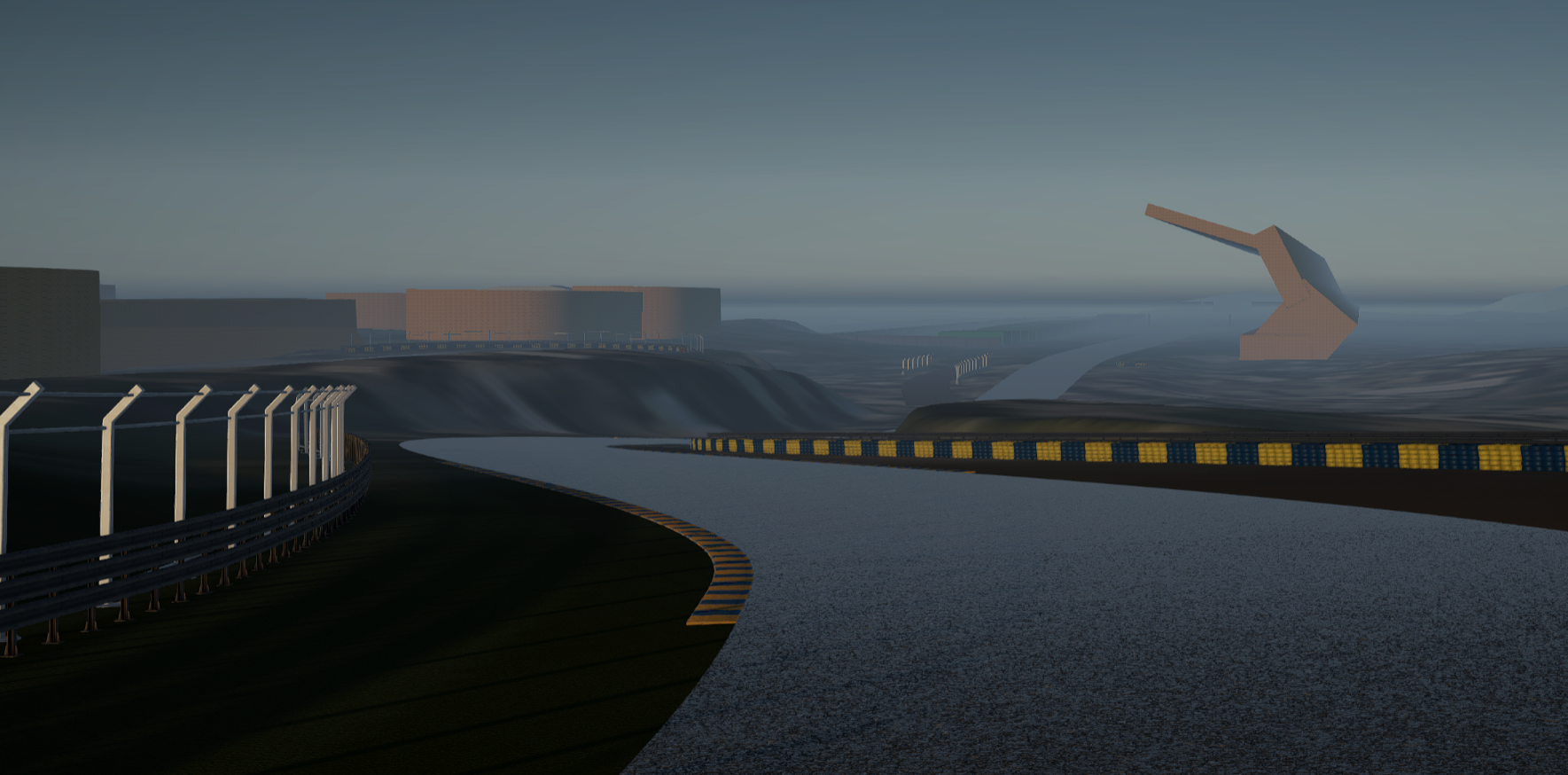
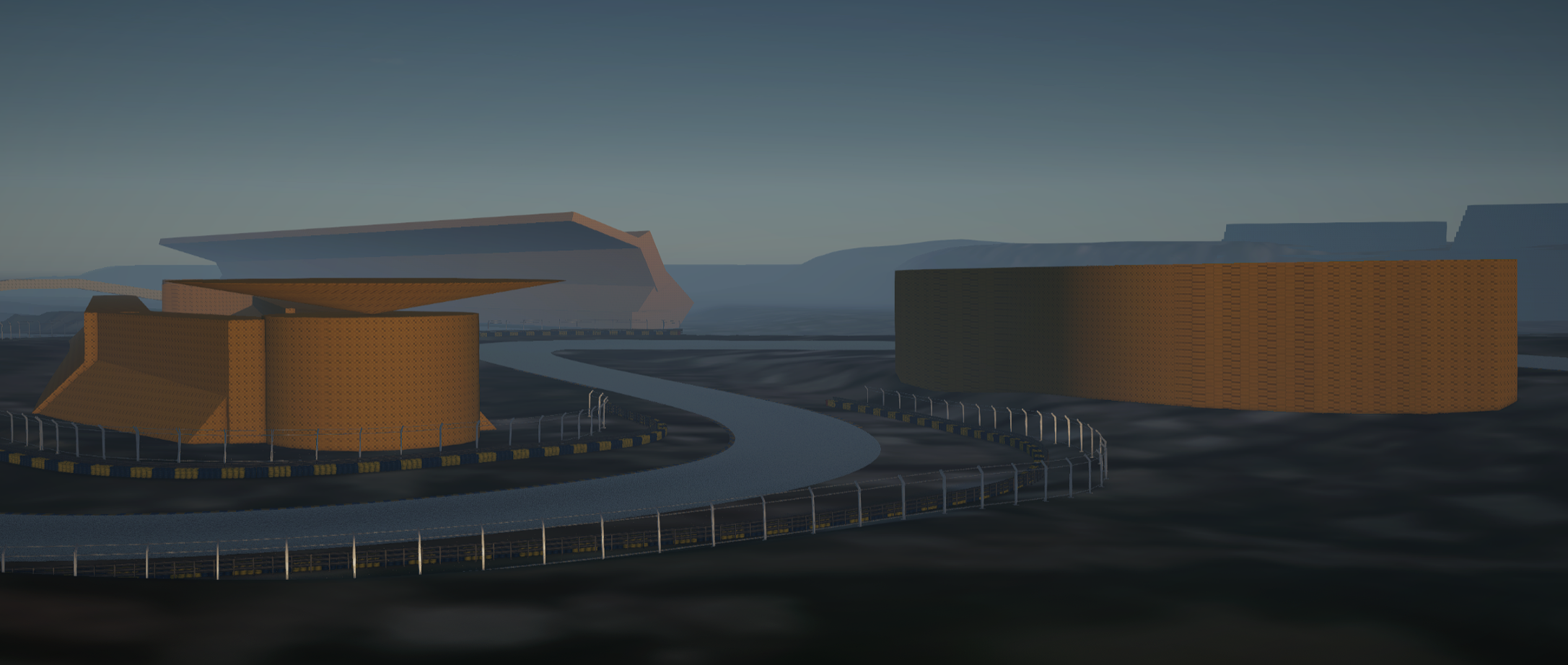
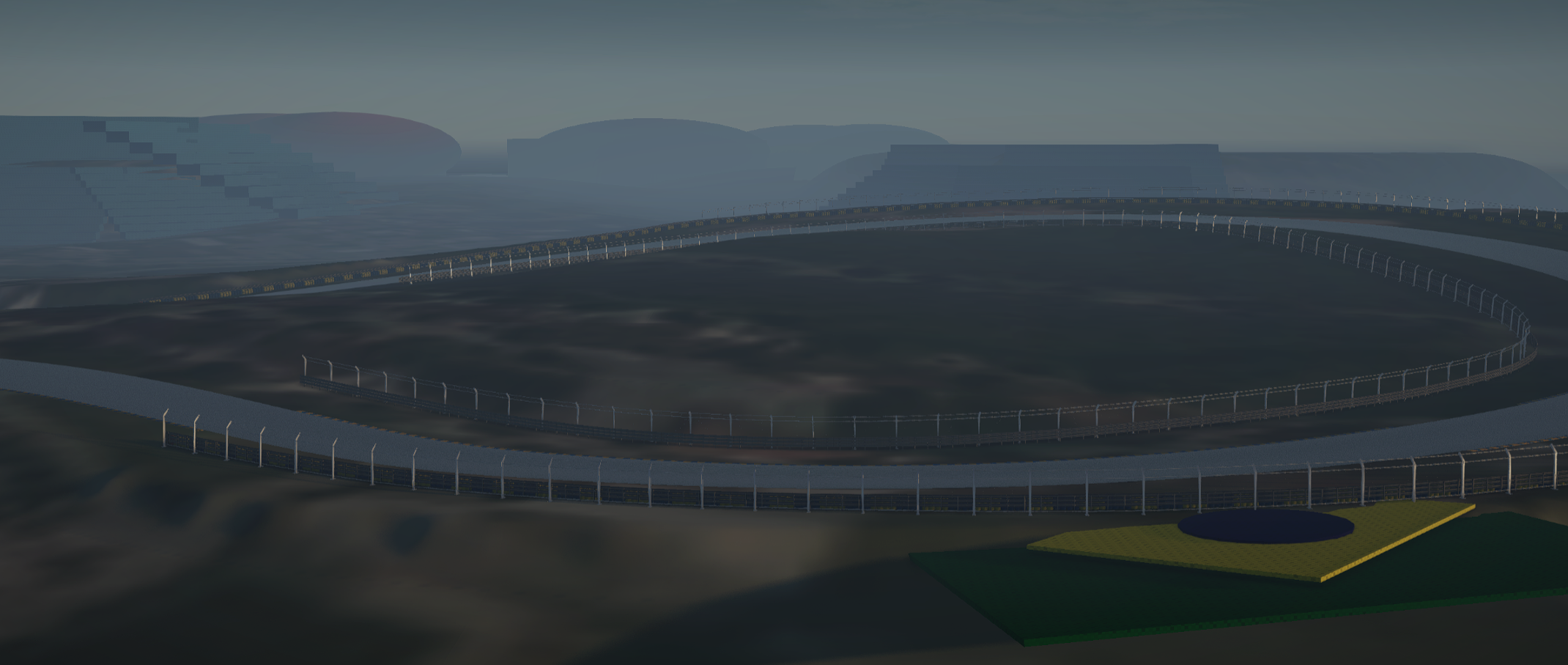
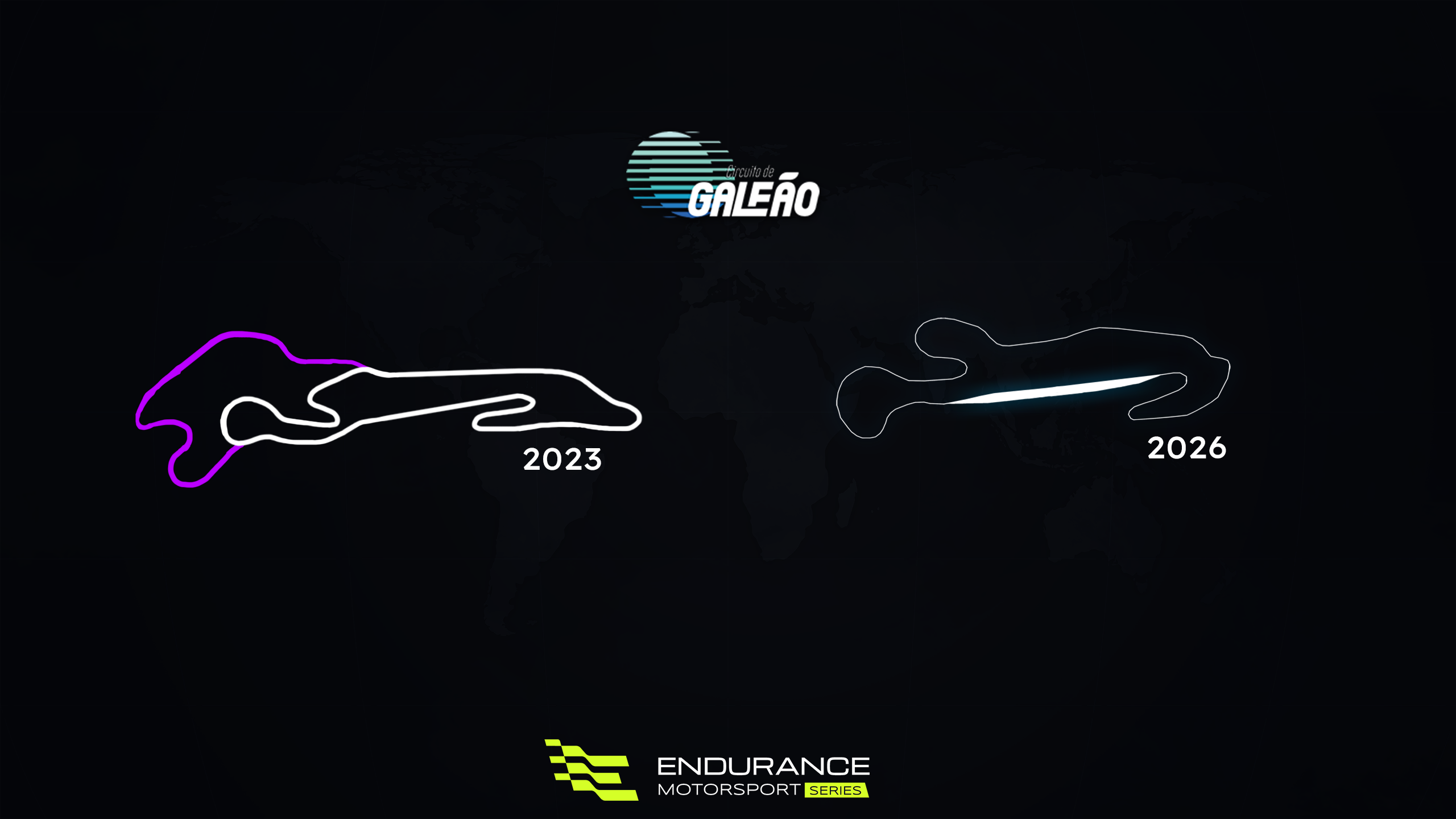
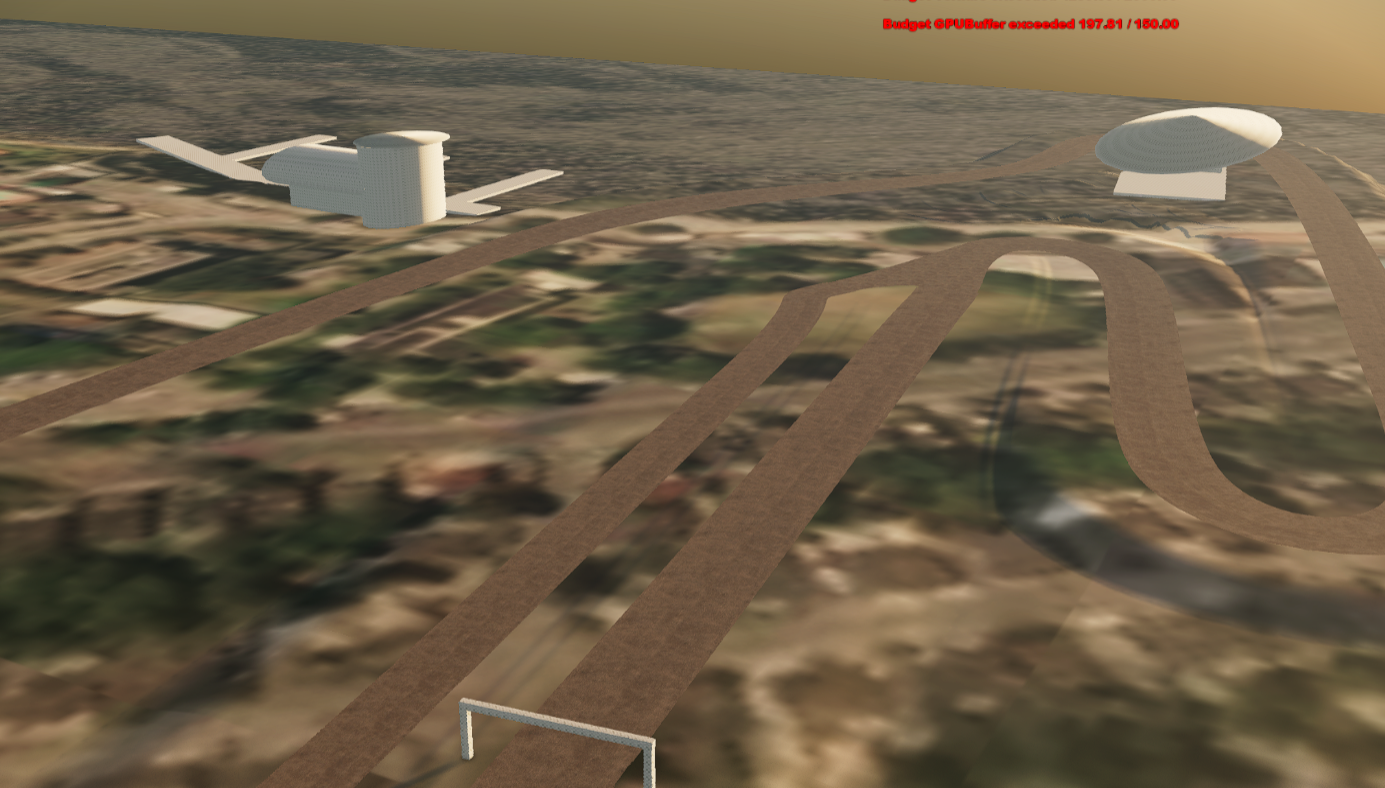
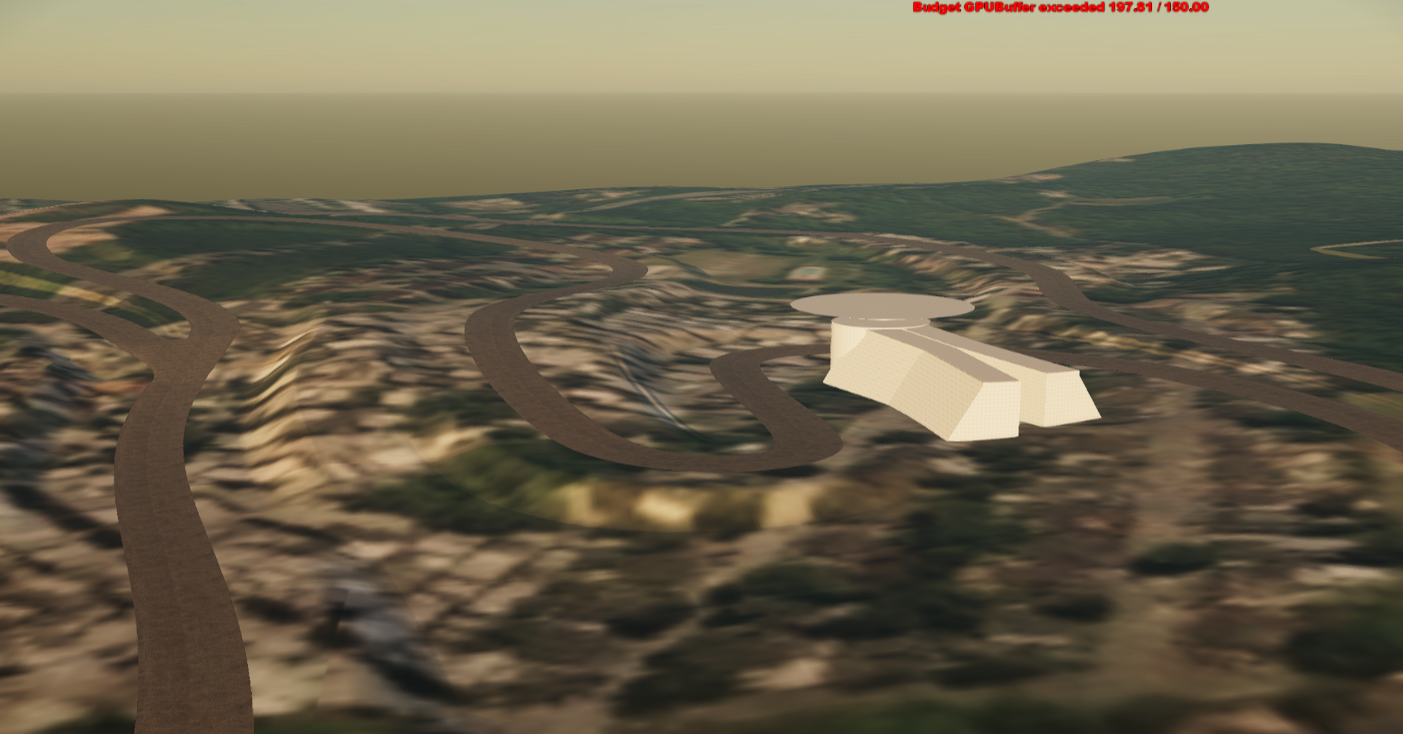
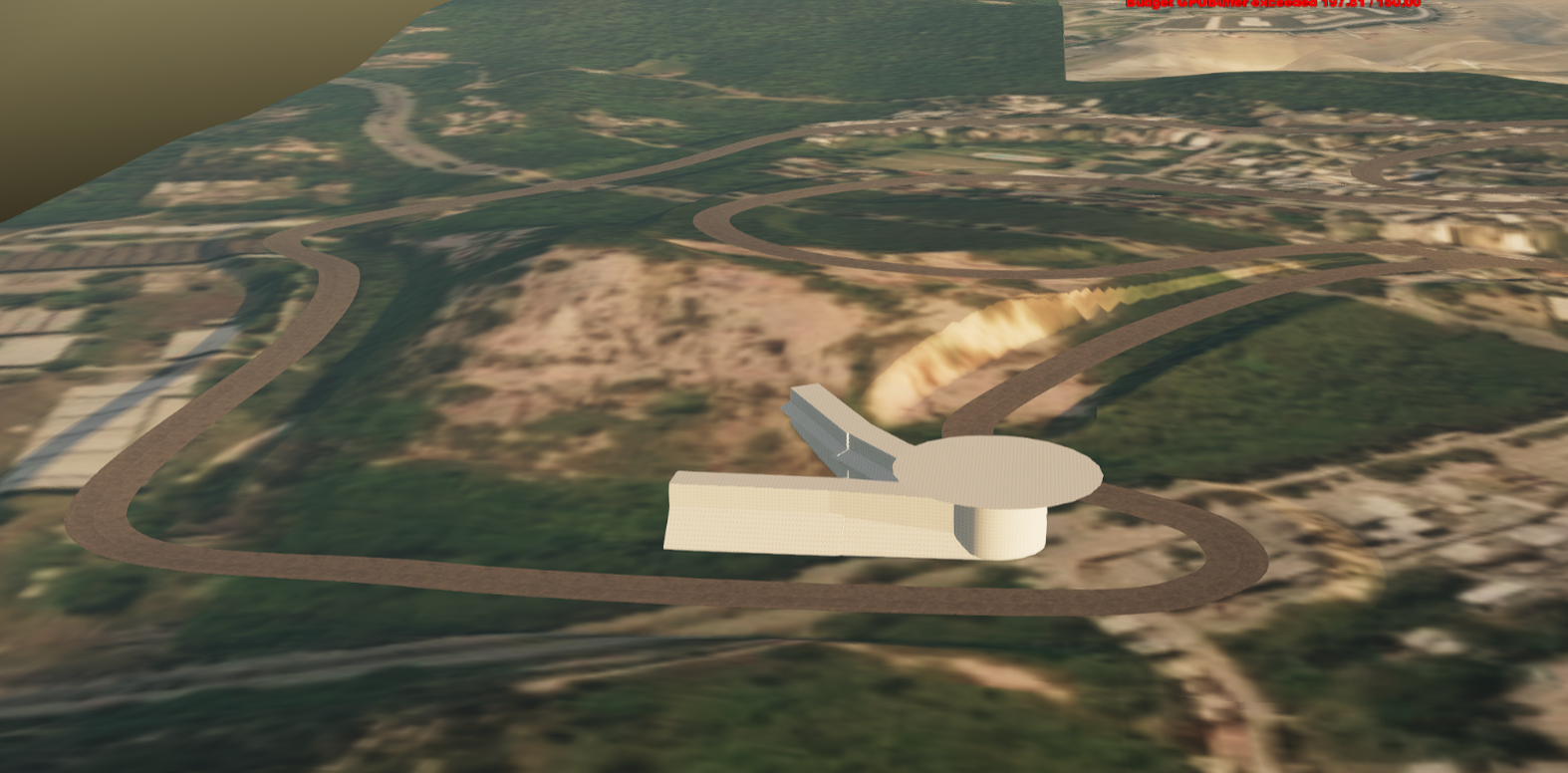
Then, we choose the exact location in the country where we will build our circuit. We looked at Google Maps a lot and settled on a small island with an airport in front of Rio de Janeiro: Galeao. We reimagined the shape of the island so that we could integrate our track into it. We took a lot of references from existing circuits to achieve a realistic result. We also played other games, watched endurance races and asked professional drivers to test our tracks to create something that looked realistic. We then moved on to a “blocking” phase, where we laid out the initial plans for roads, buildings, and landmarks, and then gave all of that to the graphic designers.
Once the layout has been decided, how do you work as a team to make sure it works well?
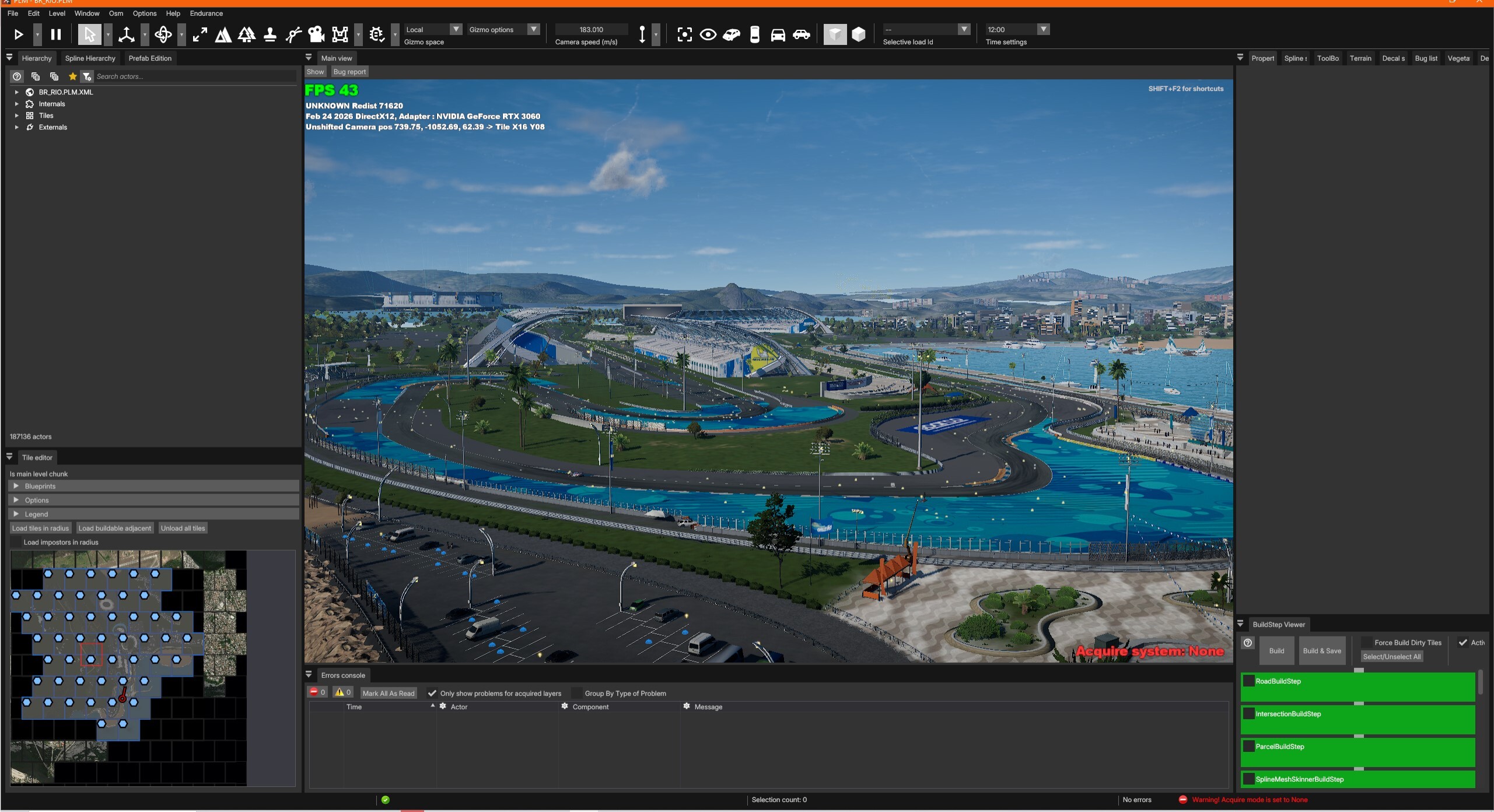
F: First, the art director connects the work of the level designers and the art teams. He gave us guidelines, mood boards, and storytelling. Then, we talk a lot with the different teams to figure out what to put around the track.
 What kinds of references did you use for both the layout and the artistic aspect?
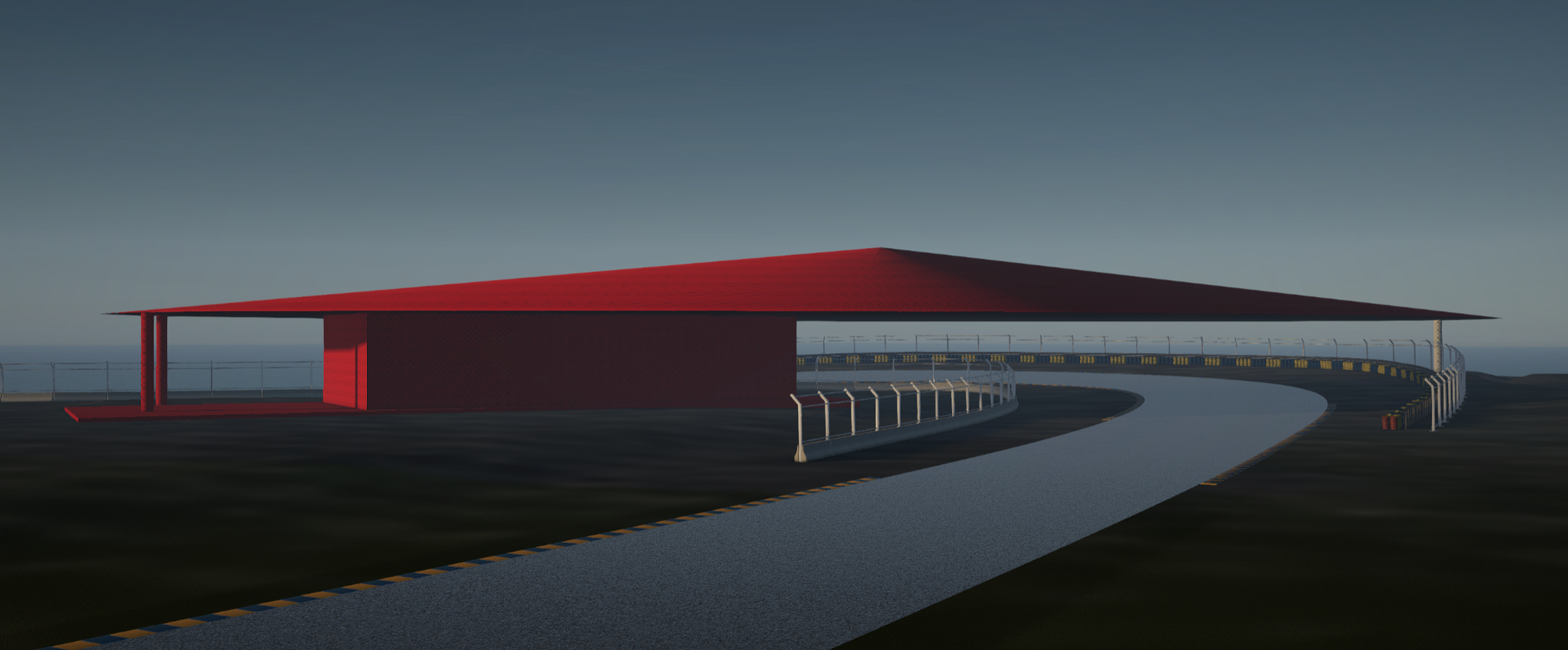
F: In terms of architecture, we went for a contemporary design in line with the constructivist movement. Our main inspirations came from Günter Behnisch and Zaha Hadid. We looked closely at their creations to adapt them and reinterpret them in different ways for our buildings. The track makes good use of rounded shapes, but mainly on a horizontal plane; as there is not much verticality.
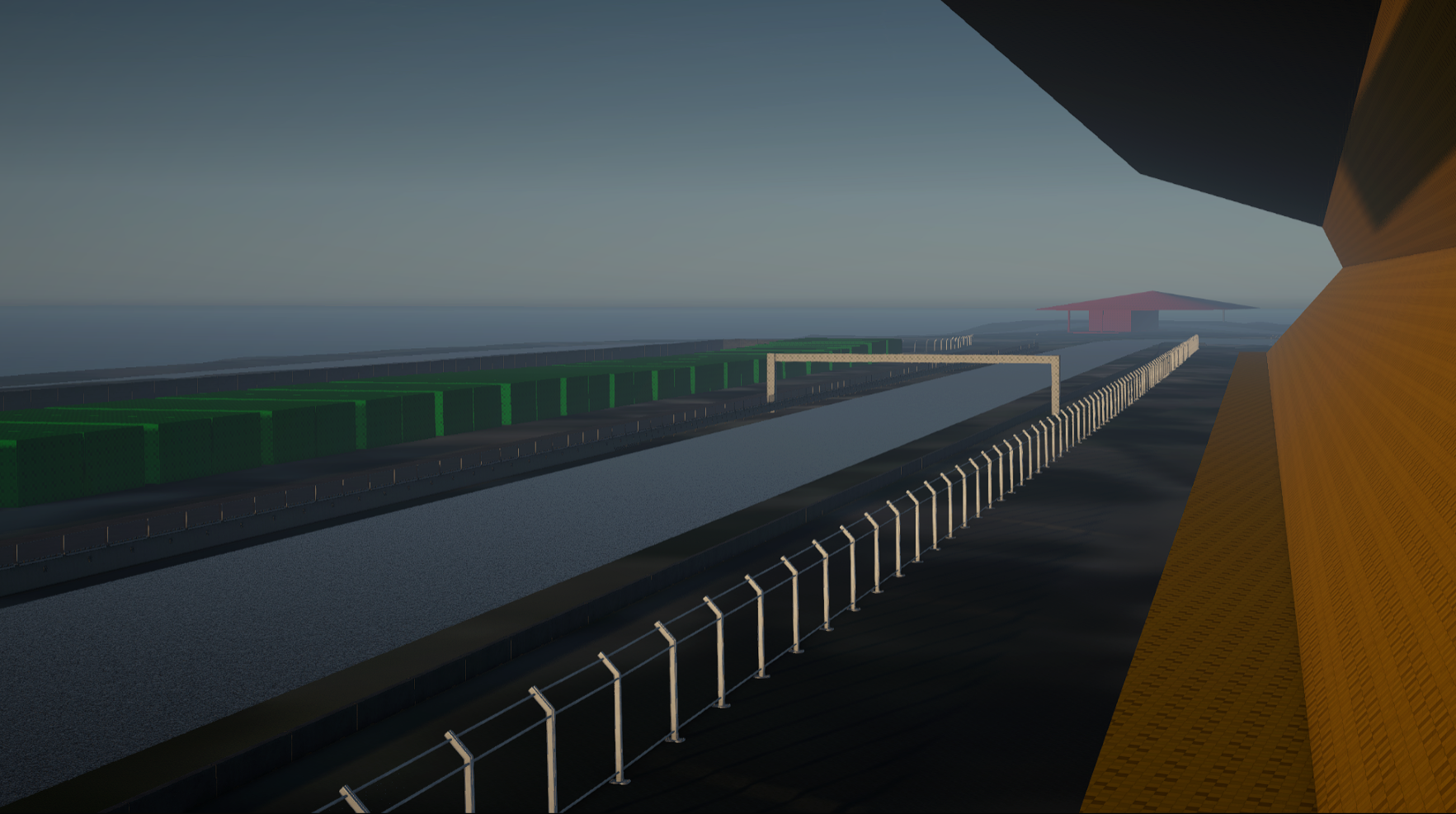
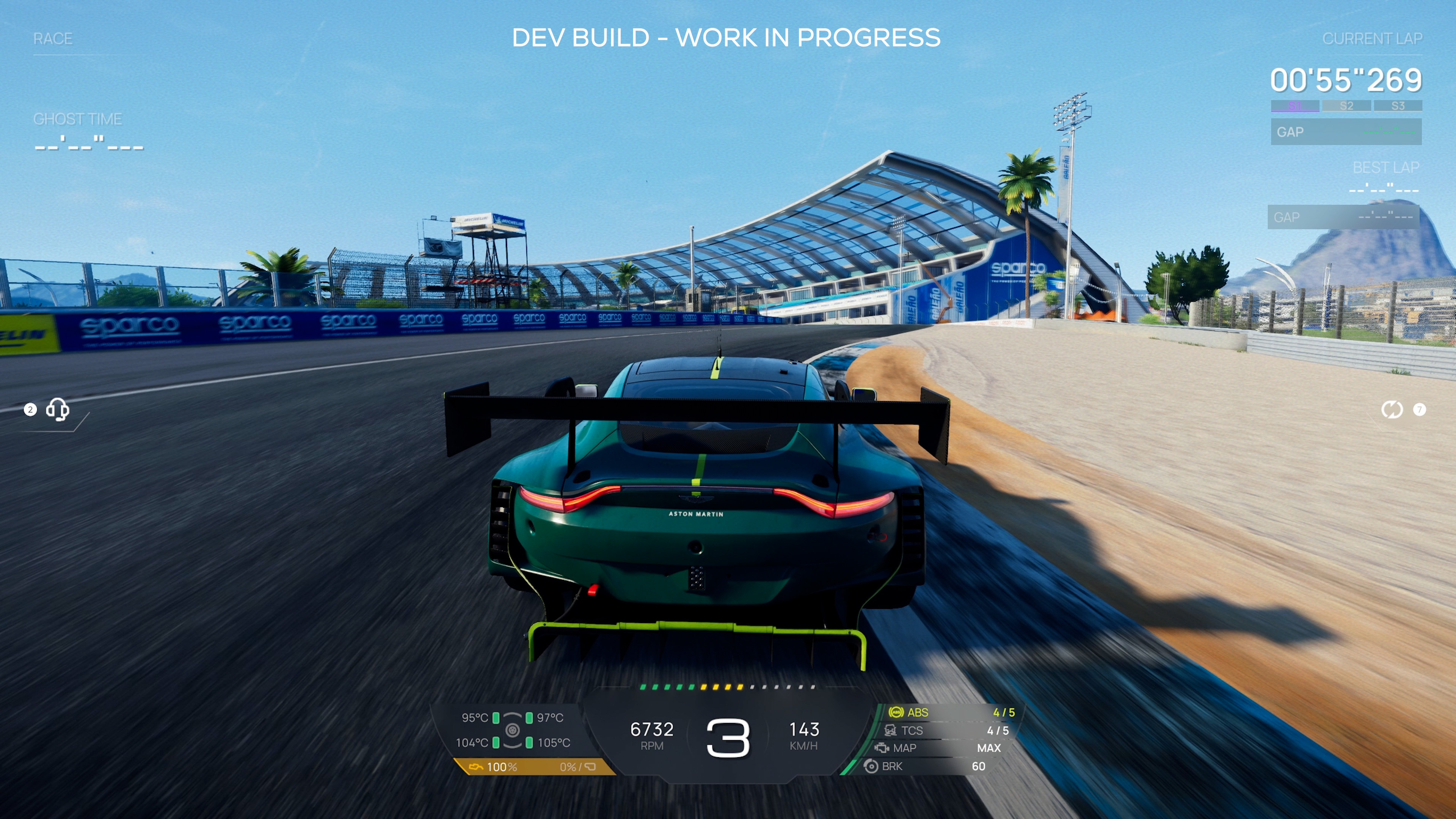
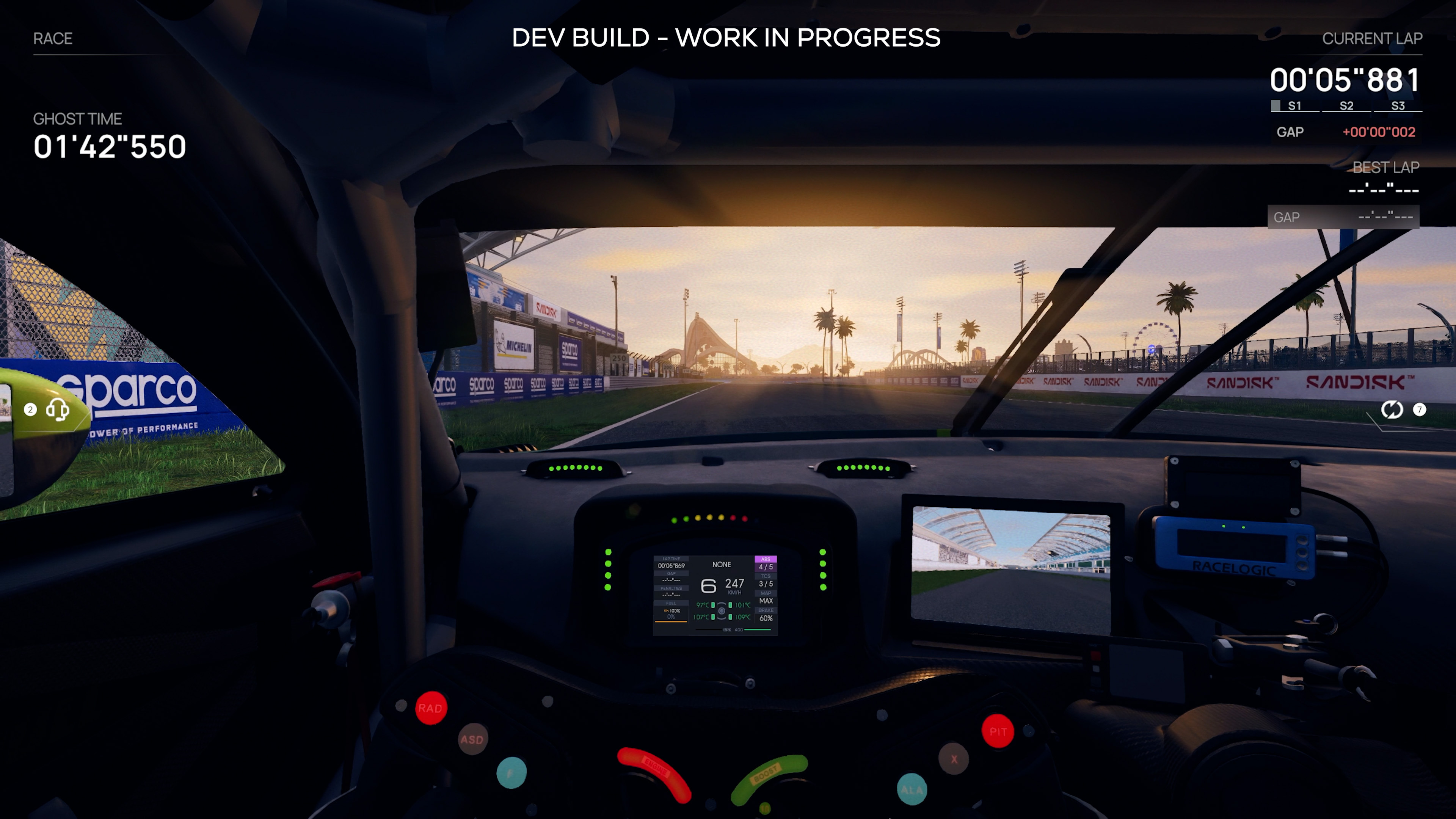
The museum building for example, with its wave-like design that blends into one another, is reminiscent of the topology of the land and the relief of Rio. For the grandstands, the art director wanted something very arched, so that the sun could rise between the two arches. The abrasive strips off the track are inspired by those found at Paul Ricard and Yas Marina. Overall, it's a combination of different elements that we found interesting and decided to bring together.
M: For the layout, there is a lot of inspiration from modern race tracks that we adapt to create a coherently designed environment. For example, the long left-hand turn at the end is inspired by the famous Turn 8 at Istanbul Park, while others are more inspired by Paul Ricard. Overall, it's a combination of inspirations from modern circuits, particularly those designed by Hermann Tilke. Each circuit must have its “archetype”: Galeao, for example, is a circuit that combines speed, technique, and velocity, while other fictional circuits will focus on different aspects.
 Did you face any particular challenges with this circuit?
M: Creating a circuit from scratch was a completely new experience for me! We did a lot of testing and feedback with the different teams to find the right balance between everyone's comments. The last left-corner was a complicated turn to build because we had to deal with visibility issues, and finding the right banking angle. It was a big challenge that required a lot of feedback and iterations.
F: It was also my first track created from scratch, and we experimented a lot. The hardest part at first was finding the right compositions to make it look realistic. We wanted players to find the circuit interesting, and not get visually bored after two laps. We created airplane loops thanks to the nearby airport and focused a lot on lively spaces. We're also lucky to have races that take place at different times of the day, so the lighting will change a lot. It's challenging and interesting for us. It was definitely a good track to start with: it's quite compact, and its horizontality forces us to maintain a certain consistency. It was an interesting and educational first track.
How do you add “life” to a track?
F: We create scenes and storytelling, with memorable areas, concert scenes, etc. that add movement, and we add lasers and lights effects. Then we incorporate everything we see in real life, these elements that we don't necessarily pay attention to, those little things in the background which help to bring the landscapes to life and break up the static aspect. The player sees the environment in a very specific state on the first lap, and we have to make sure that the second lap is different, with screens, moving crowds, etc.
 What are your favorite parts of the track?
M: In terms of design, I particularly like the long straight leading up to the marina and the long curve at the end where you can see the stadium. In terms of driving, I love the section in front of the museum; it's my favorite part of the track.
F: Visually, I like the long straight pit lane with the stands coming together. I also like the area just after the museum overlooking the city, where there's a beautiful view of the Rio skyline. It's an interesting circuit because each turn has been designed to offer a beautiful view, and the Brazilian theme lends itself well to this. In terms of driving pleasure, I agree with Mathieu: the section with the museum is the most interesting part!
What was the feedback from the professional drivers who tested the circuit?
F: In terms of creating the mesh for the track, we had to go back and adjust the width and height of the curbs because there was too much vibration.
M: The very first feedback we received concerned the width of the track. It was too wide, so we narrowed it considerably. Overall, the circuit was well received and we received a lot of positive feedback. Getting feedback from professional drivers is great for us!
We hope you all enjoyed this developer interview article, and we can't wait to share more about the game in the coming months! See you again soon!