
The Galaxy is full of unimaginable terrors. Deadly xenos, void phenomena, planetary anomalies, and the many perils of the warp run rampant in the Koronus Expanse, where the light of the God-Emperor is faint. The aftermath of seeing the unspeakable claws at the mind, breaking the weak and inducing paranoia and anxiety in even the most hardened veterans.
While the Rogue Trader and their retinue are probably among the most resilient people alive, having ventured farther and seen more than the average denizen of the Imperium, frequent void travel and dangerous expeditions eventually take their toll on everyone.
Let us talk about the potential consequences.
The Origins of Insanity
In the original Warhammer 40,000: Rogue Trader tabletop RPG, which served as the inspiration for our video game, insanity was a game mechanic. For every terrifying experience your character went through, you would receive Insanity Points, either at random or imposed by your GM. These would slowly accumulate over your journey, causing increasingly disturbing effects, until one day, your character would completely succumb to madness, effectively ending your playthrough.
But video games are built differently.
What may work relatively well in a tabletop setting with a party of friends does not necessarily translate into a satisfying digital experience. With the average length of a CRPG spanning over 100 hours, losing your character somewhere halfway through the game to a merciless point tracker would be… frustrating. And simply reloading the game would often not be a viable option — the decisions that led to your eventual demise would likely be dozens of hours away.
Back during the development of the main game, we had a lot of discussions about how the system could work in our adaptation. We assessed many options, from using the rules as written directly from the book, to all kinds of wild adaptations, but none of them felt fun enough at the time. With so many other things we needed to balance at the same time, we eventually decided to skip it altogether, and the game shipped without any mechanics related to insanity.
But times change, and when we began development on a DLC centered around themes of madness and corruption in a location that preys on sanity, it felt like the perfect moment to revisit the idea.
The Darkest of Hours
When deciding how to integrate the new Insanity-related content, our attention turned to one of the less-represented mechanics of the main game that is thematically similar — The Darkest Hour.
The Darkest Hour represents a dark and painful moment in the previous life of your character before they became a Lord Captain. You decide it during character generation, choosing one of three options for each origin. Typically, it gives you a minor passive debuff, as well as a few story interactions across the game.
We always felt like this feature wasn’t very deep and could use some expansion, and “Processional of the Damned” finally allows us to explore that.
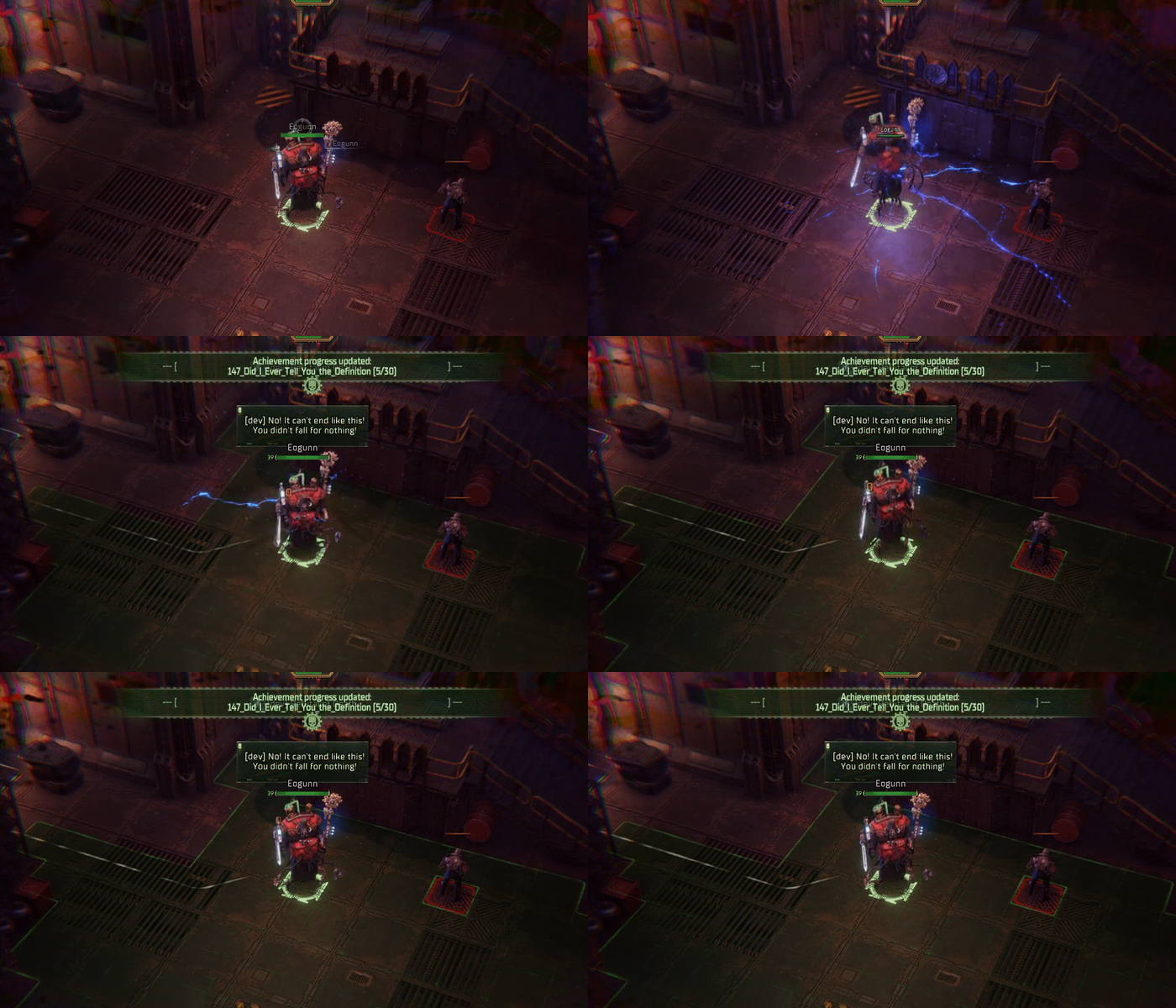
Each Darkest Hour now has its own thematic Insanity ability that can activate once per battle when Momentum is low, representing a character’s emotional and mental breakdown.
Here are a few examples:
Hidden Doubts
Gain Level / 10 (minimum 1) stacks of Compulsive double-checking until the end of combat.
Compulsive double-checking: Reroll any failed roll once and take 3% of the maximum wounds (minimum 1) direct damage for each stack of this effect.
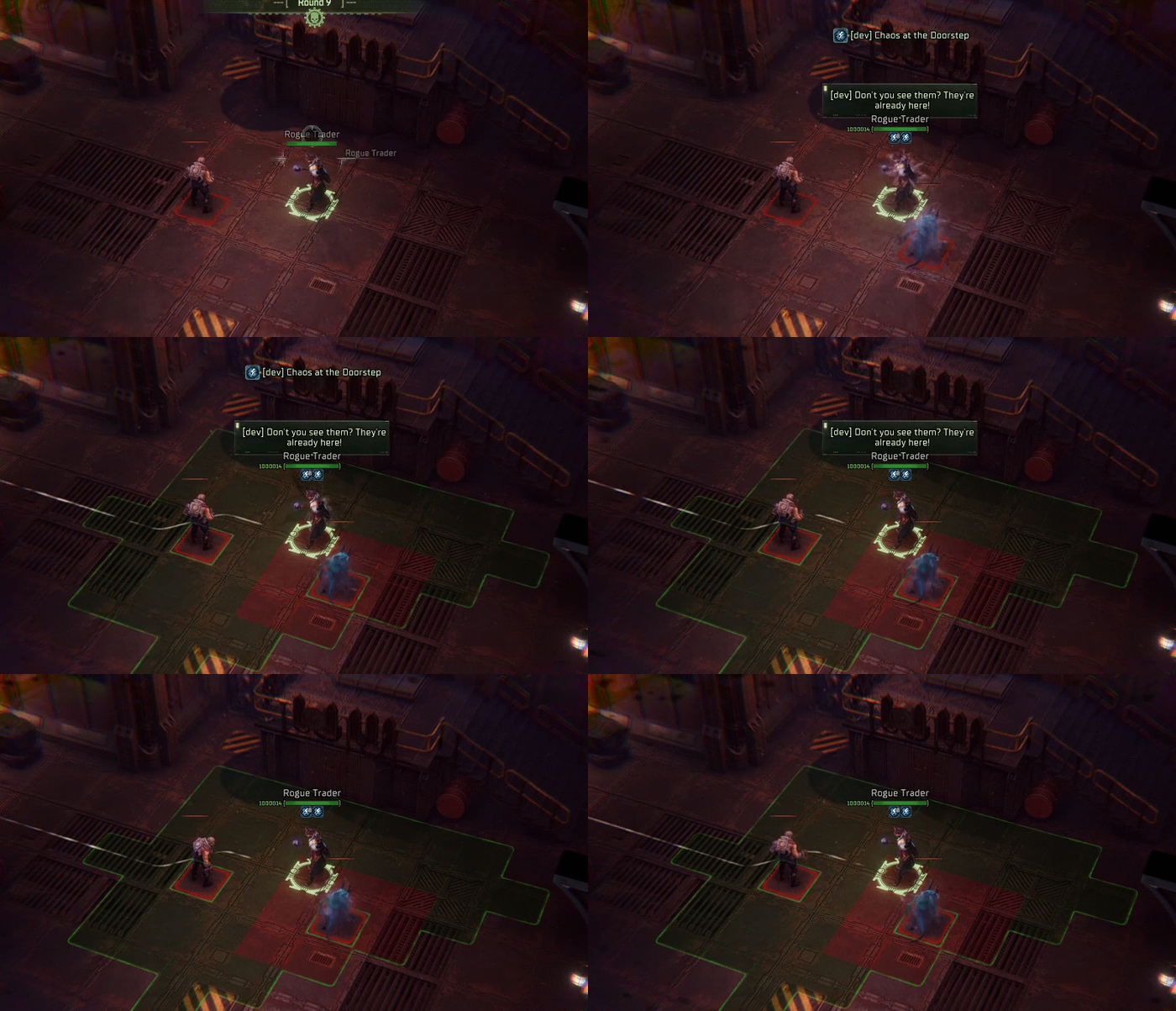
Chaos at the Doorstep
The Lord Captain sees the truth of this world and the horrors that dwell beyond it. Other characters can neither see nor interact in any way with those creatures.
Killing such a horror rewards additional Momentum, as well as +1 AP, and provides an additional attack this turn. At the end of the turn, the vision fades; however, each horror still living at the time leaves a Mental Scar until the end of combat. Mental Scars lower resolve by -1 and all characteristics by -5 per stack.
Looking into the Darkness
The Path of a Rogue Trader is rife with danger and corruption. Your companions are not spared from these perils either, experiencing their own share of uncertainty, anxiety, and grim thoughts as they journey with the Lord Captain.
Similar to the Lord Captain’s Darkest Hour ability, each companion has their own thematic way of unleashing their darker emotions in the form of a new special ability, such as Jae’s Voice of Hubris:
Until the end of the turn, Jae can use Voice of Command without cooldown; however, after the effect ends, she can no longer use the ability until the end of combat and flees in a random direction for up to 5 cells at the start of each turn. She does not provoke attacks of opportunity during this movement.
Or Marazhai’s Pain Most Exquisite:
Marazhai makes melee attacks against random targets (including allies) adjacent to him. If he has two swords equipped, he makes attacks with each of them instead. This ability functions as a melee burst attack that does not count toward the attack limit per turn, and can only be used with a sword equipped.
Each attack made by Marazhai applies or intensifies bleeding on the target by +3 levels if it deals damage, and always applies or intensifies bleeding on Marazhai himself regardless of the damage dealt.
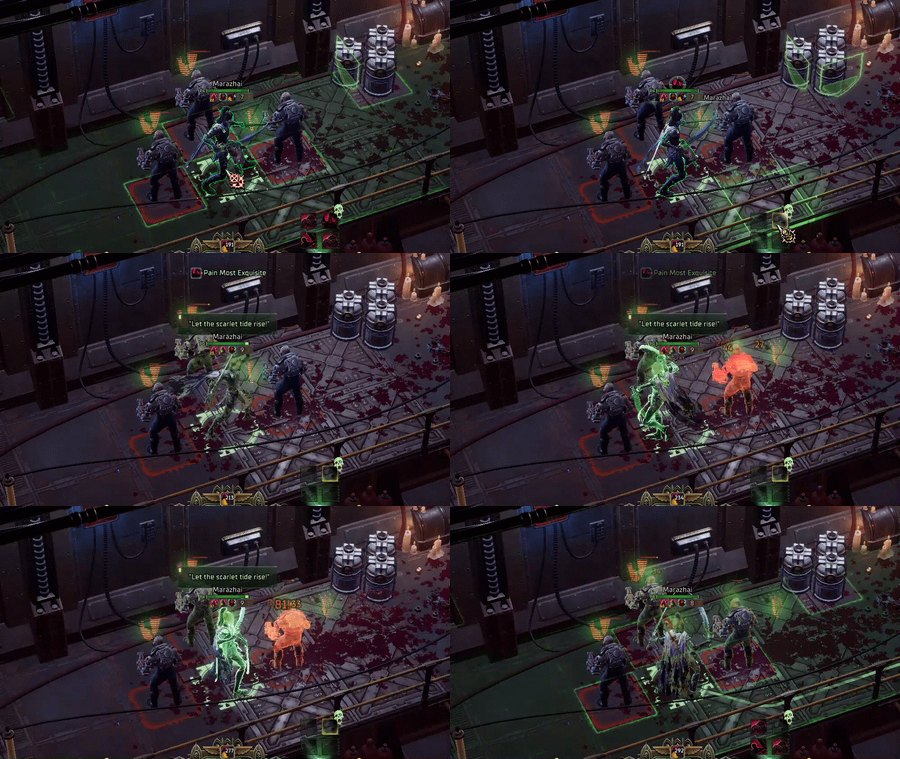
Each of these abilities reflects the personality and methods of the respective companion.
By the way, some of you may have noticed that Marazhai’s ability closely resembles a similar option of the Blade Dancer archetype. This is intentional — after the “Void Shadows” DLC release, this archetype was often highlighted by the community as a better fit for Marazhai than what he starts with. While we can’t simply replace a base archetype for a DLC one, as that would cause a lot of issues, we do agree that such an option would be interesting. So, we decided to go for the middle ground here and add a little bit of the Blade Dancer’s functionality to Marazhai directly!
A Story of Broken Souls
Mechanics and abilities are but one part of the insanity-themed content in the “Processional of the Damned” DLC. The narrative and companion reactions are just as important.
It’s no surprise that the main plot of the DLC revolves around these themes. We won’t spoil too much here, but you will definitely have a lot to ponder while you play. Stella’s own storyline is deeply connected to the Processional and its sanity-bending nature, and that leaves its mark on everything that happens surrounding her character and her romance options.
In addition to all that, we’re adding a new layer of reactivity to both new and old content related to situations where characters go through their darker moments.
We’ve done our best to get creative with this — for some companions, it plays out in dialogue options and additional reactions to the existing events and dialogues. For others, it manifests through special events involving self-reflection, a mental crisis, or another form of alarming condition that will require the Lord Captain’s attention. Some may even have events that lead to full-scale combat encounters. Imagine a Navigator having a mental breakdown and how destructive that could be!
Are you ready to face your companions’ daemons, figuratively and literally, Lord Captain?
Anchors of the Mind
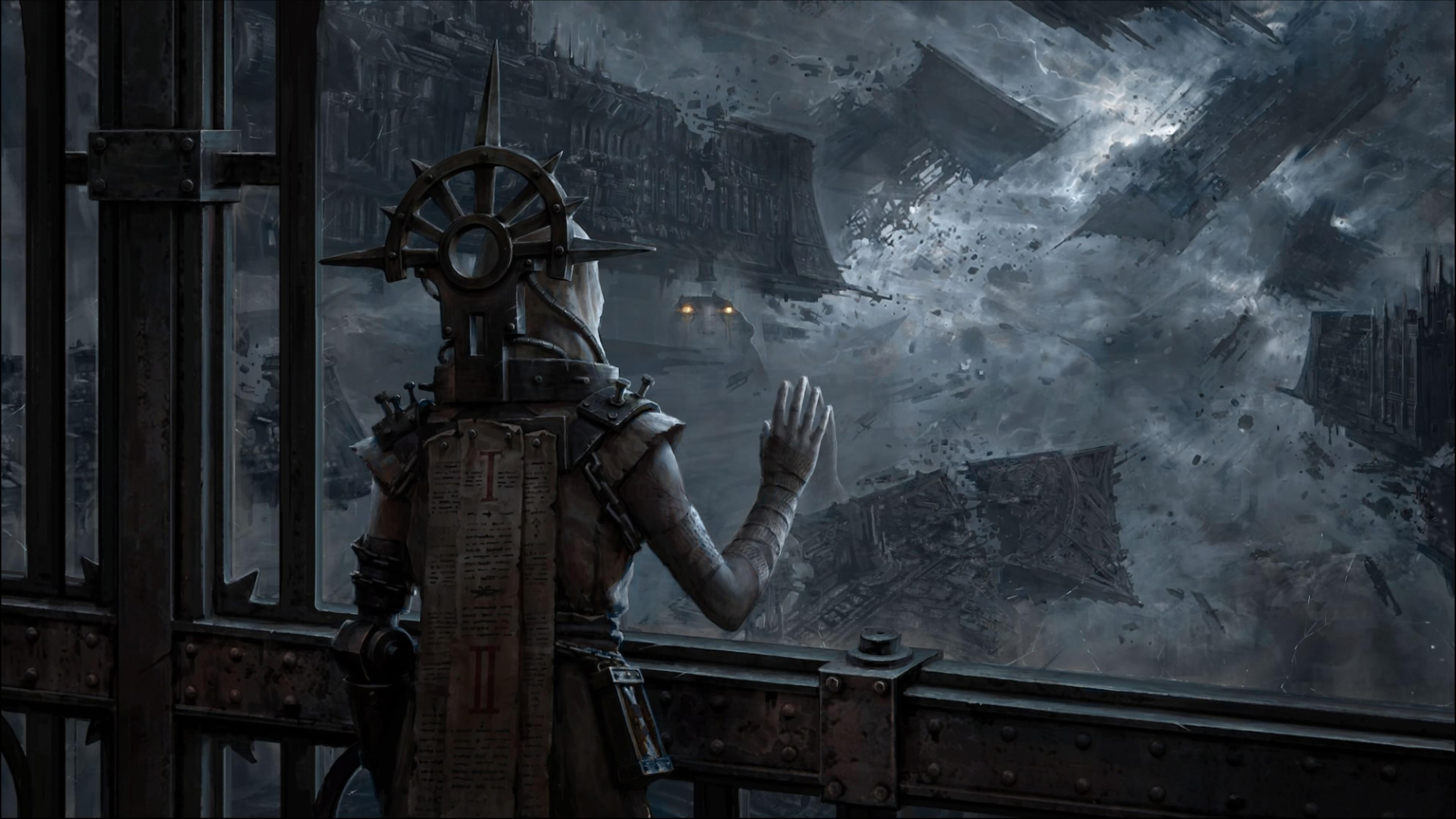
In addition to the various abilities and story events related to insanity, we have added a handful of items throughout the game that either play into the theme of madness and corruption or amplify and enhance the Insanity abilities in a way similar to how you enhance Heroic Acts through level-ups.
Here’s a few:
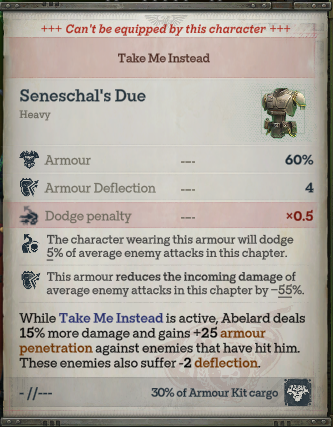
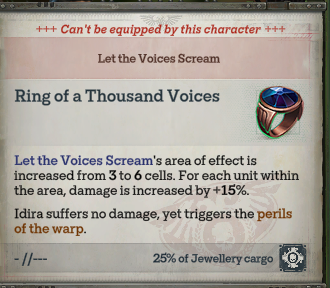
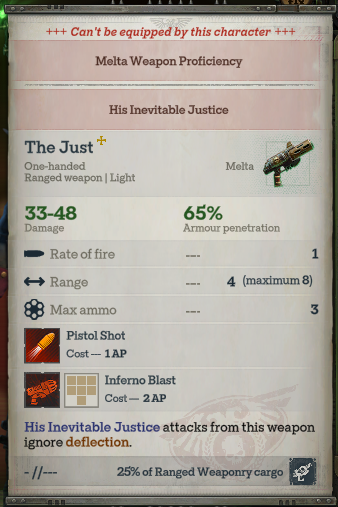
These can have a significant impact on the battlefield, and each companion in your retinue has their own unique item or even a few of them waiting to be discovered.
That is all for now, Lord Captain, but stay tuned — the journey is far from over!
The God-Emperor protects!
Wishlist now:
https://store.steampowered.com/app/5247570/Warhammer_40000_Rogue_Trader_Processional_of_the_Damned/