Hotfix #6 Is Now Live - Compendium, Achievements & Nango Sounds
🍃 Hello Explorers! Another update for you, improving the game step by step. This one is mostly for the completionists among you: the Compendium can be finished again, and the achievements that were stuck now unlock retroactively when you load your save. Thank you for sticking wi
🍃 Hello Explorers!
Another update for you, improving the game step by step. This one is mostly for the completionists among you: the Compendium can be finished again, and the achievements that were stuck now unlock retroactively when you load your save. Thank you for sticking with us, and keep telling us when something is off.
📝 Patch Notes
Achievements & Compendium
Compendium Cleanup: Removed the entries that could never be unlocked (Hot Waters, Lead, Meteor Shard, Sapphire, Symbiolith). Saves you already have are cleaned up when you load them, so the Compendium can be completed.
Underground Deposits: Opening the boxes that unlock underground deposits now adds the Underground Deposits entry with full progress and re-checks the achievements tied to it, including for boxes you opened before.
Memory Core Achievement: The achievement for placing all Memory Cores in the Archivarium wall now unlocks when you place the last core, and it is granted on load if you already have them all in place.
Building
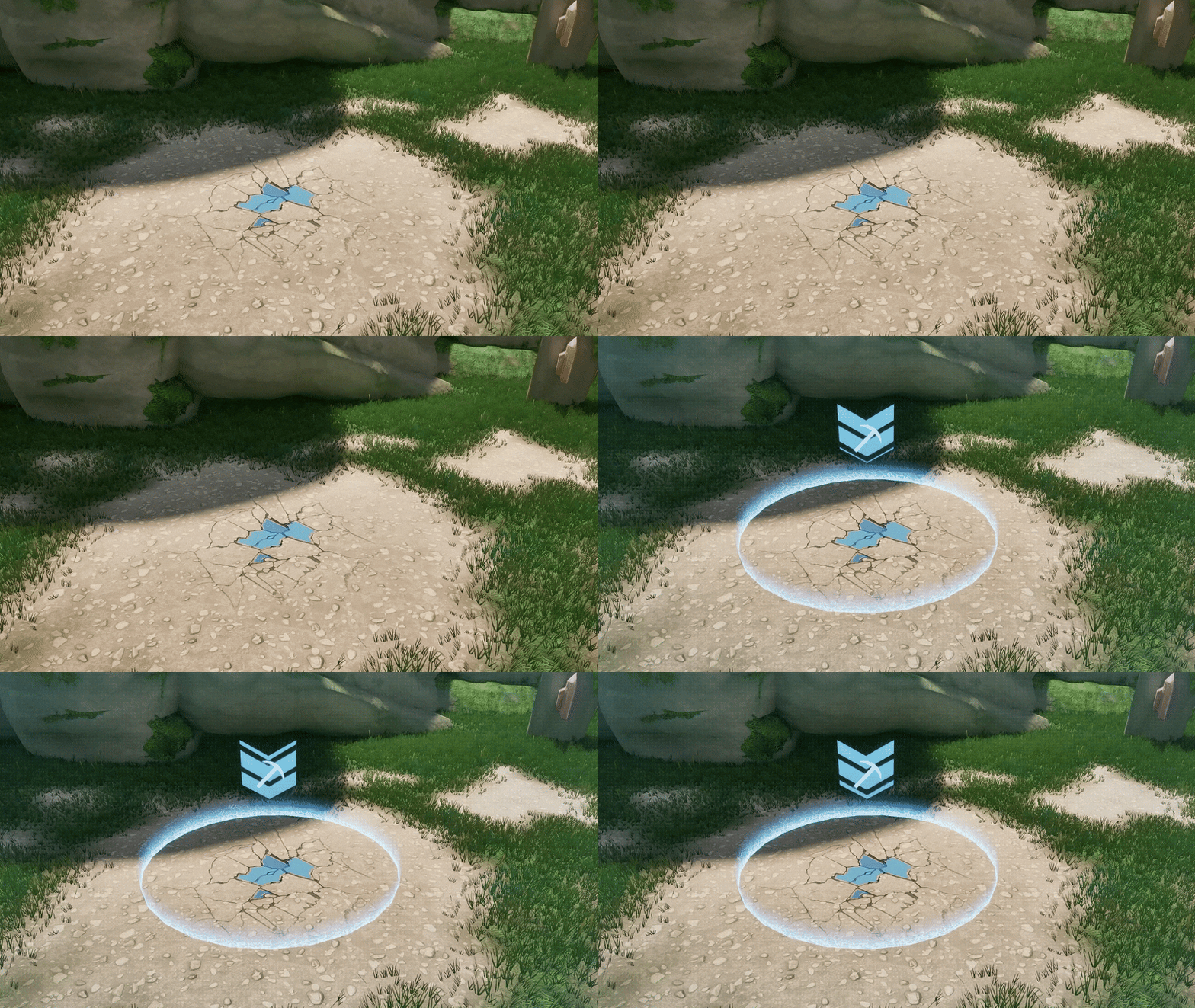
Producer Range Rings: Range rings on producers (miners, silos and the like) now show only while you have something selected to build. Producers that are already built show a faded ring during placement, and the silo ring is no longer on screen all the time.
Animals & Audio
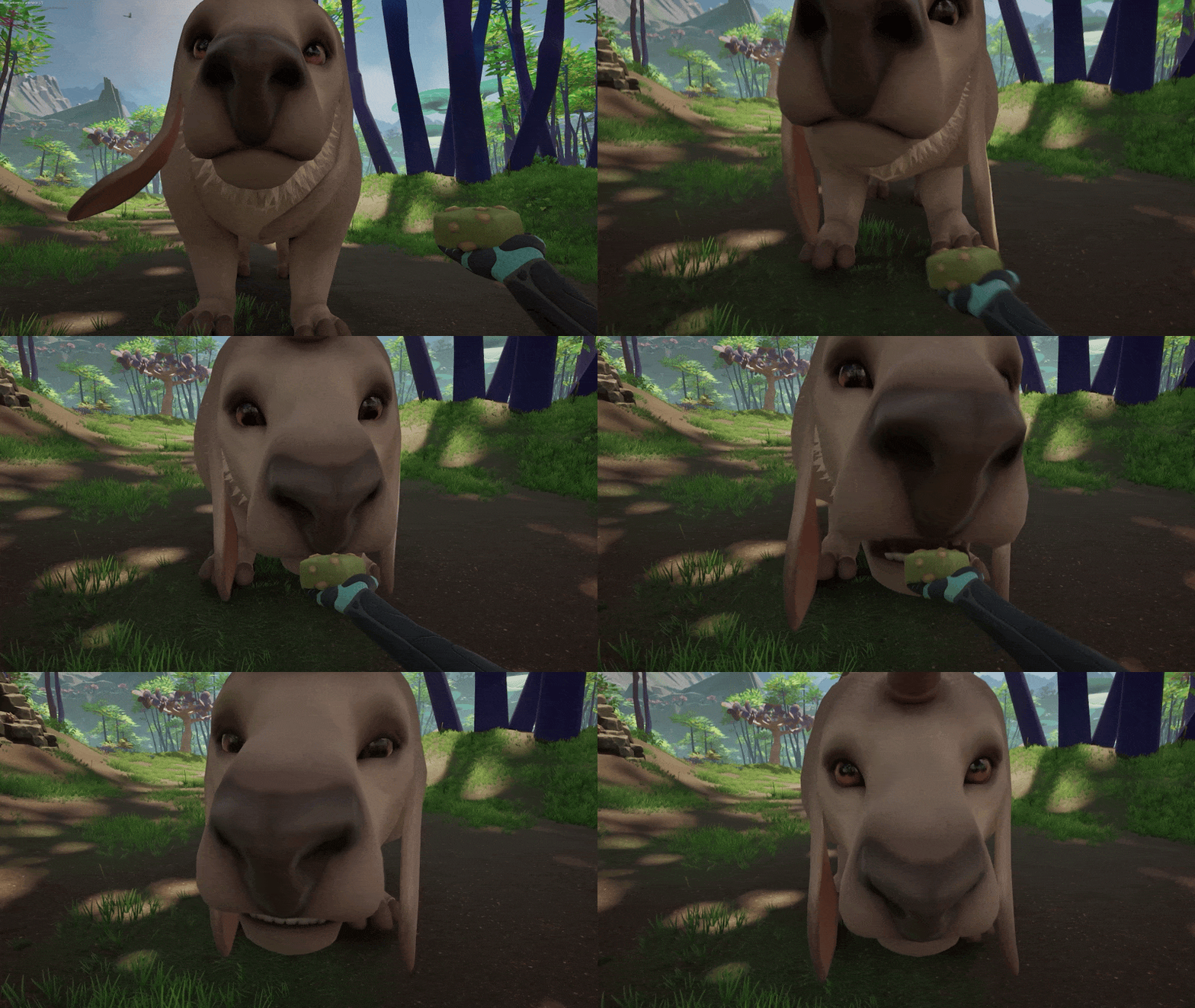
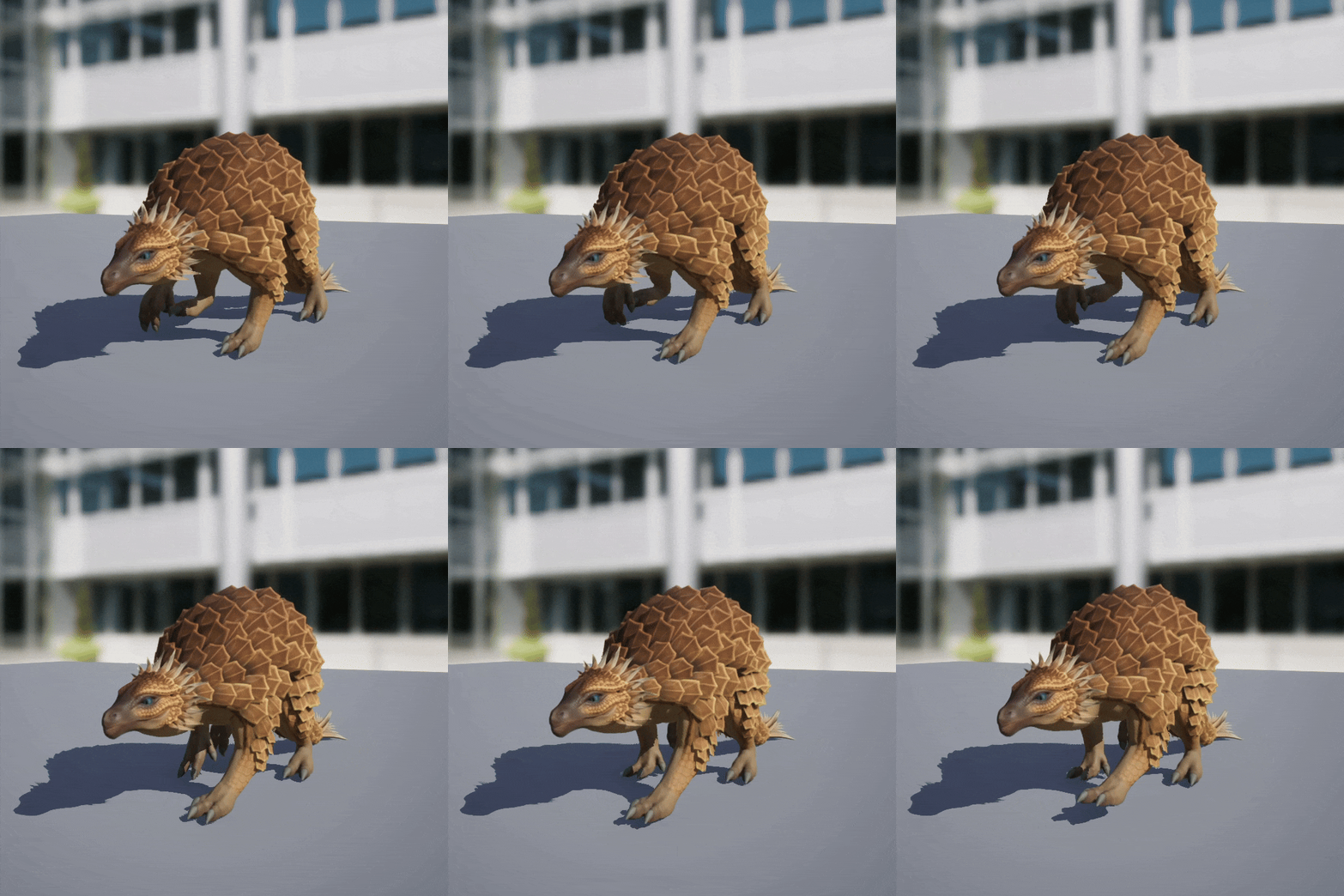
Nango Sounds: The Nango now has a full set of sounds: petting and scratches, eating, sleeping, resting, sitting, sniffing, getting scared, fainting and the rustle of its armour, plus reactions when it likes or dislikes something. Camilla's fainting and reaction sounds were updated as well.
World
Volcano Tunnel: Sealed the remaining openings in the volcano tunnel.
Coming Soon
Sleeping Bag Repair: Buildings you cannot demolish because of the sleeping bag issue will be repaired when you load your save, and new ones will not get stuck that way.
Key Bindings Overhaul: Rebinding a key in one context no longer changes the others, and conflicts are only reported between contexts that can be active at the same time. The controls screen also gets proper gamepad support: separate bindings per device, button icons instead of names, and a confirmation before a key is taken away from another action.
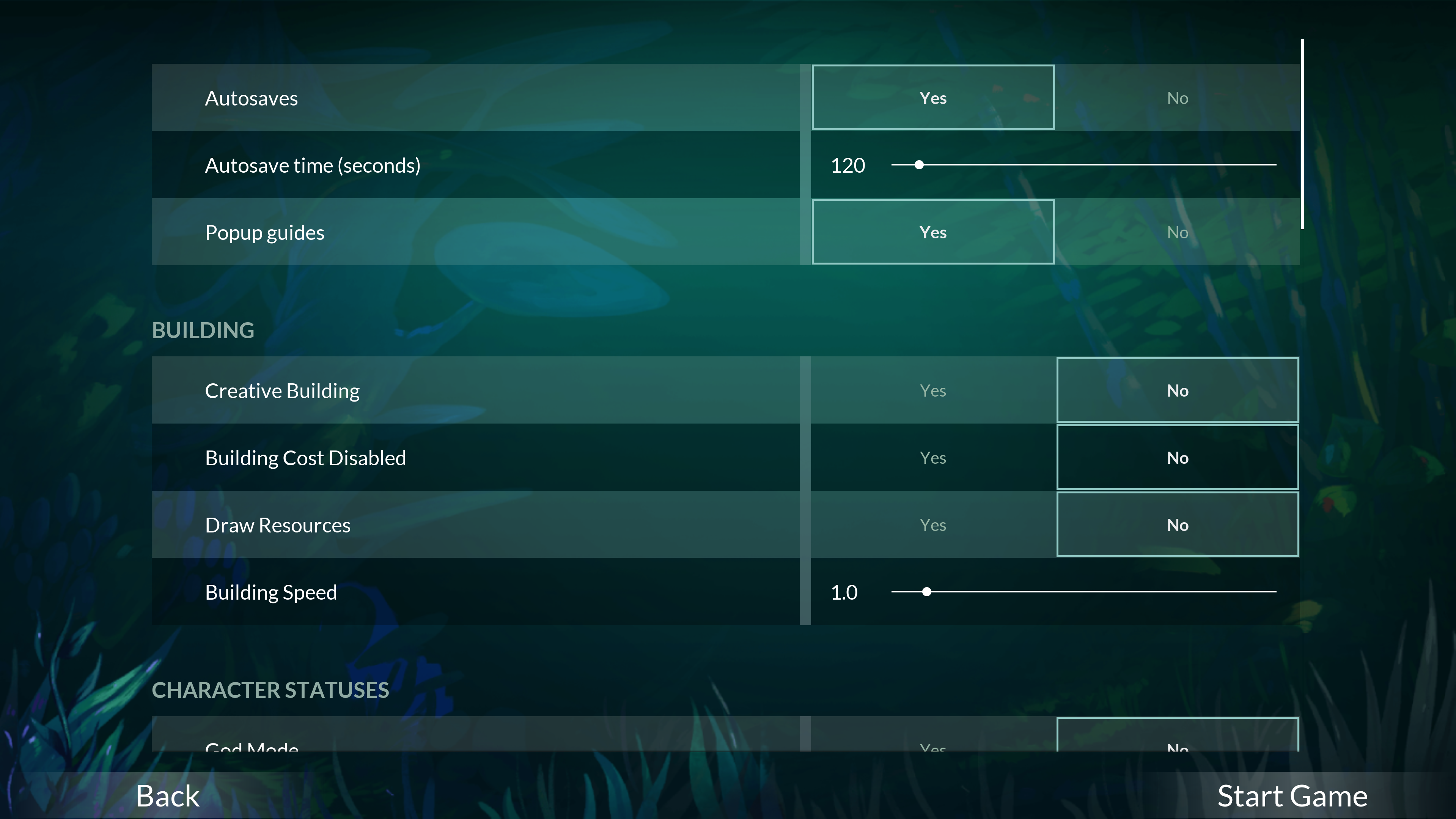
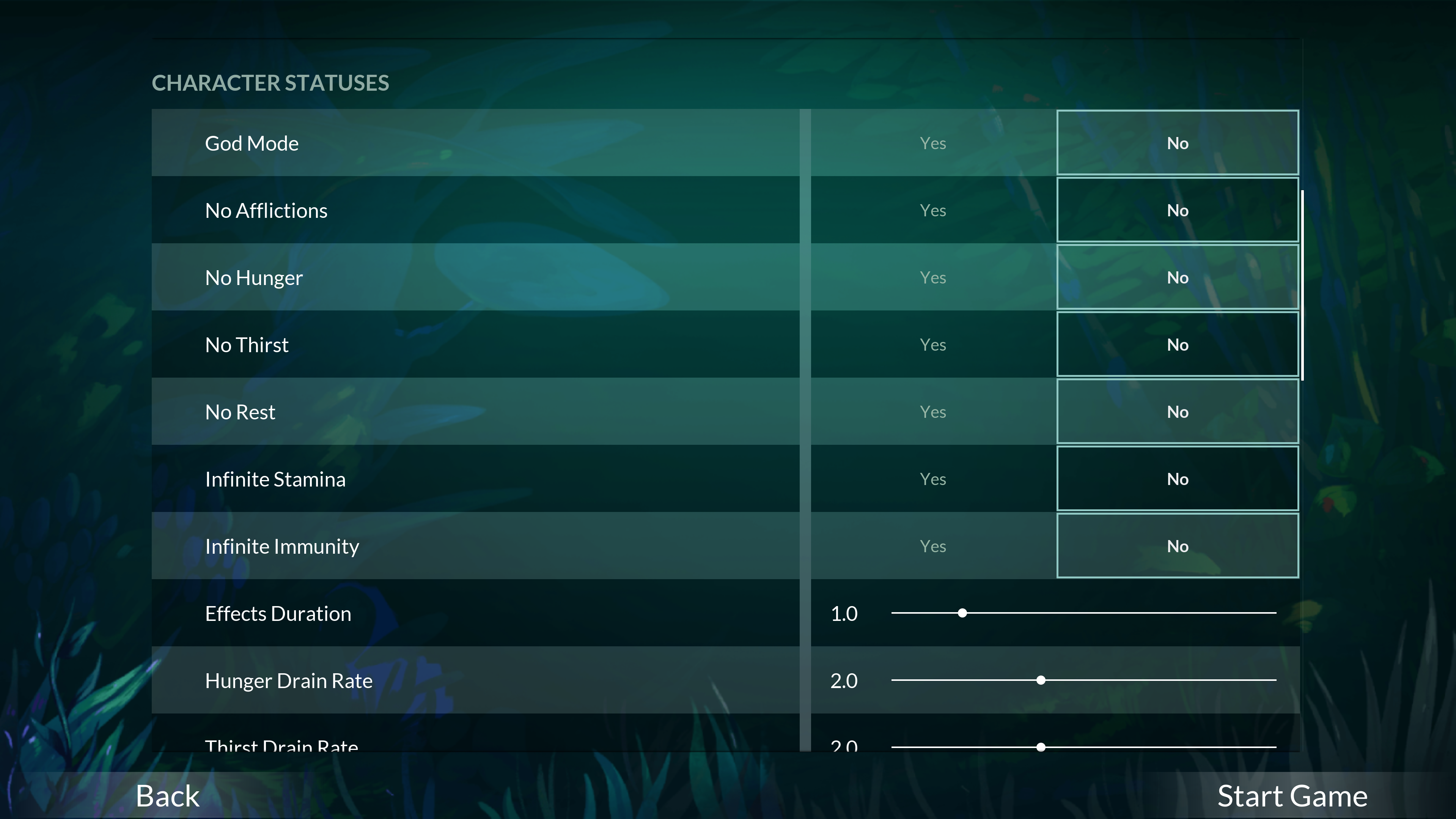
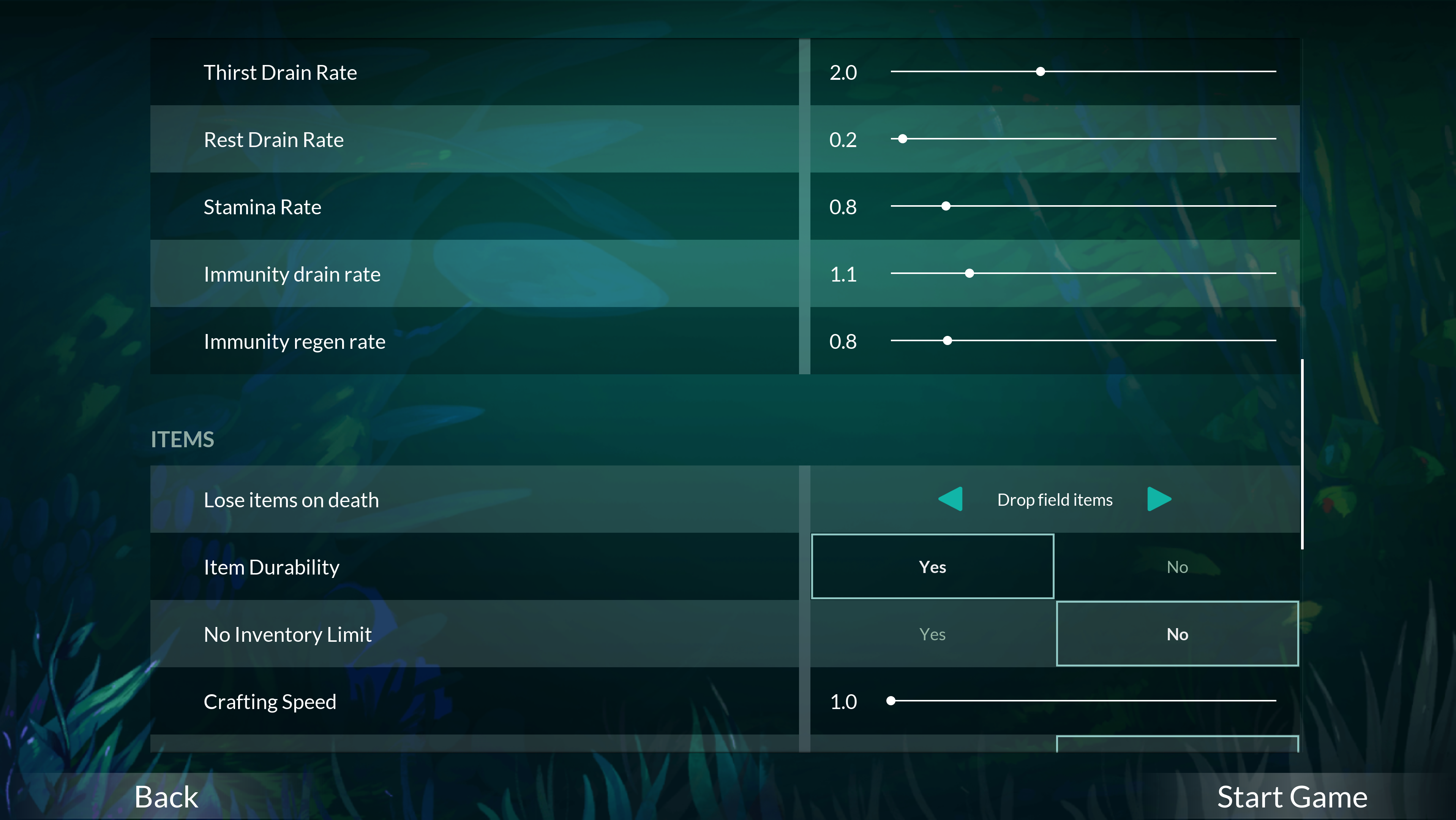
Gameplay Settings During a Run: On Engineer you will be able to change gameplay settings mid-run, with a confirmation for the options that leave a permanent mark on the world. It also fixes settings that did not stick, difficulty quietly changing along with them, and immunity starting to drain earlier than it should.
Dust Storm Quest: Objectives complete correctly if you collect the Memory Core before the Dust Storm quest starts, and the same fix should unblock "Decrypting Lake's Mysteries". This one has been on the list for a few days now, it is turning out to be trickier than it looked.
Animal Reputation: We have started work on animals in nests reacting to the reputation you have with them. Early days, more when there is something to show.
🏷️ Expand Your Experience with Our Bundles!
We have some exciting news for all the builders, flippers, and creators out there! We want to give you even more ways to enjoy the game, so we've put together some amazing bundles in order to celebrate the release! Whether you love renovating or building from scratch, we've got something for you:
Honeycomb + Builder Simulator - Build from the ground up just like Hennessy has to on Sota7
Honeycomb + House Flipper 2 - Next-level renovations combined with Hennessy's adventure
Honeycomb + House Flipper 1 - The classic flipping experience meets Sota7
⭒˚𖠋𖠋𖠋.⋆ Join Our Discord!
If you want to stay up to date on everything Honeycomb: The World Beyond, share your feedback or simply join an amazing community, make sure to join our official Discord server here!

See you on Sota7,
-The Honeycomb Team











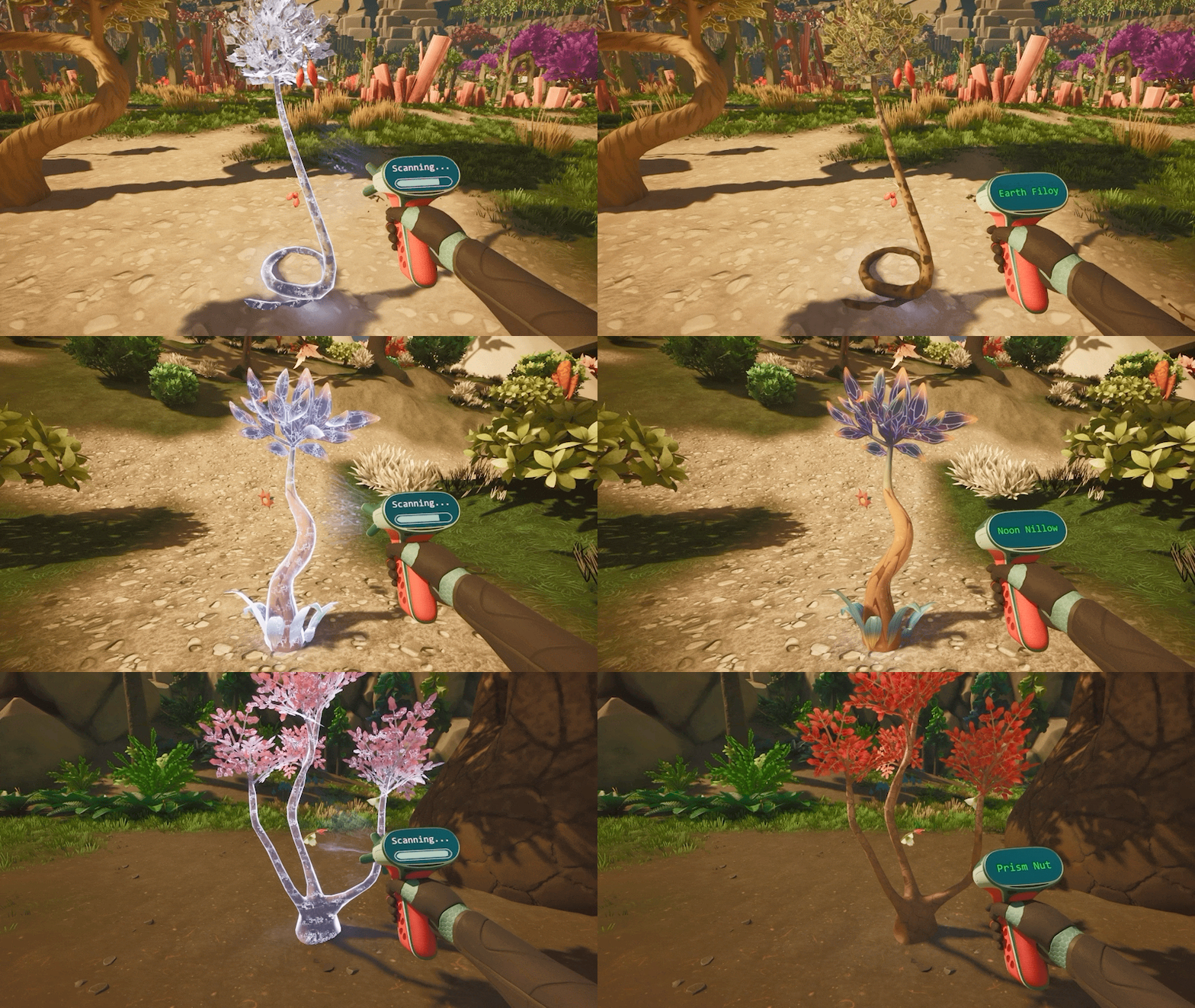
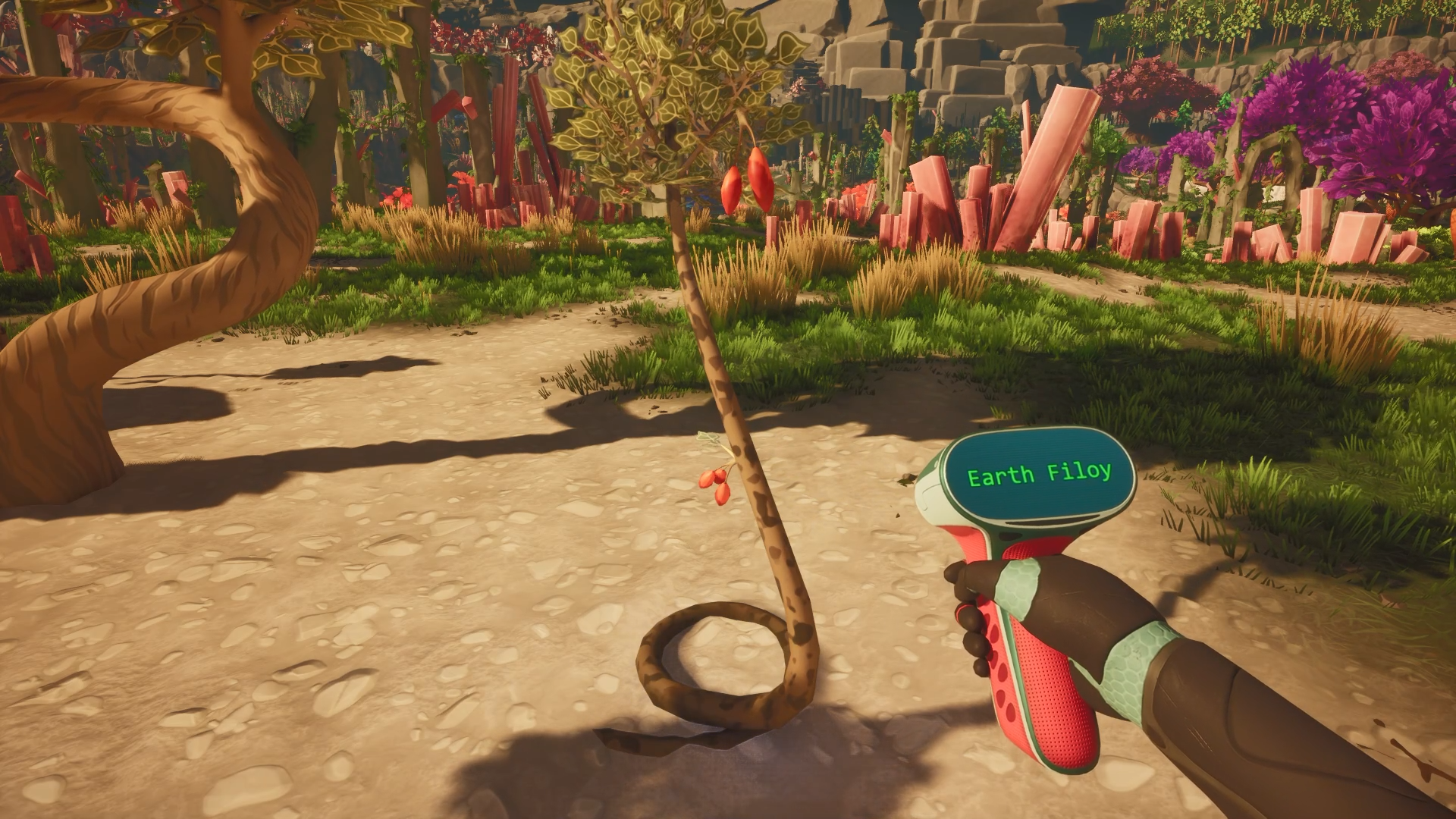 A fruit-bearing tree found along clay-rich uplands and near lakes, the Earth Filoy produces orange, plum-like fruit with a soft rind and a sweet-sour profile. Its juicy interior provides reliable nutrition and can be safely consumed raw. In a region where consistency is critical, the Earth Filoy remains a dependable source of sustenance for extended operations.
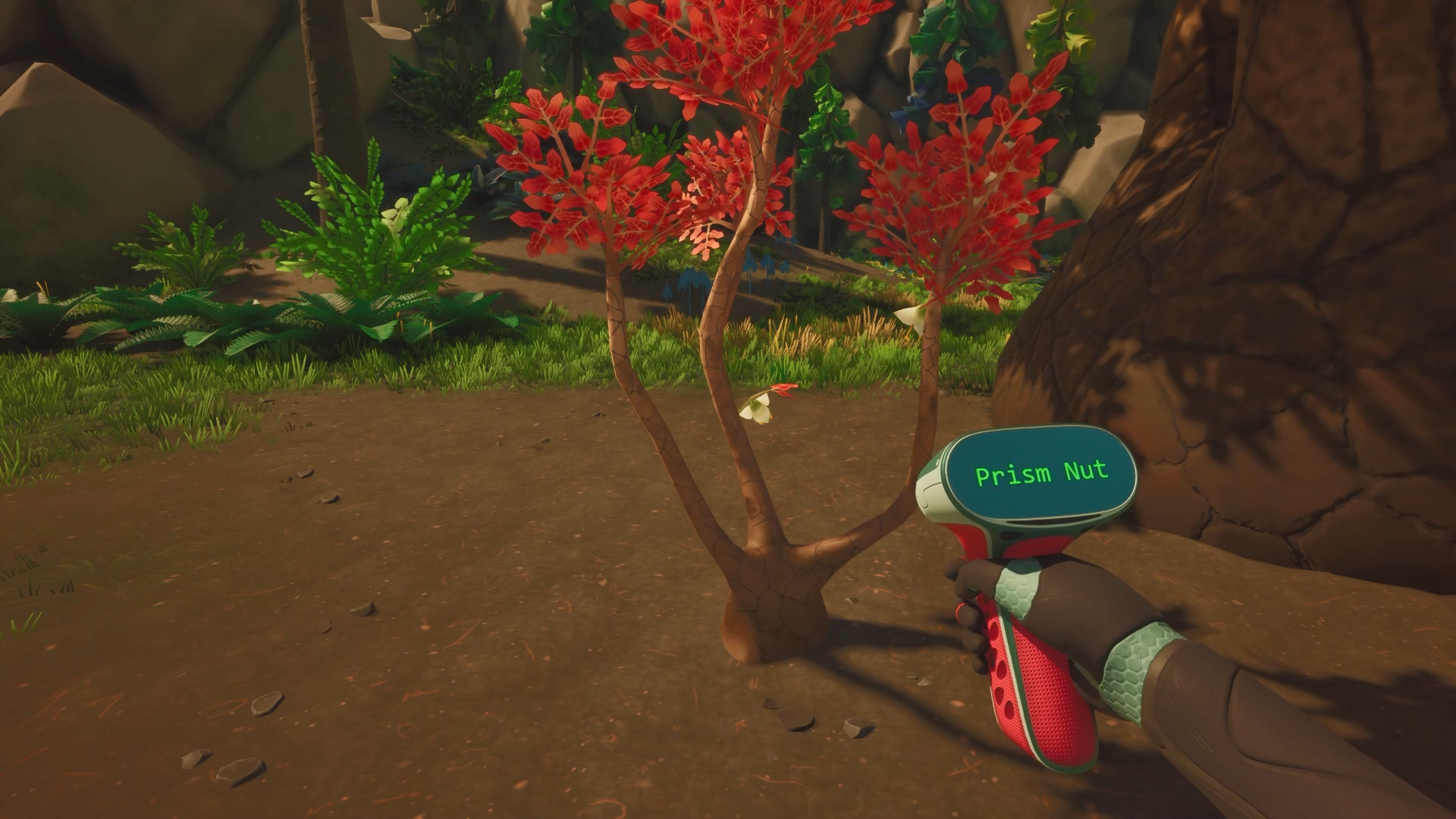 The Prism Nut grows within forested pockets of The Pass, offering dense, fatty nutrition despite its bitter taste. Its primary drawback is significant: consumption rapidly induces thirst, forcing teams to carefully manage hydration. This balance between value and cost makes it a strategic resource rather than a casual one.
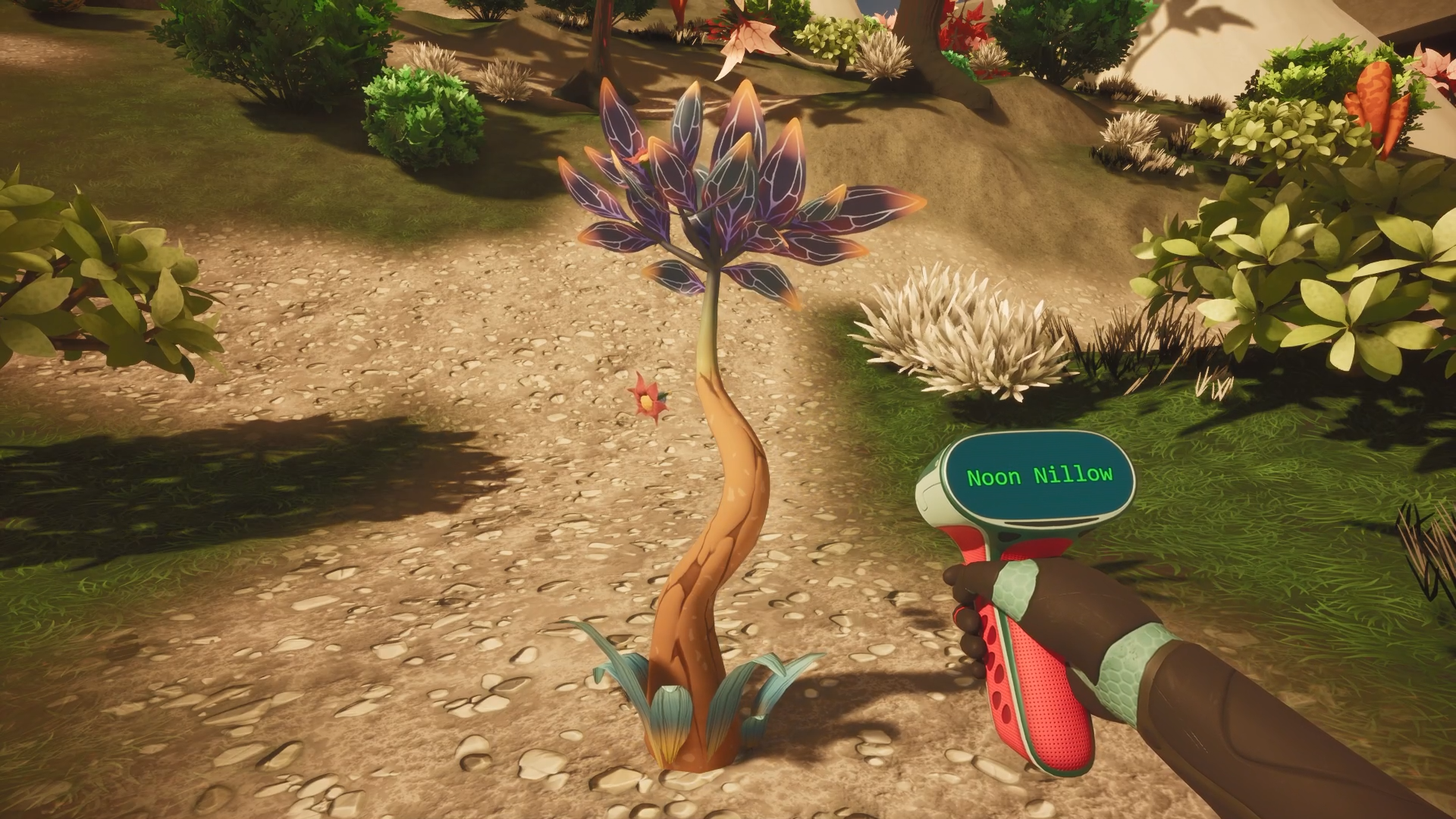 Rooted in chalk rich soil, the Noon Nillow produces small pink blossoms with a rounded structure and a distinctly sweet scent reminiscent of cotton candy gum. While it contains stimulating compounds, these are fully digestible by humans and produce no effect. Its role within The Pass is largely ecological, contributing to the region’s unique atmospheric identity.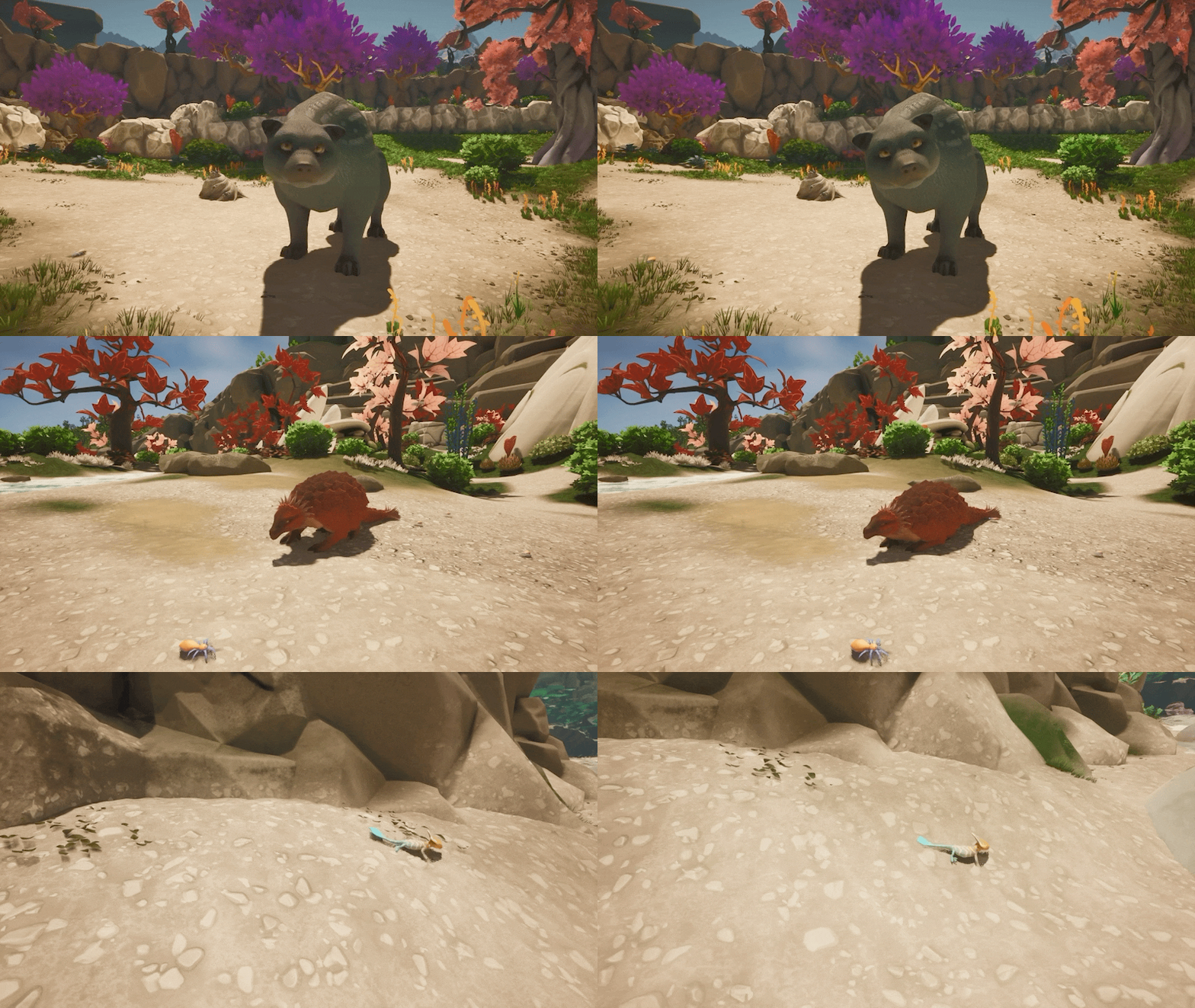
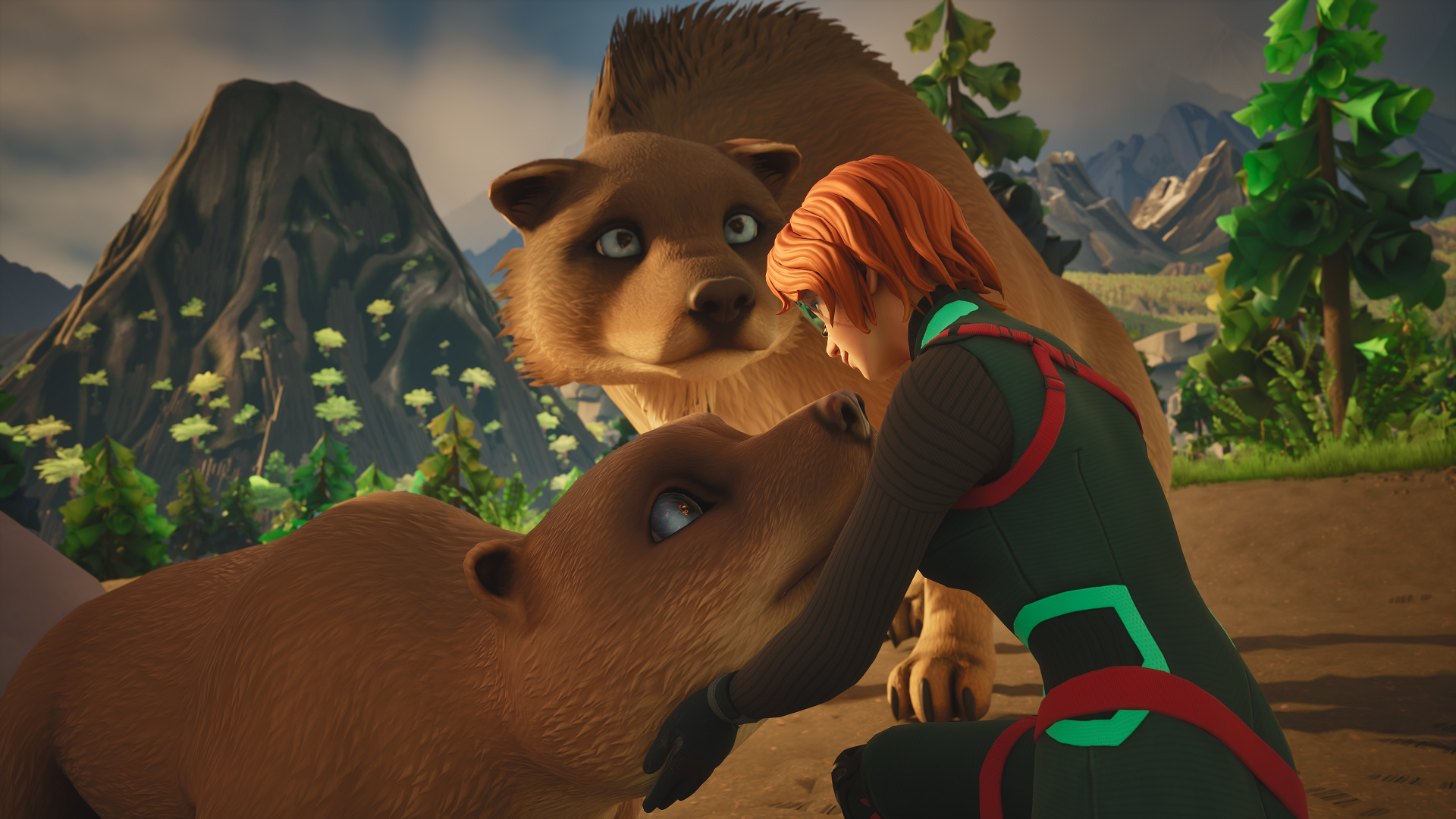
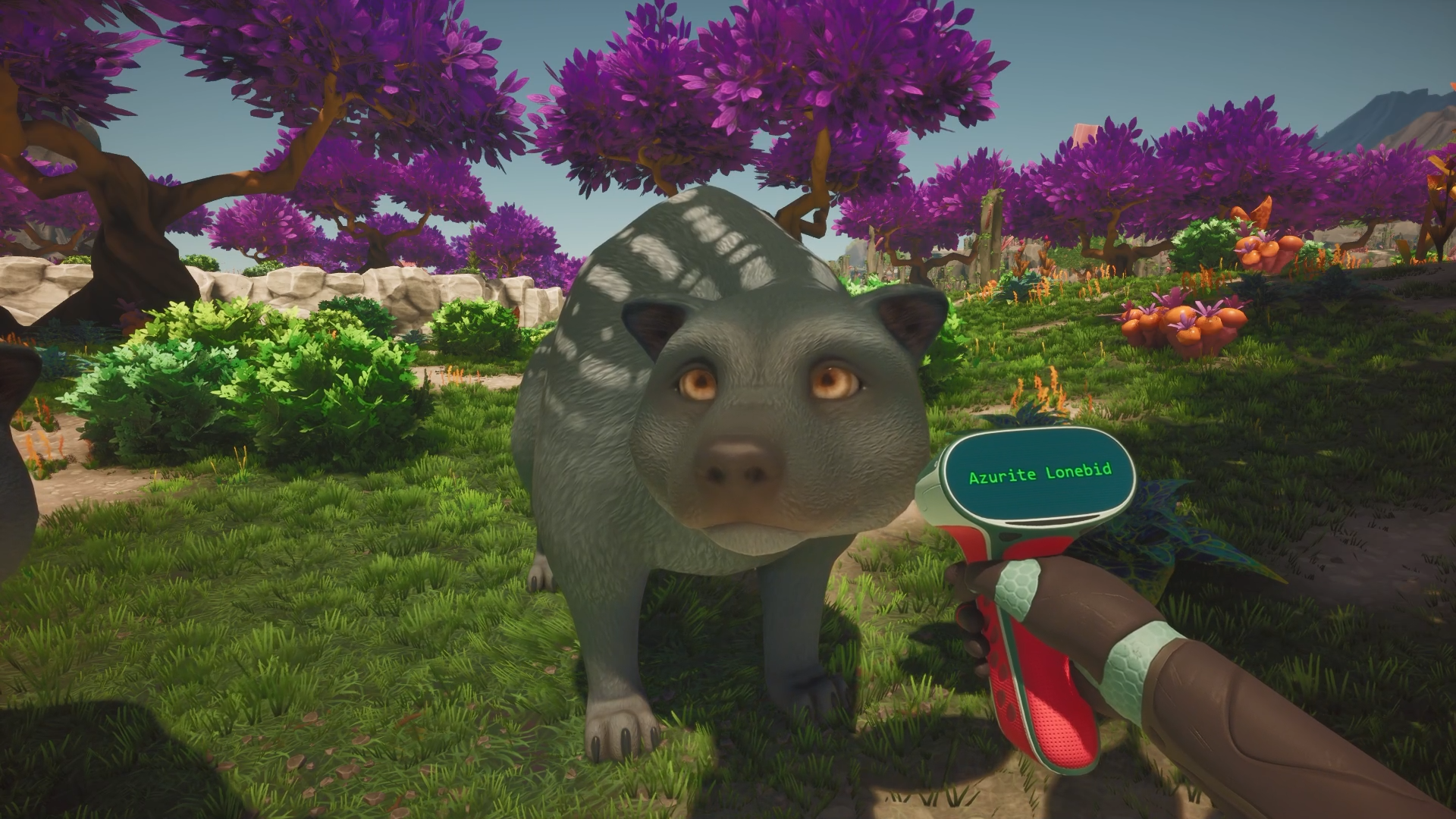 A large caniform found in the cooler reaches of The Pass, with a muscular frame, powerful clawed forelimbs and a deep blue coat marked with pale irregular spots. Curious and gentle by nature despite its size, though its keen hearing means it will know you are there long before you get close. Approach steadily. The fur is worth collecting for crafting recipes.
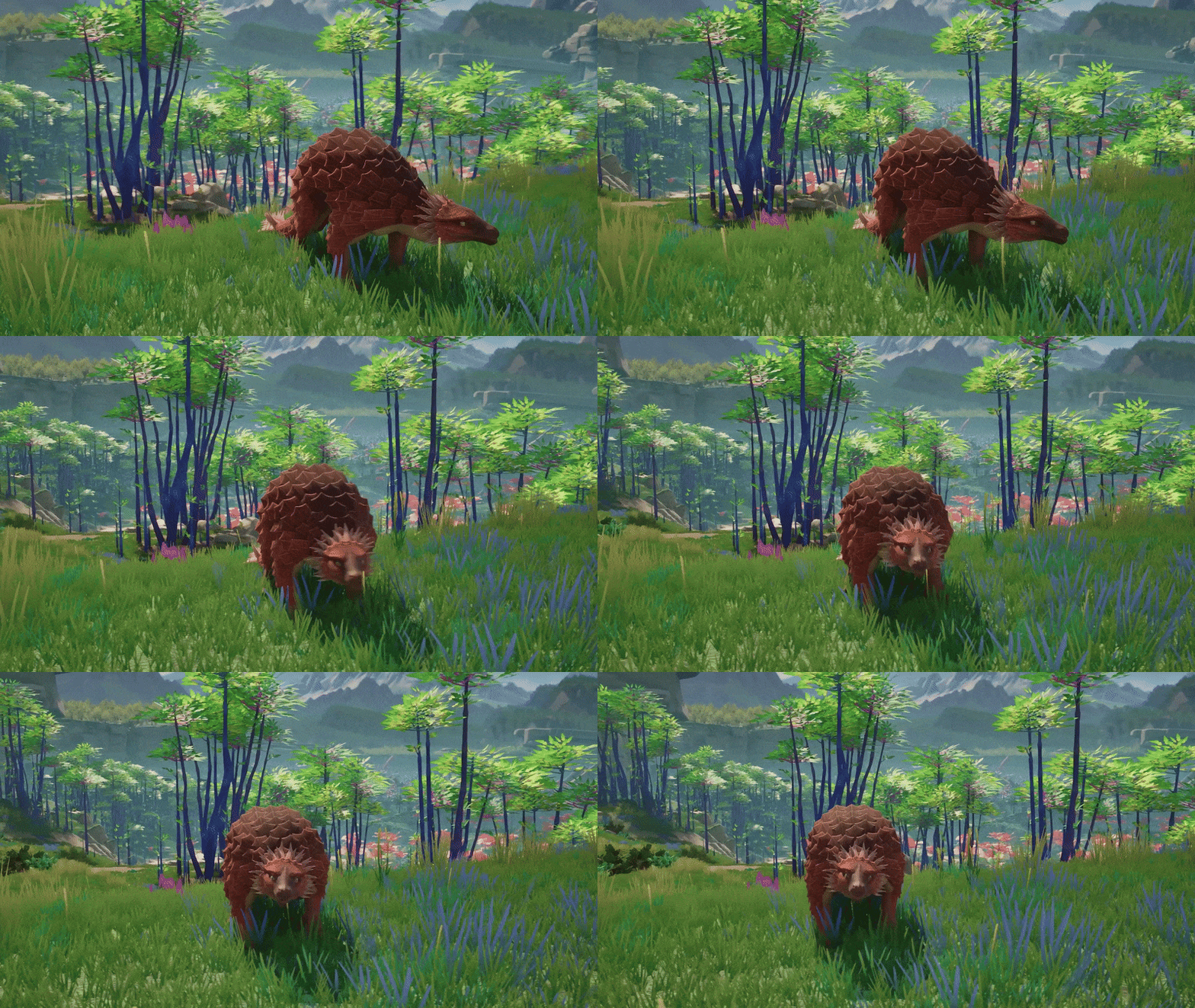
 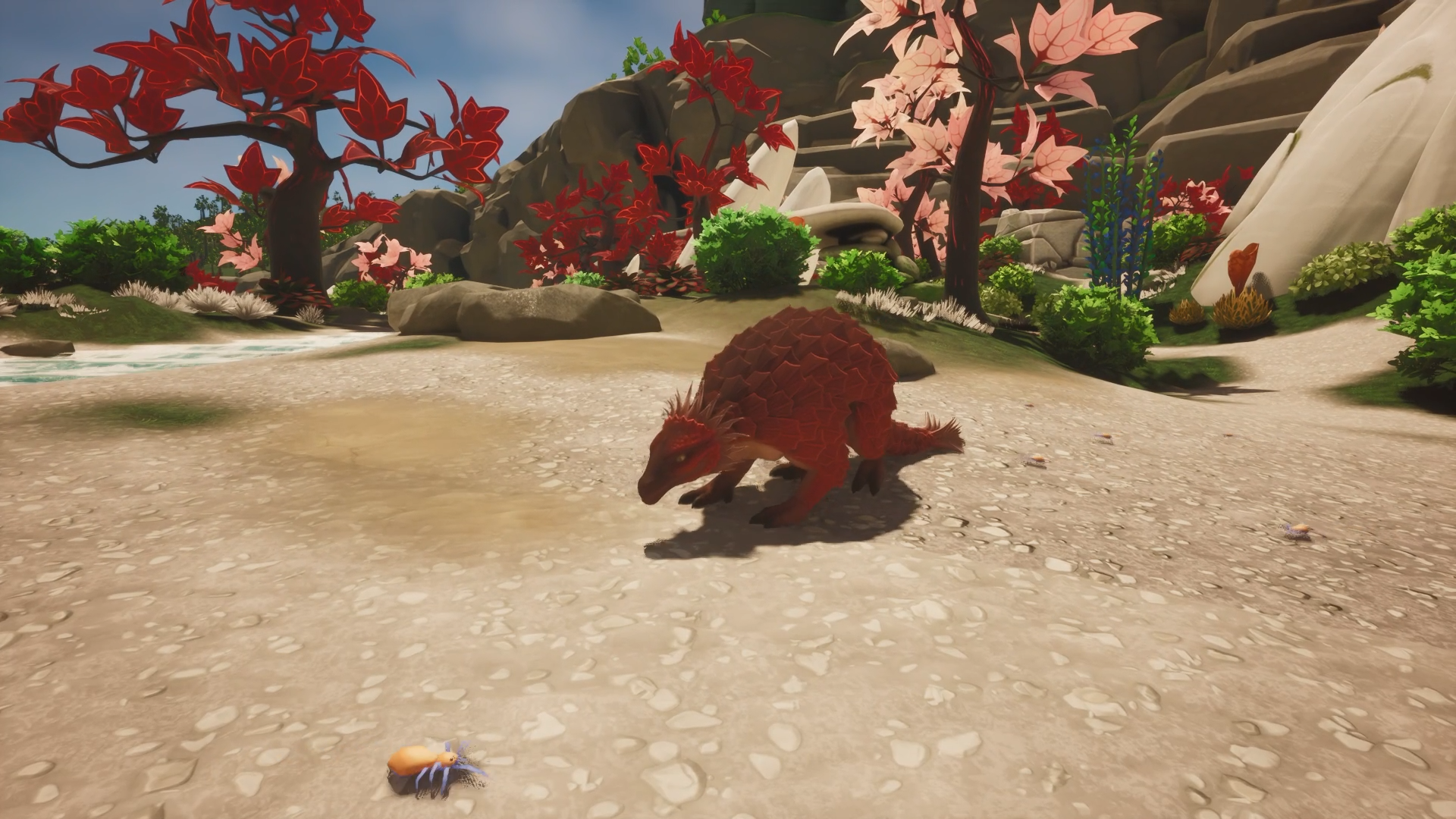 A heavily scaled quadruped that reads as reptilian but is classified as a mammal, within the same order as pangolins. Armored plates thicken across the back and shoulders, a short spined crest runs from head to neck, and the overall silhouette carries an unmistakable dragon-like quality. Solitary and not easily won over, but building trust here is worth the effort. The rigid scales it sheds have real crafting value.
 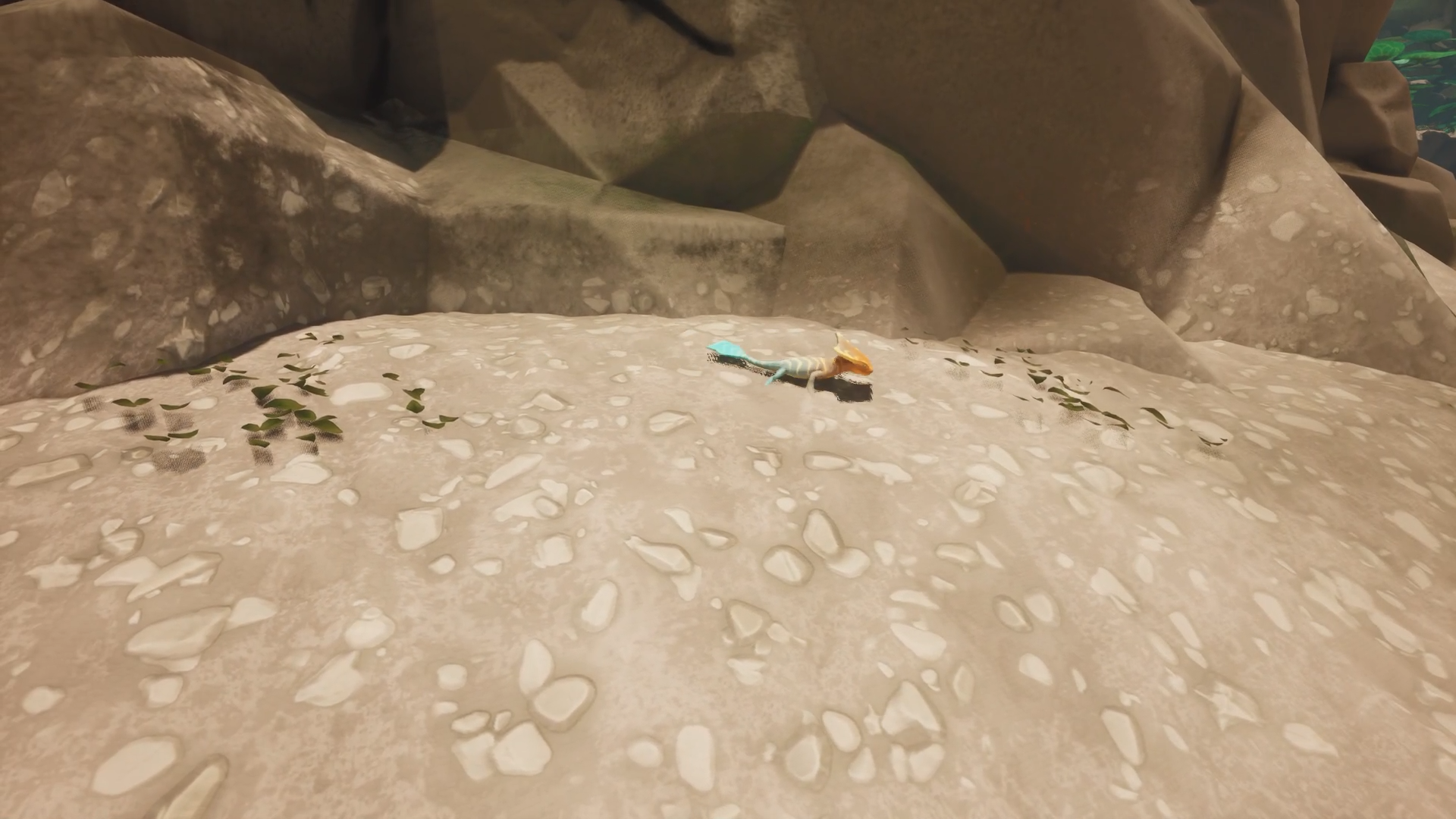 A small, passive microfauna found across the rocky terrain and open surfaces of The Pass. Lizard-like in appearance, it is one of the more recognizable creatures you will come across at this stage. While not a threat, it provides accessible biological samples for ongoing research. Even at this stage, foundational data remains relevant and the Skittertail offers a stable point of interaction within an otherwise high-risk ecosystem.



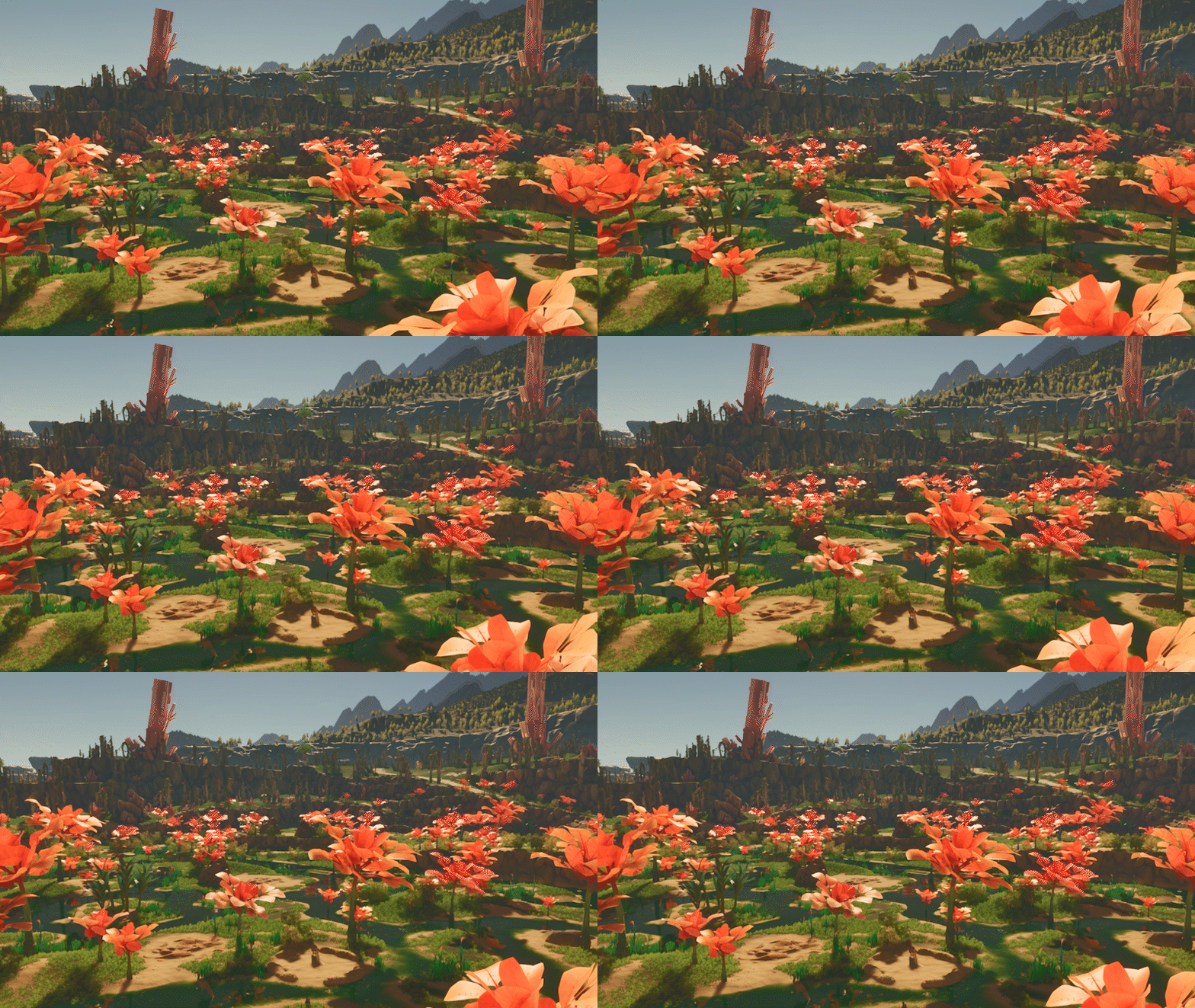
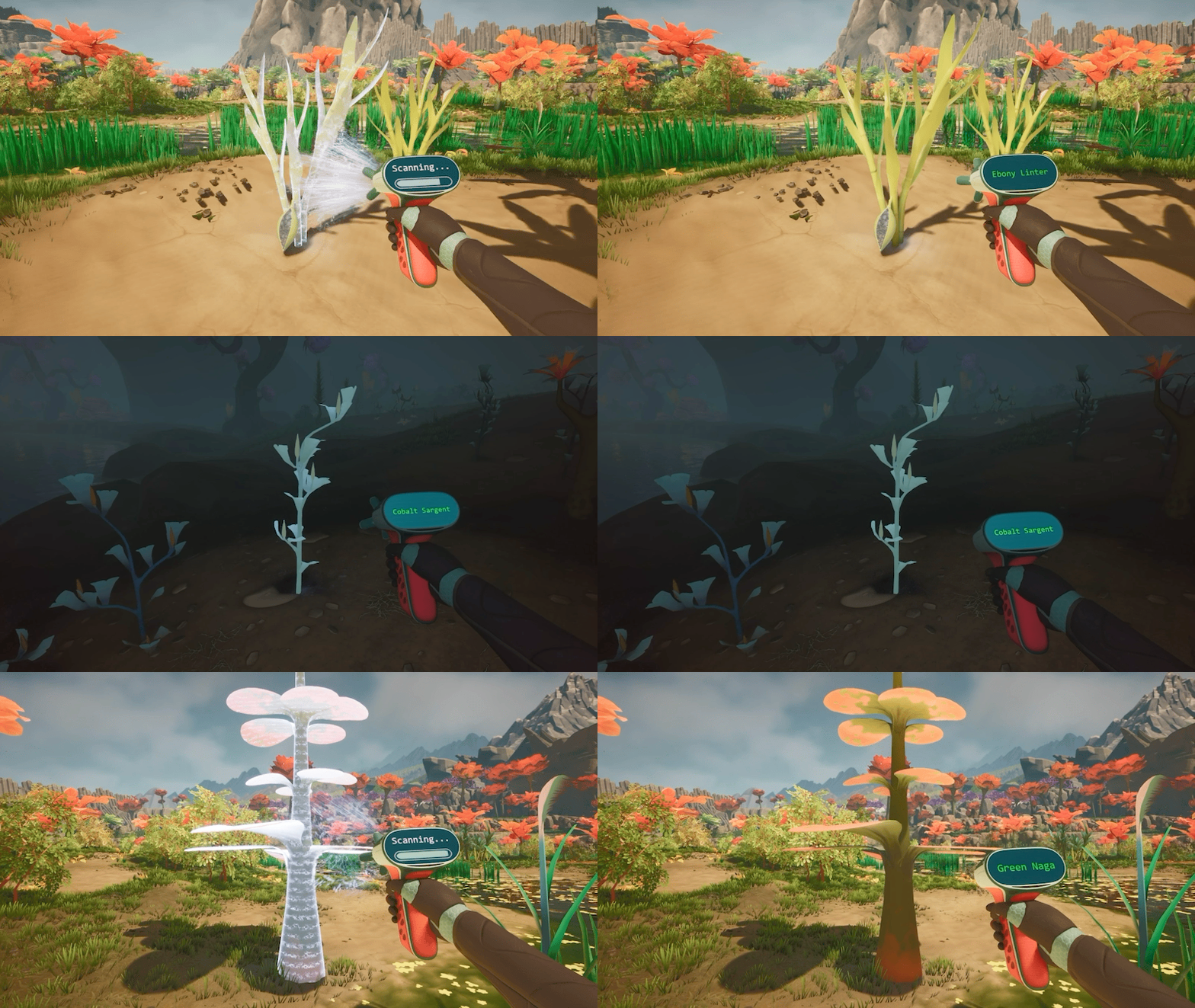
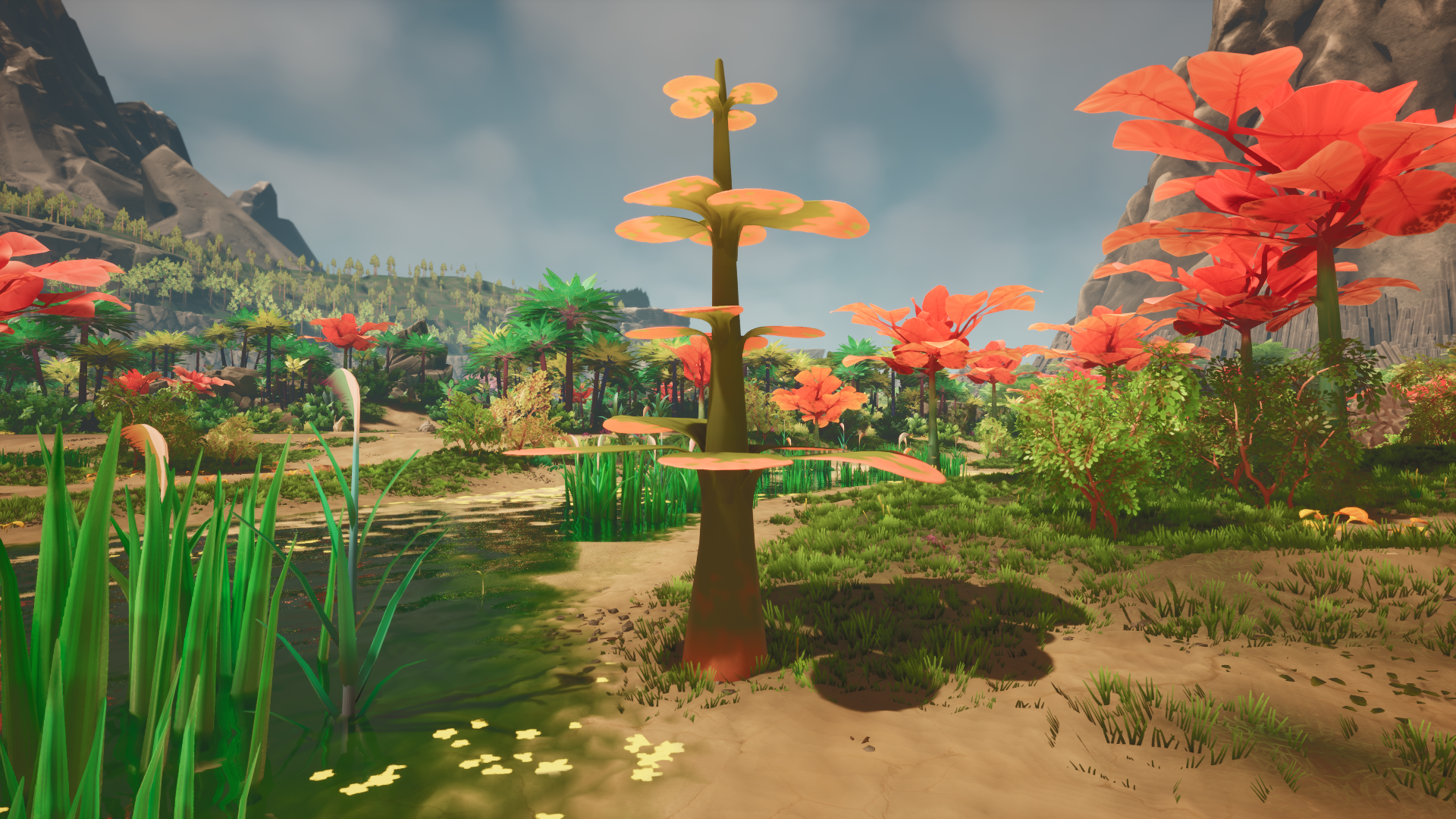 An herb found in marshes, ponds and lakes, recognizable by its tall arrow-like stem and fleshy leaves arranged in a flower-like shape. It is one of the more visually distinctive plants in the Headlands and one of the more deceptive. The Green Naga produces a bitter, sticky substance that makes it poisonous when consumed raw, so handle it with that in mind. Properly processed, it becomes a reliable resource for early and mid-tier recipes that support progression and long-term survival in the field.
 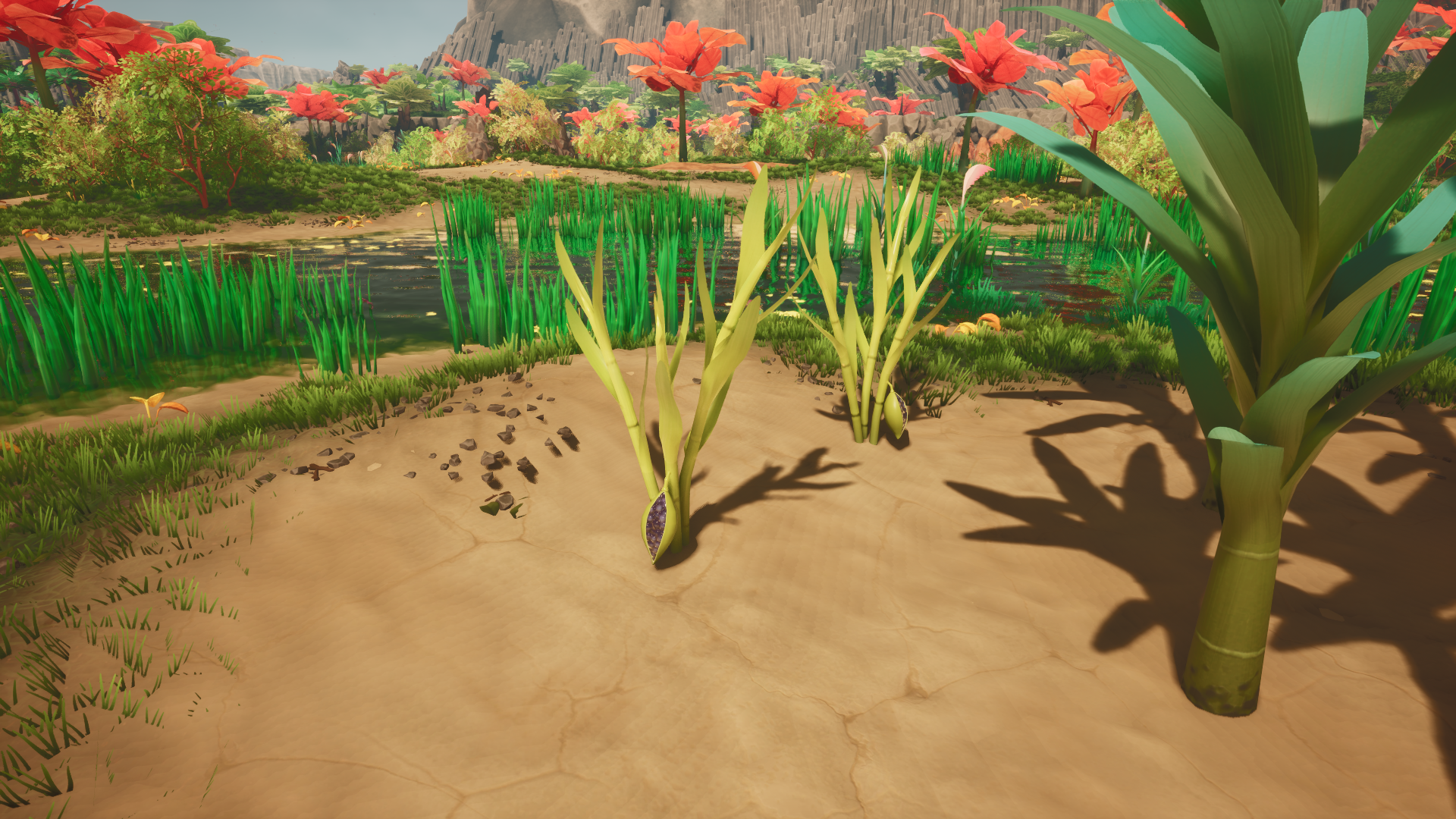 A fruit-bearing crop found in the wetlands, marshes and lakes of the Headlands. It produces dark, smooth grains that grow in clusters and carry a passing resemblance to pebbles, with a bitter, starchy quality similar to a pea pod. Like the Green Naga, it is poisonous when consumed raw, so processing is not optional. Handle it correctly and it becomes a valuable resource, providing the structural integrity needed for refined recipes and high-durability gear as you push into more demanding territory.
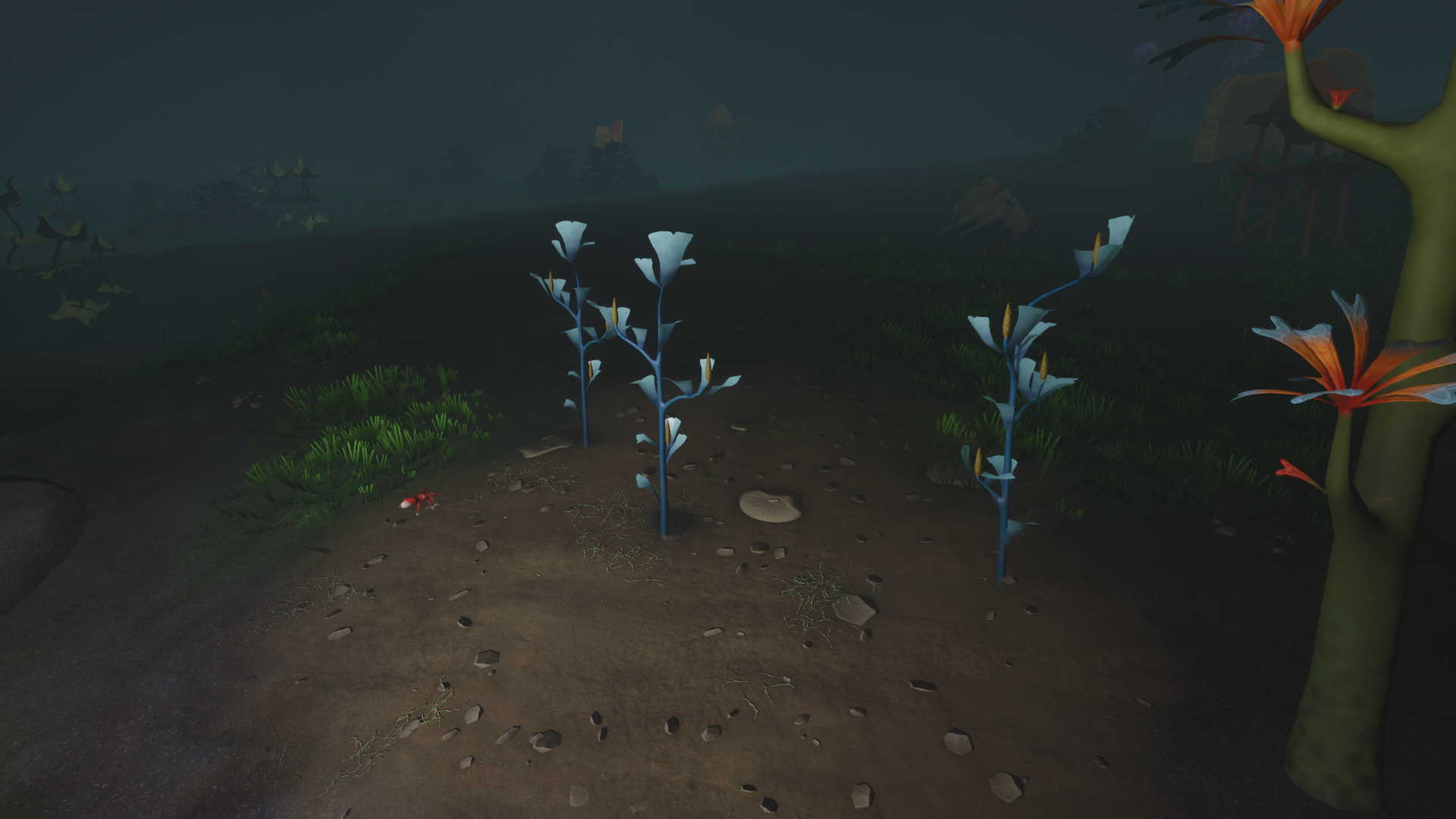 An herb found in the caves and dungeons of the Headlands, identifiable by its delicate blue-hued leaves that give the plant its name and a sharp scent that sits somewhere between oil paint and something almost medicinal. Unlike its poisonous neighbors in this zone, Cobalt Sargent is safe to consume, carrying a mild parsley-like taste that makes it a natural tea component. It also carries IM-X immunostimulant properties, which makes it one of the more quietly essential finds in the Headlands for researchers looking to maintain their edge in more aggressive sectors.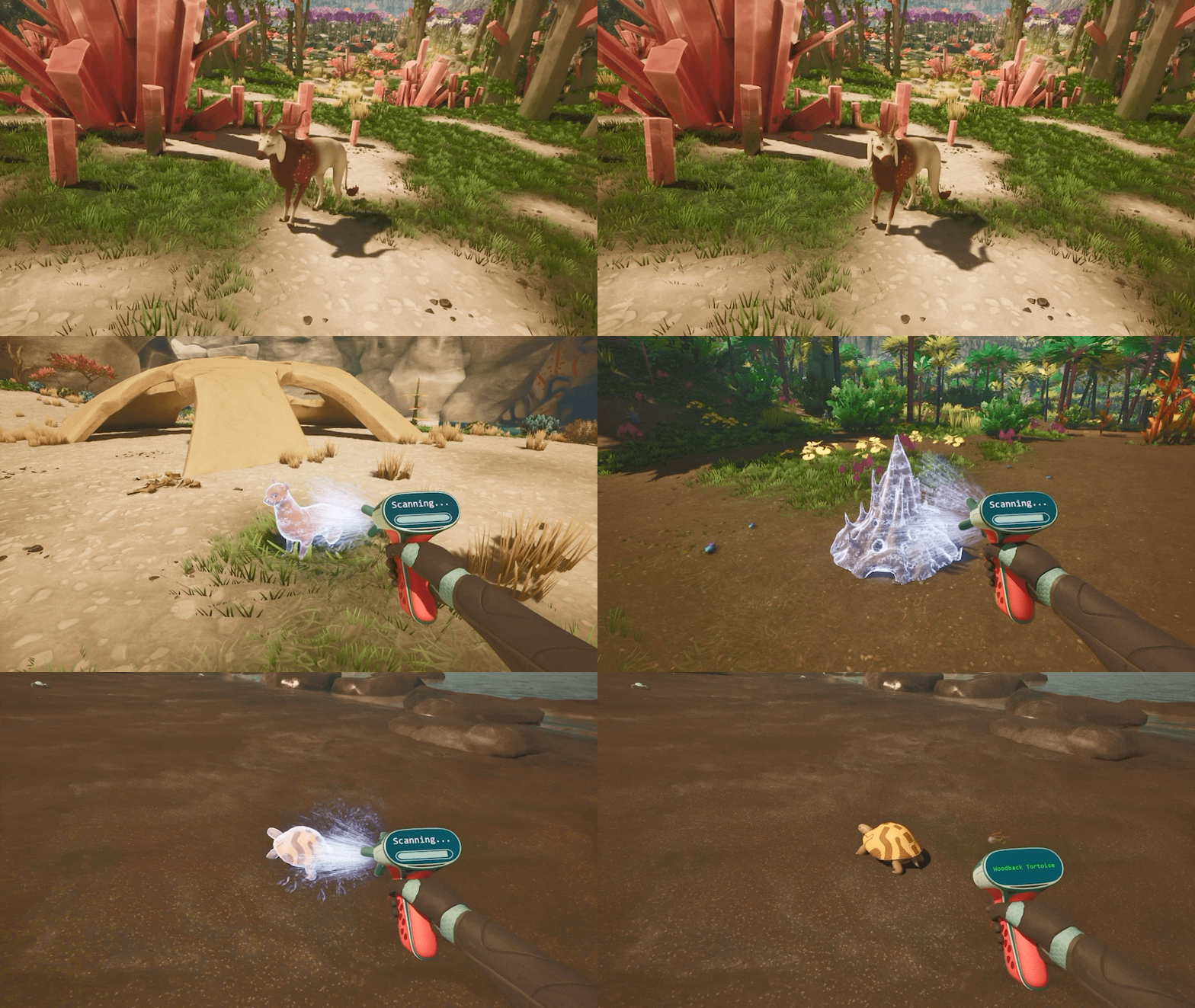
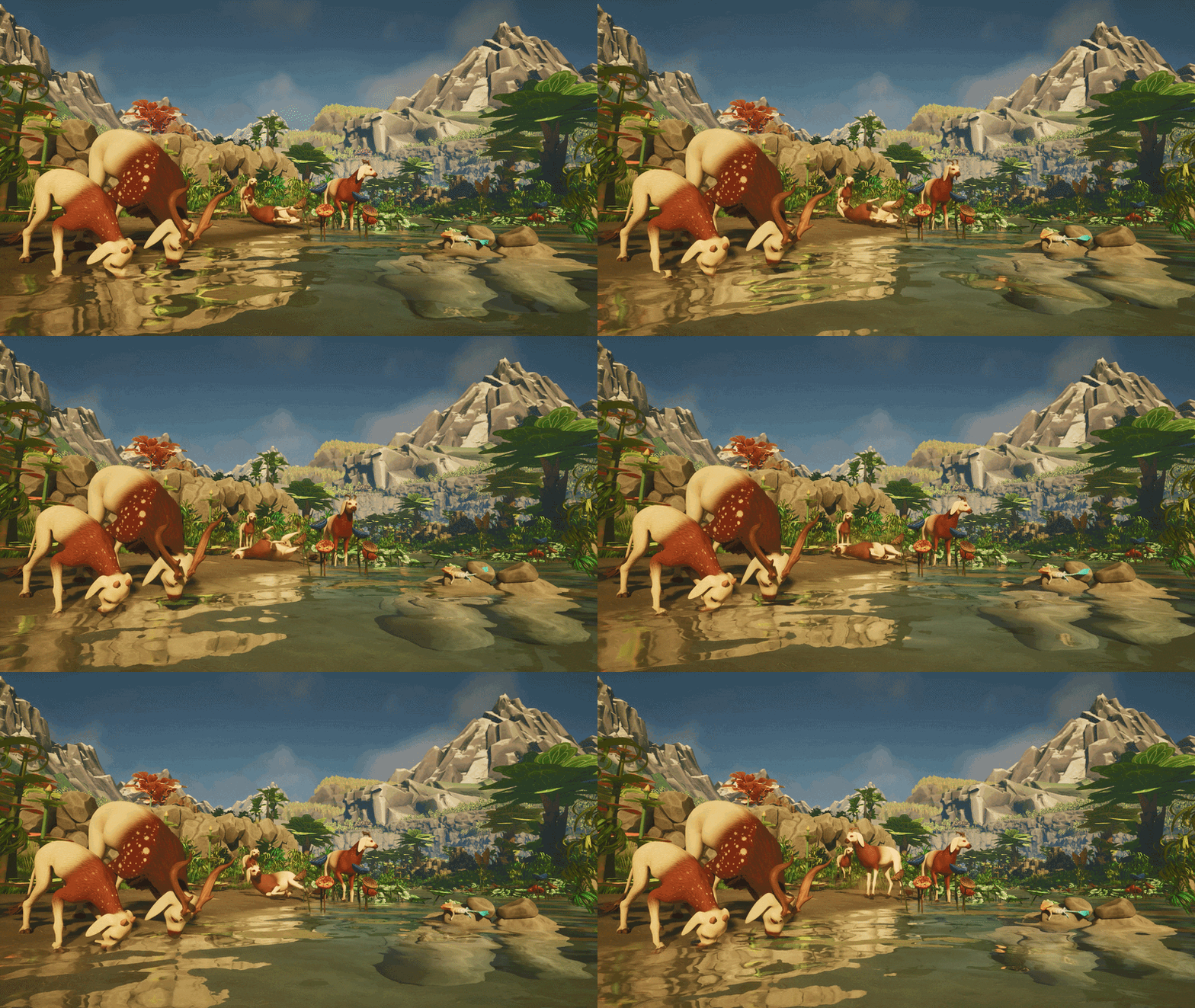
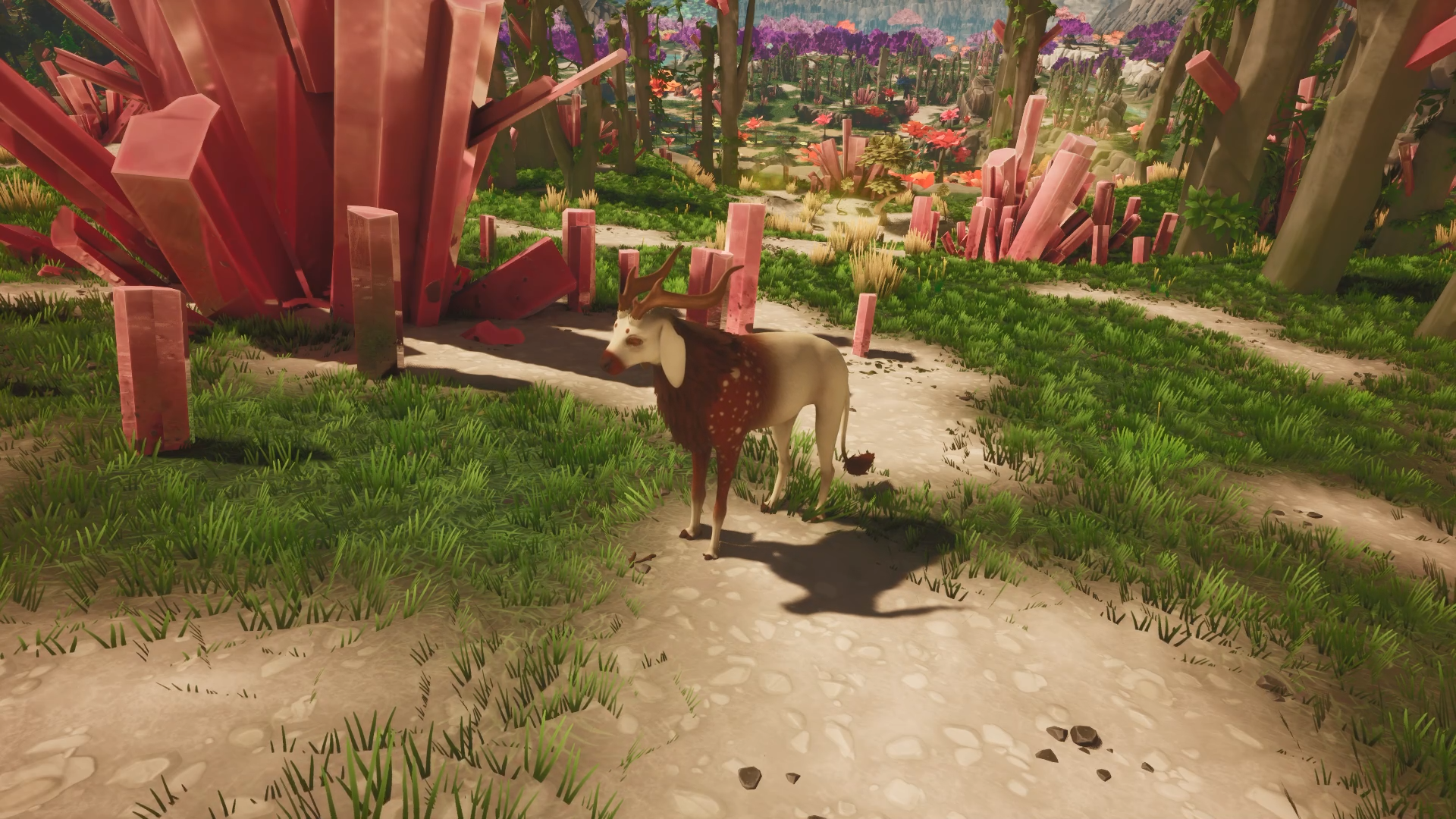 A medium-sized ungulate found across the Headlands, elegant in build with a bi-colored coat shifting from deep chestnut brown at the forequarters to pale cream toward the hind, broken up by white speckles along the shoulders and legs. Upward-sweeping horns, a short dark mane and a long tufted tail round out a silhouette that carries more than a passing resemblance to a deer. Graceful and cautious by nature, it flees swiftly when threatened and tends to nest within stone formations for cover. Approach slowly and give it room. The horns are shed naturally and worth collecting when found, as they have real value in crafting recipes.
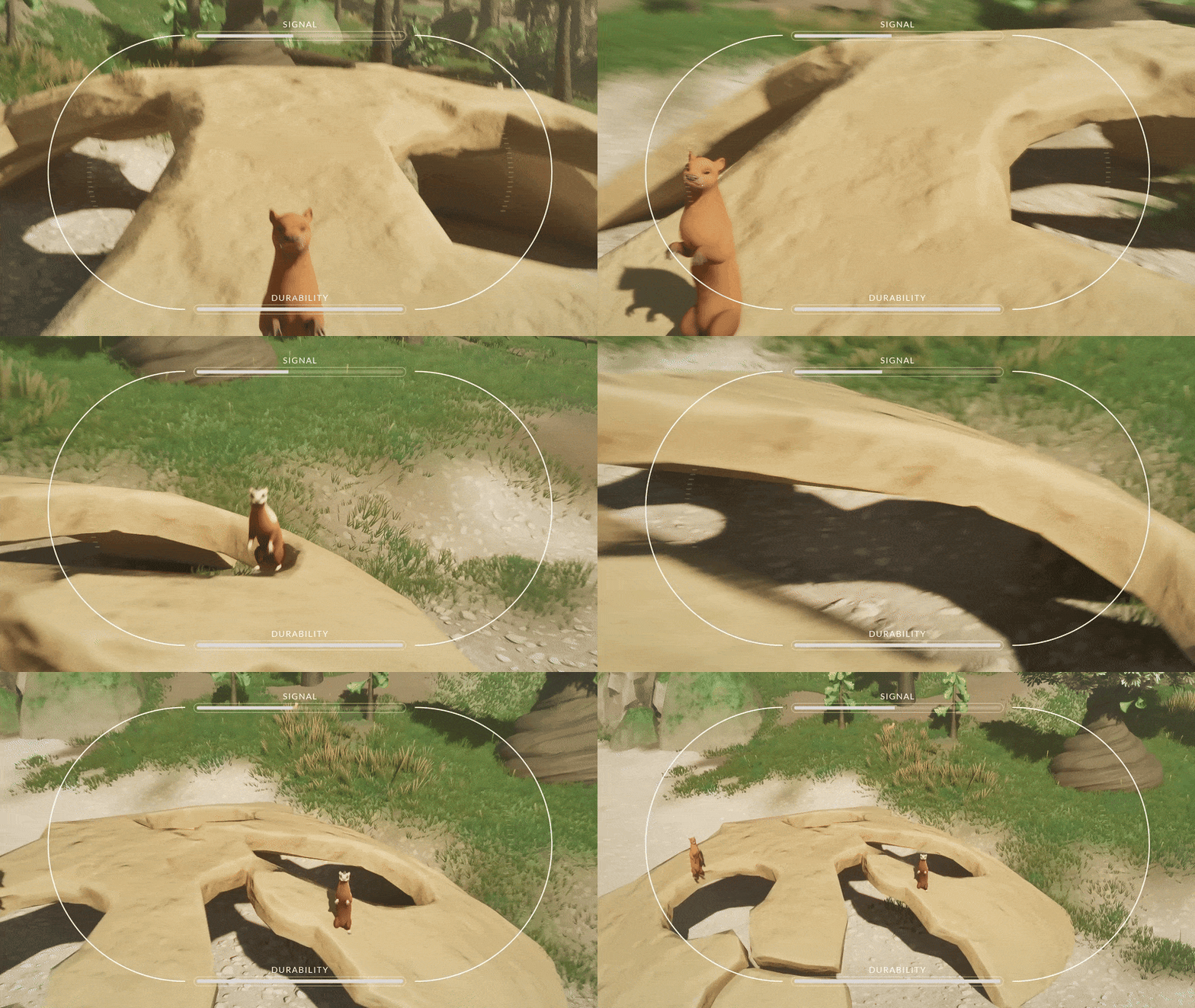
 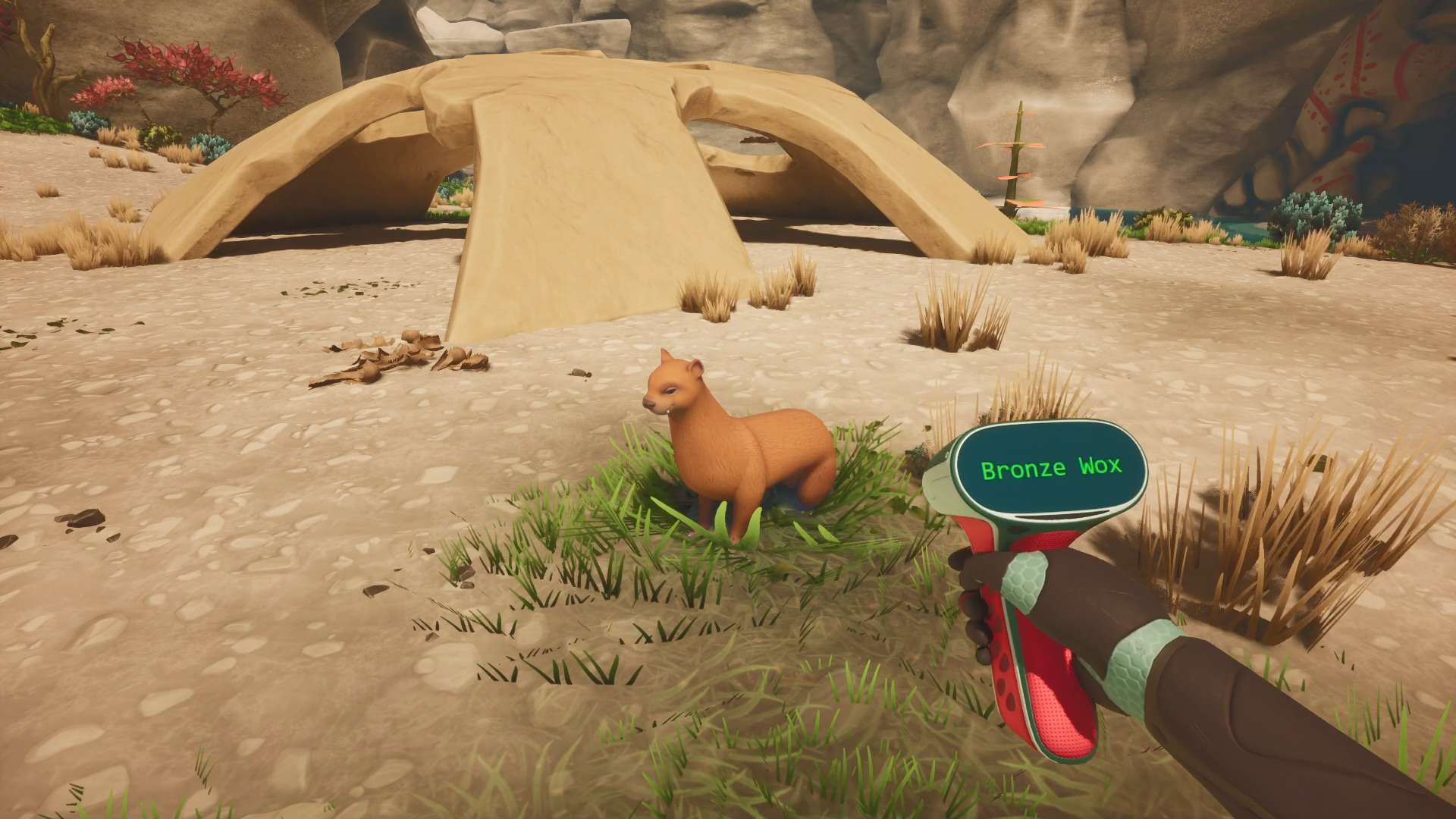 A small caniform found near the Headlands' stone formations, with a stout elongated body, short sturdy legs and a warm bronze coat that fades to cream along the back, paws and face. A short grey mane runs from the head down the spine, giving it a roughened silhouette reminiscent of a weasel. Naturally skittish and burrow-dwelling, the Bronze Wox becomes a different animal entirely when threatened, coordinating with its pack in ways that can catch an unprepared researcher off guard. Observe from a distance and document carefully. The fur has practical value in recipes and is worth gathering when the opportunity presents itself safely.
 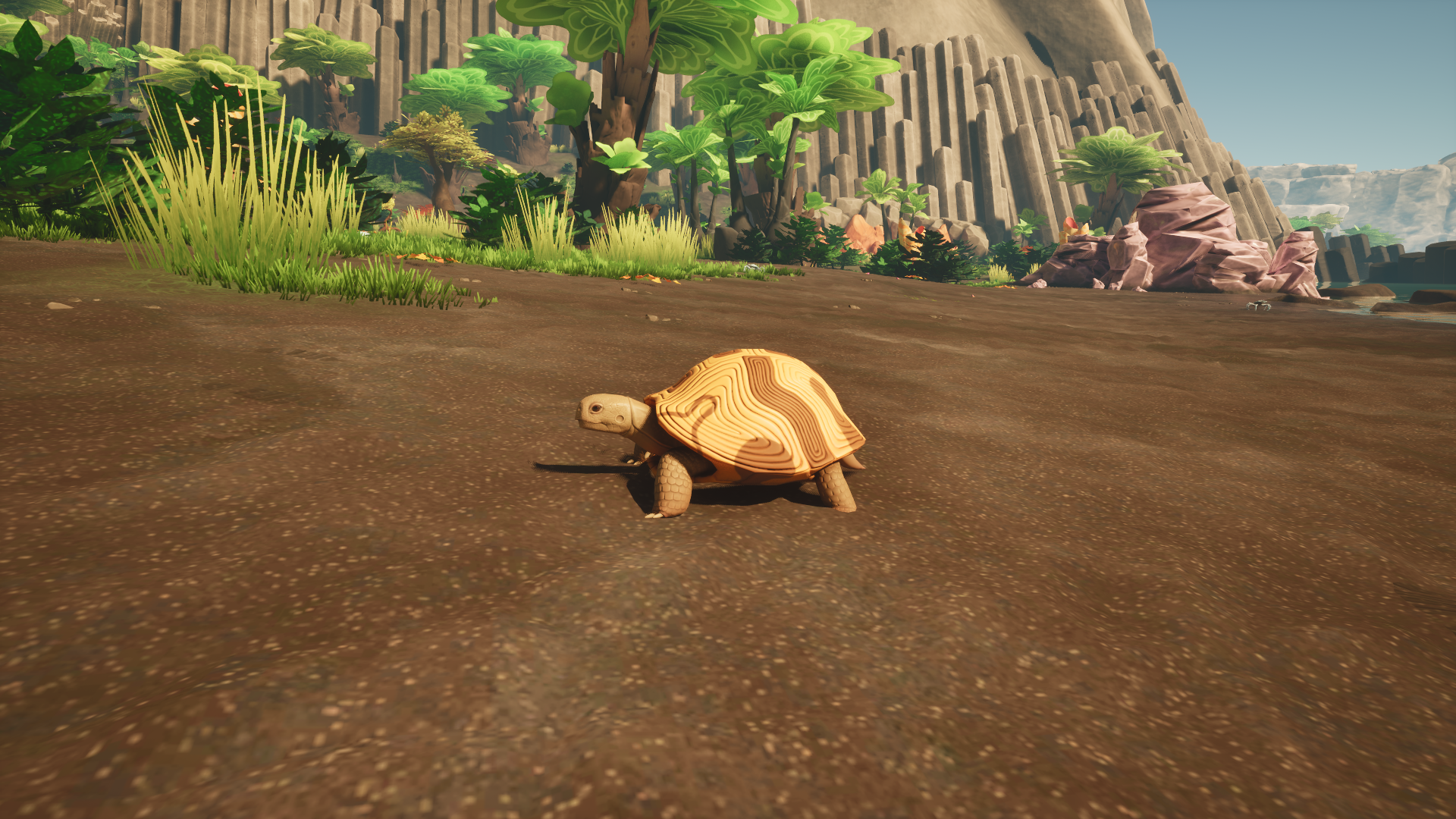 A docile, slow-moving resident of the Headlands and one of the more cooperative subjects in the zone. Its predictable patterns make it ideal for early biological observation, and documenting it provides useful insight into how the ecosystem sustains itself across rugged terrain. Not every creature here demands caution. Some are simply waiting to be studied.
 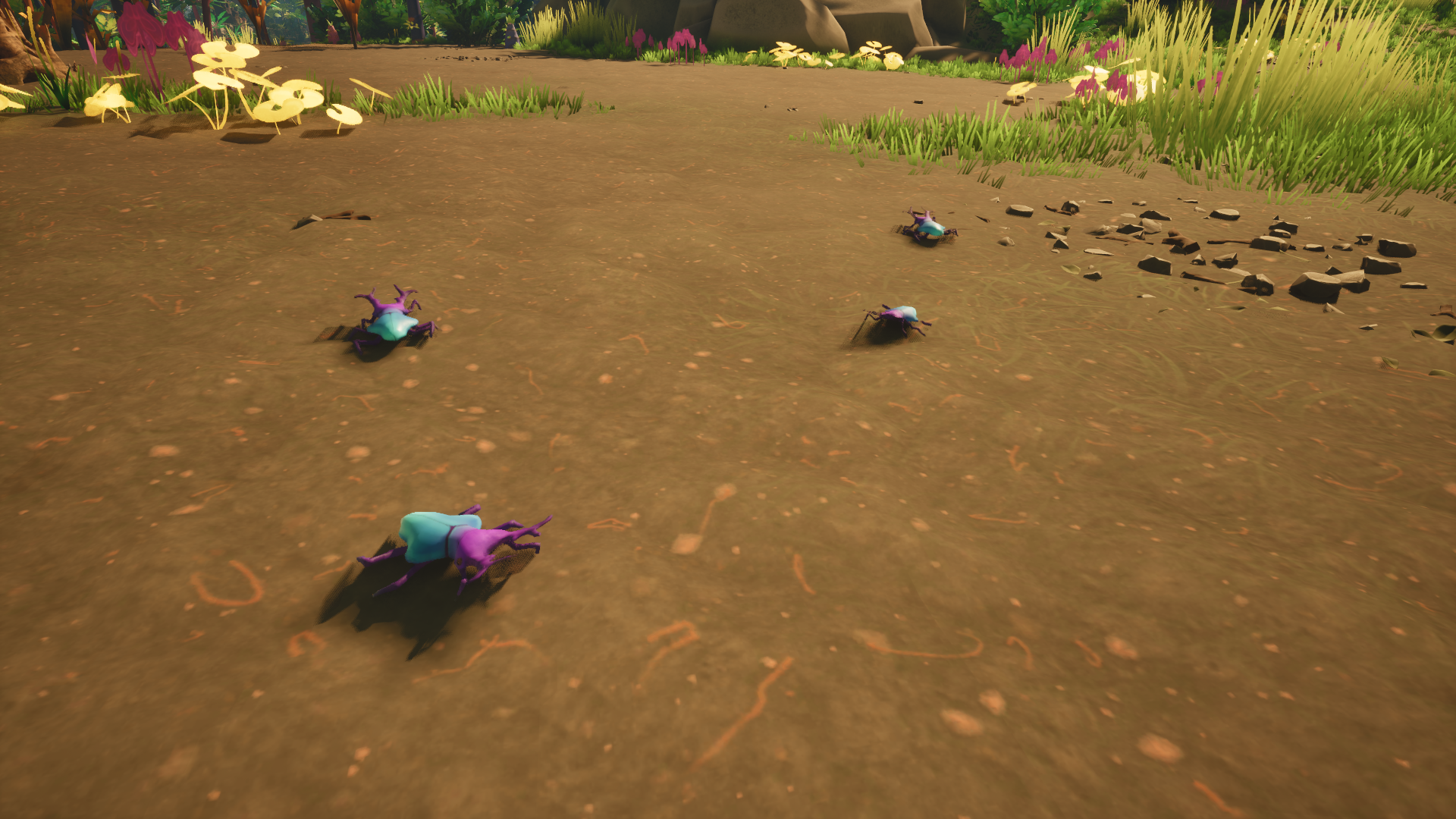 A harmless insect found across the Headlands. It is not going to change the course of your research on its own, but its presence is worth noting. Healthy insect populations signal a functioning ecosystem, and documenting them is a low-stakes way to round out your field notes before moving into more demanding territory.

 See you in Cologne, explorers!
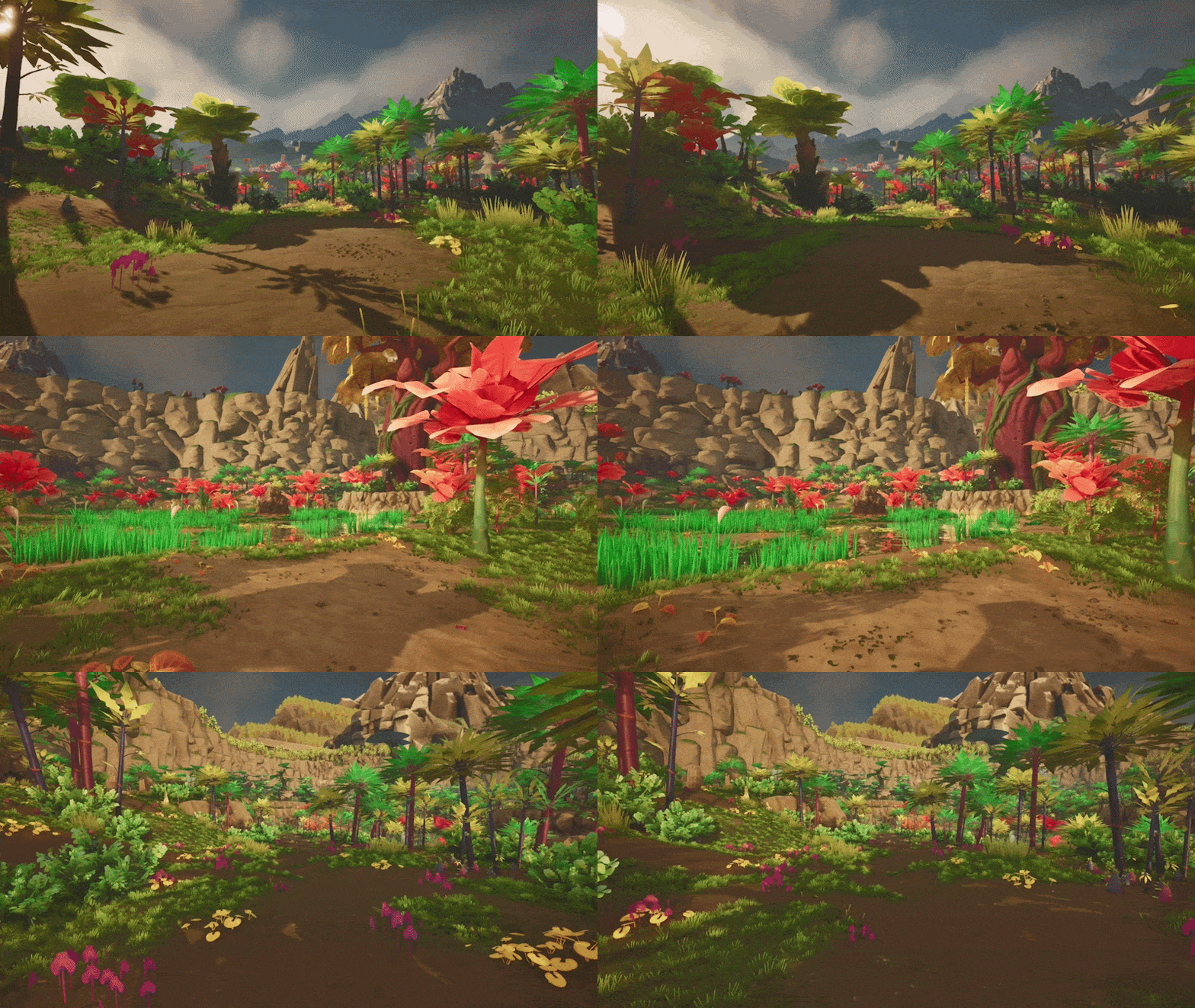
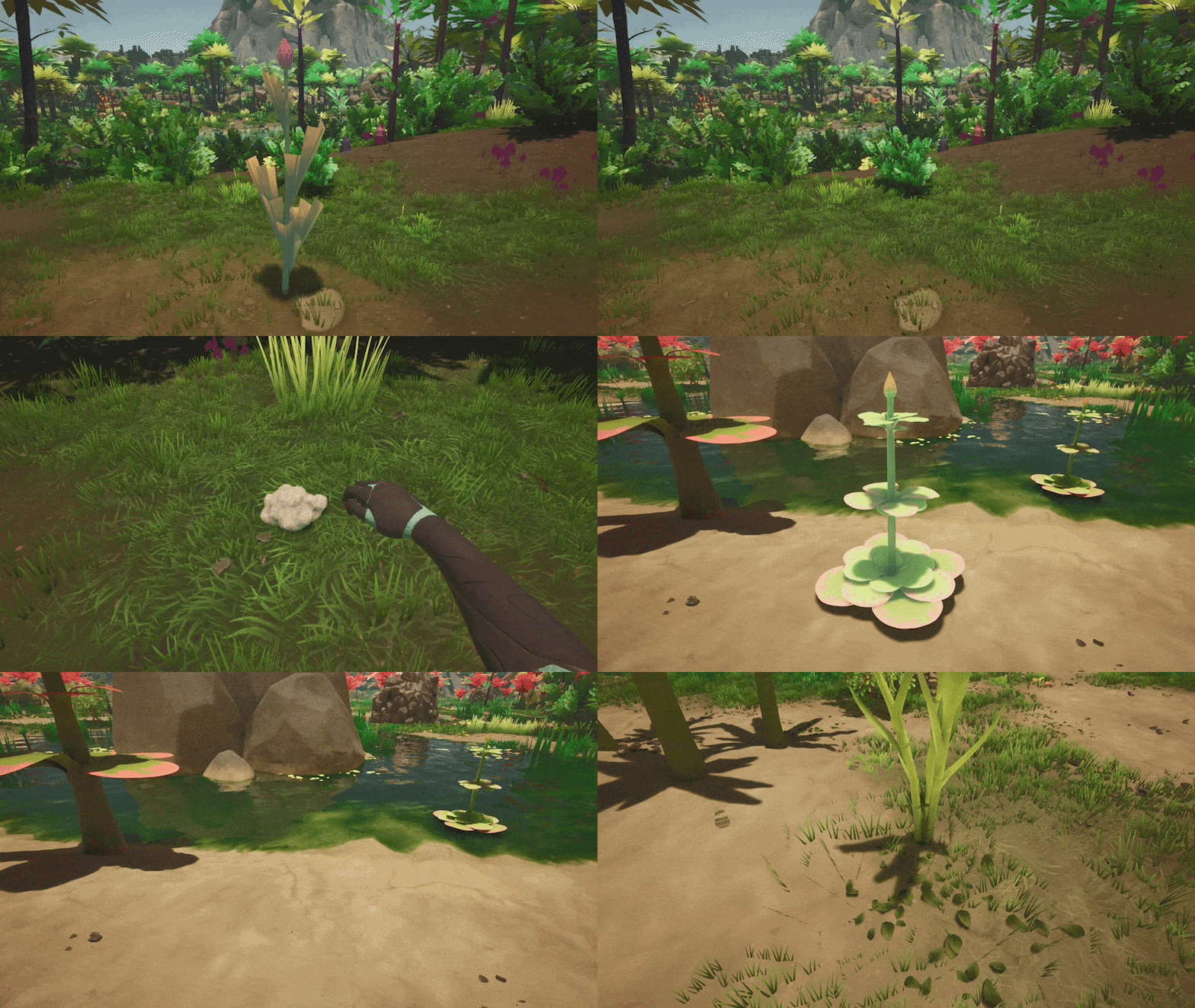
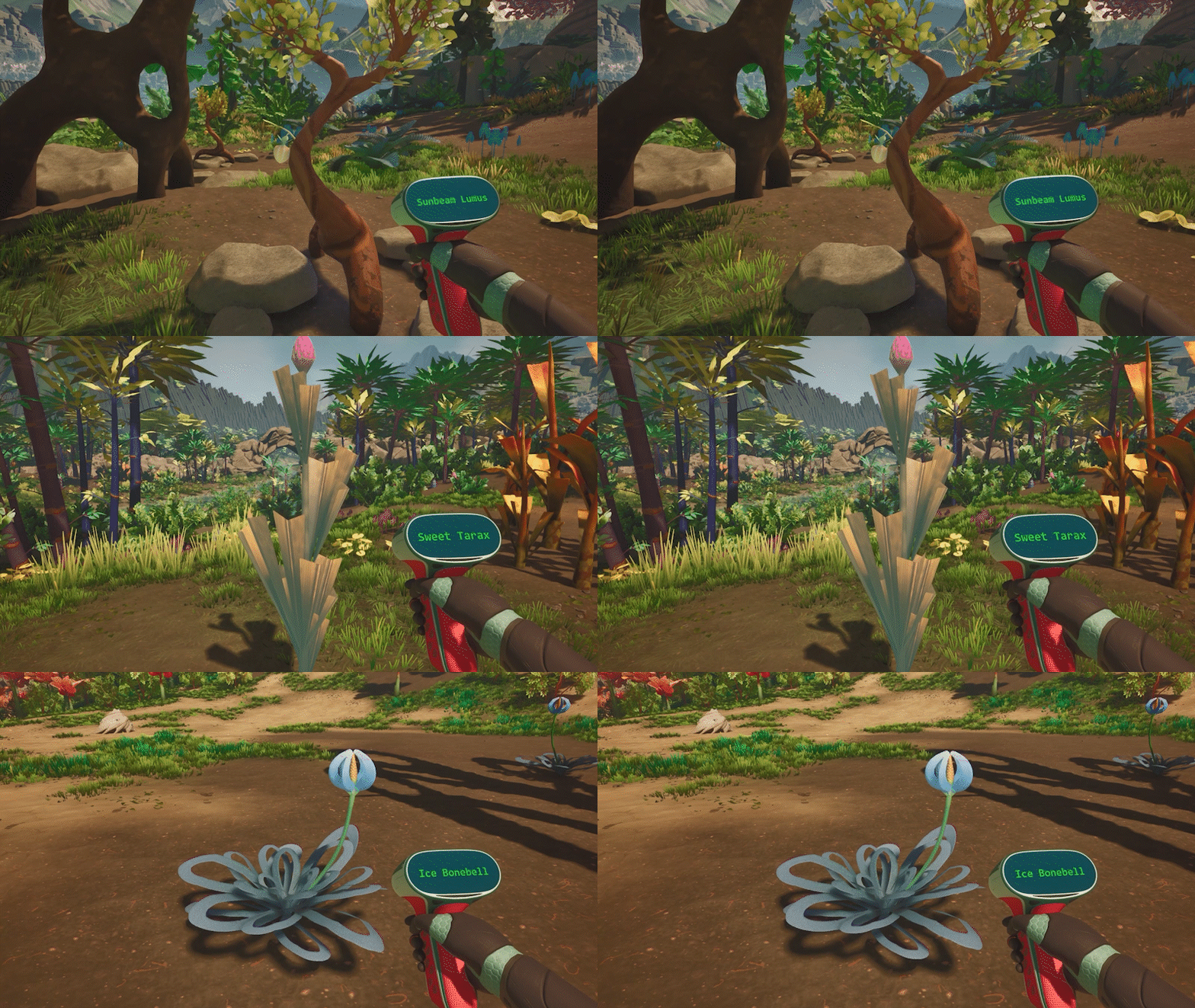
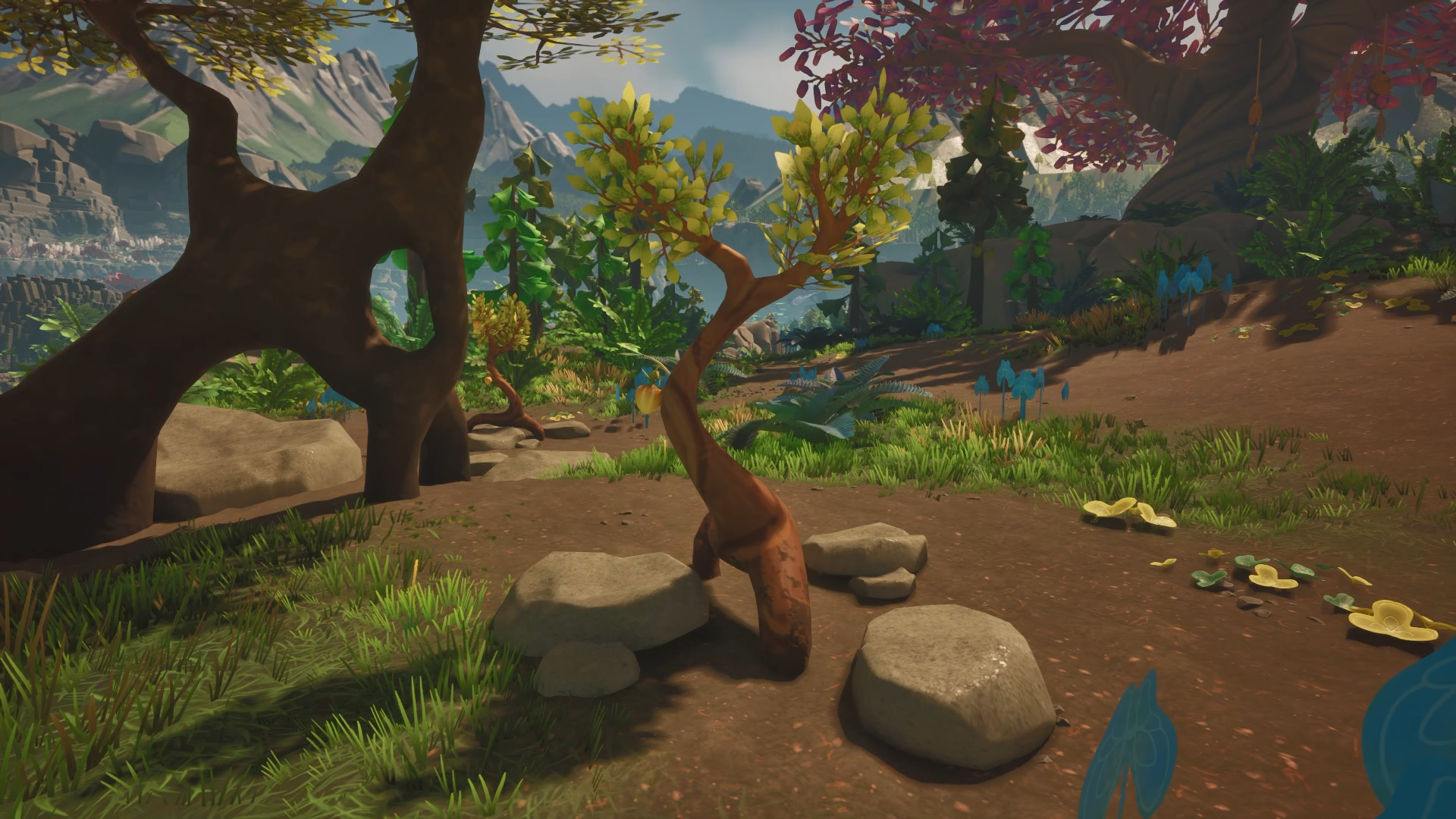 A fruit-bearing tree found in open clearings, growing on loam-type soil. The fruit itself is sweet and juicy, carrying a faint resemblance to persimmon, and safe to eat raw. It quenches thirst reliably, though it offers limited nutritional value on its own. Collect it early and often. It will not sustain you alone, but on a new planet, a tree that gives you something familiar is worth noting.
 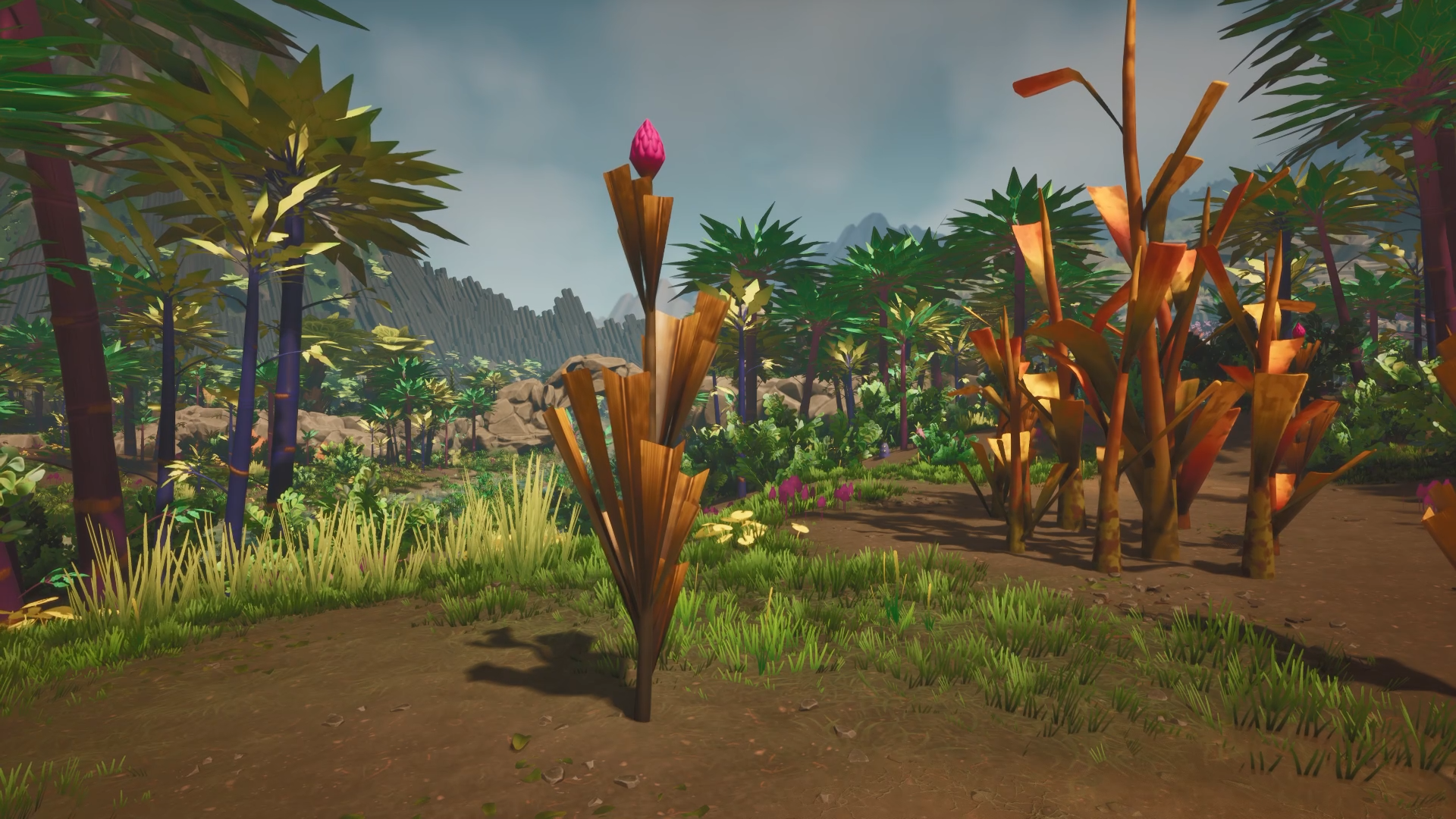 A common herb found in open spaces across the Valley, recognizable by its vibrant green curled leaves sprouting from a rigid main stem and the sweet floral scent it releases. Nutritious and juicy, it is one of the more practical early finds for sustaining yourself in the field. What makes it worth a second look is the stems. Long and fibrous, they have real utility beyond the kitchen, lending themselves to textile crafting as your needs grow. Do not overlook it just because it is everywhere.
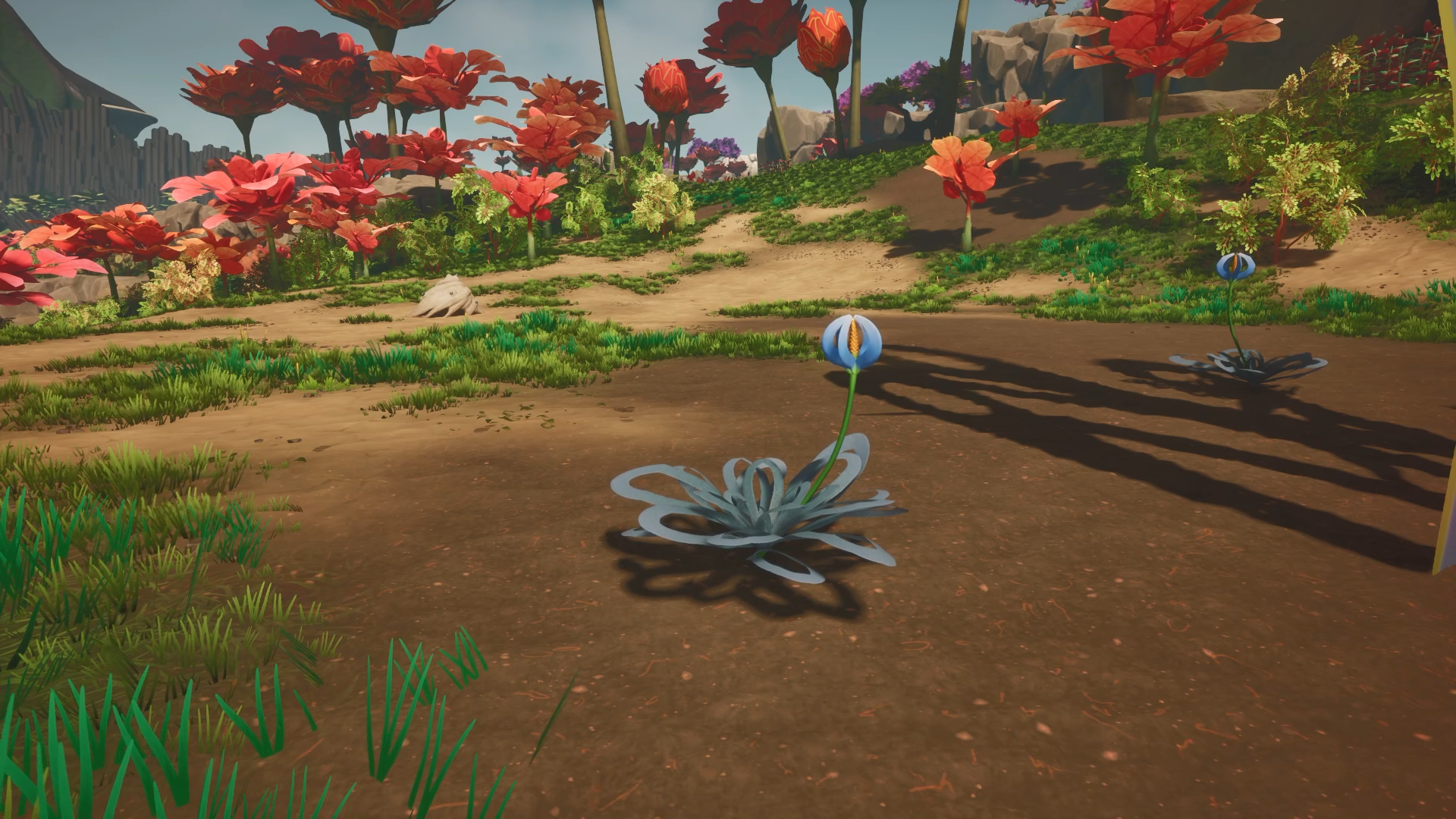 A flowering crop found in the Red Forest, often growing close to predator nests, which makes collecting it an exercise in patience and situational awareness. Its petals carry the appearance of carved ice, pale and almost translucent, making it one of the more visually striking finds in the Valley. The blossoms are bitter to the taste but carry a minor healing effect, making Ice Bonebell a practical early find despite the risk involved in reaching it.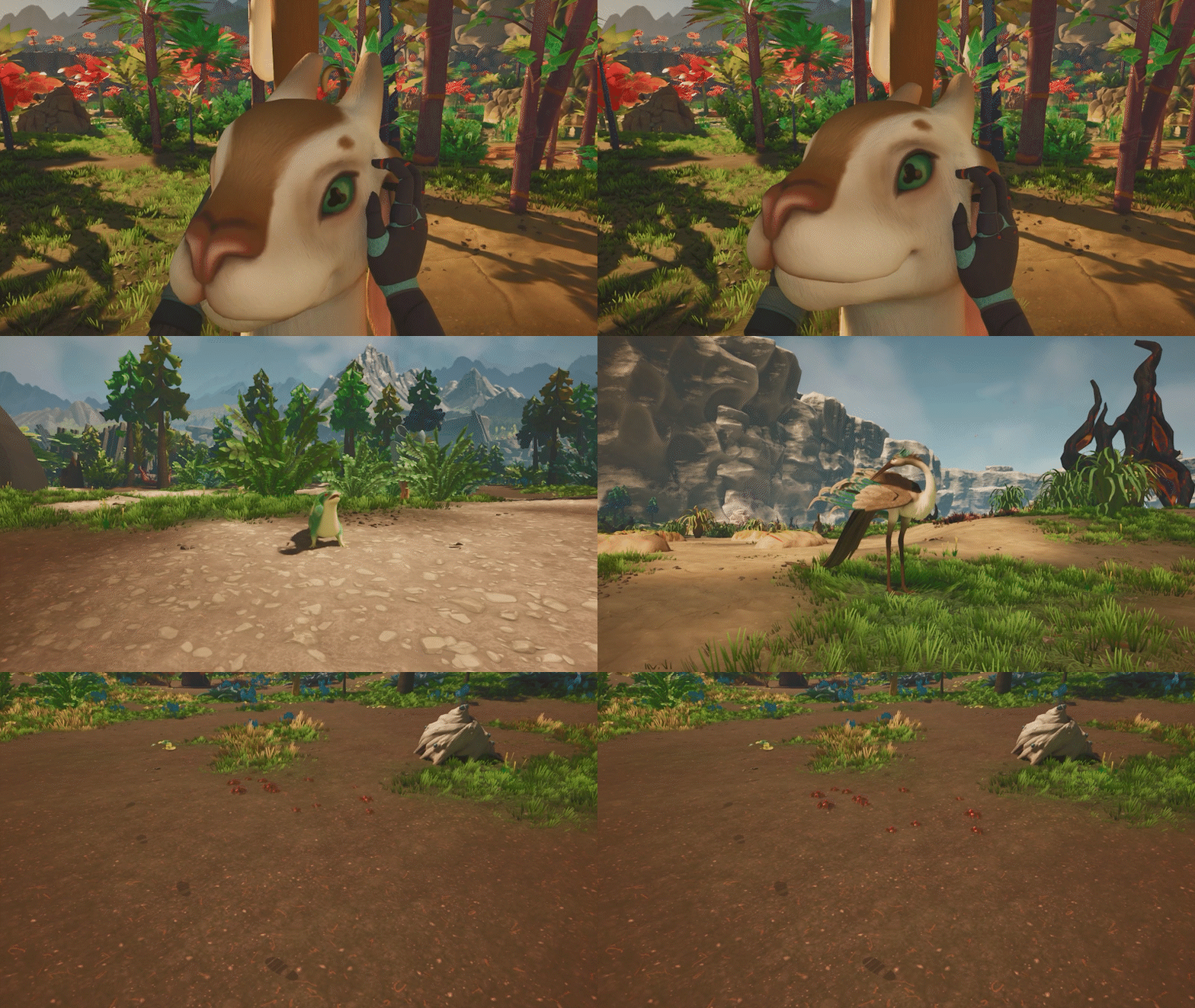
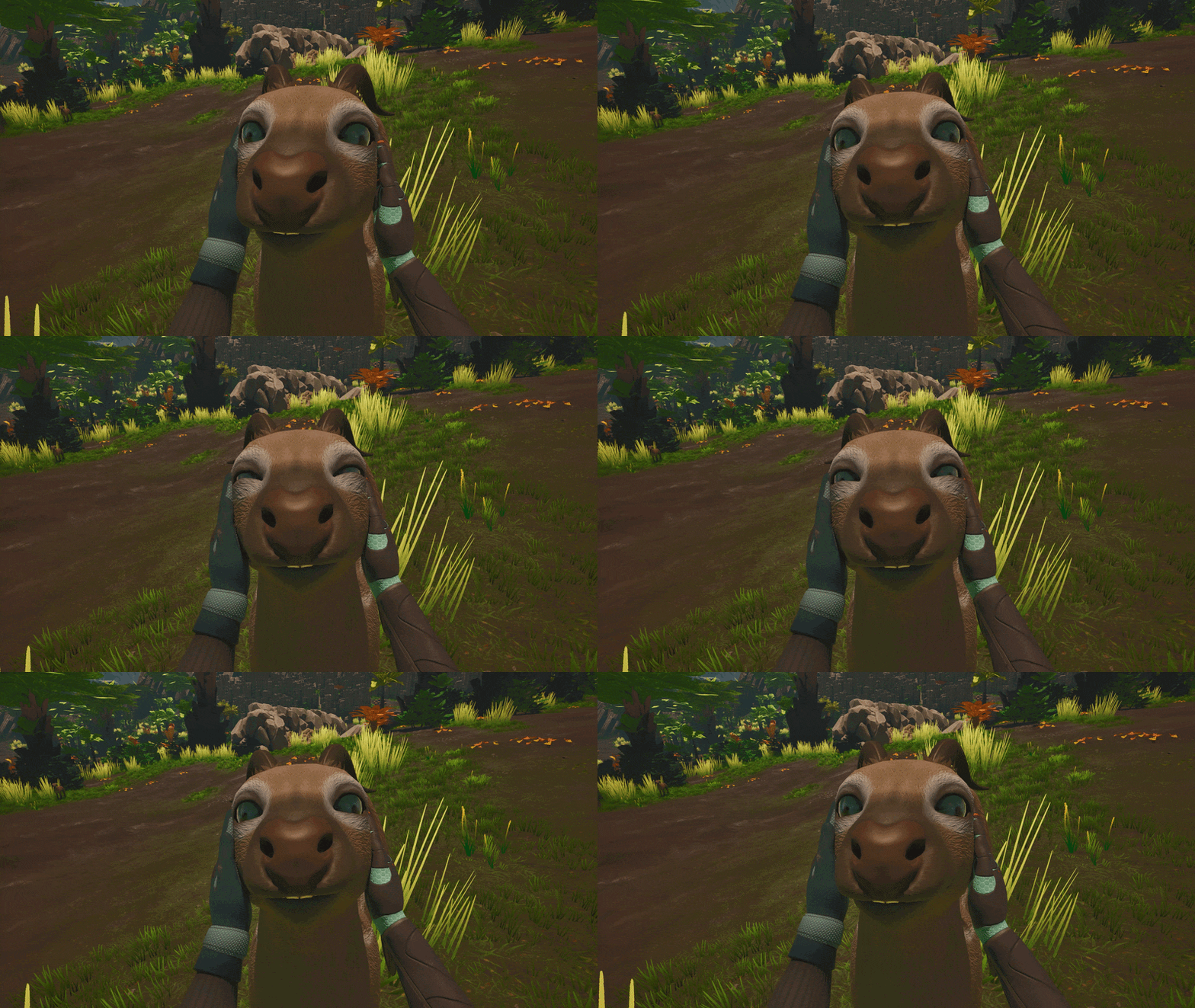
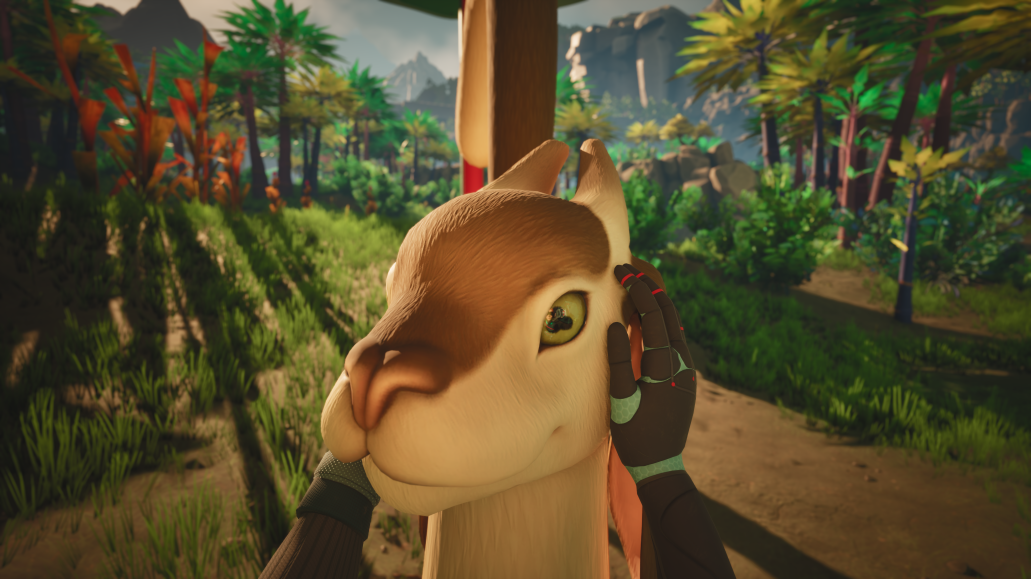
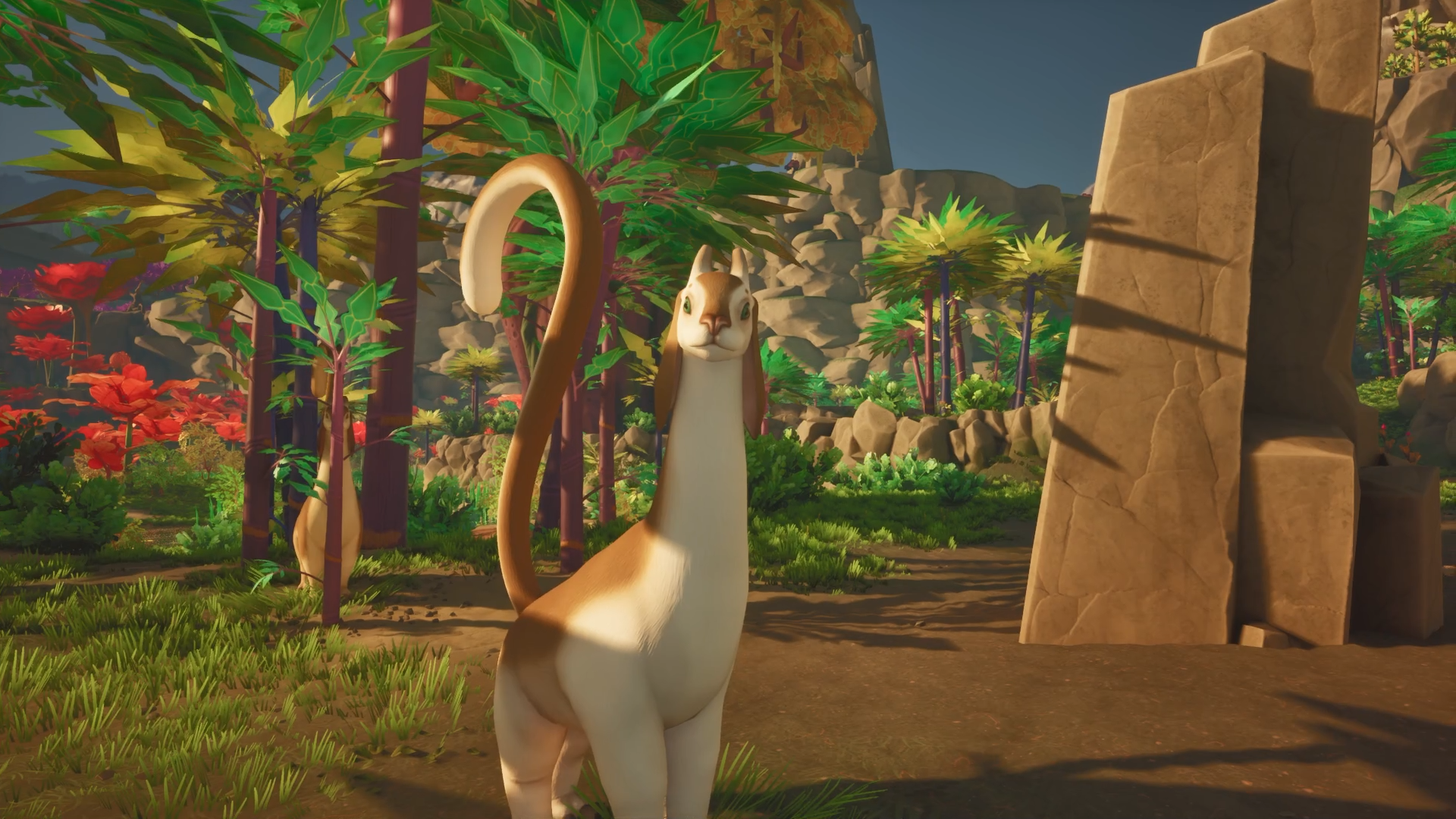 A medium-sized ungulate found across the Valley's open fields, recognizable by its long upright neck, arching tail and warm golden-brown coat that carries a passing resemblance to an alpaca. Sociable and curious, Lucuma Camilla are known for mimicking other creatures and tend to follow once their interest is earned. They gravitate toward areas where predators are scarce and are one of the safer early study subjects the Valley has to offer. The coat yields wool, which opens up crafting options for those who take the time to engage beyond the initial scan.
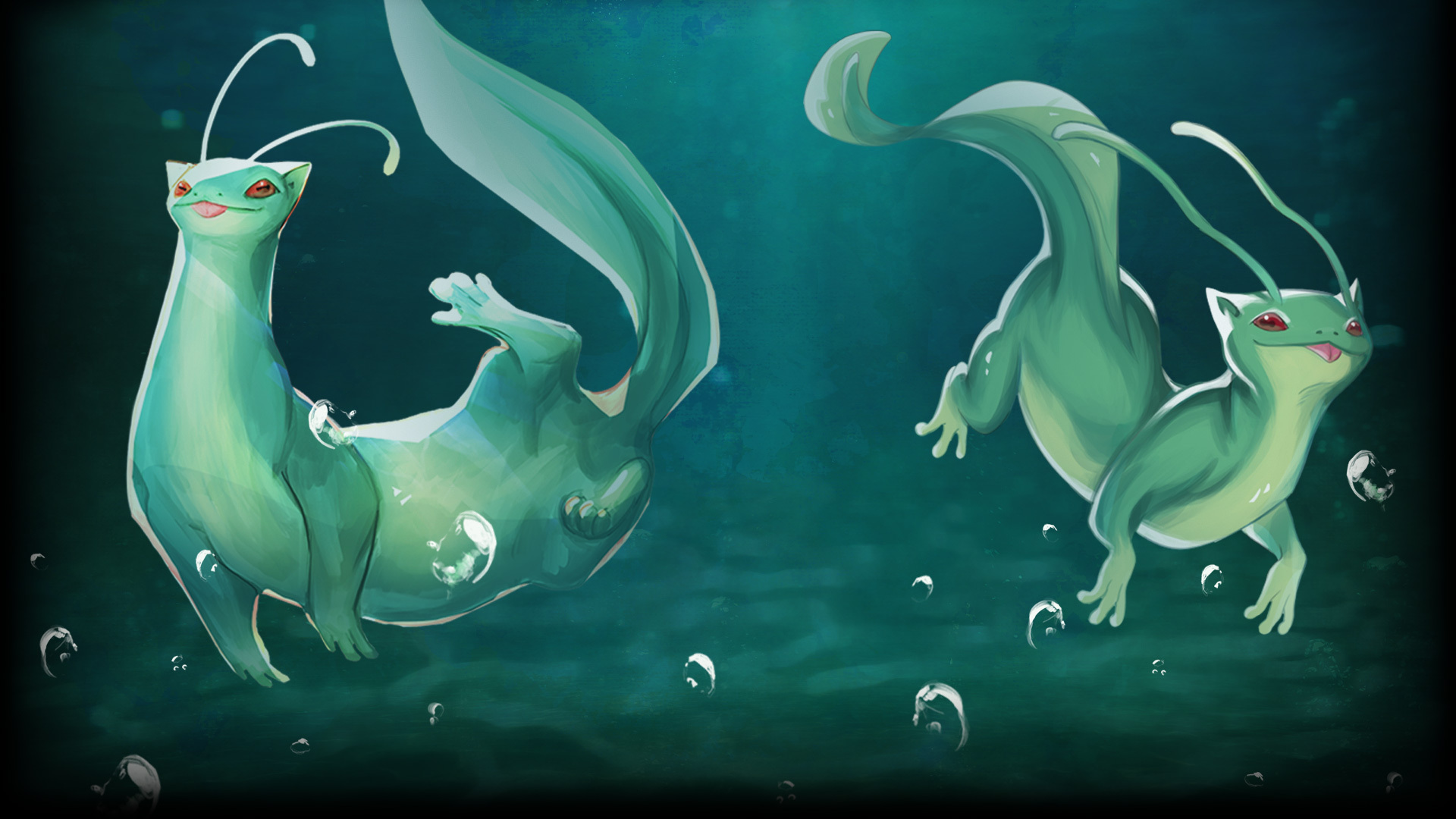
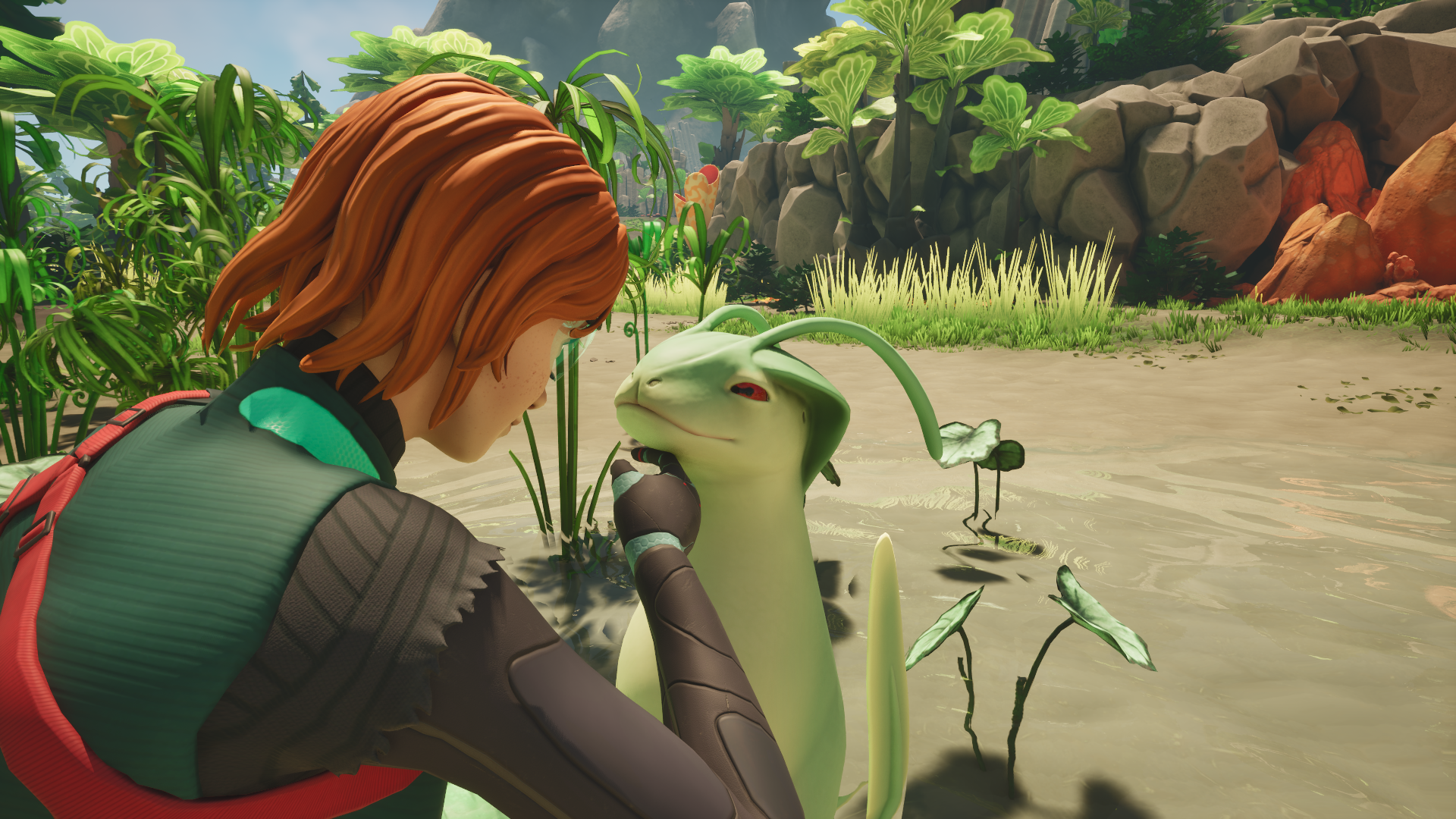
 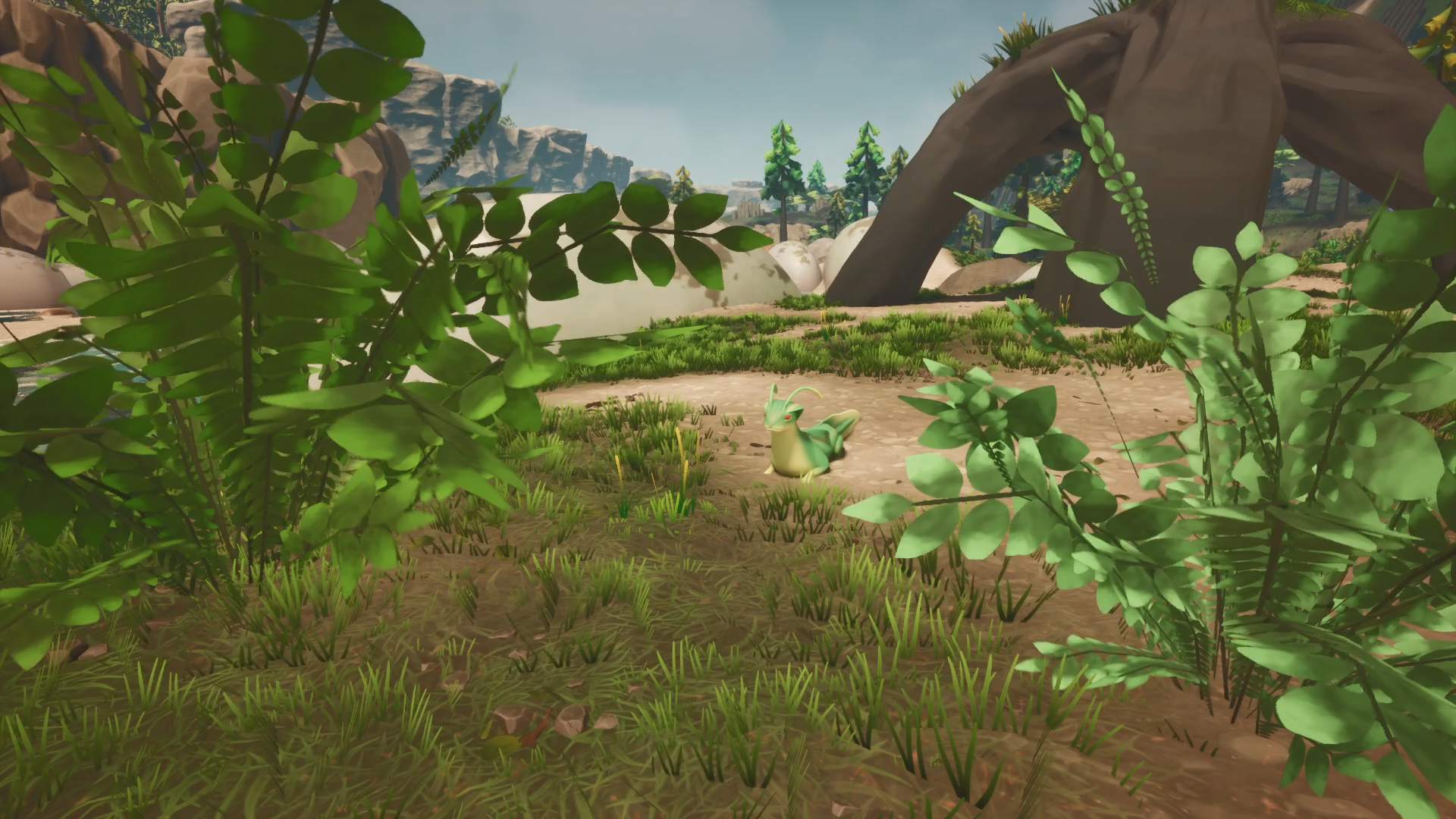 A small amphibian found in the damp, cooler stretches of the Valley near open water. Vibrant green coloration, red-sclera eyes and twin antennae-like appendages make it one of the more distinctive finds in the Valley, with more than a passing resemblance to an axolotl. Do not let the bold appearance fool you. Wild Green Zuma are timid and easily spooked, preferring to stay hidden beneath rocks and vegetation. Getting a clean scan takes patience. A viscous secretion they produce has real crafting value, making the effort worthwhile.
 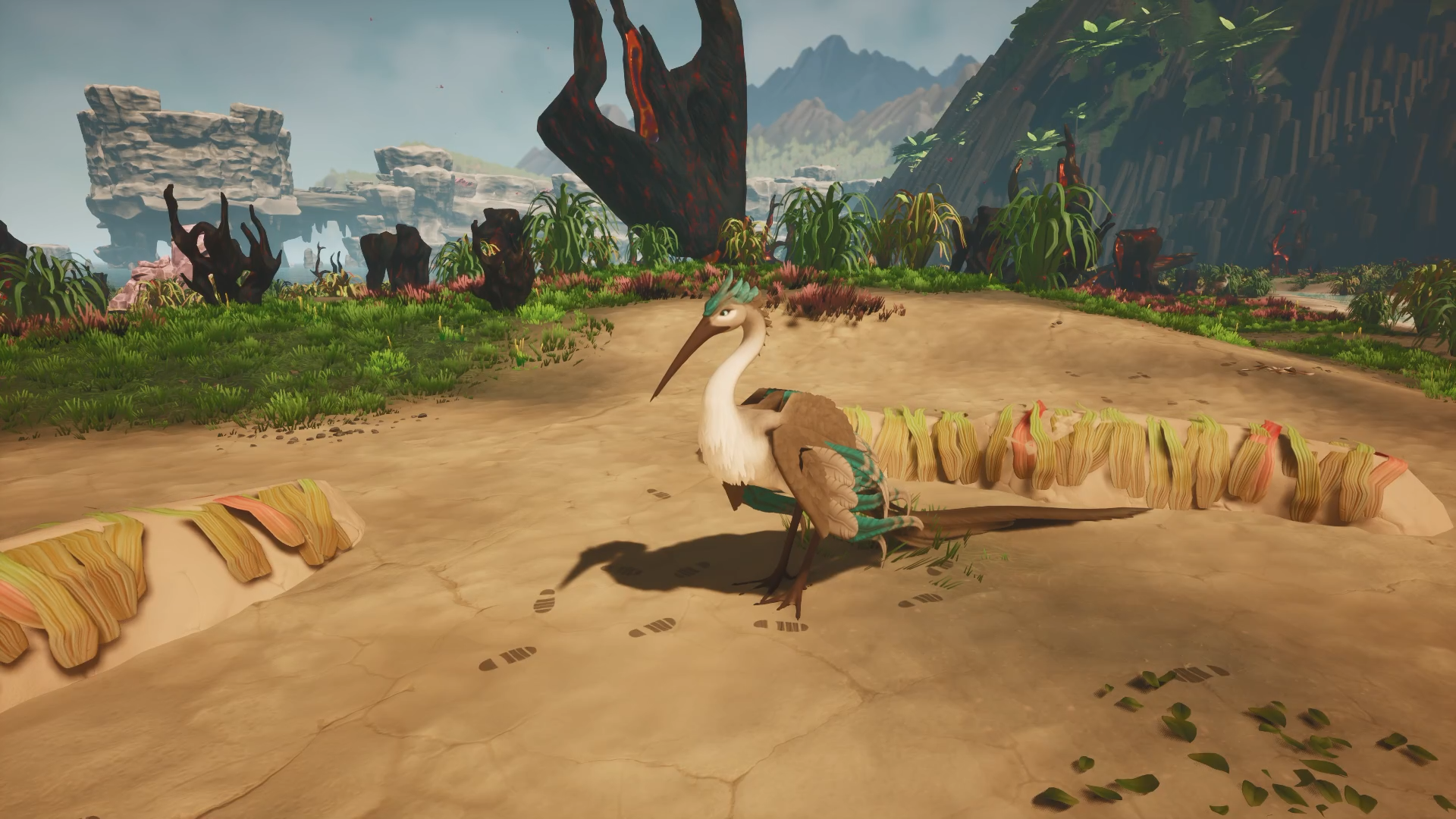 A medium-sized wading bird found near the Valley's marshes and waterways. Tall and slender with earthy brown plumage broken by striking teal feathers along the wings and tail, a pointed foraging beak and a small feathered crest. The trailing tail plumes make it easy to spot from a distance, which is useful given its temperament. Gum Nibis are territorial and protective around their nests, so approach with awareness. Patience here pays off. The feathers have real crafting value.
 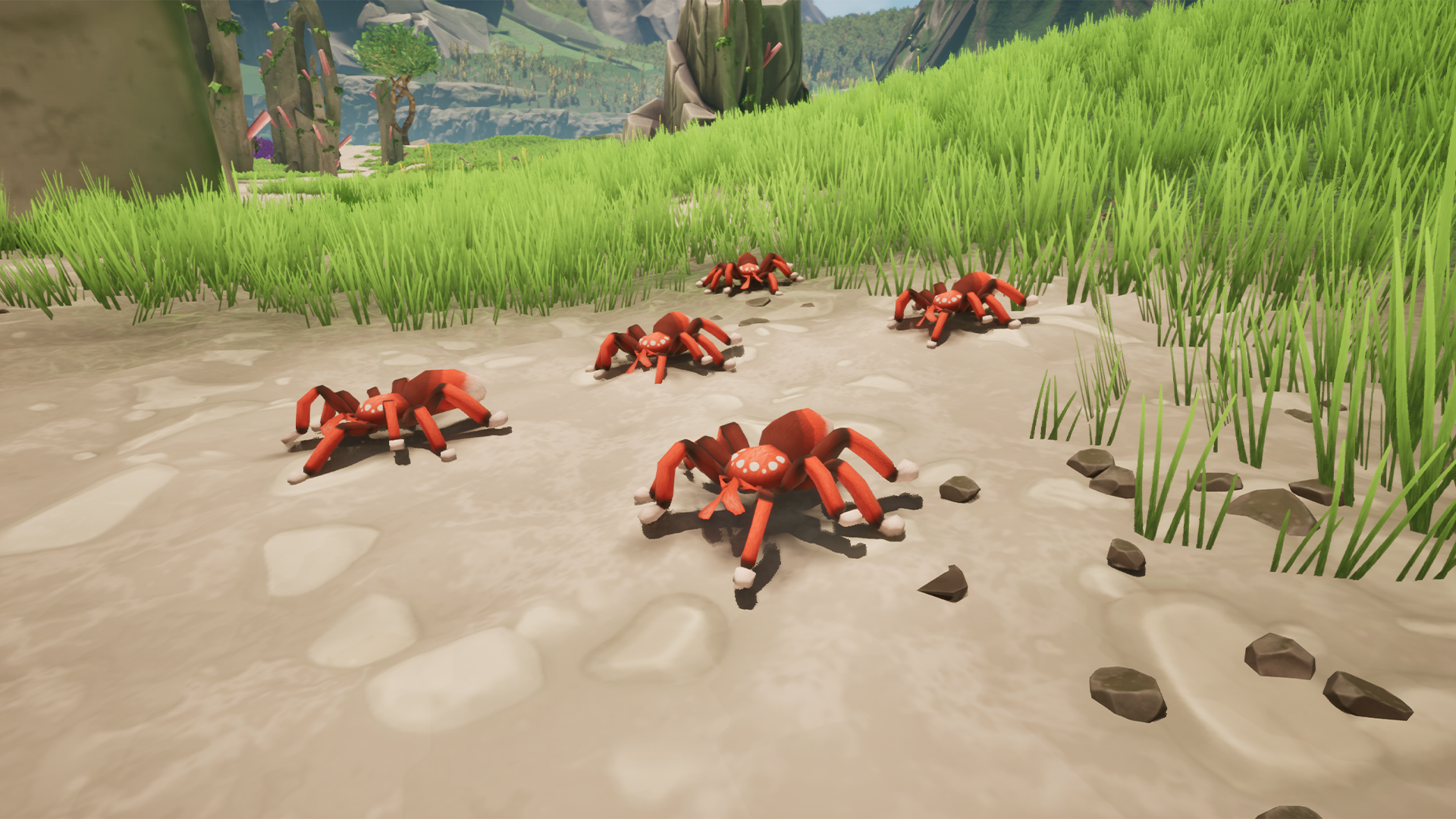 A hostile species found in the Valley's undergrowth. The larger variant is territorial and will react aggressively if approached too closely, making it one of the first genuine hazards a researcher encounters in an otherwise forgiving zone. Scan from a distance and give it room. Not every species on Sota7 is waiting to be studied at close range.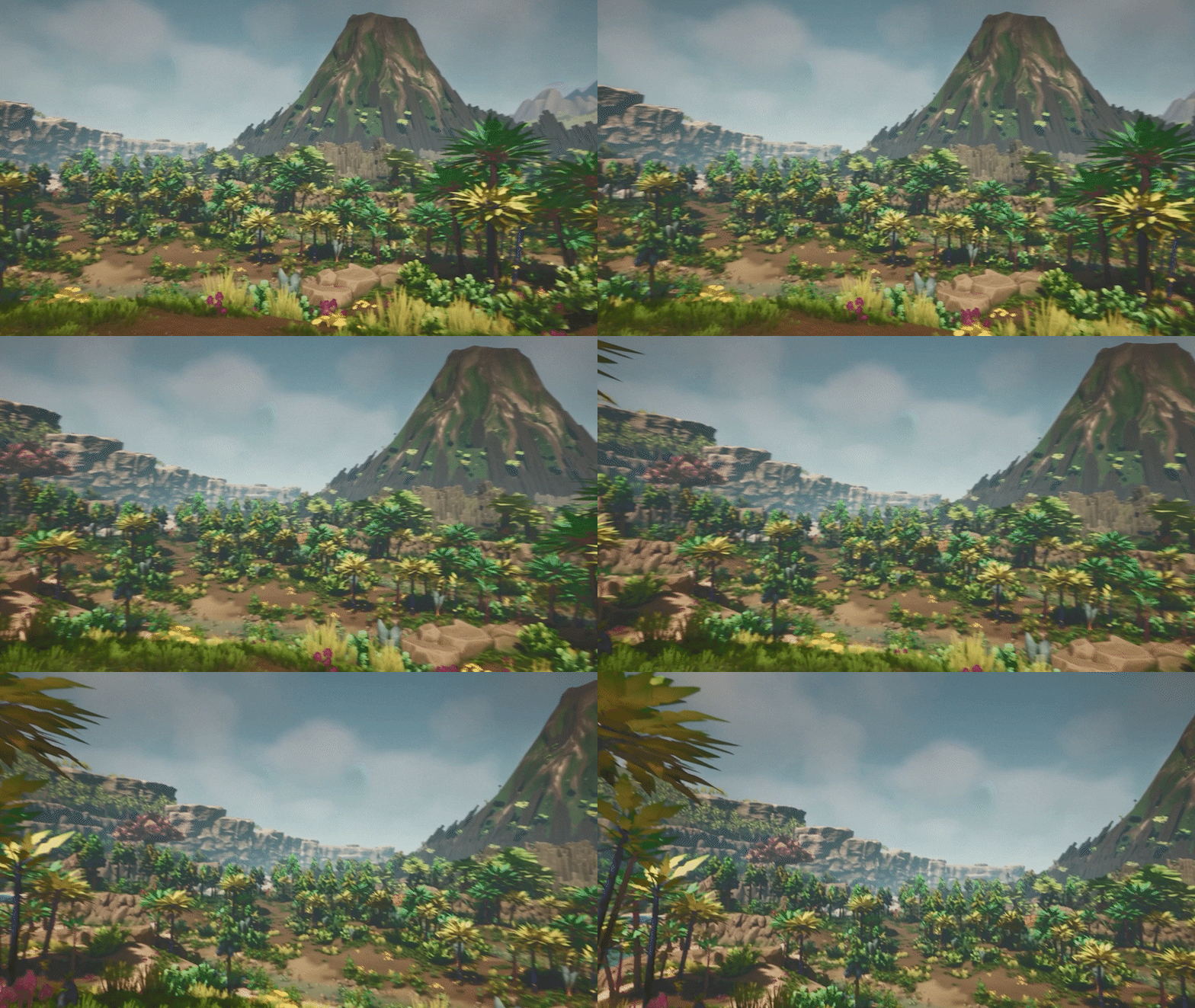
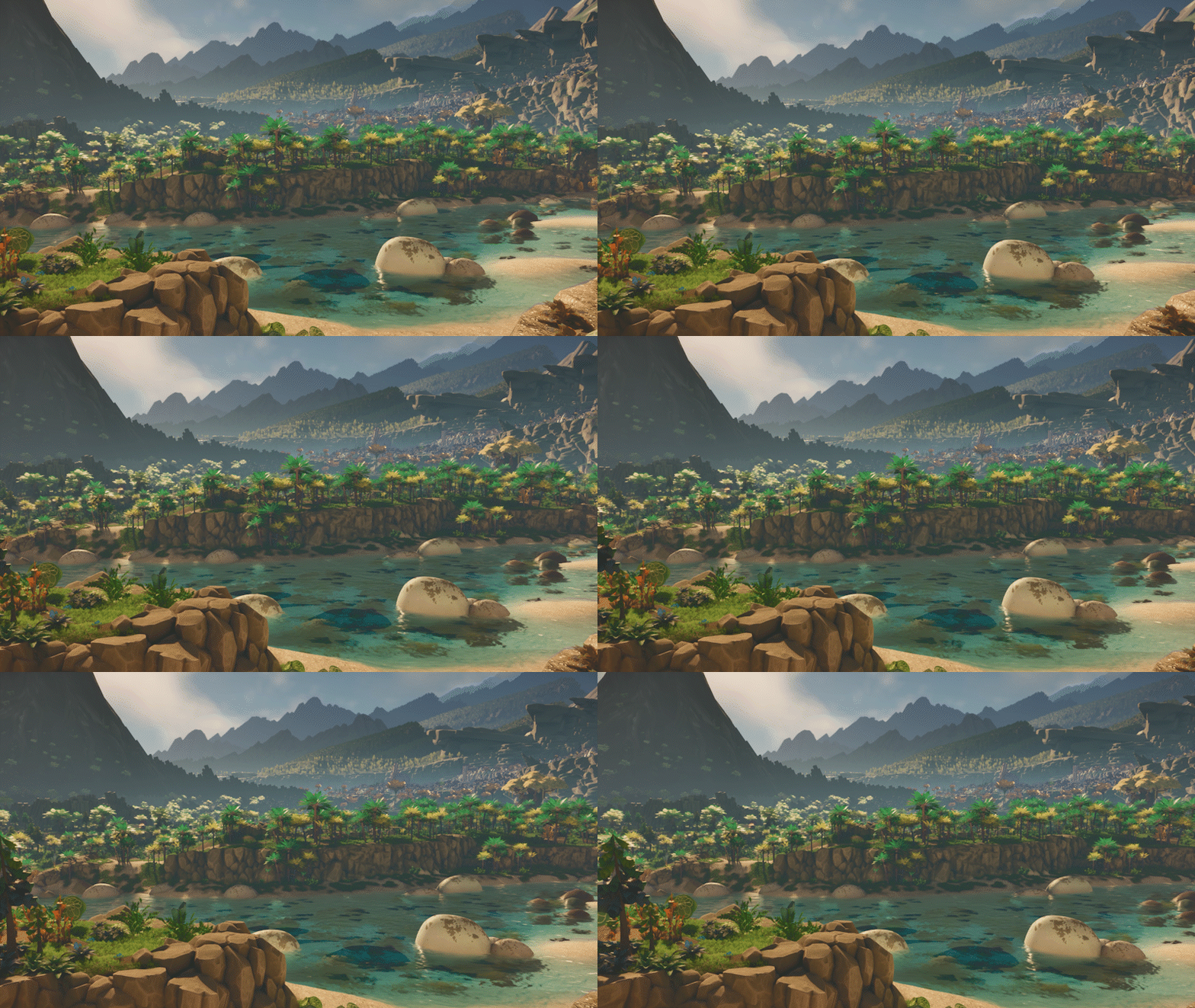
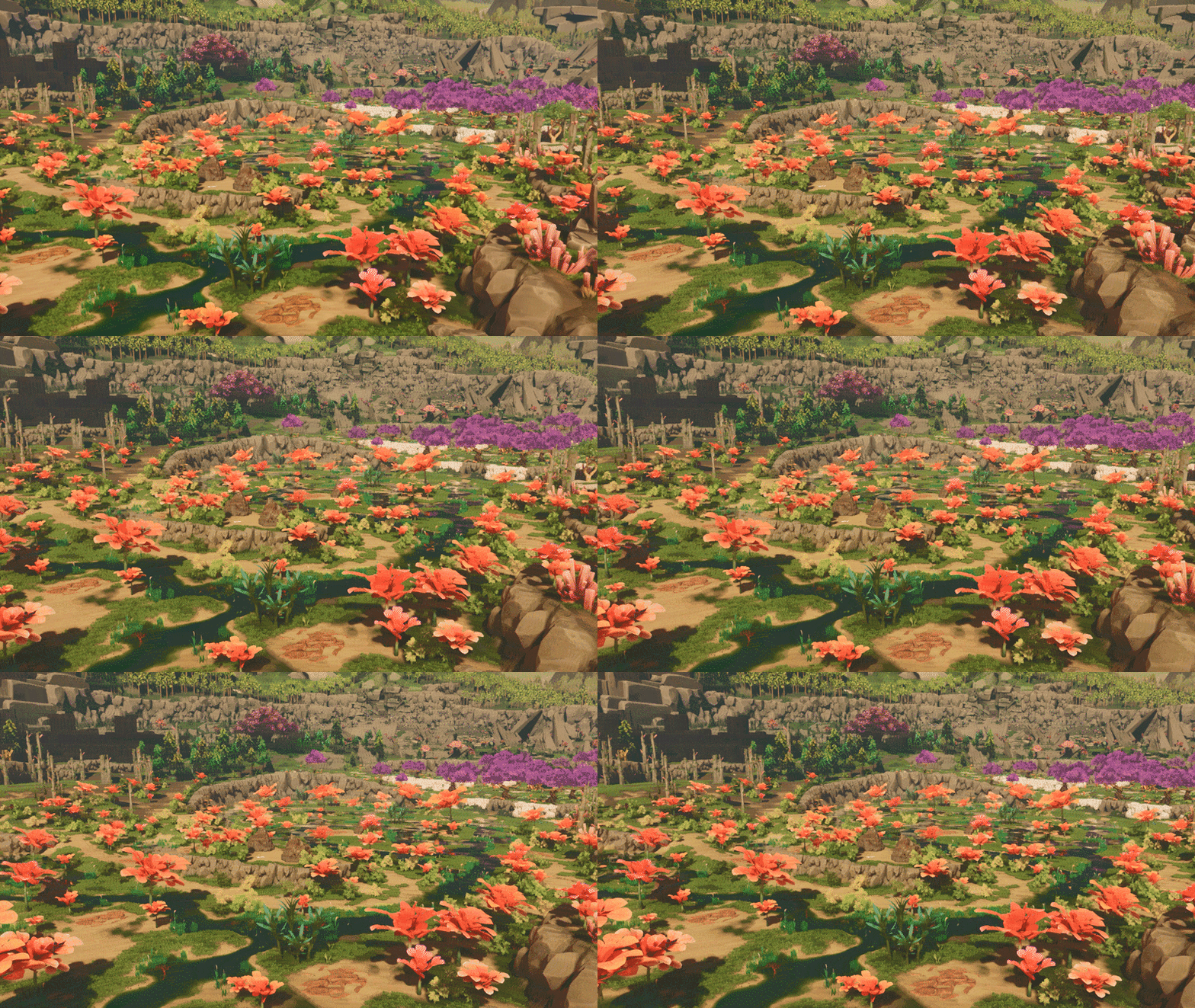
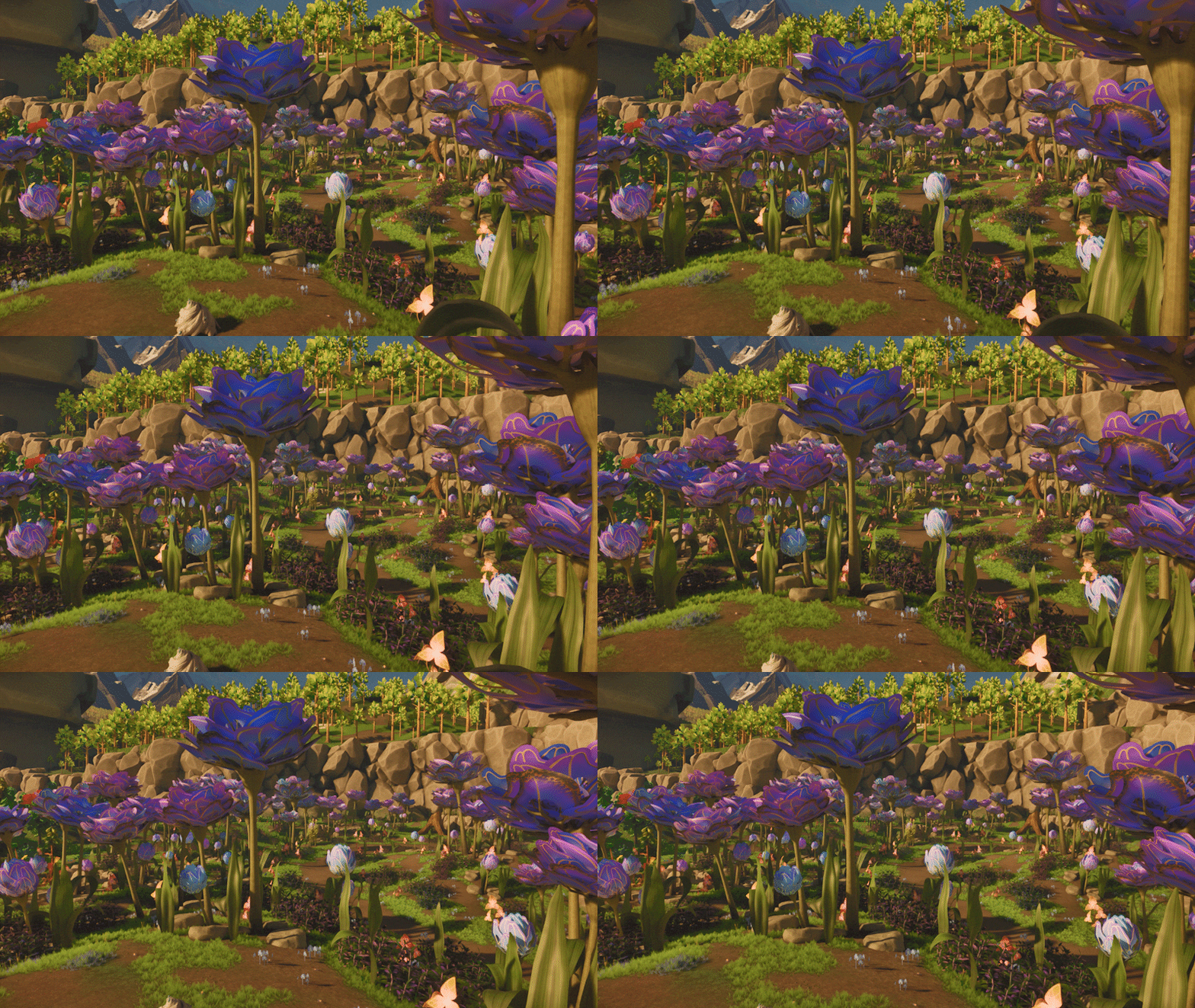
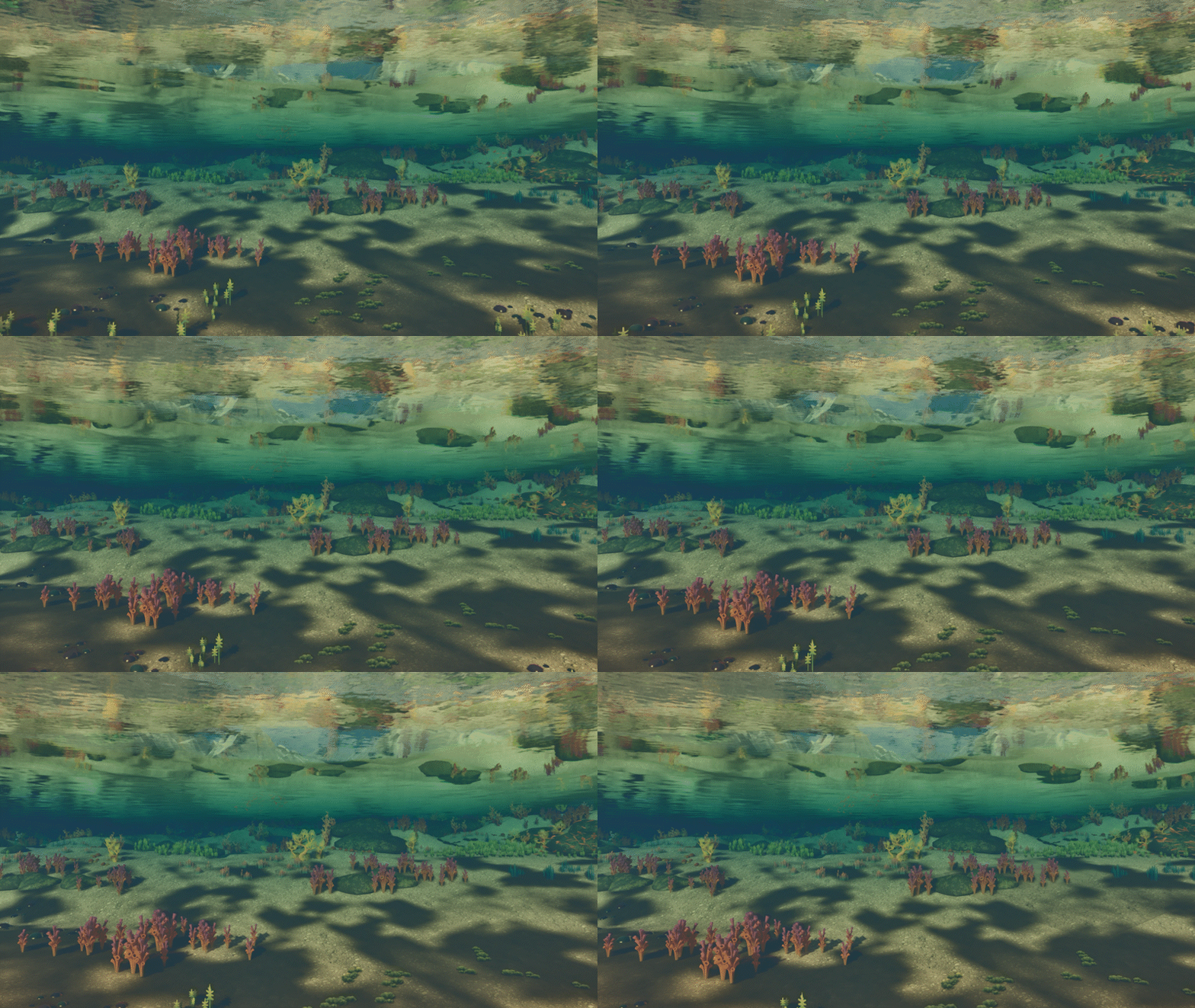
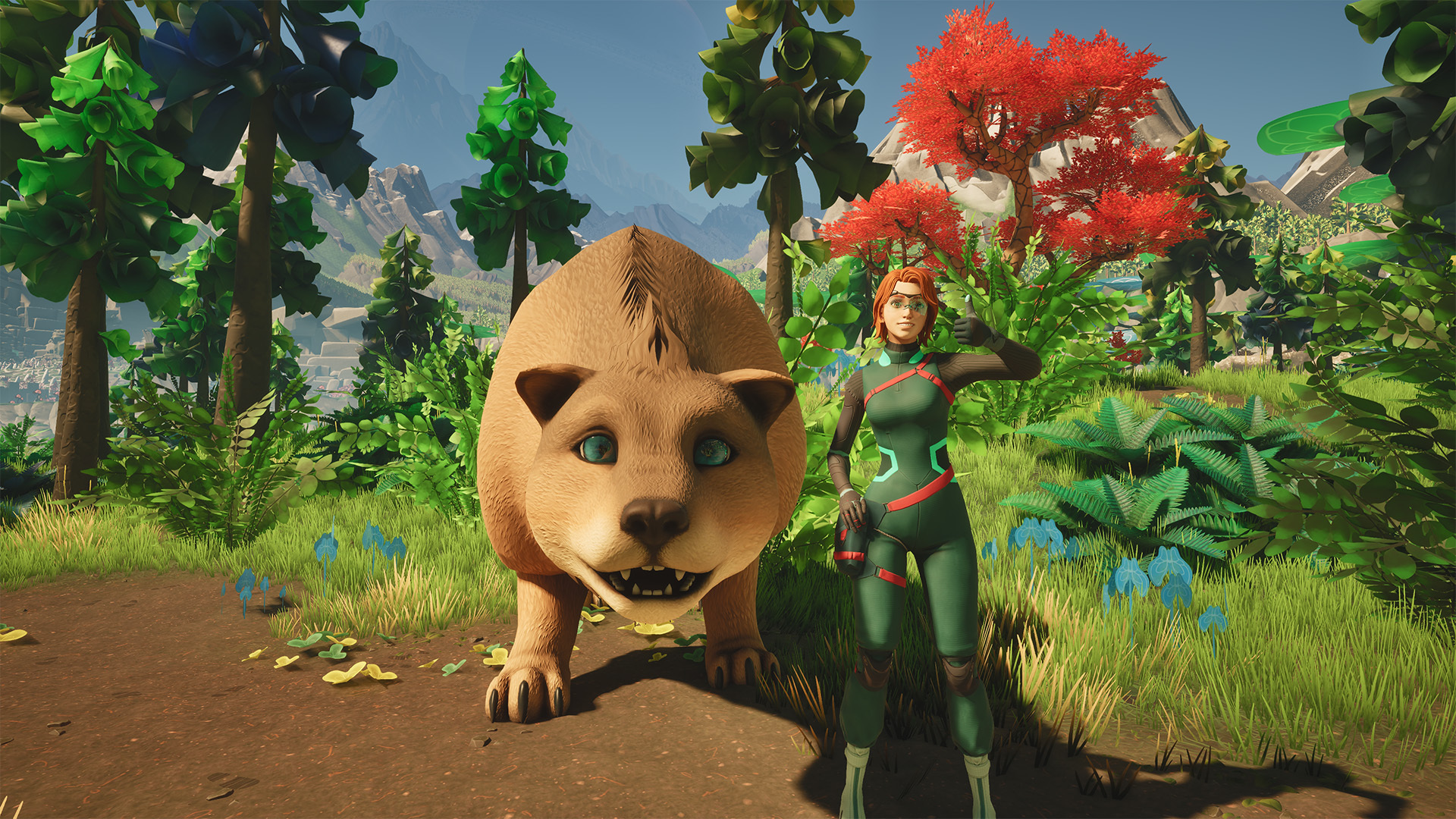

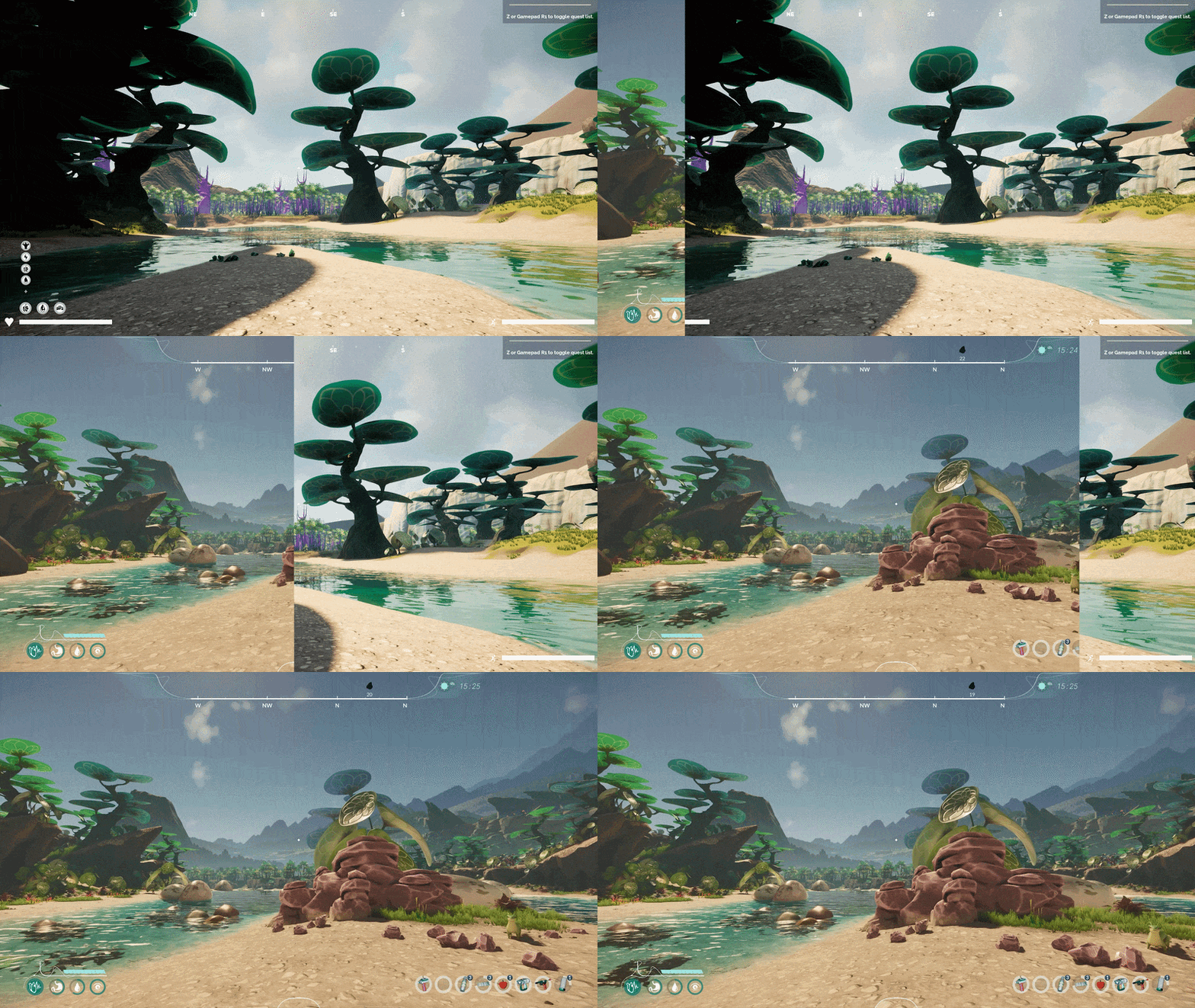

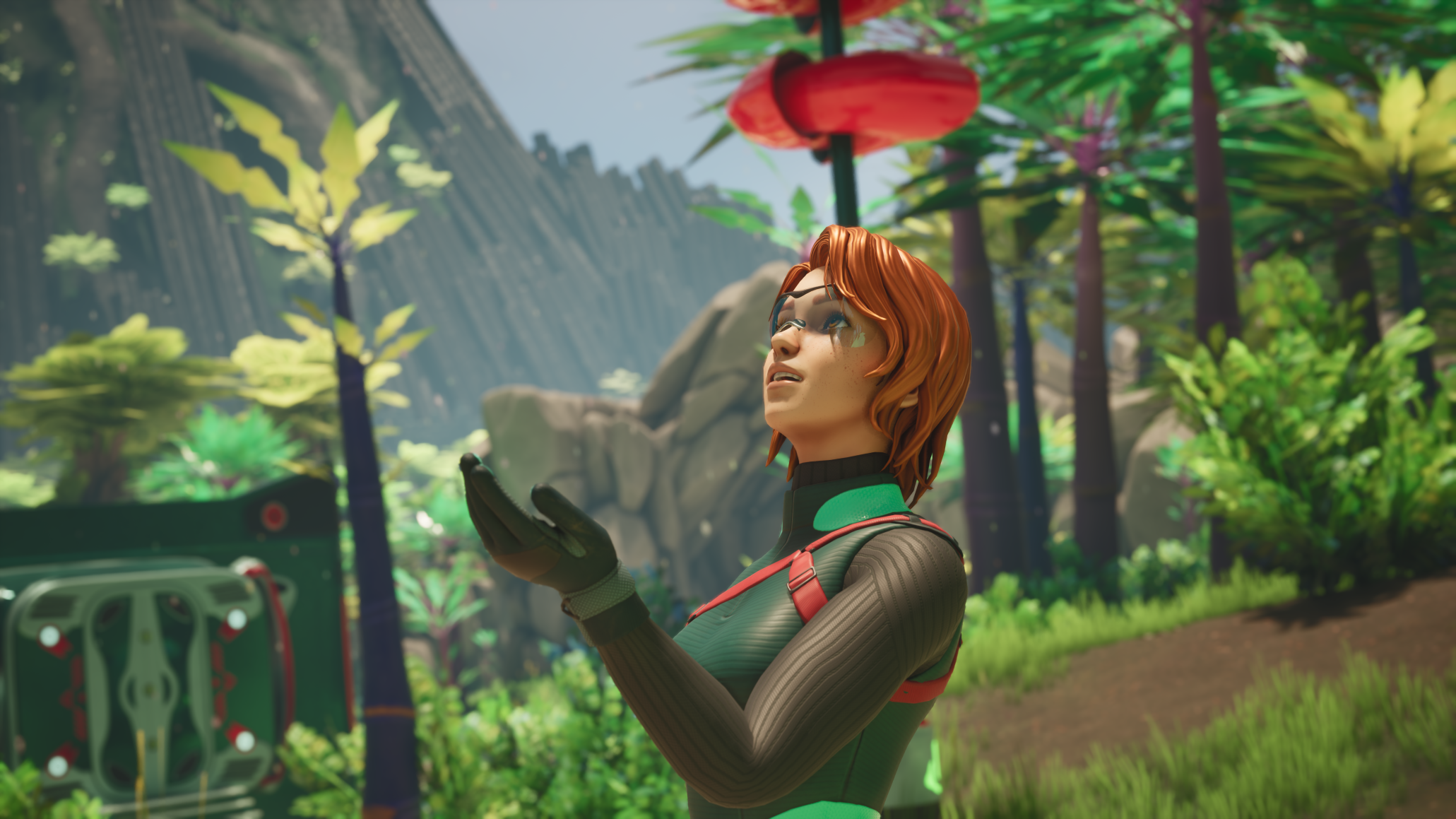
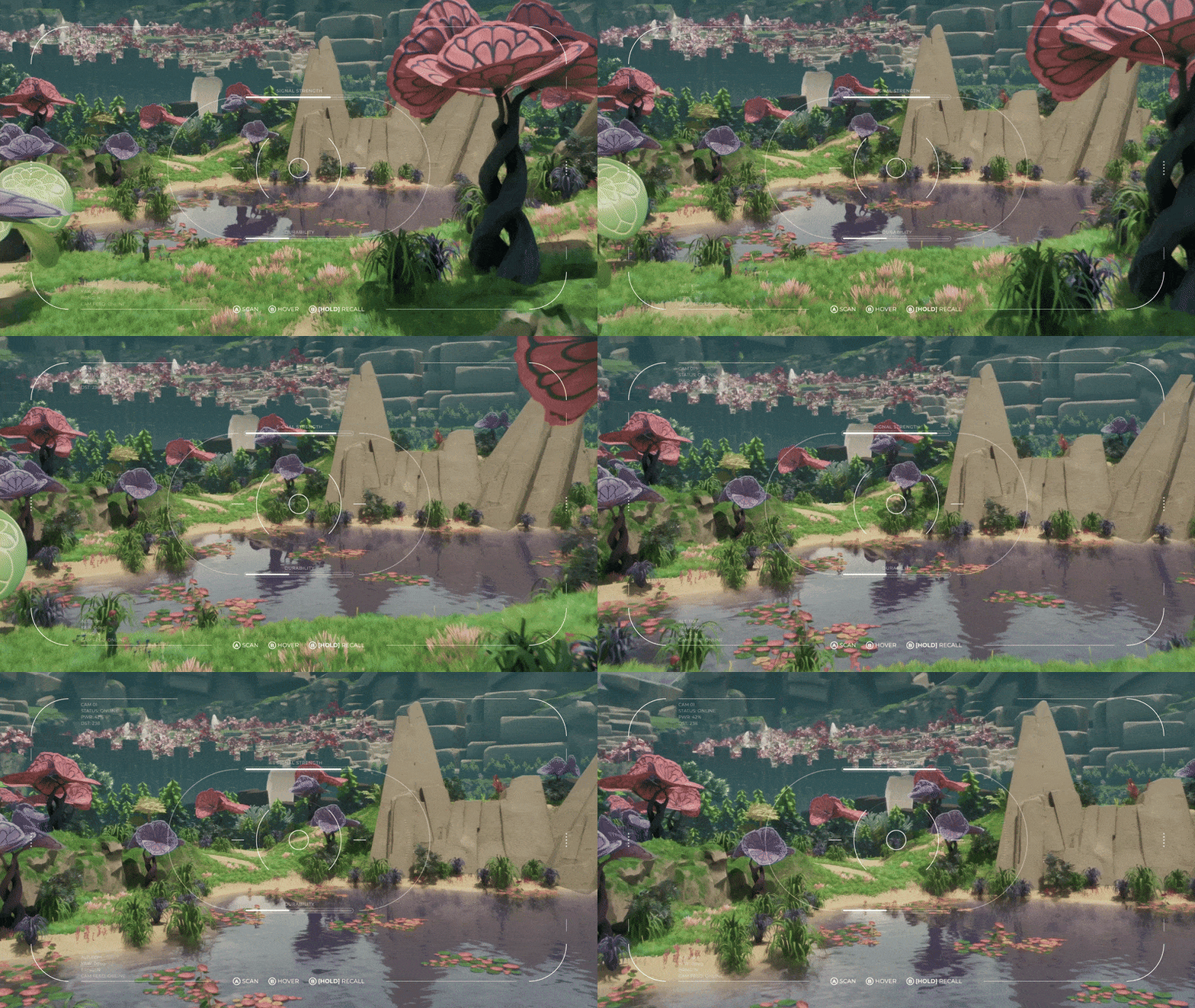
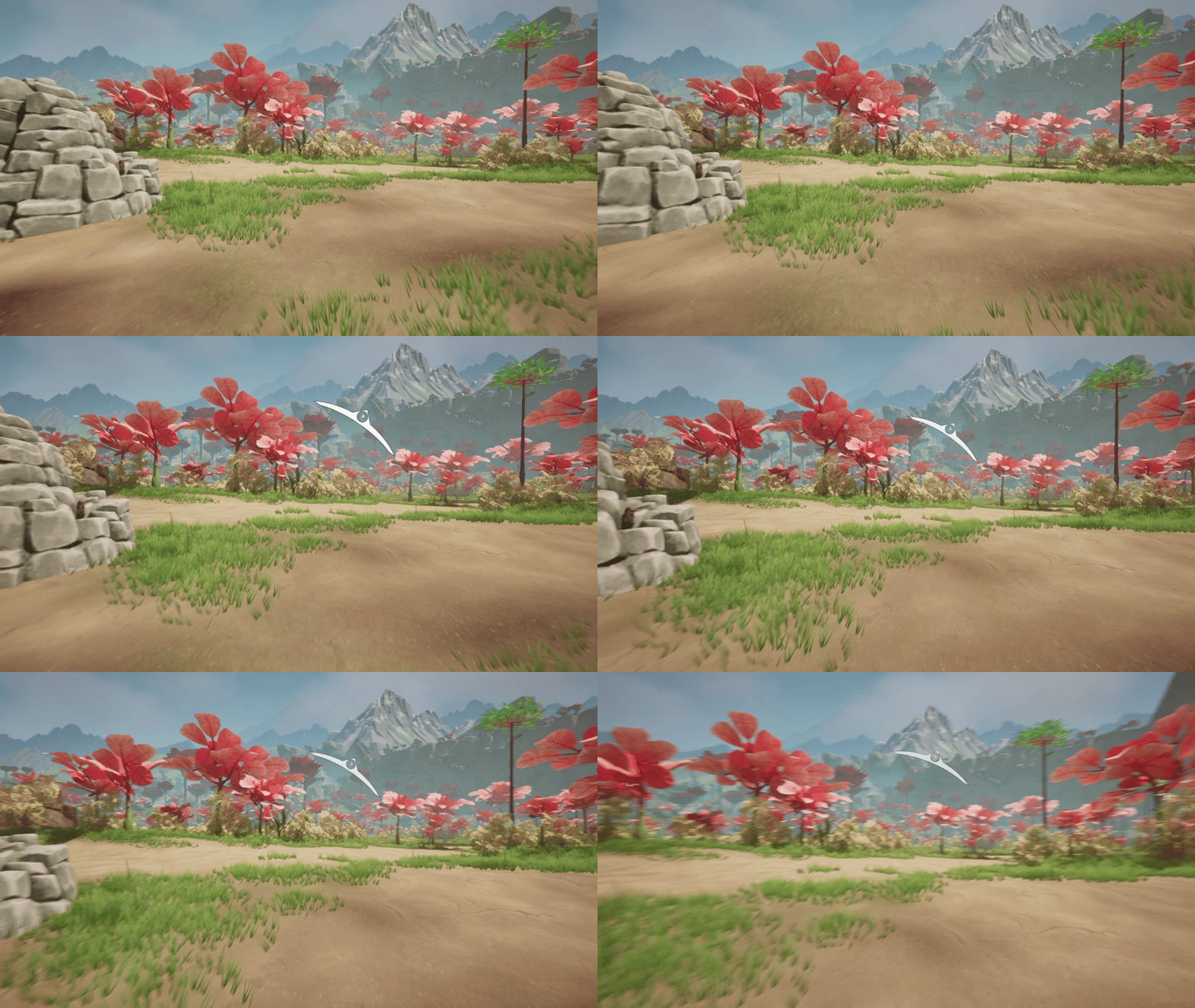
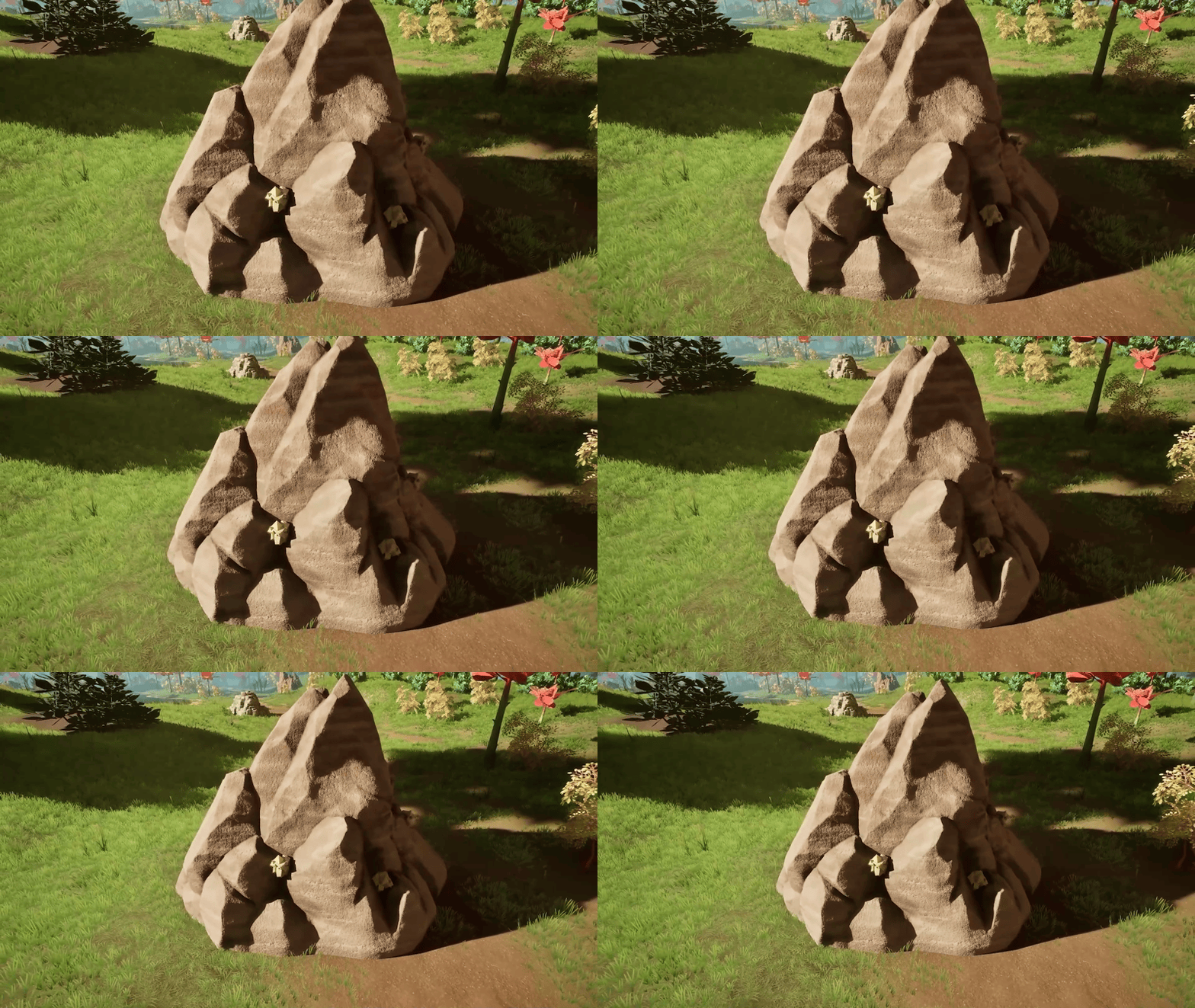
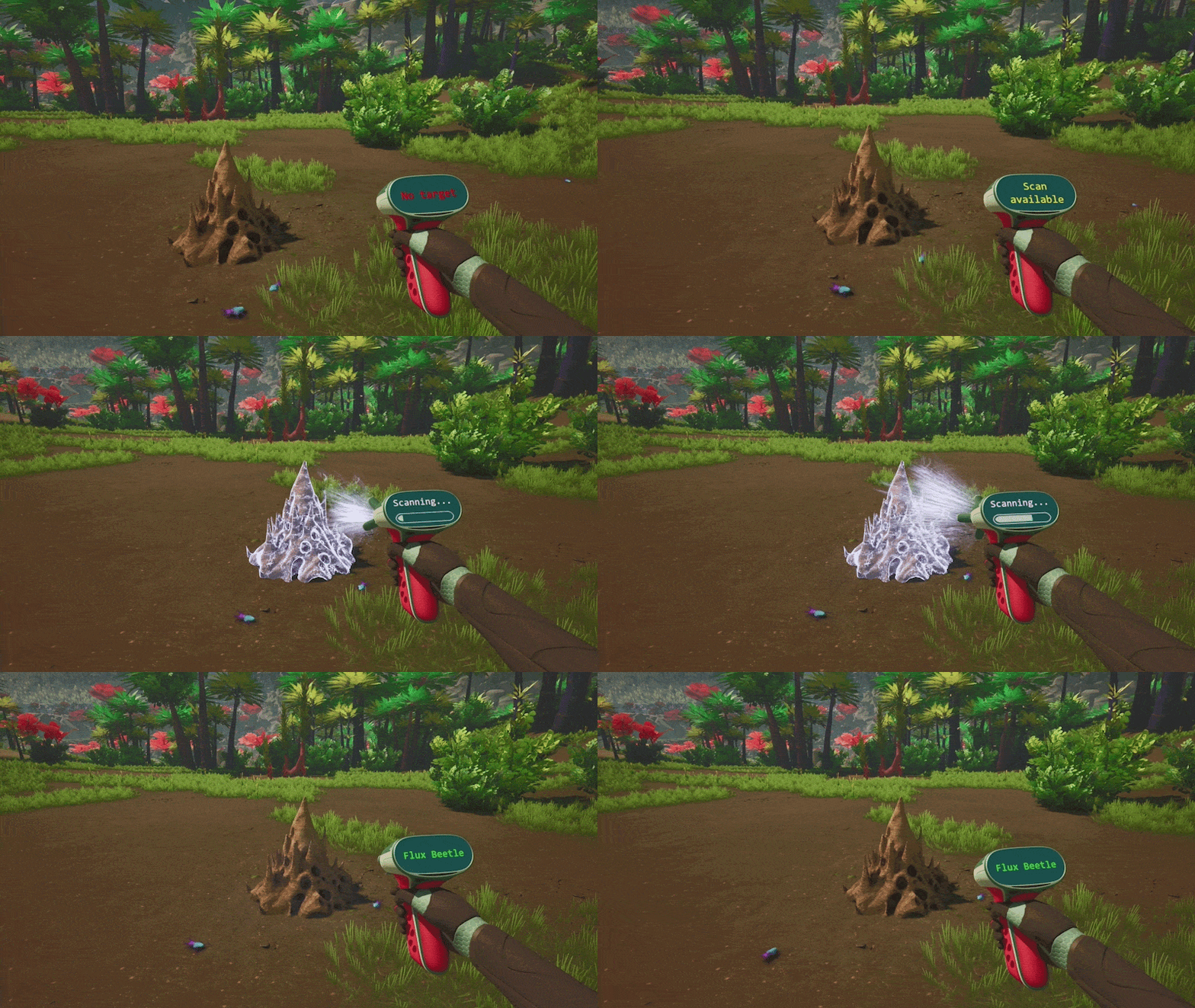 …Hennessy’s Analyzer has received an upgrade! No more outdated, basic-looking tech! And, uh, speaking of non-basic tech…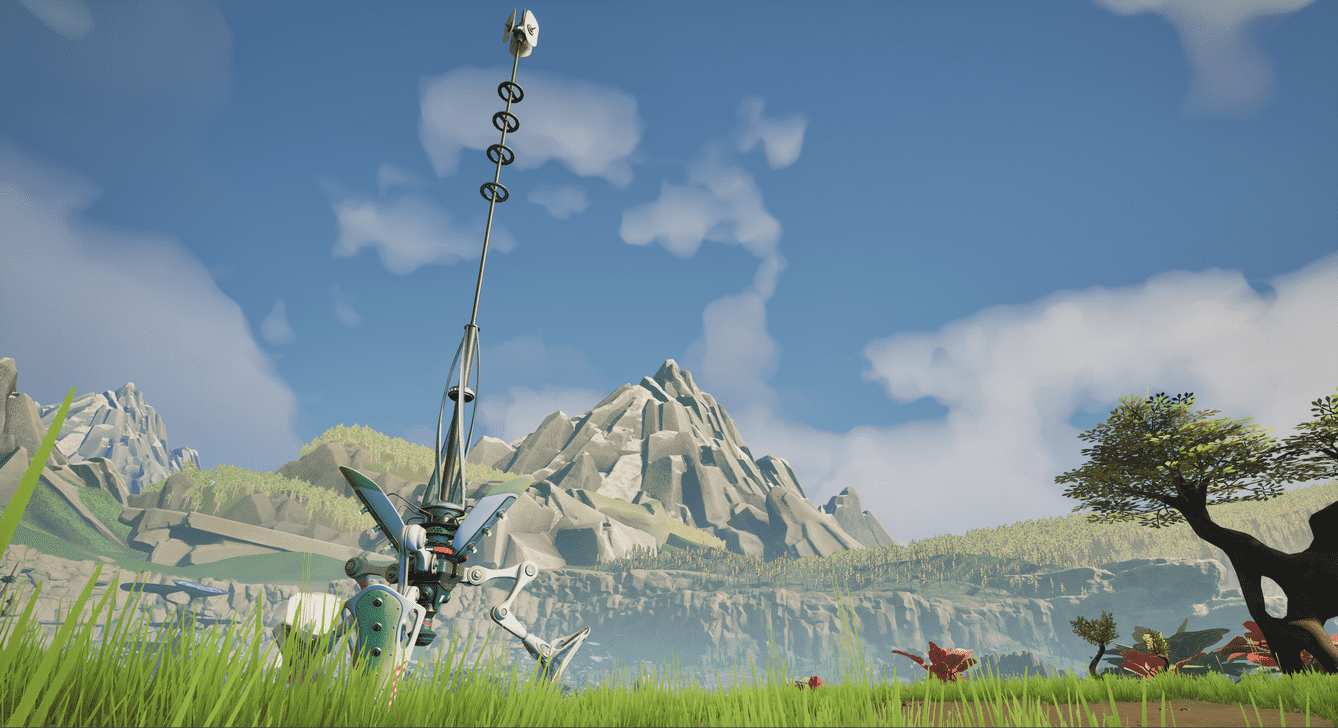





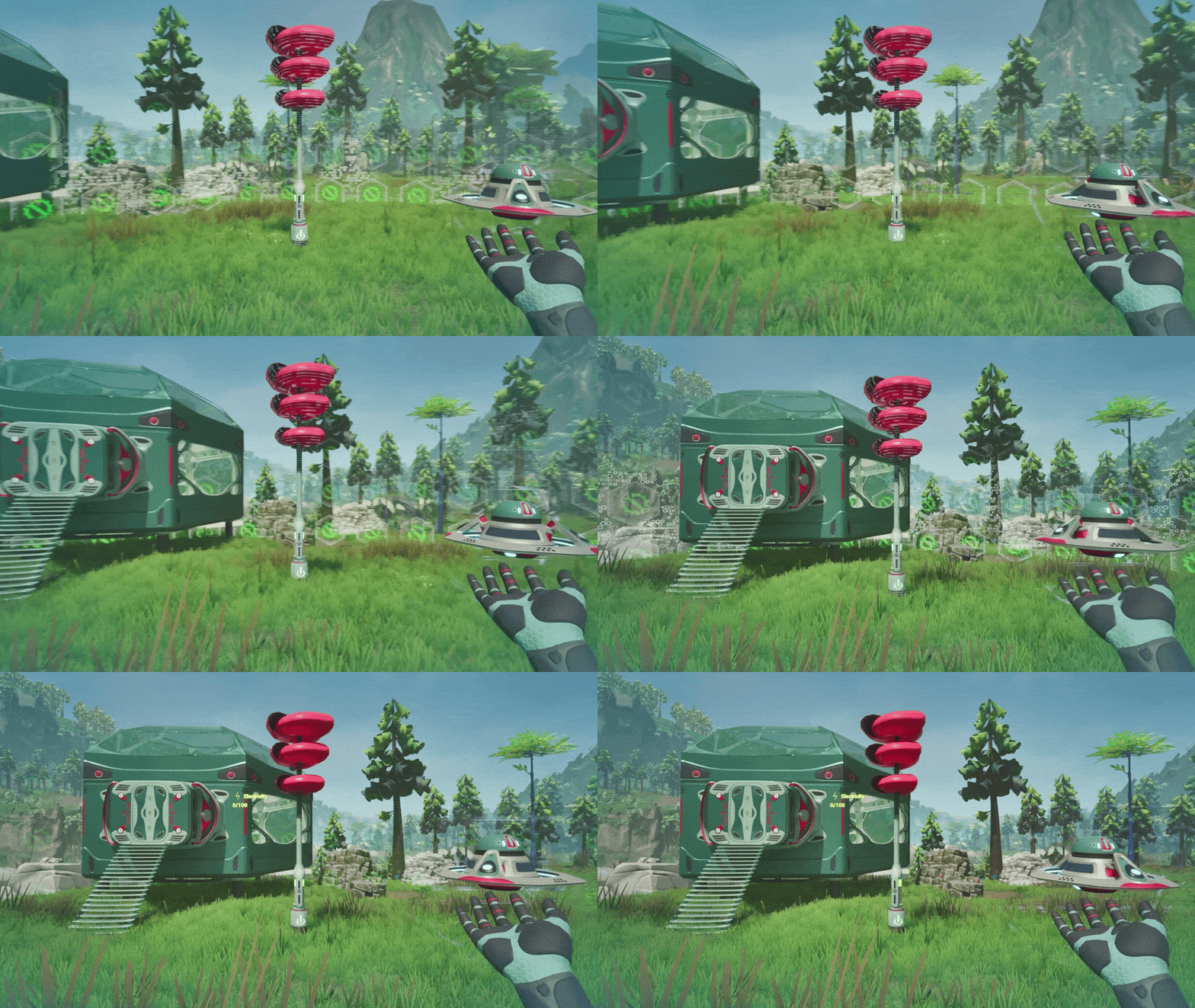

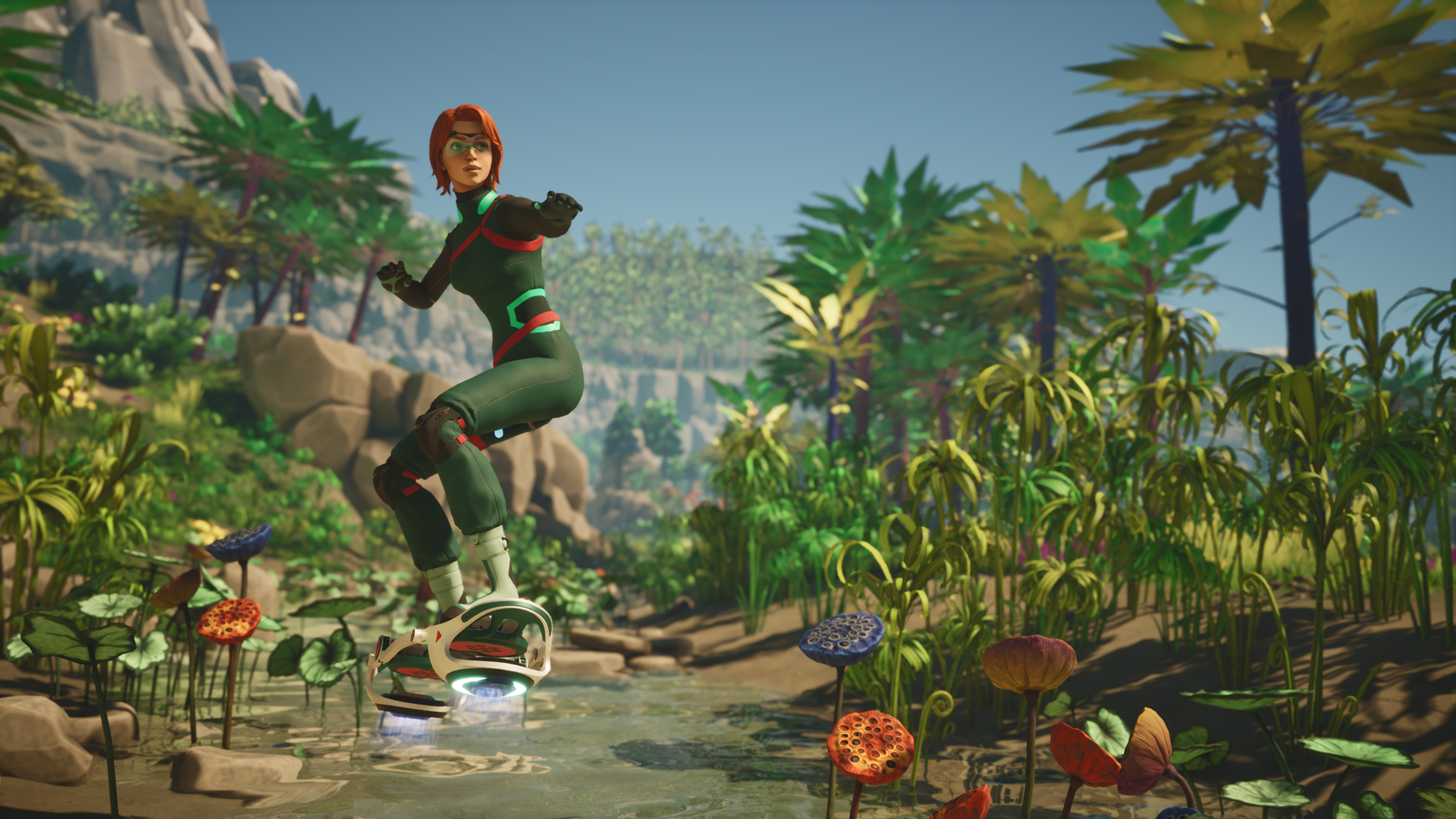
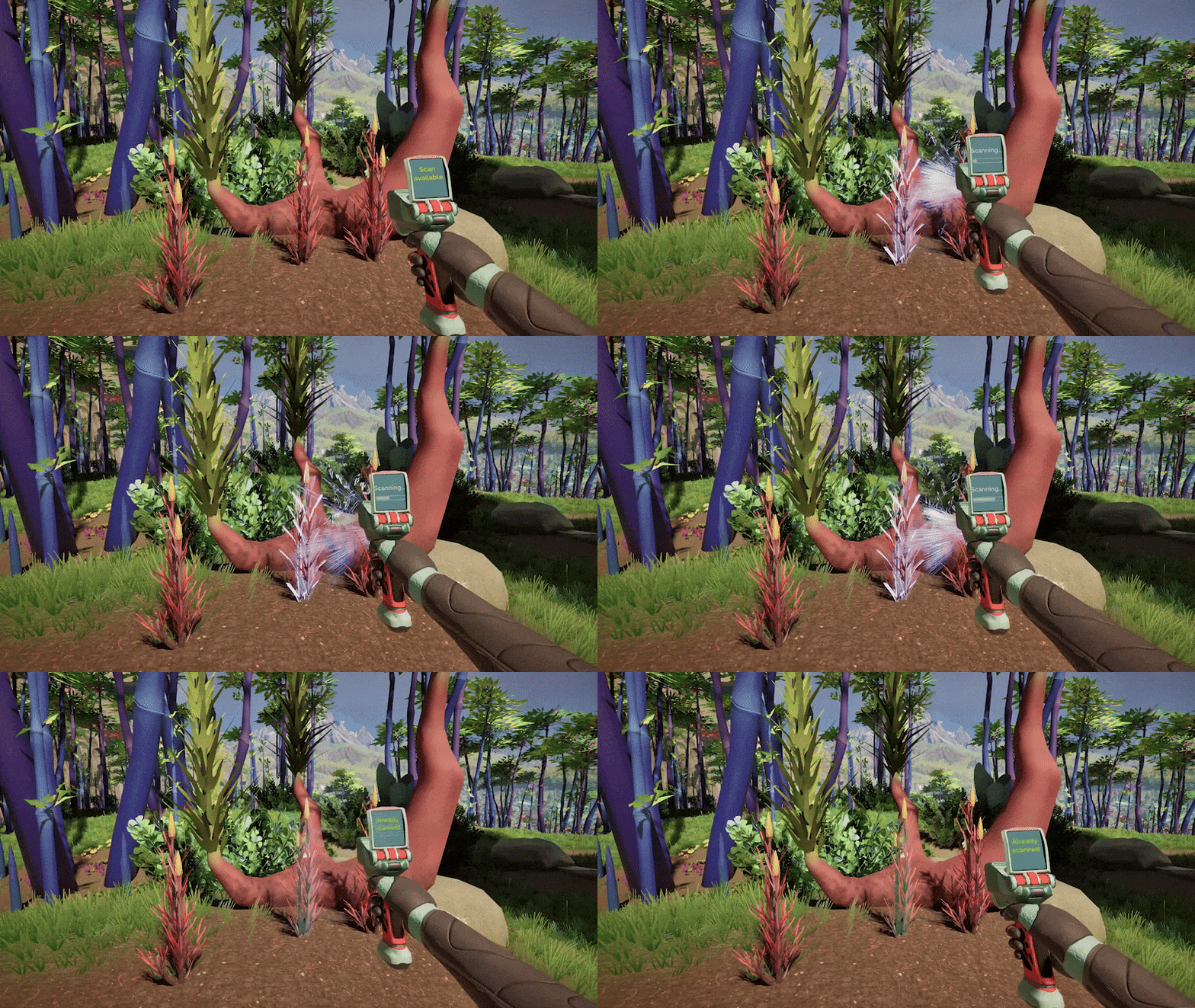 But the Scanner isn’t the only tech addition since last time! Perhaps you remember the drones that you’ll be able to fly around with. We have them ready to fly!