
Hello, Mythbusters!
Science is galloping forward every day, and while we’re waiting for the full game, we can spare a minute to catch up on the latest news straight from the scientific field. So what has happened this week?
The astronomers noticed that Pluto’s atmosphere started to disappear! Pluto is a dwarf planet (some of us still don’t agree with the new classification but that’s a topic for another time) which lies in the Kuiper Belt, over 4.8 billion kilometres (3 billion miles) away from Earth. When the planet was passing in front of our sun back in 2018, the astronomers were able to observe the curious change in its atmosphere, which the recently described in a new study.
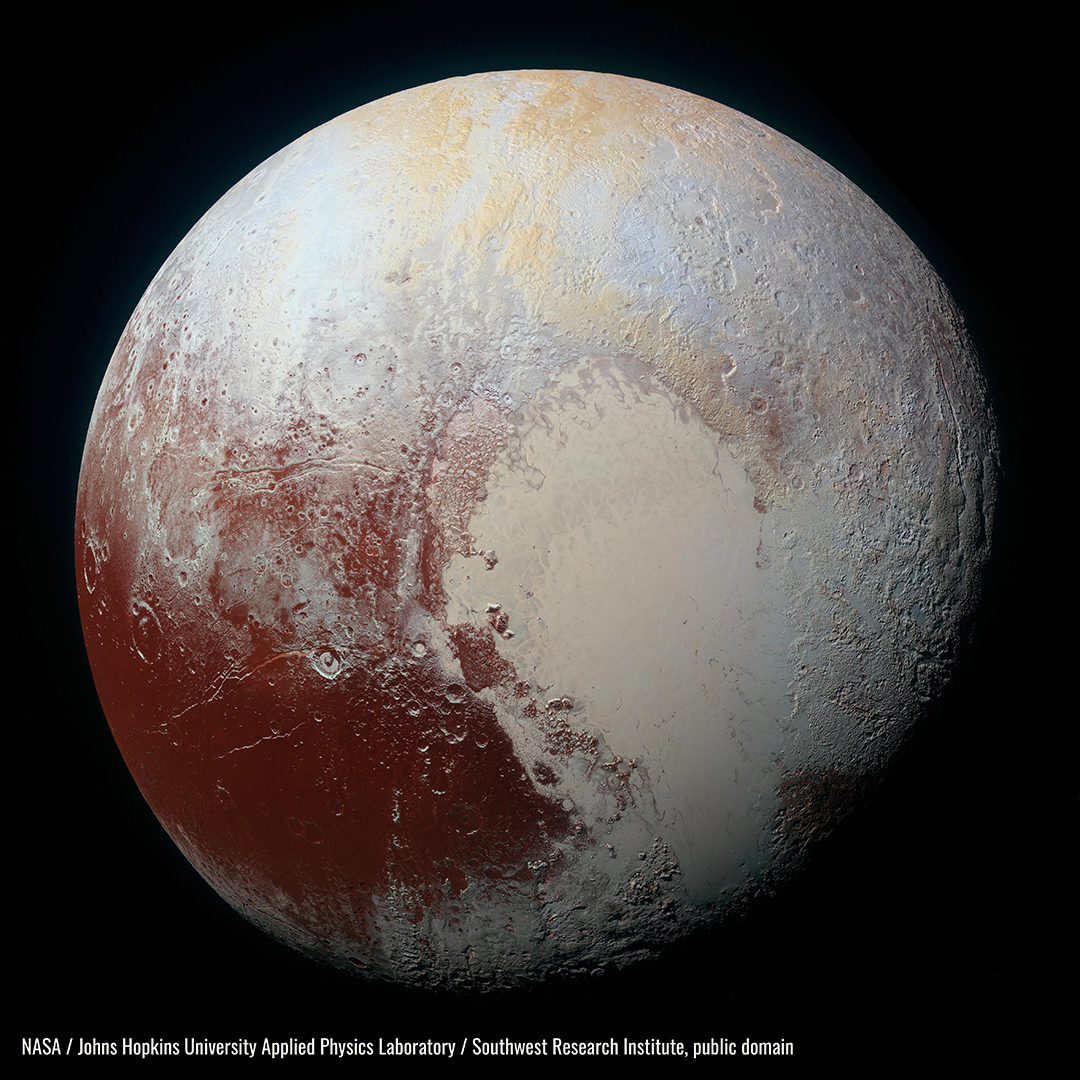
Pluto’s atmosphere is primarily made out of nitrogen, just like Earth’s, and exists as a result of the vapours from the planet’s icy surface. It seems that the changes in surface temperature can dramatically impact the atmosphere’s density. To put it simply, the closer Pluto is to the Sun, the hotter its surface is. The hotter the surface, the denser the atmosphere becomes when ice turns into gas. And then it goes in reverse.
Pluto has been moving farther away from the sun for the last 25 years now and it seems that its atmosphere is actually refreezing back onto its surface due to the dropping temperature. So why is the atmosphere disappearing now if Pluto is already going further from the star? It’s all thanks to a phenomenon known as thermal inertia. Basically, Pluto had residual heat from when it was closer to the sun. Think of sand on the beach. It gathers the heat until noon when the sun shines the most but continues to burn your bare feet for at least a few more hours. The same happened with Pluto – only now has it started to lose the accumulated heat from the planet’s surface. It results in the nitrogen from the atmosphere turning back into ice and “glueing itself” back to the ice on the surface.
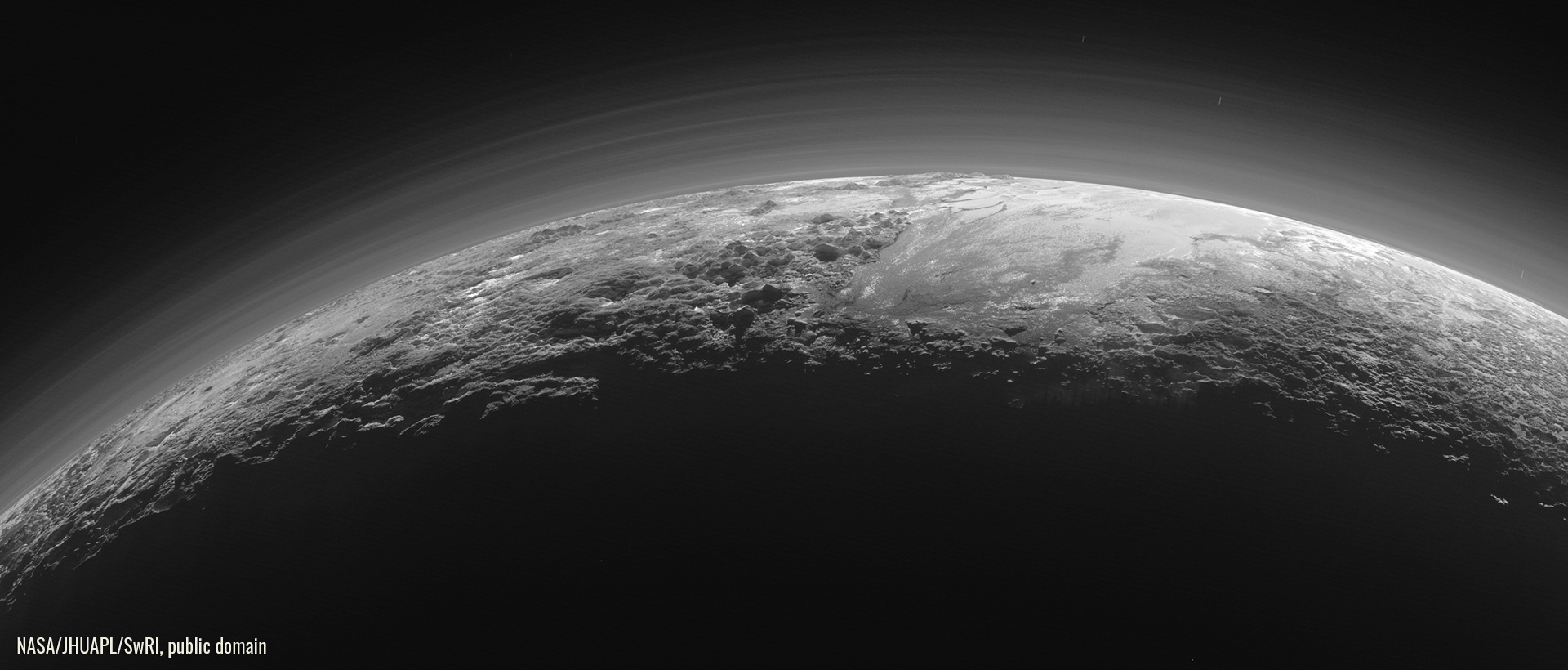
And how did we know that? There is a method astronomers use to guess the density and size of a celestial body by observing the changes in the light of a star when an object passes in front of it. Because we already have an excellent density profile of Pluto obtained in 2015 during the New Horizons mission, astronomers noticed a change in the density of Pluto’s atmosphere when it was passing in front of the sun a few years later.
Science is fascinating, isn’t it? Would you like to hear more science facts like this one? If you can’t wait to make your own experiments, wishlist Mythbusters: the Game and tell your friends about it.
Stay tuned!