
Out in the world of Pale Tide, spotting an infected is only the beginning of the problem.
A lone Walker crossing the street might be easy enough to deal with. Put that same Walker in a narrow doorway, add a Spitter covering the area from a distance, or let a Screamer alert everything nearby, and a simple encounter can change very quickly.
That’s the idea behind the infected in Pale Tide. We want each type to bring something different to a fight, whether that means putting pressure on the player, controlling space, attracting more danger, or forcing you to rethink a habit that usually works.
The goal is to make encounters about reading the situation and adapting to it, rather than simply asking whether you brought enough ammunition.
Every infected has a role
At the center of the outbreak are Walkers, the most familiar infected you’ll come across.
On their own, they’re slow and relatively predictable. Their strength comes from numbers, positioning, and the situation around them. A Walker standing between you and the exit can suddenly matter a lot more than one wandering through an open street.
Then there are the Runners. They close distance quickly and give you far less time to react. Their presence makes it much harder to simply back away from a fight and maintain a comfortable gap between you and the infected. They also become especially relevant after dark, when some Walkers can turn into Runners.
And then there are Sprinters. These infected move extremely fast, charging toward the player on all fours once they spot you. They’re designed to create an immediate threat, the kind that demands a reaction almost as soon as you realize what’s coming.

Together, these basic differences already change how you read a group. A few slow infected in an open area might give you time to think. Add something fast to that same group and suddenly positioning matters a lot more.
When standing still becomes a problem
Some infected are less about chasing you and more about changing the space around you.
The Spitter attacks from range and is designed to make comfortable positions temporary. A spot that looked safe a few seconds ago can quickly become somewhere you need to leave.
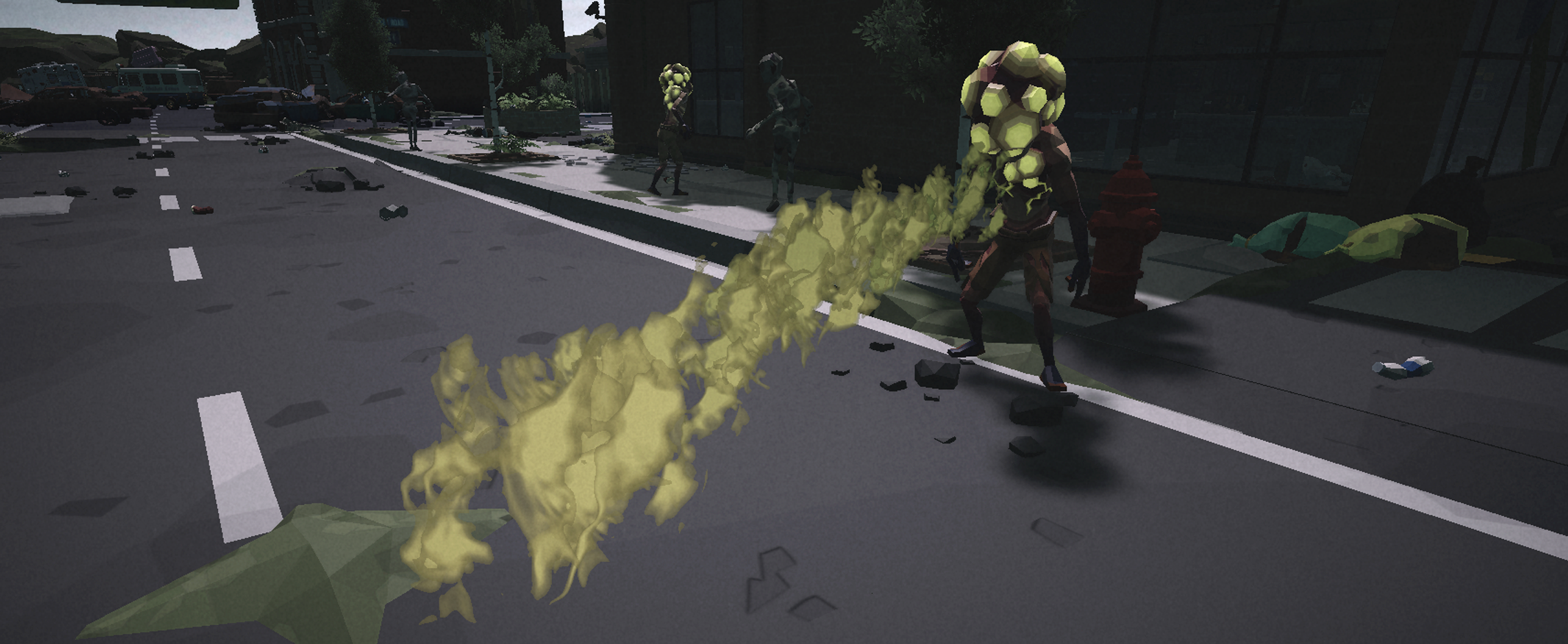
That movement can create another problem. Maybe a Runner is already closing in. Maybe moving puts you closer to a larger group. Maybe the safest direction happens to be the one you were trying to avoid in the first place.
The Toxic creates a similar kind of pressure in a different way. Rather than simply threatening the player directly, it makes the area around it dangerous. That reduces the amount of safe space available during an encounter.
On its own, that can be manageable. Put a Toxic near several heavily armored infected, though, and the situation becomes much harder. Fighting Armored infected benefits from having room to move, while the Toxic is taking that room away.
There are no visuals yet for this one, but we’ll share more in a future devlog !
Some threats need your attention right now
The Screamer is one of those enemies you probably won’t want to ignore for long. Its ability to alert and attract infected in the surrounding area can turn a manageable encounter into something much bigger in a matter of seconds.
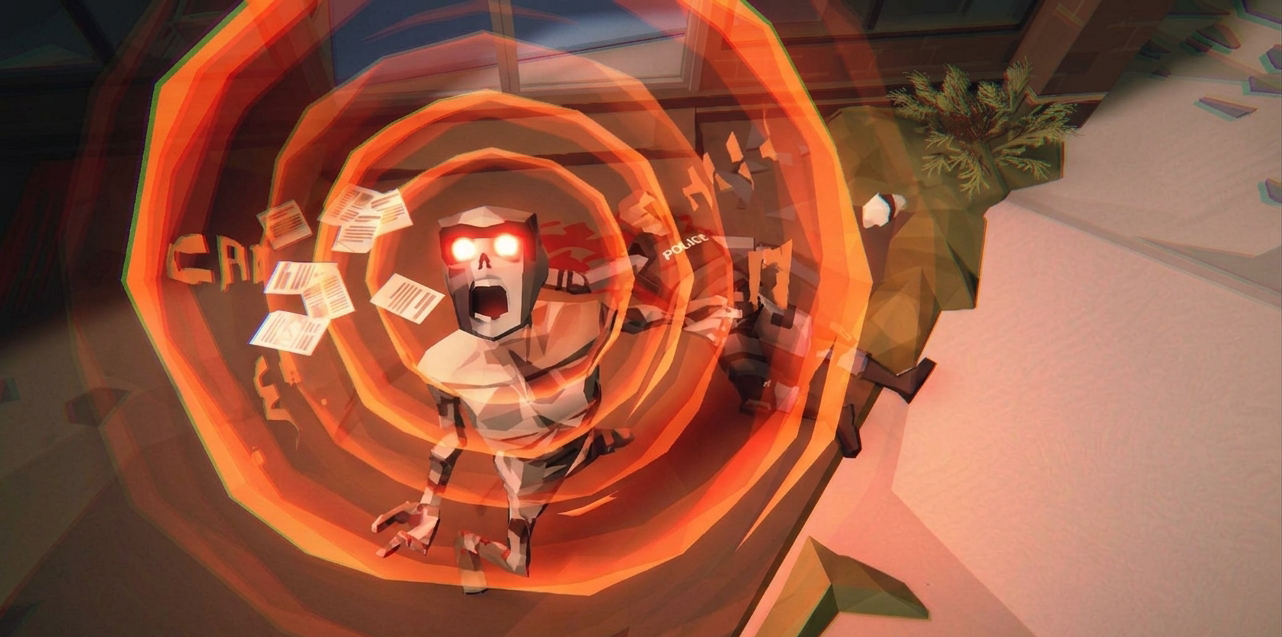
That changes priorities. You might be surrounded by Walkers, but the Screamer becomes the immediate problem. Leaving it active gives the situation more time to escalate.
The Armored infected creates a different kind of priority. These enemies are highly resistant in close combat and much harder to stun than most infected. Getting too comfortable in melee range can leave you with very little room to interrupt an attack or regain control of the fight.
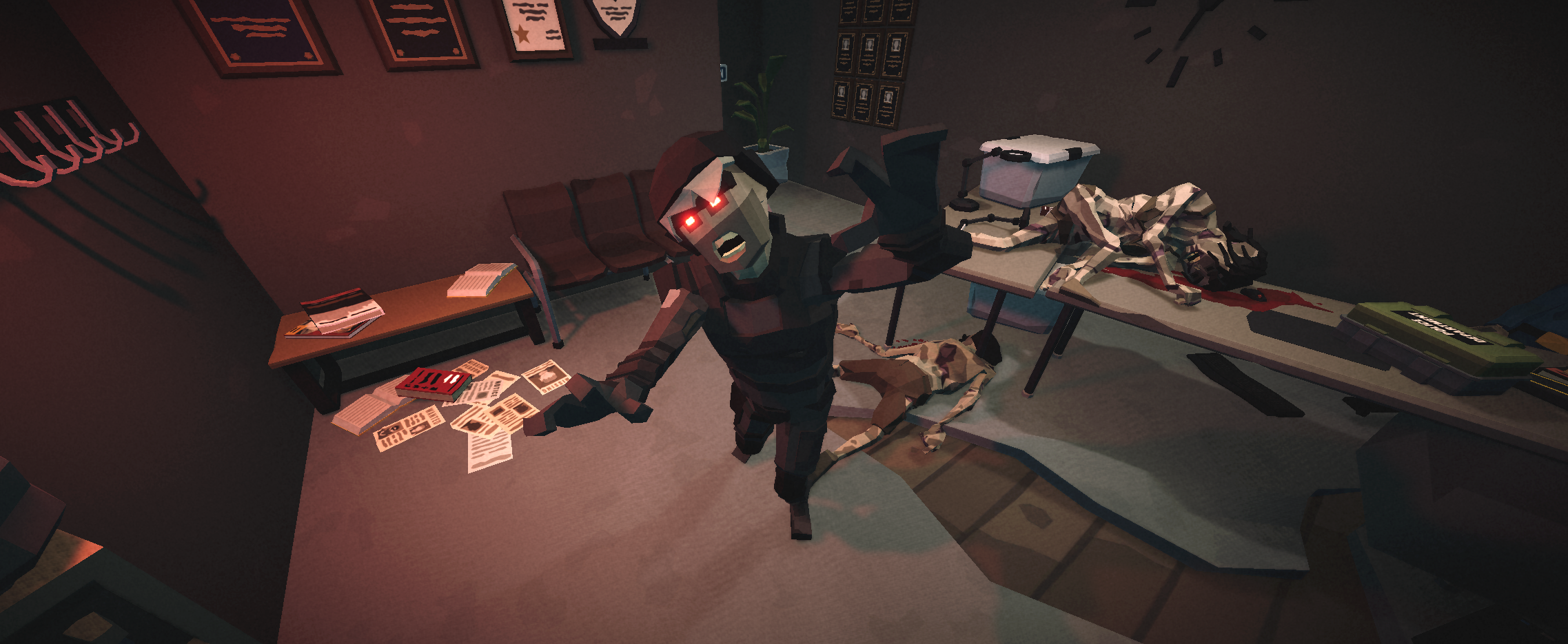
The point isn’t that one enemy is simply stronger than another. Each one asks a different question.
Do you close the distance? Keep moving? Change targets? Create space? Leave the area entirely?
And yes, there are infected dogs
Human infected aren’t the only things you’ll have to watch for. Infected dogs are smaller, faster, and far more mobile than most human zombies. Where a Walker gives you time to judge the distance, an infected dog can close that gap very quickly.
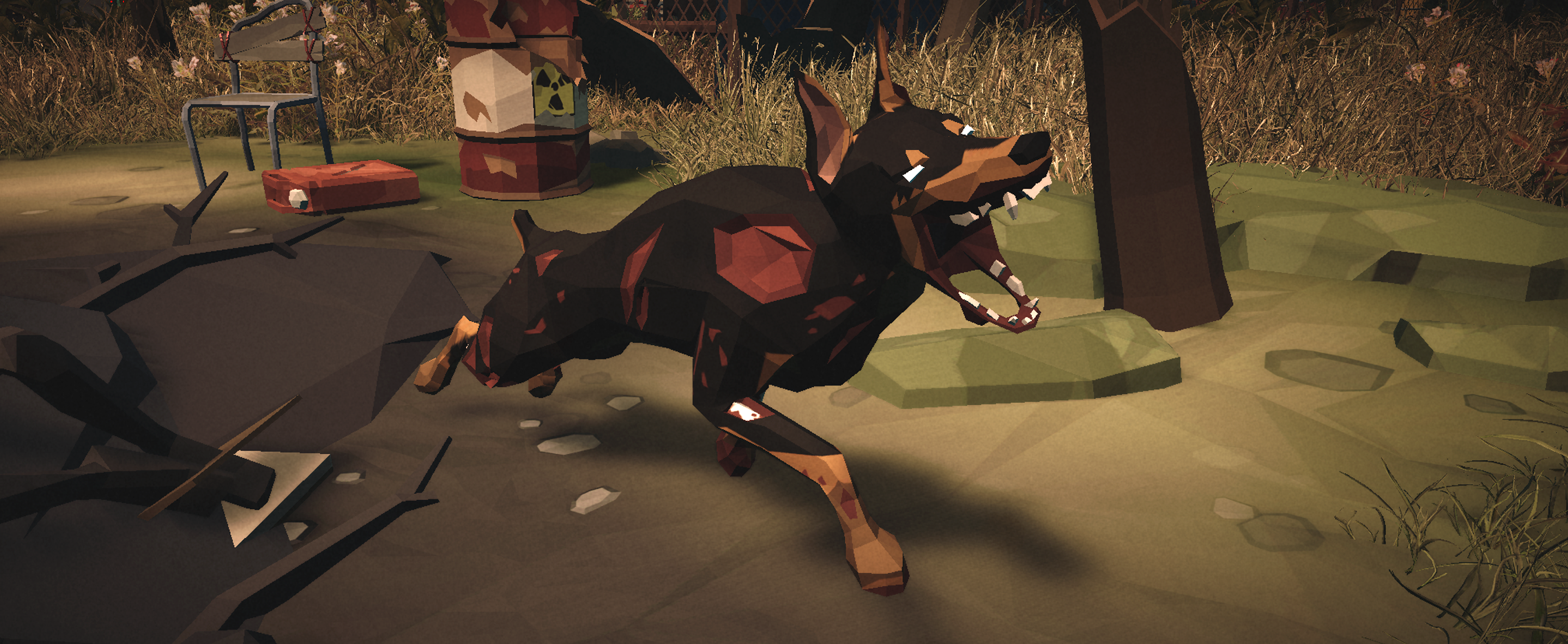
They’re also refreshingly direct about it. They’re not interested in circling around you or setting up some complicated attack pattern. They’re coming straight for your ankles.
That speed adds another layer to encounters, especially when your attention is already split between different threats.
The real danger is often the combination
The infected become much more interesting when they start interacting with one another.
A Spitter might force you out of a strong position just as a Runner or Sprinter charges in.
A Screamer surrounded by Walkers can turn a small group into the beginning of a much larger problem.
A Toxic can reduce your available space while several Armored infected force you to keep moving.
Even the basic Walker can become dangerous when it appears in the wrong place at the wrong time. That’s why the composition of a group, the terrain around it, visibility, noise, and the resources you have available can matter more than the raw number of enemies on screen.
Three infected working against your current situation can sometimes create more pressure than ten Walkers in an open area.
Fighting is only one option
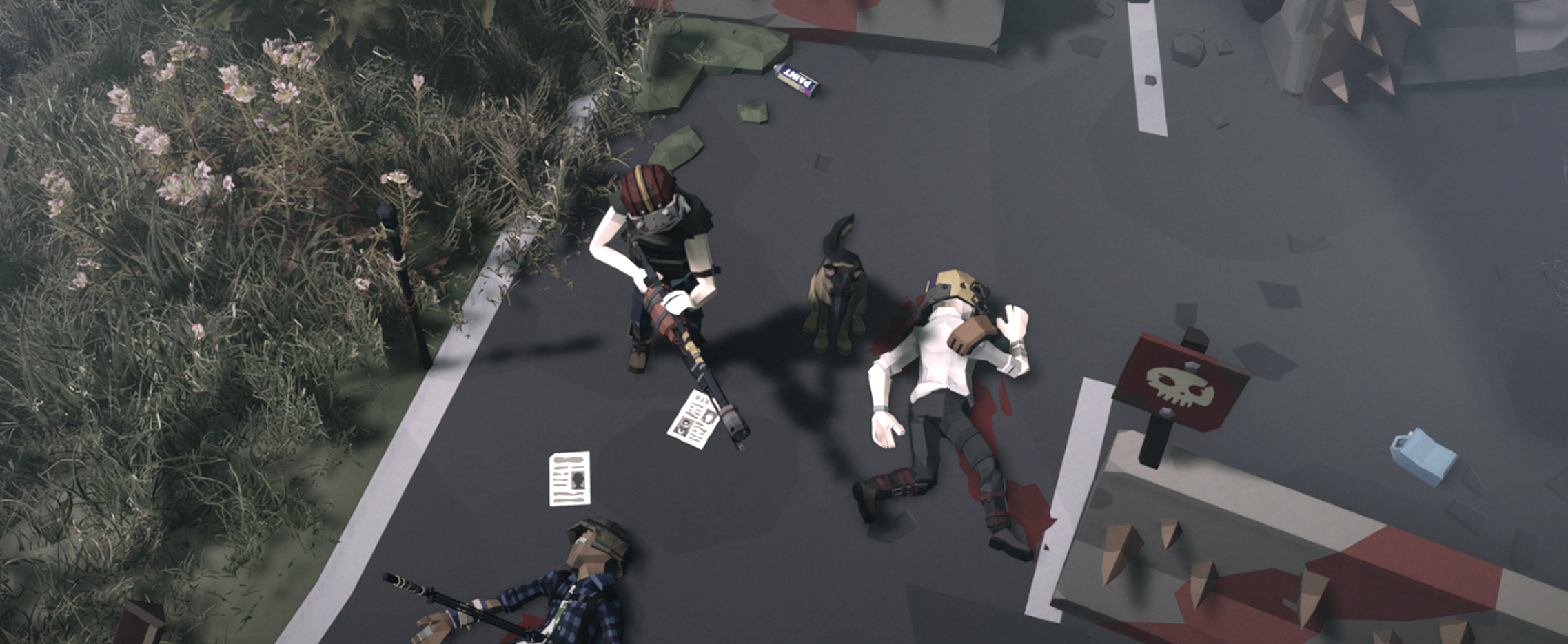
Not every encounter in Pale Tide needs to end with a pile of bodies. Avoiding a group can save ammunition, medicine, and time. The tradeoff is that you might have to take a longer route or leave an interesting location behind for now.
We want that decision to stay in the player’s hands as often as possible. There are also ways to influence where infected go.
Your dog plays an important role here. You can send your companion to a location and have them bark to attract nearby zombies, creating an opportunity to redirect a group away from where you want to go. That ability has limits, so deciding when to use it becomes part of the equation.
Other sounds are less convenient. An alarm or a noisy door can draw infected directly toward you, turning the environment itself into something you need to pay attention to.
The same system that can help you control a situation can just as easily make things more complicated.
Learning to read the outbreak
Because decisions can happen quickly, we want players to be able to recognize threats at a glance.
Different infected are being designed with distinct silhouettes, animations, and, where possible, recognizable sound cues. If you spot a Screamer in a group or hear something fast approaching, that information should mean something immediately.
That readability becomes even more important when several infected types appear together.
Over time, the goal is for players to build their own instincts.
Spot the Screamer first.
Keep your distance from the Toxic.
Stay mobile around a Spitter.
Be ready when something fast appears.
And sometimes, look at the situation in front of you and decide that fighting it simply isn’t worth the resources.
The outbreak is shaped by much more than numbers: the type of infected you’re facing, where you are, what’s happening around you, and how quickly you can read the situation and react.
If you missed our previous devlogs, check them out:
If you would like us to cover specific aspects of the game in future devlogs, let us know in the comments!