
In Plura Ingenia: Patient 16, the scariest thing in the hospital isn’t a monster, it’s a computer.
At the core of the game is a psychological evaluation system.
Throughout your stay, you’ll sit in front of a medical terminal and answer a series of questions.
On the surface, it looks like a standard assessment.
But this machine isn’t just collecting answers.
It’s building a profile of you.
Your responses determine personality traits, and those traits directly influence what happens next.
The game adapts its hallucinations, events, and encounters based on how you think and react.
Two players can walk through the same hallway and experience completely different things.
The Computer Is More Than a UI
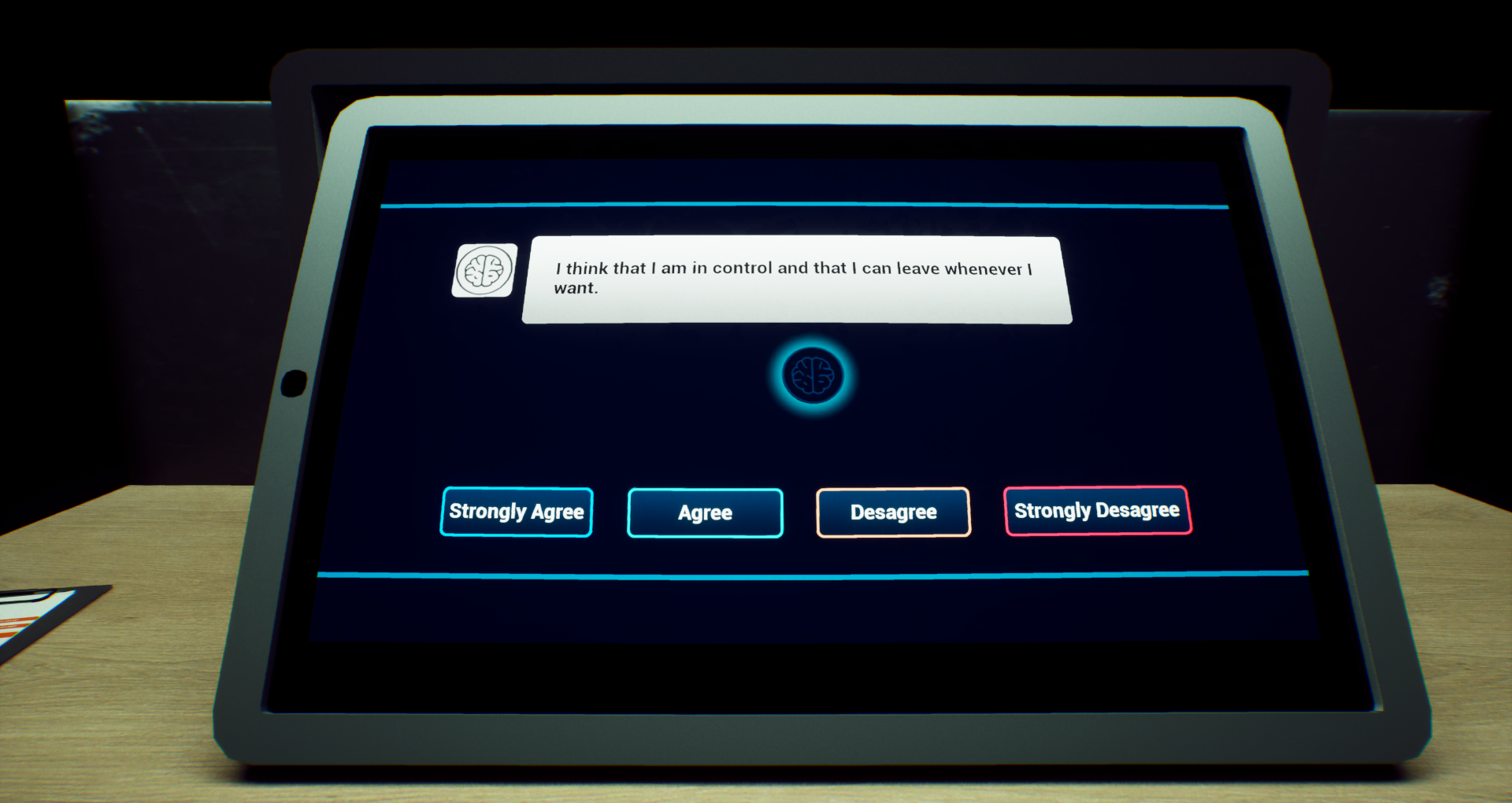
Conceptually, this terminal represents the “brain” of the facility,
the system that observes, analyzes, and adjusts the evaluation.
Mechanically, it’s also the brain of the game itself. Many systems connect back to it: events, psychological effects, and certain encounters are triggered based on the profile it builds from your answers.
In other words, when something strange happens… it might not be random. It might be because of you.
Horror That Fits the Player
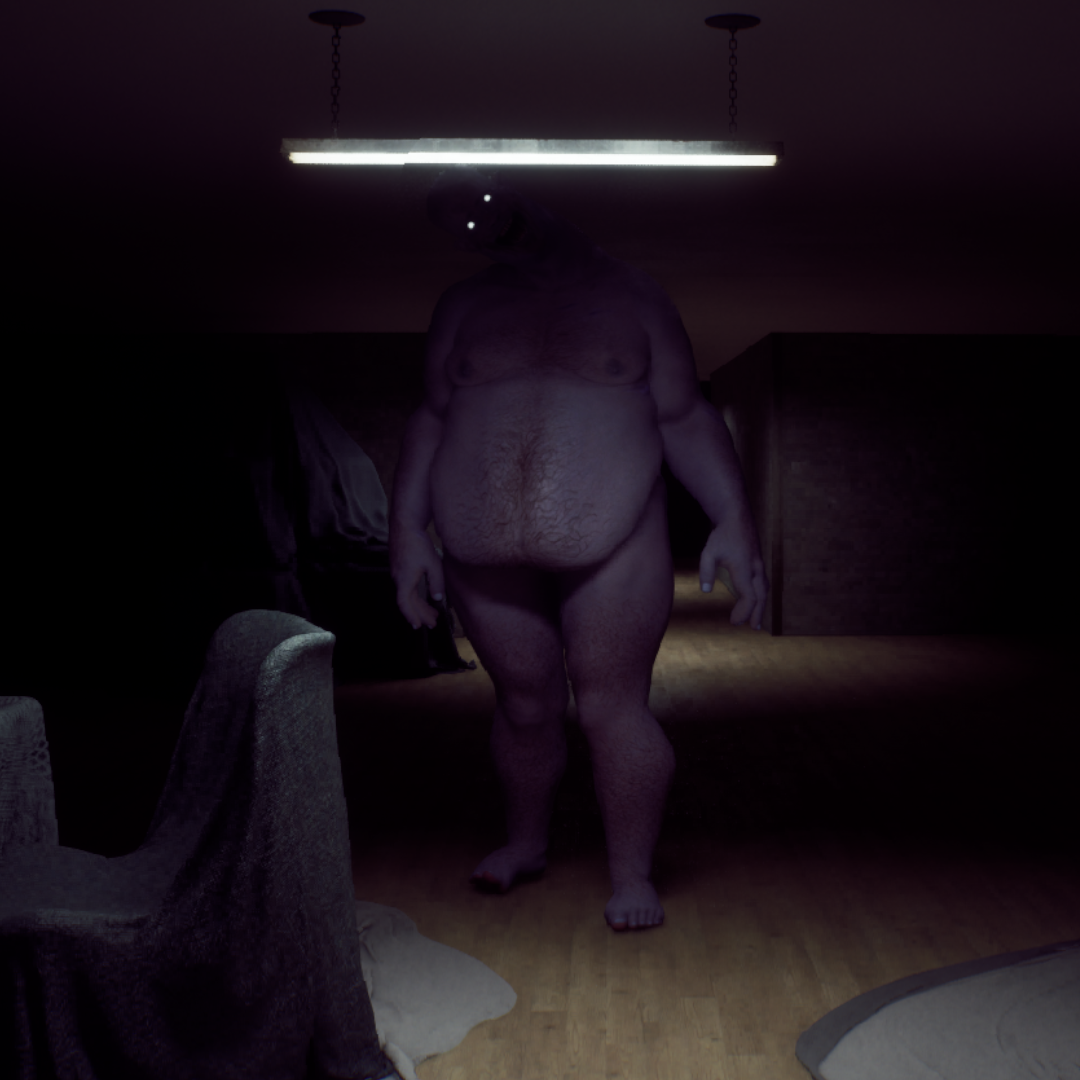
Instead of fixed scares, the game focuses on personalized psychological pressure.
Some players may experience more subtle unease. Others might face more direct or disturbing manifestations. The hospital studies your mind and uses it.
This won’t be the only way players are evaluated, but that’s a topic for another time.