
Politics on Every Ruble
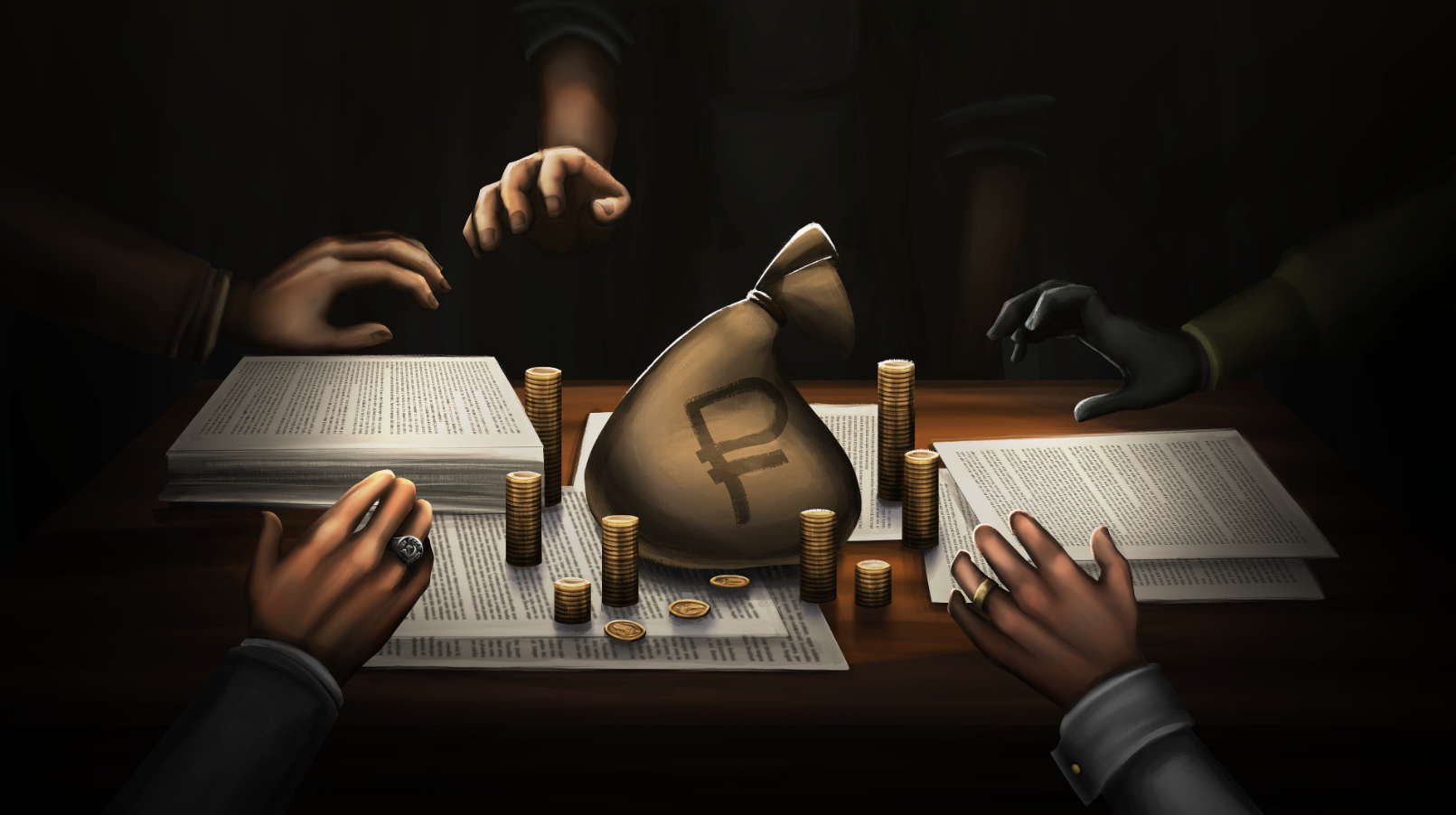
In State of Affairs, money is never just numbers. Every coin collected carries a political cost, and every tax levied reshapes the loyalties of those who pay it.
The Taxation System is designed to capture this tension, turning budget policy into a battlefield of ideology, class interests, and factional rivalry.
Core Tax Types
The system models five distinct forms of taxation that were central to postwar economies:
Income Tax affects wages and households. It is sensitive for workers and unions.
Corporate Tax is drawn from company profits. Industrialists and managers oppose it strongly.
Sales Tax is a levy on consumption. It is regressive in effect and often unpopular among the poor.
Resource Tax targets oil, coal, metals, and other natural wealth. It is critical in resource-heavy economies.
Self-Employed Tax is imposed on peasants, artisans, and small traders. Rural communities view it as unfair intrusion.
Each tax is defined by its rate, its estimated yield, and its enforcement efficiency. Corruption, evasion, and administrative weakness can all reduce revenue.
Social Consequences
Taxes strike directly at the population. Each social strata has a unique tax sensitivity, representing how strongly they react to changes.
Working classes resent rising income taxes.
Peasants rally against burdens on the self-employed.
The elite resist corporate levies but often ignore sales taxes that fall on others.
Middle classes often welcome progressive taxation as a sign of fairness.
This feedback flows into the loyalty system, meaning even small tax adjustments can ripple outward into unrest, protests, or worse...

Join the conversation and shape the future of the game!
Hop into our Discord to get early updates, discuss mechanics like these, and help us refine the systems that will define your experience.