
One of our main goals with Don’t Wake the Beast was simple: no two dungeon runs should ever feel the same.
That’s why the dungeon is built around layered randomization - both on a large structural level and in small details you notice while exploring.
Big Changes: Dungeon Layout
Each expedition generates a new dungeon structure. This includes:
Room and corridor placement
Secret passages
Room types and their roles
Sometimes you’ll get open routes with multiple choices. Other times the dungeon forces you through tight, dangerous sections. This keeps exploration unpredictable and prevents players from relying on memorized paths.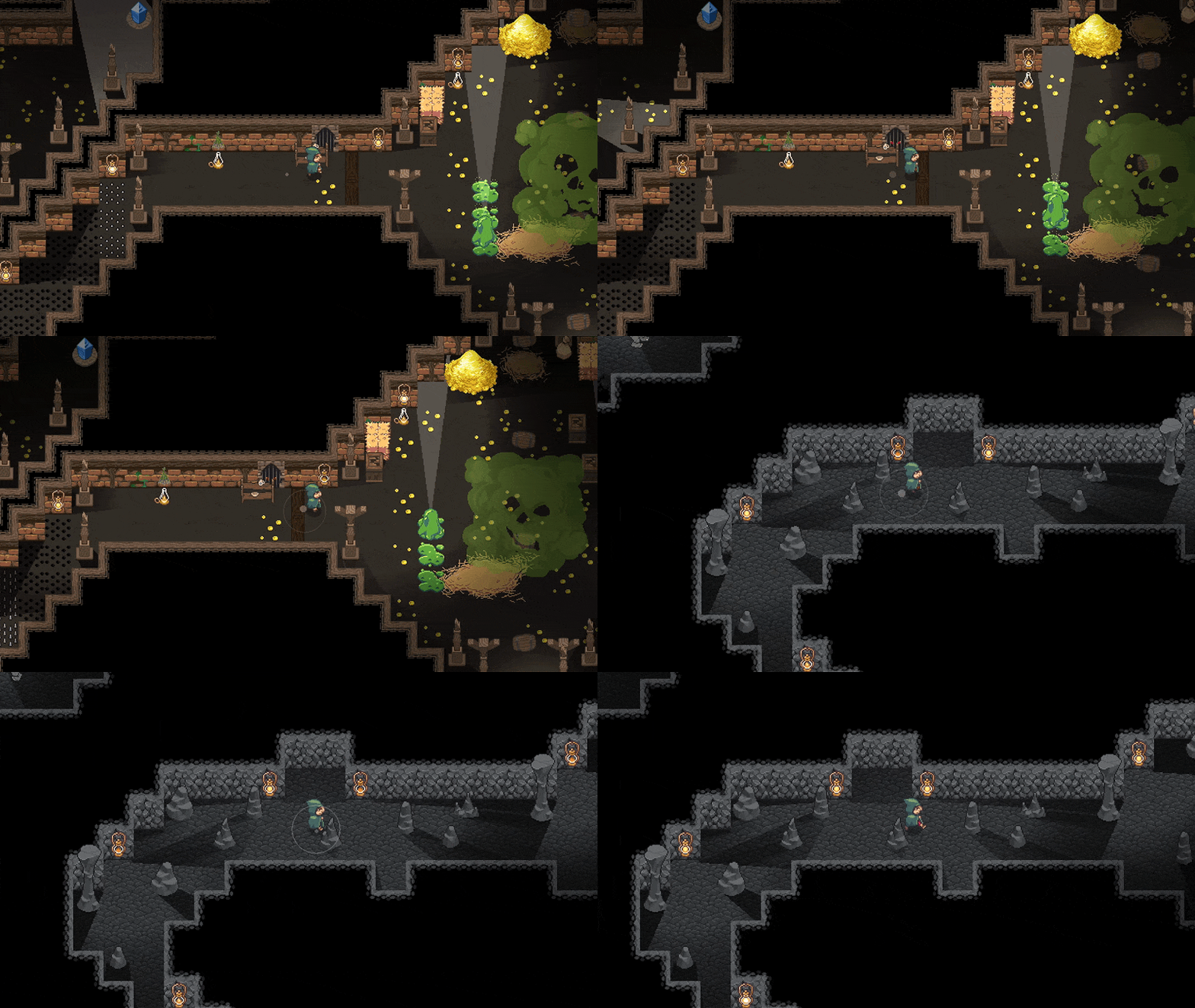
Small Details That Matter
Inside the rooms, even more randomness kicks in:
Bones placement
Decorations
Loot types (spawn points stay the same, but items change)
Interactive objects
Stronger enemy variants, influenced by dungeon hostility
Some traps
Some special interactive objects (e.g., lootable bags, jugs, sacks of flour)
Items to purchase in the goblin shop
These small changes often have a big impact on how a run plays out. A room that felt safe before can suddenly become risky - or extremely rewarding.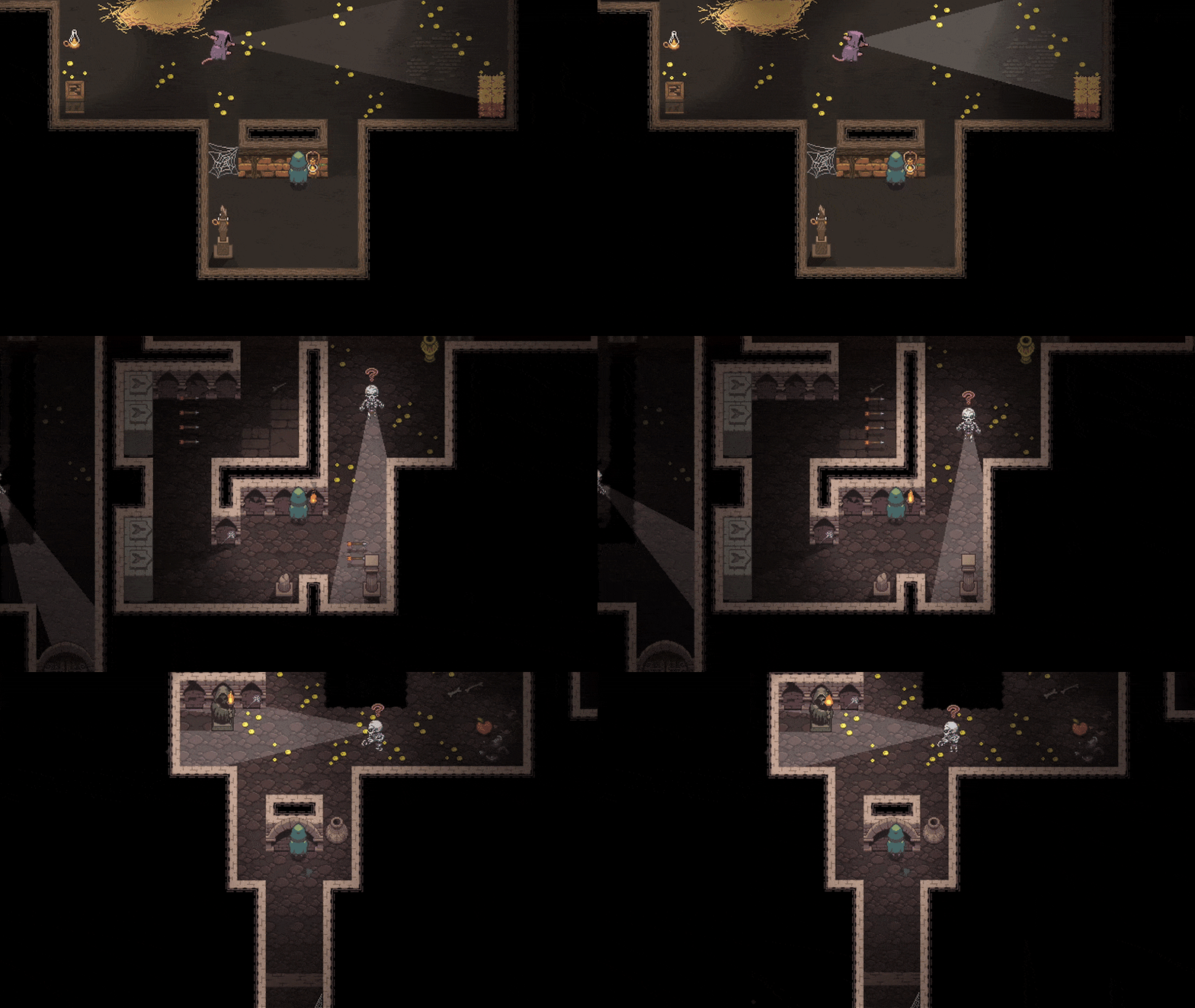
Quests and Dungeon Evolution
Players can also interact with the Explorer Gnomes through their quest line. You bring them various items found in the dungeon, and in one quest, you even have to carry an exceptionally heavy item into the dungeon! In return, they enhance dungeon generation in different ways - for example, adding new interesting objects like a fountain or upgrading services in the gnome shop. These quests add another layer of unpredictability and reward for exploration.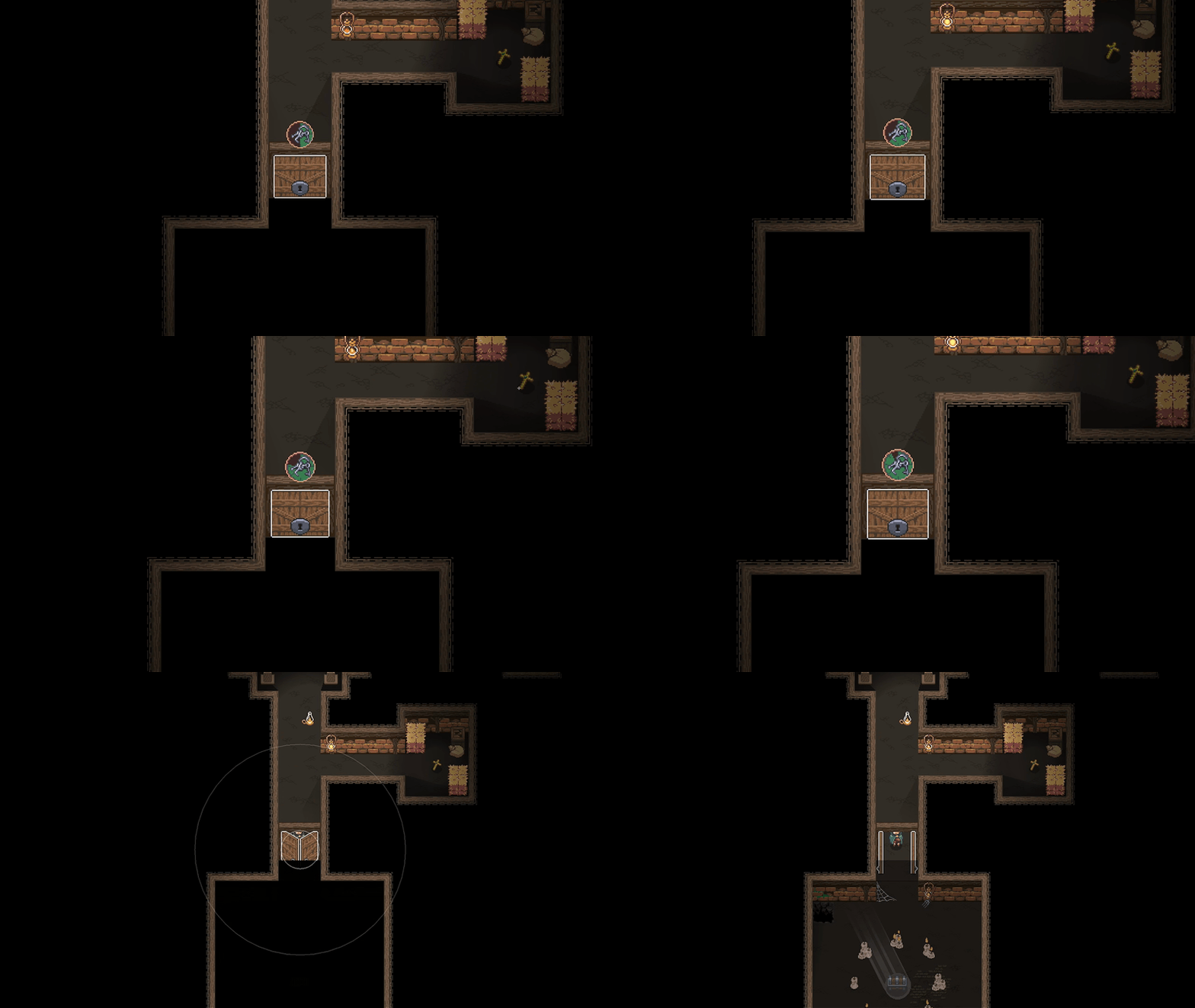
Controlled Chaos
We don’t rely on pure randomness. Everything is balanced using handcrafted rules to keep difficulty fair and progression natural.
Our goal is “controlled chaos”: unpredictable, tense, but never unfair.
Don’t forget to follow better. publishing’s channels:
🔷 X: https://x.com/betterpubpro
🔷 FB: https://www.facebook.com/betterpubpro
🔷 Discord: https://discord.gg/qYPKKX7Cbk