
When we started working on the dungeons in Don’t Wake the Beast, one of the first things we had to figure out was how the whole floor should feel from start to finish.
Every room has its own purpose. Sometimes it introduces a small idea, sometimes it tests your movement, sometimes it asks you to sneak carefully past danger, and sometimes it simply gives you a moment to breathe before the next challenge. But the rooms also have to work together as one larger journey. You are not just clearing disconnected obstacles - you are making your way toward the treasure chamber, and eventually, you will need to escape.
Because of that, our dungeons are intentionally quite linear.
That word can sound negative when talking about level design, but for our game it made a lot of sense. The basic loop of Don’t Wake the Beast is built around going deeper into the dungeon, reaching the treasure, and then running back out. If the dungeon was too open, too twisted, or full of branching paths, the escape could easily become confusing or frustrating. We wanted the way back to feel tense and fast, not like the player is fighting the layout itself.
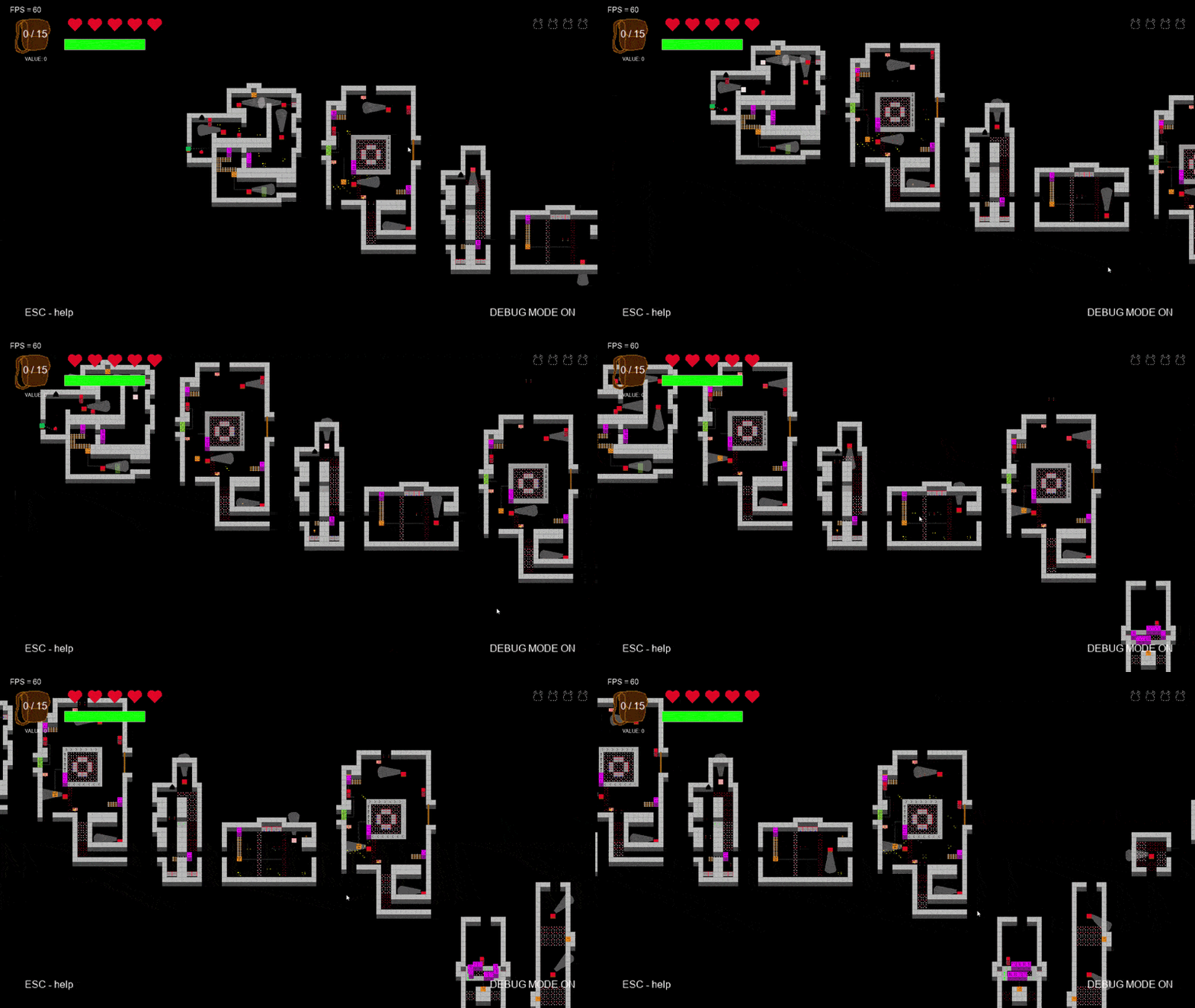
So instead of making huge maze-like spaces, we focused on building a strong main path with good pacing. The player should understand where they are going, but still feel challenged by what happens along the way.
Most rooms fall into two main categories: arcade rooms and stealth rooms. We place them carefully so the dungeon has a natural rhythm. A more demanding action room might be followed by a slower stealth section. A tense room might lead into something calmer. This helps us keep the player engaged without exhausting them too quickly.
At the same time, the dungeon is not just one straight corridor. There are additional rooms branching off from the main path: special rooms, hidden rooms behind fragile walls, and other secrets for players who like to explore. The main route stays readable, but there is still space for curiosity and discovery.
We also wanted each biome to feel a little different, so we do not generate every dungeon in exactly the same way. Each biome uses its own approach to layout generation. For example, in the third biome, the player moves from bottom to top, which changes the feeling of progression and gives the dungeon a fresh perspective. Small structural changes like this help each area feel distinct without breaking the core loop of the game.
One of the technical goals we cared about a lot was making sure an entire dungeon floor works without loading screens. This was especially important because of the escape sequence. Once the player reaches the treasure and the pressure rises, we did not want anything to interrupt the flow. The escape should feel smooth, immediate, and continuous.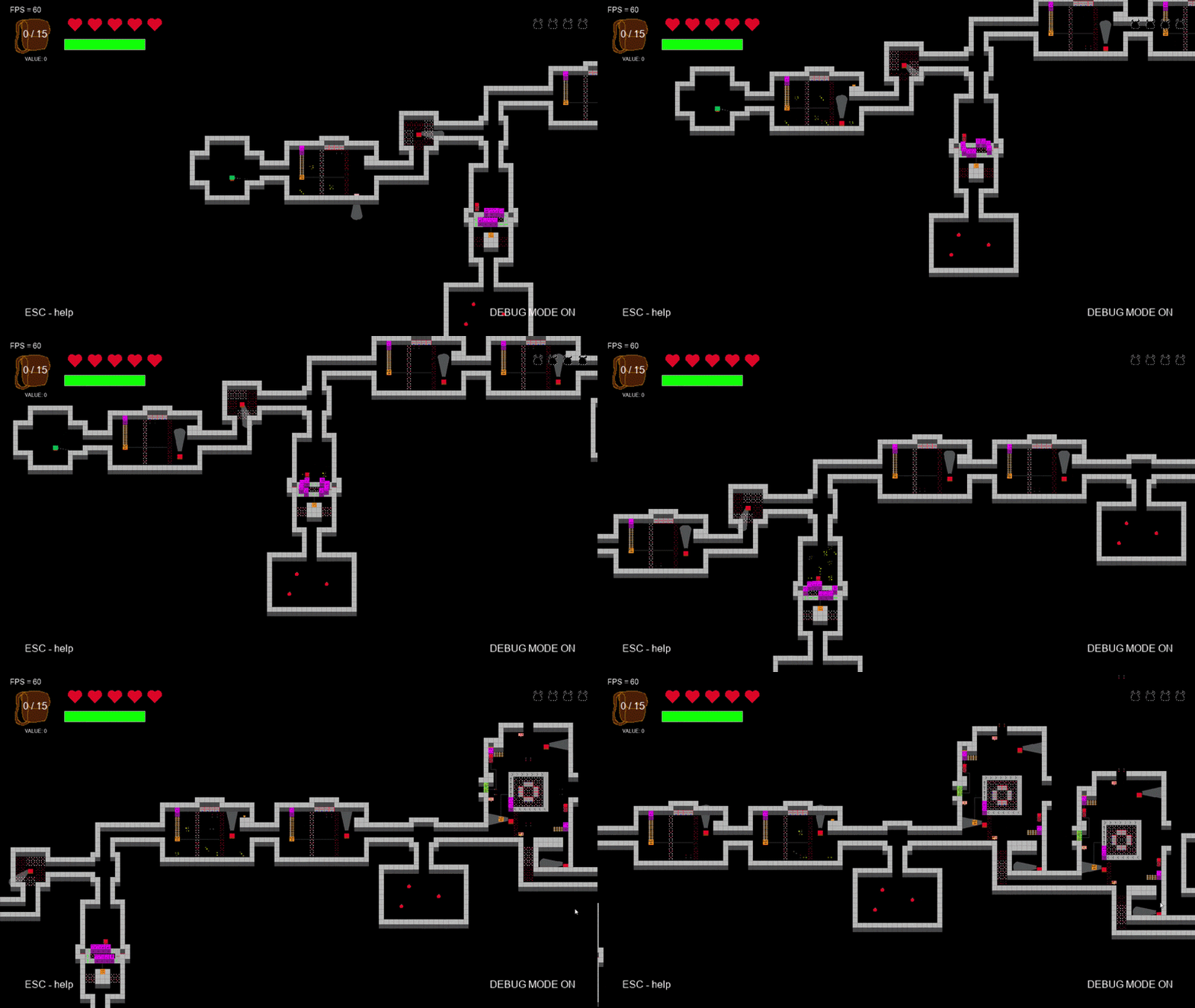
To make all of this work, we built our own dungeon generation system in GameMaker. The system lets us save handcrafted rooms into files, and then assemble them into a full dungeon floor. This gives us a nice balance between control and variation. We can design rooms by hand, make sure they play well, and then let the system arrange them into a larger structure.
Our level designer also builds rooms using layers that can be switched on and off. Thanks to this, we can create several variants of the same room. A familiar room might appear with a different obstacle setup, a changed route, or a different challenge. It helps us reuse good ideas without making the dungeon feel too repetitive.
Some rooms are much more specific and are designed to be completed only once. These include treasure chambers on each floor, as well as rooms connected to major story quests. Since they are tied to important progression moments, they are built more like unique set pieces than standard dungeon rooms.
A lot of the work comes down to balancing small goals with the bigger picture. A single room should be fun or interesting on its own, but it also needs to support the flow of the whole floor. If every room tries to be too special, the dungeon loses rhythm. If the rooms are too simple, the journey becomes flat. Finding the right balance is something we kept coming back to throughout development.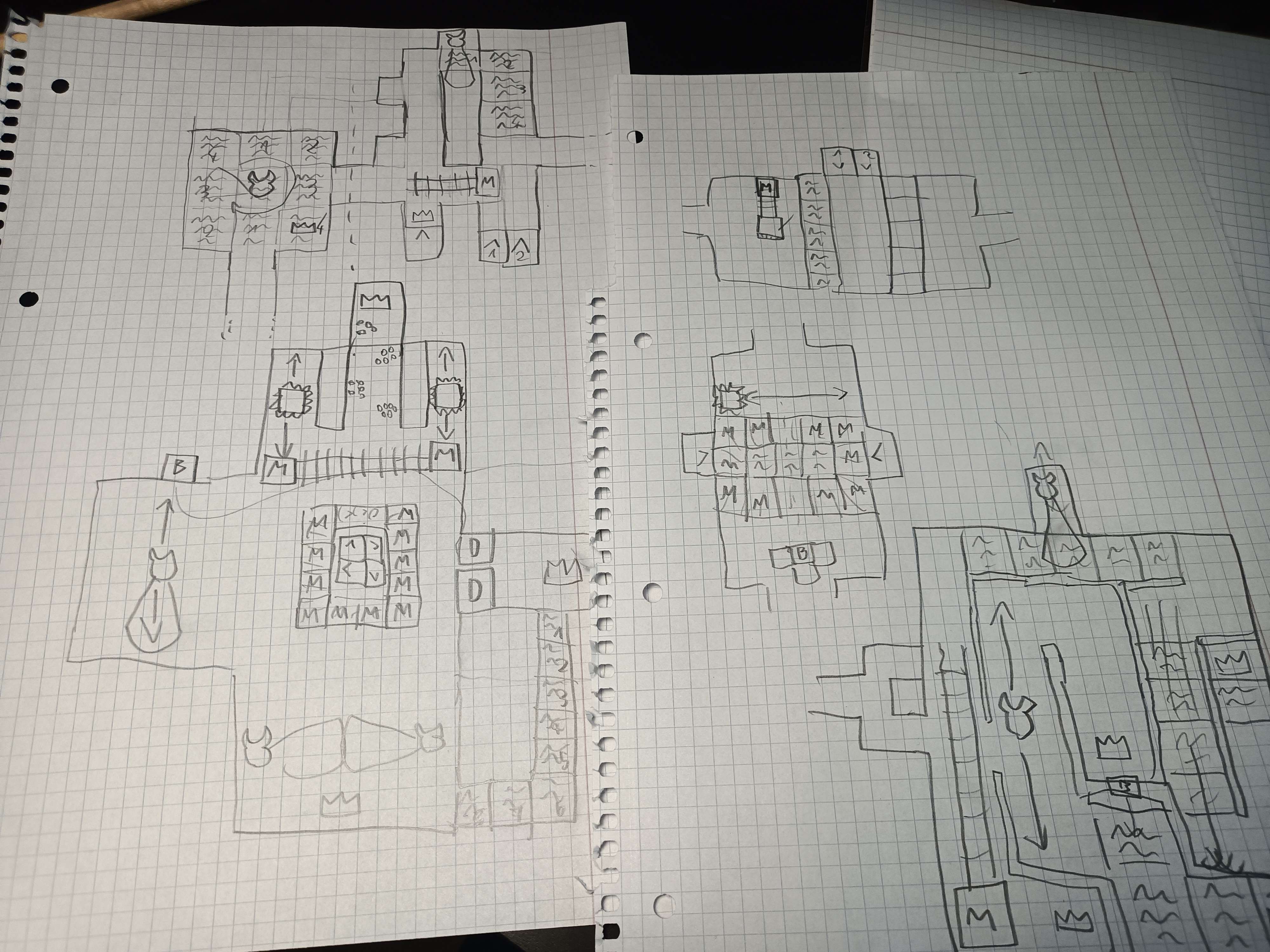
In the end, our goal was to make dungeons that feel clear, tense, and rewarding. You always know that the treasure is waiting somewhere ahead - but every room on the way there can still surprise you, slow you down, or tempt you to explore just a little further before waking the beast.
Don’t forget to follow better. publishing’s channels:
🔷 X: https://x.com/betterpubpro
🔷 FB: https://www.facebook.com/betterpubpro
🔷 Discord: https://discord.gg/qYPKKX7Cbk