
Hello! I'm Cherish, a designer at Sayberry Games.
First of all, I sincerely apologize for not sharing development news for such a long time. We promised monthly updates, but now we're back after two months. I apologize to everyone who has been waiting.
During this time, our team has been working tirelessly to improve the quality of the game. We've thoroughly refactored existing systems and invested a lot of time in creating more intuitive and user-friendly gameplay. There's still a lot we can't show yet, but significant progress has been made - please be patient a little longer.
We're paying attention to every small detail to meet your expectations. As part of these efforts, today, following our previous camera system improvements, I'll explain in detail how we designed our character animation system.
The "Focus" System for Enemies
Chaos Bringer has a "focus" system. All party members can be set to focus on one enemy, and whenever they use attack skills, they automatically target this "focus target."
This means you don't need to set a target for each character every time you use a skill. It's a system many of you are already familiar with from the world-famous game WoW (World of Warcraft)!
This feature can be represented through the UI, but what if we go further and intuitively show through character movements "who will attack which enemy"? In other words, creating an animation system where all focused characters continuously look at their targets while moving. This allows players to instantly see which enemies our heroes are focusing on, and character movements appear smarter and more tense.
Difference from Traditional Overhead Camera Games
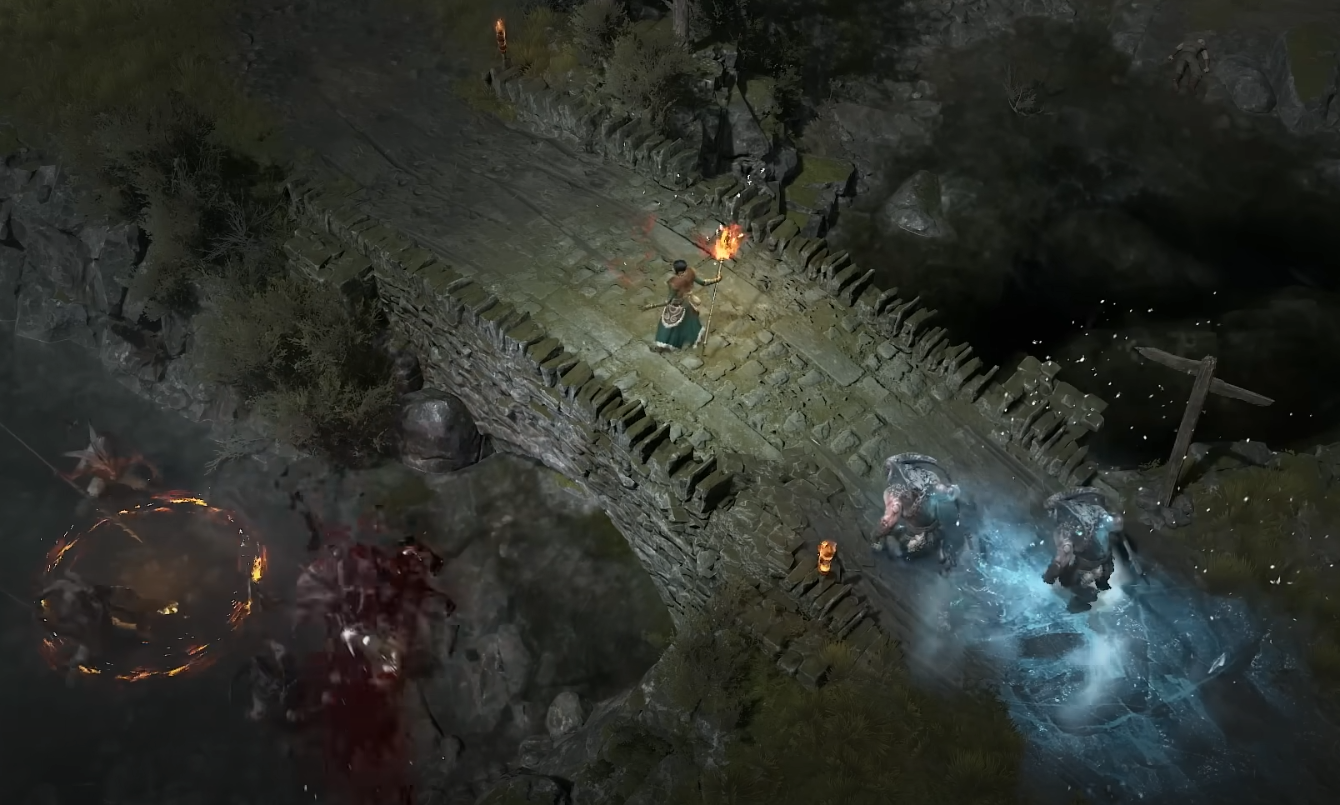
In typical overhead camera games, characters don't look at enemies while moving.
Since they look in the direction of movement, they often appear like robots or chess pieces.
More precisely, they appear to move without free will, only as controlled. Most games adopt this approach because there's no specific "focus target." Since characters don't have a specific target to look at, they're designed to simply face the "movement direction" when moving.
So what about our game, where a clear "focus target" exists and needs to be displayed intuitively?
In our game, characters need to stare at the "focus target" while also being "able to move freely". This means the "looking direction" and "movement direction" don't always match and must be completely separated in animation.
For example, characters should be able to move sideways while looking at an enemy, and when retreating, they can walk backwards while continuing to watch the enemy.
A Movement System that Enhances Combat Immersion
Actually, this movement concept isn't new. It's already widely used in many beloved and familiar games. Examples include third-person shooters (TPS) and Souls-like games.
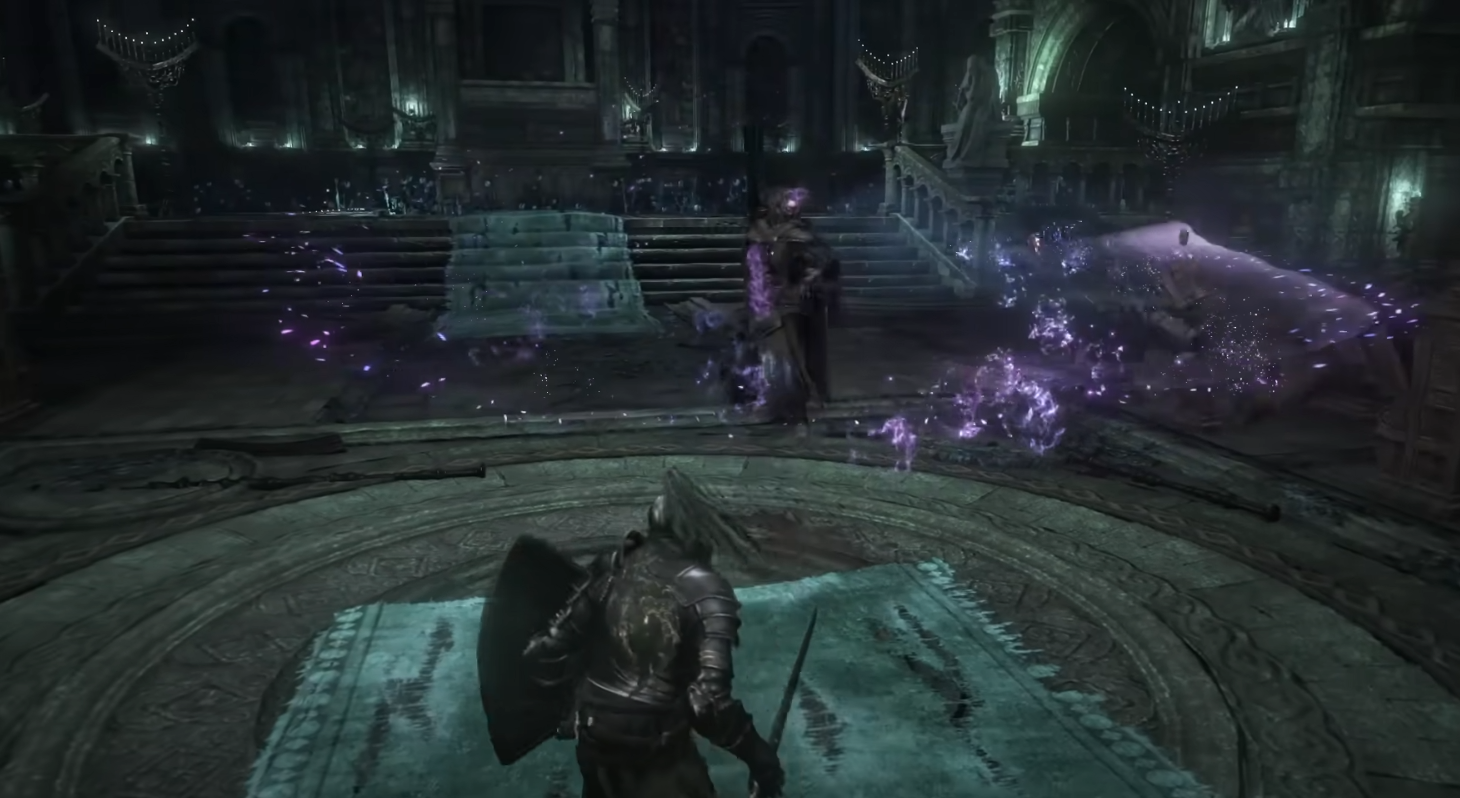
In these games, characters aren't restricted to moving only in the direction the player is looking. They can always observe the screen direction controlled by the player's mouse while freely moving forward/backward/left/right with the keyboard.
We adopted this locomotion system and applied it in our own way. We provide the same freedom of movement but chose a method where characters "stare at the focus target while moving" instead of following the mouse pointer.
Thanks to this, characters don't just move according to commands but give the feeling of moving while being aware of enemies.
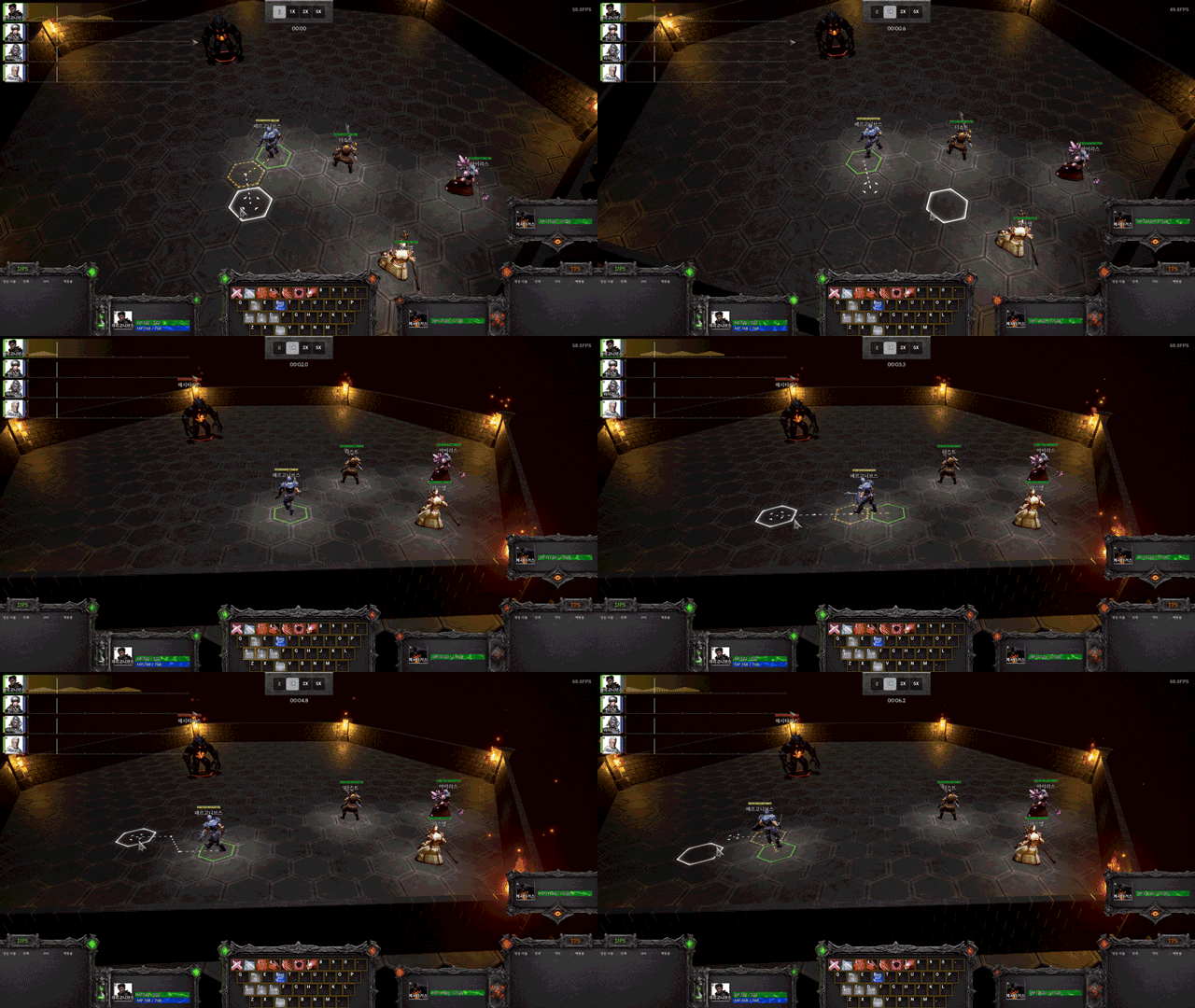
We believe this movement method not only increases immersion but also helps express battle situations more intuitively - especially important for the real-time with pause (RTwP) nature where time often needs to be stopped. When a character casts a skill, you can intuitively see who it will be cast on.
When all characters look at and move toward one enemy, players naturally recognize that target as the most important. This phenomenon of jointly looking at what someone else is watching is called "Joint Attention."
Technical Approach for Natural Movement
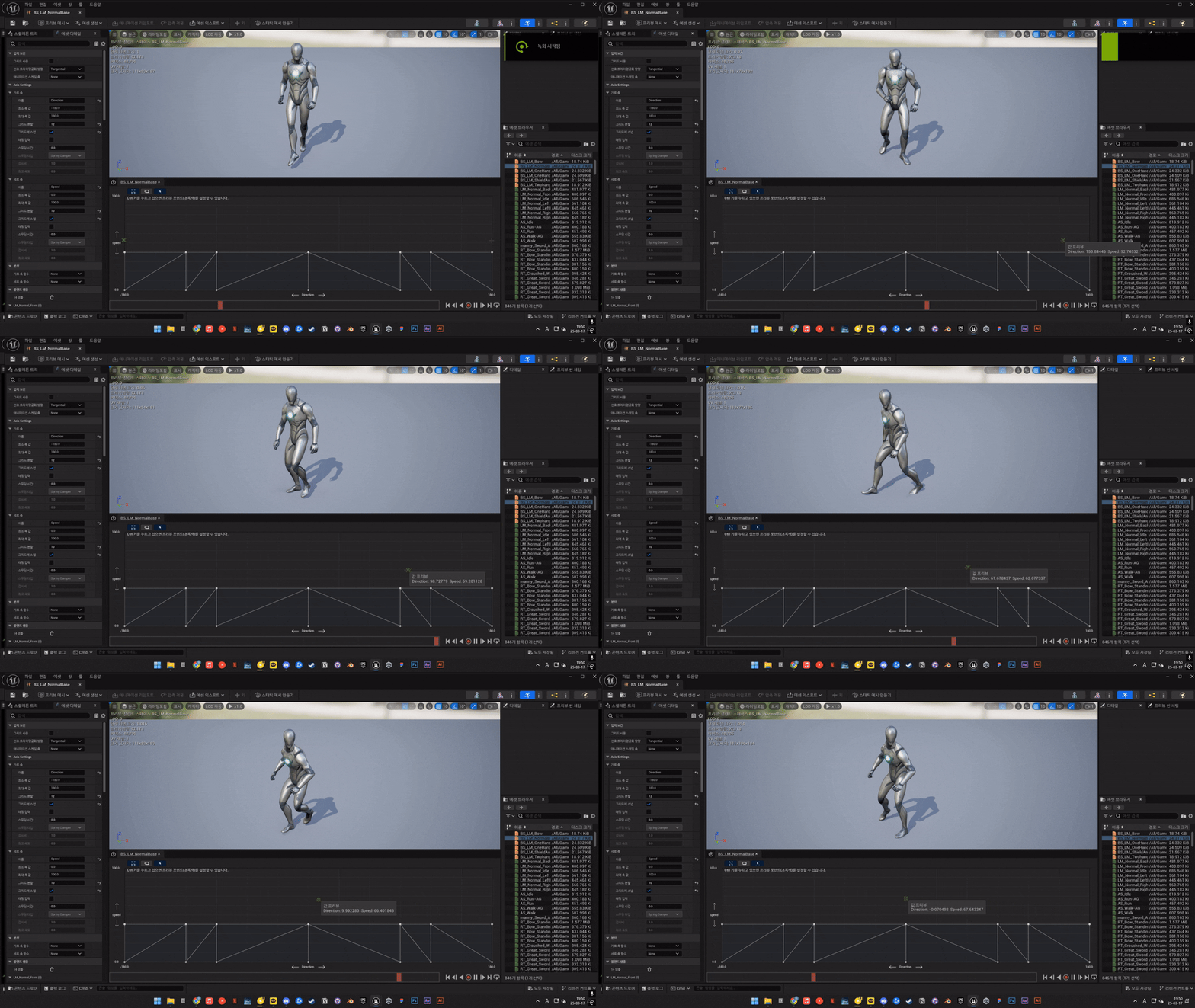
To implement these movements naturally, we use Unreal Engine's Blend Space system. Blend Space is a feature that blends multiple animation movements.
First, we collect appropriate strafe animations for characters in various directions. Then we calculate the movement direction from player input and blend the collected strafe movements that match that direction to create new movement animations. We apply this created movement only to the character's lower body. Finally, we make the upper body always face the target to be observed, and we get the desired final result.
Future Plans...
Additionally, we plan to implement "turn animations where characters realistically turn when the focus target changes". Actually, we already tested this in our previous engine before switching game engines. This will naturally connect character movements even when the focus target changes.
That was our introduction to the animation system. What do you think?
With this more lively and informative animation system, we designed characters to appear not as simple objects but as organic beings that read and react to the flow of combat.
Working on such fine details may seem trivial, but it actually requires significant time and effort. However, we're confident these efforts will provide you with a truly immersive gaming experience.
Once again, I apologize for not sharing news for so long. We'll try to share development updates more frequently in the future. To meet your expectations, we're focusing on quality rather than rushing, concentrating on creating an enjoyable and satisfying experience from the player's perspective.
Thank you for your continued interest and support. We'll be back soon with more development news. We look forward to your anticipation!