
Hello, this is Team Samoyed! We plan to share the development progress of Teamfight Manager 2 consistently through devlogs every 2 to 3 weeks. We hope for your continued interest and support.
In this edition, we’ll be discussing changes to in-game match rules.
Map and Rule Changes
Previously, Teamfight Manager 2 was being developed based on a 4v4 format with 2 lanes. The main reason for this decision was the direction that the in-game simulation should remain as simple and easy to understand as possible.
As mentioned several times in previous devlogs, the concept of a game within a game is difficult to handle in many ways. Since it’s not a real existing game, if the rules are too complex or hard to grasp, the barrier to entry becomes too high. That's why we wanted to keep the game as simple as possible.
In line with this intent, we aimed to structure the game screen so that the entire battlefield could be seen at a glance. However, to fit a 5v5 format with 3 lanes into a single screen, there were spatial limitations. If we tried to display all 5v5 gameplay on one screen, the champion sizes would become too small to observe any detailed action.
Thus, at the early stage of development, we decided to simplify the rules as much as possible and display the full map on a single screen. We excluded familiar MOBA concepts like gold, items, and epic monsters, and built the game based on the simplest possible rule set.
However, these initial decisions weren’t all necessarily correct. Throughout development, we encountered various issues derived from these choices — and conversely, some things we expected to be problems turned out not to be.
- Camera Issue: Initially, we thought showing the full game screen would make the match easier to understand. But after implementing features like feedback and the zoomable observing camera, we found that viewing a zoomed-in camera focused on key moments actually made the game much easier to follow. Instead of manually tracking all the action across the screen, it was better to algorithmically detect major moments and highlight them through the camera. Also, since most MOBA games adopt a 5v5, 3-lane structure, players found it easier to understand the game flow even with small rule differences, compared to the unfamiliar 4v4, 2-lane setup.
- Supporter Positioning Problem: We tried to differentiate the game by removing gold and items, but had trouble clearly distinguishing between the support and bottom roles. In a system where level differences come only from experience, we found it hard to make the stat differences between supporters and bottom laners function meaningfully as intended.
- Simplified Match Flow: Since there were no rewards for gaining lane priority or pushing lanes, the flow of the game became overly simplified, and average match times grew too long. Especially, even minor changes to tower stats (attack power and HP) caused large fluctuations in match duration. We realized it was necessary to improve gameplay when a team had gained control through lane pushing.
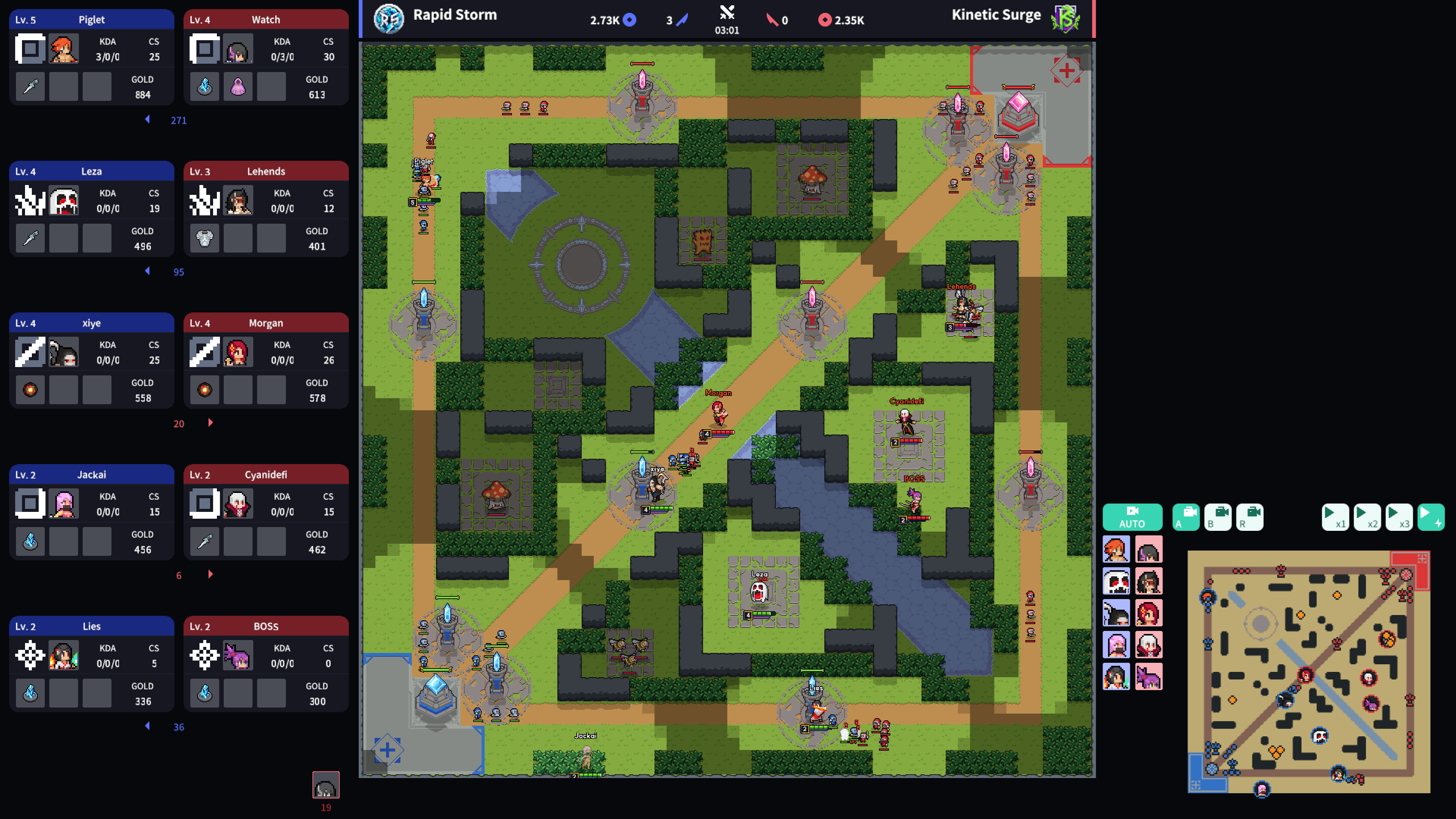
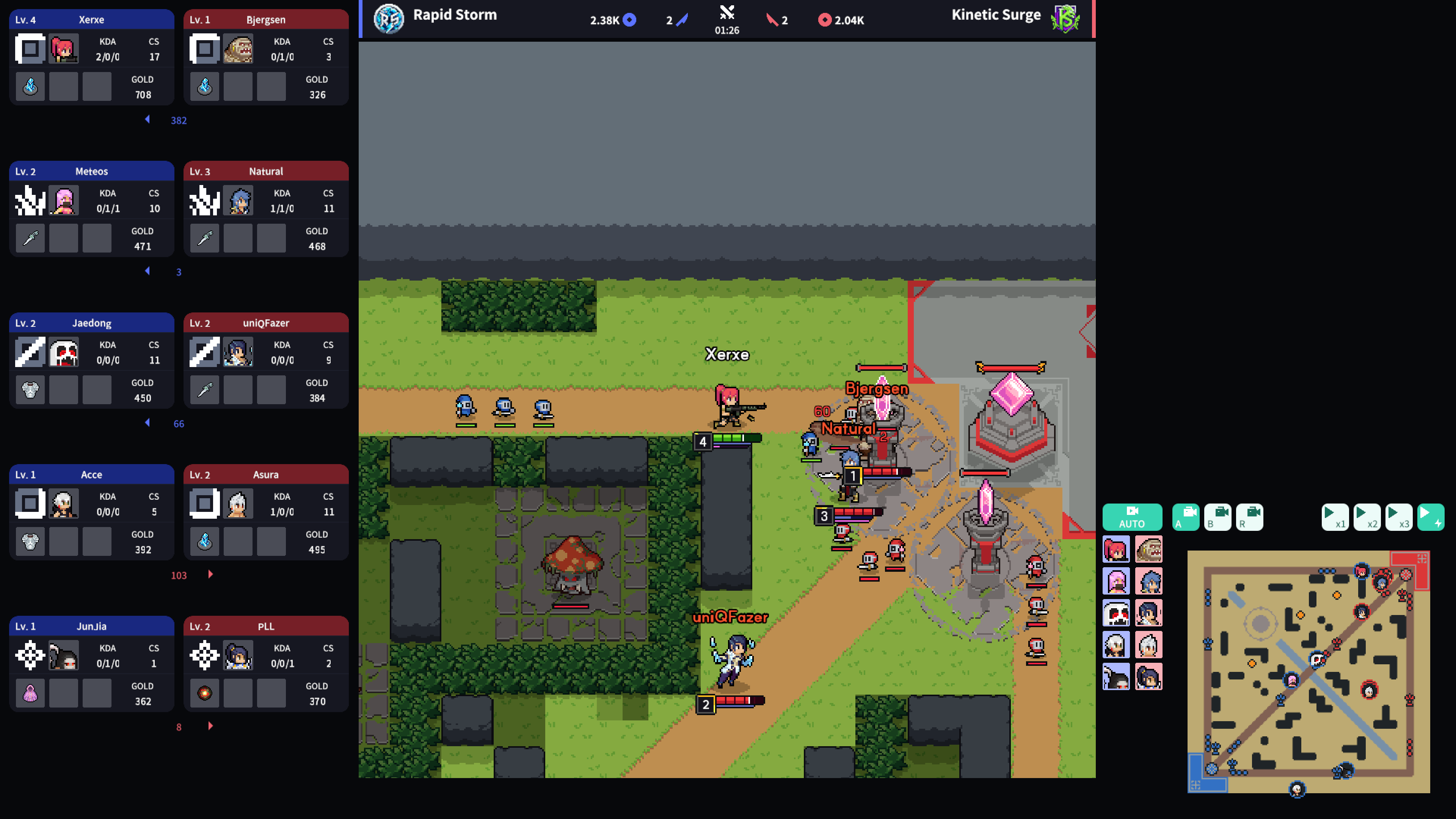
Based on these considerations, we transitioned the system to a 5v5, 3-lane format. The images above show the current in-development build.
The details of the rule changes compared to the previous version are as follows:
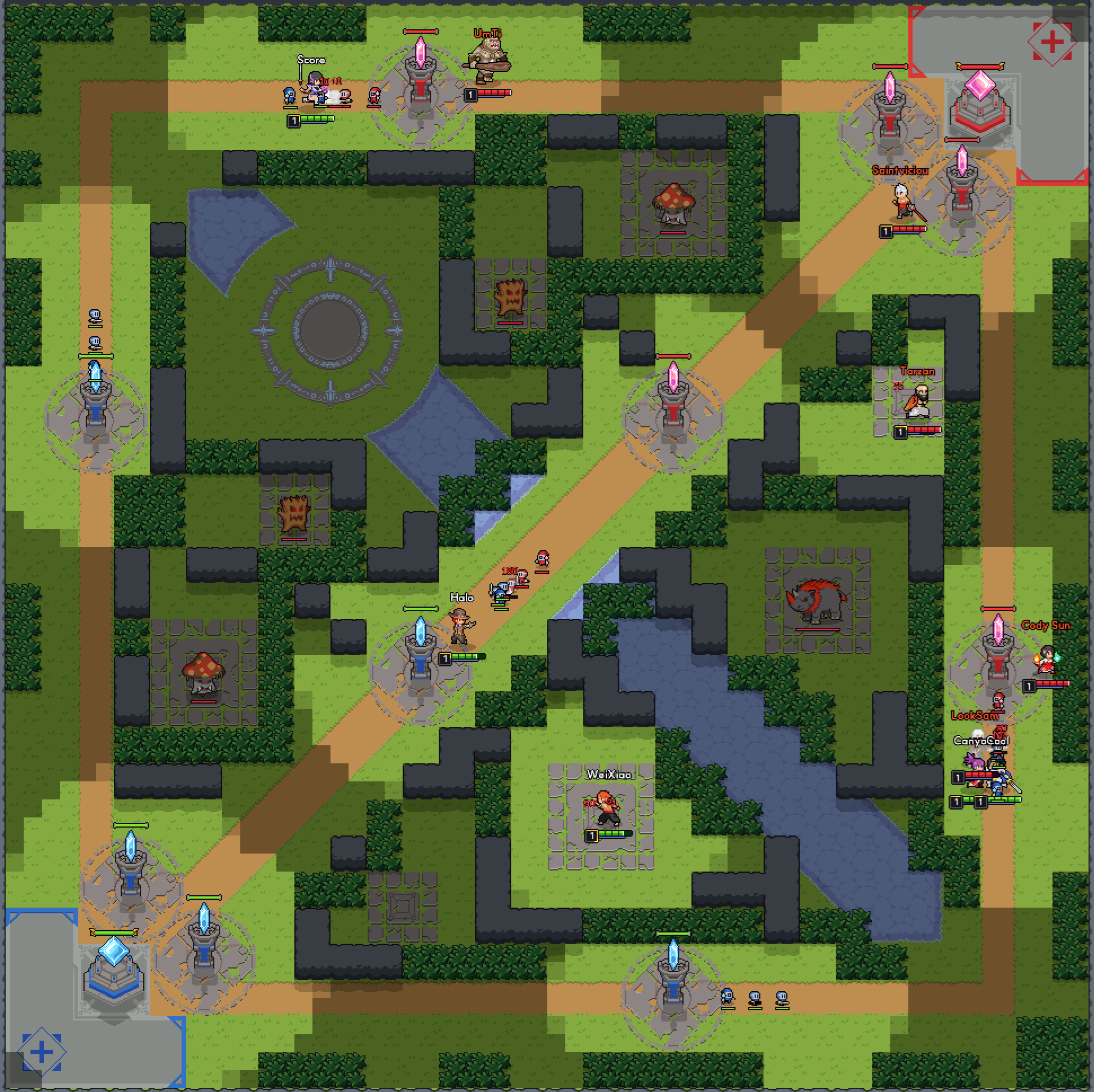
The map has been changed to a 5v5, 3-lane layout, and a mid lane position has been added. In addition to the first tower on each lane, two towers defending the relic have been added. Previously, the relic also functioned as an attacking tower, but it is now a non-attacking object.
Gold and item systems have been introduced. Alongside this, new stats such as Ability Power and Magic Resistance have been added to champions.
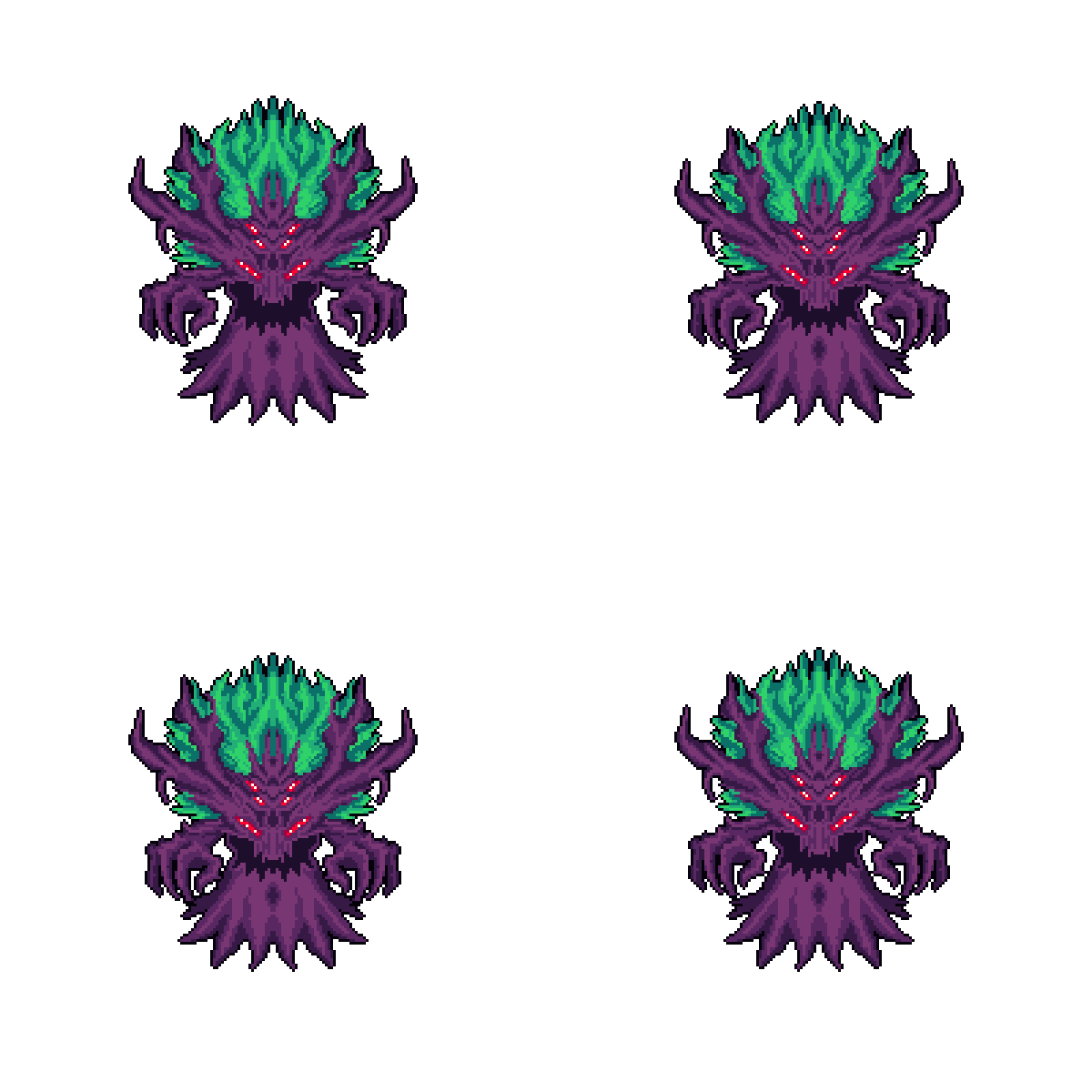
The epic monster “Morgard” has been added. Morgard spawns at the 4-minute mark in-game and respawns every 2 minutes and 30 seconds (subject to change). When slain, Morgard grants the slaying team’s champions permanent stat boosts, and also provides a 1-minute buff that empowers nearby minions.
These changes have undeniably made the rules more complex than before, but they also solve many of the gameplay issues we previously faced. We believe the added complexity is well worth the improvements. Of course, we also plan to invest more effort into tutorials to explain these new rules effectively.
Below are several gameplay scenes:
Early Game Scenarios
A clash occurred between junglers near the top lane. It was about to end with Garvey being taken down one-sidedly, but top laner owo joined the fight, ending it as a 1-for-1 trade.
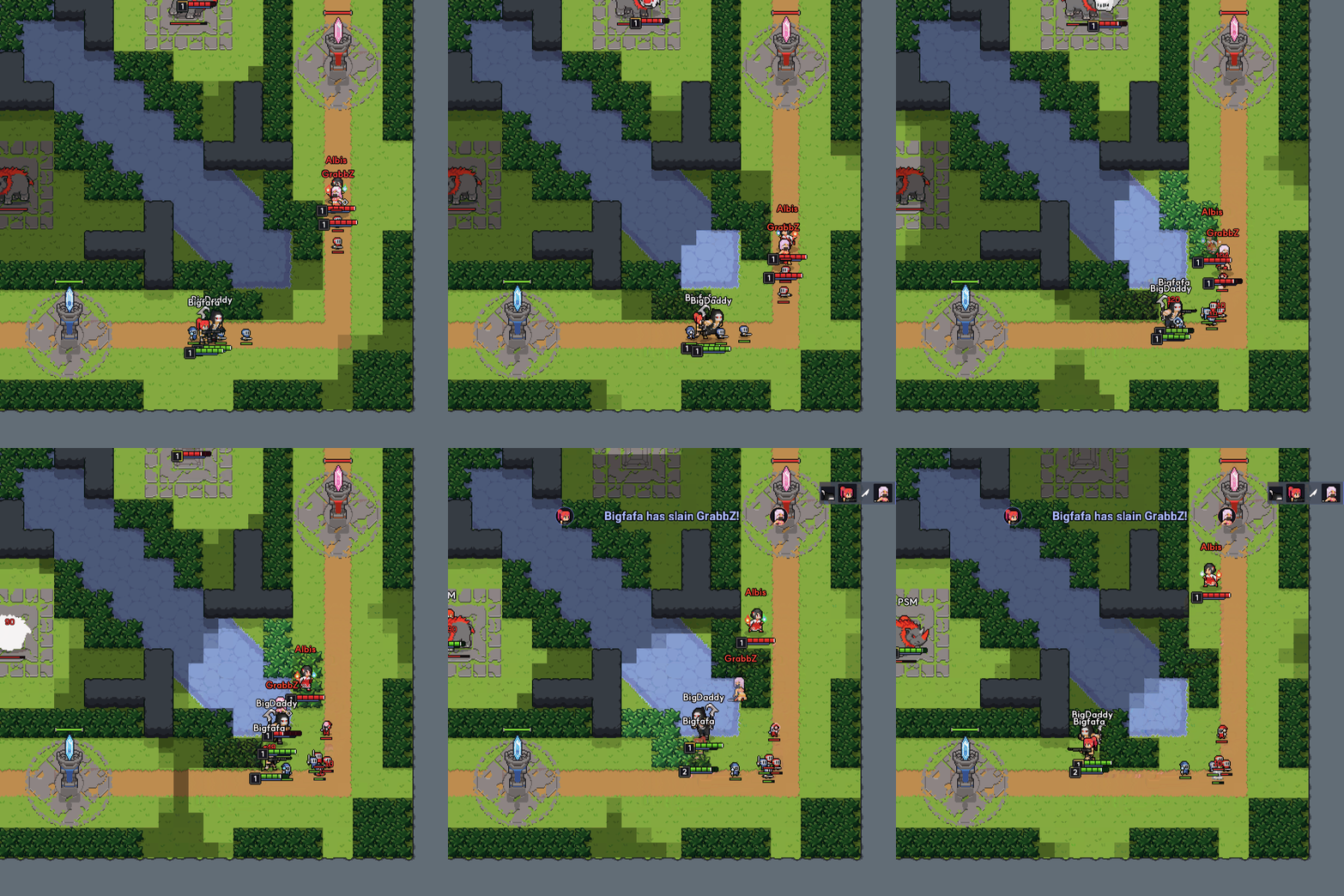
A grab in bottom lane leads to a quick kill right after engaging.
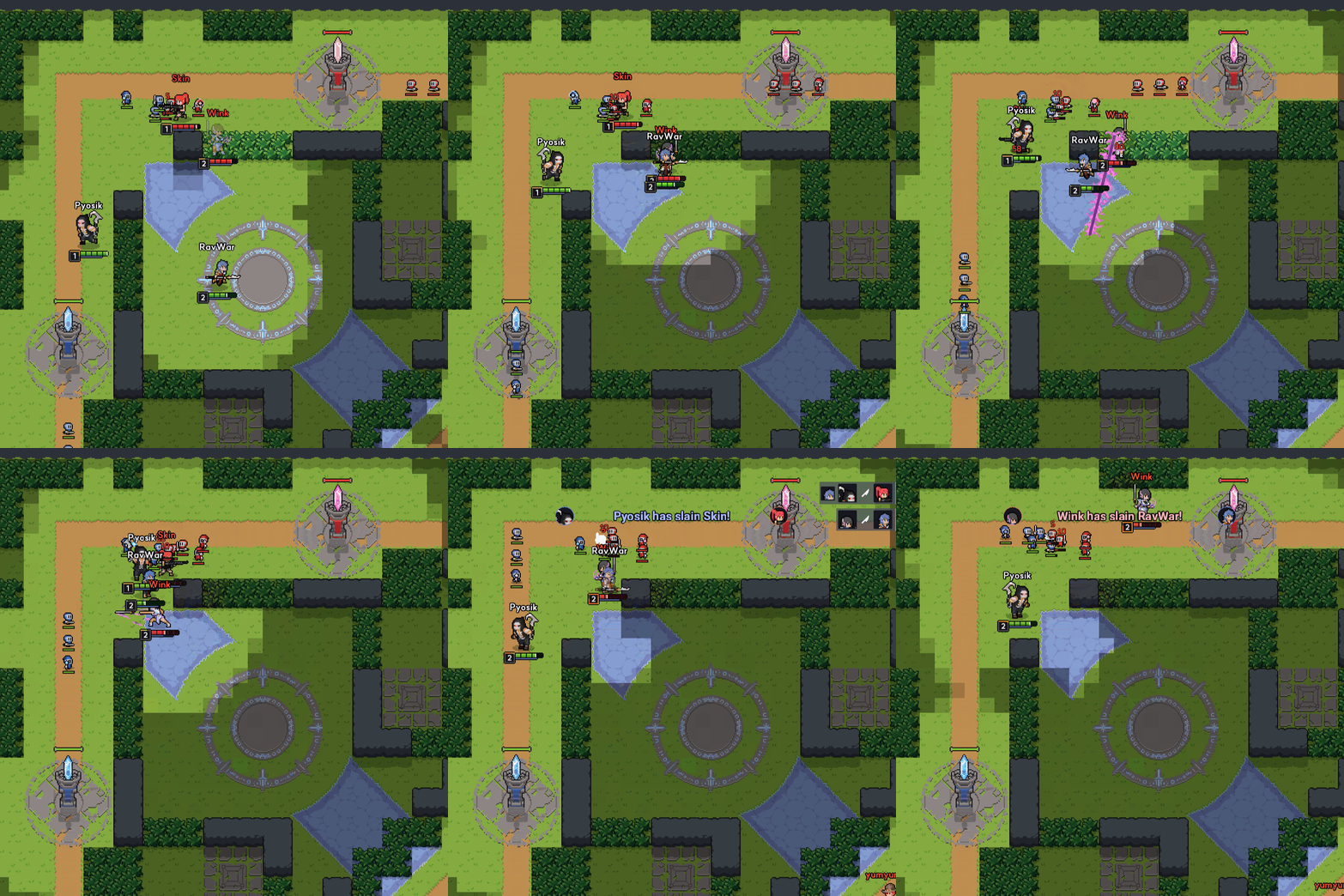
Red team’s jungle Wink ambushes in a bush and initiates on Blue jungle RavWar. Although the situation was dangerous, Blue’s top Pyosik lands a skill on Red top Skin and, with proper focus, takes down Skin — resulting in a 1-for-1 trade.
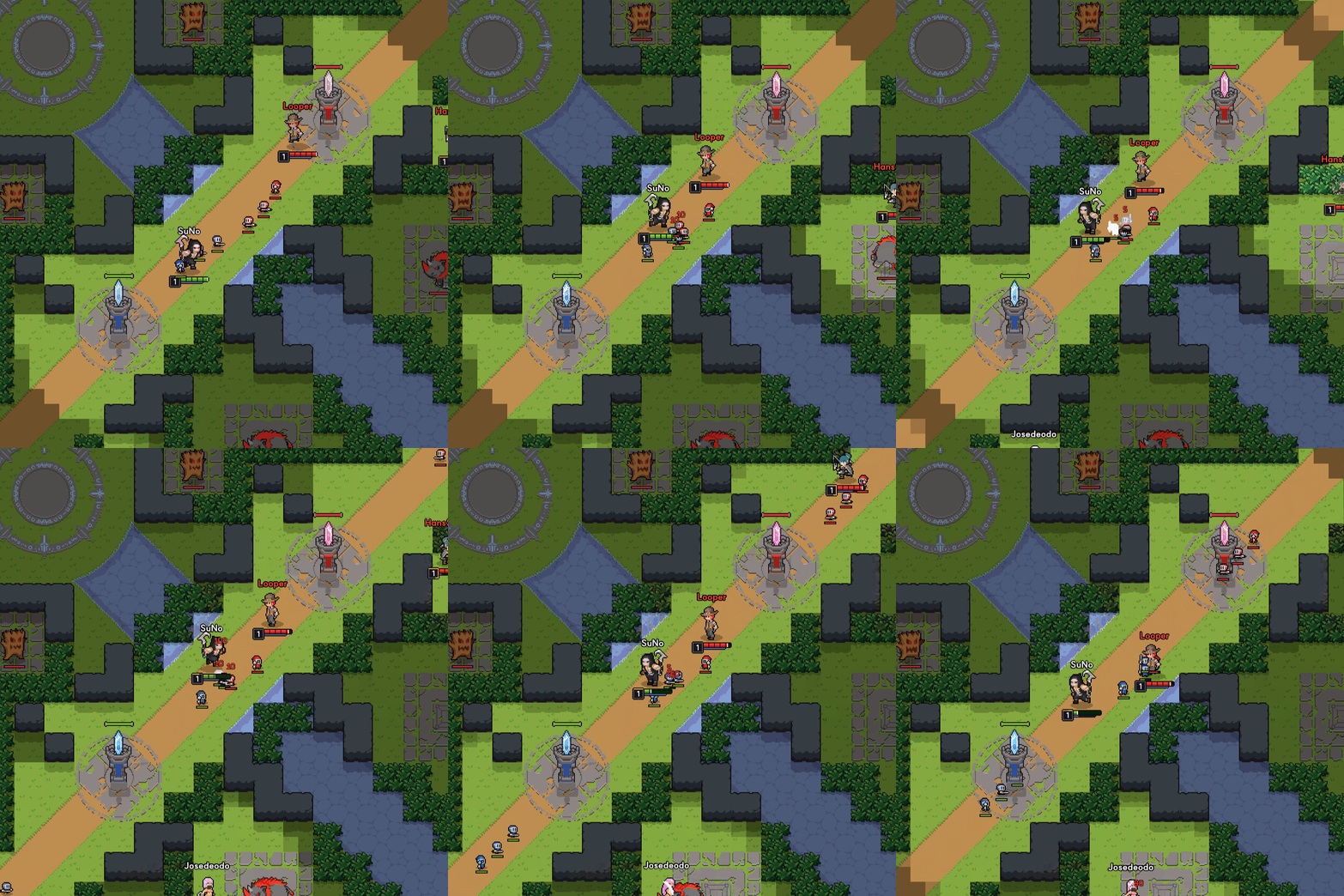
A gunner dodges all of the executioner’s skills during the midlane laning phase and gains an early advantage with effective kiting.
Mid-to-Late Game: Epic Monster Hunt
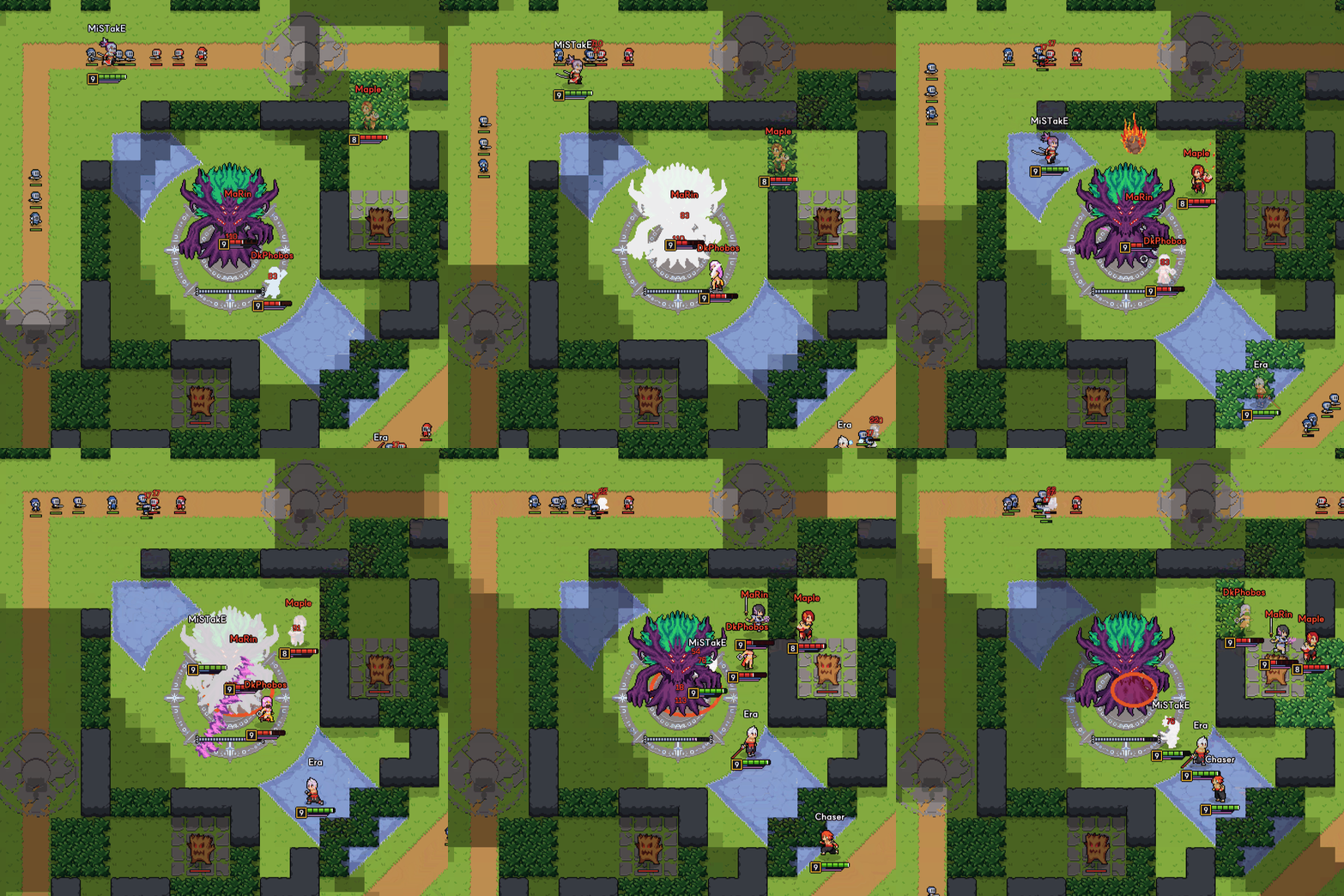
The red team attempts a sneaky Morgard kill but gets spotted and backs off.
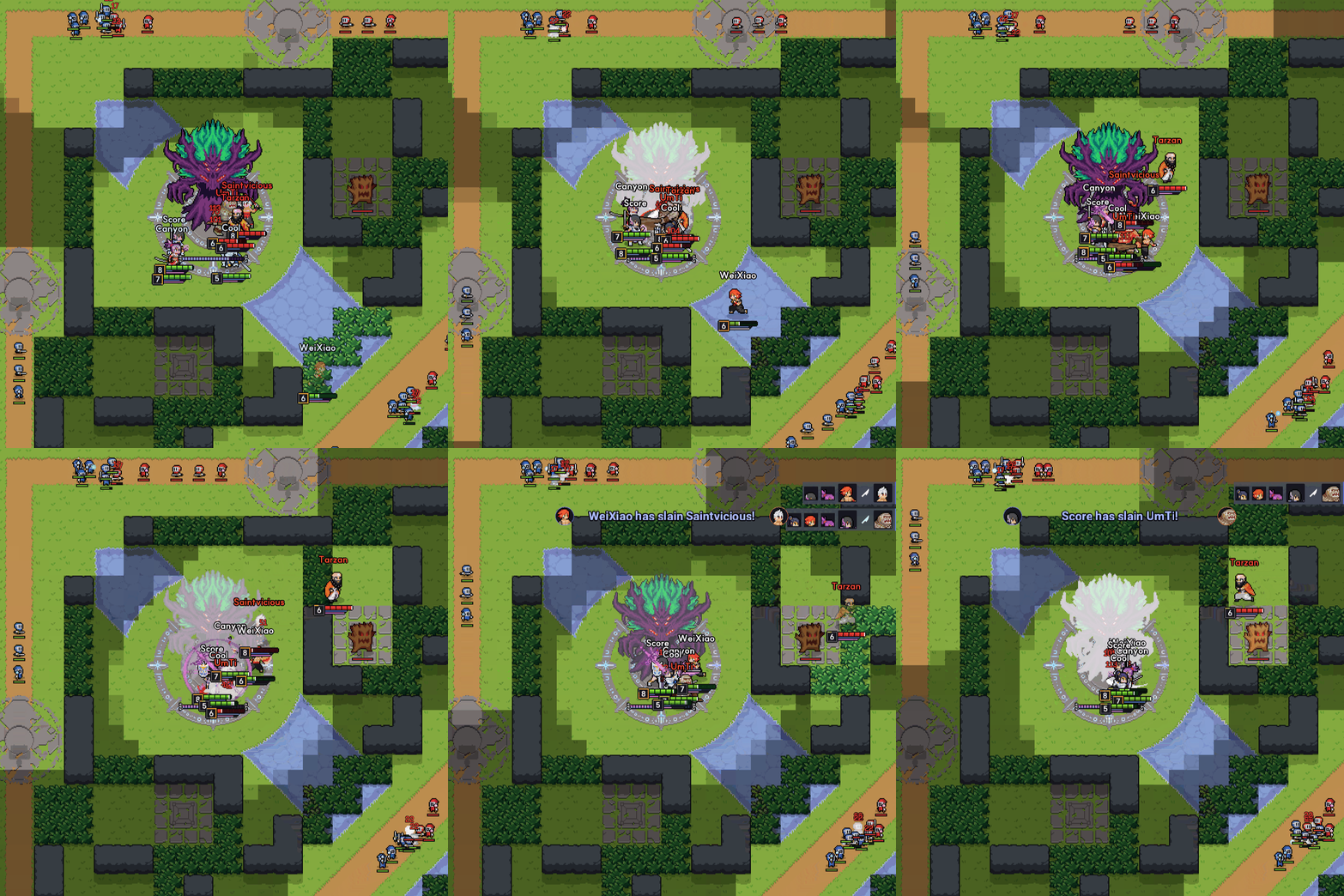
Red team dives in with their ogre and monk frontliners, but a skill combo from Blue wipes out the ogre and swordman in an instant, leading to a crushing defeat.
These rule changes have allowed for much more strategic depth and variation in team compositions. However, with increased complexity, AI decision-making now also needs to be more sophisticated — and there's still a lot of room for improvement.
Tasks like building item strategies, redefining champion roles and skills for the new system, and adjusting tactics for epic monsters all remain.
Since rule changes of this scale are such massive undertakings, there are still many unpolished areas. Nonetheless, we firmly believe that these new rules are more fun and better suited to the game than the old ones. We’ll address the remaining issues step-by-step and cover those updates in future devlogs.
That’s it for this devlog. Thanks for reading!