
Climb to the second floor, and you'll catch the sunrise 15 seconds earlier. We all know the Earth is round, but on a human scale, treating it as flat usually works fine. In reality, though, the curvature kicks in much faster than we expect—which is exactly why modern naval defense is inherently so difficult.
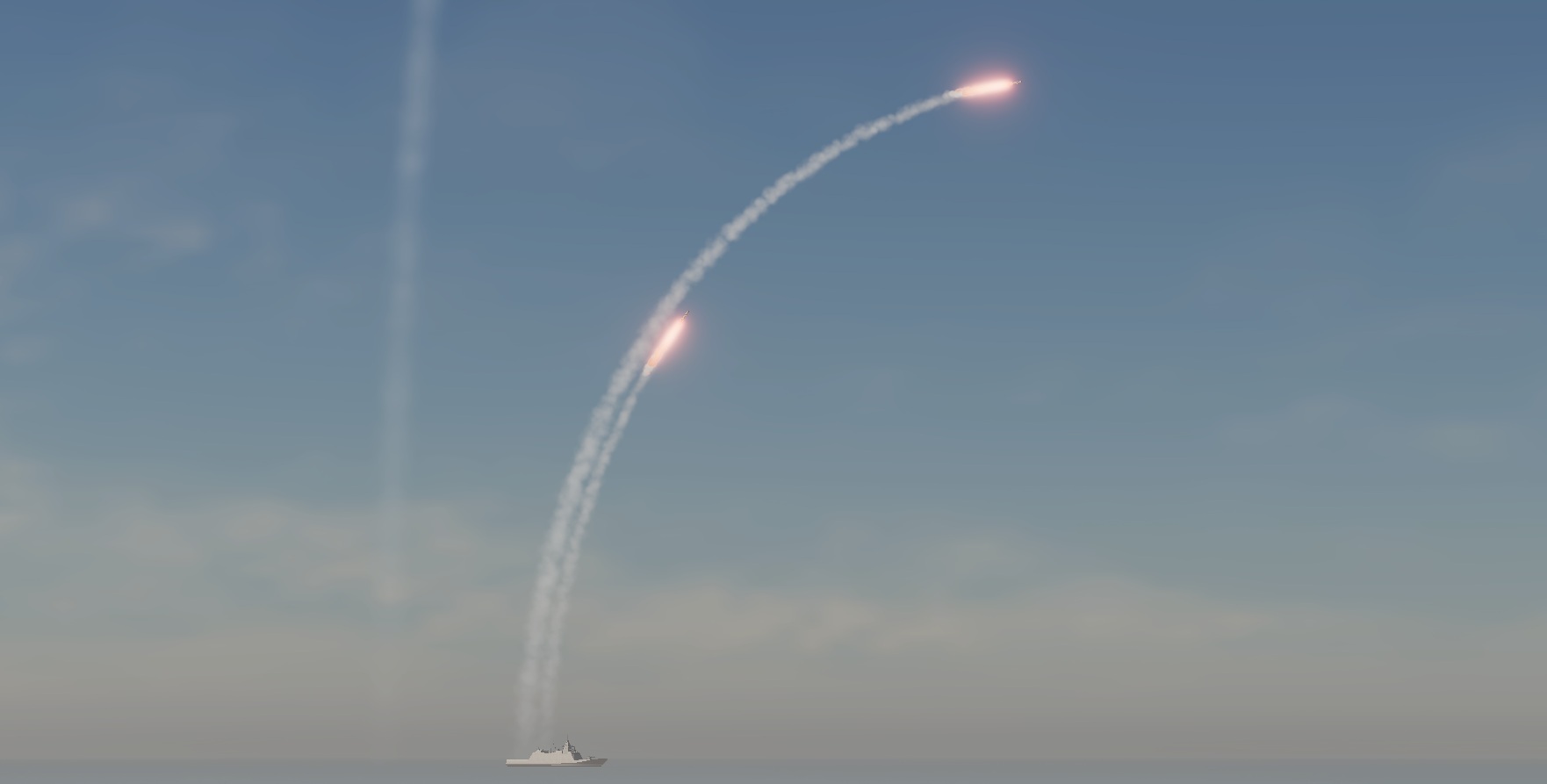
This update focuses on enemy AI air defenses. By the mid-20th century, rapid advances in aviation rendered traditional surface warships largely obsolete. Massive battleships faded into history, but a few surface combatants remained. To survive, they adapted, bristling with anti-aircraft weaponry. Decades of evolution followed, pushing air defense systems to the point where modern ships can intercept targets even in outer space.
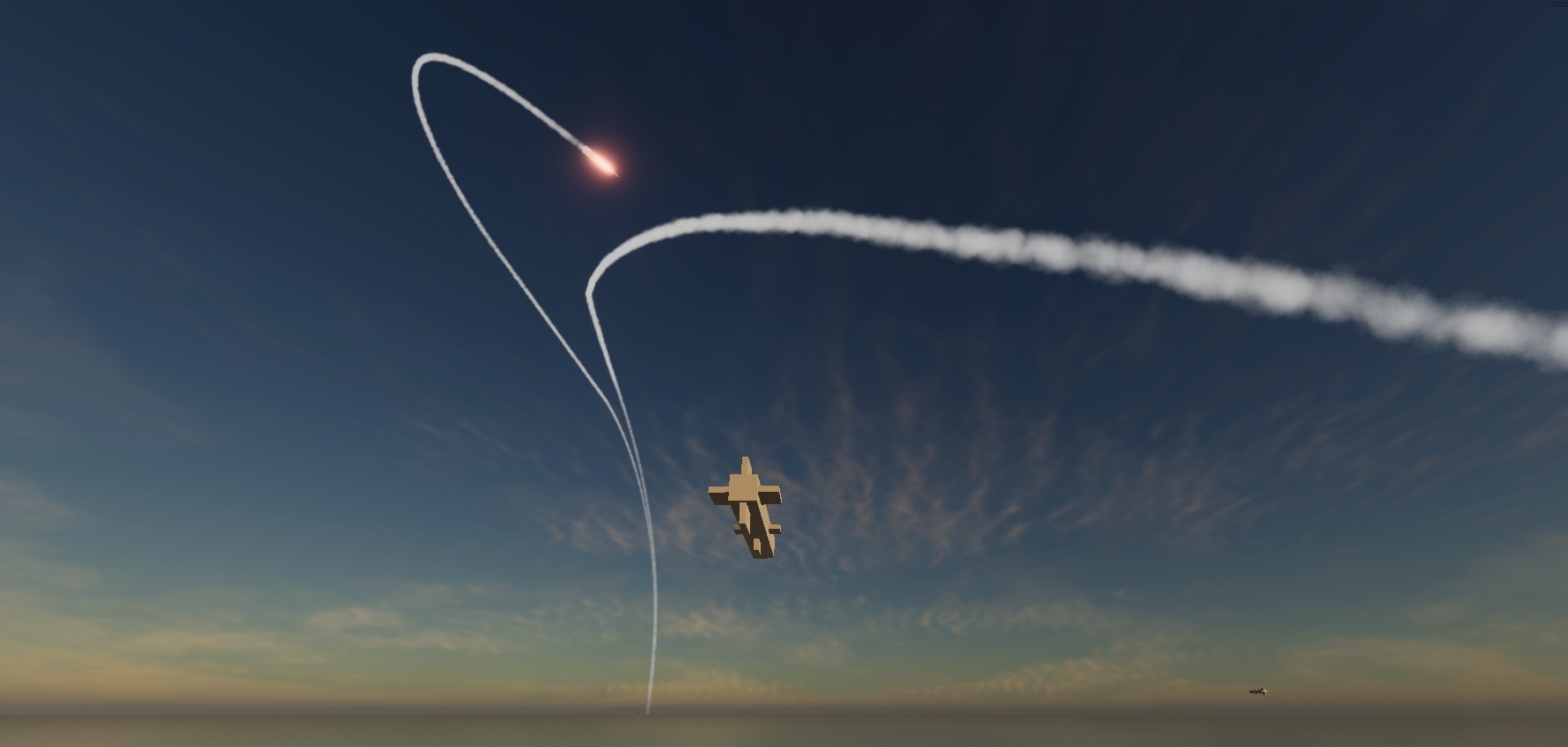
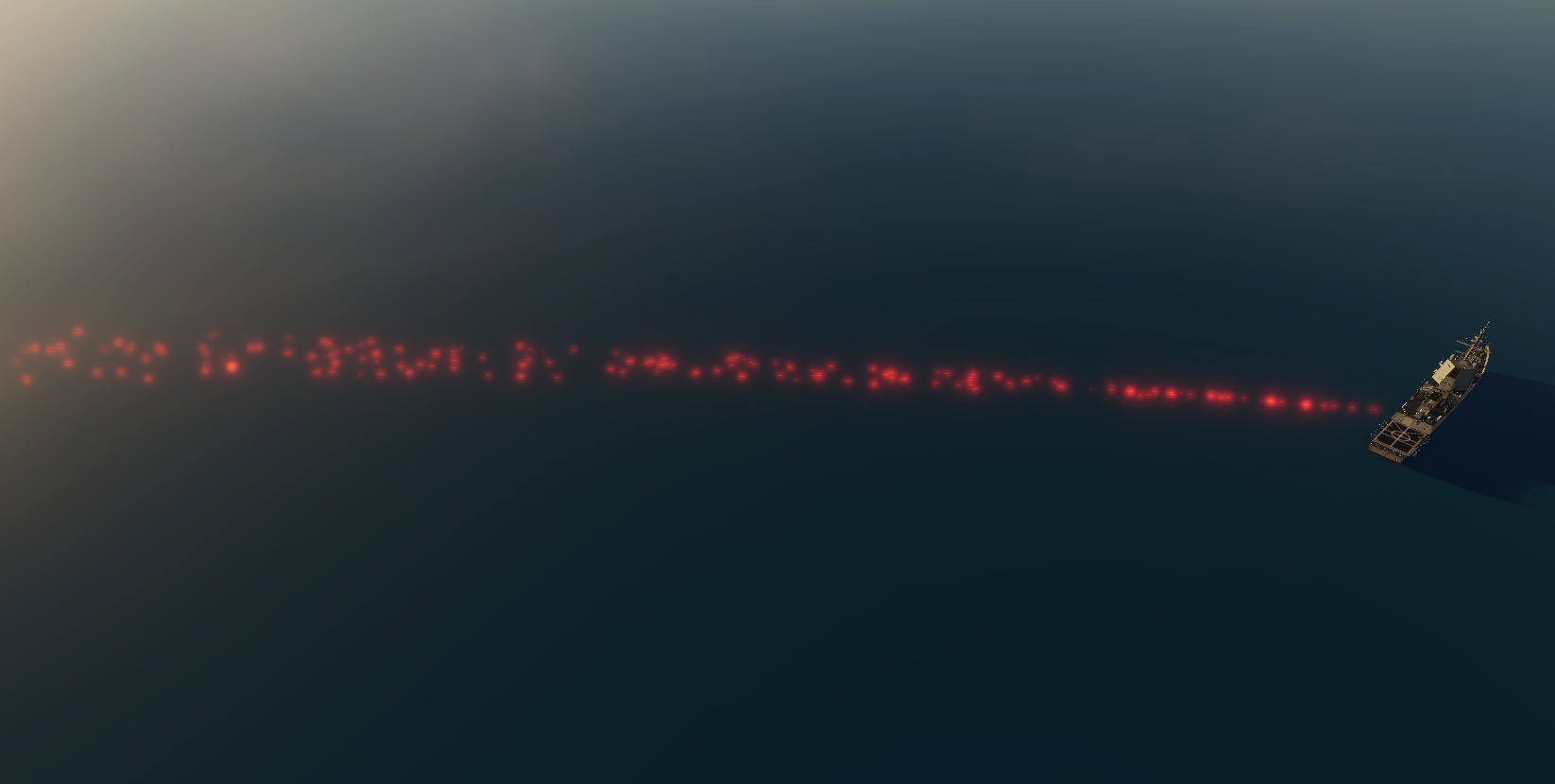
Over the past few months, we've been implementing the core mechanics of these defenses. Large interceptors launched from a VLS excel against high-altitude targets. However, they struggle against low-flying threats buzzing near the ship, as they require extreme downward maneuvers right off the rail. That’s where point-defense systems like CIWS come in. CIWS operates autonomously, engaging targets even while the ship's main combat system is busy elsewhere. To keep performance smooth during massive barrages, we calculate CIWS hits mathematically rather than physically simulating hundreds of 3D 20mm rounds.
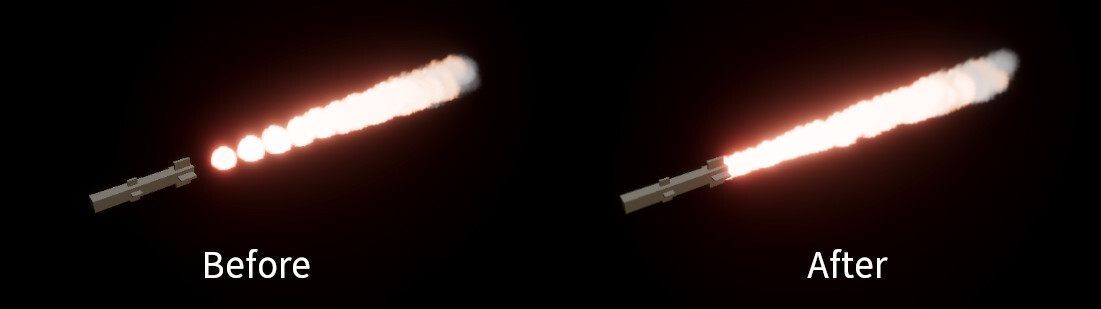
Alongside system, we're polishing visual fidelity. Previously, high-speed particle emissions left unnatural gaps due to framerate limits. I fixed this using sub-frame interpolation to artificially boost the effects framerate, resulting in seamless exhaust trails.
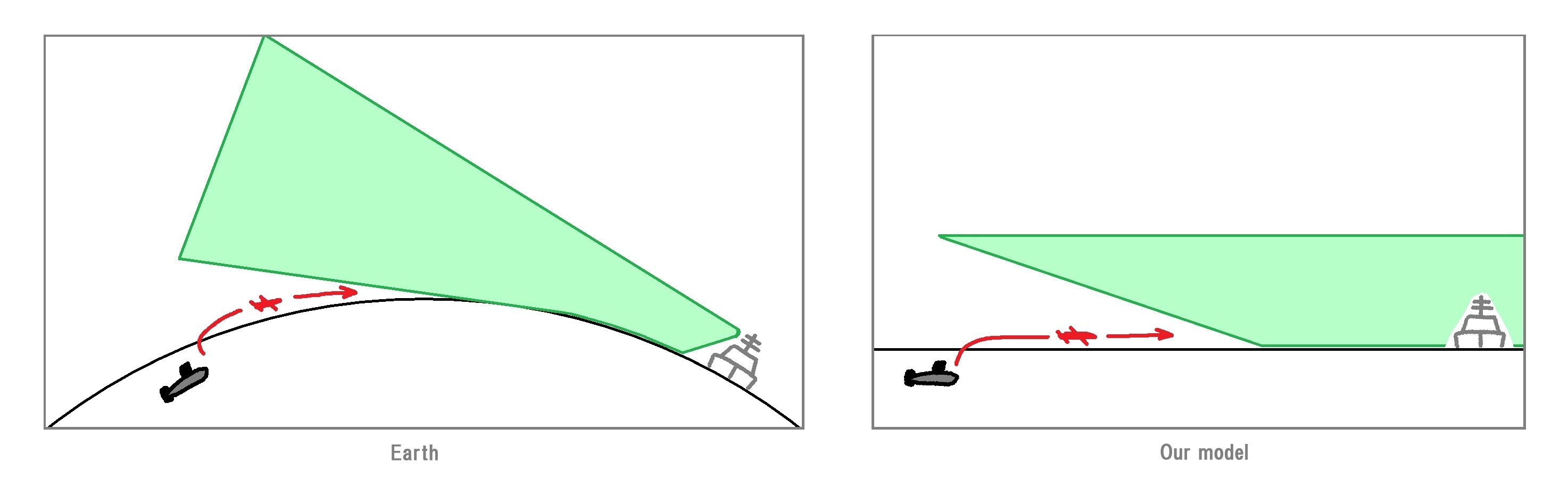
Naval combat in the missile age is fundamentally about running your opponent out of time. Modern air defenses are powerful, but the Earth's curvature negates many of their advantages. With a typical radar horizon of just 30–40 km, a subsonic anti-ship missile is detected merely two minutes before impact. Threat evaluation, weapon selection, mechanical launcher movement, and missile ignition eat up dozens of precious seconds. Factor in modern missiles that fly much faster, and defenders might only get one or two narrow windows to engage.
Exploiting this exact vulnerability, certain submarines are purpose-built to overwhelm air defenses by launching swarms of 20 or more supersonic missiles simultaneously.
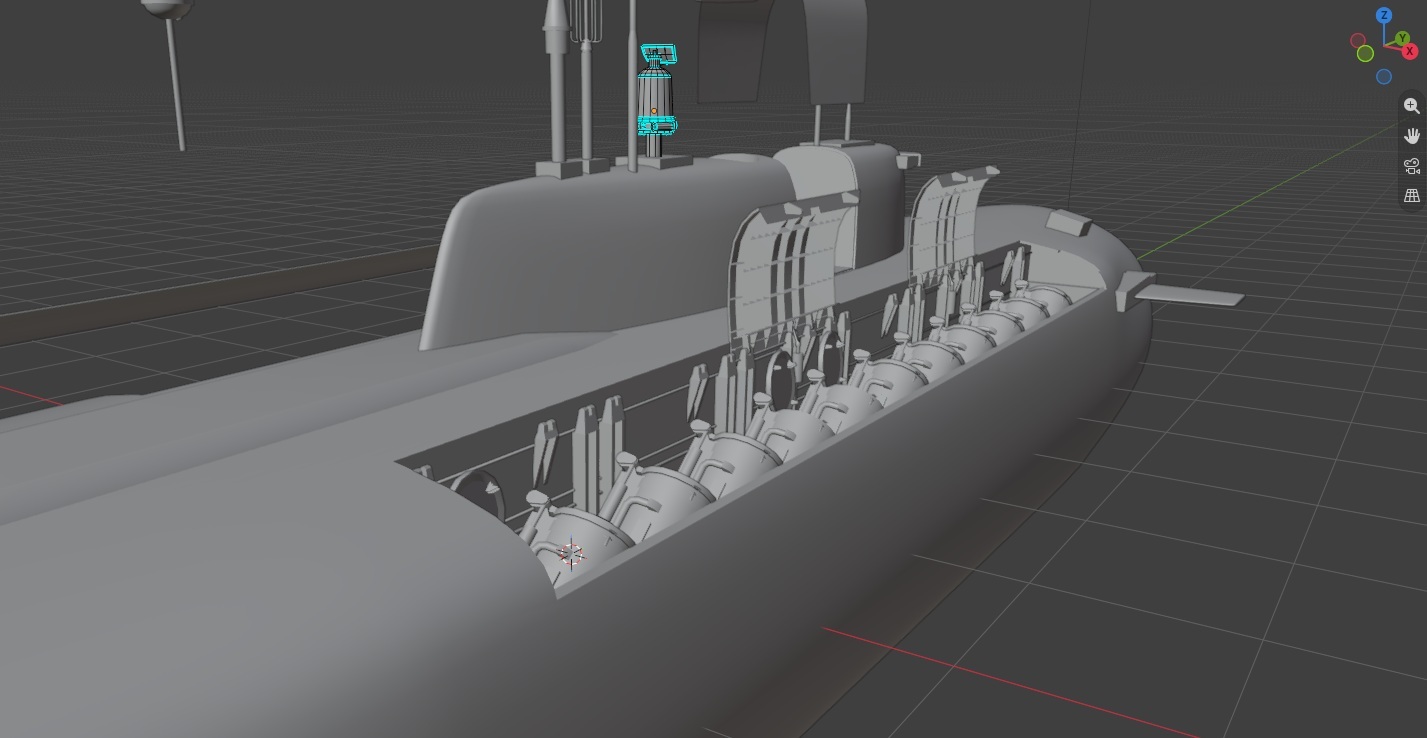
For players who love this aggressive missile submarine playstyle, we made sure the game mechanics support it. We modeled the Earth's curvature as an inverted truncated cone for radar detection, allowing missiles to slip in undetected. Our game world isn't physically spherical, but this achieves the exact same tactical effect: drastically cutting the reaction time and distance surface ships have to defend themselves.
Finally, we're completely overhauling the UI and controls. I'm aiming for an intuitive, pick-up-and-play experience that doesn't require a manual, while still offering the depth hardcore simulator fans crave. Balancing these goals is a challenge, but the results should take shape over the next few months.