
Hi, everyone! 👋 やあ みんな!
I know it’s been a while since you’ve heard from me, and I’m sure you missed me a lot, but I–
…Huh?
…Who am I?!
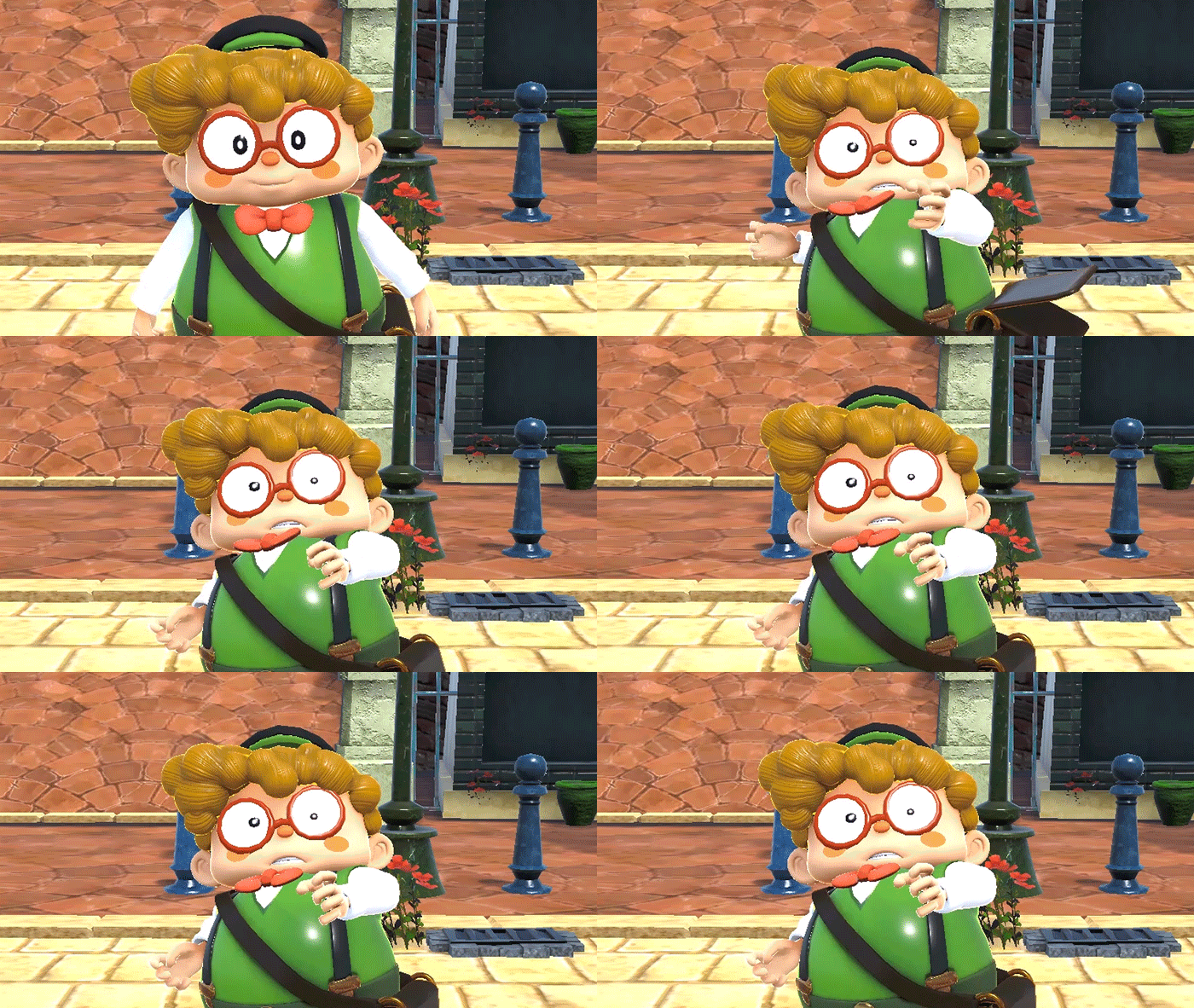
It’s me, Chip! Bricktown’s expert on all things Serial World?! …It’s okay, I know you’re just messing around. After all, who could forget someone as energetic and all-knowing as me?
Anyways, today’s topic is long-awaited, so I’m jumping right in: it’s time to learn about Anima!
🚪 Into the Unknown: What’s an Anima?
When Milo first ventured into the Wonder World - the dungeons, as you might call it - he had no clue what he’d find, but he certainly didn’t expect to meet a trio of curious little creatures eager to adventure alongside him! These creatures are called Anima, and they come in all different shapes, sizes, and colors.
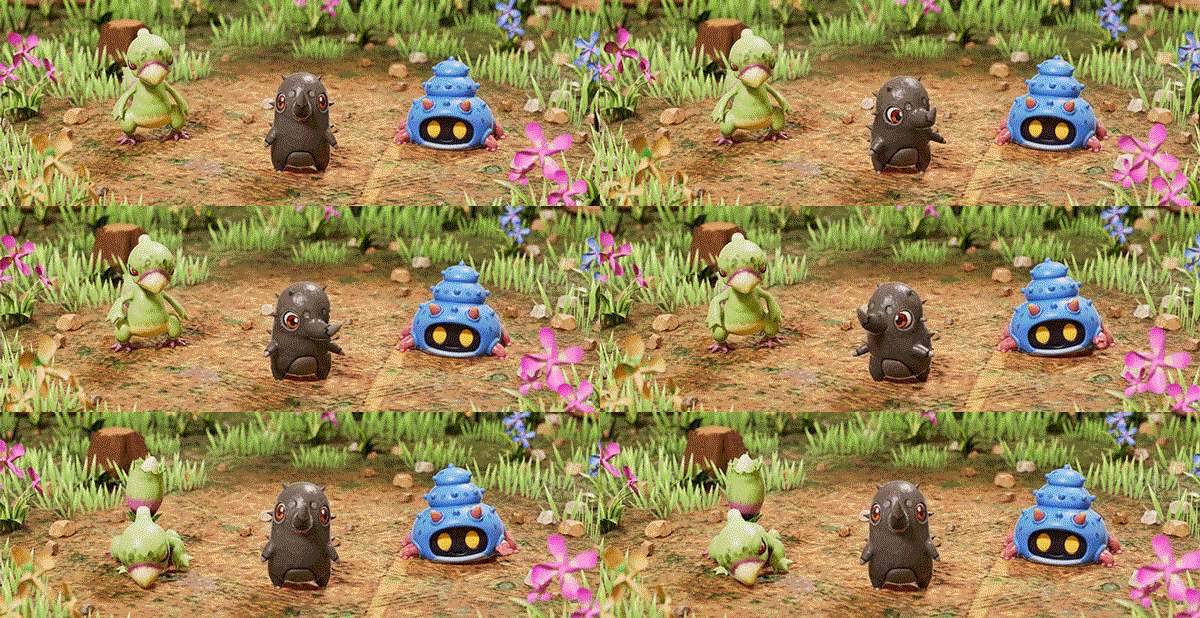
Milo’s first encounter with Reptibud, Porcupint, and Tanibo… ahh, good times!
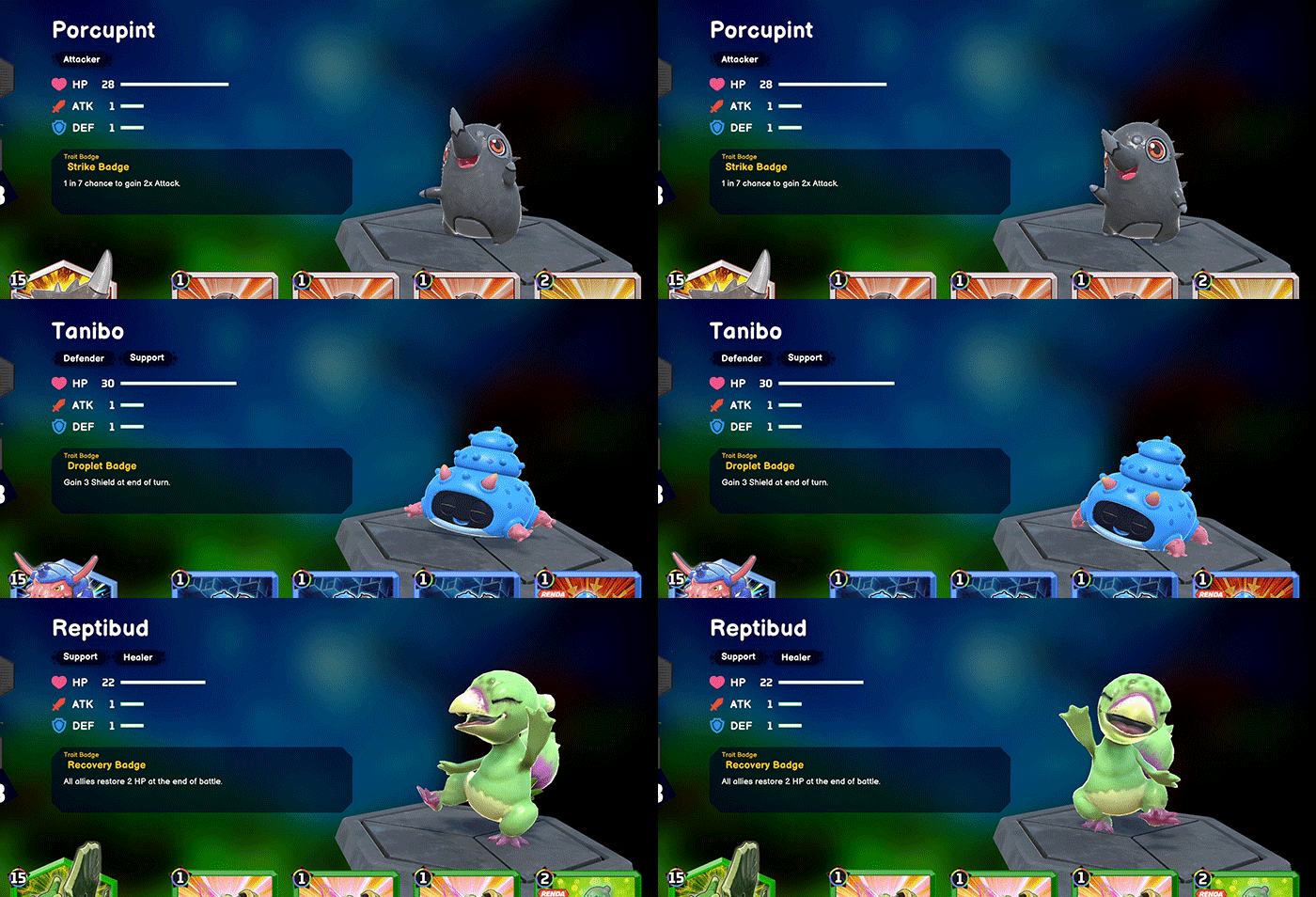
In Serial World, each Anima boasts a unique personality, such as attacker, defender, healer, or support (or a combination of several!) and can learn and utilize a specific variety of skill cards in battle. For example, Tanibo is both a defender and support type, with skills that focus on shielding damage, giving stat boosts to teammates, and distracting enemies.
🎨 Creature Crafting: From Paper to Player
If you’ve ever wondered how the Anima came to exist, I’m here to spill all the secrets! Did you know some of the Anima designs in Serial World go as far back as junior high? In fact, the first time designer Sho Kawasaki ever drew Porcupint, it was on his school desk! 😅
Excitingly, Sho has shared some of the behind-the-scenes concept art he’s made since then, both for Porcupint (see below) and its “EVO” form - more on that later!
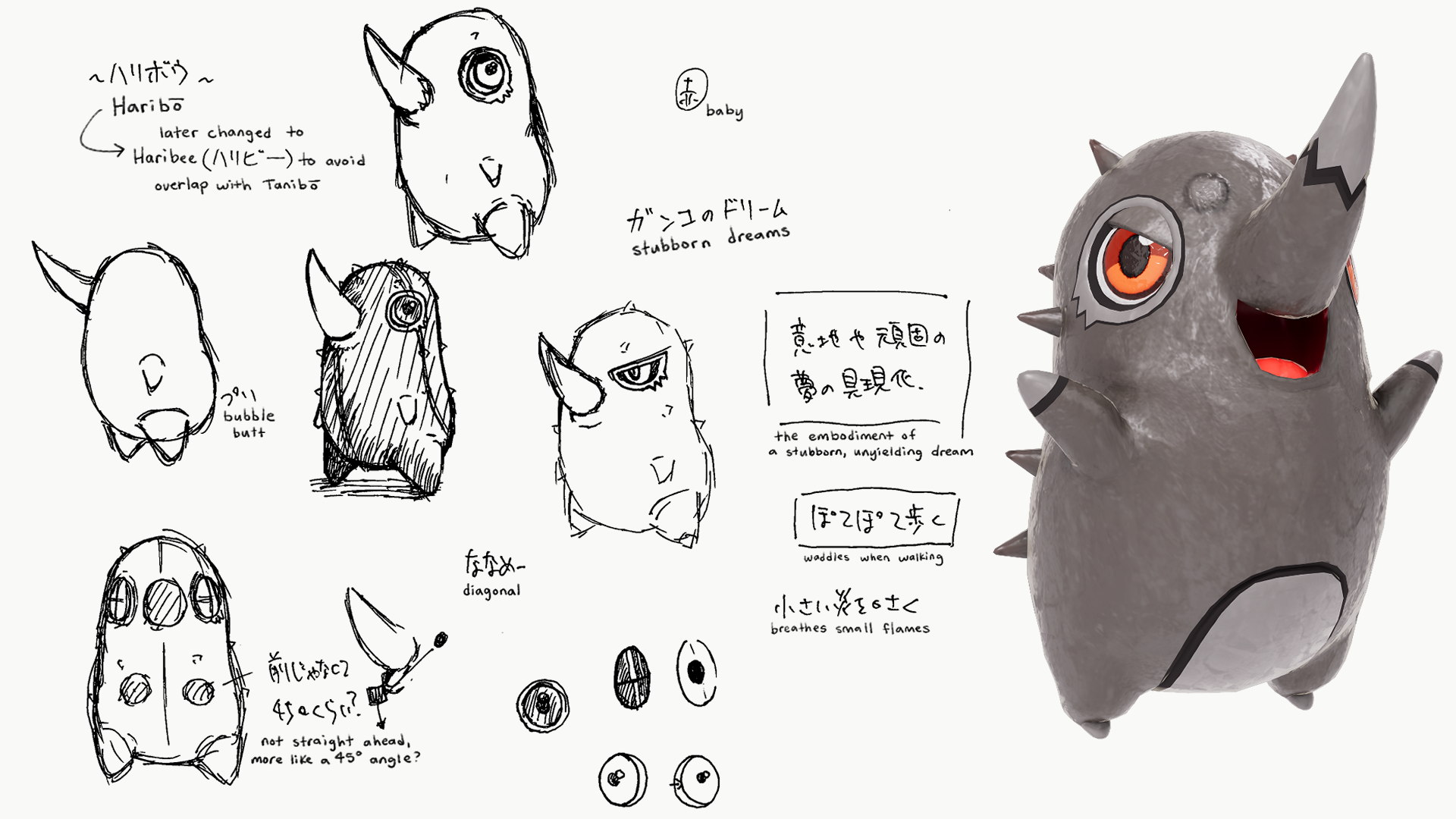 “Just a needle baby. Not quite a rhino, and not quite a mole, but he doesn’t mind being called that.” - Sho
As Takashi and Sho’s vision of Serial World continued to take shape, so did the other Anima designs (at least the ones you’ve seen so far 😉), and the inspirations behind them came from nature, media, and more.
The hard-shelled defender, Tanibo, was inspired by pond snails found in rice paddies or drainage canals, while the design for the verdant healer, Reptibud, draws from butterbur sprouts and lizards that frequent Sho’s springtime garden.
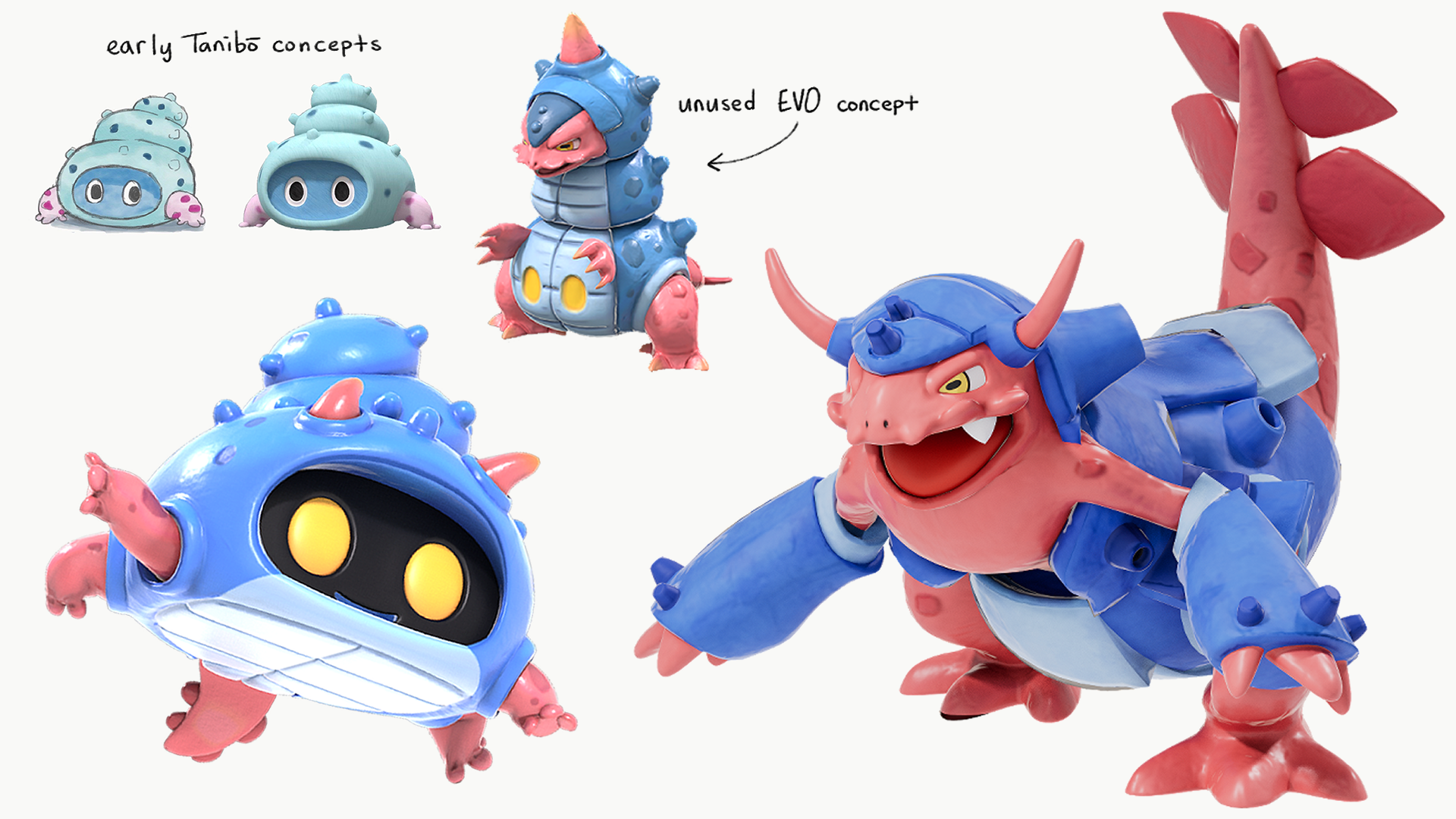 “I thought it’d be funny if the little guy inside the shell looked really tough, but the shell itself? It’s totally like armor.” - Sho
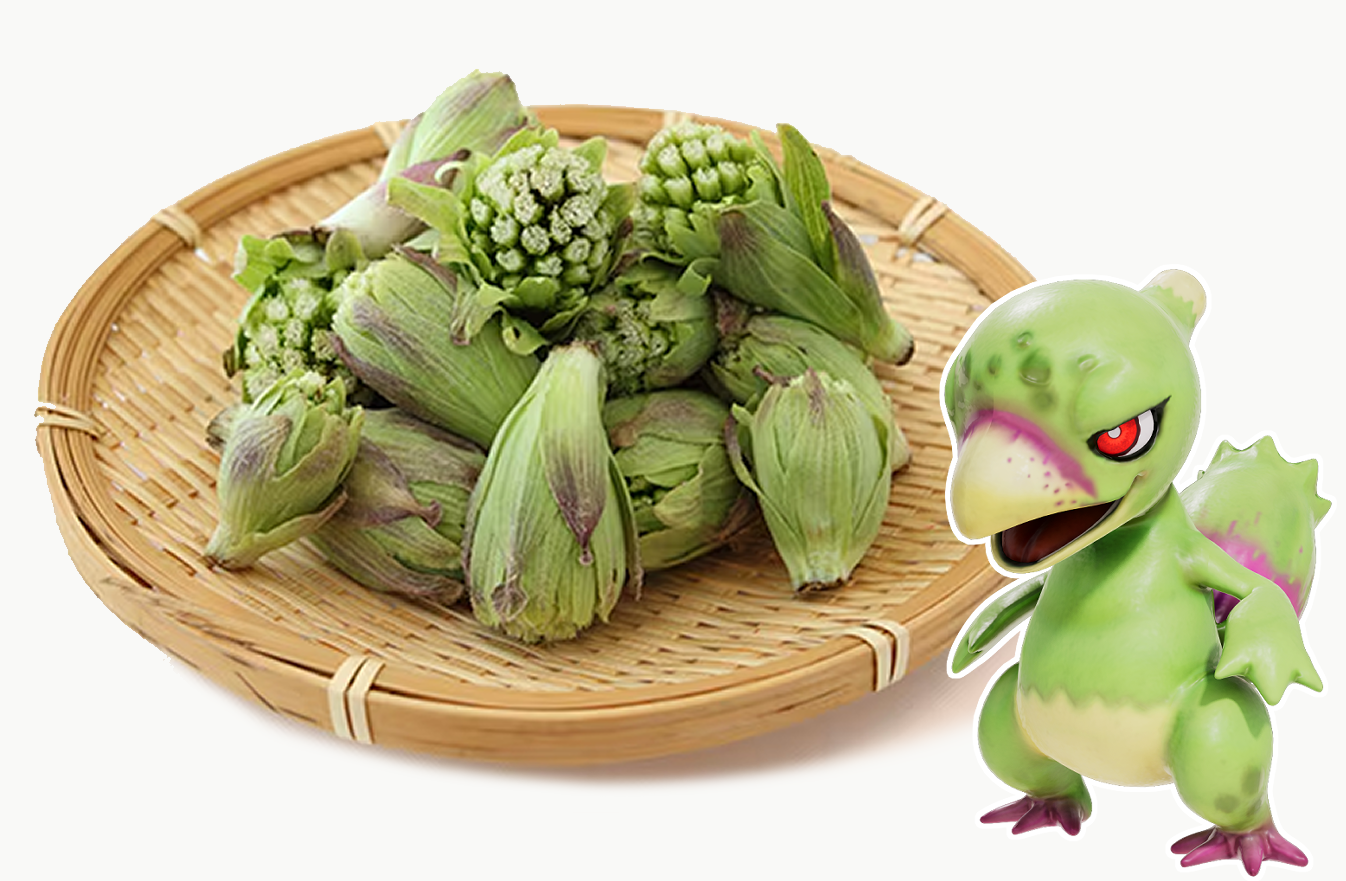 “Every spring, two things show up in my garden - butterbur sprouts and little lizards - so I combined them. Feels like spring!” - Sho
💬 What’s In A Name: Finding the Right Fit
In many cases, these inspirations are directly reflected in the Anima’s names, too! For example, Reptibud’s Japanese name - Fukitokage - combines “fukinotou” (butterbur) with “tokage” (lizard) as a nod to its springtime sources, while Martalon’s Japanese name - Tsumetsubame - combines “tsume” (claw) with “tsubame” (swallow), referencing its quick-jab attack style.
The internal process of picking their English counterpart names was nearly identical, and centered around key words or puns that best captured each Anima’s roots. In fact, I’ve been given top-secret intel from the publishing team at Kakehashi Games, and they shared a peek at their incredibly detailed, premium-grade, in-depth name selection system…
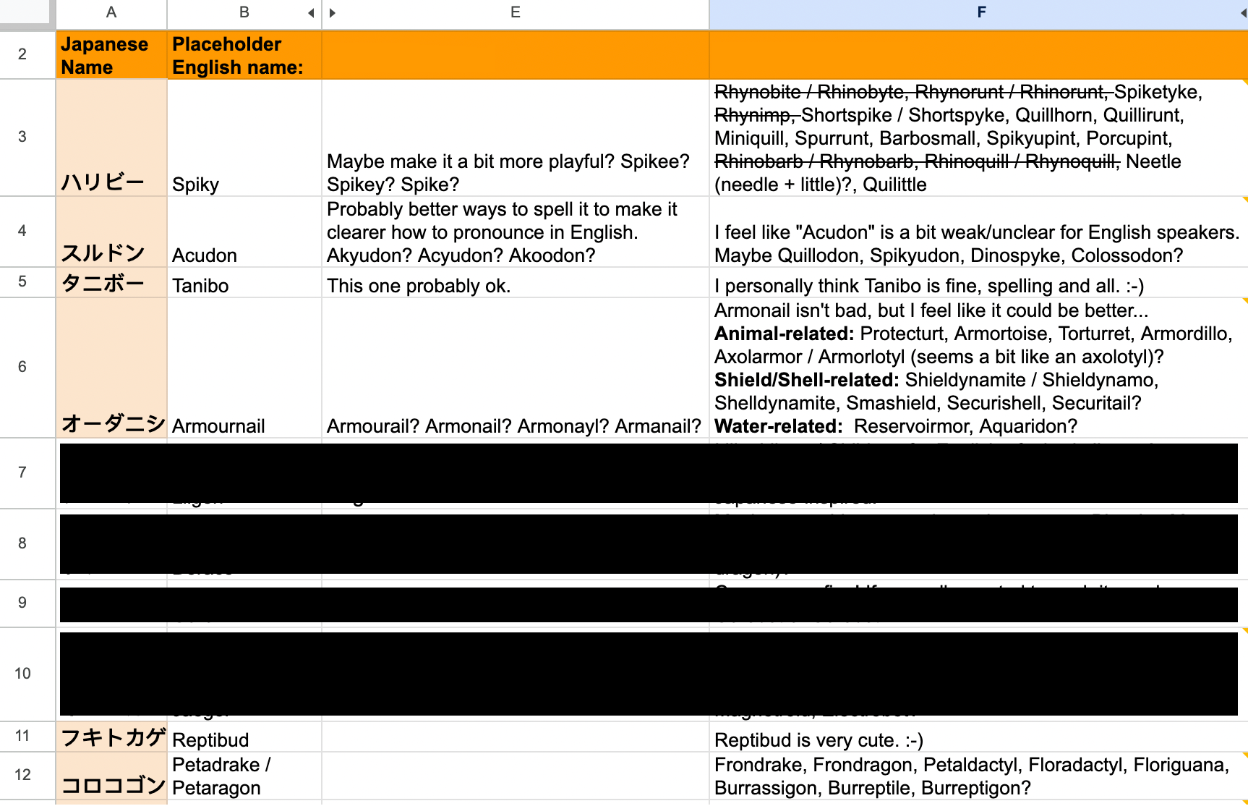 …Oh, it’s a bit more straightforward than I expected! (With spoilers hidden, of course!)
This simple approach is how the developers, translation team, and Kakehashi Games worked together to create English names for the original Anima trio, as well as all other Anima in Serial World! Several sessions of brainstorming eventually led to combining “porcupine” (another incorrect animal!) and “pint-sized” to get Porcupint, “reptile” and “bud” for Reptibud (this was actually Sho’s idea!), and Tanibo, well… that one didn’t change at all! (Hey, if it works, it works!)
💪 Powerful Progression: Unlocking EVO Forms
We hinted at it before, but Anima also have powerful evolved forms known as “EVO” that you unlock during intense battles! By using Action Points (“AP”) to play skill cards in combat, you accumulate EVO points that can be used to unlock an Anima’s special form.
Gather enough, and… boom!

Even the smallest of Anima pack a punch when in EVO form!
Your Anima each have a unique power that activates upon EVO - such as Reptibud’s Peridot Veil negating damage for the team - while simultaneously bolstering their skill cards and hit points.
Just like their pre-evolved counterparts, the Anima’s EVO forms also went through a thoughtful design process, with inspirations behind EVO informing their final looks and capturing their unique identities. For example, the developers originally imagined Anima with two EVO forms, but after a lot of back-and-forth, decided to focus on making the singular EVO form as cool and as powerful as possible!
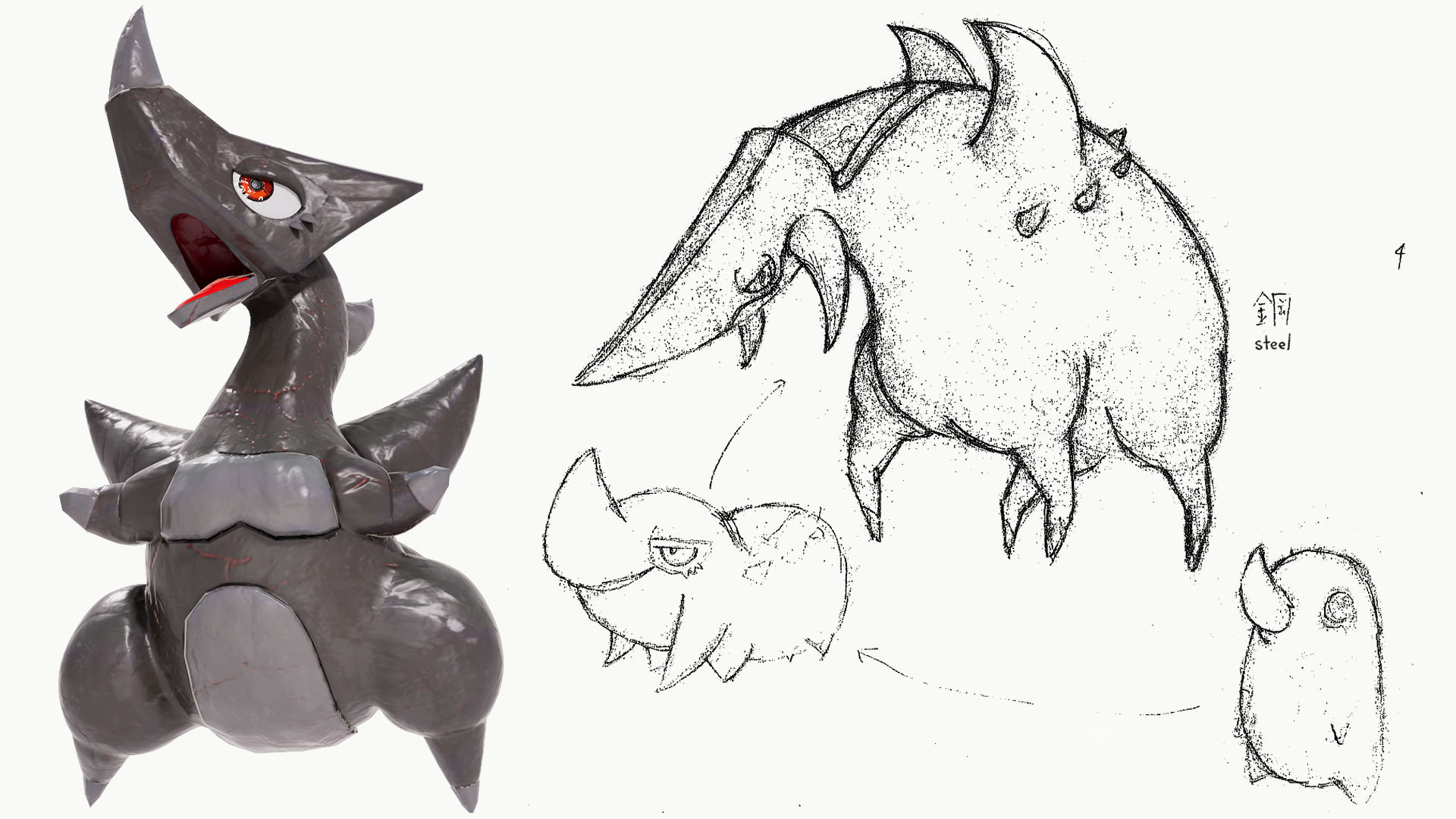 “A spiky kaiju, loosely inspired by Ultraman’s Gomora!” - Sho
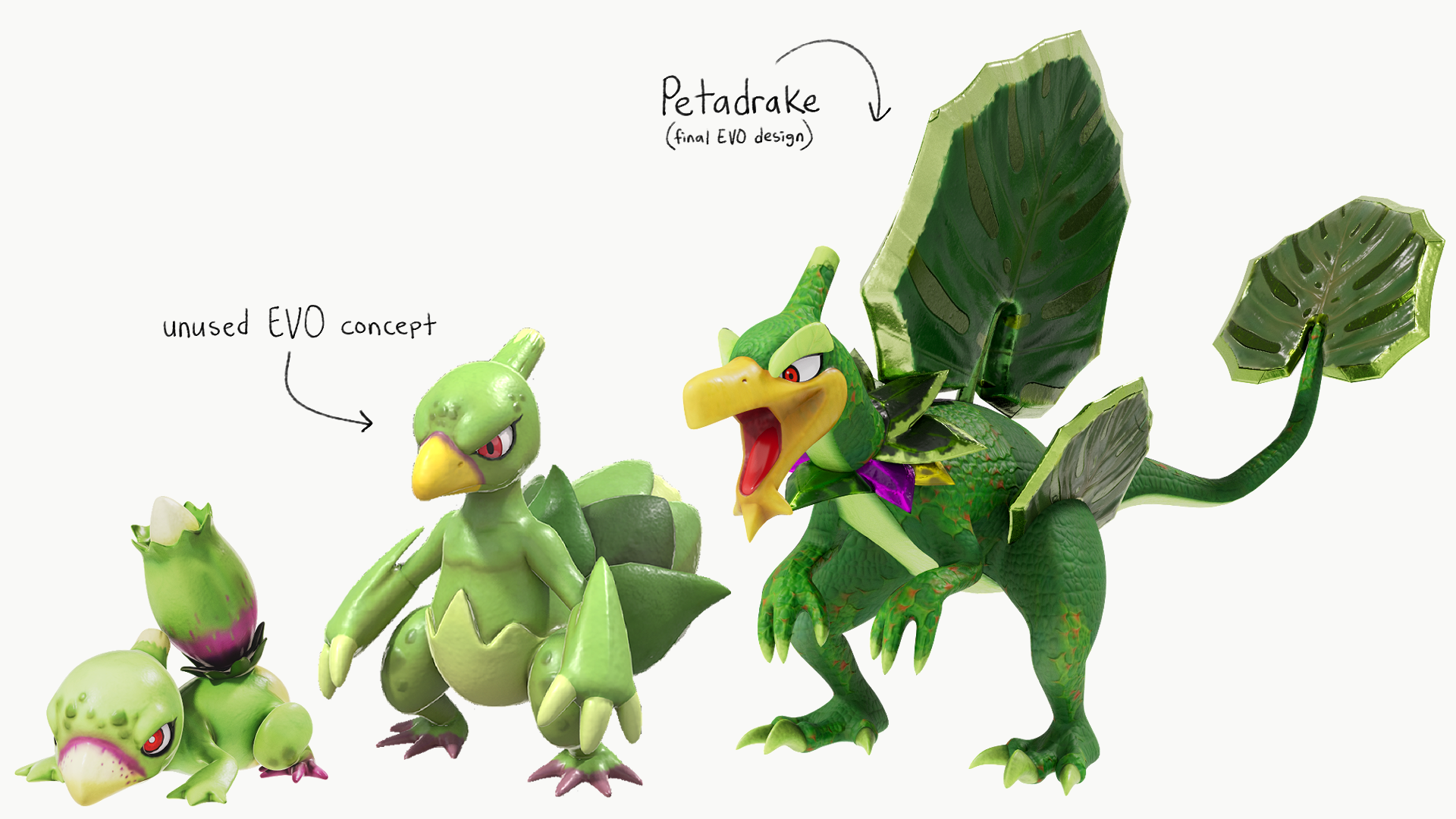 “Sprouts grow up to become plants. Lizards grow up to become dragons. Just imagine a super‑powered version of that.” - Sho
👀 Coming Up Next: Designing Roguelike Dungeons
I’ve probably overwhelmed you with all of this amazing Anima information, right? Better call it quits for now, or I’ll keep going and going and… well, you get it. 😅
Thanks for tuning into another successful Chip Chat! I look forward to sharing more next time, when we delve into discussing a key element of Serial World’s game design - the dungeons!
Until then, don’t forget to wishlist Serial World on Steam, and follow along on social media for more updates!