
Hey all! This week, I'm diving deep into the project files to look through some old maps we created! These were created using our Terrain to Map tool, which converts the heightmap of a Unity terrain to a map for Crystal Horizons, even including things like slopes! We've shown off this tool in action before, but today we're looking at some of the maps we made that didn't quite make the cut. These were made shortly after the creation of the conversion tool, while we were still seeing what it could do and testing its limits, so come with me on a little adventure across three different forgotten maps!
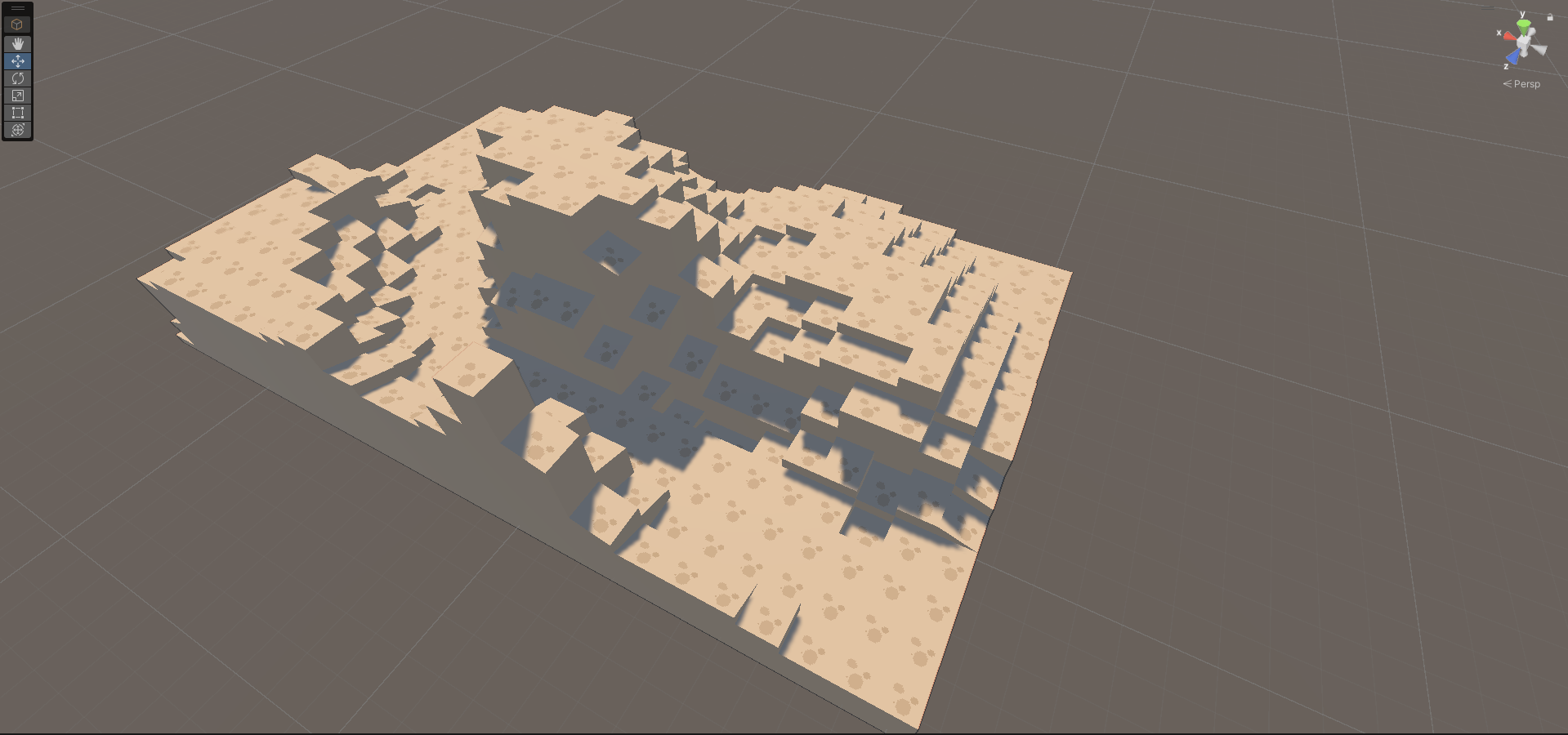
First up, we have this desert-like map. When maps are first generated, we give them two tile materials to use; one for tiles exposed to the air, like grass, and one to make up walls and other covered tiles, like dirt. Adding variance to the tiles comes a few steps later, so these maps didn't get that far, meaning they only have one or two tile textures on each. For this map, it means a lot of sand.
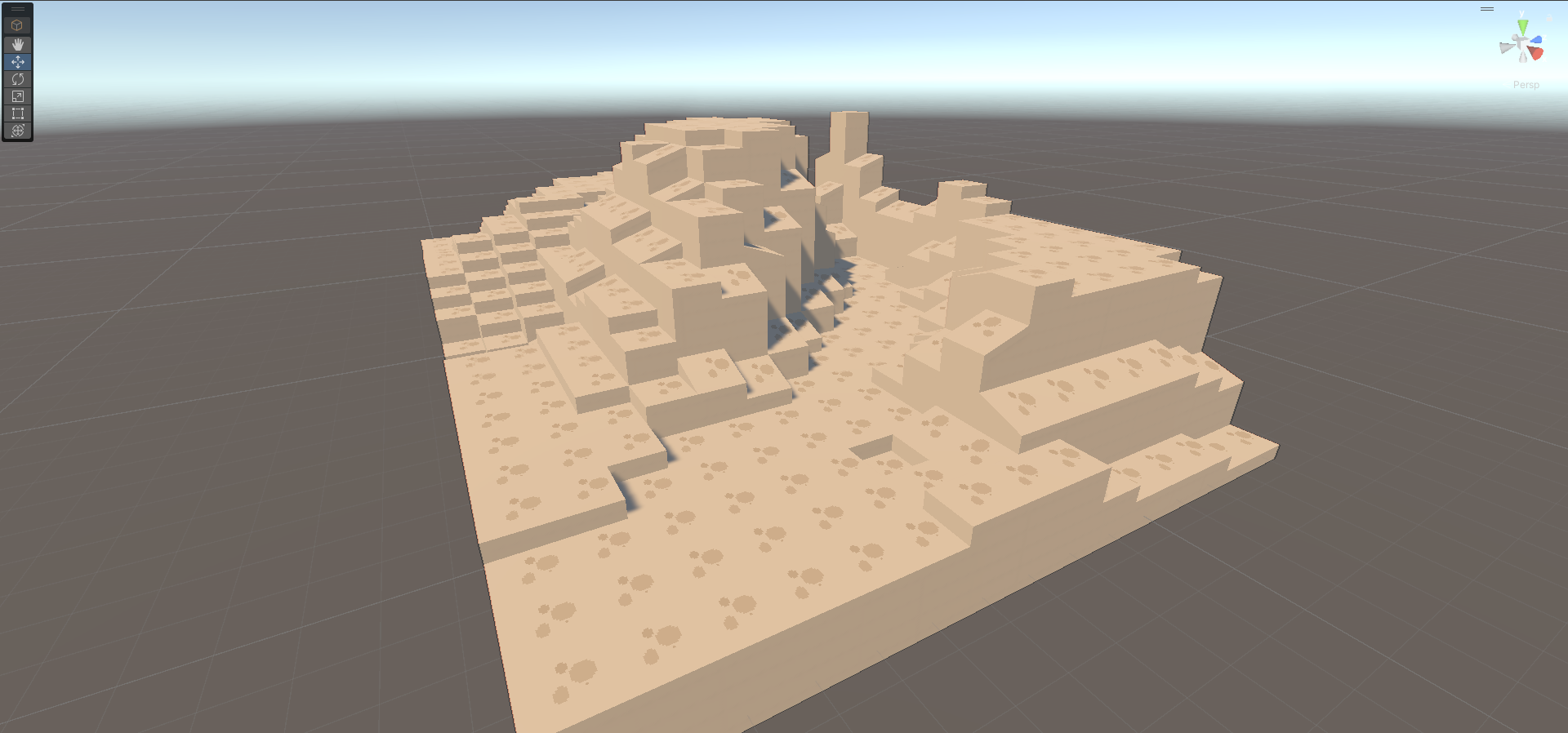
For the most part, the overall map is fine. The hill in the center and the valley that goes around it may be a bit too steep for interesting combat to take place, but with some adjustments it could definitely come back later down the line. Our second map today, however, is a bit more unique.
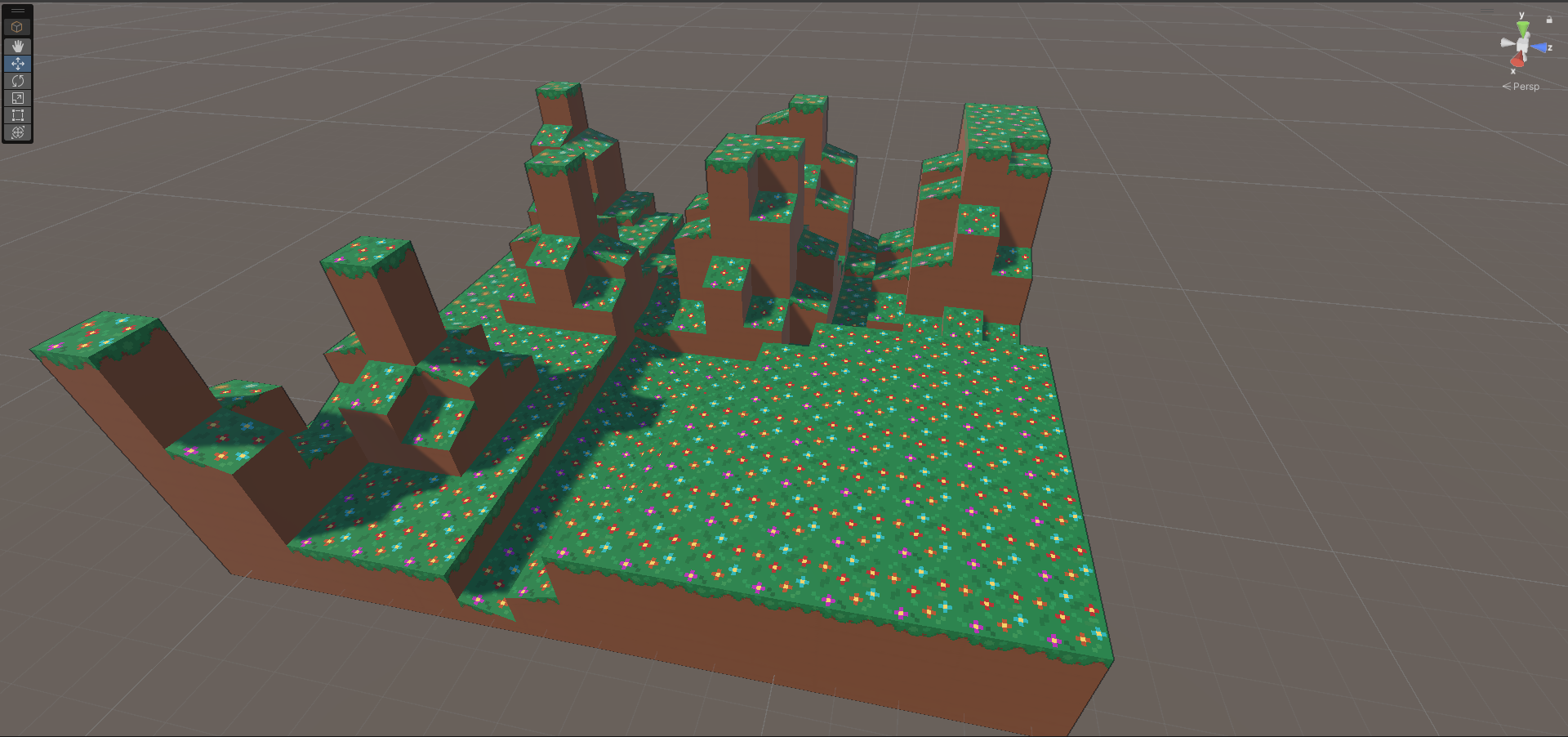
This flowery map has some interesting spires that dominate most of the map, with a plateau in the corner. With lots of high ground and cover, this could lead to some interesting interactions with ranged classes like Stormcaller and Archer, but there are some problems with it. Most notably, with single-tile raised areas like with the spires, it's possible for a unit to jump up and then be unable to be attacked by melee units due to the attack height limit.
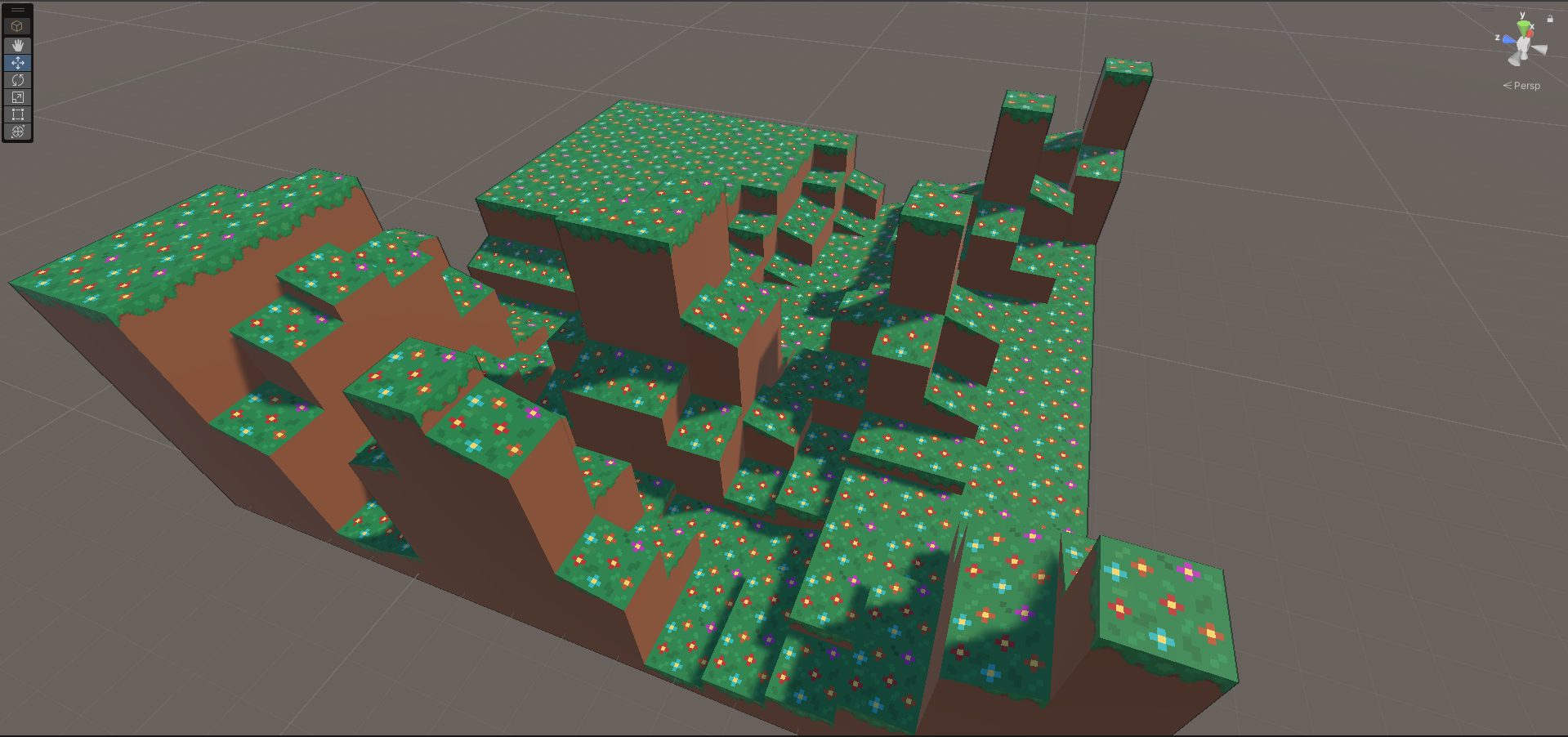
I suspect that this map was made primarily to test how sharp spikes in the terrain would behave with the conversion tool. Observing how the tiles ended up being placed, and how slopes were distributed, could have led to us having a better idea of how to create terrain to more accurately convert to the maps we wanted. I can see potential for this map, but it would likely need some major adjustments and a lot of playtesting to get to a good state.
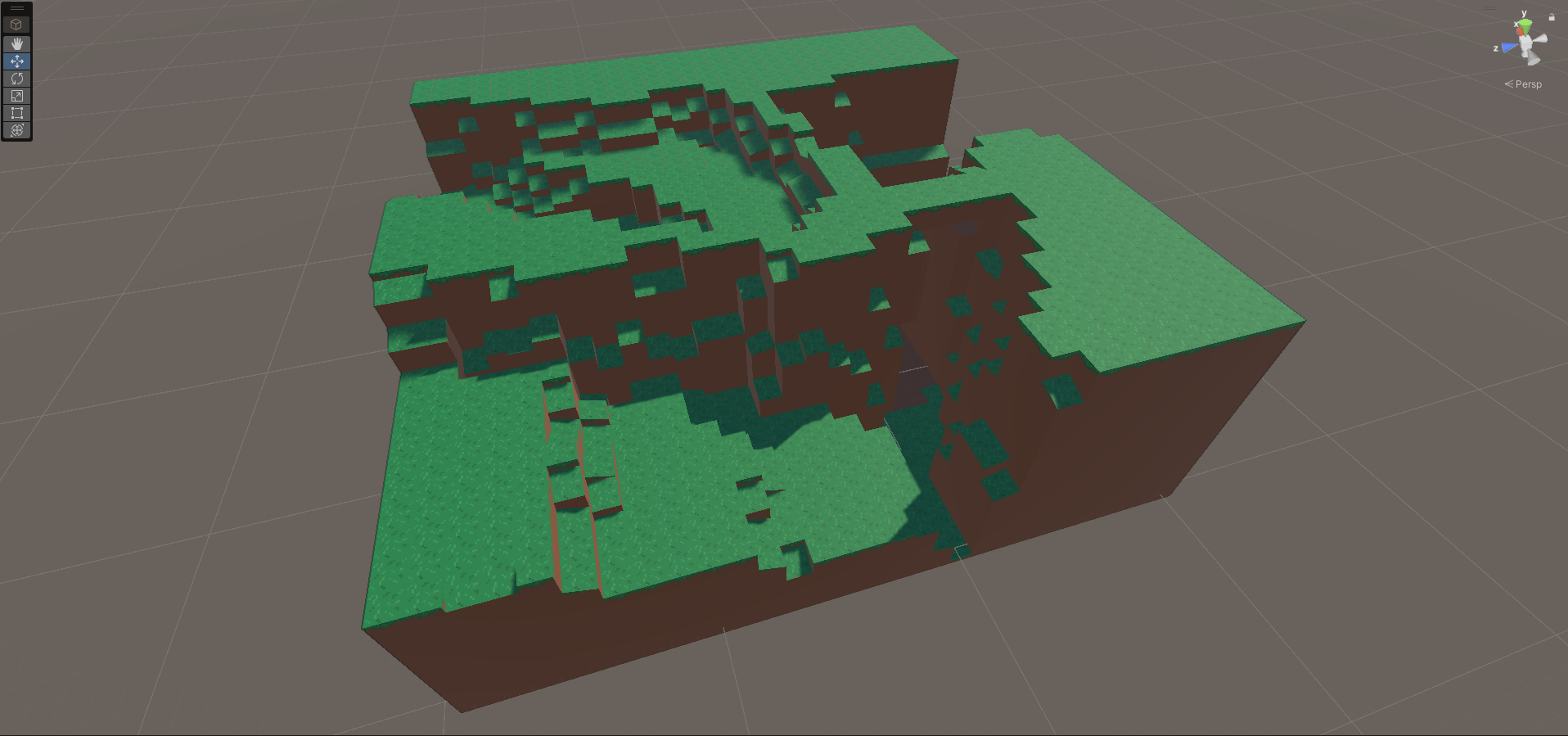
Now, our final map today is a big one. Easily the biggest one we've ever made, and a clear limit test for our conversion tool (and my poor PC). This mountain map is massive, and features a relatively linear path from down below, underneath a bridge, up a slope and then to the top layer of the map. Big maps with multiple layers are definitely things we wanted to try, but as we've learnt more about map size, enemy density and how combat actually plays out, it's become more and more difficult to justify designing a map like this.
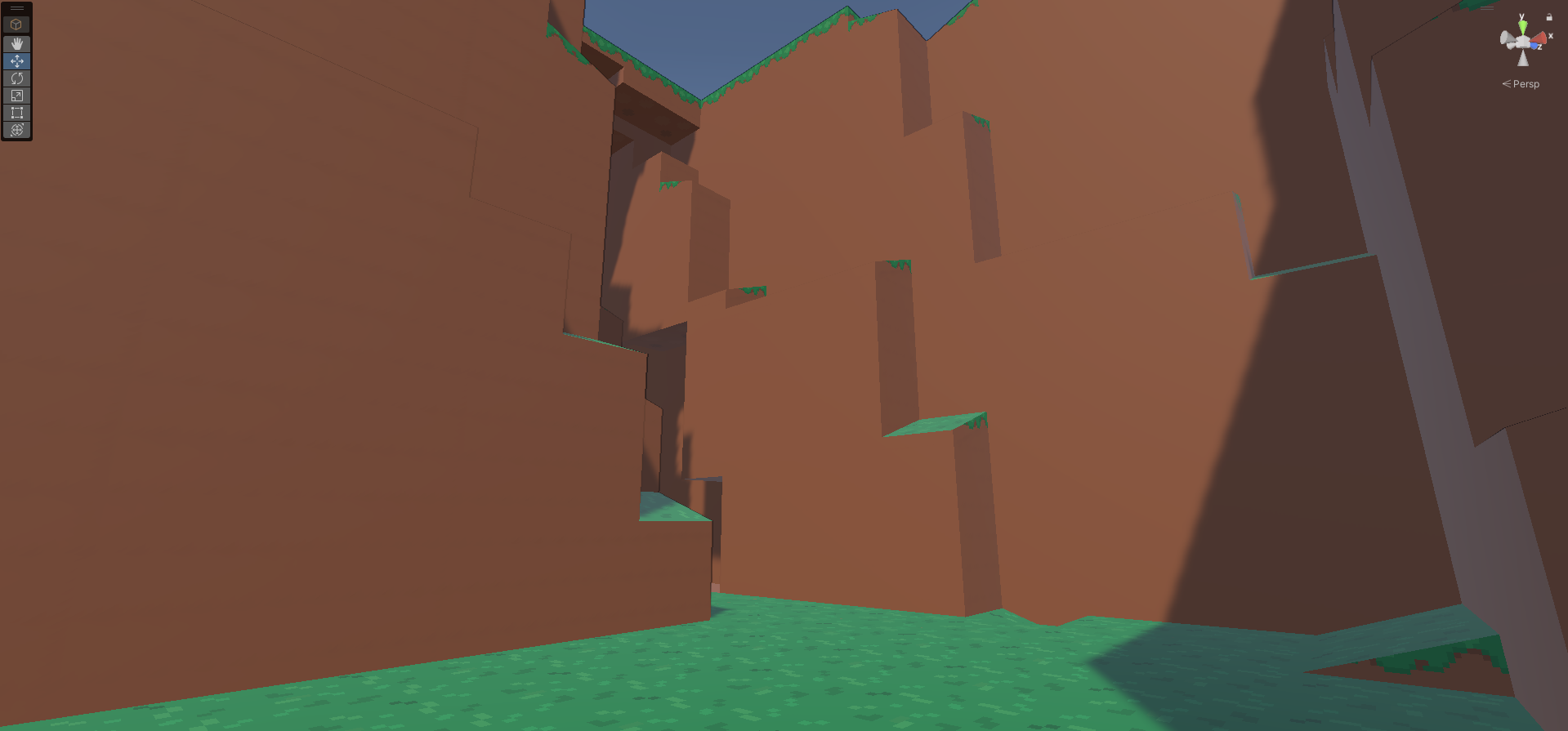
That's not to mention all the issues with visibility; we've got some tricks to make objects on the map less intrusive, but moving your units through a small space surrounded by walls would get very confusing, very fast. While this map is cool, especially owing to its scale, it's simply not a design that would lead to a fun, satisfying playable experience. Still, its sitting around in the project files, so maybe we'll find some way to use it in the future.
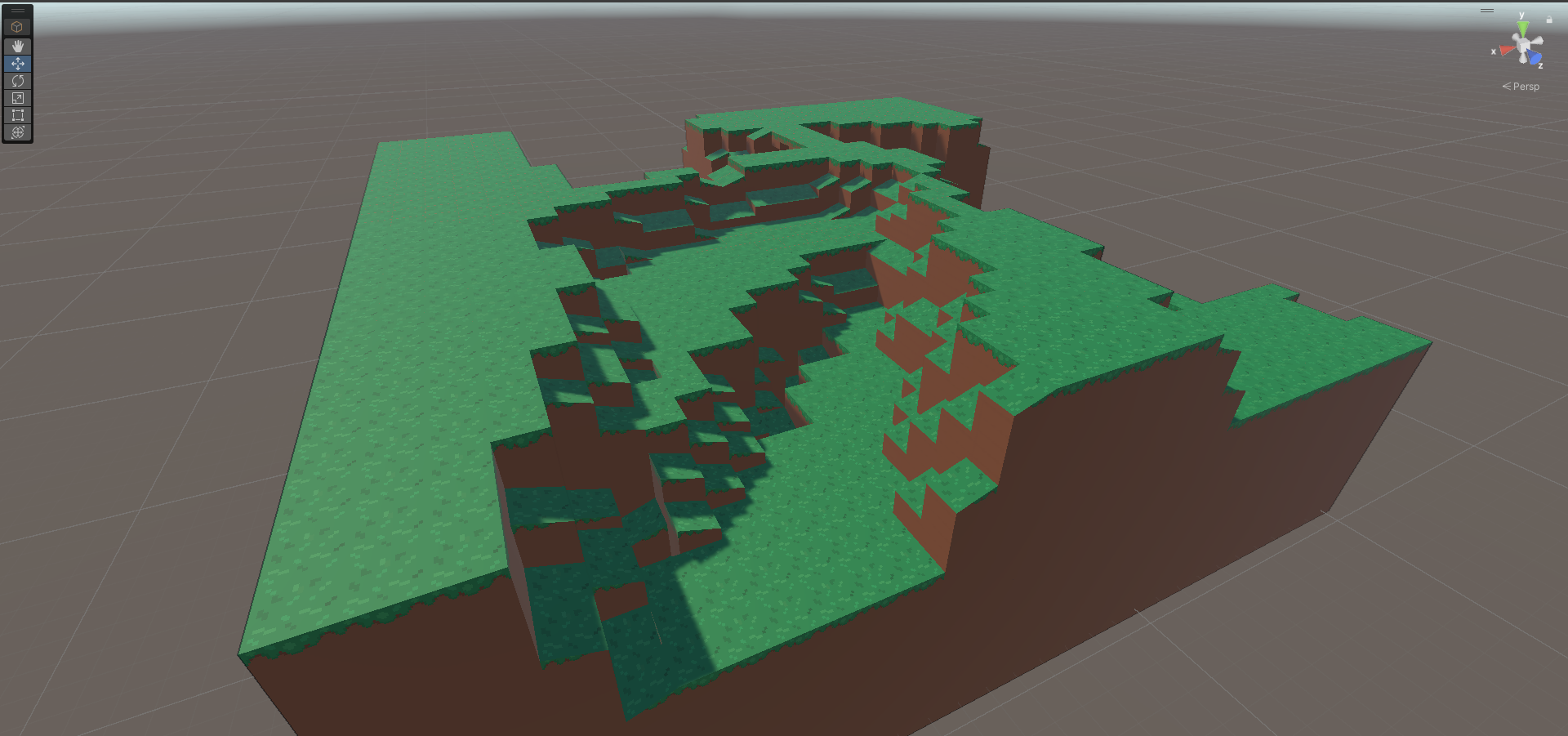
That'll be all for this week! Look forward to the next update; it's going to be a big one!