
Hello flatmates,
today we bring you an update on the progress of the main setting of Glasshouse, Dormitory 73B — and perhaps also a small reflection on the architectural philosophy behind it.
The compromise of privacy, inside and outside the lockdown.
There isn’t a single member of FLAT28 who hasn’t lived outside of a condominium complex. Our entire lives, up until now, have always revolved around waiting for a crowded elevator that would never arrive, and that’s exactly where we started: war in private spaces, coexistence in shared spaces.
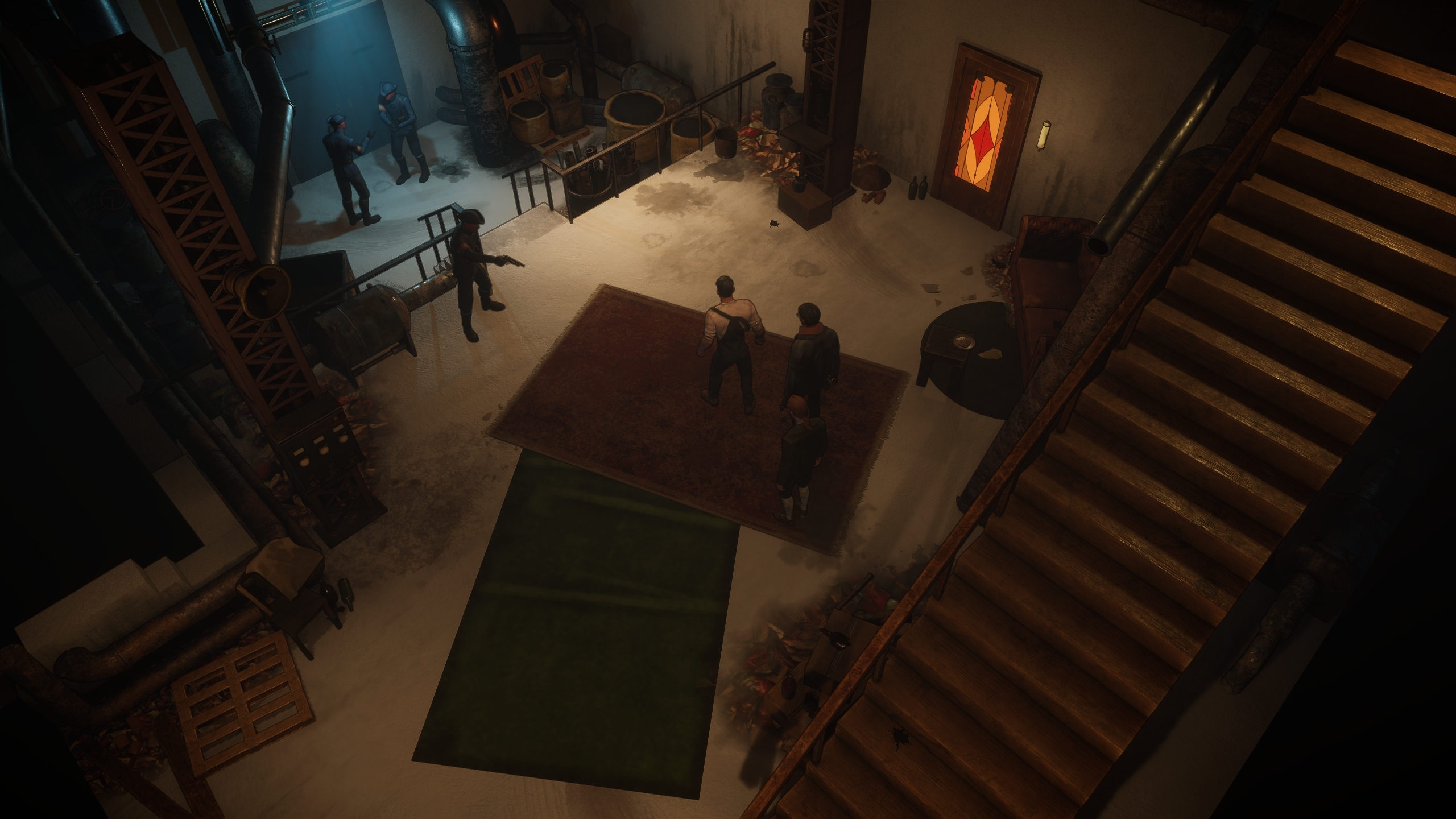
GROUND FLOOR [GF]
After a long day of work, you enter the lobby, and the number of piled-up trash is only surpassed by the chaotic tangle of notes plastered on the walls. "This place is not a dump / Taps will stop running water from 08:00 to 18:00 / The elevator is broken, call the technician."
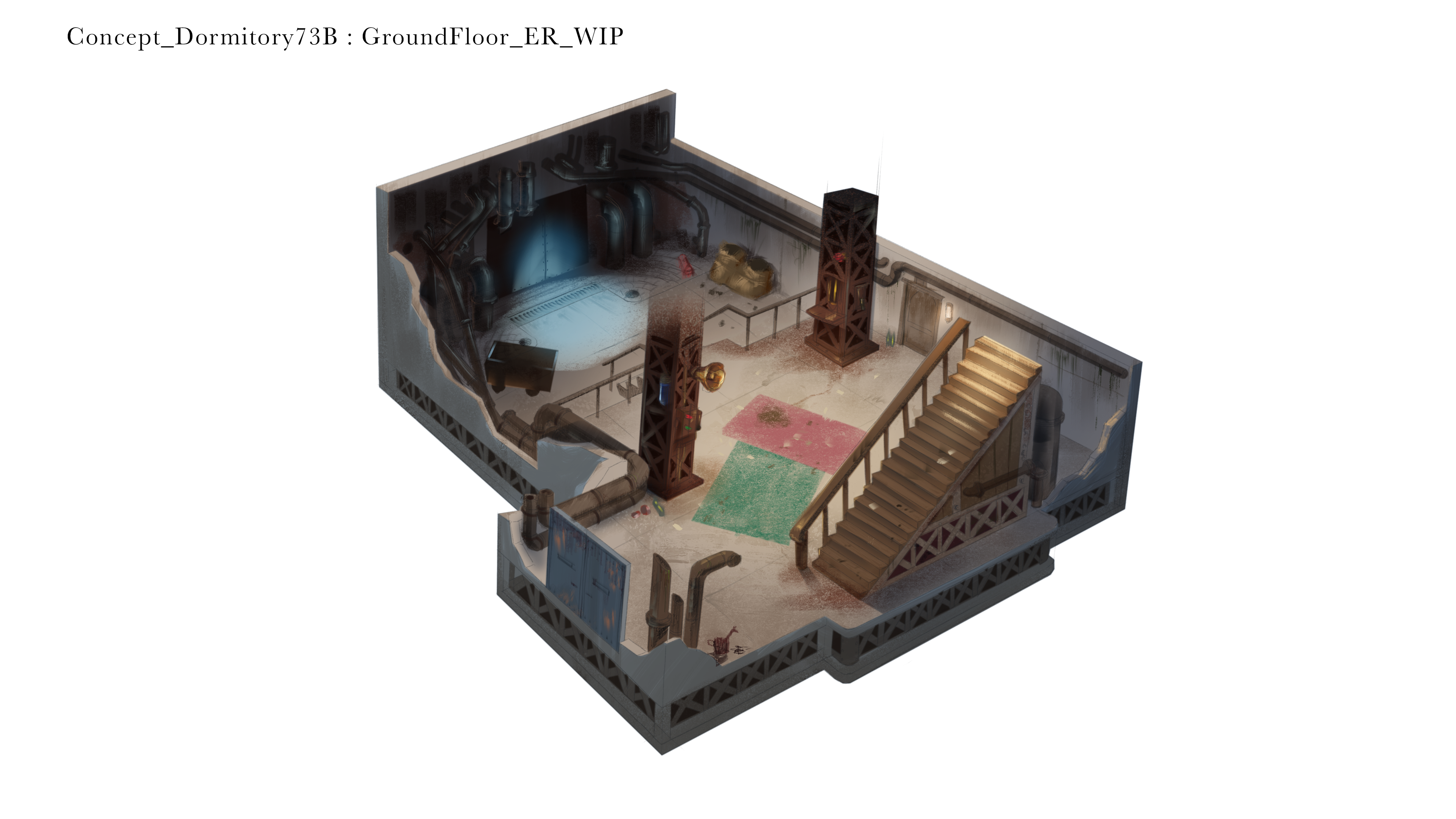
The Dormitory 73B is the perfect embodiment of this scenario, amplified beyond measure by the lockdown conditions that the residents of the Lundonstoch fiefdom have endured for over 57 days. At first glance, the ground floor of this condominium is cold and unwelcoming. The pale color of the concrete is almost blinding, and the dense network of pipes weaves its way into private properties, forming a noose around the necks of those who live there.
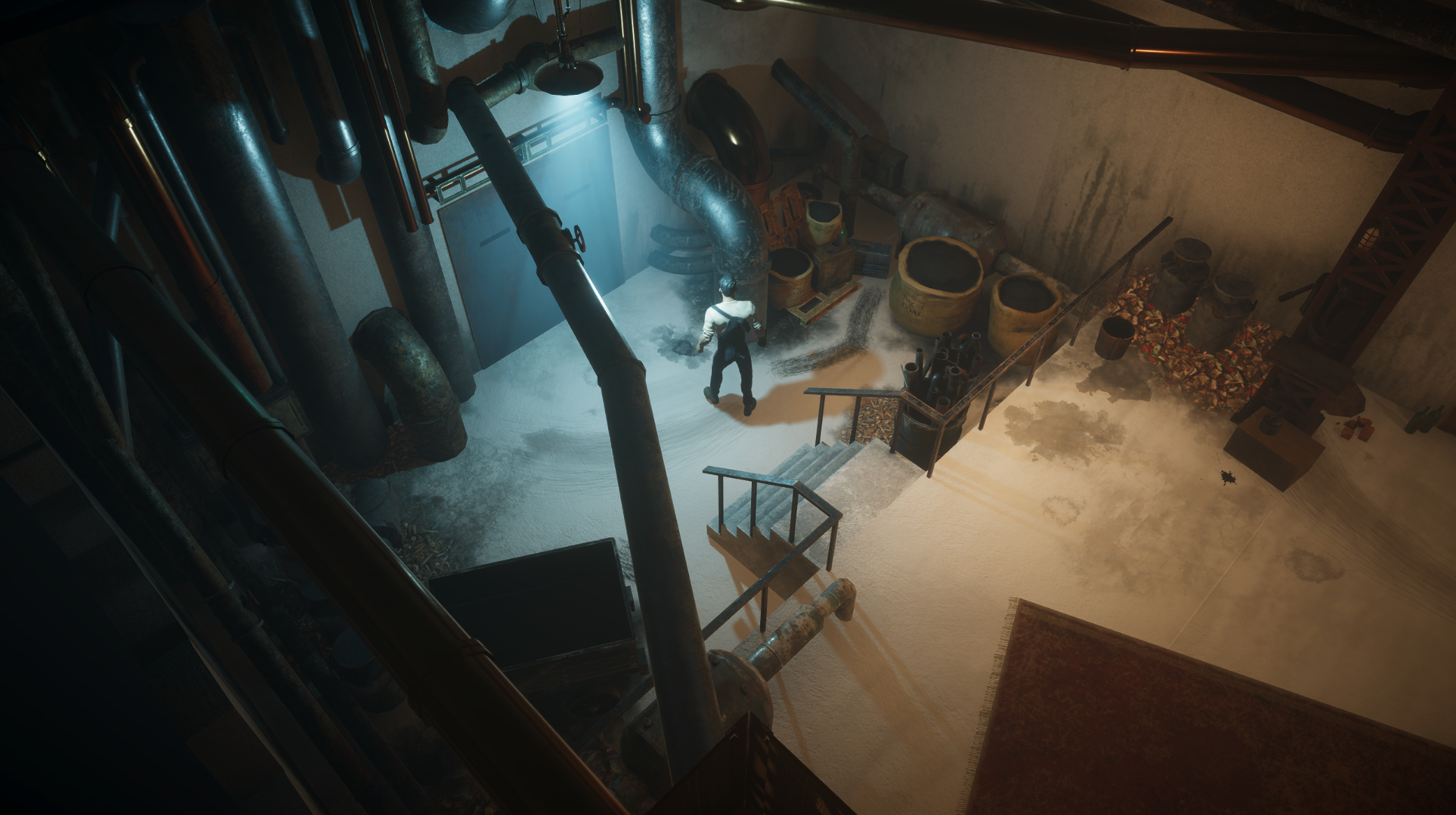
During the early 1900s, the Grand Council of Lundonstoch promoted a collectivization effort aimed at redeveloping old private factories into condominium complexes. Here, the industrial violently clashes with the residential — as if to remind us that we are all cogs in the great machine.
There are no windows; they are not functional.
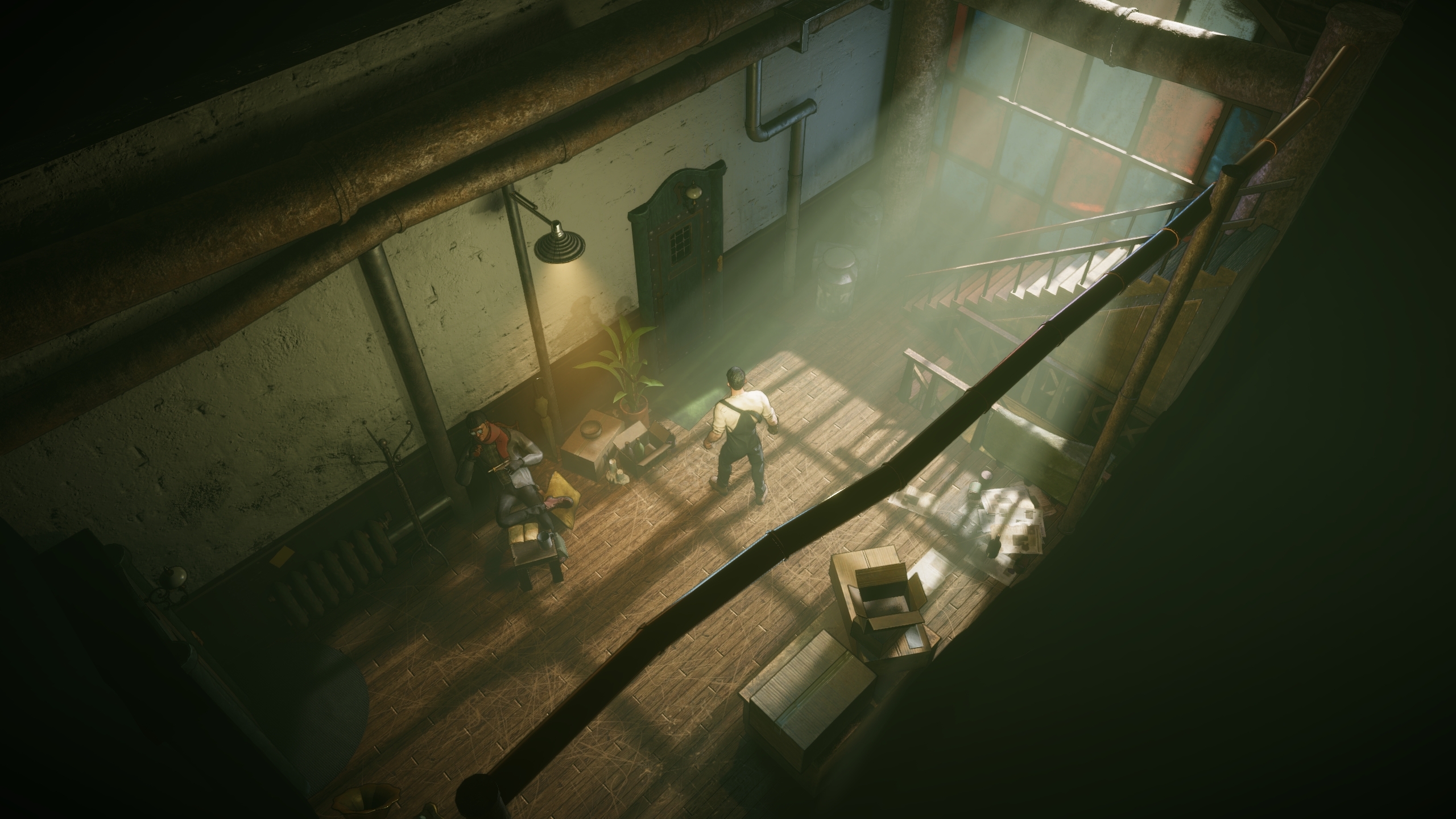
SECOND FLOOR [2F]
Each landing hosts two apartments, typically two-room units. The walls prefer to extend in height rather than width. The warm morning light filtering through the glass panels has turned this floor into a small living room where neighbors gather for tea before heading to work.
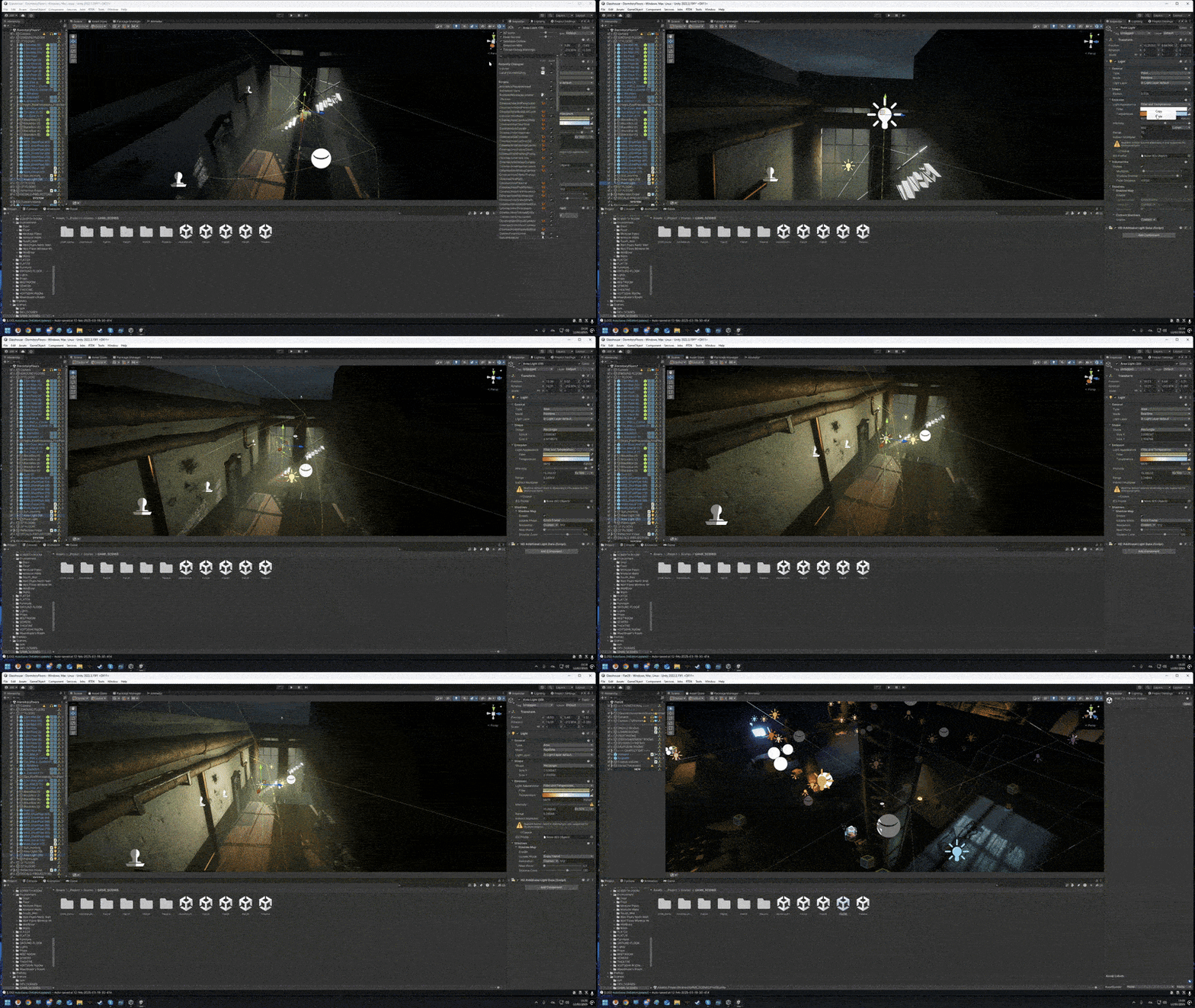
The goal was to banish the gray specter of the factory with furniture, rugs, and quilts. Although the management of shared spaces fell to the head-tenants, it had become common practice. In the Lundonstoch fiefdom, every dormitory was a micro-society within society itself.
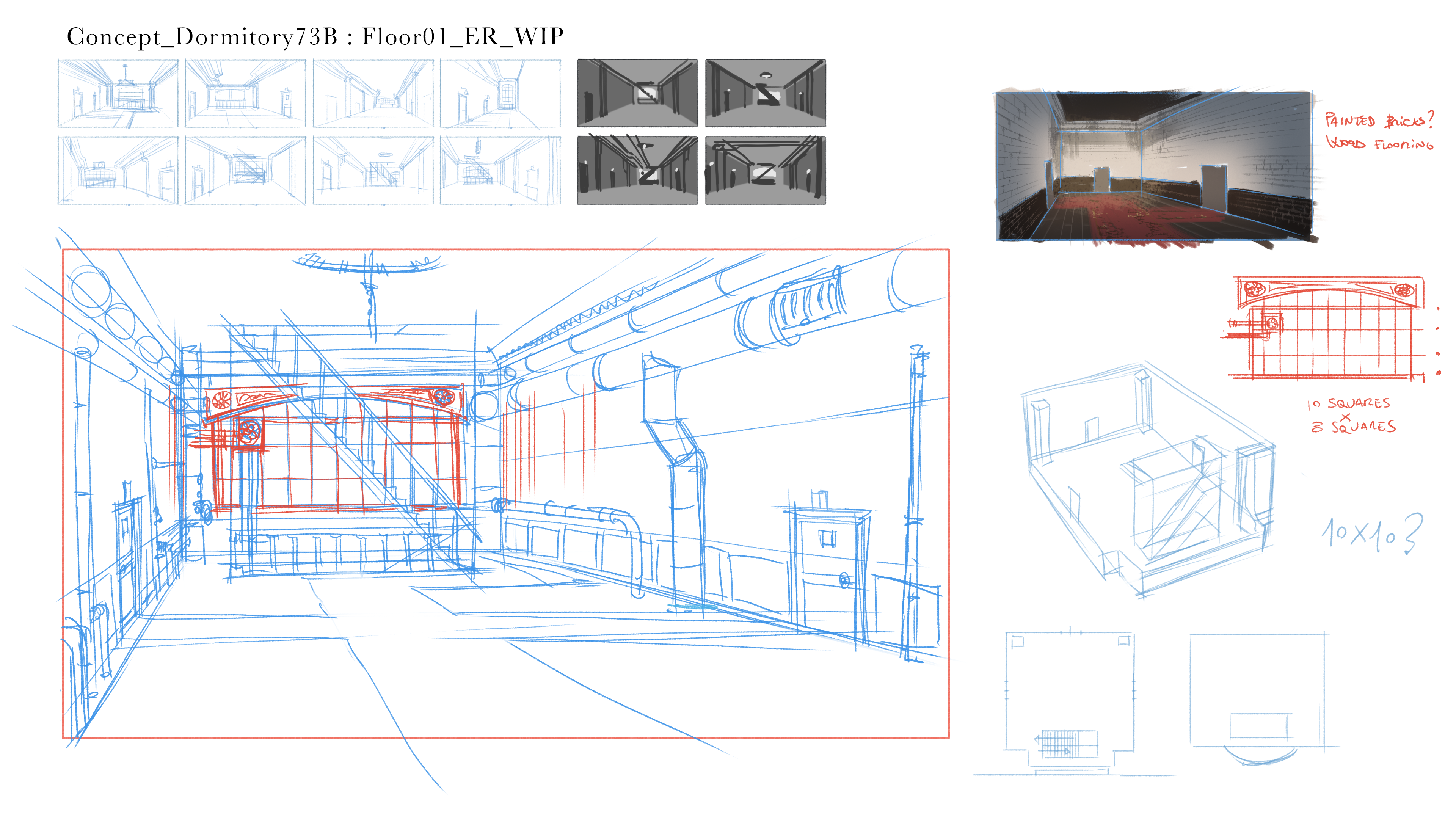
The rules were established by the head-tenant in charge through the "Condominium Constitution" and could only be challenged by the arm of the fiefdom, the vassals of the Damage Control Brigade (DCB), the authority.
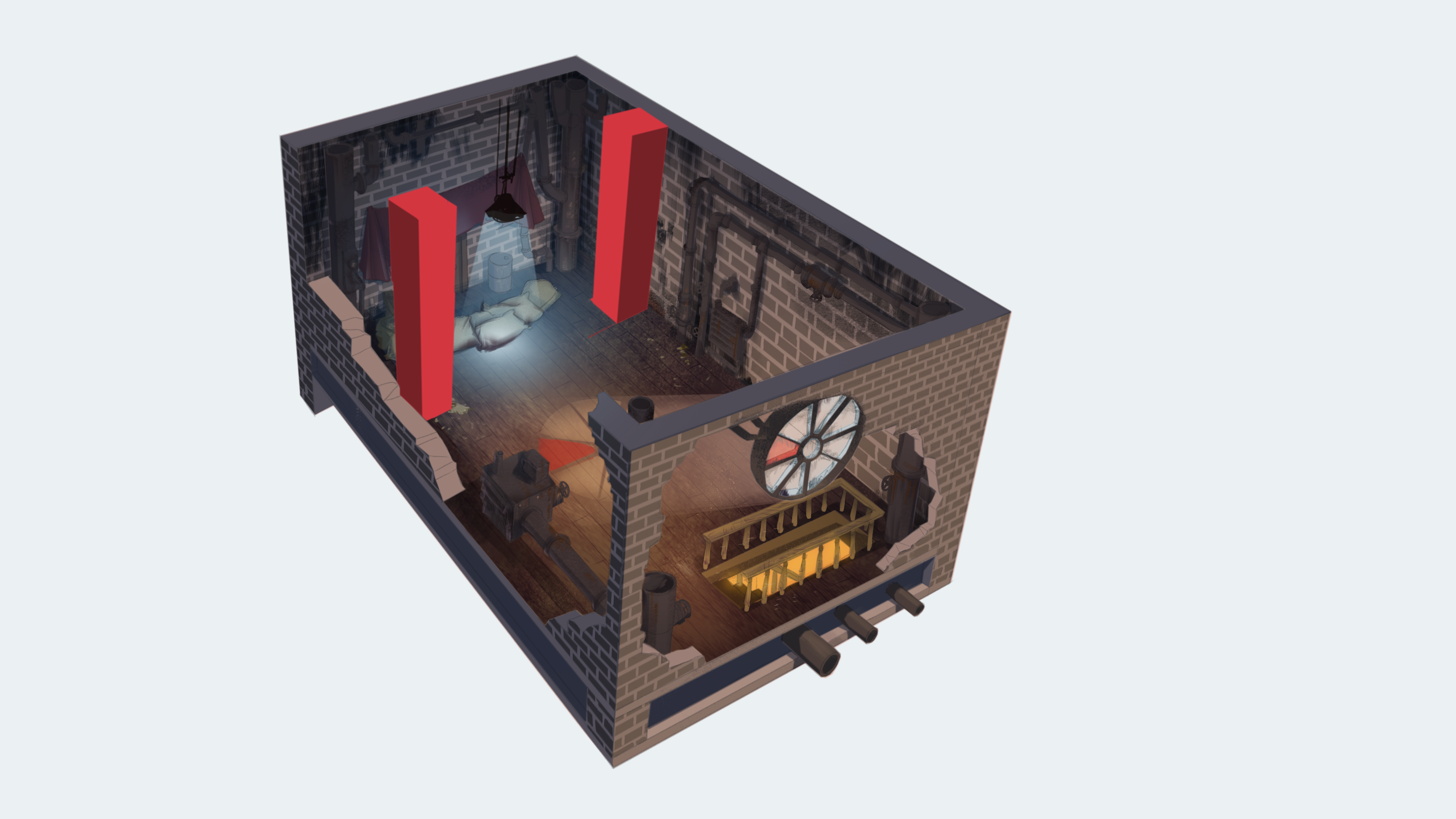
TECHNOLOGY
For over 300 years, Lundonstoch relied on Peat Power Plants, an organic material formed from the partial decomposition of vegetation in waterlogged, acidic environments like marshes and moors.
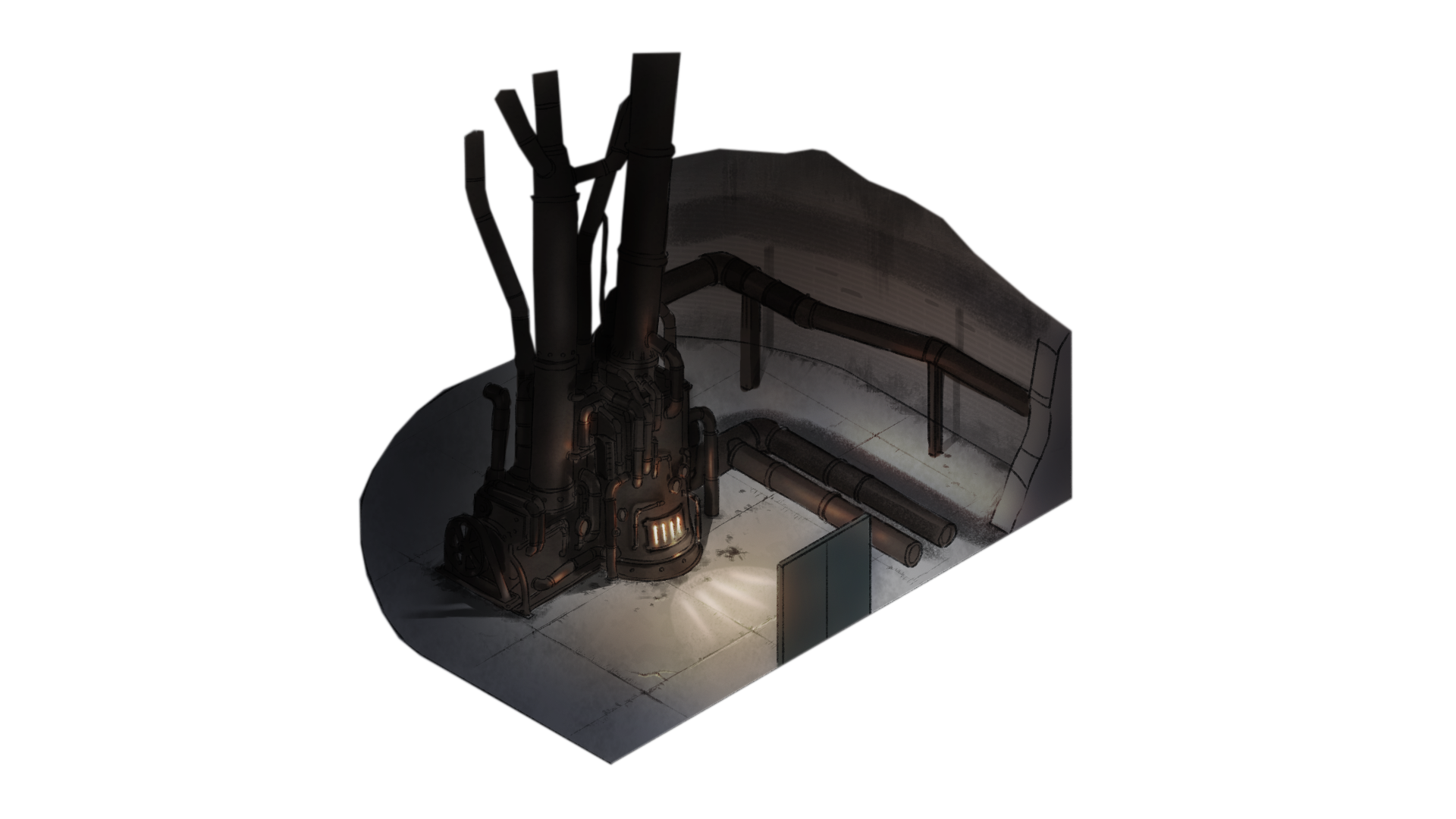
When a study in the 1980s revealed that the average life expectancy had dropped to 65 years and that infertility had reached 70% of the population, the Grand Feudal Council decided to implement a new, more efficient and less harmful system: coal.
With the support of Devs from the fiefdom of Ørstedia, Gravity Furnaces were quickly designed and distributed to all dormitories, leading to the temporary closure of all underground energy networks (Old Lundonstoch Canals) due to obsolescence.
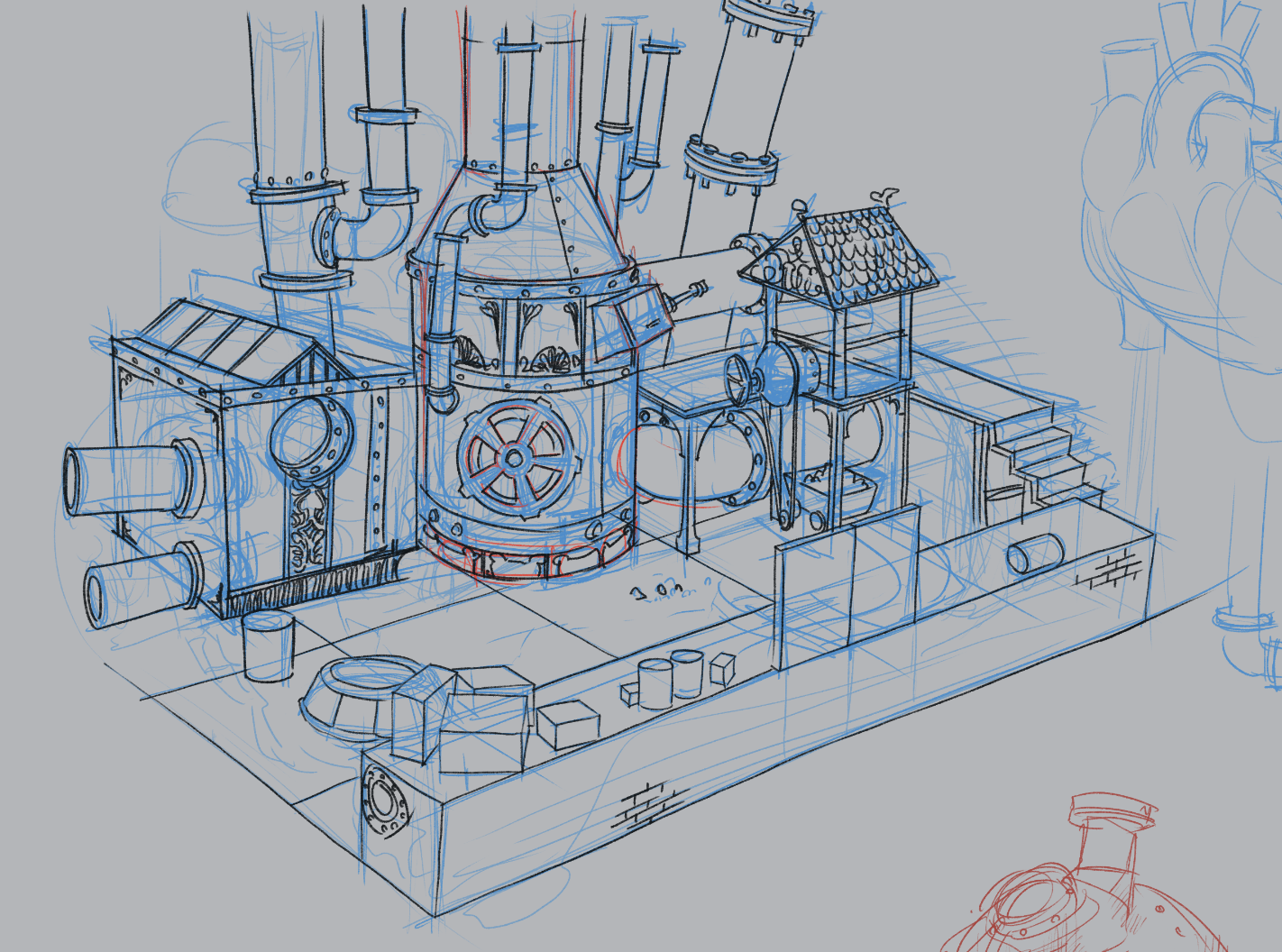
This energy decentralization operation effectively gave each dormitory a cumbersome heart, a maintenance room accessible only to the fiefdom’s technical operators. No tenant had access to it, not even the head-tenant.
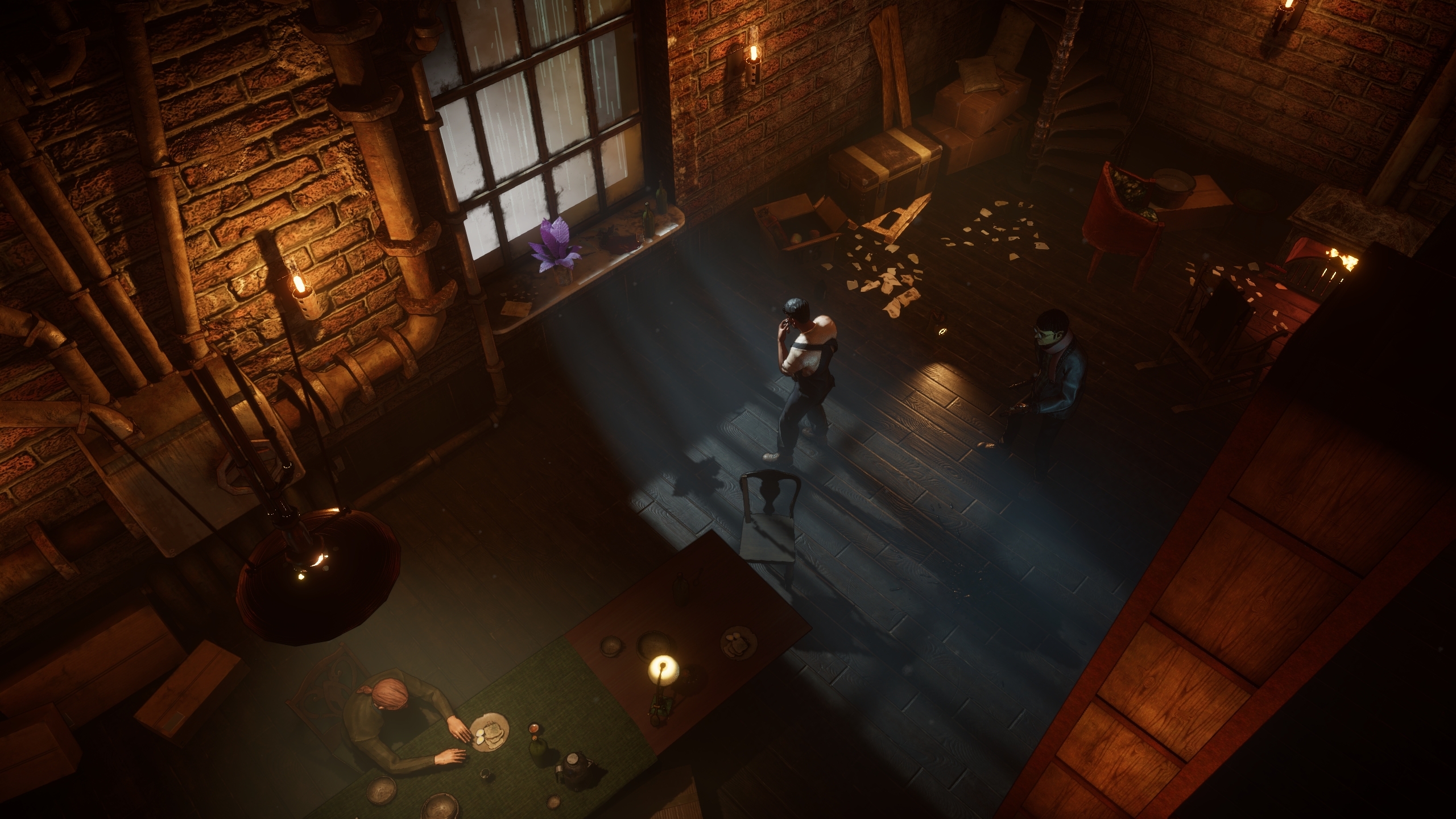
The one adapted in Glasshouse, as you can see, is an inductive Narrative Design that starts from the micro to better understand the macro. Private property is nothing more than a small window into the vast society of The World of Glass.
We are a small team, we couldn’t afford to create an open world, so we rolled up our sleeves and drew from what we know best: thin air, crumbling corridors, and small rooms/spaces overflowing with stories. When COVID-19 forced us into our condominiums for months, it wasn’t a huge tragedy — we already had everything we needed, our small self-governed ecosystem.
Thank you all, see you next month!
Giacomo Montagnoli, Creative Director
FLAT28 Collective